Choosing between Inside vs Outside Masai Mara accommodation can make a big difference to your safari experience. Your lodge location affects wildlife viewing, travel time, park fees and your overall budget.
Some travellers prefer staying inside the
Masai Mara National Reserve for easier access to wildlife. Others choose accommodation outside the gates to reduce costs. Meanwhile, private conservancies offer another option for visitors seeking quieter game drives.
At
Zamunda Travels, we help travellers compare these choices before booking their
Kenya safari. This guide explains the advantages, disadvantages and costs of each option.
Quick answer: Staying inside the Masai Mara National Reserve is usually better for early game drives and convenient wildlife access. Staying outside near a gate can reduce accommodation costs. However, private conservancies offer quieter wildlife experiences and additional activities. Your best choice depends on your budget, safari duration and preferred activities.
Inside vs Outside Masai Mara: Understanding the Difference
The Masai Mara National Reserve lies in southwestern Kenya, along the Tanzanian border. It covers approximately 1,510 square kilometres and connects with the Serengeti ecosystem.
However, accommodation marketed as being in the Masai Mara does not always sit inside the National Reserve.
There are three main accommodation locations.
1. Inside the Masai Mara National Reserve
These lodges and camps sit within the protected Reserve boundaries. Guests can reach nearby wildlife-viewing tracks without travelling through an external entry gate each morning.
This option suits travellers who want convenient access to the main safari areas.
2. Outside the Reserve near an entrance gate
These properties sit outside the official Reserve boundaries. Popular accommodation areas include Sekenani, Talek and Oloolaimutia.
They often provide more budget and mid-range choices. However, visitors usually enter the Reserve through a gate for their game drives.
3. Inside a private or community conservancy
Conservancies such as Mara North, Olare Motorogi and Naboisho form part of the wider Mara ecosystem.
They protect important wildlife habitats beyond the National Reserve. Some also permit guided walks and night drives under specific rules.
Therefore, a conservancy camp should not be confused with an ordinary lodge outside a Reserve gate.
Inside vs Outside Masai Mara: Accommodation Comparison
Before choosing your safari lodge, compare the practical differences.
| Feature |
Inside the Reserve |
Outside near a gate |
Conservancy |
| Wildlife access |
Direct access to Reserve tracks |
Requires gate entry |
Wildlife within conservancy |
| Accommodation cost |
Often higher |
Often more affordable |
Often premium |
| Morning game drives |
Convenient early starts |
Gate travel required |
Convenient within conservancy |
| Night game drives |
Not permitted |
Not automatically permitted |
Possible where authorised |
| Walking safaris |
Not permitted |
Only in approved areas |
Available in selected conservancies |
| Visitor numbers |
Can be busy |
Depends on Reserve destination |
Often lower density |
| Migration viewing |
Depends on camp location |
Depends on gate and driving distance |
May require Reserve transfer |
| Best suited for |
Wildlife-focused visitors |
Budget travellers |
Privacy and specialist activities |
The most important factor is not simply the lodge category. Instead, consider how long it takes to reach your preferred game-viewing areas.
For example, a lodge just outside Talek Gate may offer better access to your planned route than a distant camp inside the Reserve.
Advantages of Staying Inside the Masai Mara National Reserve
Staying inside the Reserve offers several advantages, especially during a short safari.
Easier access to early morning game drives
Wildlife activity often increases during cooler morning hours. Lions, hyenas and other predators may still be active before the day becomes hot.
Therefore, staying inside can make early departures easier.
You avoid travelling from an outside settlement to the entrance gate. Instead, your guide can begin exploring nearby Reserve tracks soon after departure.
However, game drives must still follow the Reserve’s operating rules.
More time for wildlife photography
Photographers often prefer the soft light around sunrise and sunset.
An inside-Reserve lodge may reduce transfer time. As a result, you can spend more of your permitted game-drive period looking for wildlife.
Nevertheless, accommodation location matters. A camp inside the Reserve may still be far from a particular river crossing or predator territory.
A stronger bush atmosphere
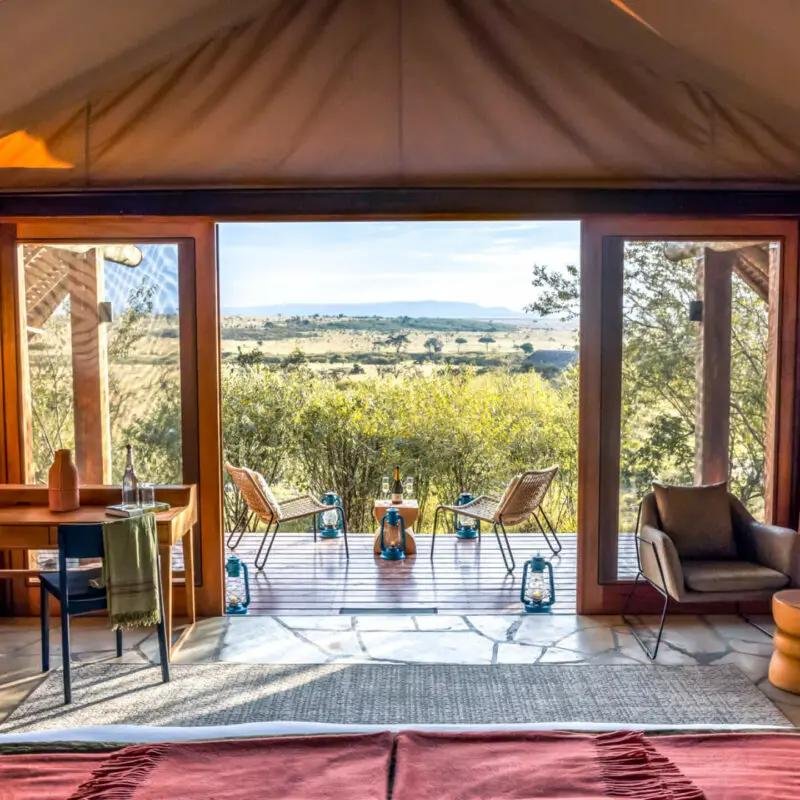
Some inside-Reserve camps overlook open plains, rivers or woodland.
You may hear wildlife during the night. Occasionally, animals also move through unfenced camp surroundings.
However, this does not mean you can walk around freely.
Always follow camp staff instructions, particularly after dark.
Disadvantages of staying inside
Inside-Reserve accommodation often costs more than basic camps near the gates.
Furthermore, certain popular wildlife areas attract many safari vehicles during peak season.
Night game drives and walking safaris are not permitted within the National Reserve. Therefore, travellers seeking those activities should consider authorised conservancies.
Advantages of Staying Outside the Masai Mara Reserve
Staying outside the Reserve can be an excellent option for travellers managing their safari budget.
However, the exact location determines whether you receive good value.
More affordable accommodation choices
Travellers can find budget camps, mid-range tented accommodation and comfortable lodges near several Reserve entrances.
For example, the Sekenani and Talek areas offer different accommodation categories.
These properties may help reduce the overall safari price.
However, a lower room rate does not automatically mean a cheaper safari.
Convenient road access
Many road safaris travel from Nairobi towards the eastern side of the Masai Mara.
Therefore, accommodation near an appropriate entrance gate can simplify arrival and departure.
This arrangement works particularly well for travellers combining the Mara with Lake Naivasha or other Kenyan destinations.
Access to local communities
Some outside-Reserve properties are near Maasai communities.
Travellers may arrange cultural visits through recognised local hosts. These experiences can provide insights into Maasai traditions and everyday life.
However, cultural activities should be respectful, voluntary and fairly compensated.
Disadvantages of staying outside
The biggest challenge is the daily journey into the Reserve.
You may need additional time to reach the gate, complete entry procedures and travel towards wildlife-viewing areas.
Furthermore, accommodation far from the entrance can reduce your available game-drive time.
At Zamunda Travels, we recommend checking the actual driving route before confirming any outside-Reserve camp.
A property advertised as being close to the Masai Mara may still require a substantial drive to the entrance.
Masai Mara Conservancy vs National Reserve: Which Is Better?
Private and community conservancies provide another way to experience the Greater Mara ecosystem.
These areas operate through conservation arrangements involving local landowners, tourism businesses and conservancy management organisations.
Popular examples include Mara North, Naboisho, Olare Motorogi and Ol Kinyei.
Why choose a conservancy?
Conservancies often limit tourism density through accommodation and vehicle-management arrangements.
Consequently, guests may experience fewer vehicles around wildlife sightings.
Some conservancies also permit activities unavailable inside the National Reserve.
These may include guided walking safaris, night game drives and controlled off-road viewing.
However, permissions vary. Always confirm which activities your selected camp can legally provide.
When is the National Reserve better?
The National Reserve remains a strong choice for classic Mara game drives.
It offers access to extensive grasslands, predator habitats and important sections of the Mara River.
Therefore, travellers hoping to watch migration river crossings may prefer accommodation with convenient river access.
However, crossing locations and timing change. No lodge can guarantee a migration crossing.
Can you combine both experiences?
Yes. A split stay can offer excellent variety.
For example, spend two nights near the main Reserve wildlife areas. Then, spend two nights inside a recognised conservancy.
This arrangement combines traditional game drives with quieter surroundings.
However, transfers and separate conservation fees can increase costs.
Where to Stay in Masai Mara for Different Safari Interests
The best area to stay in Masai Mara depends on your travel priorities.
For the Great Migration
Consider accommodation with practical access to the
Mara River and relevant migration areas.
The Mara Triangle, Musiara and selected central Mara locations may suit migration-focused itineraries.
Large numbers of wildebeest and zebras typically move through the wider Mara ecosystem during the July-to-October period. However, rainfall influences their movements.
Therefore, booking a particular lodge never guarantees a crossing.
For lion and leopard photography
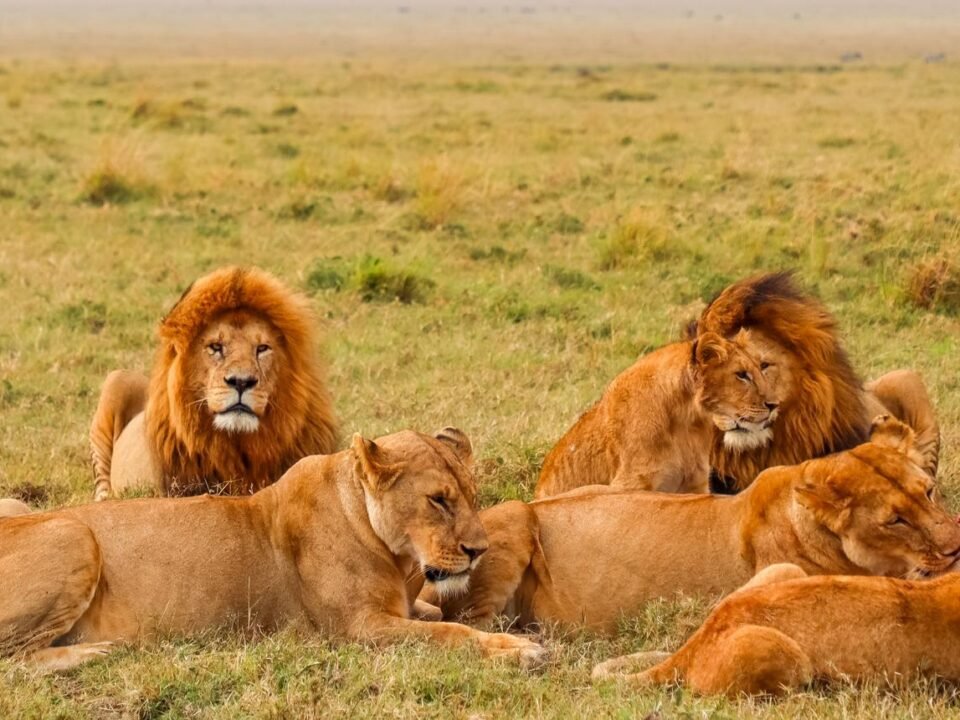
Central Mara, Talek, Musiara and several conservancies offer productive predator habitats.
However, wildlife sightings depend on animal movements, guiding and time spent searching.
Choose a safari with flexible game-drive arrangements rather than relying only on a famous lodge name.
For families
Families may prefer larger lodges with family rooms, organised meals and comfortable facilities.
Some properties also offer swimming pools and child-friendly arrangements.
However, confirm minimum ages for walking safaris and other activities.
For couples seeking privacy
Small conservancy camps can provide a quieter setting.
Nevertheless, private accommodation does not always include a private safari vehicle.
Always check whether game drives are shared with other guests.
Inside vs Outside Masai Mara: Costs and Park Fees
Masai Mara accommodation costs vary according to location, season, comfort level and included services.
However, the biggest mistake is comparing room prices without considering the entire safari package.
Masai Mara National Reserve entry fees in 2026
Published 2026 fee information lists the following rates for non-resident international visitors.
| Visitor category |
January–June 2026 |
July–December 2026 |
| Adult, 18 years and above |
USD 100 per day |
USD 200 per day |
| Child, 9–17 years |
USD 50 per day |
USD 50 per day |
| Child, 8 years and under |
Free |
Free |
These fees apply to Reserve entry, regardless of whether guests sleep inside or outside. Vehicle charges and other applicable fees are separate.
The published ticket arrangement uses a 6:00 a.m. to 6:00 p.m. day-use period. Special departure and accommodation arrangements should be confirmed when booking.
Rates change, so confirm current prices with Zamunda Travels.
Example: Two adults on a three-day safari
Consider two international adults visiting during August 2026.
If they require Reserve entry on three chargeable days, their adult entry fees total:
-
USD 200 × 2 adults = USD 400 per day.
-
USD 400 × 3 days = USD 1,200 total.
This example excludes accommodation, transport, vehicle fees, meals and other activities.
It also assumes three chargeable Reserve-entry days. Your actual schedule may differ.
How to compare two accommodation quotes
Ask for a complete breakdown covering accommodation, meals, game drives, Reserve fees and transport.
For conservancy accommodation, confirm whether conservancy fees are included.
Also ask whether entering the National Reserve requires an additional payment.
Zamunda Travels can prepare a personalised quote showing these differences before you book.
A Practical Three-Day Masai Mara Safari Itinerary
A three-day safari works well for visitors with limited time.
However, your accommodation location affects the schedule.
Day 1: Nairobi to the Masai Mara
Leave Nairobi in the morning and travel towards the Masai Mara.
The road journey commonly takes around five to seven hours, depending on the lodge, route and road conditions.
After arrival, check in and enjoy lunch if timing allows.
An afternoon game drive may be possible, depending on your arrival time and park-entry arrangements.
Overnight at your selected camp or lodge.
Day 2: Full-day Masai Mara game drive
Start early after breakfast, or arrange an earlier departure with your guide.
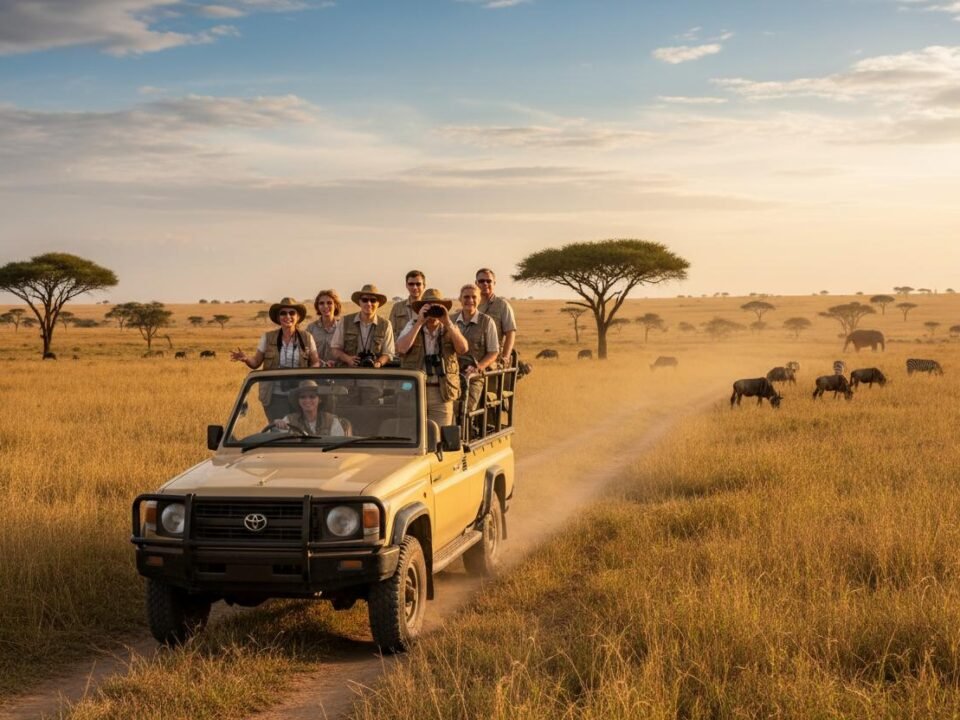
Spend the day exploring suitable wildlife-viewing areas.
Look for lions, elephants, giraffes, buffaloes, zebras and antelopes.
You may also encounter cheetahs, leopards and hyenas.
Enjoy a picnic lunch at an approved location before continuing your safari.
Return to the lodge within the permitted operating period.
Day 3: Return to Nairobi
Enjoy breakfast before checking out.
Depending on your accommodation and departure arrangements, a short morning activity may be possible.
However, additional Reserve-entry fees can apply.
Therefore, confirm your departure schedule in advance.
Continue to Nairobi or your next Kenyan destination.
Best Time to Book Inside or Outside Masai Mara Accommodation
The Masai Mara offers wildlife viewing throughout the year.
However, seasonal conditions affect accommodation demand, road access and the safari experience.
July to October: Popular migration period
These months attract travellers hoping to see migrating wildebeest and zebras.
Consequently, well-positioned lodges can become busy.
Book early if your dates are fixed, especially when seeking accommodation near important migration areas.
January to March: Often drier conditions
These months can offer pleasant game drives and good resident wildlife viewing.
However, weather varies from year to year.
Travellers who are not focused on migration crossings may find this period appealing.
April and May: Wetter conditions
Rain can create green landscapes and attractive photography opportunities.
However, some roads become muddy, and certain seasonal camps may close.
Therefore, check access conditions and lodge operations before booking.
November and December: Short-rain period
Rainfall patterns vary, but November often falls within the short-rain season.
Wildlife viewing continues throughout the ecosystem.
However, holiday demand can increase accommodation prices during late December.
Common Mistakes When Booking Masai Mara Accommodation
A few simple checks can prevent unnecessary costs and disappointment.
Choosing the cheapest lodge without checking its location
A low room price may look attractive.
However, long transfers can reduce the time available for wildlife viewing.
Always ask for the lodge’s exact location and the normal journey to your intended gate.
Assuming park fees are included
Some packages include Reserve fees, while others list them separately.
Therefore, request a clear written breakdown before paying.
Confusing conservancies with the National Reserve
A conservancy camp may offer excellent wildlife viewing.
However, it does not automatically include National Reserve access.
Confirm the arrangements for visiting both areas.
Booking too few nights
A single-night visit leaves limited time for wildlife viewing, particularly when travelling from Nairobi.
Therefore, we generally recommend at least two nights.
Three nights can provide a more relaxed experience.
Expecting guaranteed migration sightings
The Great Migration follows seasonal rainfall and grazing conditions.
Consequently, wildlife movements are never completely predictable.
Choose your accommodation based on practical access, not promises of guaranteed crossings.
Safety, Health and Packing Tips
The Masai Mara is a wildlife destination, so visitors should follow basic safari safety rules.
Never leave your vehicle during game drives unless your guide confirms an approved stopping area.
Also, avoid approaching or feeding wildlife.
At unfenced camps, always follow staff instructions when moving between tents and shared facilities.
Carry suitable clothing for cool mornings and warmer afternoons. Neutral-coloured layers, comfortable shoes and a light rain jacket are useful.
Additionally, bring sunscreen, insect repellent, drinking water and any prescribed medication.
Consult a qualified travel-health professional about malaria prevention and relevant vaccinations before departure.
Finally, carry a camera with a suitable zoom lens if wildlife photography is a priority.
Should You Stay Inside or Outside Masai Mara?
There is no single accommodation choice that suits every traveller.
Staying inside the National Reserve often provides the most convenient access to traditional game drives.
Meanwhile, outside-gate accommodation can offer better value for budget-conscious visitors.
A recognised conservancy may be ideal for travellers seeking quieter wildlife encounters and additional authorised activities.
At Zamunda Travels, we recommend choosing accommodation according to your safari duration, preferred wildlife areas and complete package cost.
Planning a Masai Mara safari?
Let Zamunda Travels help you compare lodges, camps and conservancies. We can arrange a private Kenya safari or combine the Masai Mara with Uganda and Rwanda.
Visit
Zamunda Travels or contact us at info@zamundatravels.com.
WhatsApp: +256 704 705 606
Frequently Asked Questions
Is it better to stay inside or outside the Masai Mara?
Staying inside is generally better for convenient access to Reserve game drives. However, outside-gate accommodation can be more affordable. Conservancies provide another option, often with fewer vehicles and additional activities. The best choice depends on your budget, preferred wildlife areas and the number of nights available.
Is it cheaper to stay outside the Masai Mara National Reserve?
Yes, accommodation outside the Reserve is often cheaper, particularly near Sekenani and Talek. However, Reserve entry fees, transport and game-drive costs still apply. Therefore, compare the complete safari price rather than the nightly room rate. A cheaper lodge may not offer better overall value.
Can you see wildlife outside the Masai Mara National Reserve?
Yes, wildlife also lives in the wider Greater Mara ecosystem, including recognised conservancies. Lions, elephants, giraffes and other animals move through these landscapes. However, wildlife viewing varies by location and season. Ordinary accommodation outside a gate does not necessarily provide the same experience as a conservancy.
Where should you stay in the Masai Mara for the Great Migration?
Choose accommodation with convenient access to the Mara River and relevant migration areas. Selected locations in Central Mara and the Mara Triangle can work well. However, wildebeest movements depend on rainfall and grazing conditions. No camp or lodge can guarantee that guests will witness a river crossing.
Can you do night game drives inside the Masai Mara?
No, night game drives are not permitted inside the Masai Mara National Reserve. However, some recognised conservancies allow them under their own regulations. These activities require authorised guides and suitable arrangements. Therefore, confirm the specific conservancy’s rules and your camp’s activity programme before booking.