Kibale and Queen Elizabeth National Park: The Perfect Uganda Safari Combination
September 15, 2026
Luxury Chimpanzee Trekking Safaris in Kibale National Park
September 15, 2026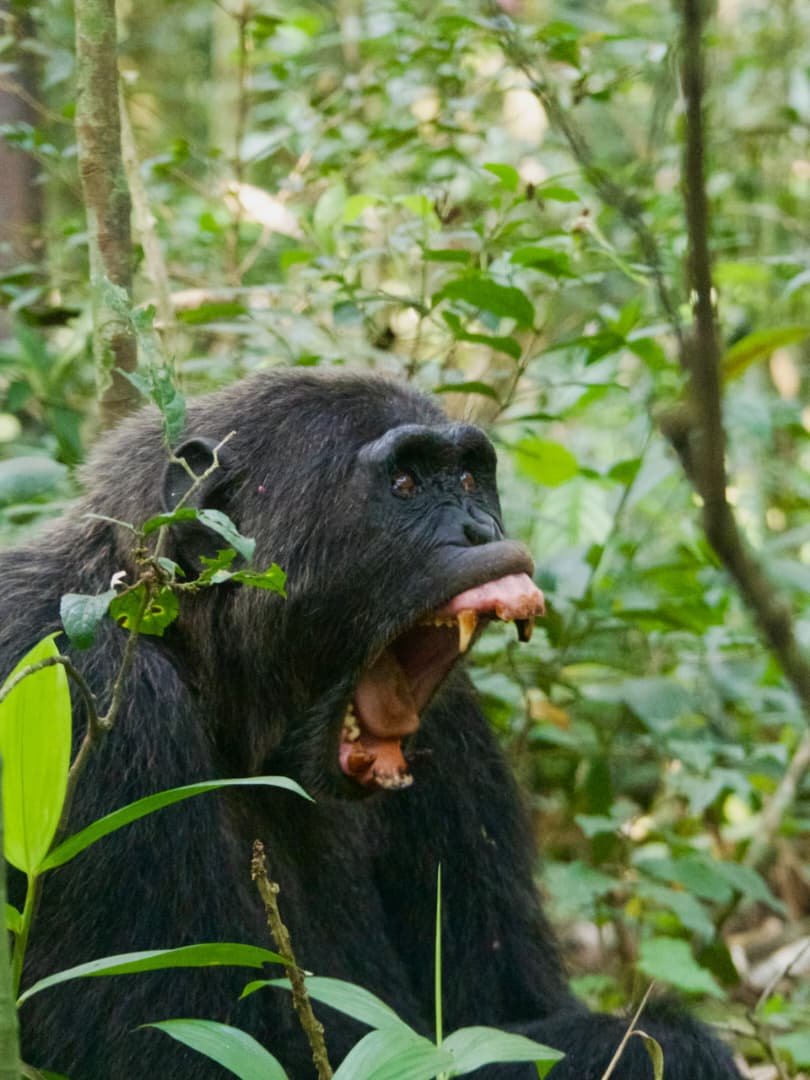
A Uganda Primate Safari offers an exciting way to explore some of Africa’s most diverse forests while seeing chimpanzees, monkeys, and other fascinating wildlife in their natural habitats. Uganda is especially famous for its chimpanzee populations and mountain gorillas. However, the country offers much more than these two great apes. Travelers can also encounter red colobus monkeys, black-and-white colobus monkeys, L’Hoest’s monkeys, red-tailed monkeys, blue monkeys, grey-cheeked mangabeys, Uganda mangabeys, baboons, vervet monkeys, and several nocturnal primates. With careful planning, a safari with Zamunda Travels can combine primate experiences with savannah wildlife, birdwatching, cultural encounters, and beautiful landscapes.
Uganda stands out because several important primate habitats are within one country. Kibale National Park is the leading destination for chimpanzee tracking and has one of Africa’s highest concentrations of primates. Queen Elizabeth National Park adds another chimpanzee experience at Kyambura Gorge. Bwindi Impenetrable National Park and Mgahinga Gorilla National Park provide opportunities to combine primate experiences with mountain gorilla trekking. Other destinations, including Budongo Forest, Semuliki National Park, and the forests around the Albertine Rift, add even more variety to a carefully designed itinerary.
Why Choose a Uganda Primate Safari?
A Uganda Primate Safari is ideal for travelers who want more than traditional game drives. Instead of spending the entire trip searching for animals across open savannah, you can walk through ancient forests and follow the calls of wild primates in the canopy. The experience feels different from a normal safari because the forest becomes part of the adventure. You may hear branches moving above you, see monkeys jumping between trees, or watch chimpanzees communicate within their communities.
Uganda also gives visitors the chance to experience primates in different habitats. Kibale provides dense tropical forest and excellent chimpanzee viewing. Kyambura offers a dramatic gorge within the wider Queen Elizabeth ecosystem. Bwindi brings a completely different environment with steep, misty forest and mountain gorillas. Meanwhile, destinations such as Semuliki and Budongo provide additional opportunities for travelers who want to explore lesser-known forests.
For this reason, Zamunda Travels can design a primate-focused itinerary around your interests, travel time, accommodation level, and preferred activities. A short trip can focus on Kibale and Queen Elizabeth. A longer journey can include Kibale, Bwindi, Mgahinga, and a classic wildlife destination such as Murchison Falls or Queen Elizabeth National Park.
Kibale National Park: The Heart of Uganda Primate Safari Experiences
Kibale National Park is one of the most important stops on a Uganda Primate Safari. Uganda Wildlife Authority identifies Kibale as a major primate destination with 13 primate species. The park is particularly famous for chimpanzees and supports one of Uganda’s largest chimpanzee populations. Other species include red colobus, black-and-white colobus, L’Hoest’s monkeys, blue monkeys, red-tailed monkeys, vervet monkeys, and mangabeys.
The most popular activity is chimpanzee tracking. Visitors normally begin with a briefing before entering the forest with trained guides and trackers. Once inside, the group follows signs of chimpanzee movement and listens for calls from the trees. The experience can involve walking on forest trails, crossing streams, and moving through thick vegetation. The reward is a close view of wild chimpanzees as they feed, rest, groom, play, or move through the forest.
Kibale also offers the Kanyanchu Primate Walk, which provides opportunities to look for several primate species during one forest excursion. The forest contains a remarkable variety of wildlife, so even when chimpanzees move out of sight, the walk can remain rewarding. Birdwatchers can also enjoy the forest because Kibale supports hundreds of bird species.
Chimpanzee Tracking in Kibale
Chimpanzee tracking is one of the highlights of visiting Kibale. Uganda Wildlife Authority currently recognizes Kanyanchu as one of the designated chimpanzee tracking sectors. Morning chimpanzee tracking begins at 8:00 am, while afternoon tracking begins at 2:00 pm. Normal chimpanzee viewing is limited to a maximum of one hour after visitors find the chimpanzees.
The experience can vary from one day to another. Chimpanzees are wild animals, so they do not follow a fixed route for visitors. They may remain high in the canopy, move quickly through the forest, or stay close to the ground while feeding. Experienced trackers help locate the communities and guide visitors safely through the forest.
Chimpanzee Habituation Experience
Travelers who want a longer chimpanzee experience can consider chimpanzee habituation. This activity allows visitors to spend considerably more time observing chimpanzees while researchers and trackers continue the habituation process. Uganda Wildlife Authority states that chimpanzee habituation experiences can take place throughout the year.
The habituation experience can be especially attractive to photographers, wildlife enthusiasts, researchers, and travelers who want to understand chimpanzee behavior in greater depth. The day can begin early and continue for several hours. However, travelers should prepare for long walks and changing forest conditions.
Queen Elizabeth National Park for a Uganda Primate Safari
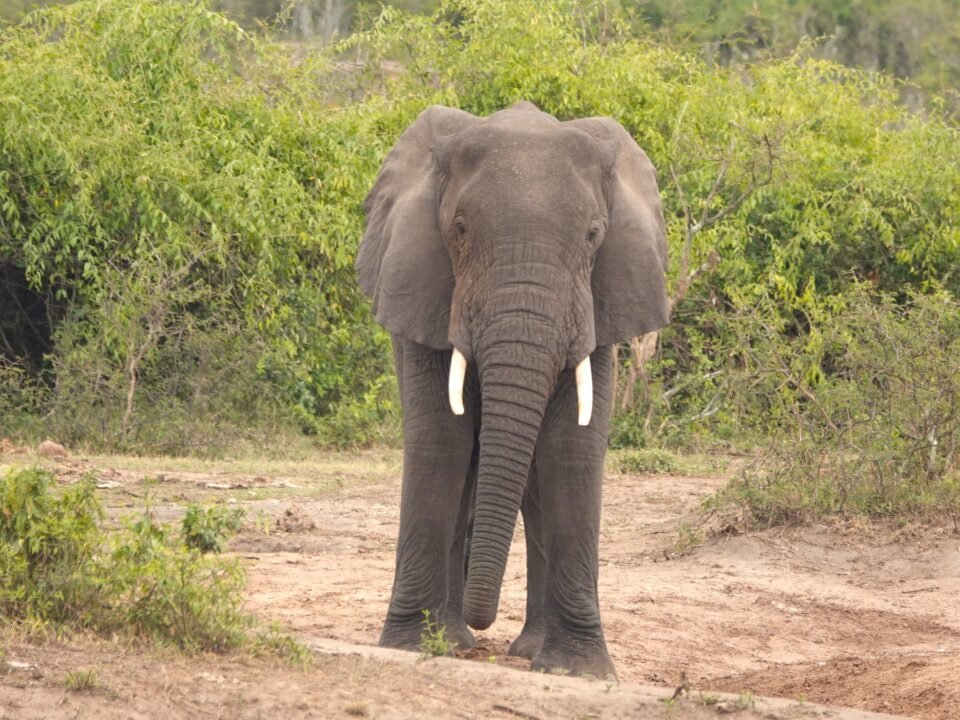
Queen Elizabeth National Park is another excellent addition to a Uganda Primate Safari. The park is best known for its savannah wildlife, Kazinga Channel boat cruises, tree-climbing lions, elephants, buffaloes, hippos, and many bird species. However, the park also provides a chance to track chimpanzees in Kyambura Gorge.
Kyambura Gorge creates a striking contrast with the open plains of Queen Elizabeth National Park. The gorge contains a forest ecosystem where chimpanzees and other primates live. Walking into the gorge adds a forest adventure to a safari that can also include game drives and a boat cruise.
This combination makes Queen Elizabeth especially useful for travelers who want a balanced itinerary. You can spend part of the trip looking for chimpanzees in the forest. Later, you can explore the savannah in search of elephants, lions, buffaloes, antelopes, and other wildlife. A Kazinga Channel boat cruise can then add close views of hippos, crocodiles, waterbirds, and animals along the shoreline.
Bwindi and Mgahinga: Great Apes and Forest Primates
A Uganda Primate Safari can also include Bwindi Impenetrable National Park and Mgahinga Gorilla National Park. These destinations are famous for mountain gorilla trekking, but they also form part of Uganda’s wider great-ape conservation landscape.
Bwindi is particularly important because recent research has confirmed a significant chimpanzee population in the park. A 2025 chimpanzee census estimated 426 chimpanzees across Bwindi’s four sectors: Buhoma, Ruhija, Nkuringo, and Rushaga. The survey provides important new information about chimpanzee distribution in this mountain forest.
For most visitors, however, the main primate attraction in Bwindi remains mountain gorilla trekking. Uganda is home to more than half of the world’s mountain gorillas, according to Uganda Wildlife Authority. Gorilla trekking offers a very different experience from chimpanzee tracking because visitors hike through steep mountain forest to find a habituated gorilla family.
Mgahinga Gorilla National Park offers another opportunity to see mountain gorillas and golden monkeys. Its location within the Virunga landscape makes it a valuable choice for travelers who want to combine primates with volcanic mountain scenery.
Gorilla Trekking and Chimpanzee Tracking Together
Combining gorilla trekking with chimpanzee tracking creates one of the most memorable primate journeys in Africa. The two experiences are different, even though both involve great apes. Chimpanzees are highly active and often move through the forest canopy. Mountain gorillas usually live in family groups on the forest floor and can provide a quieter but equally powerful encounter.
Zamunda Travels can combine Kibale and Bwindi into one itinerary for travelers who want both experiences. The route can also include Queen Elizabeth National Park, allowing visitors to add classic game viewing between the forest destinations.
Other Primates to See in Uganda
Chimpanzees and gorillas receive most of the attention, but Uganda has a much wider primate story. Kibale alone has records of 13 primate species, including red colobus, black-and-white colobus, L’Hoest’s monkeys, blue monkeys, red-tailed monkeys, vervet monkeys, baboons, and mangabeys.
The red colobus is one of the most interesting species for wildlife lovers. Kibale supports an important population of this threatened primate. The Uganda mangabey is also notable because it is a monkey associated with Uganda’s forests. L’Hoest’s monkey adds another special sighting because it is associated with the Albertine Rift region.
Nocturnal primates also make Uganda attractive for specialist travelers. Bushbabies and potto can be encountered during appropriate forest activities, although sightings are naturally more difficult than daytime monkey encounters.
Best Places for a Uganda Primate Safari
Kibale National Park
Kibale should be at the top of the list for travelers whose main goal is chimpanzee tracking. It offers excellent primate diversity and established chimpanzee tourism. The Kanyanchu area is the main tourism hub for chimpanzee tracking and primate walks.
Queen Elizabeth National Park
Queen Elizabeth is ideal for travelers who want to combine chimpanzees with traditional safari activities. Kyambura Gorge provides the primate experience, while the wider park offers game drives and the famous Kazinga Channel boat cruise.
Bwindi Impenetrable National Park
Bwindi is the leading destination for mountain gorilla trekking in Uganda. It also has a newly documented chimpanzee population, making it an increasingly interesting location for great-ape conservation and research.
Mgahinga Gorilla National Park
Mgahinga is a strong choice for travelers who want gorillas, golden monkeys, volcanic landscapes, and a quieter forest setting. The park forms part of the larger Virunga conservation landscape.
Budongo Forest
Budongo Forest can complement a wider Uganda itinerary for travelers interested in forest wildlife and chimpanzees. It is particularly convenient for itineraries that already include Murchison Falls National Park.
Semuliki National Park
Semuliki offers a different forest experience in western Uganda. Its lowland tropical forest supports a range of wildlife and primates. Travelers who enjoy birdwatching and less-visited destinations can add Semuliki to a longer western Uganda journey.
Best Time for a Uganda Primate Safari
Uganda can be visited for primate experiences throughout the year. Chimpanzee tracking and habituation activities operate year-round. However, forest conditions and animal movements can change with the seasons. Uganda Wildlife Authority notes that chimpanzee tracking can be productive during the rainy season, although travelers should expect muddy trails. During drier periods, chimpanzees may move deeper into the forest in search of food.
Many travelers prefer the drier periods because trails can be easier to walk. However, rainforests remain wet environments, and rain can occur at any time. Therefore, visitors should always carry suitable walking shoes, rain protection, and clothing that can handle changing weather.
The best time also depends on the rest of your safari. If you want to combine primate tracking with savannah wildlife, your itinerary should consider the conditions in each destination rather than focusing on one park alone.
What to Pack for a Uganda Primate Safari
Good preparation can make forest activities much more comfortable. Travelers should bring strong hiking shoes with good grip because forest trails can become slippery. Lightweight clothing works well in warm conditions, while a light waterproof jacket helps during sudden rain.
A daypack is useful for carrying drinking water, snacks, a camera, binoculars, and personal items. Insect repellent can also be useful in forest environments. Photographers should carry spare batteries or a power bank because forest activities can last several hours.
You should also pack patience. Wildlife does not always appear when expected. A good primate safari is about observing the forest rather than rushing from one sighting to another.
How Long Should a Uganda Primate Safari Take?
The ideal length depends on your interests. A three-day itinerary can focus on Kibale and chimpanzee tracking. A longer four- or five-day journey can combine Kibale with Queen Elizabeth National Park. This allows you to experience both chimpanzees and traditional wildlife viewing.
Travelers who want gorillas as well can consider a seven-day or longer itinerary covering Kibale, Queen Elizabeth, and Bwindi. Longer trips can also include Murchison Falls, Lake Bunyonyi, Mgahinga, or other destinations.
For international visitors, a longer itinerary often provides better value because Uganda’s wildlife destinations are spread across different regions. Instead of spending most of the trip on the road, Zamunda Travels can organize a logical route that combines forest activities, wildlife viewing, accommodation, and cultural experiences.
A Sample Uganda Primate Safari Itinerary
A well-planned itinerary could begin in Entebbe or Kampala before traveling west toward Kibale National Park. After arrival, travelers can relax near the forest and prepare for chimpanzee tracking the following morning.
The next day can focus on chimpanzee tracking and a forest primate walk. Visitors can then continue toward Queen Elizabeth National Park. A game drive and Kazinga Channel boat cruise can add classic Uganda safari experiences to the trip.
From Queen Elizabeth, the journey can continue toward Bwindi Impenetrable National Park. Travelers can spend the following day trekking mountain gorillas. Depending on the chosen route, the trip can finish around Lake Bunyonyi or continue toward Kigali for an international departure.
This route provides a strong mix of chimpanzees, monkeys, gorillas, savannah wildlife, forest landscapes, and local communities.
Responsible Tourism on a Uganda Primate Safari
Responsible tourism is essential when visiting forests and interacting with endangered wildlife. Primates can become stressed when visitors approach too closely or behave carelessly. Travelers should follow the instructions of UWA guides and maintain the required distance from animals.
Visitors should never feed wild primates or attempt to touch them. They should also avoid loud noises and follow established trails where required. These simple actions protect both wildlife and people.
Chimpanzees are powerful wild animals despite their close relationship with humans. UWA has emphasized that people should not approach, feed, or attempt to handle chimpanzees, especially when they move outside protected areas.
Responsible travel also benefits communities around national parks. Local guides, accommodation providers, porters, drivers, restaurants, craft businesses, and community projects can all benefit from tourism. Choosing a responsible operator such as Zamunda Travels helps create a trip that supports conservation and local livelihoods.
Why Book a Uganda Primate Safari with Zamunda Travels?
Planning a primate safari requires more than selecting a national park. Travelers need to consider permits, transport times, accommodation, activity schedules, park regulations, and the best route between destinations. Zamunda Travels can help bring these elements together into one organized journey.
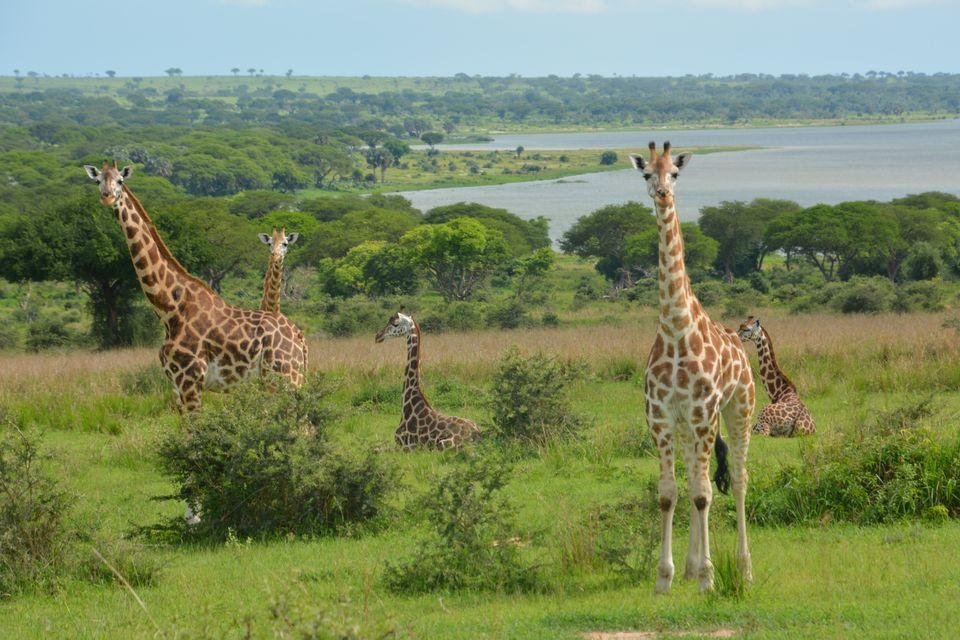
The company can create private itineraries for couples, families, friends, solo travelers, photographers, and wildlife enthusiasts. Your itinerary can focus strongly on chimpanzees and other primates, or it can combine primate experiences with Uganda’s famous Big Five and other wildlife.
A Uganda Primate Safari with Zamunda Travels can also be tailored to different travel styles. Travelers looking for affordable options can choose practical accommodation. Those seeking more comfort can select mid-range or luxury lodges. The itinerary can also include cultural experiences, nature walks, boat cruises, birdwatching, and other activities.
Frequently Asked Questions About Uganda Primate Safari
Is Uganda good for a primate safari?
Yes. Uganda is one of Africa’s leading destinations for primate experiences. The country offers chimpanzee tracking, gorilla trekking, golden monkey experiences, forest primate walks, and opportunities to see several monkey species. Kibale is particularly important because of its high primate diversity.
Where is the best place to see chimpanzees in Uganda?
Kibale National Park is the country’s best-known destination for chimpanzee tracking. UWA identifies Kibale’s Kanyanchu sector as a designated chimpanzee tracking location. Kyambura Gorge in Queen Elizabeth National Park also offers chimpanzee tracking.
Can I combine chimpanzees and gorillas?
Yes. A popular itinerary combines Kibale National Park with Bwindi Impenetrable National Park. This allows travelers to experience chimpanzee tracking and mountain gorilla trekking during the same Uganda safari.
How long does chimpanzee tracking take?
The total activity time can vary because chimpanzees move freely through the forest. UWA currently schedules morning tracking from 8:00 am and afternoon tracking from 2:00 pm. Visitors may spend up to one hour viewing the chimpanzees once they find them.
Is Uganda safe for primate trekking?
Primate trekking is conducted with trained guides and follows wildlife management rules. Visitors should always listen to their guides, remain with their group, keep the required distance from animals, and avoid approaching wildlife without professional guidance.
Book Your Uganda Primate Safari with Zamunda Travels
Uganda offers an extraordinary combination of forests, great apes, monkeys, mountains, lakes, and savannah wildlife. A well-planned Uganda Primate Safari can take you from the chimpanzee-rich forests of Kibale to the dramatic Kyambura Gorge and onward to the mountain gorillas of Bwindi or Mgahinga. Along the way, you can experience Uganda’s landscapes and communities while supporting conservation.
With Zamunda Travels, your safari can be designed around the primates and wildlife you most want to see. Whether you have a few days for chimpanzee tracking or several weeks for a wider Uganda adventure, the journey can be tailored to your interests, budget, and preferred accommodation. Uganda is not simply a destination for seeing primates. It is a place where travelers can enter their natural world and gain a deeper appreciation for conservation.