How to Book a Chimpanzee Trekking Permit in Uganda
September 15, 2026
Uganda Primate Safari
September 15, 2026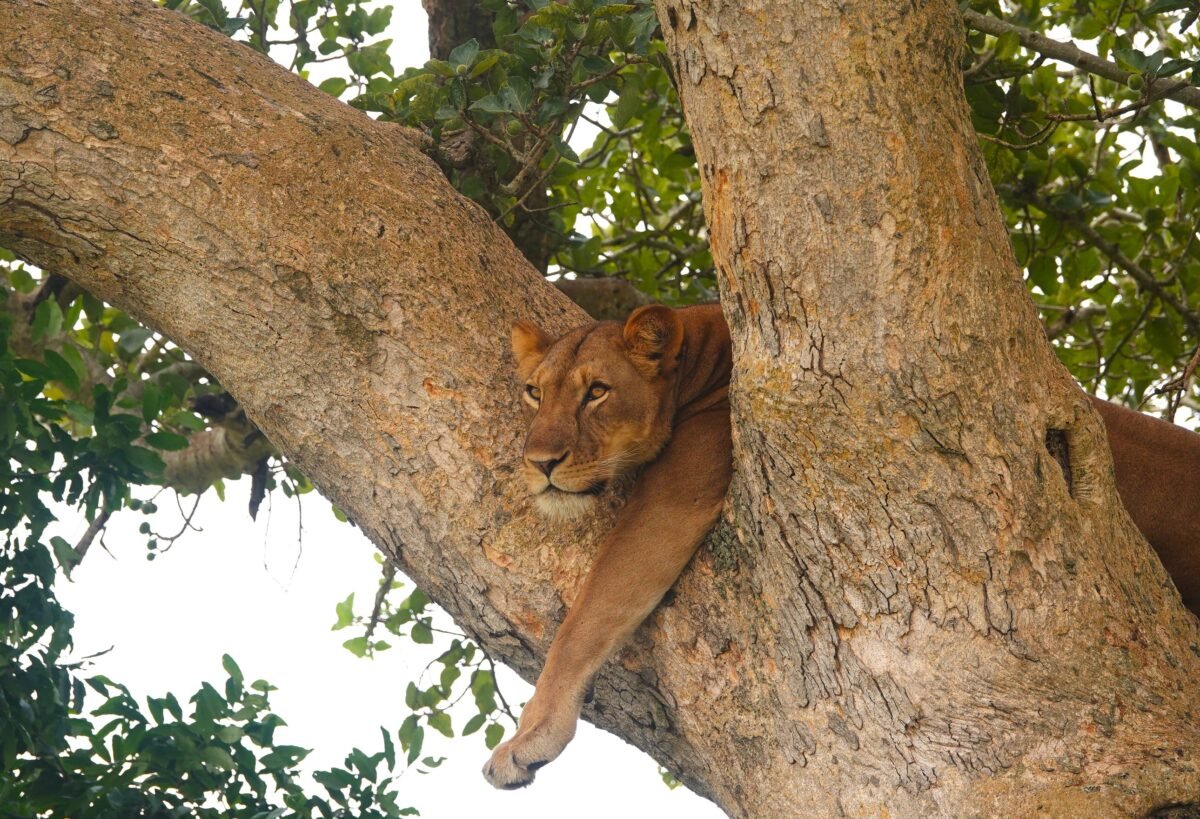
Uganda offers some of Africa’s most rewarding wildlife experiences, and few safari combinations are as diverse as Kibale and Queen Elizabeth. These two protected areas sit close to each other in western Uganda, yet they offer very different landscapes and wildlife encounters. Kibale National Park is famous for its rich primate population and excellent chimpanzee tracking. Queen Elizabeth National Park, meanwhile, combines open savannah, wetlands, lakes, forests, and abundant wildlife. Together, they create a balanced safari that combines forest adventure with classic African game viewing. Zamunda Travels can arrange this combination as part of a private Uganda safari tailored to your travel time, interests, and budget.
Why Choose Kibale and Queen Elizabeth for a Uganda Safari?
A safari that combines Kibale and Queen Elizabeth gives travelers the chance to experience two distinct sides of Uganda in one journey. Kibale National Park covers about 795 square kilometers and protects one of Uganda’s most important tropical forest ecosystems. The park is particularly famous for chimpanzees and other primates. Uganda Wildlife Authority estimates that almost 1,500 chimpanzees live in Kibale, making it one of the country’s leading destinations for chimpanzee tracking.
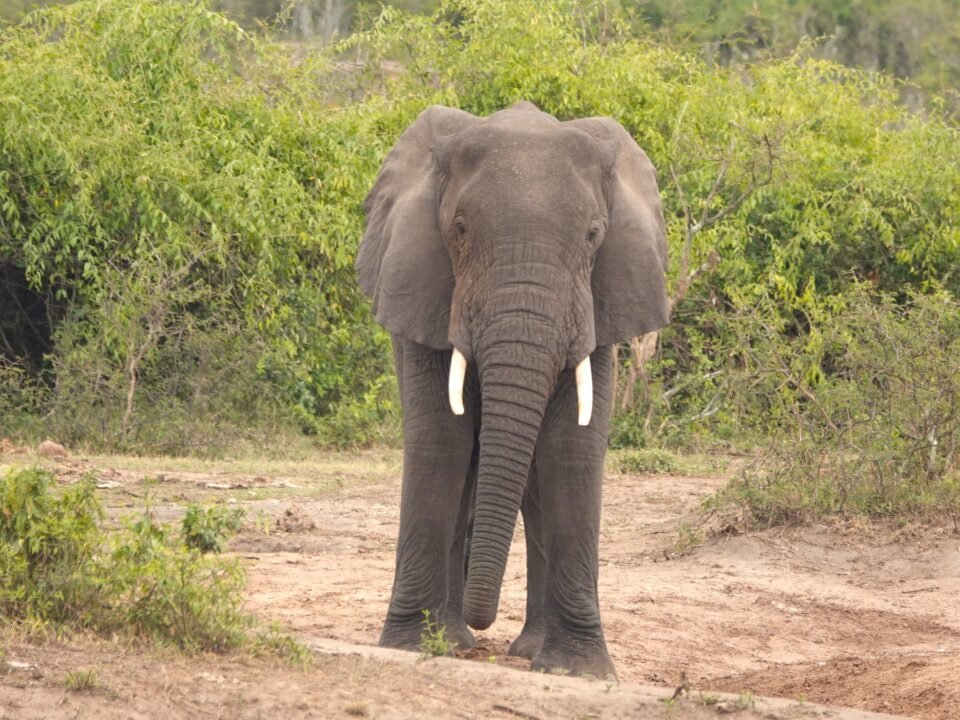
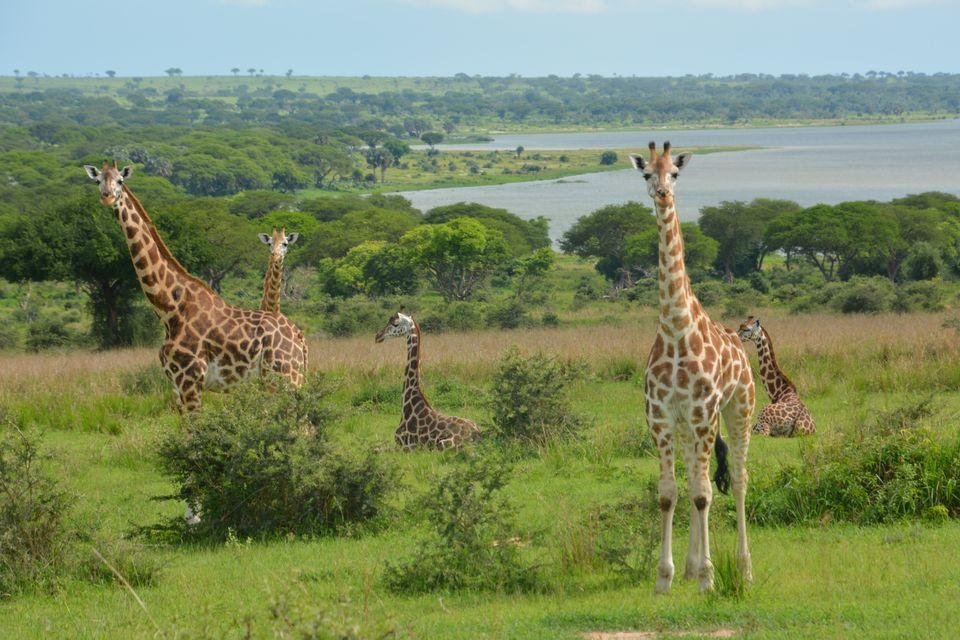
Queen Elizabeth National Park adds a completely different experience. The park covers about 1,978 square kilometers and lies in the Albertine Rift Valley. Its landscape includes savannah, woodland, wetlands, forests, and lakeshore habitats. These different environments support elephants, buffaloes, lions, leopards, hippos, Uganda kob, several primate species, and hundreds of bird species.
This contrast makes the combination especially attractive. You can spend one morning walking through a green tropical forest in search of chimpanzees. Later in the safari, you can drive across open grasslands looking for elephants, lions, buffaloes, and antelopes. You can also enjoy a boat cruise on the Kazinga Channel. Therefore, the journey does not feel like the same wildlife experience repeated twice.
For travelers working with Zamunda Travels, the combination also makes logistical sense because Kibale and Queen Elizabeth can be incorporated into a western Uganda itinerary without requiring a major detour. This allows visitors to experience primates and traditional safari wildlife during the same trip.
Exploring Kibale National Park
Kibale National Park is one of Uganda’s leading destinations for primate experiences. The park protects a large tract of tropical forest and supports 13 recorded primate species. These include chimpanzees, red colobus monkeys, L’Hoest’s monkeys, Uganda mangabeys, black-and-white colobus monkeys, and other forest species. The park also supports forest elephants, buffaloes, and giant forest hogs, although these larger mammals can be difficult to see in the dense vegetation.
The main tourism center is Kanyanchu, located southeast of Fort Portal. It is the principal starting point for chimpanzee tracking and other forest activities. Kibale can also be reached from Kampala by road through Fort Portal. Uganda Wildlife Authority currently describes the route from Kampala to Kibale as about 326 kilometers, with the journey taking roughly six hours by road under normal conditions.
Chimpanzee Tracking in Kibale
Chimpanzee tracking is the main reason many travelers visit Kibale. The experience starts with a briefing before visitors enter the forest with trained guides and trackers. The search can involve walking along forest trails while following clues such as calls, feeding activity, nests, and movement through the trees.
Once the chimpanzees are located, visitors can observe their behavior from a regulated distance. The experience can be exciting because chimpanzees are highly active animals. They may feed, climb trees, communicate with one another, rest, or move through the forest canopy.
Kibale also offers a Chimpanzee Habituation Experience. This activity provides a longer encounter with a semi-habituated chimpanzee group. Uganda Wildlife Authority states that visitors undertaking habituation can spend the day with the chimpanzees as researchers and trackers work to understand their behavior.
For photographers and travelers who want a deeper forest experience, this option can add considerable value to a Kibale and Queen Elizabeth itinerary. However, the standard chimpanzee tracking experience works well for travelers with limited time.
Bigodi Wetland and Community Experiences
Your Kibale safari does not have to end with chimpanzee tracking. The nearby Bigodi area offers opportunities for nature walks and community-based tourism. Travelers can explore wetland habitats while looking for birds, monkeys, butterflies, and other wildlife.
A visit to the community can also provide a closer connection with local culture. Depending on the itinerary, visitors may learn about traditional food, crafts, farming, and everyday life around the forest. Zamunda Travels can include these experiences when designing a private itinerary around your interests.
Exploring Queen Elizabeth National Park
After exploring Kibale, the safari can continue toward Queen Elizabeth National Park. The change in scenery is one of the highlights of this route. The dense forest gradually gives way to more open landscapes, crater areas, grasslands, and views associated with the Albertine Rift Valley.
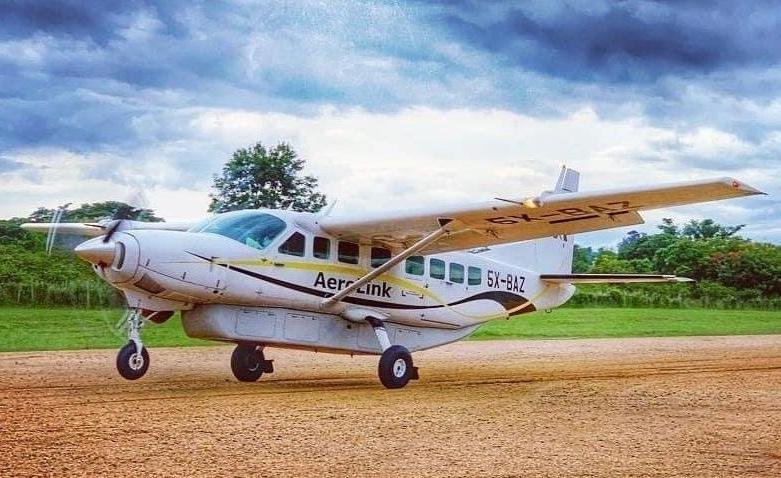
Queen Elizabeth is one of Uganda’s oldest and most visited national parks. Uganda Wildlife Authority describes it as a diverse wildlife destination with more than 600 bird species. The park can also be reached from Kampala by road or accessed by domestic flights to nearby airstrips such as Kasese, Mweya, or Kihihi.
Wildlife Viewing in Queen Elizabeth
Game drives are among the best ways to explore Queen Elizabeth National Park. Early morning drives often provide good opportunities to search for wildlife before the heat becomes intense. Afternoon drives can also produce rewarding sightings as animals become more active again.
The park supports elephants, buffaloes, lions, leopards, hippos, Uganda kob, warthogs, and several antelope species. The Ishasha sector in the southern part of the park is particularly famous for its tree-climbing lions. However, wildlife sightings are never guaranteed because animals move freely through the protected landscape.
The variety of habitats also makes the park excellent for birdwatching. More than 600 bird species have been recorded in the wider protected area. This makes Queen Elizabeth particularly attractive to travelers who want to combine mammals with birding.
The Kazinga Channel: A Highlight of Kibale and Queen Elizabeth
One of the strongest reasons to combine Kibale and Queen Elizabeth is the opportunity to enjoy a boat cruise on the Kazinga Channel. The channel connects Lake George and Lake Edward and passes through Queen Elizabeth National Park.
A boat cruise provides a different perspective from a traditional game drive. Instead of searching for wildlife from a safari vehicle, you observe animals along the water’s edge. Hippos are one of the main attractions. Uganda Wildlife Authority notes that the Kazinga Channel supports a very high concentration of hippos.
You may also see elephants approaching the water, buffaloes resting near the shore, crocodiles, waterbirds, and other species. The experience becomes even more impressive when large groups of hippos gather in shallow water.
For many visitors, the cruise becomes one of the most memorable parts of the safari. It also offers excellent opportunities for photography because the boat provides a stable viewing platform and a broad view of the channel.
How to Combine Kibale and Queen Elizabeth
A well-planned Kibale and Queen Elizabeth itinerary can work particularly well as a three- to five-day safari. The ideal length depends on whether you want chimpanzee tracking only or want to add Bigodi, a boat cruise, extra game drives, or other activities.
A three-day itinerary can focus on the main highlights. Travelers can drive from their starting point to Kibale, enjoy chimpanzee tracking the following day, and then continue to Queen Elizabeth for a game drive or boat cruise. A longer itinerary allows more time for wildlife viewing and relaxation.
For example, Zamunda Travels can structure a four-day journey around chimpanzee tracking, Bigodi Wetland, Queen Elizabeth game drives, and the Kazinga Channel cruise. Travelers with additional time can extend the trip toward Bwindi Impenetrable National Park for gorilla trekking.
The route also works well as part of a longer western Uganda safari. Kibale can come before Queen Elizabeth, followed by Bwindi, Lake Bunyonyi, or other destinations. Alternatively, travelers can approach the region from Queen Elizabeth and continue toward Kibale and Fort Portal.
Best Time to Visit Kibale and Queen Elizabeth
Uganda can be visited throughout the year, but weather conditions can influence the safari experience. The drier periods are often popular because roads and walking trails can be easier to navigate. However, the wetter seasons bring their own advantages.
Rain can make forest trails muddy, especially during chimpanzee tracking. At the same time, vegetation becomes lush, and the forest can look exceptionally beautiful. Food availability can also influence chimpanzee movements.
Uganda Wildlife Authority notes that chimpanzee tracking and habituation activities take place throughout the year. It also highlights that the rainy season can offer good chimpanzee tracking opportunities despite muddy conditions.
For Queen Elizabeth, wildlife viewing can remain rewarding throughout the year. Your safari planner should consider your priorities when selecting travel dates. If you want to combine chimpanzee tracking, game drives, photography, and comfortable road travel, Zamunda Travels can help select a suitable season for your itinerary.
Where to Stay Between Kibale and Queen Elizabeth
Accommodation choices around both parks range from comfortable budget properties to luxury lodges. Around Kibale, travelers can stay near the forest and Kanyanchu area. Staying close to the park helps reduce travel time before early activities.
Around Queen Elizabeth, several lodges and camps offer access to different parts of the park. Your choice can depend on whether you want easy access to the Mweya area, the Kazinga Channel, the northern plains, or the Ishasha sector.
Zamunda Travels can recommend accommodation based on your preferred comfort level and safari budget. A private safari also gives you more flexibility when choosing where to stay and how much time to spend in each location.
Travel Distance and Getting Around
Road travel is an important part of a western Uganda safari. Kibale has good road connections through Fort Portal, while Queen Elizabeth connects with several major routes across western Uganda. Uganda Wildlife Authority identifies Fort Portal as an important access point for Kibale and notes that the park can be reached from Kampala on surfaced roads.
Queen Elizabeth lies farther west of Kampala, with UWA giving an approximate distance of 410 kilometers from Kampala. The direct drive takes at least seven to eight hours, although safari itineraries usually include other stops and attractions along the way.
For travelers visiting both parks, a private safari vehicle provides the greatest flexibility. Your driver-guide can manage road conditions, adjust departure times, and stop at suitable viewpoints. This approach also allows Zamunda Travels to create a safari that matches your pace instead of following a rigid group schedule.
Why Zamunda Travels Is a Good Choice for This Safari
Planning a safari in western Uganda involves more than booking accommodation and activities. Timing matters because chimpanzee tracking, game drives, boat cruises, and long road transfers all need to fit together smoothly.
Zamunda Travels can organize the different elements into one private itinerary. This can include airport pickup, transportation, accommodation, park activities, chimpanzee tracking arrangements, game drives, boat cruises, and other experiences that fit your interests.
The company can also combine Kibale and Queen Elizabeth with other Ugandan destinations. Travelers who want a primate-focused journey can continue toward Bwindi or Mgahinga. Those interested in classic wildlife can add Murchison Falls or Lake Mburo. Visitors seeking adventure can include Jinja and the Source of the Nile.
This flexibility makes the two parks useful building blocks for a longer Uganda safari. Instead of treating them as isolated destinations, travelers can connect them into a wider journey through the country’s diverse landscapes.
A Sample Kibale and Queen Elizabeth Safari Itinerary
A practical four-day itinerary could begin with a drive from Entebbe or Kampala toward Kibale National Park. The journey passes through changing landscapes before reaching the forest region around Fort Portal. After checking into your lodge, you can relax and prepare for the following day’s forest activity.
The second day can focus on chimpanzee tracking in Kibale. After breakfast, you travel to the park headquarters for the activity briefing. The forest walk then begins with a search for chimpanzees. After the activity, you can return to the lodge or visit Bigodi Wetland if time allows.
On the third day, you can travel toward Queen Elizabeth National Park. Depending on your arrival time, the afternoon can include a game drive. This gives you an early opportunity to explore the park’s savannah landscape and search for elephants, buffaloes, antelopes, and predators.
The fourth day can begin with another game drive or a Kazinga Channel boat cruise. The cruise offers close views of hippos and other wildlife along the shoreline. After the activity, you can continue to your next destination or return toward Entebbe, depending on the wider safari plan.
Travelers with more time can add extra nights. This allows more opportunities for wildlife viewing and reduces the pressure of long driving days.
What Makes This Uganda Safari Combination Special?
The greatest strength of Kibale and Queen Elizabeth is the contrast between their ecosystems. Kibale takes you deep into a tropical forest where chimpanzees and monkeys dominate the experience. Queen Elizabeth opens the landscape into grasslands, wetlands, lakes, and savannah where large mammals become the main attraction.
This contrast creates a more complete Uganda safari. You do not simply visit two parks. You experience two different ecosystems and two very different styles of wildlife viewing.
The combination also works well for first-time visitors to Uganda. It provides a strong introduction to the country’s primates, large mammals, birds, landscapes, and local communities. At the same time, experienced safari travelers can enjoy the variety of habitats and activities.
Final Thoughts on Kibale and Queen Elizabeth
Kibale and Queen Elizabeth form one of the most rewarding safari combinations in western Uganda. Kibale delivers an exceptional forest experience centered on chimpanzees and other primates. Queen Elizabeth adds classic game viewing, diverse habitats, birdlife, and the remarkable Kazinga Channel.
Together, they offer a balanced itinerary for travelers who want more than a traditional savannah safari. With good planning, the journey can also connect naturally with Bwindi, Lake Bunyonyi, Murchison Falls, or other Ugandan destinations.
For travelers ready to explore this remarkable part of Uganda, Zamunda Travels can design a private safari that combines wildlife, primates, comfortable accommodation, and authentic experiences while matching your preferred travel style and budget.