Bigodi Swamp Walk: What to Expect
September 18, 2026
Bigodi Community Walk
September 19, 2026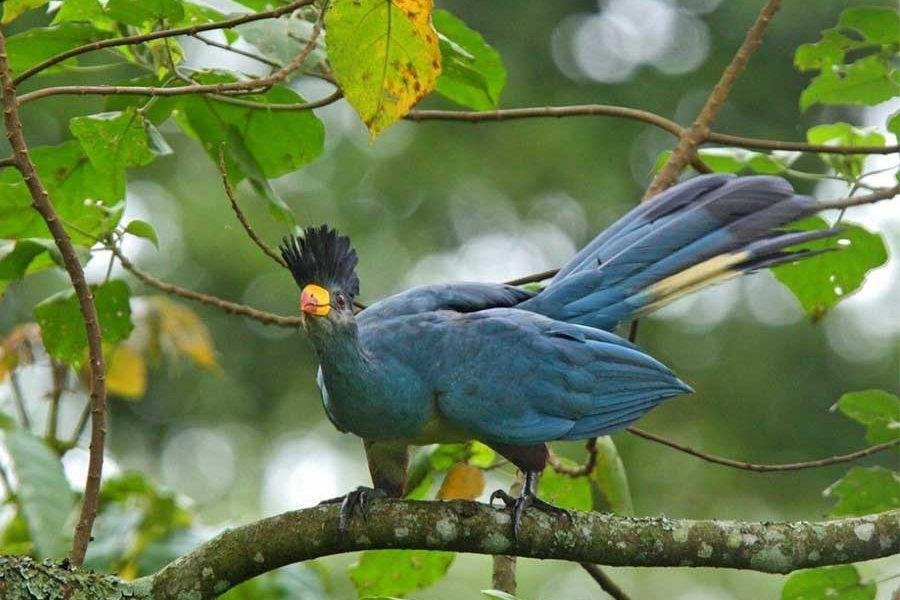
Bird Watching in Bigodi Wetland Sanctuary is one of the most rewarding experiences for nature lovers visiting western Uganda. Located close to Kibale National Park, the sanctuary combines wetlands, forest edges, grassland, gardens, and small streams. These habitats attract a wide range of birds throughout the year. The area is especially interesting because visitors can enjoy birding while also seeing monkeys, butterflies, plants, and local community life. A guided walk through Bigodi gives travellers time to explore the wetland at a relaxed pace. It also creates an opportunity to learn how local communities use tourism to support conservation and improve livelihoods. For travellers planning a primate safari, Zamunda Travels can combine Bigodi with chimpanzee tracking and other experiences around Kibale National Park.
Why Bird Watching in Bigodi Wetland Sanctuary Is Special
Bird Watching in Bigodi Wetland Sanctuary stands out because several habitats meet within a relatively small area. The wetland provides feeding and nesting areas for water-loving birds, while the surrounding vegetation supports forest and woodland species. The sanctuary is also managed as a community tourism project, which adds an important cultural and conservation element to the experience. The birding trail takes visitors through different sections of the wetland, where an experienced local guide helps identify birds by sight and sound. This makes the walk suitable for both experienced birders and travellers who are seeing tropical birds for the first time. Bigodi is particularly useful for visitors who want to add wetland and forest-edge species to the birds they may see inside Kibale National Park. Uganda Wildlife Authority information also recommends combining Kibale forest birding with a visit to Bigodi Wetland Sanctuary because the two areas offer complementary habitats.
Birds You Can See in Bigodi Wetland Sanctuary
Bigodi supports a rich bird community, and local tourism information lists more than 100 species recorded around the sanctuary. Another important point is that bird numbers can vary between sources because bird lists change as surveys continue and because some lists cover the wider Kibale region rather than the wetland alone. Therefore, visitors should treat species lists as a guide rather than a guarantee. Among the birds that birders may look for are the Great Blue Turaco, Western Nicator, White-spotted Flufftail, Hairy-breasted Barbet, Yellow-billed Barbet, Grey-winged Robin-chat, White-tailed Ant-thrush, Brown-backed Scrub-robin, Brown-throated Wattle-eye, Superb Sunbird, Black Bishop, Bocage’s Bush-shrike, Black-and-white Shrike-flycatcher, Black-crowned Waxbill and other forest-edge species.
The Great Blue Turaco is one of the birds many visitors hope to see. Its large size, striking colours, and distinctive appearance make it memorable even for people who are new to birding. However, Bigodi offers much more than one famous species. Patient visitors can watch small sunbirds moving between flowers, barbets feeding in trees, weavers around vegetation, kingfishers near wet areas, and robin-chats moving through lower vegetation. Some birds remain high in the canopy, while others stay close to the ground. A local guide can make a major difference because many species are easier to hear than to see.
Bird Watching in Bigodi Wetland Sanctuary With a Local Guide
A guided walk is an important part of Bird Watching in Bigodi Wetland Sanctuary. Local guides know the trail, the habitats, and the places where birds frequently appear. They also understand bird calls and can point out movement that visitors might otherwise miss. This matters in a tropical environment because many birds remain hidden among leaves and branches. Instead of rushing along the trail, a good birding walk allows time to stop, listen, scan the canopy, and observe feeding or nesting behaviour.
The experience also has a strong community connection. Bigodi Wetland Sanctuary has developed as a community-based tourism attraction, with tourism revenue supporting local initiatives. Visitors therefore experience more than a wildlife walk. Their visit contributes to a tourism model that connects nature protection with community development. This makes Bigodi a useful addition to a responsible Uganda safari arranged by Zamunda Travels.
Best Time for Bird Watching in Bigodi
Bird Watching in Bigodi Wetland Sanctuary can be enjoyed throughout the year because the wetland remains an important habitat in different seasons. Bird activity can change with weather, food availability, breeding cycles, and vegetation conditions. Early morning is usually a good time for birding because birds become active as the forest and wetland begin to warm. The cooler conditions also make walking more comfortable.
Visitors should not feel discouraged by light rain. Tropical forests and wetlands remain active during wet weather, and rain can create excellent opportunities to observe birds feeding after a shower. However, wet conditions can make some sections of the trail muddy. Comfortable walking shoes and light rain protection are therefore useful. Birders should also carry binoculars, a field guide or birding app, and a camera if they enjoy wildlife photography.
What to Expect on the Bigodi Wetland Walk
The Bigodi walk combines birding with a wider nature experience. Visitors follow a guided trail through wetland vegetation and forest-edge habitats. Along the way, the guide can explain the plants, birds, primates, and local environment. Depending on the conditions, visitors may also encounter monkeys such as red colobus, red-tailed monkeys, black-and-white colobus monkeys, and other primates associated with the wider Kibale ecosystem.
The walk is not only about ticking species from a checklist. It is also about understanding how a wetland functions. You may stop at different points to listen to bird calls or watch movement in the trees. You may also pass gardens and community areas around the sanctuary. This combination makes the experience especially useful for travellers who want a slower activity between longer safari drives and chimpanzee trekking.
Combining Bigodi Birding With Kibale National Park
A trip to Bigodi works especially well when combined with activities inside and around Kibale National Park. Kibale is widely known for chimpanzee tracking, but the forest offers much more than chimpanzees. Uganda Wildlife Authority information highlights chimpanzee tracking, chimpanzee habituation, nature walks, night walks, and birding among the experiences available in the Kibale area. The wider forest bird list includes hundreds of species across forest, grassland, and swamp habitats.
For birders, a useful itinerary can combine a forest birding session at Kibale with the Bigodi Wetland walk. The two environments offer different opportunities. Forest trails can produce canopy species and forest specialists, while Bigodi adds wetland and forest-edge habitats. Zamunda Travels can arrange the activities together so that travellers use their time efficiently without making the safari feel rushed.
Activities to Do in Kibale National Park
Kibale National Park offers several activities that can complement a Bigodi birding experience. Chimpanzee tracking remains one of the main attractions. Current Uganda Wildlife Authority information states that guided chimpanzee tracking walks operate from the Kanyanchu Visitor Centre, with scheduled sessions and a limited group size. Visitors normally spend time walking through the forest before locating a chimpanzee community. Once the chimpanzees are found, the group can observe their behaviour under the guidance of trained staff.
Chimpanzee habituation offers a longer experience for visitors who want more time around chimpanzees. UWA describes habituation as an experience in which tourists spend extended time with chimpanzees while researchers and field teams work with the animals. The activity provides a different perspective from the standard tracking experience.
Nature walks provide another option. They allow visitors to explore the forest without making chimpanzee sightings the main goal. Night walks are also available in the Kibale area, giving visitors a chance to look for nocturnal species such as galagos, pottos, and bushbabies. Birding is another major activity, and UWA recommends combining forest birding with Bigodi Wetland Sanctuary.
Beyond the forest, travellers can explore crater lakes, visit tea-producing areas, experience local communities, and connect Kibale with nearby destinations such as Queen Elizabeth National Park and the Rwenzori region. This makes Kibale a flexible stop on a longer Uganda safari rather than a destination that only serves chimpanzee trekkers.
Where to Stay Around Kibale National Park
Travellers have several accommodation choices around Kibale. Zamunda Travels can select accommodation according to the traveller’s budget, safari style, and planned activities.
Guereza Canopy Lodge
Guereza Canopy Lodge, sometimes written as Gureza Canopy Lodge, sits near the edge of Kibale Forest and provides a convenient base for visitors exploring the area. The lodge highlights forest views, bird watching, chimpanzee tracking, nature walks, and swamp experiences. Its location near Bigodi and Kibale makes it useful for travellers who want to combine forest activities with community and wetland experiences.
Chimpundu Lodge
Chimpundu Lodge offers cottage accommodation in a forest setting and provides access to activities around Kibale. The lodge has luxury cottages, private balconies, a restaurant, a swimming pool, and spa facilities. It can suit travellers who want to combine chimpanzee tracking and nature experiences with a more comfortable lodge stay.
Chimpnest Safari Lodge
Chimpnest Safari Lodge sits on the edge of Kibale Forest, between Nkingo and Bigodi. Its location gives visitors convenient access to the Kanyanchu area. The lodge also promotes birding, community visits, crater lake exploration, and chimpanzee tracking. This makes it a practical option for travellers who want several Kibale activities within the same stay.
Turaco Treetops
Turaco Treetops offers forest cottages and rooms surrounded by vegetation near Kibale National Park. The lodge grounds attract birds, monkeys, and butterflies, and the property offers nature walks and birding activities. The lodge also states that chimpanzee trekking begins a short distance from the property. Its forest setting can therefore add another birding opportunity before or after a day in Kibale.
How to Book a Chimpanzee Permit for Kibale
Chimpanzee permits should be arranged before travelling because tracking places are limited and advance booking is required. For foreign non-resident visitors, Uganda Wildlife Authority states that chimpanzee permits are sold exclusively through tour operators licensed by the Uganda Tourism Board. Foreign residents and East African Community citizens have different purchasing arrangements and may purchase permits directly from UWA under the applicable rules.
A practical way to arrange the permit is to contact a registered local tour company such as Zamunda Travels. You provide your preferred travel date, number of travellers, nationality or residency status, and the type of chimpanzee experience you want. Zamunda Travels can then check availability through the appropriate UWA booking process, confirm the applicable fee, and include the permit within your safari arrangements.
UWA’s current booking guidance says eligible tour operators can use the reservation system to check availability and proceed with payment. The system provides a booking ID and invoice, while successful payment generates a receipt. UWA also advises travellers to ensure that they receive official documentation and to verify the licensing of their tour operator.
Chimpanzee Permit Prices in 2026 and 2027
Chimpanzee permit prices have changed, so travellers should avoid relying on older articles that still show the previous rates. UWA’s public rates page currently points to a 2026–2027 tariff update. UWA’s 2026 changes introduced discounted chimpanzee tracking rates for April, May, and November 2026, while a revised standard tariff is scheduled to take effect on 1 January 2027. The published 2027 structure lists Kibale chimpanzee tracking at US$300 for foreign non-residents, US$200 for foreign residents, US$100 for Rest of Africa visitors, and UGX 180,000 for East African citizens.
For the 2026 low season, the published discounted rate is US$200 for foreign non-residents and US$150 for foreign residents during April, May, and November. Because UWA can update tariffs and booking conditions, Zamunda Travels should confirm the applicable rate and availability before issuing a final safari quotation.
Birding Tips for Bigodi Wetland Sanctuary
A successful birding experience starts with patience. Carry binoculars because many birds stay high in the vegetation. Wear comfortable shoes because parts of the wetland trail can become wet after rainfall. A light rain jacket can also be useful. Neutral clothing helps you move quietly through the habitat without creating unnecessary disturbance.
Listen carefully as well. Bird calls can reveal a species before you see it. Your guide can help you distinguish common calls from less familiar sounds. Take photographs when possible, but avoid chasing birds for a better picture. Stay on the designated trail and follow the guide’s instructions. These simple habits protect the wetland while also improving the quality of the experience.
Bird Watching in Bigodi as a Responsible Tourism Experience
Bird Watching in Bigodi Wetland Sanctuary also demonstrates how tourism can support local conservation. The sanctuary operates through a community-based model, and tourism activities help generate income for projects in the surrounding area. This connection gives visitors a chance to enjoy wildlife while contributing to a destination where local people have a direct role in tourism.
For Zamunda Travels, responsible tourism means creating experiences that respect wildlife, local communities, guides, and the environment. A Bigodi visit fits naturally into this approach. Travellers can enjoy birds and primates while learning about the people who live beside the wetland. In this way, the activity becomes more than a short birding stop. It becomes part of a broader Uganda safari experience.
Why Add Bigodi to Your Uganda Safari?
Bigodi is an excellent addition to a Kibale safari because it adds variety without requiring a completely separate destination. Travellers can combine chimpanzee tracking, birding, forest walks, community experiences, crater lake exploration, and other activities within the wider Kibale region. Birders can explore both forest and wetland habitats, while primate lovers can focus on chimpanzees and monkeys.
Zamunda Travels can also connect Kibale with Queen Elizabeth National Park, Bwindi Impenetrable National Park, Lake Bunyonyi, Murchison Falls National Park, or other destinations depending on the length of the safari. A two- or three-day Kibale stay can work well for travellers who want chimpanzee tracking and Bigodi. Longer stays allow more time for birding, nature walks, cultural experiences, and nearby attractions.
Plan Bird Watching in Bigodi With Zamunda Travels
Bird Watching in Bigodi Wetland Sanctuary offers a peaceful way to experience the biodiversity of western Uganda. The wetland supports many bird species and provides a different environment from the dense forest of Kibale National Park. The guided walk also connects visitors with the surrounding community and its conservation efforts. When combined with chimpanzee tracking, forest walks, crater lake exploration, and other Kibale activities, Bigodi can become an important part of a well-planned Uganda safari.
Zamunda Travels can arrange your Kibale itinerary, including chimpanzee permit arrangements, transport, accommodation, guided activities, and connections to other Ugandan destinations. Whether you are a dedicated birder, a first-time safari traveller, or someone looking for a balanced primate and nature experience, the Kibale region offers several ways to explore Uganda’s forests and wetlands.
Plan your Kibale safari with Zamunda Travels and include Bird Watching in Bigodi Wetland Sanctuary for a deeper experience of Uganda’s remarkable forest and wetland biodiversity.