Best Time to Visit Bigodi Wetland Sanctuary
September 18, 2026
Bird Watching in Bigodi Wetland Sanctuary
September 18, 2026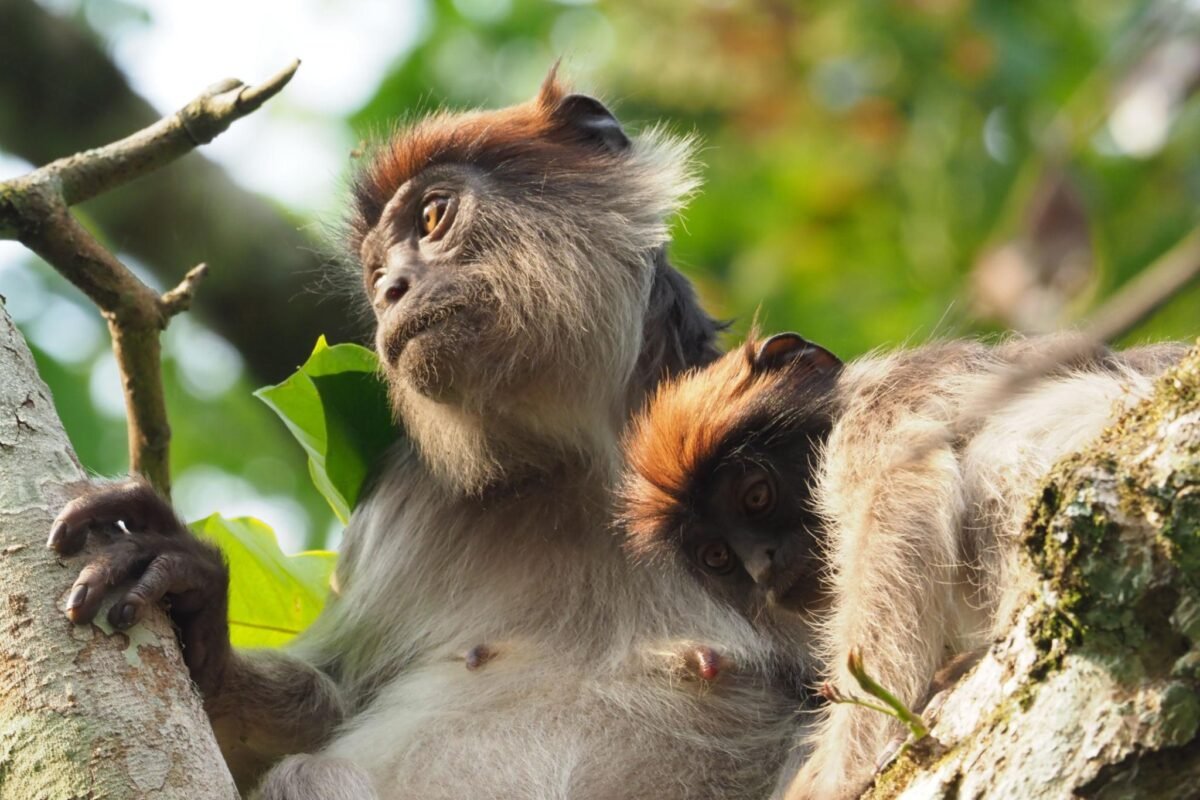
The Bigodi Swamp Walk is one of the most rewarding nature experiences to add to a trip to Kibale National Park in western Uganda. The walk takes visitors through the Bigodi Wetland Sanctuary, a community-based conservation area near the southern edge of Kibale Forest. Instead of following a deep forest trail, you explore wetlands, woodland edges, gardens, small waterways, and local communities with a trained guide. Along the way, you can look for monkeys, birds, butterflies, wetland plants, and other wildlife. The experience also gives you a chance to understand how tourism can support conservation and local livelihoods. At Zamunda Travels, we can combine the Bigodi Swamp Walk with chimpanzee trekking and other Kibale experiences to create a well-planned Uganda safari.
What Is the Bigodi Swamp Walk?
The Bigodi Swamp Walk is a guided nature walk through the Magombe Wetland, which forms part of the Bigodi Wetland Sanctuary. The sanctuary lies outside the main boundary of Kibale National Park and is closely connected to the communities around Bigodi. Local guides lead visitors along established trails and explain the plants, birds, primates, wetland environment, and community projects found along the route. The walk is particularly known for bird watching and monkey viewing. Sources covering the sanctuary record more than 200 bird species in the wider wetland area, while several primate species can also be seen. The experience therefore works well for both first-time visitors and experienced nature lovers.
A key part of the experience is the community connection. The sanctuary has been developed around community-based conservation, with tourism helping create income and support local initiatives. This makes the walk different from a standard wildlife drive. You are not simply passing through a natural area. You are also meeting guides and communities whose livelihoods are connected to protecting the wetland. This connection gives the experience an important cultural and conservation dimension.
What to Expect on the Bigodi Swamp Walk
Visitors should expect a relaxed but active guided walk that can take several hours depending on the pace, interests, weather, and wildlife sightings. The trails can include wet ground, uneven sections, and boardwalk areas, so comfortable walking shoes are useful. You should also expect to stop regularly because the guide may identify a bird, monkey, plant, butterfly, or other interesting feature. Birders may spend longer in one location while watching species through the vegetation. Photographers may also need extra time to wait for good opportunities.
The walk is not mainly about covering a long distance. Instead, it focuses on observing the small details of the wetland ecosystem. Your guide may point out bird calls before you see the bird itself. You may also hear monkeys moving through trees or see them crossing between forest patches. The Great Blue Turaco is one of the birds visitors often hope to see in the Kibale area, while other species add to the birding experience. Bigodi is therefore a good place to slow down and enjoy nature after a more demanding chimpanzee trek.
Wildlife You May See During the Walk
The Bigodi Swamp Walk offers opportunities to see several primate species. Depending on the season and location of the animals, visitors may encounter red-tailed monkeys, black-and-white colobus monkeys, red colobus monkeys, grey-cheeked mangabeys, vervet monkeys, olive baboons, and L’Hoest’s monkeys. Wildlife sightings are never guaranteed because animals move freely through their natural environment. However, experienced local guides understand the area and can help visitors identify animal calls, tracks, feeding signs, and movement in the vegetation.
You may also encounter butterflies, reptiles, wetland plants, and other smaller forms of wildlife. In some parts of the wider wetland environment, visitors can look for animals such as sitatunga antelope. The experience is therefore broader than simply searching for one particular animal. Every section of the trail can reveal something different.
Bird Watching on the Bigodi Swamp Walk
Bird watching is one of the major reasons people visit Bigodi. The wetland and surrounding habitats support a wide range of bird species, with more than 200 species recorded in the area. The Great Blue Turaco is among the most famous species associated with the Kibale region. However, a good birding walk can reveal many other forest-edge and wetland species.
For the best experience, carry binoculars and allow enough time to listen as well as look. Birds may remain hidden in thick vegetation, so a quiet approach helps. A knowledgeable guide can make the experience more rewarding because they can recognize calls and explain the behavior of different species. At Zamunda Travels, we can also include birding interests when planning a Kibale itinerary so that the timing and activities match your travel goals.
Why Combine Bigodi with Kibale National Park?
The Bigodi Swamp Walk works especially well as part of a wider Kibale National Park safari. Kibale is famous for its chimpanzee population and diverse primate habitat. The park offers chimpanzee tracking, chimpanzee habituation experiences, nature walks, bird watching, and other outdoor activities. Uganda Wildlife Authority confirms that chimpanzee tracking and habituation experiences take place in Kibale throughout the year.
A typical itinerary can begin with chimpanzee trekking in the morning and continue with the Bigodi Swamp Walk later in the day. This combination gives you two different experiences. Chimpanzee trekking takes you deeper into the forest while the wetland walk focuses more on birds, monkeys, wetlands, and community conservation. Depending on your permit time and safari schedule, you can also place the activities on separate days.
Activities to Do in Kibale National Park
Chimpanzee Trekking
Chimpanzee trekking is the main wildlife activity in Kibale National Park. Visitors meet at the designated trailhead for a briefing before entering the forest with guides and rangers. UWA’s current guidelines state that chimpanzee tracking takes place at 8:00 am for the morning session and 2:00 pm for the afternoon session, with a maximum viewing time of one hour once the chimpanzees are located.
The trek can involve walking through dense vegetation and uneven terrain. The exact duration depends on where the chimpanzees are moving that day. Along the way, visitors may also encounter other primates and forest birds. Chimpanzee sightings are not guaranteed, because these are wild animals that move through a large forest.
Chimpanzee Habituation Experience
Kibale also offers a chimpanzee habituation experience. This option provides more time with chimpanzees than a standard trek. UWA’s guidelines state that chimpanzee habituation experiences can begin at 6:30 am and allow a maximum viewing period of four hours.
This experience suits visitors who want to spend more time observing chimpanzee behavior. It can also appeal to photographers, primate enthusiasts, and travelers who want a deeper understanding of forest conservation.
Bird Watching
Kibale is an excellent destination for bird watching. The national park and surrounding habitats support hundreds of bird species. Birding can take place along forest trails, around accommodation areas, and in nearby Bigodi Wetland Sanctuary. Tourism Uganda highlights the Bigodi wetland trail as an important birding area near Kibale.
Nature and Forest Walks
Nature walks provide another way to explore Kibale without focusing only on chimpanzees. Guided trails can reveal different plant communities, forest birds, butterflies, and primates. These walks allow visitors to appreciate the wider ecosystem that supports Kibale’s famous chimpanzees.
Crater Lake and Tea Experiences
The greater Kibale area also has crater lakes and tea-growing landscapes. Visitors can explore selected crater lake areas on foot or by bicycle, depending on the itinerary and local arrangements. Tea experiences can also provide an opportunity to learn about farming and the role of tea production in the local economy.
Community and Cultural Experiences
A Kibale safari can include community visits around Bigodi and nearby villages. These experiences can introduce visitors to local agriculture, crafts, food, and everyday life. When planned respectfully, community tourism can add a valuable human element to a wildlife safari.
Where to Stay Around Kibale
Choosing accommodation close to your activities can make your Kibale safari easier. This becomes especially important when you have an early chimpanzee trekking session. Zamunda Travels can arrange accommodation based on your budget, preferred comfort level, and planned activities.
Guereza Canopy Lodge
Guereza Canopy Lodge is located around the Kibale and Bigodi area and offers accommodation close to forest activities. The lodge also promotes nature walks, bird watching, chimpanzee tracking, community experiences, and swamp walks. Its private nature trail provides another opportunity to explore the forest environment around the lodge.
Chimpundu Lodge
Chimpundu Lodge provides luxury cottage accommodation in the Kibale Forest area. The lodge offers spacious cottages and facilities such as a restaurant, swimming pool, spa, and tour desk. Its location also makes it useful for visitors planning chimpanzee trekking and other Kibale activities.
Chimpnest Lodge
Chimpnest Lodge is another accommodation option around Kibale. It can work well for travelers who want to stay near the forest and combine chimpanzee trekking with activities around Bigodi and the surrounding area. Accommodation availability and room categories can change, so Zamunda Travels can confirm suitable options when preparing your itinerary.
Turaco Treetops
Turaco Treetops is another popular base for exploring the Kibale area. The lodge offers access to chimpanzee trekking, birding, nature walks, night forest activities, village visits, crater lake excursions, and the Bigodi Swamp Walk. The lodge also describes a guided Bigodi wetland walk of about 4.5 km with opportunities to look for birds and several primate species.
How to Book a Chimpanzee Permit in Kibale
Booking a chimpanzee permit should be one of the first steps when planning a Kibale safari. The process depends on your residency status. Uganda Wildlife Authority states that foreign non-residents must purchase gorilla and chimpanzee tracking permits through tour operators licensed by the Uganda Tourism Board. Foreign residents and East African Community citizens may purchase permits directly from UWA under the applicable arrangements.
For international visitors, you can make the process easier by working with a local registered company such as Zamunda Travels. You provide your preferred travel dates, number of travelers, and passport details needed for the reservation. The tour operator then checks permit availability and works with UWA to arrange the reservation. UWA also advises travelers to receive a proforma invoice confirming the reservation before making payment.
Using a registered tour operator also gives you help with the wider safari arrangements. The company can coordinate your chimpanzee permit, accommodation, transportation, guide services, Bigodi Swamp Walk, meals, and other activities. Before booking with any operator, visitors should verify that the company holds a valid Uganda Tourism Board license. UTB maintains a public list of licensed tour companies.
Zamunda Travels can therefore help you organize the complete Kibale experience instead of arranging each service separately. This is particularly useful when your trip includes several destinations such as Kibale, Queen Elizabeth National Park, Bwindi Impenetrable National Park, or Murchison Falls National Park.
Best Time for the Bigodi Swamp Walk
Bigodi can be visited throughout the year. However, weather conditions can affect the walking trails. Uganda has a tropical climate, and rainfall can occur even during periods that are generally considered drier. Wet conditions can make some sections muddy, so visitors should carry shoes with good grip.
Morning and afternoon walks can both provide rewarding experiences. Bird activity can be particularly interesting during the earlier part of the day, while afternoon walks can offer a different atmosphere as temperatures change. Your guide can also adjust the pace according to weather and wildlife conditions.
If your main goal is chimpanzee trekking, it is important to plan the wetland walk around your chimpanzee permit time. Zamunda Travels can organize the schedule so that the two activities fit comfortably into the same safari.
What to Pack for the Bigodi Swamp Walk
Good preparation makes the walk more comfortable. Wear lightweight clothing that allows easy movement and choose comfortable walking shoes with good grip. A light rain jacket is useful because weather can change quickly. You should also carry drinking water, insect repellent, sunscreen, a hat, and binoculars if you enjoy bird watching.
A camera can help you record the scenery and wildlife. However, avoid making excessive noise while photographing animals. Keep a respectful distance and follow the instructions of your guide. If you want to photograph local people during community experiences, ask for permission first.
Responsible Travel at Bigodi Wetland Sanctuary
Responsible tourism is an important part of the Bigodi experience. Stay on designated trails and follow your guide’s instructions. Avoid feeding or touching wildlife. Keep noise low around birds and primates, and do not leave plastic or other waste in the wetland.
The community connection also means that your spending can support local tourism services. Using local guides, buying appropriate locally made crafts, and choosing community experiences can help keep tourism benefits within the surrounding area. The Bigodi model demonstrates how conservation and community tourism can work together.
Why Include Bigodi in Your Uganda Safari?
The Bigodi Swamp Walk adds a different dimension to a Kibale safari. Chimpanzee trekking focuses on one of Uganda’s most famous primates, while Bigodi allows you to explore wetlands, birds, monkeys, plants, and community life at a slower pace. The combination creates a more complete experience of the Kibale landscape.
For travelers who enjoy nature, photography, birding, culture, and conservation, Bigodi can fit naturally into a Uganda itinerary. You can spend the morning tracking chimpanzees, return for lunch, and later join a guided wetland walk. Alternatively, you can dedicate a separate day to Bigodi and explore more of the surrounding communities.
At Zamunda Travels, we can arrange a Kibale safari that combines chimpanzee trekking, the Bigodi Swamp Walk, suitable accommodation, transportation, and other activities according to your travel dates and interests.