Bird Watching in Bigodi Wetland Sanctuary
September 18, 2026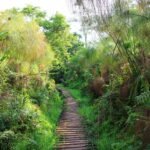
How to Visit Bigodi Wetland Sanctuary from Kampala
September 19, 2026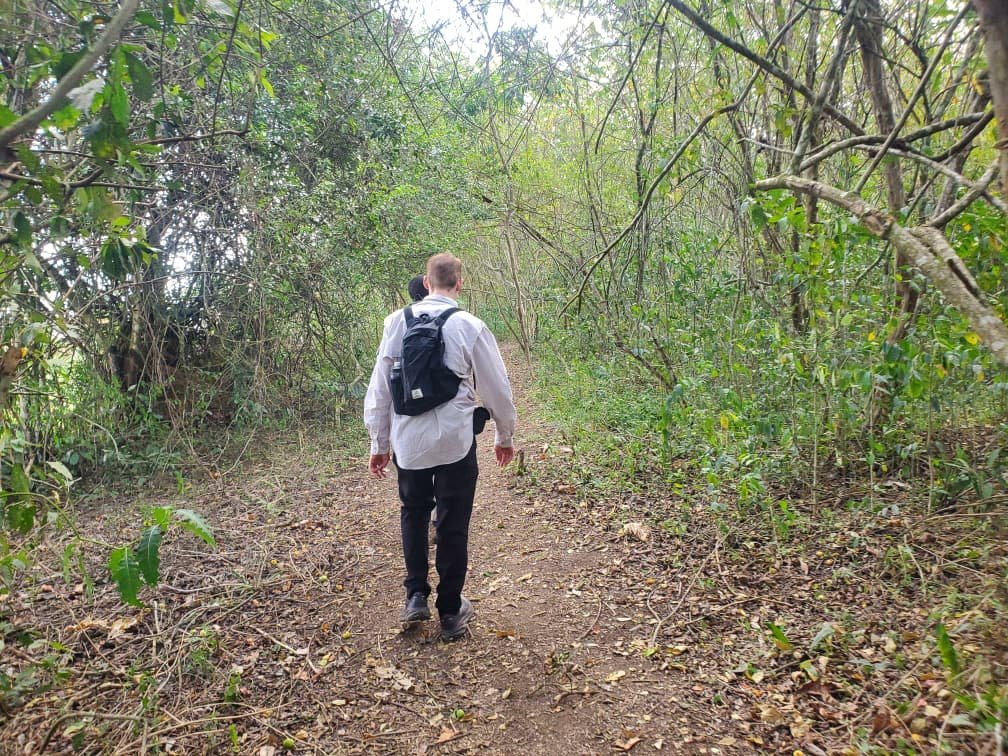
The Bigodi Community Walk gives travellers a rare look at western Uganda beyond the national park gates. Zamunda Travels leads guests through a village, a wetland, and a living conservation story in one memorable outing. First, you stroll past homes, farms, and schools with a local guide. Then, you step onto wooden boardwalks and search the swamp for monkeys and birds. Because the community runs the experience, your visit also funds real local projects. In this guide, Zamunda Travels explains what the walk involves, what you will see, and how to plan your trip.
What Is the Bigodi Community Walk?
The Bigodi Community Walk blends a village tour with a nature trail. The trail winds through the Bigodi Wetland Sanctuary in Kamwenge District, just outside Kibale National Park. The sanctuary lies about six kilometres from the Kanyanchu tourism centre, so many travellers pair it with chimpanzee tracking. Trained local guides lead every group. In fact, visitors may enter the wetland only with a sanctuary guide. The circular trail measures about 4.5 kilometres, and boardwalks carry you across the wettest ground. Most swamp walks last two to three hours. However, a full village combination can stretch to about four hours, depending on your interests. Zamunda Travels sets the pace to suit your group, so keen birders and busy photographers both feel comfortable. Additionally, the open swamp offers something different from Kibale’s dense rainforest. Views stay clear, so wildlife spotting feels easier and more relaxed.
The Story Behind Bigodi Wetland Sanctuary
The story starts in 1992, when local residents founded the Kibale Association for Rural and Environmental Development, known as KAFRED. An American volunteer, Mark Noonan, helped the founders shape the group. Their goal was simple. They wanted to protect the wetland and help villagers earn a fair income from tourism. At that time, land pressure had shrunk the papyrus cover, so the community chose to act. Villagers and local authorities then agreed on bylaws in 1995, which gave the sanctuary legal backing. The wetland stretches about eight kilometres and measures roughly a third of a kilometre wide. It links two parts of Kibale National Park, so animals move safely between the forest sections. The water eventually drains into Lake George through the River Dura. As a result, this narrow swamp plays a large role in regional conservation. KAFRED later won the Equator Prize in 2004 and again in 2010, and roughly 300 households benefit from its work. Zamunda Travels shares this history with guests before each walk, because the story makes every step more meaningful.
What You Will See on the Bigodi Community Walk
Primates and Mammals on the Trail
The wetland hosts eight primate species, according to local tourism listings. Black-and-white colobus, red colobus, grey-cheeked mangabey, red-tailed monkey, vervet monkey, and L’Hoest’s monkey all live here. Because tall trees line the boardwalk, you often watch them from a short distance. Meanwhile, the swamp shelters other animals. Sitatunga, bushbuck, bushpig, and otters hide among the reeds, although you need patience and some luck to meet them. A deep trench cuts through the middle of the wetland, and guides explain that hippos once used it in the 1960s. Moreover, a tree house high in the canopy offers a sweeping view over the swamp. Your guide will also point out butterflies, plants, and animal tracks that most visitors would miss. Consequently, Zamunda Travels advises guests to walk slowly and listen closely.
Birds of the Bigodi Wetland
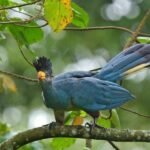
Birdwatchers treasure this sanctuary. Sources report anywhere from about 138 to more than 200 recorded species, and the figure depends on who counts. The Great Blue Turaco is the star. It serves as the KAFRED emblem and earns the sanctuary its nickname, “Home of the Great Blue Turaco.” Hornbills and kingfishers also reward those who scan the canopy and the water’s edge. Early morning brings the busiest birdsong, so Zamunda Travels often schedules the first walk of the day at 7:30 am. In contrast, the afternoon start at 3:00 pm gives softer light for photographs. Bring binoculars either way, and let your guide teach you the calls.
Village Life and Culture on the Trail
The walk does not stop at the swamp edge. Guides also lead you through Bigodi village, where Batooro and Bakiga families live and farm side by side. Depending on your route, you might meet a traditional healer, hear folklore from an elder, or visit a village primary school. You may also talk with coffee growers, watch local brewing, and see the places of worship that shape community life. Each stop gives you a direct conversation instead of a scripted show. Furthermore, guides welcome questions, so you learn how residents balance farming, family, and conservation. Zamunda Travels builds these stops around your interests and your available time.
Bigodi Women’s Group and Local Crafts
Craft makers add colour to the experience. The Bigodi Women’s Group, which counts around 40 members, weaves baskets and mats. Members also make bags and beads from papyrus, palm leaves, and recycled paper. A peanut butter group and the Enyange dance and drama group also take part in visitor activities. Because these groups sell directly to guests, your souvenir purchase reaches a village household. Therefore, Zamunda Travels encourages guests to buy locally and to ask the makers about their techniques.
Plan Your Bigodi Community Walk with Zamunda Travels
How to Reach Bigodi from Kampala
Bigodi sits in Uganda’s west, so most travellers arrive by road. The route from Kampala follows the Mubende–Fort Portal highway, and the drive takes about five hours. Bigodi lies between 30 and 40 kilometres from Fort Portal, depending on the route you take. Zamunda Travels provides comfortable safari vehicles and experienced drivers for this journey. As a result, you can rest, enjoy the scenery, and arrive ready to walk. Many guests also stay near Kibale and combine the walk with a chimpanzee tracking day.
Best Time to Go and What to Pack
The sanctuary welcomes visitors all year, and its office opens daily from 7:30 am to 5:00 pm. However, the dry season from June to September usually gives firmer boardwalks and easier wildlife viewing. Even in the rains, the swamp stays lush and rewarding. For comfort, wear sturdy closed shoes and long trousers. Also pack insect repellent, a light rain jacket, a hat, and plenty of drinking water. Finally, carry binoculars and a camera with a zoom lens. Ask Zamunda Travels for current rates and booking details before you travel.
How the Bigodi Community Walk Supports Conservation
Every ticket sold on the Bigodi Community Walk feeds directly back into the community. KAFRED uses tourism income to maintain the boardwalks and pay guides. It has also funded nursery, primary, and secondary school facilities, health services, bridges, and village roads. In addition, the association trains harvesters in sustainable methods, so craft makers protect the wetland instead of depleting it. This model creates a clear link between healthy habitat and household income. Consequently, residents have strong reasons to guard the swamp and its wildlife. Zamunda Travels values this approach, so we treat community-run tourism as a partnership rather than a photo opportunity. When you walk with us, you help keep this wetland corridor alive for future travellers.
Book Your Village Adventure with Zamunda Travels
Few Uganda activities combine wildlife, culture, and conservation as neatly as this one. You spot monkeys from a boardwalk, share stories with village elders, and leave knowing your money helped the community. Zamunda Travels handles transport, guides, and scheduling, so you can focus on the experience. Contact our team today to add this walk to your Kibale itinerary or to build a full western Uganda safari.