Tanzania Safari from France
November 20, 2026
Tanzania Safari from Italy
November 20, 2026
Planning a Tanzania safari from the UK involves more than choosing a national park. British travellers need to consider international flights, safari seasons, accommodation, travel costs and the best route between wildlife destinations.
Tanzania offers remarkable wildlife experiences, from the Great Wildebeest Migration in Serengeti National Park to the elephants of Tarangire and the wildlife-rich Ngorongoro Crater. However, choosing the right destinations and allowing enough time for game drives can make a considerable difference.
Whether you are travelling from London, Manchester, Birmingham or another UK city, this guide explains how to plan a rewarding Tanzania safari. You will discover the best national parks, suitable travel periods, entry requirements, estimated budgets and practical itinerary options.
How to Plan a Tanzania Safari from the UK
A Tanzania safari from the UK typically involves flying to East Africa, transferring to Arusha and exploring Tanzania’s northern wildlife circuit. Most first-time visitors should allow seven to ten days for the safari itself. This provides enough time to visit Serengeti National Park, Ngorongoro Crater and Tarangire without rushing between destinations.
For a longer holiday, travellers can combine their safari with Zanzibar or explore Tanzania’s quieter southern national parks.
The best itinerary depends on your travel dates, wildlife interests and available budget.
Why Choose Tanzania for a Safari Holiday?
Tanzania is one of Africa’s leading wildlife destinations. Its national parks protect extensive savannah ecosystems, volcanic landscapes, forests and important wildlife habitats.
The country is particularly famous for the Great Wildebeest Migration, which moves through the Serengeti ecosystem throughout the year.
Visitors can also encounter the African Big Five: lions, leopards, elephants, buffaloes and rhinoceroses.
Unlike destinations where wildlife viewing concentrates around a single reserve, Tanzania offers several distinct safari regions.
The northern circuit is particularly suitable for first-time visitors because its major attractions can be combined into one road safari.
Meanwhile, southern Tanzania offers more remote wildlife experiences, including boat safaris and opportunities to explore less-visited landscapes.
For British travellers seeking a holiday that combines wildlife photography, comfortable accommodation and guided exploration, Tanzania offers considerable flexibility.
Best National Parks to Visit on a Tanzania Safari
Serengeti National Park – Wildlife and the Great Migration
Serengeti National Park is one of Tanzania’s most recognised wildlife destinations.
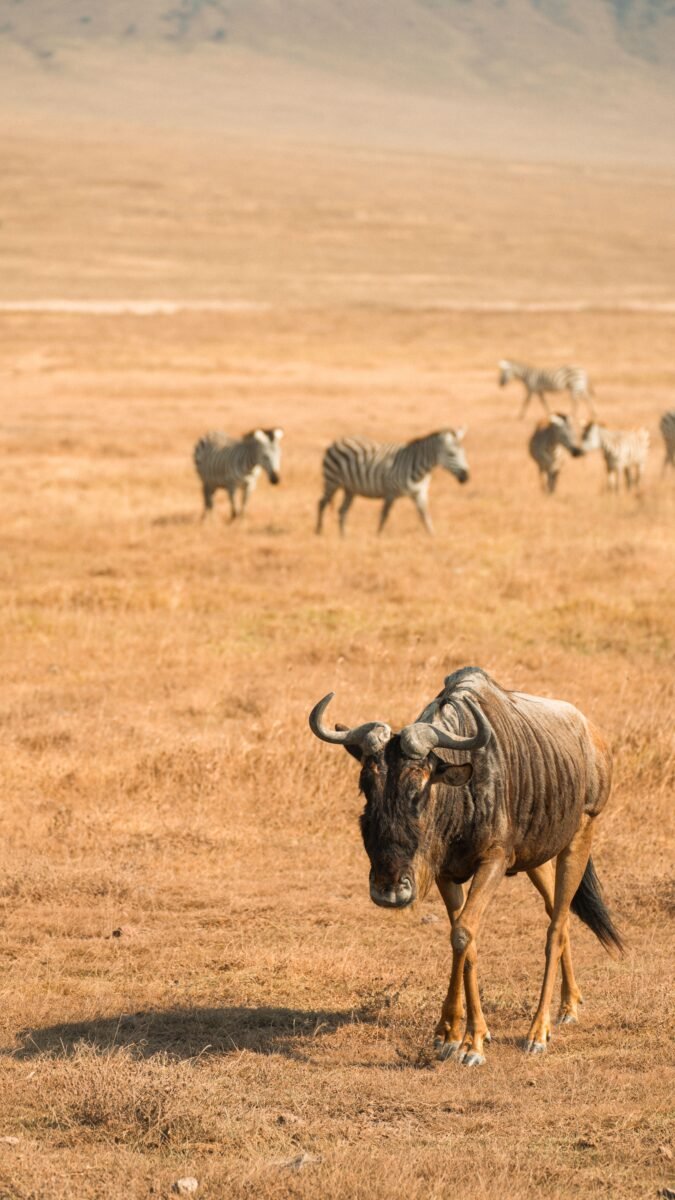
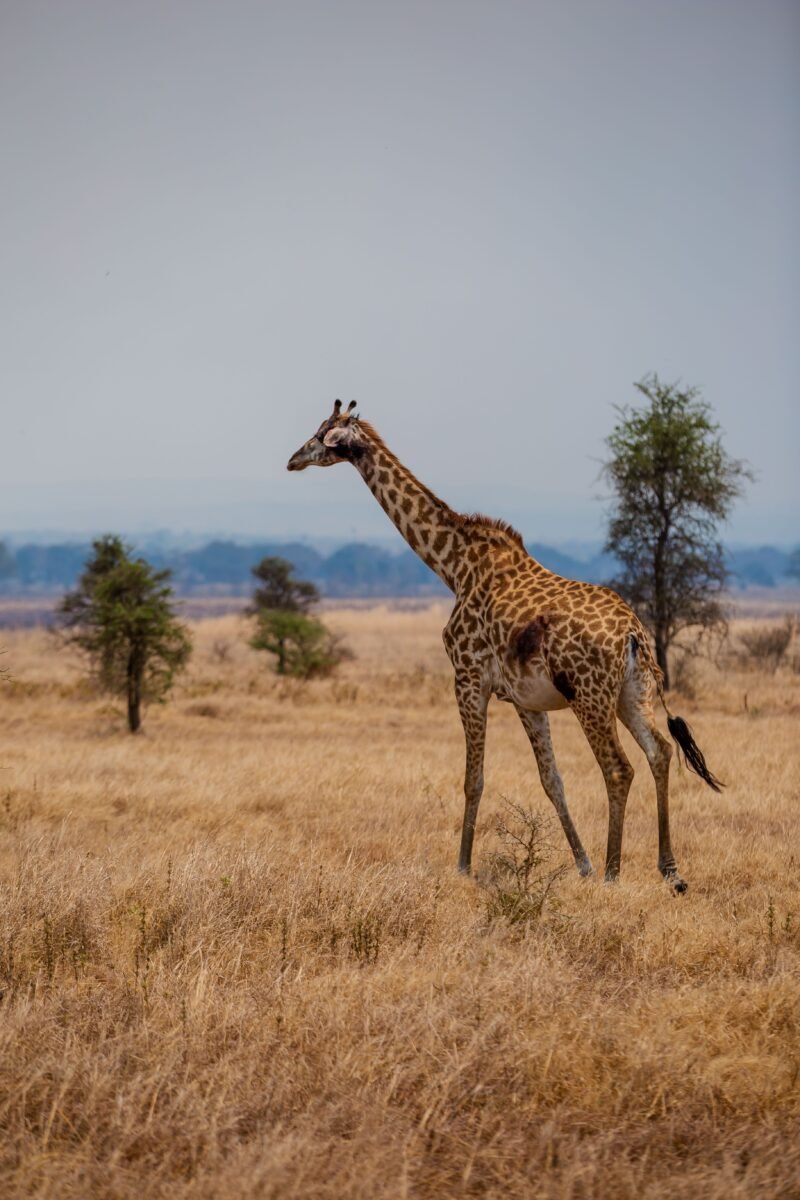
Its extensive grasslands, woodlands and river systems support lions, cheetahs, leopards, elephants, giraffes, zebras and many other species.
The park is also central to the Great Wildebeest Migration.
Large herds move across the Serengeti ecosystem in response to seasonal rainfall and grazing conditions.
However, the animals do not remain in one location throughout the year.
The southern plains are particularly important during the calving season, while northern Serengeti becomes popular during the period when herds may cross the Mara River.
For travellers interested in general wildlife viewing, central Serengeti offers rewarding game drives across much of the year.
Allowing at least two or three nights gives visitors more opportunities to explore different habitats.
Ngorongoro Crater – Big Five Safari Experiences
Ngorongoro Crater is a large volcanic caldera within the Ngorongoro Conservation Area.
Its grasslands, wetlands and forests support a remarkable variety of wildlife within a relatively compact area.
Visitors may encounter lions, elephants, buffaloes, hippos, zebras and spotted hyenas.
The crater is also an important habitat for the endangered black rhinoceros, although sightings are never guaranteed.
A typical visit involves descending into the crater with an authorised safari vehicle and exploring designated game-viewing tracks.
Because visitor access is regulated, operators must plan entry arrangements and crater activities carefully.
Ngorongoro is particularly valuable for travellers with limited safari time because several wildlife habitats can be explored during one organised game drive.
Tarangire National Park – Elephants and Baobab Landscapes
Tarangire National Park is well known for its elephant populations and distinctive baobab trees.
During the dry season, wildlife often concentrates around the Tarangire River and other remaining water sources.
This can create excellent opportunities to observe elephants, giraffes, zebras, buffaloes and predators.
Tarangire also supports diverse birdlife, making it appealing to birdwatchers and wildlife photographers.
The park fits naturally into a northern Tanzania itinerary because it can be visited while travelling between Arusha and the wider safari circuit.
Lake Manyara National Park – Forests and Birdwatching
Lake Manyara National Park offers a different environment from the open plains of Serengeti.
Its habitats include groundwater forests, grasslands, wetlands and areas surrounding the alkaline lake.
Visitors may see elephants, baboons, giraffes, hippos and various bird species.
The park is also associated with tree-climbing lions, although sightings are unpredictable.
Lake Manyara is particularly suitable for travellers interested in varied landscapes and birdwatching.
However, visitors with limited time should consider whether an additional day in Serengeti would better match their wildlife priorities.
Nyerere and Ruaha National Parks – Quieter Safari Experiences
Travellers who have already visited Tanzania’s northern circuit may prefer the southern parks.
Nyerere National Park offers extensive wilderness and boat-based wildlife activities in authorised areas.
Ruaha National Park is known for rugged landscapes, elephants, predators and a more remote safari atmosphere.
These destinations are geographically separate from the northern circuit.
Therefore, combining them with Serengeti usually requires additional time and often domestic flights.
For a first safari lasting less than ten days, concentrating on one region generally provides a more comfortable experience.
Best Time to Visit Tanzania from the UK
Tanzania offers wildlife viewing throughout the year. However, seasonal rainfall influences road conditions, animal movements and accommodation demand.
June to October – Dry Season Safari
June to October is a popular period for Tanzania safaris.
Vegetation becomes thinner in many areas, and animals often gather near reliable water sources.
This can make wildlife easier to observe.
The period also overlaps with British summer holidays, making it convenient for families and travellers working around school schedules.
However, July and August are busy months in popular safari areas.
Accommodation near the northern Serengeti can become particularly competitive during the migration season.
January to March – Wildebeest Calving Season
January to March is an excellent period for travellers interested in the southern Serengeti ecosystem.
The short-grass plains around Ndutu often attract large concentrations of wildebeest during the calving season.
Predators follow the herds, creating opportunities to observe natural hunting behaviour.
February is often associated with peak calving activity, although exact timing depends on rainfall and grazing conditions.
This period can suit British travellers planning holidays around winter or February half-term.
April to May – Green Season
April and May generally fall within Tanzania’s long-rains period.
The landscapes become greener, and some properties offer lower seasonal rates.
However, heavy rainfall can affect certain roads and wildlife-viewing routes.
Some remote camps may also close temporarily.
Travellers considering this period should choose accommodation and routes carefully rather than assuming every safari destination remains equally accessible.
November to December – Short Rains and Festive Travel
November and December often bring shorter periods of rainfall.
Wildlife viewing remains possible, although conditions vary between regions.
December is particularly popular among travellers planning Christmas and New Year holidays.
Therefore, advance accommodation reservations are advisable during the festive period.
How to Travel from the United Kingdom to Tanzania
Flights from London to Tanzania
British travellers can reach Tanzania through international connections involving major African, Middle Eastern and European aviation hubs.
Common connecting airports include Addis Ababa, Doha, Istanbul and Nairobi, depending on the airline and departure date.
Travellers planning a northern Tanzania safari should consider Kilimanjaro International Airport.
The airport serves the Arusha and Moshi region, providing access to the northern safari circuit.
Dar es Salaam is another major international gateway, particularly useful for certain southern Tanzania itineraries and coastal connections.
However, arriving in Dar es Salaam for a short northern safari may create unnecessary additional travel.
Travelling from Manchester, Birmingham and Other UK Cities
Travellers departing from Manchester, Birmingham, Edinburgh or other British airports may find suitable connecting flights.
Available routes depend on airline schedules and seasonal services.
In some cases, travelling through London provides more options.
However, a connection through an international hub may be more convenient than arranging a separate domestic flight within Britain.
Compare total journey time, baggage arrangements and connection length before booking.
A cheaper ticket may not offer good value if it requires an overnight airport stay or an additional travel day.
Which Tanzania Airport Should You Choose?
For a safari covering Tarangire, Serengeti and Ngorongoro, Kilimanjaro International Airport is usually a practical choice.
Arusha Airport is mainly useful for domestic and regional aviation connections.
Travellers combining a safari with Zanzibar can consider flying into Kilimanjaro and departing internationally from Zanzibar, subject to suitable flight availability.
This arrangement may avoid returning to the northern safari circuit after the beach portion of the holiday.
How Many Days Do You Need for a Tanzania Safari?
The ideal safari duration depends on the destinations you want to visit.
A five-day safari can cover several northern attractions, but it requires careful planning.
Seven days offers more flexibility and allows additional wildlife-viewing time.
Ten days provides opportunities to explore the Serengeti more thoroughly or include another destination.
For British travellers making a long international journey, seven to ten safari days is generally a sensible starting point.
Example Seven-Day Tanzania Safari Itinerary
Day 1: Arrive at Kilimanjaro International Airport and transfer to Arusha. Overnight in Arusha.
Day 2: Travel to Tarangire National Park for an afternoon game drive. Overnight near Tarangire.
Day 3: Transfer towards Serengeti National Park, passing through the Ngorongoro Conservation Area. Enjoy wildlife viewing where time permits.
Day 4: Spend a full day exploring Serengeti National Park. Search for lions, elephants, giraffes and other wildlife.
Day 5: Enjoy another Serengeti game drive before travelling towards the Ngorongoro area. Overnight near the crater.
Day 6: Descend into Ngorongoro Crater for a wildlife-viewing experience. Continue to Karatu or Arusha, depending on the itinerary.
Day 7: Transfer to Kilimanjaro International Airport for your onward journey.
This example allows meaningful time in the main wildlife destinations.
However, travel between Serengeti and Ngorongoro can take several hours, depending on the chosen route and road conditions.
Travellers with additional time can add another Serengeti night rather than rushing into a new destination.
How Much Does a Tanzania Safari from the UK Cost?
The cost of a Tanzania safari depends on accommodation standards, travel dates, park fees, transport arrangements and group size.
Private safaris usually cost more per person than shared departures because vehicle and guiding expenses are divided among fewer travellers.
Luxury lodges and migration-focused camps can also increase the overall price.
For preliminary planning, a seven-day safari may fall within the following broad, non-binding estimates:
-
Budget or shared camping safari: approximately US$1,500–2,500 per person.
-
Private mid-range lodge safari: approximately US$2,500–4,500 per person.
-
Luxury safari: approximately US$4,500–8,000 or more per person.
These are illustrative planning ranges, not confirmed Zamunda Travels package prices. They assume broadly comparable seven-day itineraries, with costs influenced by group size and season.
International flights from Britain, visas, personal travel insurance, gratuities and optional activities may be additional expenses.
Safari quotations should clearly explain whether park entrance fees, Ngorongoro charges, meals, accommodation, airport transfers and drinking water are included.
How to Avoid Unexpected Safari Costs
When comparing safari packages, examine the complete itinerary rather than the headline price.
A lower-cost safari may involve accommodation farther from the national parks.
This can increase driving time and reduce opportunities for early wildlife viewing.
Likewise, a package advertising several national parks in only a few days may involve more time on the road than expected.
Ask for the accommodation names, vehicle arrangements, park entry details and daily travel schedule before paying a deposit.
For travellers seeking a personalised itinerary, Zamunda Travels Uganda Ltd can help compare accommodation options and develop a safari route suited to their interests and budget.
Tanzania Visa Requirements for British Travellers
British passport holders need a visa to enter Tanzania for tourism.
According to Tanzania Immigration Services, the ordinary single-entry tourist visa costs US$50 under the published fee schedule.
Travellers can apply through the official Tanzania electronic visa system before departure.
The UK government also identifies visa-on-arrival arrangements at eligible entry points, subject to immigration requirements. However, applying online in advance can simplify travel preparation.
British travellers should ensure their passports remain valid for at least six months after arrival and contain at least one blank page.
They should also be prepared to show evidence of onward or return travel.
Mandatory Inbound Travel Insurance
Tanzania has introduced mandatory government-provided inbound travel insurance requirements covering visitors to mainland Tanzania and Zanzibar.
The applicable provider depends on the first point of entry.
This requirement is separate from comprehensive personal travel insurance.
British travellers should verify the latest purchasing procedures and costs before departure.
Yellow Fever Requirements
A yellow fever vaccination certificate may be required when arriving from a country classified as having a yellow fever transmission risk.
Travellers arriving directly from the United Kingdom are generally not required to provide the certificate solely because of their UK departure.
However, travel through other countries can affect entry requirements.
Always check the latest guidance for your complete flight itinerary.
Health and Safety Advice for British Travellers
Before travelling to Tanzania, consult a qualified travel-health professional.
Malaria is a concern in many safari regions, and preventive medication may be recommended.
The UK’s TravelHealthPro service provides destination-specific guidance about malaria, vaccinations and other health considerations.
Travellers should also use mosquito repellent, suitable clothing and accommodation with appropriate mosquito protection.
Comprehensive travel insurance should cover medical treatment, emergency evacuation and the activities included in the safari.
British visitors should consult the Foreign, Commonwealth & Development Office for current travel advice.
Although established safari destinations are widely visited, travellers should still follow local safety guidance and avoid unnecessary risks.
During game drives, remain inside the vehicle unless your guide confirms that leaving is permitted.
Never approach wild animals or encourage guides to drive too close for photographs.
Responsible wildlife viewing protects both visitors and the animals they have travelled to see.
What Should You Pack for a Tanzania Safari?
Safari clothing should be comfortable, practical and suitable for changing temperatures.
Early mornings can be cool, particularly around Ngorongoro and other higher-altitude areas.
Afternoons may become considerably warmer.
Useful items include:
-
Lightweight clothing in neutral colours.
-
A warm fleece or jacket for early game drives.
-
Comfortable closed shoes.
-
A sun hat, sunglasses and sunscreen.
-
Binoculars for wildlife observation.
-
A camera with spare batteries and memory cards.
-
Insect repellent and personal medication.
-
A small daypack and reusable water bottle.
British travellers should also carry suitable travel adapters and check whether their accommodation provides charging facilities.
Soft-sided luggage may be required on some domestic light-aircraft flights because of baggage restrictions.
Confirm the allowance before packing.
Should You Combine a Tanzania Safari with Zanzibar?
Combining a Tanzania safari with Zanzibar is a popular option for travellers who want both wildlife and coastal relaxation.
After exploring Serengeti, Ngorongoro or Tarangire, visitors can travel to Zanzibar for beaches, Stone Town and cultural experiences.
A typical combined holiday might include seven safari days followed by three or four nights on Zanzibar.
However, the best arrangement depends on international flight connections and the available holiday period.
For travellers with fewer than ten days in Tanzania, spending the entire holiday on safari may provide better wildlife value.
Those with twelve to fourteen days can usually combine both experiences more comfortably.
Common Mistakes to Avoid When Planning Your Tanzania Safari
One common mistake is attempting to visit too many parks within a short period.
Although Tanzania has many outstanding destinations, long transfers can reduce the time available for wildlife observation.
Another mistake is choosing accommodation without considering its location.
A lodge that appears affordable may require lengthy journeys to reach the main game-viewing areas.
Travellers should also avoid assuming that Great Migration river crossings happen on a fixed date.
Wildlife movements depend on natural conditions, and no operator can guarantee a particular crossing.
Finally, booking international flights before confirming the safari route can create unnecessary complications.
The most suitable arrival and departure airports should be determined alongside the itinerary.
Plan Your Tanzania Safari with Zamunda Travels
A successful Tanzania safari combines suitable travel dates, realistic driving distances, comfortable accommodation and knowledgeable guiding.
For British travellers, planning international connections and safari logistics together helps reduce unnecessary travel and improve the overall experience.
Whether you want to explore the Serengeti, photograph elephants in Tarangire, visit Ngorongoro Crater or combine your safari with Zanzibar, Zamunda Travels Uganda Ltd can help develop a personalised itinerary.
Our East African safari planning services cover private wildlife holidays, photography safaris, family travel and multi-country adventures.
Contact Zamunda Travels Uganda Ltd to discuss your Tanzania safari plans.
Website: https://www.zamundatravels.com
Email: info@zamundatravels.com
WhatsApp: +256 704 705 606
Zamunda Travels Uganda Ltd — Beyond Expedition
Frequently Asked Questions About Tanzania Safaris from the UK
How much does a Tanzania safari from the UK cost?
A seven-day Tanzania safari may cost approximately US$1,500–4,500 per person for budget through private mid-range arrangements, depending on season and group size. Luxury options can cost considerably more. International flights, visas and insurance may be additional. Request a detailed quotation showing accommodation, park fees, transport and included activities.
Can you fly directly from the UK to Tanzania?
Travellers commonly reach Tanzania using connecting flights through international aviation hubs such as Doha, Addis Ababa, Istanbul or Nairobi. Direct-flight availability depends on current airline schedules. For northern Tanzania safaris, Kilimanjaro International Airport is generally a convenient arrival point. Always compare total travel time and connections before booking.
What is the best month for a Tanzania safari?
June to October generally offers favourable dry-season wildlife-viewing conditions. However, January and February are particularly appealing for travellers interested in wildebeest calving in the southern Serengeti ecosystem. The best month depends on your preferred wildlife experience, budget and tolerance for rainfall.
Do British citizens need a visa for Tanzania?
Yes. British passport holders require a visa for tourism in Tanzania. The ordinary single-entry tourist visa is listed at US$50 by Tanzania Immigration Services. Visitors can apply online through the official electronic visa portal. Passport validity and other entry conditions should be checked before departure.
Is seven days enough for a Tanzania safari?
Seven days is enough for a well-planned northern Tanzania safari covering Serengeti, Ngorongoro Crater and Tarangire. However, the itinerary should allow sufficient time for travel between destinations. Travellers interested in the Great Migration or extended wildlife photography may benefit from nine or ten days.
Is Tanzania suitable for a family safari from the UK?
Yes. Tanzania offers family-friendly safari lodges, private vehicles and flexible itineraries. However, families should consider children’s ages, travel distances and accommodation policies. Some activities have age restrictions, while long game drives may be tiring for younger children. A private safari allows more flexibility around meals and rest periods.
Can I combine Tanzania with Uganda or Rwanda?
Yes. Tanzania can be combined with Uganda or Rwanda for a broader East African safari. Travellers can experience Tanzania’s savannah wildlife alongside gorilla trekking in Bwindi or Volcanoes National Park. Such itineraries require careful coordination of flights, permits, visas and travel days. A longer holiday is generally preferable for this combination.