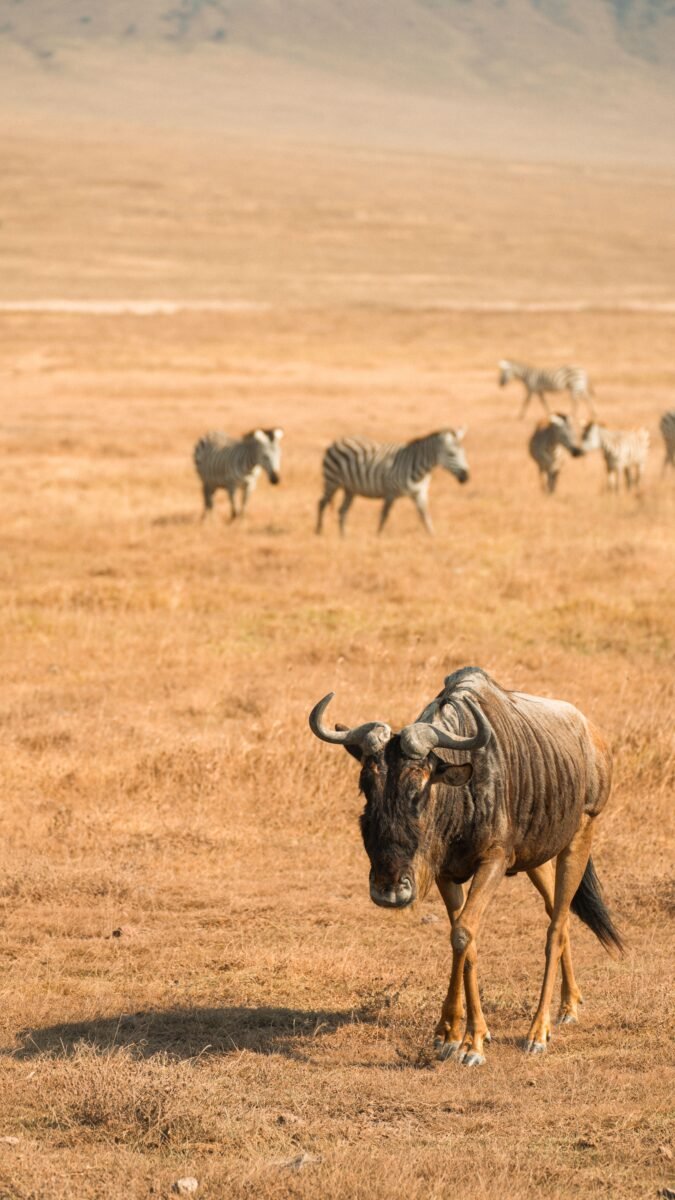
Tanzania Safari from the United Kingdom
November 20, 2026
Tanzania Safari from Spain
November 20, 2026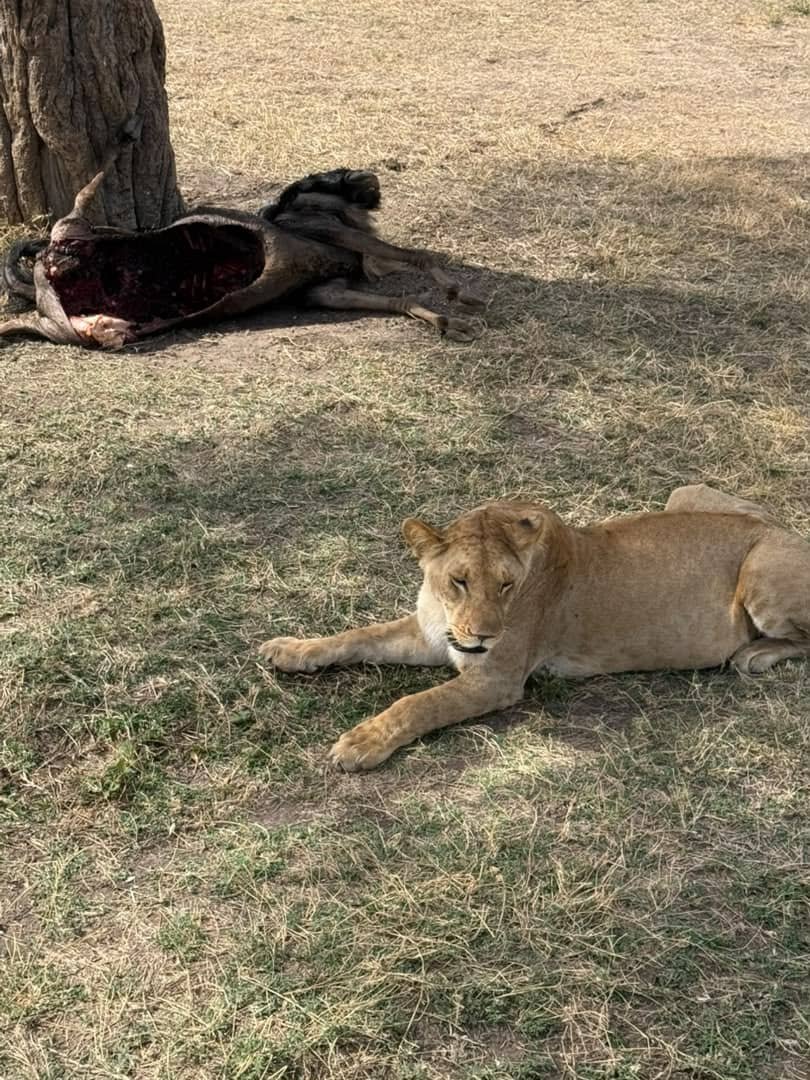
Planning a Tanzania safari from Italy offers an opportunity to explore some of Africa’s most remarkable wildlife landscapes. From the open plains of the Serengeti to the Ngorongoro Crater and the elephant-rich woodlands of Tarangire, Tanzania provides varied safari experiences for travellers seeking wildlife, photography and outdoor adventure.
For Italian travellers, choosing the right national parks is only part of the planning process. Flight connections, travel seasons, accommodation, visa requirements and safari duration can significantly influence the experience.
Whether you are travelling from Rome, Milan, Venice or another Italian city, this guide explains how to organise a practical Tanzania safari. It covers the best wildlife destinations, suitable itineraries, travel costs and essential preparations before departure.
Why Choose Tanzania for a Safari from Italy?
Tanzania is one of Africa’s leading wildlife safari destinations. Its national parks protect extensive savannahs, volcanic landscapes, forests and important wildlife habitats.
A Tanzania safari from Italy is particularly attractive because travellers can explore several major wildlife destinations within one holiday.
The northern safari circuit is the most popular choice for first-time visitors. It includes Serengeti National Park, Ngorongoro Conservation Area, Tarangire National Park and Lake Manyara National Park.
These destinations offer opportunities to observe lions, elephants, giraffes, zebras, wildebeest, buffaloes, leopards and many bird species.
Furthermore, Tanzania offers private guided safaris, comfortable lodges, tented camps and luxury accommodation.
Italian travellers can also combine a wildlife safari with a visit to Zanzibar, where historic Stone Town, coastal villages and Indian Ocean beaches provide a different experience.
For a first safari, seven to ten days on the ground is a useful starting point. However, the ideal duration depends on the parks selected and the available travel budget.
Best Wildlife Destinations in Tanzania
1. Serengeti National Park – Big Cats and the Great Migration
Best for: Lions, cheetahs, leopards, wildebeest migration and wildlife photography.
Serengeti National Park is one of Tanzania’s most celebrated wildlife destinations.
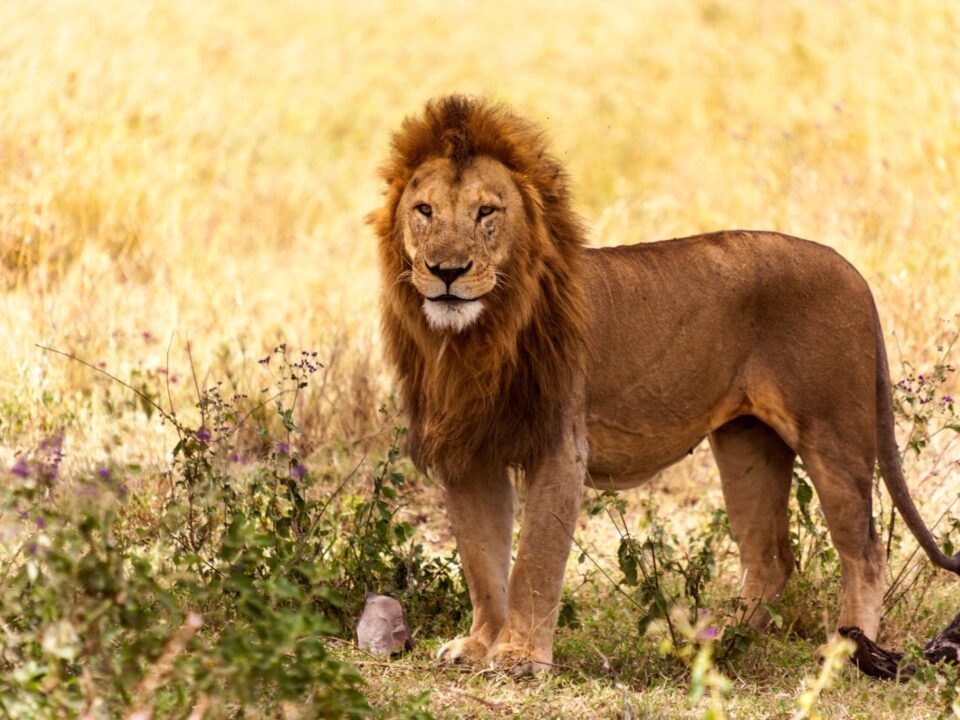
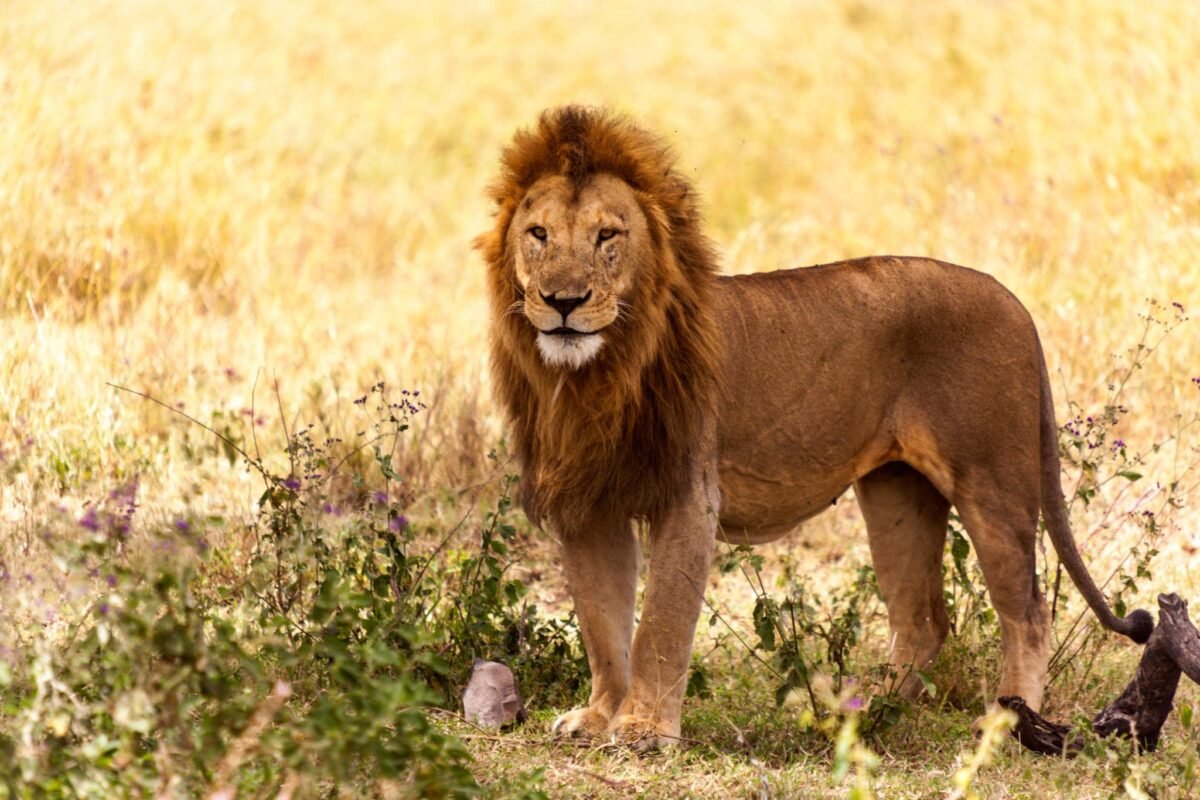
Its extensive grasslands support large populations of grazing animals and predators. Visitors can encounter lions resting on rocky outcrops, cheetahs hunting across open plains and leopards resting in trees.
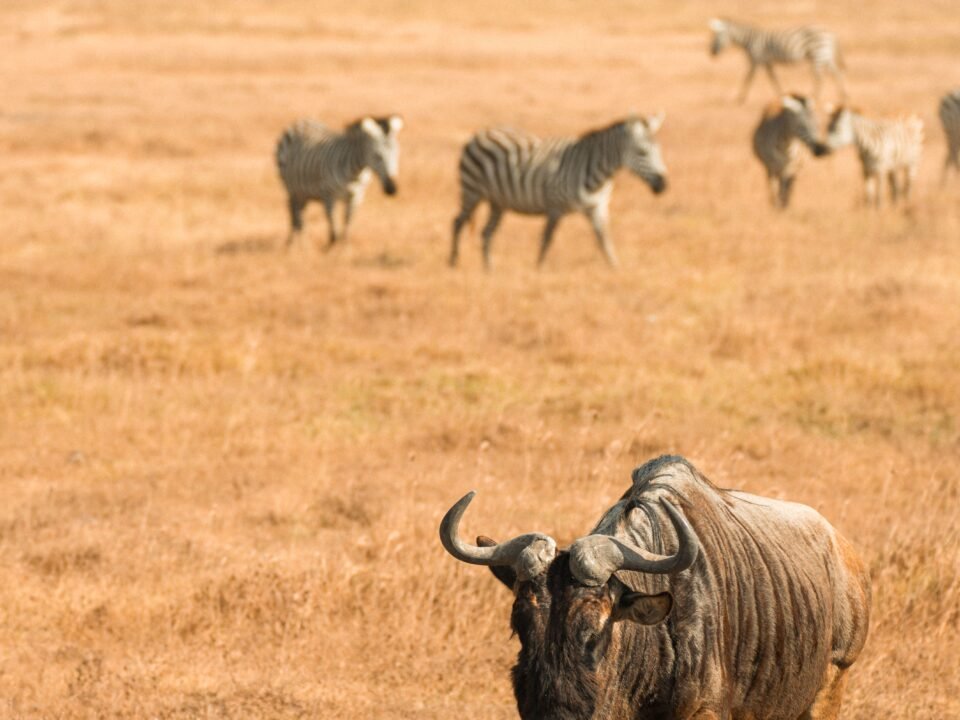
The Serengeti is also associated with the Great Wildebeest Migration. Throughout the year, large herds move through the Serengeti ecosystem in response to rainfall and changing grazing conditions.
Between approximately January and March, the southern Serengeti and neighbouring Ndutu plains often provide excellent opportunities to observe wildebeest calving.
During the middle of the year, migration activity may shift towards the western and northern Serengeti. River crossings can occur during this period, although their timing varies.
Wildlife movements are never completely predictable. Therefore, travellers should avoid itineraries that promise a particular river crossing on a specific date.
For Italian visitors travelling during July or August, the northern Serengeti can be especially appealing. However, accommodation in this region should be booked well in advance.
A stay of at least two or three nights is recommended for travellers who want meaningful time exploring the park.
2. Ngorongoro Crater – Concentrated Wildlife Viewing
Best for: Wildlife diversity, scenic landscapes and first-time safari travellers.
The Ngorongoro Crater is one of Tanzania’s most distinctive safari landscapes.
This enormous volcanic caldera contains grasslands, wetlands, woodland and seasonal water sources.
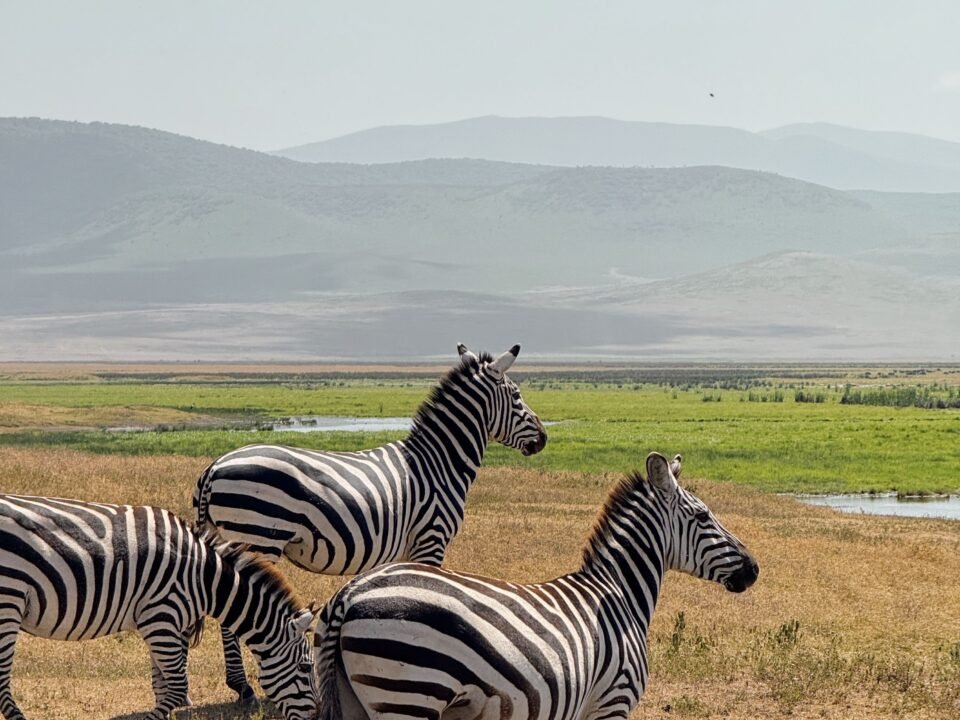
Its varied habitats support lions, buffaloes, zebras, wildebeest, hippos, hyenas and numerous bird species.
The crater also provides an opportunity to encounter the endangered black rhinoceros, although sightings are never guaranteed.
Unlike the vast Serengeti, Ngorongoro allows visitors to explore several wildlife habitats within a relatively compact area.
A typical crater visit involves descending from the rim in a safari vehicle and spending several hours exploring the crater floor.
For Italian travellers with limited time, Ngorongoro is particularly valuable because it can provide diverse wildlife encounters during a single game-drive day.
However, crater access is regulated, and additional vehicle and conservation fees may apply.
The Ngorongoro Conservation Area Authority provides official conservation and visitor information.
3. Tarangire National Park – Elephants and Baobab Trees
Best for: Elephant viewing, landscapes and birdwatching.
Tarangire National Park is an excellent destination for travellers interested in elephants and distinctive African landscapes.
The park is recognised for its ancient baobab trees, seasonal river systems and varied wildlife.
During the dry season, animals often gather around the Tarangire River and other remaining water sources.
Visitors may encounter elephants, giraffes, zebras, buffaloes, wildebeest and several antelope species.
Lions and leopards also inhabit the park, although predator sightings depend on wildlife movements and conditions.
Tarangire is especially useful at the beginning or end of a northern Tanzania safari because it can be combined with other parks around Arusha.
Travellers should ideally allow a full game-drive day rather than treating the park as a brief roadside stop.
4. Lake Manyara National Park – Forests, Birds and Varied Habitats
Best for: Birdwatching, forest wildlife and shorter game drives.
Lake Manyara National Park offers a different landscape from the Serengeti and Tarangire.
The park includes groundwater forests, open grasslands, wetlands and alkaline lake environments.
Visitors can encounter elephants, baboons, monkeys, giraffes and numerous bird species.
Lake Manyara is also known for occasional tree-climbing lions. However, these sightings are uncommon and should never be expected on every visit.
The park is suitable for travellers interested in birdwatching and ecological diversity.
Nevertheless, visitors with limited time may prefer to prioritise Tarangire, Serengeti and Ngorongoro before adding Lake Manyara.
5. Nyerere National Park – Southern Tanzania Safari Experiences
Best for: Less conventional safari routes, river landscapes and varied safari activities.
Nyerere National Park offers a different safari experience from northern Tanzania.
The park protects extensive wilderness areas associated with the Rufiji River system.
Wildlife includes elephants, lions, buffaloes, giraffes, hippos, crocodiles and African wild dogs.
Depending on the operating area and current park regulations, visitors may enjoy game drives and guided boat excursions.
Nyerere is particularly suitable for travellers interested in southern Tanzania or those returning for another safari.
However, it is not a convenient addition to a short Serengeti and Ngorongoro itinerary.
Combining northern and southern Tanzania generally requires additional travel days or domestic flights.
6. Ruaha National Park – Remote Wildlife and Predator Encounters
Best for: Experienced safari travellers, wildlife photography and quieter wilderness settings.
Ruaha National Park is another important destination in southern Tanzania.
Its landscapes include dry woodland, rocky hills, river valleys and open savannah.
The park supports elephants, lions, leopards, buffaloes, giraffes and numerous antelope species.
Ruaha appeals to travellers who prefer longer game drives and less crowded safari environments.
However, its remote location requires careful transport planning.
For most first-time visitors travelling from Italy, the northern circuit remains more practical. Ruaha is better suited to longer holidays or specialised wildlife itineraries.
Best Time to Visit Tanzania from Italy
Tanzania offers wildlife viewing throughout the year. However, rainfall, vegetation, animal movements and accommodation demand vary by season.
June to October – Dry Season Safaris
The dry season is generally an excellent period for wildlife viewing.
Vegetation becomes less dense in many areas, while animals often concentrate around available water sources.
July and August are especially popular among Italian travellers because they coincide with summer holidays.
During these months, the Serengeti may offer opportunities to observe migration herds in the western or northern regions.
However, this is also a busy period for tourism. Popular lodges and camps can become fully booked well before departure.
November to December – Changing Landscapes
Short rains commonly occur during November and December, although weather patterns vary.
The landscape becomes greener, and wildlife disperses as fresh grazing becomes available.
These months can offer attractive photography conditions, particularly when dramatic clouds develop over the savannah.
December also attracts visitors travelling during Christmas and New Year.
January to March – Calving Season
January to March is particularly interesting for visitors hoping to observe the wildebeest calving season.
Large numbers of wildebeest may gather in the southern Serengeti and Ndutu region when grazing conditions are suitable.
The presence of young animals can attract predators, creating opportunities for wildlife photography.
However, visitors should understand that animal movements depend on seasonal rainfall.
April to May – Rainy Season Travel
April and May are commonly associated with heavier seasonal rainfall in northern Tanzania.
Some roads may become muddy, and certain camps operate reduced schedules or close temporarily.
Nevertheless, the landscape is green, and some accommodation providers offer lower seasonal rates.
Travellers considering this period should prioritise flexible itineraries and carefully selected accommodation.
How to Travel from Italy to Tanzania
Italian travellers can reach Tanzania through international flights departing from major airports.
Flights from Rome and Milan
Rome Fiumicino and Milan Malpensa are useful departure points for Tanzania safaris.
Connecting routes may operate through Addis Ababa, Doha, Amsterdam, Istanbul or other international aviation hubs.
Seasonal direct services from Milan to Kilimanjaro have also operated, but availability depends on airline schedules.
Therefore, travellers should compare current flights before selecting their safari dates.
For a northern Tanzania safari, Kilimanjaro International Airport is generally the most convenient international arrival point.
It provides access to Arusha, where many northern safari itineraries begin.
Which Tanzania Airport Should You Choose?
Kilimanjaro International Airport (JRO) is recommended for travellers visiting Tarangire, Serengeti, Ngorongoro and Lake Manyara.
Dar es Salaam International Airport (DAR) is more suitable for visitors planning southern Tanzania safaris or journeys along the coast.
Zanzibar International Airport (ZNZ) is useful for travellers combining wildlife safaris with an island holiday.
Choosing the correct airport can reduce unnecessary domestic flights and lengthy road transfers.
For example, arriving in Kilimanjaro and departing from Zanzibar may be more practical than returning to Arusha after an island stay.
However, the final choice should depend on available airline schedules and the total cost of the journey.
How Many Days Do You Need for a Tanzania Safari?
The ideal safari duration depends on your interests, travel budget and preferred destinations.
A four- or five-day safari can introduce visitors to selected northern Tanzania parks. However, travel between destinations may limit wildlife-viewing time.
Six or seven days allow a more balanced itinerary covering Tarangire, Serengeti and Ngorongoro.
Eight to ten days provide greater flexibility for longer game drives, photography and additional destinations.
Travellers combining a safari with Zanzibar should generally consider ten to fourteen days.
A practical planning principle is to spend fewer days transferring between lodges and more time exploring wildlife habitats.
For example, staying three nights in one Serengeti region may provide a better experience than changing accommodation every night.
Travellers interested in a personalised itinerary can discuss their preferred parks and travel dates with Zamunda Travels Uganda Ltd.
Suggested 8-Day Tanzania Safari Itinerary from Italy
This sample itinerary focuses on northern Tanzania and allows time for wildlife viewing without including too many destinations.
Day 1 – Arrival at Kilimanjaro International Airport
Arrive at Kilimanjaro International Airport and meet your safari representative.
Transfer to your accommodation in Arusha for dinner and overnight.
Depending on your arrival time, you may explore the town or relax before the safari begins.
Day 2 – Arusha to Tarangire National Park
After breakfast, travel towards Tarangire National Park.
Enjoy an afternoon game drive through landscapes known for elephants, baobab trees and diverse wildlife.
Overnight at a lodge or tented camp in the Tarangire area.
Day 3 – Transfer to Serengeti National Park
Continue towards Serengeti National Park, travelling through the Ngorongoro highlands.
The journey is long, and road conditions can influence arrival time.
Depending on the route and schedule, enjoy wildlife viewing as you enter the Serengeti.
Overnight at a lodge or tented camp in the park.
Day 4 – Full-Day Serengeti Game Drive
Spend the day exploring the Serengeti with your safari guide.
Look for lions, cheetahs, leopards, elephants, giraffes and grazing herds.
Your guide will select suitable game-drive areas according to recent wildlife activity.
Return to your accommodation for dinner and overnight.
Day 5 – Another Day Exploring the Serengeti
Enjoy additional game drives in the Serengeti.
A second full day provides more flexibility for photography and wildlife observation.
Travellers interested in a hot-air balloon safari may arrange this activity in advance, subject to availability and weather conditions.
Day 6 – Serengeti to Ngorongoro Highlands
After breakfast, enjoy a final game drive before travelling towards the Ngorongoro Conservation Area.
Continue to your selected lodge near the crater rim or in the Karatu area.
Spend the evening relaxing and preparing for the following day’s crater excursion.
Day 7 – Ngorongoro Crater Safari
Depart early for a game drive inside Ngorongoro Crater.
Explore the crater floor, looking for lions, buffaloes, zebras, hippos and other wildlife.
After the excursion, travel towards Karatu or Arusha, depending on your accommodation arrangements.
Day 8 – Departure from Tanzania
After breakfast, transfer to Kilimanjaro International Airport for your onward flight.
Travellers extending their holiday can instead arrange a flight to Zanzibar.
This itinerary is a planning example. Actual driving schedules, park fees, accommodation and flight connections should be confirmed before booking.
How Much Does a Tanzania Safari from Italy Cost?
The cost of a Tanzania safari depends on several factors, including duration, accommodation category, number of travellers and travel season.
Private safaris generally cost more per person when only one or two people travel. This is because vehicle and guiding expenses are shared among fewer guests.
Group safaris can reduce individual costs, although they offer less flexibility.
Main Factors Affecting Safari Prices
Accommodation is one of the largest expenses.
Budget camping, mid-range lodges and luxury tented camps have different rates and service levels.
National park entrance fees, conservation charges and vehicle fees also contribute to the total cost.
Transport is another important consideration. Private 4WD safari vehicles, domestic flights and long-distance transfers can significantly affect pricing.
For Italian travellers, international flights are often booked separately from the safari package.
What Should a Safari Package Include?
Before confirming a booking, request a written quotation explaining whether the following services are included:
-
Airport transfers and ground transport
-
Private or shared 4WD safari vehicle
-
Professional safari driver-guide
-
Accommodation and meal arrangements
-
National park entrance and conservation fees
-
Drinking water during game drives
-
Domestic flights, if required
Also confirm exclusions such as international flights, visa fees, travel insurance, tips, alcoholic drinks and optional balloon safaris.
A lower advertised package price does not always mean better value.
For example, a lodge located far outside the Serengeti may be less expensive but could require additional driving time each day.
Choosing accommodation near the intended game-drive area can improve the overall safari experience.
Where to Stay During a Tanzania Safari
Tanzania offers several accommodation styles suitable for different budgets.
Budget Camping Safaris
Budget camping is suitable for adventurous travellers who prefer basic facilities and lower accommodation costs.
Some itineraries use public campsites with shared facilities.
However, camping arrangements vary, so travellers should confirm equipment, meals and bathroom facilities.
Mid-Range Safari Lodges
Mid-range lodges provide a balance between comfort and cost.
Accommodation commonly includes private rooms, ensuite bathrooms and organised meals.
This category is particularly suitable for couples, families and first-time safari visitors.
Luxury Safari Camps
Luxury tented camps and lodges offer higher levels of comfort, personalised service and carefully selected locations.
Some properties overlook wildlife corridors or seasonal migration areas.
However, luxury accommodation does not guarantee better wildlife sightings.
The quality of guiding, location and time spent exploring the park remain important.
Tanzania Visa Requirements for Italian Citizens
Italian passport holders require a visa to enter Tanzania for tourism.
According to Tanzania Immigration Services, Italian citizens are eligible to apply for an electronic visa or obtain a visa on arrival.
Applying online before departure is a practical option because it allows travellers to arrange their documentation in advance.
As of November 2026, the ordinary tourist visa fee is USD 50, with validity of up to 90 days.
Travellers should use the official Tanzania eVisa portal.
Italian visitors should also ensure their passports have at least six months of remaining validity and an unused visa page.
Return or onward travel documentation may be required.
Because immigration requirements can change, travellers should review official information before departure.
Health, Vaccinations and Travel Insurance
Health preparation is an important part of planning a Tanzania safari from Italy.
Travellers should consult a qualified travel-health professional before departure to discuss recommended vaccinations and malaria prevention.
Yellow fever vaccination requirements depend partly on the countries visited or transited through before arriving in Tanzania.
For example, travellers arriving from a country with yellow fever transmission risk may need a vaccination certificate.
Certain airport transit circumstances can also affect this requirement.
Comprehensive travel insurance is strongly recommended, particularly for medical emergencies and evacuation from remote safari areas.
Travellers visiting Zanzibar must also consider the island’s separate mandatory inbound travel insurance requirement.
For updated advice, consult Italy’s official Viaggiare Sicuri Tanzania guidance.
Practical Tips for Italian Travellers Visiting Tanzania
Book Early for July and August
July and August coincide with popular Italian summer holiday periods and Tanzania’s busy safari season.
Travellers planning a Serengeti safari during these months should reserve accommodation early.
This is especially important when selecting camps near seasonal migration areas.
Choose the Right Safari Vehicle
A suitable safari vehicle contributes significantly to comfort and wildlife viewing.
Private 4WD safari vehicles commonly provide elevated viewing positions and pop-up roofs for photography.
Before booking, confirm vehicle arrangements, seating capacity and luggage space.
Pack for Different Temperatures
Tanzania’s safari destinations experience different temperatures depending on altitude and season.
Early mornings around Ngorongoro can be cold, while afternoons in lower-altitude parks may be warm.
Pack lightweight clothing, a warm layer, comfortable footwear, sun protection and binoculars.
Neutral-coloured clothing is practical for most game drives.
Respect Wildlife and Park Regulations
Wild animals should always be observed from a safe distance.
Visitors should avoid feeding wildlife, disturbing animals or asking guides to leave authorised tracks.
Flash photography and unnecessary noise can also interfere with animal behaviour.
Responsible wildlife viewing helps protect Tanzania’s natural habitats.
Avoid Overloading Your Itinerary
One common safari planning mistake is attempting to visit too many national parks within a short holiday.
For example, combining Serengeti, Ngorongoro, Tarangire, Ruaha and Nyerere within one week would create an impractical itinerary.
Instead, choose destinations within the same geographical circuit.
This approach reduces unnecessary transfers and allows more time for wildlife viewing.
Can You Combine a Tanzania Safari with Zanzibar?
Yes. Combining a Tanzania safari with Zanzibar is a popular option for travellers from Italy.
A practical itinerary includes six or seven days exploring northern Tanzania, followed by three or four nights in Zanzibar.
After completing the safari, travellers can arrange a domestic flight to the island.
Zanzibar offers historic Stone Town, spice-related cultural experiences, coastal villages and beaches.
However, travellers should account for additional flights, accommodation and mandatory Zanzibar travel insurance.
For those with only seven days in Tanzania, prioritising either a complete safari or a shorter safari with a brief island stay may be more realistic.
Planning Your Tanzania Safari with Zamunda Travels
A successful Tanzania safari requires more than selecting famous national parks.
The most important decisions involve choosing the right travel season, allocating enough time to each destination and selecting accommodation that supports efficient wildlife viewing.
For Italian travellers, the northern circuit offers an excellent introduction to Tanzania’s wildlife. Serengeti, Ngorongoro and Tarangire can provide varied experiences within a well-planned itinerary.
Travellers with additional time can explore southern Tanzania or combine their safari with Zanzibar.
Zamunda Travels Uganda Ltd helps travellers plan personalised East African safari itineraries based on their interests, available time and preferred accommodation.
To discuss a Tanzania safari from Italy, contact Zamunda Travels through our official website, email info@zamundatravels.com or WhatsApp +256 704 705 606.
Zamunda Travels Uganda Ltd — Beyond Expedition.
Frequently Asked Questions About Tanzania Safaris from Italy
1. Do Italian citizens need a visa for Tanzania?
Yes. Italian passport holders require a tourist visa to visit Tanzania. They can apply through the official Tanzania electronic visa system or use the visa-on-arrival facility where available. The ordinary tourist visa costs USD 50 under the November 2026 published rules. Passports must meet the required validity and documentation conditions.
2. What is the best month for a Tanzania safari from Italy?
July, August, September and October are generally excellent months for dry-season wildlife viewing. July and August are especially convenient for Italian summer holidays. However, January to March is also attractive for travellers interested in the wildebeest calving season in the southern Serengeti and Ndutu region.
3. How many days are enough for a Tanzania safari?
Seven to ten days is a good duration for a first Tanzania safari. This allows visitors to explore Serengeti, Ngorongoro and Tarangire without rushing between destinations. Travellers with less time can arrange shorter itineraries, while those combining wildlife viewing with Zanzibar should consider ten to fourteen days.
4. Can I see the Big Five during a Tanzania safari?
Yes. Tanzania provides opportunities to see lions, leopards, elephants, buffaloes and rhinoceroses. However, sightings are never guaranteed. Serengeti and Ngorongoro are particularly suitable for travellers interested in diverse wildlife. Black rhinoceroses are relatively difficult to encounter, making patience and realistic expectations important.
5. Is Tanzania suitable for a first African safari?
Yes. Tanzania is an excellent destination for first-time safari travellers because its northern parks offer varied wildlife, established tourism infrastructure and different accommodation categories. A professionally guided safari helps visitors understand wildlife behaviour, park regulations and travel logistics while avoiding unnecessary difficulties.
6. Can I combine Serengeti, Ngorongoro and Zanzibar in one holiday?
Yes. A ten- to fourteen-day holiday can combine the Serengeti, Ngorongoro and Zanzibar comfortably. Travellers can begin in northern Tanzania, complete their wildlife safari and then fly to Zanzibar. The itinerary should account for airport transfers, domestic flights and sufficient time in each destination.