Why Do Lions Climb Trees in Ishasha?
September 22, 2026
Lion Tracking Experience in Queen Elizabeth National Park
September 22, 2026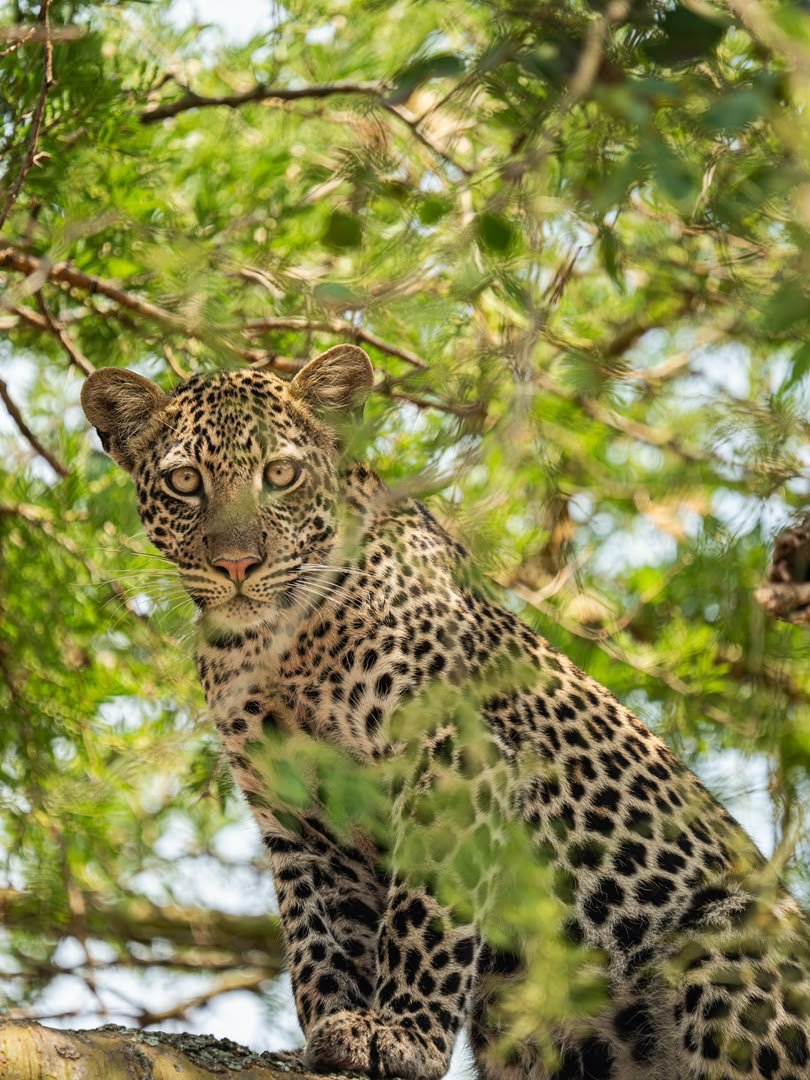
Queen Elizabeth National Park sits at the heart of western Uganda, and it holds a rare distinction on the African safari circuit. It is the only park in the country where visitors can take part in a structured leopard tracking experience. Zamunda Travels arranges this activity for guests who want more than a passing glimpse of Africa’s most secretive big cat. Instead of hoping for a lucky sighting from a passing vehicle, travelers join researchers and rangers on foot or in an open 4×4, following live signals from collared leopards through the park’s grasslands and riverine forest.
The park itself covers roughly 1,978 square kilometers, making it the second largest national park in Uganda. It supports leopard sightings that remain fairly common despite the animal’s naturally shy behavior. Lions, elephants, hyenas, buffaloes, waterbucks, and Uganda kobs also roam this landscape, which gives the leopard tracking experience an added layer of excitement since almost every drive turns up something worth stopping for.
What Is the Leopard Tracking Experience in Queen Elizabeth National Park?
The Uganda Carnivore Program conducts leopard tracking in Queen Elizabeth National Park, and the program focuses on protecting the park’s carnivore population. Researchers fit selected leopards with GPS or radio collars, then guide small groups of visitors toward the animals using handheld receivers that pick up the collar’s signal. Armed rangers from the Uganda Wildlife Authority accompany every group, and the activity also supports ongoing research into predator behavior within the park.
Guests should not expect a zoo-style guarantee. Leopards move constantly, hide in thick cover, and rest in caves during the heat of the day, so trackers rely on skill, patience, and fresh signs as much as on technology. Because leopards spend much of their time concealed, tourists rarely spot them without expert help, and this activity exists specifically to close that gap. Zamunda Travels pairs every guest with guides who understand the terrain and the animal’s habits, which turns a difficult search into a genuinely rewarding leopard tracking experience.
Where Zamunda Travels Takes You for the Leopard Tracking Experience
Several zones inside the park hold resident leopard populations, and each one offers a slightly different kind of encounter.
Kasenyi Plains
Kasenyi Plains functions as the park’s main research track, and visitors often spot leopards here while tracking lions in the same area. The open grassland gives clear sightlines, so guides can follow movement across long distances. Mating grounds near the old Queen’s Pavilion also draw leopards during certain seasons, which adds another reason to linger in this sector.
Mweya Peninsula
Mweya Peninsula’s mixed vegetation shelters several resident leopards, and night game drives launched from lodges in this area tend to produce the strongest results. Since leopards hunt mostly after dark, an evening drive from Mweya often delivers the clearest view of natural behavior, including stalking and feeding
Ishasha Sector and Kyambura Gorge
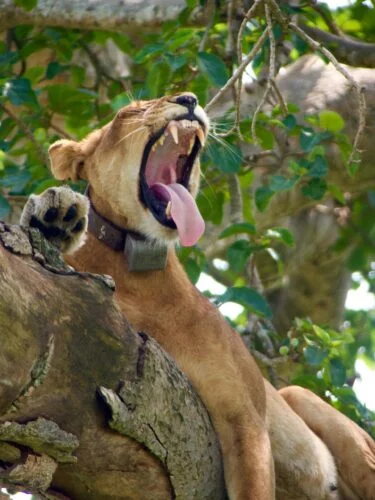
Kyambura Gorge offers another reliable hideout for leopards, while the Ishasha sector, better known for its tree-climbing lions, also shelters leopards among its fig trees and riverine thickets. Guides from Zamunda Travels often combine a leopard tracking experience with an Ishasha game drive, since the two activities share overlapping terrain and timing.
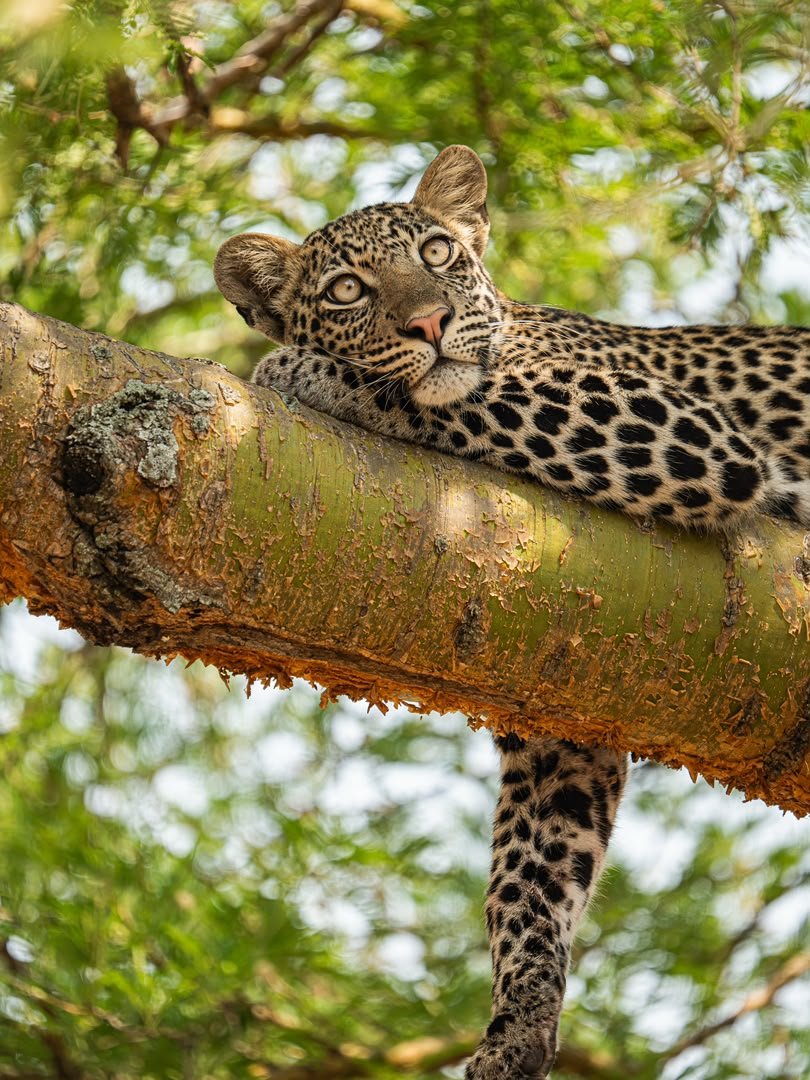
leopard resting in a tree
How the Leopard Tracking Experience Works
A typical outing starts with a pre-dawn briefing, where the research guide explains how the telemetry equipment detects signals from the park’s collared leopards. Guests then travel toward the last known signal, stopping periodically as the guide adjusts the receiver and narrows the search. A full tracking session usually lasts about three hours, and only one vehicle joins each session, since overland trucks are not permitted on the activity.
Once the team locates a leopard, everyone observes quietly from the vehicle while researchers record data on the animal’s condition, location, and behavior. Photography is welcome throughout the encounter. Afterward, guests receive a printed certificate as a keepsake, which makes a thoughtful souvenir from an activity most travelers never get to try anywhere else on the continent.
Best Time to Enjoy a Leopard Tracking Experience in Queen Elizabeth National Park
Leopard tracking runs throughout the year in Queen Elizabeth National Park, and the region cycles through two dry seasons, from June to September and from December to February, along with two rainy seasons in between. Dry months bring easier road access and thinner vegetation, so trackers can spot movement more quickly during these stretches.
That said, timing within the day matters more than timing within the calendar. Leopards hunt mainly at dawn and dusk, so Zamunda Travels schedules most sessions for early morning or late afternoon. Rain rarely cancels an outing, though it can slow vehicles on muddy tracks, so travelers who value comfort over adventure should still lean toward the drier months.
Permits, Costs, and Practical Tips for Your Leopard Tracking Experience
The Uganda Wildlife Authority issues permits from its Mweya office, and travelers must secure one at least 24 hours before the activity begins. Foreign visitors currently pay 100 US dollars, while Ugandan and East African citizens pay 100,000 Ugandan shillings, and neither fee covers park entry or night game drive charges.
Zamunda Travels handles permit bookings on behalf of every client, which removes the guesswork from planning. Guests should still pack a few essentials: warm layers for pre-dawn starts, binoculars for distant sightings, a fully charged camera, and neutral-colored clothing that blends into the bush. Since vehicle numbers stay limited per session, booking early through Zamunda Travels gives travelers a far better chance of securing their preferred date.
Why Book Your Leopard Tracking Experience with Zamunda Travels
Uganda offers plenty of wildlife activities, but few match the intimacy of tracking a leopard alongside the researchers who study it. Zamunda Travels builds this activity into wider Queen Elizabeth itineraries, combining it with lion tracking, a Kazinga Channel boat cruise, and community visits around Kasenyi or Ishasha. Every guide on the team knows the park’s sectors well enough to read fresh tracks, judge wind direction, and choose the smartest route toward a sighting.
Because the experience depends heavily on local knowledge, Zamunda Travels invests in guides who train directly with park researchers and stay current on collar activity across all four sectors. That relationship consistently improves the odds of a genuine encounter rather than a quiet drive through empty grassland.
Final Thoughts
A leopard tracking experience in Queen Elizabeth National Park rewards patience with something few travelers ever witness up close: a wild leopard, moving on its own terms, watched from a respectful distance. Between the Kasenyi Plains, Mweya Peninsula, Kyambura Gorge, and Ishasha sector, the park offers enough variety to make every outing distinct. Zamunda Travels turns this rare opportunity into a well-planned, properly permitted adventure, so all that remains for the traveler to do is show up, stay alert, and enjoy the search.