Leopard Tracking Experience in Queen Elizabeth National Park
September 22, 2026
Pangolin Rescue Center Buhoma
September 22, 2026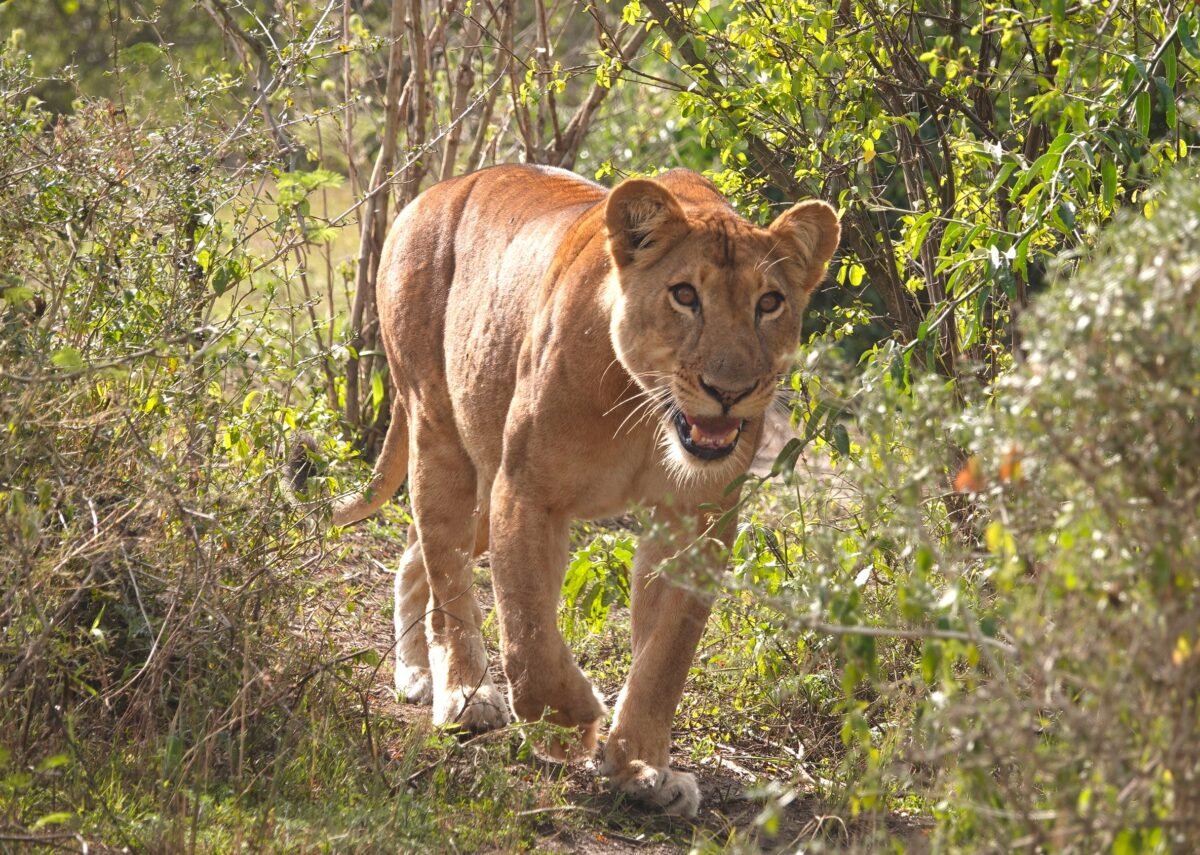
Few wildlife encounters in East Africa compare to the thrill of a genuine lion tracking experience. Queen Elizabeth National Park, tucked in western Uganda between the Rwenzori Mountains and the shimmering Kazinga Channel, is the only park in the country where visitors can join researchers on this hands-on activity. Zamunda Travels arranges this adventure for guests who want more than a passing glimpse of a big cat from a vehicle window. Instead, travelers walk away with a real understanding of how lions live, hunt, and survive in the wild.
What Makes Queen Elizabeth National Park a Top Lion Destination
Queen Elizabeth National Park holds one of the highest lion populations in Uganda, with researchers estimating around 200 large cats spread across the northern and southern sectors. The park’s varied landscape supports this thriving predator population. Open savannah grasslands in Kasenyi feed large herds of Uganda kob, and these grazers attract lions in great numbers. Meanwhile, the Ishasha sector in the south hosts a rarer sight: lions that climb acacia and fig trees during the heat of the day. Because prey is abundant and habitats are diverse, the park consistently ranks among Africa’s finest places to observe lions in their natural setting.
Understanding the Lion Tracking Experience in Kasenyi Plains
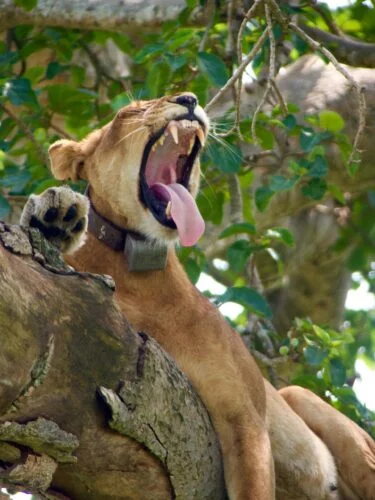
The lion tracking experience takes place specifically in the Kasenyi plains, in the northern part of the park. Researchers from the Uganda Carnivore Program lead this activity, and they fit selected lions with radio collars to monitor movement patterns. As a result, guides can locate prides with far greater accuracy than during an ordinary game drive. Zamunda Travels partners with licensed guides who coordinate directly with these researchers, ensuring every group receives an authentic and well-informed outing.
How Researchers Prepare You Before Lion Tracking
Every session begins with a briefing. Rangers explain the radio telemetry equipment, outline safety protocols, and share the conservation goals behind the program. Guests also learn how lions behave socially, how prides establish territory, and why certain individuals wear tracking collars. This preparation turns a simple wildlife outing into an educational journey. Consequently, many travelers describe the briefing as one of the most memorable parts of the whole trip.
What to Expect During the Lion Tracking Experience
Once the briefing ends, the tracking vehicle heads into the open plains. Guides listen for signals from the collared lions and adjust direction as the signal strengthens. Because lions remain completely wild throughout the activity, no two outings unfold the same way. Groups stay small, usually between four and six people, so the presence of vehicles does not stress the animals. Sessions run in the morning, afternoon, or at night, and each one lasts roughly two to three hours. Night sessions, in particular, reveal hunting behavior that most tourists never witness.
Tree-Climbing Lions of Ishasha Sector
While the formal lion tracking experience happens in Kasenyi, no visit to Queen Elizabeth National Park feels complete without a detour to Ishasha. This southern sector holds the largest population of tree-climbing lions in Africa. Local guides believe the lions climb the branches to escape biting insects, catch a cooling breeze, or simply gain a better vantage point over passing herds. Visitors on a Zamunda Travels itinerary often combine a morning in Kasenyi with an afternoon drive through Ishasha, linking two very different lion encounters within a single safari.
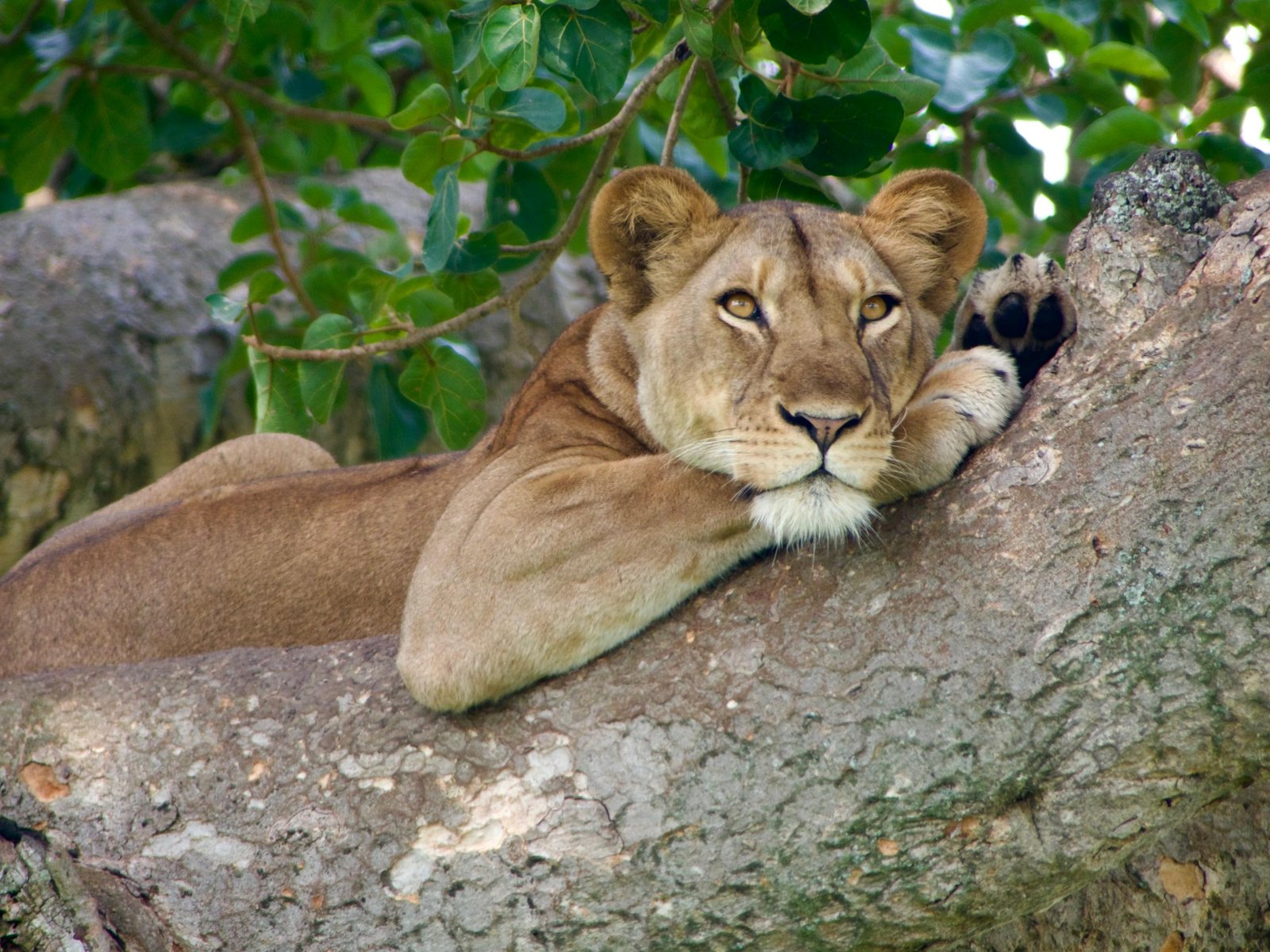
lion resting in a tree
Why the Lion Tracking Experience Matters for Conservation
Every booking supports a larger conservation mission. The Uganda Carnivore Program uses proceeds from the lion tracking experience to fund ongoing research, collar maintenance, and community outreach. Uganda Wildlife Authority also channels a share of park revenue back to nearby communities, which helps ease tension between residents and wildlife. Furthermore, the park compensates farmers who lose livestock to lions and runs sensitization meetings that explain why the predators deserve protection. Therefore, choosing this activity does more than deliver a thrilling morning; it directly strengthens efforts to keep Uganda’s lion population stable for future generations.
Planning Your Lion Tracking Experience with Zamunda Travels
Booking in advance matters, since researchers limit each session to small groups. Zamunda Travels handles the reservation process, arranges transport to Kasenyi, and pairs guests with guides who speak clearly about lion behavior and safety. The team also builds flexible itineraries that combine the lion tracking experience with a Kazinga Channel boat cruise, birdwatching along the shoreline, or a scenic drive through Ishasha. In addition, Zamunda Travels can arrange comfortable lodging near the park gate, which makes early morning departures far more convenient.
Tips for a Memorable Lion Safari in Queen Elizabeth National Park
A few simple choices can improve the entire outing. Pack warm layers for early morning sessions, since temperatures drop before sunrise. Bring binoculars and a camera with a reasonable zoom, because lions often rest at a distance. Listen closely to your guide, and avoid sudden movements that might startle the animals. Above all, stay patient. Wild lions do not perform on command, and the wait often makes the eventual sighting far more rewarding.
Final Thoughts
A lion tracking experience in Queen Elizabeth National Park offers something that ordinary game drives cannot match: direct involvement in real wildlife research. Visitors leave with sharper insight into lion behavior, a deeper respect for conservation work, and photographs that capture predators in their most natural state. Zamunda Travels continues to design trips around this activity because it consistently ranks as one of the most talked-about highlights of a Uganda safari.