What to Pack for a Murchison Falls Safari
September 22, 2026
Things to Do in Lake Mburo National Park
September 23, 2026
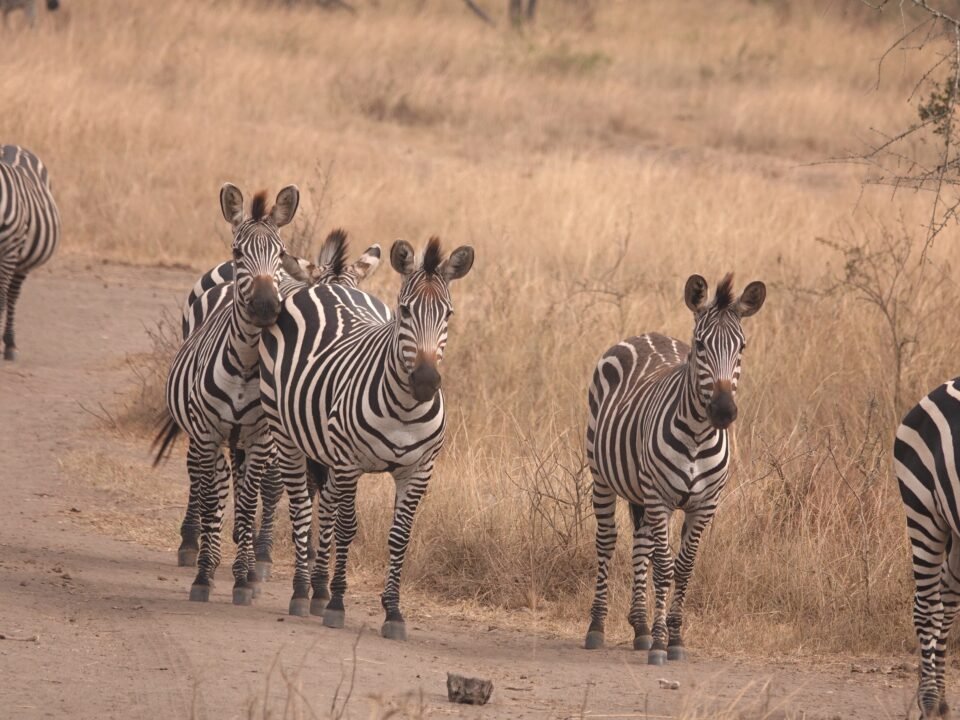
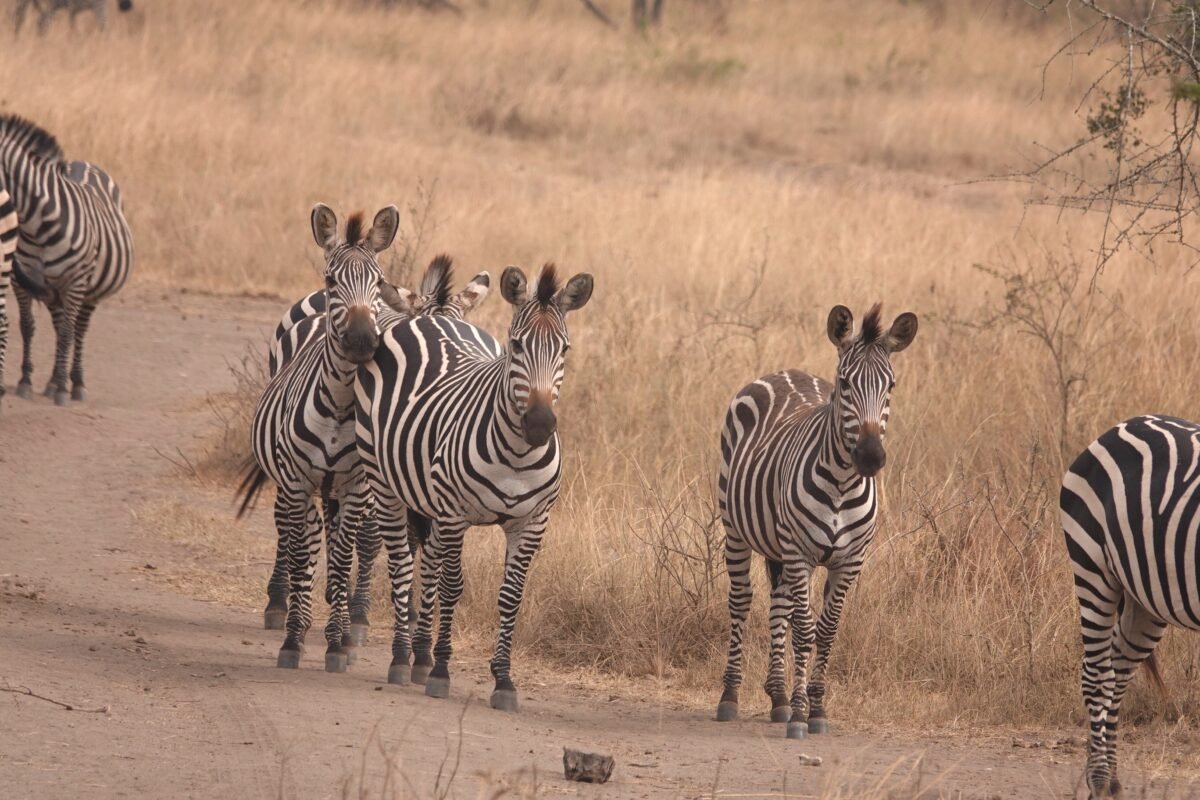
Lake Mburo National Park sits close to the highway that links Kampala to the parks of western Uganda, and that convenient location makes it one of Zamunda Travels’ favourite stops for travellers who want a real safari without a long drive. The park is the smallest of Uganda’s savannah reserves, yet it holds an impressive mix of zebra, eland, impala, buffalo, hippo, leopard and more than 350 bird species. Because the park sits on ancient rock formations and several small lakes, its climate stays fairly gentle throughout the year, and that gentleness raises an honest question for every planner: when is the best time to visit Mburo? Zamunda Travels answers that question below, season by season, so guests can match their safari to the experience they actually want.
When Is the Best Time to Visit Mburo?
Uganda’s weather divides the year into two dry spells and two wet spells, and Lake Mburo follows that same rhythm. The dry months run from June through August and again from December through February, while the wetter stretches fall between March and May, then September and November. Wildlife gathers close to the park’s lakes and waterholes whenever rain becomes scarce, so dry-season game drives tend to deliver the clearest sightings. Zamunda Travels generally steers first-time visitors toward these dry windows, because thinner vegetation and firmer roads combine to make animals easier to spot and easier to reach. That said, the park rewards visitors in every month, and travellers with specific interests, such as birding or budget travel, often prefer the quieter wet season instead.
Dry Season Safaris: June to August and December to February
Why the Dry Season Is the Best Time to Visit Mburo for Game Viewing
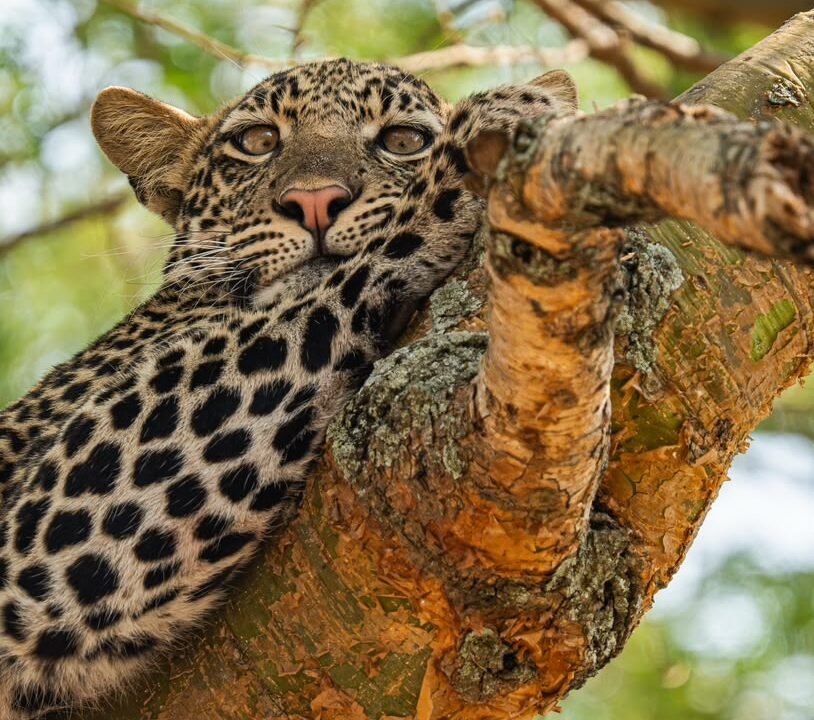
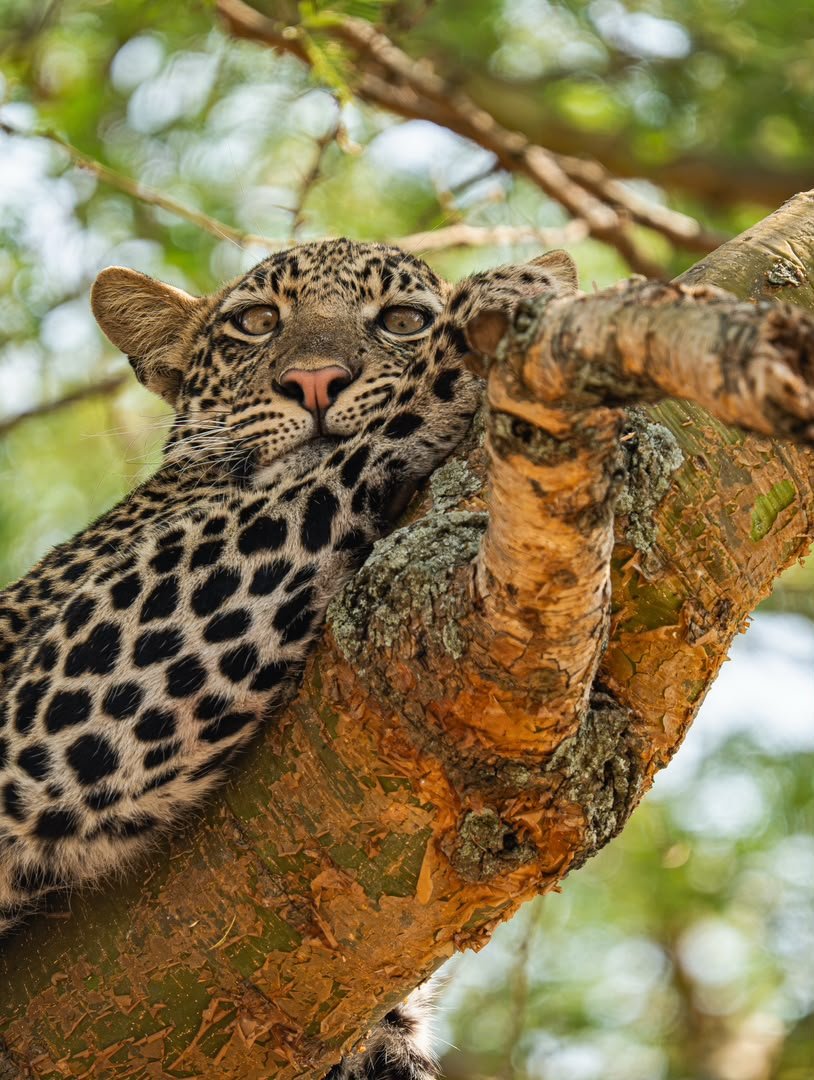
Grass and shrubs thin out considerably once the rains stop, and that change opens long sightlines across the valleys. Zebra, buffalo, and antelope herds move toward the lake shore to drink, which concentrates wildlife in a handful of predictable spots. Daytime temperatures hover between roughly 25°C and 27°C, while nights cool down to around 13°C to 15°C, so mornings on a game drive can feel crisp even though the park sits near the equator. Because tracks stay firm and dust replaces mud, vehicles move through the park with far less difficulty, and walking safaris and boat rides on the lake run smoothly too. Zamunda Travels books more night drives during these months than at any other time, since dry, dusty conditions push nocturnal animals such as leopard and hyena into the open more often.
Visitor numbers climb during July, August, and the turn-of-year weeks around December and January, since these months coincide with Uganda’s broader high season for safaris and gorilla trekking. Guests who want a quieter dry-season experience often choose the edges of these windows, such as early June or late February, when the weather stays favourable but the crowds thin considerably.
Wet Season Charm: March to May and September to November
Is the Wet Season Also a Good Time to Visit Mburo?
Rain reshapes the park rather than ruining it. Fresh grass spreads across the valleys, migratory birds arrive in large numbers, and the whole landscape turns a deep, photogenic green. Wildlife does not disappear during these months; instead, animals spread further out across open pastures where water and grazing become easier to find. Bird enthusiasts consider this the richest stretch of the year, since resident species share the park with seasonal migrants drawn in by the rain. Roads can turn slick after a heavy downpour, so Zamunda Travels recommends a 4×4 vehicle and a flexible schedule for any wet-season itinerary. In exchange for that extra planning, travellers gain smaller crowds, softer light for photography, and often lower accommodation rates.
Month-by-Month Snapshot
- January and February: Dry, warm, and excellent for wildlife viewing.
- March to May: Wet, lush, and strong for birding, though April brings the heaviest rain.
- June to August: The park’s driest and most popular stretch, ideal for classic game drives.
- September and October: A transitional period with moderate rain and improving wildlife access.
- November: Often the wettest month, valued mainly for scenery and birdlife.
- December: Rain tapers off quickly, and dry-season conditions return before month’s end.
Zamunda Travels’ Recommendation for the Best Time to Visit Mburo
For guests chasing classic safari moments, close-up wildlife, and reliable weather, Zamunda Travels recommends June through August or the December-to-February window. Families and first-time visitors especially benefit from the easier road conditions and the predictable sightings these months provide. Photographers, birders, and travellers who prefer a quieter park often choose the shoulder months of March, September, or October instead, since these weeks blend decent weather with far fewer vehicles on the tracks. Because Lake Mburo never fully closes down and wildlife viewing stays reasonably strong year-round, Zamunda Travels can tailor a safari to almost any travel date a guest brings to the table.
What to Pack for Each Season
Dry-season travellers should pack light layers for warm days, a fleece or jacket for cool early mornings, sunglasses, and strong insect repellent. Wet-season travellers need the same basics plus a rain jacket, waterproof footwear, and a dry bag for cameras and electronics. Zamunda Travels also advises neutral-coloured clothing for every season, since bright colours can startle wildlife during a game drive or a guided walk.
Plan Your Lake Mburo Safari with Zamunda Travels
Choosing the best time to visit Mburo comes down to priorities: dry months for dependable wildlife encounters, wet months for scenery and birdlife, and the shoulder seasons for a balance of both. Zamunda Travels designs each itinerary around what matters most to the traveller, whether that means chasing a leopard sighting on a dry-season night drive or photographing migratory birds against a rain-soaked valley. Reach out to Zamunda Travels today, and let the team match your dates to the safari experience that fits your Lake Mburo dream.