Tanzania Safari from Germany
November 20, 2026
Tanzania Safari from the United Kingdom
November 20, 2026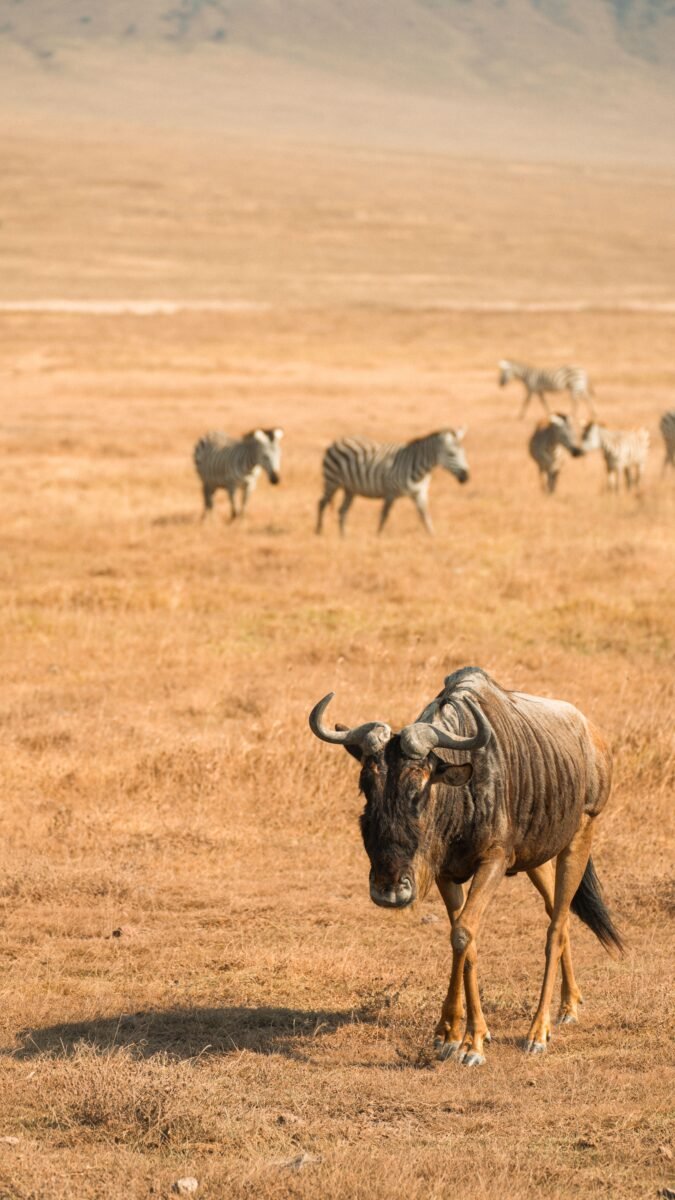
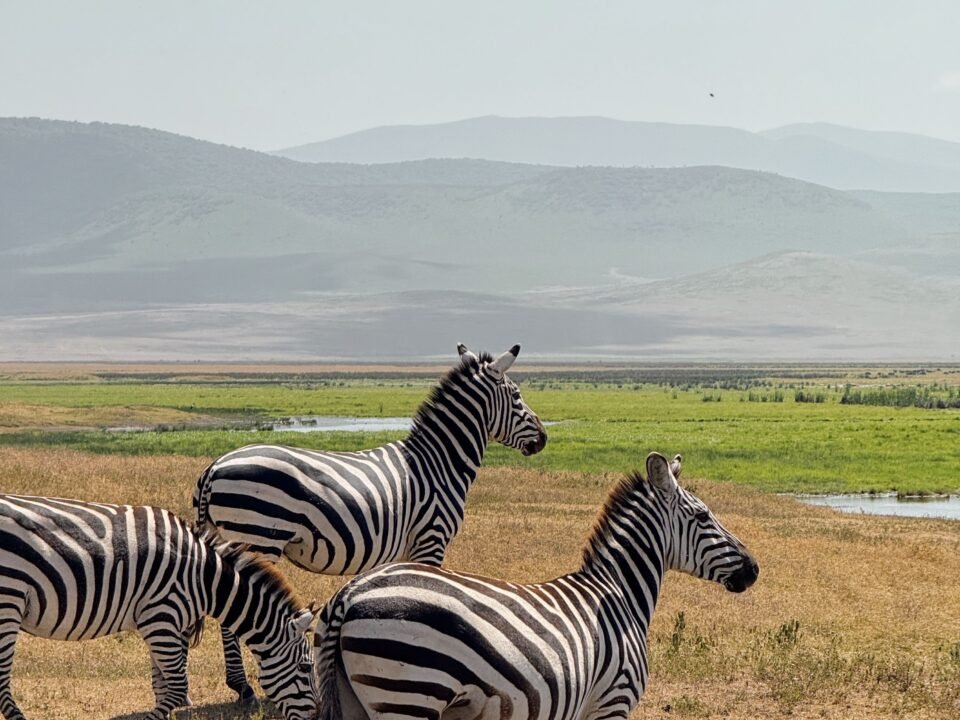
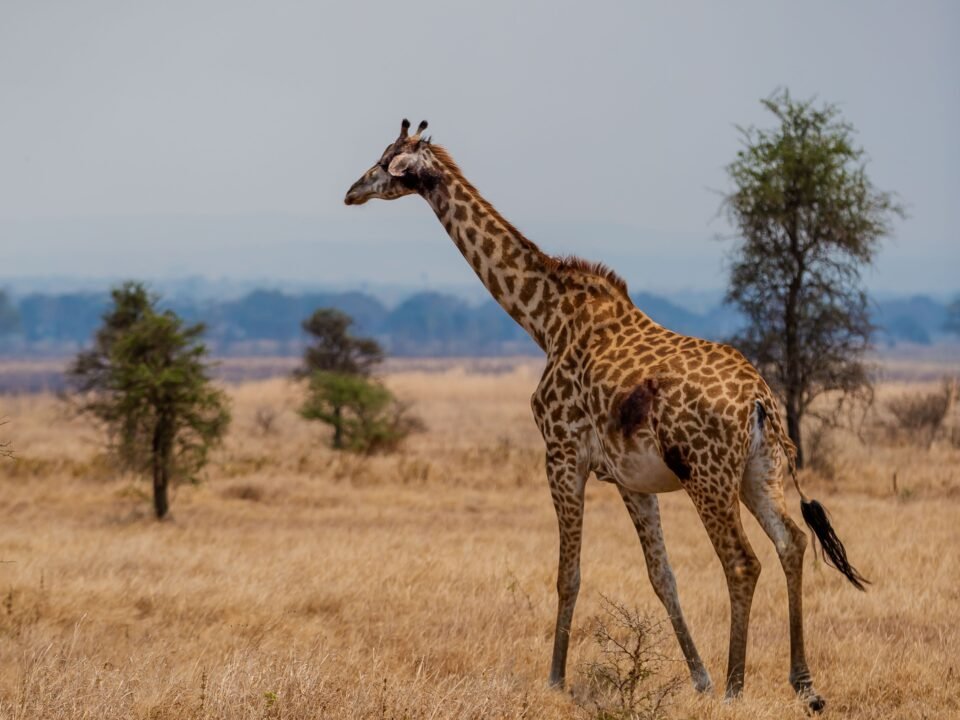
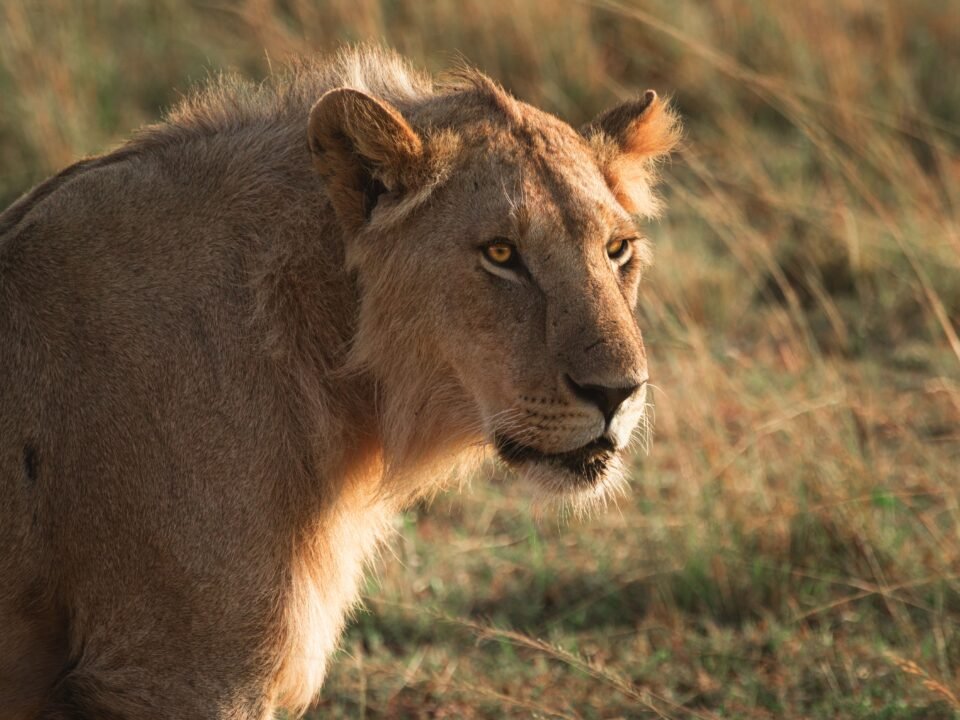
A Tanzania safari from France offers the opportunity to explore some of Africa’s most remarkable wildlife destinations. From the vast plains of Serengeti National Park to the wildlife-rich Ngorongoro Crater, Tanzania provides excellent opportunities to see lions, elephants, giraffes, zebras and wildebeest in their natural habitats.
For travellers departing from Paris, Lyon, Marseille, Nice or other French cities, planning a safari involves more than choosing national parks. Flight connections, travel seasons, accommodation, safari costs and entry requirements all influence the experience.
This guide explains the best Tanzania safari destinations, suitable travel periods, practical itineraries and essential information for French travellers. It also provides advice on organising a comfortable and rewarding wildlife safari with an experienced East African tour operator.
Why Choose Tanzania for a Safari from France?
Tanzania is one of Africa’s leading wildlife safari destinations. Its protected areas include expansive savannahs, volcanic landscapes, forests and wetlands supporting a remarkable variety of wildlife.
For French travellers, northern Tanzania offers a particularly convenient introduction to African safaris. Several famous wildlife destinations can be combined into one carefully planned itinerary.
The most popular northern safari circuit includes Serengeti National Park, Ngorongoro Conservation Area, Tarangire National Park and Lake Manyara National Park.
A safari lasting seven to ten days generally provides enough time to explore several of these destinations without rushing between parks.
Travellers can also extend their holiday with a visit to Zanzibar, a walking safari where authorised, or a cultural experience arranged with local communities.
Best National Parks to Visit on a Tanzania Safari
Choosing the right parks depends on your wildlife interests, available time and travel season. Each destination offers a different experience.
Serengeti National Park – Lions, Cheetahs and the Great Migration
Serengeti National Park is Tanzania’s most famous safari destination. Its open grasslands and diverse ecosystems support large populations of grazing animals and their predators.
The Serengeti is particularly suitable for travellers interested in big cats, wildlife photography and the annual wildebeest migration.
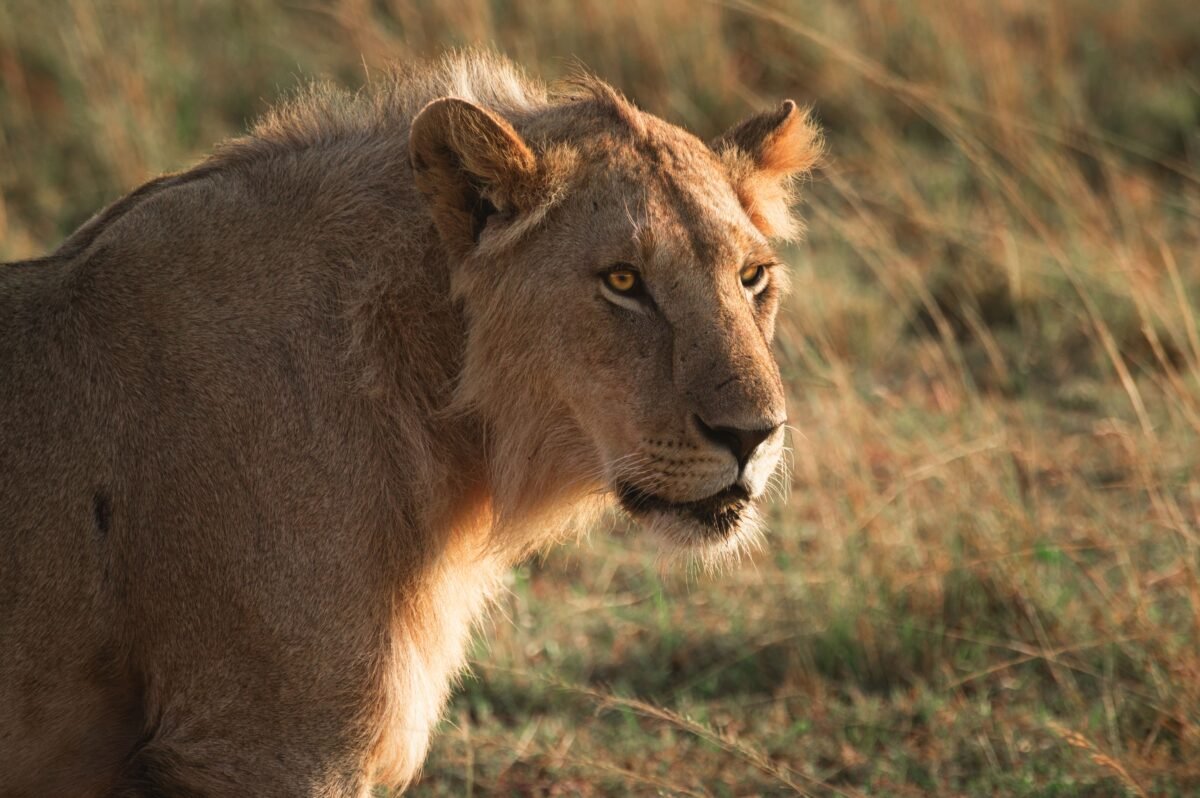
Visitors may encounter lions resting on rocky outcrops, cheetahs scanning open plains, elephants moving through woodland and leopards resting in trees.
The park is also central to the Great Migration, when vast herds of wildebeest and zebras move between seasonal grazing areas in the Serengeti ecosystem and Kenya’s Masai Mara.
However, the migration does not occur in one fixed location throughout the year. Rainfall, grazing conditions and animal movements influence where the herds gather.
For French travellers planning a safari specifically to see the migration, accommodation should be selected according to the expected location of the herds.
A minimum of two nights in the Serengeti is advisable. Three or four nights allow more time to explore different wildlife areas.
Ngorongoro Crater – Big Five Safari Opportunities
Ngorongoro Crater is one of Tanzania’s most distinctive wildlife destinations. It is a large volcanic caldera within the Ngorongoro Conservation Area.
The crater floor contains grasslands, wetlands, woodland and a soda lake. These habitats support lions, buffaloes, elephants, hippos, zebras and other wildlife.
Ngorongoro is also one of the places where visitors may encounter the endangered black rhinoceros. Nevertheless, rhino sightings are never guaranteed.
Unlike the Serengeti, which covers an enormous geographical area, Ngorongoro concentrates wildlife within a relatively compact landscape.
This makes the crater especially attractive for travellers with limited safari time.
A typical visit involves an early departure, descent into the crater and several hours of game viewing before returning to the rim.
Because the crater is popular, visitors should expect other safari vehicles around major wildlife sightings.
Tarangire National Park – Elephants and Baobab Landscapes
Tarangire National Park is particularly well known for elephants, ancient baobab trees and varied savannah habitats.
During the dry season, wildlife often gathers around the Tarangire River and remaining water sources.
Visitors may encounter elephants, giraffes, zebras, wildebeest, buffaloes and several antelope species. Lions and leopards are also present.
The park offers excellent opportunities for landscape photography, especially where elephants move between large baobab trees.
Tarangire is a practical addition to northern Tanzania safari itineraries because it can be reached from Arusha without travelling as far as the Serengeti.
One full day is suitable for a shorter safari. Two days provide more time to explore its different habitats.
Lake Manyara National Park – Forest Wildlife and Birdwatching
Lake Manyara National Park offers a different landscape from the open plains of the Serengeti.
The park includes groundwater forests, grasslands, wetlands and the alkaline Lake Manyara.
Visitors may see baboons, elephants, giraffes, hippos and numerous bird species.
Flamingos can sometimes be observed around the lake, depending on water levels and feeding conditions.
Lake Manyara is also associated with tree-climbing lions, although sightings are unpredictable and should never be promised.
The park is especially suitable for travellers interested in birdwatching, forest environments and varied landscapes.
However, if time is limited, prioritising Serengeti, Ngorongoro and Tarangire may provide a more balanced first safari.
Best Time to Visit Tanzania from France
Tanzania offers wildlife viewing throughout the year. However, seasonal rainfall affects road conditions, vegetation, wildlife distribution and visitor numbers.
June to October – Dry Season Wildlife Viewing
June to October is generally considered one of the best periods for a northern Tanzania safari.
Vegetation becomes thinner in many areas, making animals easier to observe. Wildlife also concentrates around reliable water sources.
Tarangire is particularly rewarding during the dry season, while the Serengeti offers excellent wildlife viewing.
From approximately July to October, migration herds may be found in the northern Serengeti and the wider Mara ecosystem.
River crossings can occur during this period, but their timing and frequency cannot be predicted precisely.
July and August also coincide with French summer holidays. Consequently, popular safari lodges and camps may fill well in advance.
January to March – Calving Season and Predator Activity
January to March is another rewarding period for a Tanzania safari.
During suitable rainfall conditions, large wildebeest herds gather in the southern Serengeti and Ndutu region.
The calving season generally peaks around January and February, although the timing varies.
Young wildebeest attract predators, creating opportunities to observe lions, cheetahs and hyenas.
This period is particularly attractive for wildlife photographers and travellers interested in animal behaviour.
French travellers visiting during the February school holidays may find this season especially appealing.
April to May – Rainy Season and Quieter Parks
April and May are usually associated with heavier seasonal rainfall in northern Tanzania.
The landscapes become greener, and some safari areas receive fewer visitors.
However, muddy roads and difficult driving conditions can affect certain routes. Some seasonal camps may also close.
For travellers prioritising lower visitor numbers, this period can be worthwhile with careful planning.
Nevertheless, flexibility is essential, especially when travelling to remote areas.
November to December – Green Landscapes and Wildlife
November and December generally bring shorter seasonal rains to parts of northern Tanzania.
These showers encourage fresh vegetation and influence wildlife movements.
The Serengeti remains a worthwhile destination, while birdwatching can be particularly rewarding.
For French travellers visiting during the Christmas holidays, accommodation should be reserved early because festive travel dates can attract higher demand.
How to Travel from France to Tanzania
Most French travellers reach Tanzania by international flights with one or more connections.
The best arrival airport depends on the safari itinerary.
Flights from Paris, Lyon, Marseille and Nice
Paris Charles de Gaulle Airport is a practical departure point for travellers heading to Tanzania.
Depending on schedules and availability, connections may be available through international hubs such as Amsterdam, Istanbul, Doha or Addis Ababa.
Travellers departing from Lyon, Marseille, Nice and other French airports may require an additional connection.
Airline schedules change, so it is important to compare total journey times rather than looking only at ticket prices.
For northern Tanzania safaris, Kilimanjaro International Airport is generally the most convenient international arrival point.
It serves the Arusha region, which is the main starting point for many safaris to Tarangire, Ngorongoro and Serengeti.
Dar es Salaam is more suitable for some southern Tanzania itineraries, while Zanzibar Airport is convenient for travellers beginning their holiday on the coast.
Why Kilimanjaro International Airport Is Often the Best Choice
Arriving at Kilimanjaro International Airport reduces unnecessary transfers when exploring northern Tanzania.
After arrival, travellers normally transfer to Arusha for an overnight stay or continue towards their first safari destination.
Arusha provides access to safari accommodation, vehicle services and onward routes into northern Tanzania’s protected areas.
Travellers should avoid scheduling a long game drive immediately after an overnight international flight.
An arrival night in Arusha can make the safari more comfortable, particularly after a long journey from France.
Recommended Seven-Day Tanzania Safari Itinerary
A seven-day northern Tanzania safari is a practical option for travellers who want to explore the main wildlife destinations without extending their holiday excessively.
Day 1 – Arrival at Kilimanjaro International Airport
Arrive at Kilimanjaro International Airport and meet your safari representative.
Transfer to your hotel in Arusha for relaxation and an overnight stay.
Depending on arrival time, a short town visit may be possible.
Day 2 – Arusha to Tarangire National Park
After breakfast, travel towards Tarangire National Park.
Enjoy a game drive through the park’s savannah landscapes, looking for elephants, giraffes, zebras and predators.
Stop for a packed lunch at an authorised picnic area before continuing the safari.
Overnight at a lodge in the Tarangire or Karatu area.
Day 3 – Transfer to Serengeti National Park
Travel towards Serengeti National Park through the Ngorongoro highlands.
The journey takes much of the day, depending on your starting lodge, road conditions and stops.
Enjoy wildlife viewing along suitable sections of the route before reaching your accommodation in the Serengeti.
Overnight at a lodge or tented safari camp.
Day 4 – Full-Day Serengeti Game Drives
Spend the day exploring the Serengeti with your safari guide.
Morning and afternoon game drives offer opportunities to observe lions, elephants, cheetahs, giraffes and other wildlife.
The exact route depends on animal movements and your accommodation location.
Overnight in Serengeti National Park.
Day 5 – Serengeti to Ngorongoro Highlands
Enjoy an early game drive before departing the Serengeti.
Continue towards the Ngorongoro Conservation Area, stopping where appropriate along the route.
The drive provides views of changing landscapes, from open savannah to the highlands.
Overnight near the Ngorongoro Crater or in Karatu.
Day 6 – Ngorongoro Crater Safari
Depart early for a game drive inside Ngorongoro Crater.
Look for buffaloes, lions, elephants, hippos and other wildlife across the crater floor.
With favourable conditions, you may also encounter black rhinoceroses.
After the safari, return to Karatu or continue towards Arusha, depending on the accommodation arrangement.
Day 7 – Return to Kilimanjaro International Airport
Enjoy breakfast before transferring to Kilimanjaro International Airport for your international departure.
The transfer should be planned around your confirmed flight time.
For travellers who want more time in the Serengeti, extending the itinerary to eight or nine days is recommended.
How Much Does a Tanzania Safari from France Cost?
The cost of a Tanzania safari depends on the travel season, accommodation category, group size, itinerary length and whether the safari is private or shared.
As an indicative planning range, a seven-day safari may cost approximately USD 1,800–3,000 per person for a shared or relatively economical arrangement.
A private mid-range safari may cost approximately USD 2,500–4,500 per person, while luxury arrangements can cost considerably more.
These are broad planning estimates rather than confirmed Zamunda Travels package prices. They assume land-based safari services, with international flights excluded.
What Is Usually Included in a Safari Package?
A well-organised safari quotation commonly includes a private or shared 4WD safari vehicle, a professional driver-guide, park entry fees, accommodation and specified meals.
Airport transfers, drinking water and activities mentioned in the itinerary may also be included.
However, package inclusions vary between operators.
Travellers should confirm whether Ngorongoro Crater vehicle fees, accommodation concession fees and all applicable taxes are included.
Additional Expenses to Consider
International flights from France, visa fees, mandatory entry insurance, personal travel insurance, gratuities and optional activities may be charged separately.
Hot-air balloon safaris, additional flights and Zanzibar extensions can increase the overall holiday cost.
French travellers should also consider exchange-rate differences when comparing quotations in euros and US dollars.
At Zamunda Travels Uganda Ltd, safari itineraries can be discussed according to travel dates, preferred accommodation, wildlife interests and budget.
Tanzania Visa and Entry Requirements for French Citizens
French passport holders travelling to Tanzania for tourism require a visa.
According to Tanzania’s immigration guidance, the ordinary tourist visa costs USD 50 and generally permits a stay of up to 90 days.
Travellers can apply through the official Tanzania electronic visa system. Visa-on-arrival facilities are also available for eligible French passport holders at designated entry points.
A passport must have at least six months of validity, and travellers should have an unused visa page.
A return or onward ticket may also be requested.
Mandatory Travel Insurance
As of November 2026, Tanzania requires international visitors to obtain a local inbound travel insurance policy.
The reported adult cost is USD 44, with the appropriate provider determined by the traveller’s first entry point.
Travellers arriving on the mainland, including at Kilimanjaro International Airport, should use the designated mainland insurance provider, NIC.
Those first entering through Zanzibar should use the designated Zanzibar provider, ZIC.
This compulsory policy does not replace comprehensive personal travel insurance covering medical treatment, evacuation and repatriation.
Because entry requirements can change, French travellers should check the official Tanzanian immigration website and France Diplomatie before departure.
Health and Safety Advice for French Travellers
Travellers should consult a qualified travel-health professional before visiting Tanzania.
Medical advice may include malaria prevention, routine vaccinations and additional immunisations based on the itinerary and personal health circumstances.
Yellow fever vaccination requirements depend partly on the countries visited or transited through before entering Tanzania.
For travellers arriving directly from France, yellow fever vaccination is not generally an automatic entry requirement. However, certain transit routes may affect the rules.
French travellers should also check current health declarations and screening requirements before departure.
During safari activities, always follow your guide’s instructions and remain inside the vehicle unless stopping in an authorised area.
Wild animals should never be approached, fed or disturbed for photographs.
Choosing the Right Safari Accommodation
Tanzania offers several accommodation categories, ranging from simple camping facilities to luxury safari lodges.
Budget camping can reduce costs, although comfort and facilities vary.
Mid-range lodges usually provide private rooms or permanent safari tents, comfortable beds and ensuite bathrooms.
Luxury lodges may offer larger rooms, premium dining, private viewing areas and additional services.
However, accommodation location is often more important than luxury alone.
For example, staying inside the Serengeti can reduce travel time to wildlife-viewing areas compared with accommodation far outside the park.
Similarly, staying near Ngorongoro Crater may allow an earlier start for the crater descent.
French travellers should consider the location, access roads and daily driving schedule before selecting accommodation.
Can You Combine a Tanzania Safari with Zanzibar?
Yes. A Tanzania safari can be combined with a Zanzibar beach holiday.
This arrangement is popular among travellers who want several days of wildlife viewing followed by relaxation along the Indian Ocean coast.
A typical combination involves six or seven days exploring northern Tanzania, followed by three or four nights in Zanzibar.
Travellers can fly from an appropriate mainland airport to Zanzibar, depending on available services.
The island offers beaches, historic Stone Town, spice-related cultural experiences and marine activities.
However, adding Zanzibar requires extra travel time and may increase the overall budget.
For travellers with fewer than eight days available in Tanzania, focusing entirely on a northern wildlife safari may be more practical.
Common Mistakes to Avoid When Planning a Tanzania Safari
One common mistake is trying to visit too many national parks in a short period.
Although the northern safari destinations appear relatively close on a map, road transfers can take several hours.
Another mistake is selecting accommodation without considering the location of wildlife-viewing areas.
A cheaper lodge may result in longer daily drives and less time observing animals.
Travellers should also avoid assuming that the Great Migration guarantees dramatic river crossings. Wildlife movements remain unpredictable.
Finally, comparing safari prices without checking inclusions can lead to unexpected expenses.
A detailed quotation should explain accommodation standards, transport arrangements, park fees, meals, optional activities and payment conditions.
Practical Packing Tips for a Tanzania Safari
Comfortable clothing in neutral colours is suitable for most safari activities.
Early mornings can be cool, especially in the Ngorongoro highlands, while afternoons may become warm.
Useful items include:
-
Lightweight shirts and trousers
-
A warm jacket or fleece
-
Comfortable closed shoes
-
Sun protection and a wide-brimmed hat
-
Binoculars and a camera
-
Insect repellent
-
Personal medication
-
Travel documents and insurance certificates
-
A suitable power adaptor
Travellers carrying professional photography equipment should check airline baggage restrictions before departure.
Planning Your Tanzania Safari from France with Zamunda Travels
A successful Tanzania safari begins with choosing the right destinations, travel season and itinerary length.
For first-time visitors, combining Serengeti National Park, Ngorongoro Crater and Tarangire National Park offers an excellent introduction to Tanzania’s wildlife.
Travellers with additional time can explore Lake Manyara, spend more nights in the Serengeti or include a Zanzibar extension.
French visitors should also consider international flight connections, accommodation locations, entry requirements and travel insurance before confirming their safari.
Zamunda Travels Uganda Ltd helps travellers plan East African wildlife journeys according to their interests, preferred accommodation and available travel dates.
To discuss a Tanzania safari from France, contact Zamunda Travels for a personalised itinerary and quotation.
Website: www.zamundatravels.com
Email: info@zamundatravels.com
WhatsApp: +256 704 705 606
Zamunda Travels Uganda Ltd — Beyond Expedition
Frequently Asked Questions About Tanzania Safaris from France
Do French citizens need a visa to visit Tanzania?
Yes. French passport holders generally need a tourist visa to enter Tanzania. The ordinary tourist visa costs USD 50 and allows a stay of up to 90 days, subject to immigration approval. Travellers can apply through Tanzania’s official electronic visa platform. They should also check the latest mandatory insurance and entry requirements before travelling.
What is the best month for a Tanzania safari from France?
June to October is generally excellent for wildlife viewing because vegetation is thinner and animals gather around water sources. January and February are also rewarding, particularly for the southern Serengeti calving season. The best month depends on whether you want to see predators, migration herds, elephants or particular seasonal landscapes.
How many days do I need for a Tanzania safari?
Seven to ten days is a suitable duration for a first Tanzania safari. This allows travellers to explore Serengeti National Park, Ngorongoro Crater and Tarangire without rushing excessively. A shorter four- or five-day safari is possible, but it requires careful destination selection. Longer itineraries offer more time for wildlife photography and additional parks.
Can I book a private Tanzania safari from France?
Yes. Private Tanzania safaris can be arranged for couples, families, friends and small groups travelling from France. A private itinerary offers flexibility in accommodation selection, daily schedules and wildlife interests. The final cost depends on the number of travellers, season, vehicle arrangements and selected lodges.
Is Tanzania safe for French tourists?
Tanzania is an established safari destination, but travellers should follow current government travel advice and local safety guidance. During game drives, remain inside the vehicle unless your guide authorises a stop. Avoid approaching wildlife, use reputable transport arrangements and maintain appropriate travel insurance. Check France Diplomatie for current security and health advisories before departure.
Can I see the Great Migration during my Tanzania safari?
Yes, the Serengeti ecosystem hosts large migrating herds of wildebeest and zebras. However, the animals move throughout the year in response to rainfall and grazing conditions. The southern Serengeti is often rewarding during the calving season, while northern areas attract visitors during the river-crossing season. No operator can guarantee a particular crossing or wildlife sighting.
Can I combine a Tanzania safari with Zanzibar?
Yes. Many travellers combine a northern Tanzania safari with several nights in Zanzibar. A common arrangement includes six or seven days visiting national parks, followed by three or four nights at the coast. Domestic flights can connect the mainland and Zanzibar. Travellers should allow enough time for transfers and confirm all flight arrangements before booking international tickets.