Mara River Crossings
October 7, 2026
Ngorongoro Crater Safari
October 7, 2026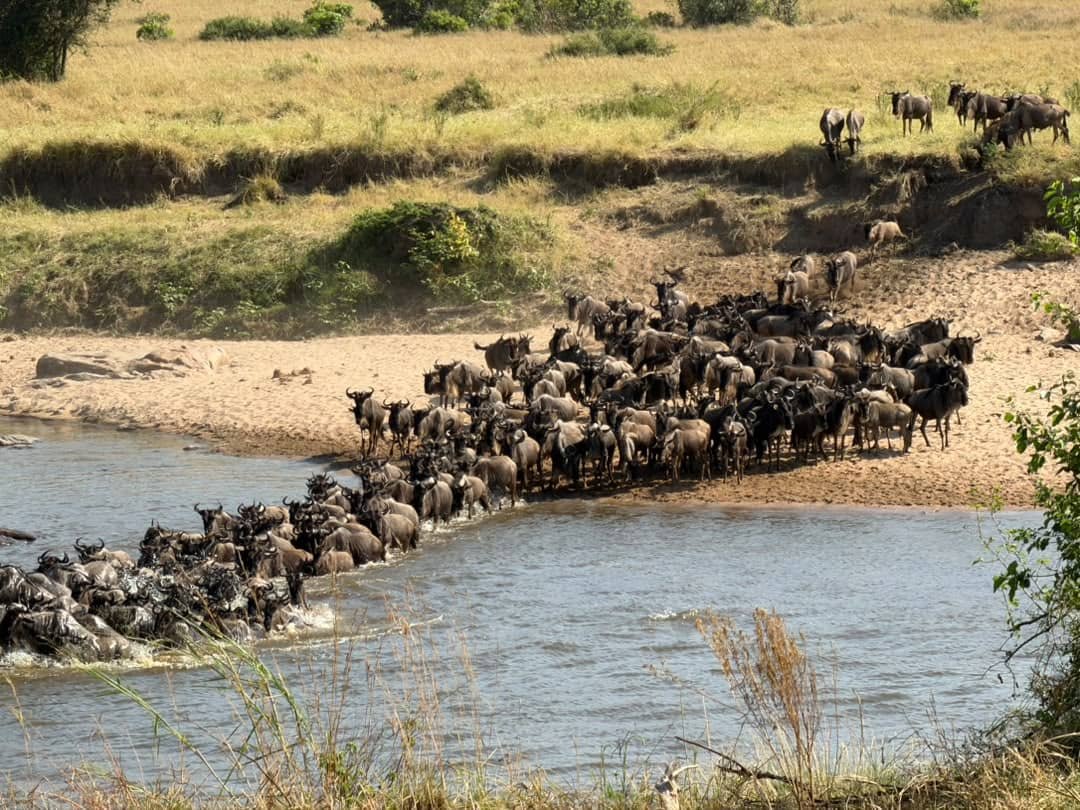
Choosing between the Serengeti and Masai Mara can be difficult because both destinations offer some of Africa’s most famous wildlife experiences. They share the same Greater Serengeti-Mara ecosystem, and the Great Wildebeest Migration connects them in one extraordinary natural cycle. However, the two destinations offer different safari experiences. The Serengeti gives travelers a much larger landscape, a longer migration route, and excellent wildlife viewing across different regions. The Masai Mara offers a compact wildlife area, strong predator sightings, and some of the most dramatic migration scenes around the Mara River. Therefore, the better choice depends on your travel dates, safari goals, budget, preferred landscape, and the type of experience you want.
For travelers planning a Tanzania or Kenya safari, understanding these differences makes trip planning much easier. Zamunda Travels can help you compare both destinations and build a safari around your priorities. Whether you want to follow the migration in Tanzania or watch wildlife in Kenya’s Masai Mara, careful timing can make a major difference.
Serengeti vs Masai Mara: What Is the Difference?
The Serengeti and Masai Mara are not completely separate wildlife worlds. Instead, they form part of one connected ecosystem that stretches across northern Tanzania and southwestern Kenya. The Serengeti National Park covers a vast area in Tanzania, while the Maasai Mara lies across the border in Kenya. The annual movement of wildebeest, zebra, and other grazing animals links these landscapes. The animals move in response to rainfall, fresh grass, water, and changing environmental conditions.
The Serengeti is much larger than the Masai Mara. Its huge plains give safari travelers the chance to explore different habitats and wildlife areas over several days. These include open grasslands, woodland, riverine areas, kopjes, and valleys. The park also supports large populations of lions, leopards, cheetahs, elephants, buffaloes, and other wildlife. The Masai Mara is smaller and more compact. This can make wildlife encounters feel concentrated because large numbers of animals often occupy accessible areas.
The difference in scale affects the safari experience. In the Serengeti, you can spend several days exploring different regions without feeling that you have seen the entire park. In the Masai Mara, you can often reach productive wildlife areas more quickly. As a result, the Serengeti suits travelers who want a broad wilderness experience, while the Masai Mara works well for travelers who prefer concentrated game viewing.
Serengeti vs Masai Mara for the Great Migration
The Great Wildebeest Migration is the biggest reason many travelers compare these two destinations. More than one million wildebeest, together with large numbers of zebra and gazelles, move through the Serengeti-Mara ecosystem during their annual cycle. The migration does not follow an exact calendar because rainfall and grazing conditions influence animal movements. Therefore, no responsible safari operator can guarantee a specific river crossing on a particular day.
The Serengeti plays a central role in the migration for much of the year. The southern Serengeti and surrounding plains become especially important during the calving period. This period usually occurs around January and February, although conditions can change from year to year. Thousands of calves can be born during a relatively short period. The abundance of young animals also attracts predators such as lions, cheetahs and hyenas.
As the dry season develops, the herds gradually move northward. They pass through central and western areas before reaching the northern Serengeti. Eventually, many animals cross into Kenya’s Masai Mara. This movement creates the famous Mara River crossings, although the timing and location can vary considerably.
The Masai Mara becomes especially attractive when large herds arrive from the northern Serengeti. River crossings can create spectacular scenes as wildebeest gather at the riverbanks and attempt to cross strong currents. Nile crocodiles also live in the river and can prey on animals during crossings. However, travelers should remember that migration viewing involves nature rather than a scheduled performance. The animals may gather for hours or days before crossing, change direction, or cross at a different location.
For travelers whose main goal is to experience the migration itself, the Serengeti and Masai Mara should not be viewed as competitors. They represent different stages of the same natural cycle.
Serengeti vs Masai Mara for Wildlife
Both destinations provide excellent opportunities to see Africa’s iconic wildlife. The Serengeti is particularly famous for its large predator populations and expansive landscapes. Lions are widespread, while cheetahs and leopards can also be found in suitable habitats. Elephants, buffaloes, giraffes, hippos, hyenas, zebras, gazelles and many other species add variety to game drives.
The Masai Mara also provides exceptional wildlife viewing. Lions, cheetahs, leopards, elephants, buffaloes, giraffes, zebras, hippos and many antelope species live in the wider ecosystem. The area’s grasslands support large concentrations of herbivores. These animals, in turn, attract numerous predators.
One advantage of the Masai Mara is its relatively compact landscape. Wildlife can sometimes be easier to locate because many productive areas lie within a manageable driving distance. The Serengeti offers a different advantage. Its enormous size allows travelers to explore several regions and habitats while enjoying a stronger feeling of wilderness.
Therefore, if you want concentrated wildlife encounters, the Masai Mara can be an excellent choice. If you want vast landscapes combined with varied wildlife habitats, the Serengeti has a strong advantage.
Serengeti vs Masai Mara for Predators
Predator viewing is one of the strongest features of both destinations. The Serengeti supports major populations of lions, cheetahs, leopards and spotted hyenas. The abundance of prey creates favorable conditions for predators throughout the ecosystem. During migration periods, the arrival of large herbivore herds can create additional hunting opportunities.
The Masai Mara is equally famous for its predators. Lions often dominate the open grasslands, while cheetahs can use the short vegetation to hunt. Leopards usually require more patience because they spend much of their time in thicker vegetation and elevated areas.
The Masai Mara’s compact nature can make predator encounters feel particularly accessible. However, the Serengeti’s wider ecosystem gives experienced guides more room to search for different species. A skilled guide can use tracks, recent sightings, animal behavior, and habitat knowledge to improve your chances.
For photographers, both destinations can produce exceptional images. The choice often comes down to landscape preference and travel timing rather than a simple difference in wildlife quality.
Which Has Better River Crossings?
If your dream safari includes watching wildebeest cross a river, the northern Serengeti and Masai Mara deserve special attention. The Mara River flows through the wider ecosystem and becomes an important obstacle during the northward movement of the herds.
River crossings are unpredictable. Wildebeest may gather on one side, hesitate, retreat, and return later. Sometimes the animals cross quickly. At other times, the waiting period can last much longer. Weather, water levels, herd pressure, predators and other factors can influence their behavior.
The Serengeti has designated areas and management rules for viewing Mara River crossings. Visitors must follow park regulations and remain in designated viewing areas. This approach helps protect the animals and reduce harmful pressure around crossing points.
The Masai Mara also offers opportunities to witness crossings when the herds enter Kenya. The experience can be spectacular, but travelers should never book a safari based on the assumption that a crossing is guaranteed.
If river crossings are your priority, Zamunda Travels can help you choose the right travel period and northern Serengeti or Masai Mara area based on current migration patterns.
Which Destination Is Better for Scenery?
The Serengeti is famous for its enormous open plains. The landscape can appear almost endless, especially around the central and southern areas. Scattered kopjes, acacia trees, grasslands and distant hills add variety to the scenery. The scale creates a strong feeling of untouched wilderness.
The Masai Mara offers a different visual experience. Its rolling grasslands, scattered trees, riverine habitats and surrounding hills create classic East African safari scenery. The landscape can feel more intimate because wildlife areas are generally more concentrated.
Photographers may prefer the Serengeti for wide landscape compositions and dramatic horizons. Others may prefer the Masai Mara because animals can appear against attractive grassland backgrounds at relatively close range.
Neither destination wins every scenery category. Instead, the Serengeti feels larger and more open, while the Masai Mara often feels greener, more compact and intimate.
Serengeti vs Masai Mara for Safari Activities
Traditional game drives remain the main activity in both destinations. Early morning drives can provide excellent opportunities to see predators before the heat becomes intense. Afternoon and evening drives can reveal different animal behavior as temperatures change.
The Serengeti also offers experiences such as hot-air balloon safaris in permitted areas. A balloon flight can provide a completely different view of the plains and wildlife below. Some areas also offer walking experiences under specific regulations and with authorized guides.
The Masai Mara offers game drives and, in suitable areas outside the main reserve, additional experiences such as cultural visits and walking activities. Hot-air balloon safaris are also available in the wider Mara tourism area.
Zamunda Travels can combine game drives with selected activities according to the destination, season and safari style. This creates a more personalized itinerary instead of treating every safari as the same experience.
Which Safari Is Better for Families?
Both destinations can work well for families, but the best choice depends on the children’s ages and the family’s travel style. The Masai Mara can be attractive for families because many wildlife areas are relatively compact. Shorter transfers can also help reduce travel fatigue.
The Serengeti works well for families who want a deeper wilderness experience. However, the distances between some areas can be considerable. Families should therefore plan the itinerary carefully and avoid packing too many long driving days into a short trip.
Accommodation also matters. Families should choose camps or lodges with suitable room arrangements, meal options and child policies. A private safari vehicle can provide additional flexibility because the family can control the pace of game drives.
Zamunda Travels can design family-friendly safari programs around the ages of the children, preferred accommodation and available travel time.
Which Safari Is Better for Couples and Honeymoons?
For couples, both destinations offer romantic safari experiences. The Serengeti provides enormous landscapes, quiet wilderness areas and memorable sunrise and sunset settings. A private game drive can create a peaceful experience away from busy schedules.
The Masai Mara offers a similarly romantic atmosphere. Luxury tented camps and lodges can provide intimate accommodation in beautiful wildlife settings. Couples can also combine game drives with special meals, balloon experiences or cultural activities where available.
For honeymoon travelers, the decision should focus less on which park is objectively better and more on the overall itinerary. A well-designed safari can combine wildlife, comfortable accommodation, private experiences and relaxation.
Zamunda Travels can create a romantic East African safari that combines the Serengeti or Masai Mara with other destinations when the travel schedule allows.
Serengeti vs Masai Mara for Budget Travelers
Safari prices vary widely in both destinations. The final cost depends on accommodation, season, vehicle type, number of travelers, park fees, transport, activities and the length of the safari.
The Masai Mara can work well for shorter safaris from Nairobi. This can reduce transfer time and make the destination attractive to travelers with limited time.
The Serengeti often requires more planning because travelers may combine it with other northern Tanzania destinations. A classic itinerary can include Tarangire, Lake Manyara, Ngorongoro Conservation Area and Serengeti. This creates a richer safari but may require more days and a larger overall budget.
Budget travelers should therefore compare complete itineraries rather than comparing park entry costs alone. A cheaper daily rate does not always produce the lower total trip cost.
Which Destination Is Easier to Reach?
Accessibility depends on your starting point. Travelers visiting Kenya often reach the Masai Mara from Nairobi by road or domestic flight. The drive can take several hours, depending on the route and road conditions. Domestic flights can save time.
Travelers visiting Tanzania can reach the Serengeti through several access points. Arusha often serves as the starting point for northern Tanzania safaris. Travelers can also use scheduled or charter flights to airstrips serving different parts of the Serengeti.
For travelers with limited time, the Masai Mara can be easier to fit into a short Kenya itinerary. The Serengeti becomes especially attractive when you have enough time to explore northern Tanzania properly.
When Should You Visit the Serengeti?
The Serengeti works well throughout much of the year, but different periods offer different experiences. January and February are famous for the calving season in the southern Serengeti and surrounding areas. This period can offer excellent opportunities to see newborn wildebeest and intense predator activity.
From around June onward, migration activity moves through different parts of the Serengeti. The exact timing varies because rainfall controls the availability of fresh grass and water. July to October is often popular for travelers hoping to see northern Serengeti wildlife and possible Mara River crossings.
The dry season also provides strong general wildlife viewing because animals often gather around remaining water sources. However, travelers should not assume that every migration event follows the same dates each year.
When Should You Visit the Masai Mara?
The Masai Mara is a year-round safari destination. However, July to October is especially popular because large numbers of migratory wildebeest and zebra may enter the reserve from the Serengeti.
The exact arrival date changes every year. Some herds may reach the Mara earlier, while others may arrive later. The animals can also move between the two ecosystems more than once.
Outside the main migration period, the Masai Mara still provides excellent resident wildlife viewing. Lions, cheetahs, elephants, giraffes, buffaloes, zebras and many antelope species remain in the ecosystem.
Therefore, you do not need to visit during the migration to enjoy a memorable Masai Mara safari.
Serengeti vs Masai Mara: Which Is Better for Photography?
Photographers can find outstanding opportunities in both destinations. The Serengeti offers wide-open landscapes, dramatic skies, kopjes and large wildlife gatherings. These features work particularly well for landscape and environmental wildlife photography.
The Masai Mara provides rolling grasslands and dense concentrations of wildlife. Predator sightings can create excellent opportunities for action photography. During the migration, river crossings can also produce dramatic images.
Light matters as much as location. Early morning and late afternoon often provide softer light and more attractive shadows. A private vehicle can also help photographers spend more time at promising sightings without following a fixed group schedule.
If photography is your main priority, Zamunda Travels can help build an itinerary with enough time for game drives rather than rushing between destinations.
Serengeti vs Masai Mara: Which One Should You Choose?
Choose the Serengeti if you want a larger wilderness area, extensive plains, diverse habitats, major predator viewing and the opportunity to follow different stages of the Great Migration. It is particularly suitable for travelers who can spend several days exploring northern Tanzania.
Choose the Masai Mara if you want a more compact safari, strong predator viewing, excellent resident wildlife and a chance to experience the migration in Kenya. It can also suit travelers who want a shorter safari from Nairobi.
Choose both if you want the most complete migration experience. A combined Kenya and Tanzania safari can follow the wider movement of the herds across the ecosystem. It also allows travelers to experience the different landscapes and safari styles of both countries.
The most important point is that there is no universal winner. The Serengeti and Masai Mara offer different strengths. Your travel dates and safari goals should determine your choice.
The Final Verdict
So, which African safari is better? For sheer scale and wilderness variety, the Serengeti has the advantage. For compact wildlife viewing and easy access to the Kenyan side of the migration, the Masai Mara is difficult to beat. For dramatic river crossings, both northern Serengeti and Masai Mara can deliver unforgettable experiences when the herds are in the right area.
The best safari is therefore the one that matches your timing, interests and budget. A traveler visiting during the calving season may prefer the southern Serengeti. Someone traveling during the northern migration period may choose the Masai Mara or northern Serengeti. A photographer may want more time in one location, while a first-time visitor may prefer a broader circuit.
With Zamunda Travels, travelers can compare the two destinations before choosing the right safari route. From Tanzania’s vast Serengeti plains to Kenya’s wildlife-rich Masai Mara, careful planning can turn a normal game drive into a truly memorable African adventure.
Plan Your East African Safari With Zamunda Travels
Zamunda Travels helps travelers explore East Africa through carefully planned private and small-group safari experiences. Whether your dream is to watch wildebeest cross the Mara River, photograph lions on the Serengeti plains, experience the calving season or explore the Masai Mara with a private guide, the right itinerary can make the experience more rewarding.
Instead of choosing a destination based only on its reputation, consider your travel dates, preferred wildlife experiences, accommodation style and available time. Then build the safari around those priorities.
The Serengeti and Masai Mara are both exceptional. The real question is not simply which destination is better. It is which destination is better for you.