Best Time to See the Great Migration in Serengeti
October 7, 2026
Serengeti vs Masai Mara
October 7, 2026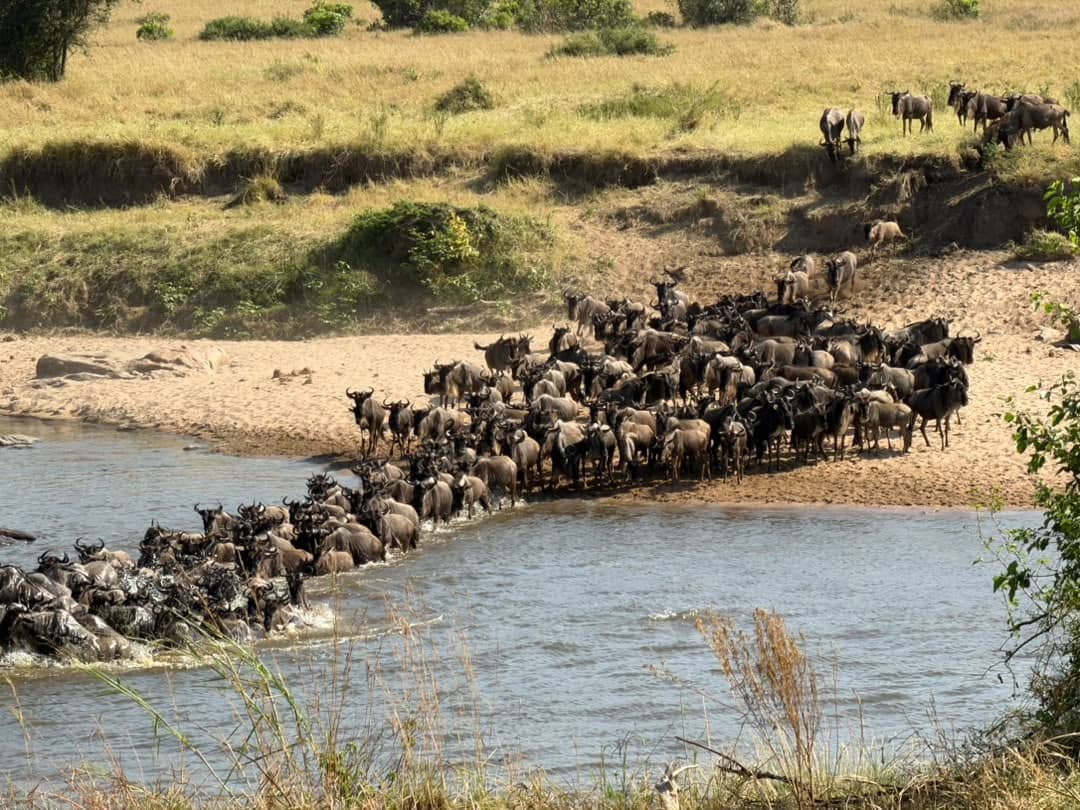
The Great Wildebeest Migration is one of Africa’s most remarkable wildlife spectacles. Every year, huge herds of wildebeest, zebra, and gazelles move across the Serengeti-Mara ecosystem in search of fresh pasture and water. Among the most dramatic moments of this journey are the Mara River crossings in northern Serengeti. During these crossings, wildebeest gather along the riverbanks before making a dangerous move through fast-moving water. Nile crocodiles wait in the river, while predators watch from nearby. However, a river crossing is not a scheduled event. The animals decide when to move, which makes patience a vital part of the experience. UNESCO describes the wider migration as one of the world’s most impressive natural events, with more than one million wildebeest and hundreds of thousands of other grazing animals moving through the ecosystem.
For travellers hoping to witness this spectacle, planning matters. Choosing the right month, staying in the right part of the Serengeti, and allowing enough time can improve your chances. At Zamunda Travels, we recommend planning a migration safari around the movement of the animals rather than trying to follow a fixed crossing date. This approach creates a more realistic safari experience. It also allows you to enjoy the wildlife of northern Serengeti even when the herds are not crossing the river.
What Makes the Mara River Crossings Special?
The Mara River crossings are famous because they combine wildlife movement, uncertainty, and survival in one extraordinary scene. Thousands of wildebeest may gather near the river while they look for a suitable place to cross. The herd can move toward the water, stop, retreat, and gather again. Sometimes the animals wait for hours before one wildebeest finally enters the water. Once the herd commits, the crossing can become extremely fast and chaotic. Animals rush down the bank, enter the river, and climb toward the opposite side while dust rises behind them.
The river itself adds another layer of drama. The Mara River provides permanent water within the wider Serengeti ecosystem, and its channels can contain strong currents, deep sections, hippos, and Nile crocodiles. The crossing is therefore not simply a journey from one side to another. It is a risky decision made by animals that must balance danger against the need to reach new grazing areas. This natural tension is one reason photographers and wildlife enthusiasts travel to northern Tanzania during the migration season.
It is also important to understand that the migration does not follow a perfectly predictable route. Rainfall, grass availability, water conditions, and herd behaviour influence where the animals move. Therefore, no responsible safari company can promise a crossing on a particular morning or afternoon. A good operator should instead position you in the right area and give you enough time to increase your chances.
Best Time for Mara River Crossings
The main season for Mara River crossings is generally July through October. The northern Serengeti becomes particularly important during these months as migrating herds move toward and around the Mara River. August and September are often the most popular months for travellers targeting crossings. However, the exact timing can change from year to year because the migration responds to rainfall and grazing conditions.
July can be an exciting month because some herds may begin reaching the northern Serengeti and the Mara River. Early-season conditions can be less predictable, so travellers should avoid choosing July simply because they expect a crossing on a specific date. August usually brings very high demand because many travellers want to see the classic river-crossing scene. September can also offer excellent opportunities, while October may provide late-season crossings as some herds begin moving south again.
This seasonal pattern does not mean that every part of the Serengeti is quiet outside the crossing season. The migration continues throughout the year. During January to March, for example, the southern Serengeti and Ndutu area can offer excellent opportunities to see calving and predator activity. The herds then move through other areas as conditions change. Therefore, travellers should choose their safari dates according to the experience they want most.
July: The Beginning of the Northern Migration
July is often considered the beginning of the main northern migration period. Some herds reach the Mara River during this month, although the timing can vary considerably. If you travel in July, allow several days in northern Serengeti rather than expecting an immediate crossing.
The advantage of July is that you can combine migration viewing with excellent dry-season wildlife. Vegetation becomes less dense, and animals can be easier to locate around available water sources. With fewer expectations of a guaranteed crossing, July can suit travellers who want a broader safari experience.
August: A Popular Month for River Crossings
August is one of the most requested months for a northern Serengeti migration safari. Large numbers of travellers visit the region because the herds are often concentrated around the northern migration routes. The combination of dry conditions, large herds, and potential river crossings creates excellent opportunities for wildlife photography.
However, popularity also brings higher demand. Accommodation near the river can fill quickly, especially at camps positioned close to Kogatende and other northern areas. If August is your preferred month, Zamunda Travels recommends planning well in advance.
September: Excellent Opportunities in the North
September remains a strong month for a northern Serengeti safari. The herds may still be moving through the Mara River region, and the dry season can provide clear views across the landscape. September may also appeal to travellers who want a crossing-focused safari without limiting the entire trip to one specific day.
The key is flexibility. Some herds may already have crossed into Kenya, while others may remain in Tanzania. A skilled guide can follow fresh information about herd movements and adjust the day’s game-drive plan.
October: Late Crossings and the Start of the Return Movement
October can still offer river-crossing opportunities, particularly earlier in the month. As rainfall patterns change, however, the herds gradually begin responding to new grazing conditions. Some groups start moving south, while others may remain farther north for a time.
This makes October a useful option for travellers who want to combine migration viewing with a broader Tanzania safari. It can also be attractive for visitors who prefer a quieter experience than the busiest part of August.
Where to See Mara River Crossings
The best-known area for Mara River crossings on the Tanzanian side is the Northern Serengeti, especially around Kogatende and the Lamai area. These northern landscapes provide access to sections of the Mara River where migrating herds may attempt to cross. The region also offers excellent resident wildlife, so your safari does not depend entirely on the crossing itself.
Kogatende is particularly useful for migration safaris because it provides access to the northern river area and has an airstrip for travellers using scheduled or chartered flights. Flying into the north can save substantial travel time compared with driving from central Serengeti. However, road access can also form part of a longer Tanzania itinerary for travellers who want to experience more of the park.
The Lamai area provides another strategic base in the north. Your choice between different northern locations should depend on the expected herd position, accommodation style, budget, and the length of your safari. Zamunda Travels can use these factors when designing a private migration itinerary instead of treating every traveller as if they needs the same route.
How Many Days Do You Need for a River-Crossing Safari?
One of the biggest mistakes travellers make is allowing only one day for the river. A crossing is a natural event, not a scheduled performance. The herds may gather on one day and cross later. They may also approach the river before changing direction. Therefore, spending several nights in northern Serengeti gives you a better opportunity than making a rushed visit.
For a focused migration experience, three nights in the northern Serengeti is a practical starting point. Four or more nights can provide even greater flexibility. This allows your guide to respond to changing animal movements instead of forcing the safari around a fixed timetable.
A longer itinerary also protects your trip from disappointment. Even if the river remains quiet, northern Serengeti offers lions, leopards, elephants, giraffes, hyenas, hippos, crocodiles, and many plains animals. The landscape itself is also rewarding. In other words, the safari remains valuable even if the famous crossing does not happen during your stay.
How to Plan Your Accommodation
Accommodation location matters when planning a migration safari. During the peak crossing season, camps and lodges in the northern Serengeti can become highly sought after. Staying closer to the migration area reduces unnecessary driving and gives you more time to observe the herds.
Mobile migration camps can be particularly useful because they can operate in areas selected for seasonal wildlife movements. Permanent lodges can also provide comfortable bases for northern Serengeti safaris. The best choice depends on your budget, preferred level of comfort, travel dates, and whether you want a more intimate mobile-camp experience.
When booking with Zamunda Travels, it is useful to discuss accommodation early. August and September are popular months, so waiting until the last minute can reduce your choice of camps and room types.
Fly or Drive to Northern Serengeti?
Travellers can reach northern Serengeti by road or air. Flying is often the most convenient choice for a crossing-focused safari because the northern sector is remote. A flight can connect travellers with airstrips such as Kogatende, allowing more time for game viewing.
Driving can take longer, but it offers a different experience. A road safari allows travellers to see the changing landscapes of Tanzania and can connect the northern Serengeti with central Serengeti, Ngorongoro, Tarangire, or other destinations.
For travellers with limited time, Zamunda Travels may recommend flying into northern Serengeti and then continuing by safari vehicle. For longer trips, driving can create a more complete overland adventure.
What Happens During a River Crossing?
A river crossing often begins with uncertainty. The wildebeest may gather in large numbers along the riverbank. Some animals move toward the edge and then turn away. Others may enter the water before the main herd follows. This behaviour can continue for a long time.
Eventually, one or more animals may commit to the crossing. The herd can then surge forward. Wildebeest descend steep banks, enter the water, and attempt to reach the opposite side. Zebra may join the movement, adding another layer to the spectacle.
The scene can change within minutes. Animals may become separated from the main herd. Some may turn around. Others reach the opposite bank and continue into the grasslands. This unpredictability makes the experience exciting, but it also explains why travellers should never expect an exact crossing time.
How to Photograph the Mara River Crossings
Photographing a river crossing requires preparation and patience. A telephoto lens is useful because vehicles must maintain a safe and controlled distance from the animals. A fast shutter speed can help freeze movement when wildebeest run down the riverbank or splash through the water.
However, photography should never take priority over responsible wildlife viewing. Tanzania National Parks Authority provides specific guidelines for viewing the crossings. Vehicles must remain in designated areas, follow vehicle limits, and avoid blocking animals. Visitors should also remain in their vehicles except when permitted for safety reasons.
A good guide can help you choose a useful viewing position while respecting these rules. This approach protects the animals and also improves the experience for other visitors.
Responsible Viewing at Mara River Crossings
Responsible tourism is essential during migration season. The riverbanks can attract many safari vehicles, particularly when a large herd gathers. Poor vehicle behaviour can block animals or create unnecessary stress.
TANAPA’s official guidelines require vehicles to use designated crossing areas and remain stationary while observing the animals. The guidelines also state that vehicles should not approach animals during the crossing. Visitors should give the migrating animals sufficient space to pass freely.
At Zamunda Travels, we believe that seeing wildlife should never mean controlling wildlife. A good safari gives animals the freedom to make their own decisions. Your guide should therefore avoid aggressive driving, unnecessary positioning, and attempts to force a better photograph.
What Else Can You See in Northern Serengeti?
A northern Serengeti migration safari offers much more than wildebeest. The area supports a wide range of wildlife throughout the year. Lions can be found near the migration herds because large concentrations of prey create feeding opportunities. Leopards, cheetahs, hyenas, elephants, giraffes, hippos, crocodiles, and numerous antelope species can also be encountered.
The wider Serengeti ecosystem supports millions of wildebeest along with large populations of gazelles and zebras. UNESCO recognizes the Serengeti for its exceptional ecological importance and the scale of its annual migration.
This is why Zamunda Travels recommends treating a migration safari as a complete wildlife journey. The river crossing may be the highlight, but it should not be the only goal.
Build a Flexible Serengeti Migration Itinerary
A strong itinerary should leave room for wildlife behaviour. Instead of spending one night in northern Serengeti and moving immediately to another destination, consider staying several nights in the north during the main migration season.
A seven-day Tanzania itinerary could combine Tarangire, Ngorongoro, central Serengeti, and northern Serengeti. Travellers with more time could spend additional nights in the north. This gives the safari a stronger migration focus while still allowing time for other wildlife experiences.
For travellers who want a shorter trip, Zamunda Travels can also create a focused northern Serengeti itinerary. The exact route should depend on your arrival point, travel dates, accommodation preferences, and whether you prefer road transfers or domestic flights.
Plan Your Mara River Safari With Realistic Expectations
The biggest lesson when planning Mara River crossings is simple: you can plan the safari, but you cannot plan the animals. You can choose the right season. You can stay near the river. You can spend several nights in northern Serengeti. You can work with an experienced guide. However, nobody can honestly guarantee that a herd will cross at a specific place and time.
This uncertainty is part of what makes the migration special. The Serengeti is not a wildlife theatre with a fixed programme. It is a living ecosystem shaped by rainfall, grass, water, predators, and animal behaviour.
Therefore, choose your travel dates carefully, allow enough time, and remain flexible. With the right preparation, even a day without a river crossing can become an excellent safari day.
Book Your Serengeti Migration Safari With Zamunda Travels
A Mara River crossings safari requires more than simply choosing a date and booking a vehicle. You need the right season, a suitable northern Serengeti base, enough nights, reliable transport, and a guide who understands migration behaviour. You also need realistic expectations because nature does not operate according to a human timetable.
Zamunda Travels can help you plan a Tanzania migration safari around your interests and travel dates. Whether you want to focus on the river crossings, combine the migration with the Ngorongoro Crater, add Tarangire, or create a longer Northern Circuit safari, the itinerary can be designed around the experience you want.
The Mara River is one of the most dramatic stages of the Great Wildebeest Migration. With careful planning, patience, and responsible wildlife viewing, your Serengeti journey can become an unforgettable African safari.