The Best Places To Track Golden Monkeys in East Africa
October 20, 2026
10 Best Luxury Lake Naivasha Resorts & Hotels
October 20, 2026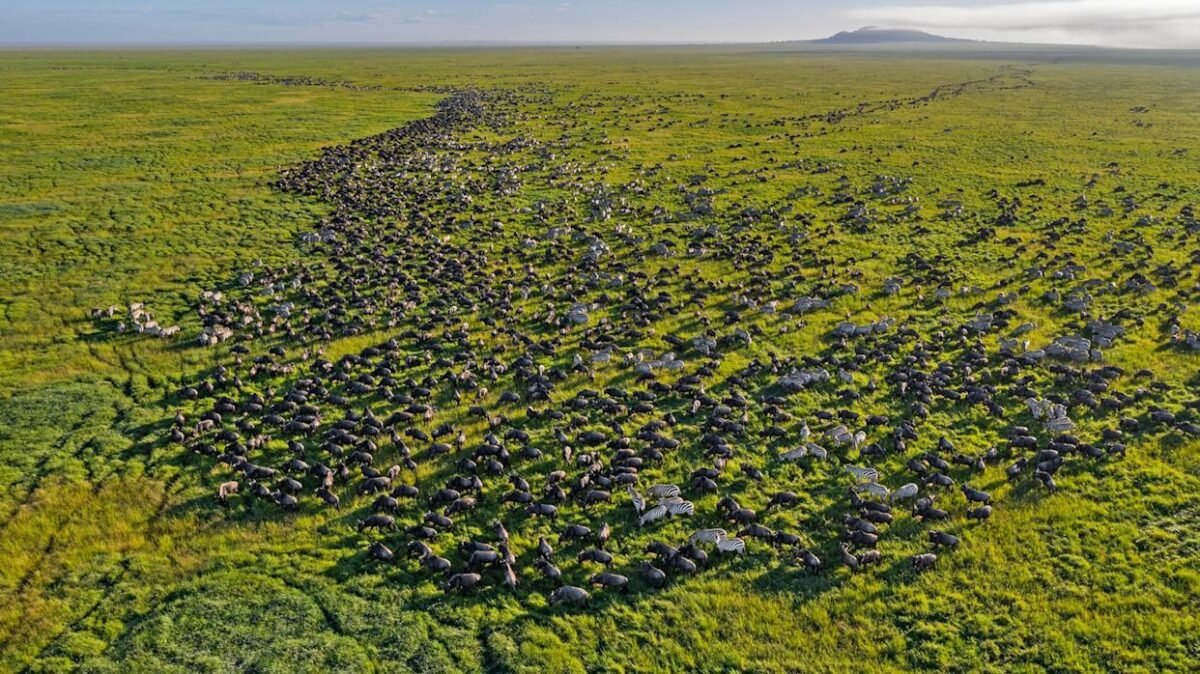
Choosing between the Masai Mara vs Serengeti can be difficult when planning an African safari. Both destinations offer incredible wildlife, beautiful landscapes, and unforgettable safari adventures.
The Masai Mara lies in Kenya, while the Serengeti is in Tanzania. Both form part of the famous Serengeti-Mara ecosystem. However, each destination offers a different safari experience.
At Zamunda Travels Uganda Ltd, we help travellers explore East Africa through private and customised safaris. Therefore, this guide compares both destinations to help you choose the right adventure.
Whether you love big cats, wildlife photography, or the Great Migration, both parks deserve your attention.
Masai Mara vs Serengeti: Quick Safari Comparison
The Masai Mara and Serengeti rank among Africa’s most famous wildlife destinations. However, their size, accessibility, landscapes, and safari experiences differ.
Here is a simple comparison.
| Feature | Masai Mara, Kenya | Serengeti, Tanzania |
|---|---|---|
| Country | Kenya | Tanzania |
| Protected area size | About 1,510 km² | About 14,763 km² |
| Best known for | Big cats and migration crossings | Vast plains and year-round safari experiences |
| Great Migration | Usually July to October | Different regions throughout the year |
| Wildlife viewing | Excellent | Excellent |
| Popular predators | Lions, cheetahs, leopards | Lions, cheetahs, leopards |
| Safari duration | 3–5 days | 4–7 days |
| Main gateway | Nairobi | Arusha or Kilimanjaro |
| Hot air balloon safaris | Available | Available |
| Best for | Short safaris and concentrated game viewing | Longer adventures and wilderness exploration |
Both destinations support exceptional wildlife viewing. However, the best choice depends on your travel dates and interests.
Zamunda Travels offers Kenya and Tanzania safari packages for couples, families, photographers, and small groups.
Where Are the Masai Mara and Serengeti Located?
The Masai Mara National Reserve sits in southwestern Kenya. It borders Tanzania’s Serengeti ecosystem to the south.
Meanwhile, Serengeti National Park stretches across northern Tanzania. It covers a much larger area of savannah, woodland, and river valleys.
Together, these landscapes support the Great Migration. Millions of wildebeest, zebras, and other grazing animals move across the ecosystem.
However, the international border separates the two safari destinations for travellers.
Getting to the Masai Mara
Most travellers begin their Masai Mara safari in Nairobi. From there, they can drive or take a domestic flight.
The drive commonly takes five to six hours, depending on road conditions and the chosen entrance. Alternatively, scheduled flights generally take around 45–60 minutes.
Therefore, the Masai Mara works well for shorter Kenya safaris.
Getting to the Serengeti
Most Serengeti safaris begin in Arusha or near Kilimanjaro International Airport.
From Arusha, travellers can drive through the Ngorongoro Conservation Area. However, reaching the central Serengeti often takes six to eight hours.
Alternatively, domestic flights provide faster access to selected Serengeti airstrips.
Zamunda Travels arranges airport transfers, safari vehicles, accommodation, and experienced guides for both destinations.
Wildlife Comparison: Which Park Has Better Animals?
Both parks offer outstanding opportunities to see Africa’s most famous animals. However, their wildlife viewing experiences differ.
The Masai Mara is famous for concentrated wildlife sightings. Meanwhile, the Serengeti offers enormous landscapes filled with diverse animals.
Wildlife in the Masai Mara
The Masai Mara is especially popular for big cat safaris.
Visitors regularly search for lions, cheetahs, and leopards across its open grasslands. Additionally, elephants, buffaloes, giraffes, zebras, and hyenas are common safari highlights.
The reserve’s relatively compact size makes wildlife viewing convenient. Therefore, visitors can enjoy productive game drives without travelling across vast distances.
Birdwatchers can also enjoy eagles, vultures, secretary birds, and many other species.
Wildlife in the Serengeti
The Serengeti supports an extraordinary variety of wildlife across several distinct regions.
Large lion prides roam the plains. Meanwhile, cheetahs hunt across open grasslands, and leopards rest in trees.
Visitors may also encounter elephants, buffaloes, hippos, crocodiles, giraffes, and countless antelope.
Black rhinos survive in protected areas of the wider ecosystem. However, sightings are rare and should never be expected.
Which is better? Choose the Masai Mara for concentrated game viewing. Choose the Serengeti for wildlife diversity across immense landscapes.
Zamunda Travels can design a safari focused on predators, general wildlife, or professional wildlife photography.
Great Migration: Masai Mara vs Serengeti
The Great Migration is one of Africa’s most spectacular natural wildlife events. Every year, huge herds move through the Serengeti-Mara ecosystem.
Their movements follow rainfall, fresh grass, and available water. Therefore, migration locations change throughout the year.
Great Migration in the Serengeti
The Serengeti hosts major migration stages during much of the year.
From approximately January to March, wildebeest gather around the southern Serengeti and Ndutu plains. During this period, thousands of calves are born.
Predators also become highly active around the herds.
Later, the migration moves through central and western areas. By July, many animals may reach the northern Serengeti.
River crossings can then occur along the Mara River.
Great Migration in the Masai Mara
The Masai Mara usually receives large migrating herds between July and October.
During this period, wildebeest may cross the Mara River while avoiding crocodiles and powerful currents.
These dramatic crossings attract wildlife photographers from around the world.
However, crossings are unpredictable. Some days offer incredible action, while others remain quiet.
Moreover, river crossings also happen in Tanzania’s northern Serengeti.
Our recommendation: Choose the Serengeti for the calving season. Choose either destination for possible Mara River crossings between July and October.
Zamunda Travels helps travellers select safari regions based on seasonal migration patterns.
Best Time to Visit the Masai Mara and Serengeti
Both destinations offer excellent safaris throughout the year. However, some months suit particular wildlife experiences better.
Best Time to Visit the Masai Mara
July to October is especially popular because of the Great Migration.
During these months, travellers may witness large herds and dramatic river crossings. However, accommodation prices and visitor numbers often increase.
January to March also offers rewarding resident wildlife viewing. Furthermore, the green landscape creates beautiful photography opportunities.
April and May can bring heavier rainfall. Nevertheless, visitors may enjoy fewer vehicles and attractive accommodation offers.
Best Time to Visit the Serengeti
The best time depends on which part of the Serengeti you plan to explore.
| Period | Recommended Area | Main Experience |
|---|---|---|
| January–March | Southern Serengeti and Ndutu | Wildebeest calving |
| April–June | Central and western regions | Moving migration herds |
| July–October | Northern Serengeti | Possible Mara River crossings |
| November–December | Central and southern regions | Returning migration herds |
These periods are approximate because wildlife movements depend on rainfall.
Therefore, travellers should plan around seasonal patterns rather than expecting fixed migration dates.
Zamunda Travels helps guests choose suitable safari months, accommodation, and routes.
Masai Mara vs Serengeti Safari Cost
Safari costs depend on the season, accommodation, transport, and activities. Therefore, neither destination is always cheaper.
The Masai Mara can be economical for short trips from Nairobi. However, peak migration season brings higher accommodation and reserve fees.
The Serengeti can involve longer transfers and more travel days. Nevertheless, visitors can combine several Tanzanian attractions into one safari.
Masai Mara Safari Costs
The Masai Mara offers budget camps, comfortable lodges, and luxury safari properties.
For international non-resident adults, the published 2026 reserve entry fees are:
-
January to June: USD 100 per day.
-
July to December: USD 200 per day.
Vehicle charges and other activities may cost extra.
Serengeti Safari Costs
The Serengeti offers accommodation from basic camping to exclusive luxury lodges.
The published TANAPA tariff lists adult non-East-African conservation fees of USD 60–70, depending on the season. Including 18% VAT, this equals approximately USD 70.80–82.60 per day. Other charges may apply.
Zamunda Travels prepares personalised quotations covering accommodation, transport, park fees, and selected activities. This approach helps travellers understand their safari budget before booking.
Which Park Offers Better Safari Accommodation?
Both destinations offer excellent places to stay. However, accommodation styles and locations can influence your experience.
Staying in the Masai Mara
Visitors can choose tented camps, midrange lodges, or luxury properties.
Some properties sit inside the national reserve. Others occupy neighbouring wildlife conservancies.
Moreover, selected conservancies offer guided walks and night drives under local rules. These experiences are generally unavailable inside the main reserve.
Staying in the Serengeti
The Serengeti offers permanent lodges and seasonal tented camps.
Mobile camps can follow broad migration movements. Therefore, they are especially attractive to wildlife photographers.
However, choosing the right region is important. A beautiful lodge far from the migration could create unnecessary travel.
Zamunda Travels recommends accommodation according to safari dates, budget, and wildlife interests.
Safari Activities: What Can You Do?
Game drives remain the main activity in both destinations. However, travellers can enjoy other memorable experiences.
Hot Air Balloon Safaris
Both parks offer sunrise balloon safaris.
Visitors float above the savannah while watching wildlife and enjoying panoramic landscapes. Moreover, the early morning light creates wonderful photography opportunities.
Cultural Experiences
The Masai Mara offers opportunities to visit Maasai communities through responsible cultural programmes.
Meanwhile, travellers visiting northern Tanzania can arrange cultural experiences around suitable community destinations.
Zamunda Travels encourages respectful visits that benefit local communities.
Wildlife Photography
Both parks are excellent for photography.
The Masai Mara suits travellers seeking concentrated predator sightings. Meanwhile, the Serengeti offers sweeping landscapes and different migration stages.
For serious photographers, Zamunda Travels can arrange private vehicles and flexible game drives.
Can You Visit Both the Masai Mara and Serengeti?
Yes. Combining both destinations creates an outstanding Kenya and Tanzania safari.
However, travellers cannot simply drive directly between the two protected areas. The international border requires an approved crossing and suitable transport arrangements.
Therefore, a combined itinerary needs careful planning.
A typical journey could include:
-
Three days exploring the Masai Mara.
-
A transfer through the appropriate Kenya–Tanzania border route.
-
Three or four days exploring the Serengeti.
-
A visit to Ngorongoro Crater before departure.
Alternatively, travellers can use regional flight connections to reduce long road transfers.
Zamunda Travels organises combined East Africa safaris with suitable accommodation and transport arrangements.
Masai Mara or Serengeti: Which Should You Choose?
The best destination depends on your safari goals.
Choose the Masai Mara if:
-
You have three to five days.
-
You are starting your journey in Nairobi.
-
You want concentrated wildlife viewing.
-
You hope to witness the migration from July to October.
-
You prefer a relatively compact safari destination.
Choose the Serengeti if:
-
You have five or more days.
-
You love wide landscapes and wilderness.
-
You want to explore different migration stages.
-
You are combining your safari with Ngorongoro Crater.
-
You enjoy longer wildlife adventures.
For travellers with enough time, visiting both can offer a more complete East African safari.
Plan Your Kenya and Tanzania Safari With Zamunda Travels
Whether you choose the Masai Mara or Serengeti, proper planning makes a difference.
At Zamunda Travels Uganda Ltd, we organise private safari holidays across Kenya, Tanzania, Uganda, and Rwanda.
Our team helps travellers select destinations, accommodation, suitable travel dates, and safari activities.
Additionally, we design combined itineraries for visitors who want to explore several East African countries.
From the Great Migration to gorilla trekking in Uganda and Rwanda, we create memorable wildlife adventures.
Start planning your African safari today.
Website: www.zamundatravels.com
Email: info@zamundatravels.com
WhatsApp: +256 704 705 606
Zamunda Travels – Beyond Expeditions.
Frequently Asked Questions About Masai Mara vs Serengeti
Is the Masai Mara better than the Serengeti?
Neither park is universally better. The Masai Mara is excellent for short safaris and concentrated wildlife viewing. Meanwhile, the Serengeti offers wider landscapes and more varied migration experiences.
Which park is better for the Great Migration?
The Serengeti hosts major migration stages throughout the year. However, both destinations offer possible Mara River crossings between July and October. Actual movements depend on rainfall.
Which is cheaper, Masai Mara or Serengeti?
The Masai Mara can be cheaper for shorter road safaris from Nairobi. However, costs depend on accommodation, travel dates, park fees, and transport. Zamunda Travels can compare customised safari quotations.
Can you see the Big Five in both parks?
Both ecosystems support the Big Five: lions, elephants, buffaloes, leopards, and rhinos. However, rhinos are rare, especially in the main Masai Mara and Serengeti safari areas. Sightings are never guaranteed.
How many days do you need for Masai Mara and Serengeti?
Allow three to four days for a Masai Mara safari. Meanwhile, four to seven days suits a Serengeti adventure. A combined safari generally benefits from seven to ten days or longer.