

Kenya Safari for Solo Travellers
October 29, 2026
Inside vs Outside Masai Mara: Where Should You Stay?
October 29, 2026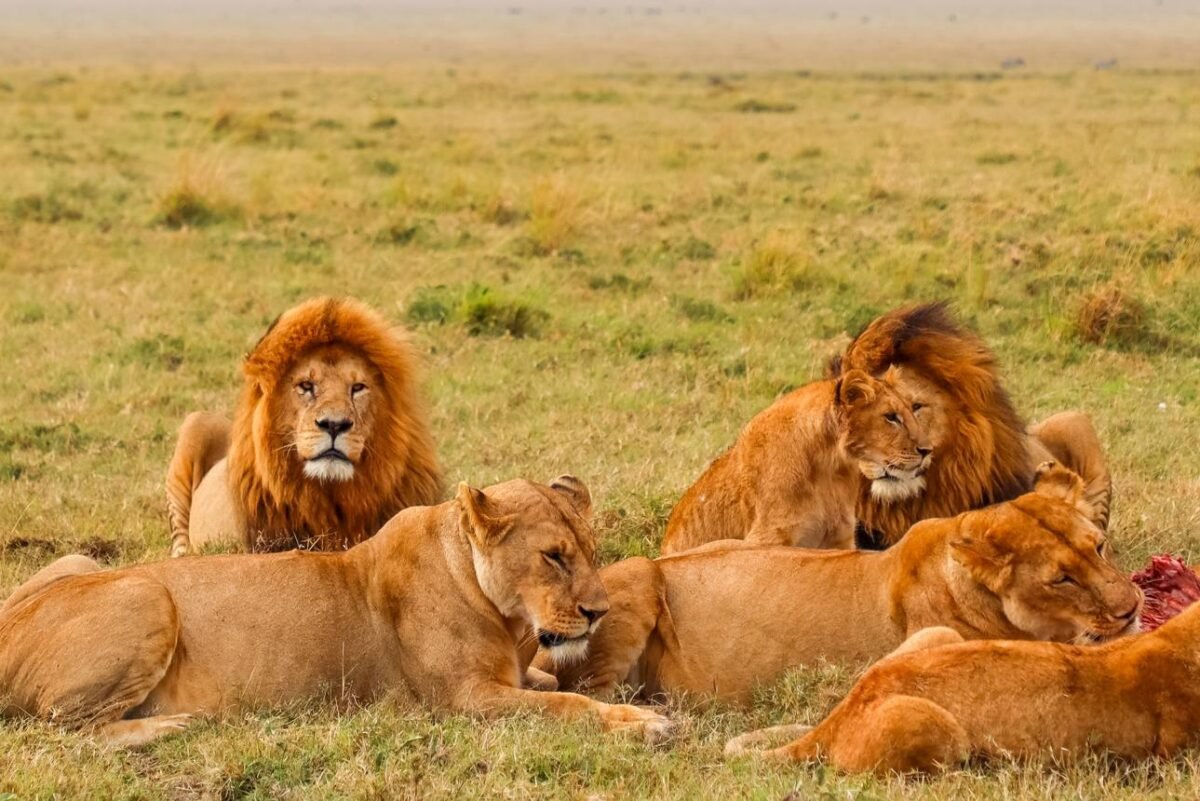
The Masai Mara is famous for the Great Wildebeest Migration. Every year, thousands of travellers visit Kenya hoping to watch wildebeest cross the Mara River.
However, what happens when the migration is not taking place?
A Masai Mara without migration can still offer excellent wildlife viewing. Lions, cheetahs, elephants, giraffes and many other animals remain in the ecosystem throughout the year.
At Zamunda Travels, we help travellers plan Kenya safaris around their interests, available time and budget. Therefore, you do not need to wait for migration season to enjoy the Mara.
Quick answer: Yes, the Masai Mara is worth visiting without the Great Migration. The reserve supports resident lions, leopards, cheetahs, elephants, buffalo and other wildlife throughout the year. Outside peak migration months, visitors may also enjoy fewer vehicles, greener landscapes and better accommodation value, depending on their travel dates.
These are typical seasonal patterns, not guaranteed weather forecasts.
Is Masai Mara Without Migration Still Worth Visiting?
Yes. The Masai Mara offers much more than migrating wildebeest. Located in southwestern Kenya, the Masai Mara National Reserve covers approximately 1,510 square kilometres. It forms part of the wider Mara–Serengeti ecosystem, which extends into Tanzania. The reserve is managed by Narok County Government, with the Mara Triangle managed through a separate conservation arrangement. Its wildlife habitat includes open grasslands, riverine forests and seasonal streams. Although migration season attracts international attention, resident animals remain in the Mara throughout the year. For example, visitors can search for lions resting in the grass, cheetahs scanning the plains and elephants moving between feeding areas. The Mara River also supports hippos and Nile crocodiles. Meanwhile, giraffes, buffalo, zebras and antelope provide excellent wildlife encounters. Therefore, travellers interested in African wildlife do not need to arrange their entire holiday around river crossings. Another advantage is flexibility. Outside the busiest months, some lodges offer more availability and attractive seasonal rates. However, lower visitor numbers do not guarantee cheaper holidays. Festive dates and luxury conservancy camps can still be expensive. Our guides at Zamunda Travels recommend choosing travel dates based on your wildlife interests rather than migration publicity alone.What Animals Can You See in Masai Mara Without Migration?
The Masai Mara wildlife year-round experience is one of the main reasons to visit outside migration season. Even when the large migratory herds move into Tanzania, the ecosystem continues supporting many resident species.Big cats: lions, leopards and cheetahs
Lions are among the Mara’s most sought-after animals. Visitors may find prides resting, walking across grasslands or watching potential prey. Cheetahs also inhabit the open plains. Their hunting behaviour makes them particularly interesting for wildlife photographers. Leopards are present too, although they are generally harder to locate. They often use trees, thickets and riverine habitats for cover. Early morning and late afternoon game drives offer useful opportunities to search for predators. However, no responsible safari operator can guarantee a particular animal sighting.Elephants, giraffes, buffalo and antelope
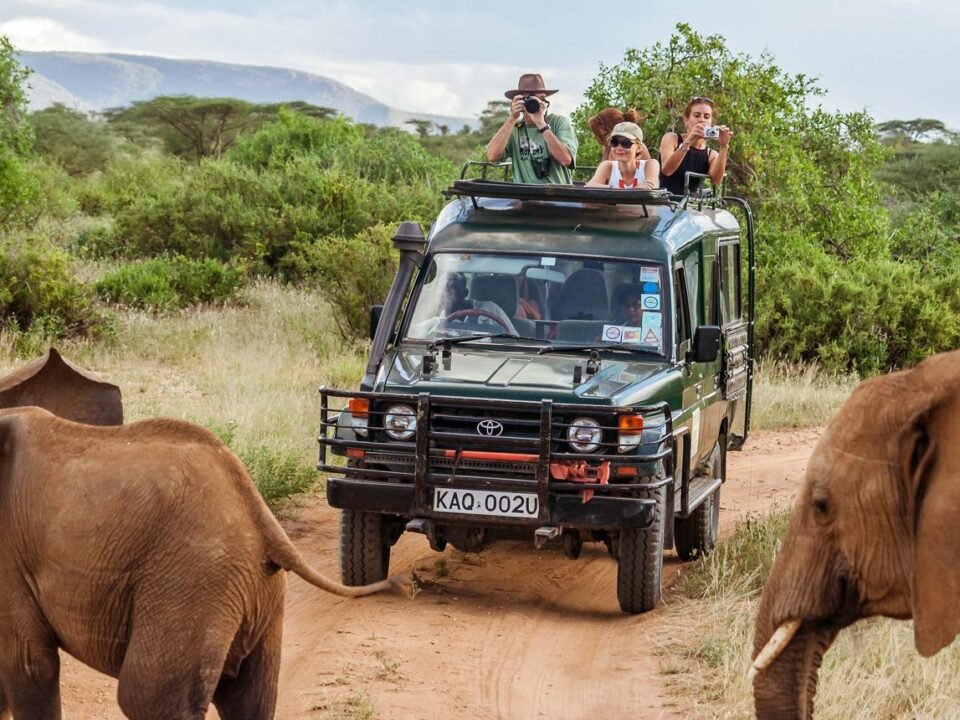
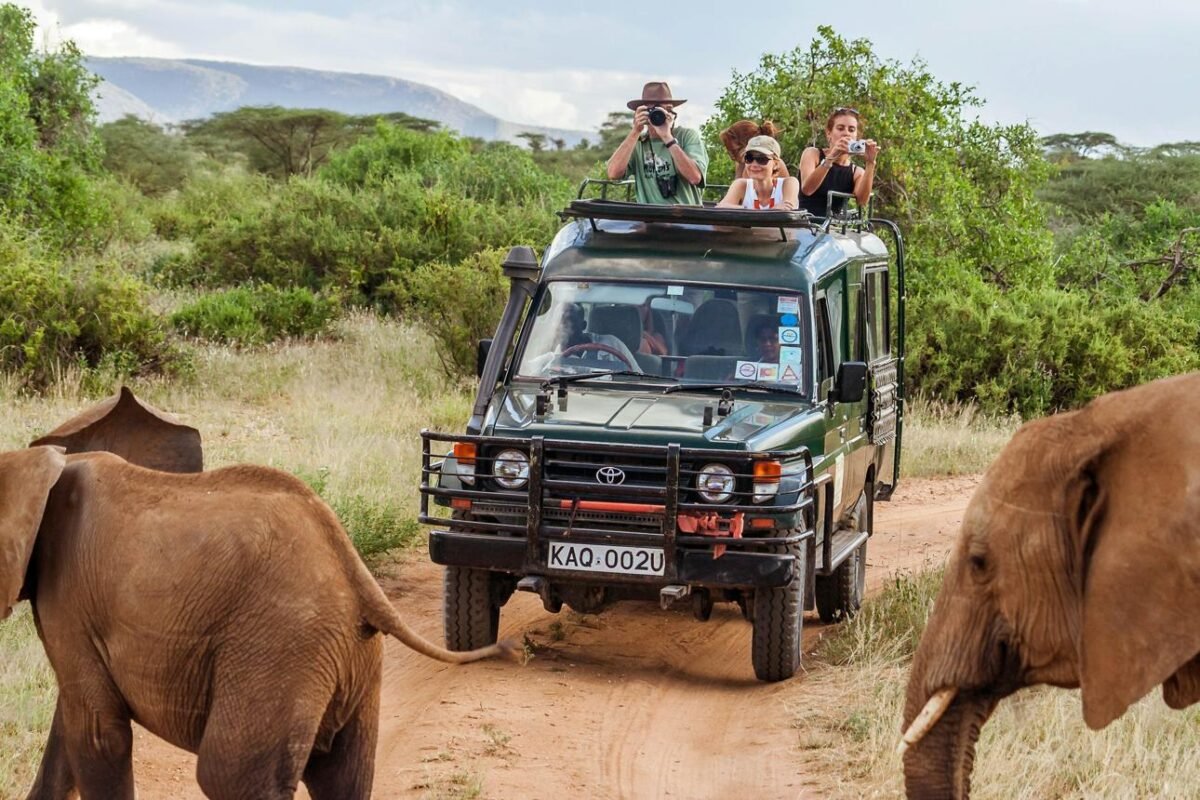
Large herbivores provide rewarding encounters even without migrating wildebeest. You may see elephants feeding, giraffes browsing and buffalo grazing across the savannah. Common plains animals include zebras, topi, impalas, Thomson’s gazelles and eland. These animals also support the Mara’s predator populations. Consequently, predator-prey interactions remain possible throughout the year.Rhinos, hippos, crocodiles and birds
Black rhinos inhabit the Mara, but sightings are uncommon. Therefore, visitors should not expect to complete the Big Five automatically. Hippos and crocodiles inhabit the Mara River and its associated waters. Birdwatchers can also search for vultures, eagles, secretarybirds, rollers and other savannah species. During wetter months, fresh vegetation and seasonal bird activity create additional photography opportunities. For travellers wondering about animals in Masai Mara without migration, the answer is simple: there is still plenty to see.Best Time to Visit Masai Mara Without Migration
The best time to visit Masai Mara depends on your interests. Some travellers prefer dry roads and open views. Others enjoy green landscapes, birdwatching and quieter accommodation. The Great Migration usually reaches the Kenyan Mara around July to October, although timing changes with rainfall. Outside that period, different months offer different advantages.| Months | Typical conditions | Best suited for |
|---|---|---|
| January–February | Often relatively dry, good visibility | Big cats and general wildlife |
| March | Transition towards wetter conditions | Flexible travellers |
| April–May | Long rains, greener grass, muddy tracks | Green-season photography |
| June | Often improving road conditions | General wildlife before peak demand |
| November–December | Short rains, fresh vegetation | Birdwatching and scenic safaris |
January and February: excellent wildlife opportunities
January and February are attractive months for travellers who want general wildlife viewing. Conditions are often relatively dry, and some grassland areas provide good visibility. Additionally, predator sightings can be rewarding because resident wildlife remains active. These months can offer a useful balance between weather, wildlife and visitor numbers.April and May: the green season
April and May usually bring the long rains. As a result, the plains become greener, and some areas develop tall grass. A Masai Mara green season safari can appeal to photographers who enjoy dramatic clouds and fresh landscapes. However, heavy rainfall can make some tracks muddy or temporarily difficult to use. Some camps may also reduce operations during this period. Therefore, check accommodation availability and road access before booking.November and December: a different Mara experience
November often brings short rains, although rainfall varies. The landscape can become greener, while resident wildlife remains present. Birdwatching may be especially rewarding as seasonal visitors arrive. However, December holiday demand can increase accommodation prices. For this reason, November and early December may offer better value than the festive period.Why a Masai Mara Low Season Safari Can Be Better
A safari outside peak migration season has several possible advantages. First, fewer visitors may mean less competition for popular wildlife sightings. This can create a more relaxed experience, particularly for photographers who prefer patient observation. Second, some accommodation providers offer reduced seasonal rates. Travellers may therefore find opportunities to stay in better accommodation without paying peak migration prices. Third, the landscape changes with rainfall. Green grass, seasonal flowers and dramatic skies can make wildlife photography particularly appealing. Finally, a quieter safari allows more attention to animal behaviour. Instead of rushing between crowded sightings, your guide can spend time observing a lion pride or elephant family. However, these benefits depend on the specific camp, location and travel dates. Some wildlife areas remain busy throughout the year. At Zamunda Travels, we can help compare travel dates and accommodation options before you commit.Masai Mara Safari Costs Outside Migration Season
Masai Mara safari costs depend on accommodation, transport, travel dates and group size. A private safari generally costs more per person than a shared safari. However, it offers greater flexibility during game drives. Accommodation also makes a significant difference. Budget camps, mid-range lodges and luxury tented camps provide different comfort levels and services.What should your safari budget include?
When comparing quotations, check these main expenses:-
Accommodation and included meals
-
National reserve or conservancy entrance fees
-
Safari vehicle and professional driver-guide
-
Fuel, transfers and game drives
-
Optional activities, such as balloon safaris
-
Tips, drinks and personal expenses
Where Should You Stay During a Non-Migration Safari?
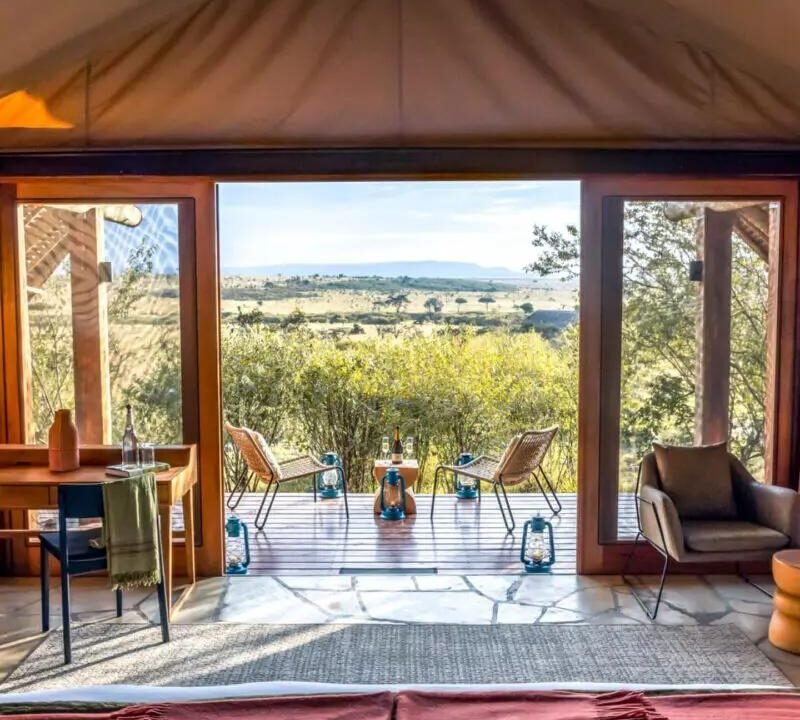
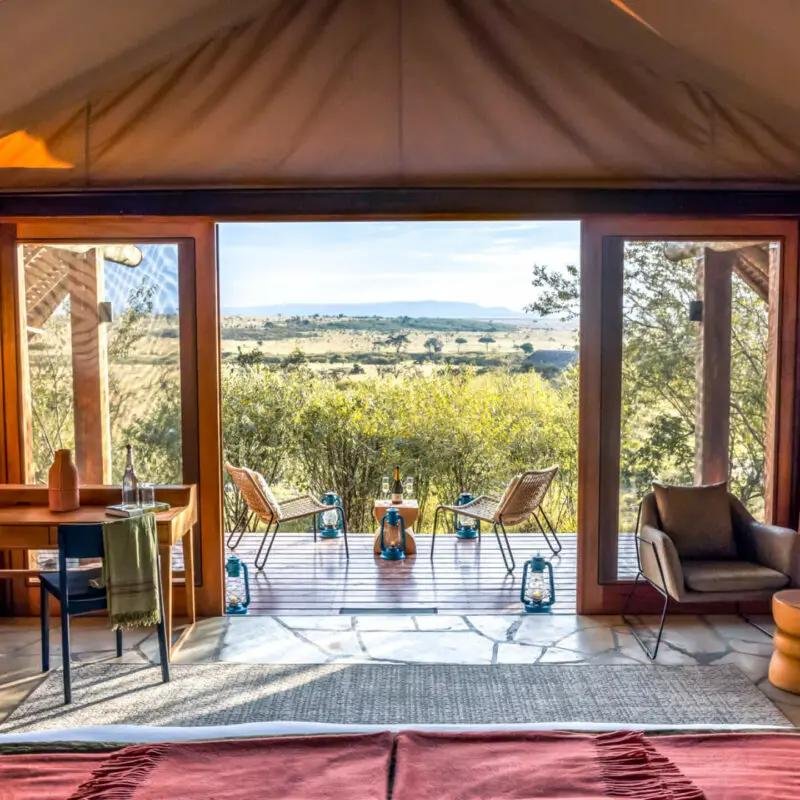
Accommodation location matters as much as accommodation quality. The Masai Mara includes the main national reserve, the Mara Triangle and surrounding community conservancies. Each area offers different advantages.Inside the national reserve
Staying inside the reserve can provide convenient access to traditional game-drive areas. This may help travellers who want early wildlife viewing without long journeys from outside accommodation. However, accommodation prices and access arrangements vary.In a private or community conservancy
Conservancies such as Mara North and Naboisho provide alternative safari settings. They support wildlife conservation through arrangements involving local landowners and tourism operators. Some offer lower vehicle density and activities that differ from those permitted inside the national reserve. However, conservancy fees and access rules are separate considerations. The Narok County management plan recognises conservancies as important wildlife habitats and community income sources.Near the reserve gates
Accommodation near reserve gates can provide more affordable choices. However, the nearest gate may still be far from productive wildlife-viewing areas. Therefore, ask how much driving time your chosen camp requires each morning. Our guides at Zamunda Travels recommend checking the exact lodge location before confirming your safari.Sample 4-Day Masai Mara Safari Without Migration
A four-day safari gives travellers more time to enjoy wildlife without rushing. This sample itinerary starts and ends in Nairobi.Day 1: Nairobi to Masai Mara
Leave Nairobi in the morning and travel towards the Masai Mara. The road journey commonly takes around five to seven hours, depending on the route, traffic and camp location. Enjoy views of the Great Rift Valley along the way. After arrival, check into your lodge and have lunch if timing allows. Later, enjoy an afternoon game drive where your arrival time and entry arrangements permit.Day 2: Full-day wildlife safari
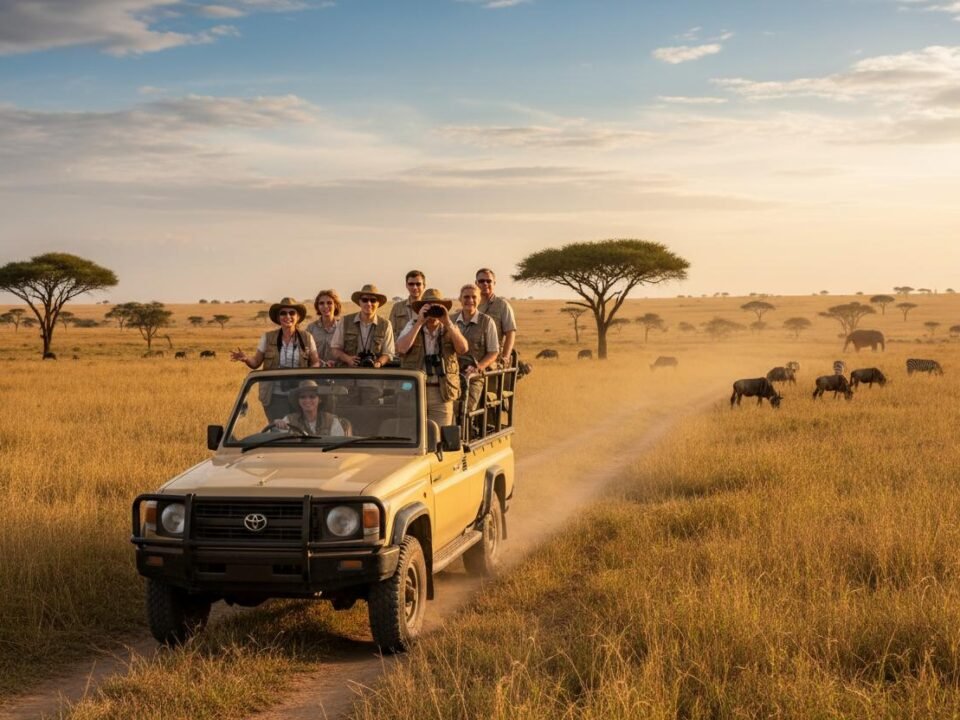
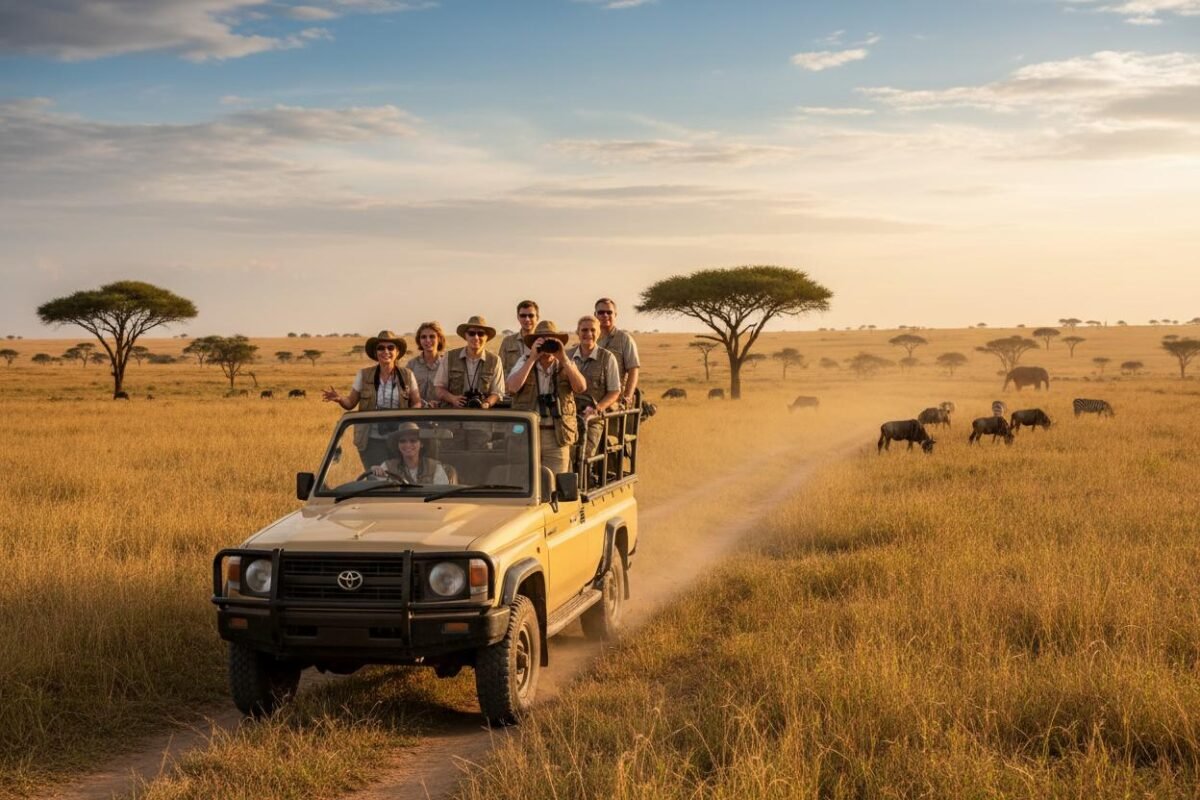
Start early with breakfast before entering the wildlife-viewing areas. Spend the day searching for lions, elephants, giraffes, cheetahs and other resident animals. Your guide will select suitable routes according to wildlife movements and road conditions. Enjoy a packed lunch at an approved picnic area. Afterwards, continue exploring before returning to your lodge.Day 3: More wildlife and photography
Begin with an early morning game drive. Focus on areas you have not explored or return to promising wildlife locations. For example, photographers may prefer spending longer observing elephants or predators. Depending on your accommodation and booking, you may also arrange a cultural visit. Return to the lodge for dinner and overnight accommodation.Day 4: Return to Nairobi
Enjoy breakfast and prepare for departure. Travel back to Nairobi, allowing sufficient time for traffic and road conditions. If you have an international flight, arrange your departure schedule carefully. This itinerary can also form part of a longer Kenya safari covering Lake Naivasha, Lake Nakuru or Amboseli.Common Mistakes to Avoid When Booking
A successful Masai Mara safari outside migration season requires realistic planning. One common mistake is assuming wildlife disappears when migrating herds leave Kenya. In reality, many species remain in the ecosystem throughout the year. Another mistake is booking accommodation without checking its location. A cheaper camp may involve long transfers before reaching your preferred wildlife-viewing areas. Travellers also sometimes underestimate rainfall. During April and May, muddy roads can affect travel plans and game-drive routes. Therefore, a suitable four-wheel-drive safari vehicle is particularly important. Another mistake is planning only one night in the Mara. For road travellers from Nairobi, this leaves limited time for wildlife viewing. Finally, avoid expecting every Big Five species on a short safari. Black rhinos and leopards can be difficult to find, even with experienced guides.Practical Safari Packing and Safety Tips
The Masai Mara is generally suitable for visitors who follow professional guiding instructions. However, wildlife remains unpredictable. Never leave your vehicle during game drives unless your guide confirms that the location permits it. Keep a safe distance from animals and avoid feeding wildlife. Additionally, follow all reserve and conservancy driving rules. For packing, bring neutral-coloured clothing, comfortable shoes and a light jacket. Mornings can feel cool, especially during early game drives. A rain jacket is useful during wetter months. Also carry sunscreen, insect repellent, drinking water and personal medication. Photographers should pack spare batteries and suitable camera protection. Before travelling, review Kenya’s current entry requirements and consult a qualified health professional about recommended travel vaccinations and malaria prevention.Is Masai Mara Without Migration Right for You?
A non-migration safari is especially suitable for travellers interested in resident wildlife, photography and relaxed game drives. It can also suit couples, families and first-time safari visitors who have flexible travel dates. However, travellers whose main dream is watching thousands of wildebeest cross the Mara River should consider migration season. Even then, river crossings cannot be guaranteed. For everyone else, the Mara remains an excellent safari destination throughout the year. At Zamunda Travels, we help travellers select suitable dates, accommodation and safari routes based on their priorities.Is the Masai Mara Still Worth Booking?
Yes. The Masai Mara is worth visiting even when the Great Migration is elsewhere. Resident wildlife, open grasslands, big cats and varied birdlife provide rewarding safari opportunities throughout the year. Furthermore, travelling outside peak migration months can offer quieter experiences and better accommodation value. The key is choosing the right season, location and safari duration. Plan your Masai Mara safari with Zamunda Travels Uganda Ltd. We arrange private and customised Kenya safaris, including journeys that combine the Masai Mara with other East African destinations. Contact our team to request a personalised quotation. Website: www.zamundatravels.com Email: info@zamundatravels.com WhatsApp: +256 704 705 606Frequently Asked Questions About Masai Mara Without Migration
1. Is Masai Mara worth visiting without the Great Migration?
Yes. The Masai Mara supports resident lions, cheetahs, leopards, elephants, buffalo, giraffes and other wildlife throughout the year. Although large migrating herds may be absent, game drives remain rewarding. Travellers can also enjoy birdwatching, photography and quieter safari experiences outside the busiest migration months.2. What is the best month to visit Masai Mara without migration?
January and February are excellent choices for general wildlife viewing. These months often have relatively dry conditions and good visibility. However, November can appeal to travellers who prefer green landscapes and birdwatching. The best month ultimately depends on your preferred weather, budget and wildlife interests.3. Can you see the Big Five in Masai Mara outside migration season?
Yes, all five Big Five species inhabit the Masai Mara ecosystem. However, sightings are never guaranteed. Lions, elephants and buffalo are generally easier to encounter than black rhinos. Leopards can also be elusive. A longer safari with an experienced guide improves your opportunities to search for different species.4. Is Masai Mara cheaper outside migration season?
It can be cheaper, particularly when accommodation providers offer lower seasonal rates. However, reserve fees, vehicle costs and some lodge prices may remain substantial. Festive holidays can also increase demand. Therefore, compare complete safari quotations rather than judging prices by accommodation rates alone.5. How many days should you spend in Masai Mara without migration?
Three to four days is a practical choice for many visitors. A three-day road safari provides an introduction to the reserve, while four days allows more wildlife-viewing time. Photographers and dedicated wildlife enthusiasts may prefer longer stays, especially when travelling during rainy periods.
Related posts
October 29, 2026