Is It Possible to Change Gorilla Trekking Sectors After Booking a Permit in Uganda?
November 2, 2026
What to Do When Gorilla Permits Are Sold Out
November 2, 2026
Choosing ethical safari operators in Uganda and Rwanda is an important part of planning a responsible African safari. The right company should protect wildlife, respect local communities, and offer honest travel services.
Uganda and Rwanda are famous for mountain gorillas, chimpanzees, and diverse wildlife. However, not every safari company follows the same standards.
At Zamunda Travels Uganda Ltd, we believe travellers should understand how their safari affects wildlife and local people. This guide explains what to check before booking and how to plan a more responsible journey.
Key Takeaways
- Choose a licensed operator and independently verify its business details.
- Ethical gorilla trekking follows park rules and protects endangered primates.
- Responsible safaris support local guides, communities, and conservation.
- Compare safari quotations carefully instead of choosing the lowest price.
- Ask operators for evidence of their responsible tourism practices.
Quick Answer: What Makes a Safari Operator Ethical?
The best ethical safari operators in Uganda and Rwanda combine legal registration, responsible wildlife encounters, fair employment, transparent pricing, and community involvement. Travellers should verify licences, review conservation practices, and ask how local people benefit. A trustworthy company explains its policies clearly and never guarantees wild animal sightings.
What Are Ethical Safari Operators in Uganda and Rwanda?
Ethical safari operators organise wildlife experiences while reducing harm to animals, habitats, and local communities.
They follow national park regulations, employ qualified guides, and respect the places they visit. Furthermore, they explain how their services contribute to conservation and local livelihoods.
Responsible tourism goes beyond avoiding plastic waste. It also concerns employee welfare, wildlife viewing distances, fair business practices, and cultural respect.
For example, a responsible operator should never encourage visitors to approach mountain gorillas too closely. Similarly, drivers should avoid blocking wildlife movements for photographs.
An ethical company should also explain its booking conditions before requesting payment.
Why Ethical Tourism Matters
Uganda and Rwanda contain important habitats for endangered mountain gorillas.
Uganda protects gorillas in Bwindi Impenetrable and Mgahinga Gorilla National Parks. Rwanda protects them in Volcanoes National Park.
Tourism provides income linked to the protection of these areas. However, poorly managed visits can disturb wildlife and damage sensitive habitats.
Therefore, travellers should choose companies that follow conservation rules and respect surrounding communities.
How to Choose Ethical Safari Operators in Uganda and Rwanda
Choosing a responsible company requires more than reading advertisements or checking attractive photographs.
Instead, use clear questions to assess how the company operates.
1. Verify the Company’s Tourism Licence
In Uganda, the Uganda Tourism Board maintains a directory of licensed tourism businesses.
Before booking, request the company’s registered name and licence number. Then compare those details with official records.
For Rwanda-based companies, check the relevant tourism licensing requirements with Rwanda Development Board.
Remember that licensing establishes a basic level of business legitimacy. It does not independently prove that every safari practice is ethical.
2. Ask About Wildlife Protection
A responsible safari operator follows park regulations without making exceptions for photographs or convenience.
Ask whether guides respect wildlife viewing distances and park ranger instructions.
Also, check whether the company discourages feeding wild animals and disturbing their natural behaviour.
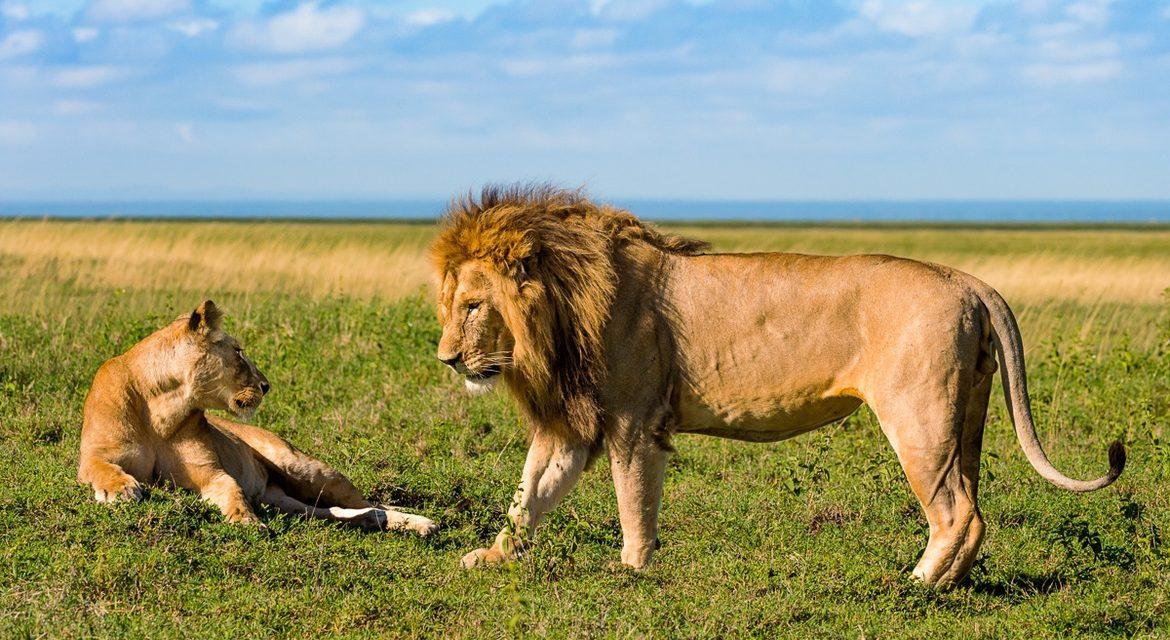
Wildlife encounters should remain natural. A guide should never promise that a gorilla, lion, or leopard will appear.
3. Understand How Communities Benefit
Community-based tourism in Uganda and Rwanda can create income beyond national park boundaries.
For example, visitors can support local craftspeople, community guides, and locally owned accommodation.
However, a village visit is not automatically ethical.
The community should agree to the visit and receive fair compensation. Visitors should also ask permission before photographing residents.
4. Check Fair Employment Practices
Responsible safari companies depend on professional drivers, guides, porters, and lodge employees.
Ask whether the operator uses qualified local guides and provides appropriate working conditions.
You can also ask about reasonable working hours, driver rest, and fair porter payments.
These questions help reveal how a company treats the people delivering your safari.
5. Request Transparent Prices
A reliable safari quotation should explain what the traveller receives.
It should identify accommodation, transport, permits, meals, park fees, and included activities.
Additionally, the company should explain cancellation terms and payment procedures.
Avoid paying large deposits into unexplained personal accounts without verifying the recipient.
Zamunda Travels: A Locally Based Safari Operator
Zamunda Travels Uganda Ltd is a Uganda-based tour company organising private wildlife and cultural safaris across Uganda, Rwanda, Kenya, and Tanzania.
Our Uganda and Rwanda itineraries can include gorilla trekking, chimpanzee trekking, wildlife viewing, and local cultural experiences.
Our company operates under Uganda Tourism Board licence number UTB/RTT/TO/2026/102299. Travellers should independently confirm the current licence status before booking.
At Zamunda Travels, our approach is to plan safaris around authorised park activities, suitable accommodation, and professional guiding.
We also encourage travellers to respect wildlife, follow ranger instructions, and consider locally delivered tourism experiences.
These are our stated operating priorities, not an independent ethical certification.
At Zamunda Travels, our guides explain the importance of wildlife conservation before every gorilla trekking experience. For example, during gorilla trekking in Bwindi Impenetrable National Park, visitors must maintain the required distance from mountain gorillas and follow park ranger instructions. If a gorilla approaches, the ranger directs visitors on how to respond safely without disturbing the animal. We also explain why visitors must avoid flash photography, keep their voices low, and never touch or feed gorillas. These practices help protect mountain gorillas from stress and human diseases while allowing travellers to observe their natural behaviour responsibly.
Travellers can request a private itinerary and ask us about permits, transport, accommodation, and responsible tourism options.
Ethical Gorilla Trekking in Uganda and Rwanda
Ethical gorilla trekking in Uganda and Rwanda requires visitors to follow strict wildlife protection rules.
Mountain gorillas share many biological characteristics with humans. Consequently, they can be vulnerable to certain human infections.
Both countries organise tourism visits to habituated gorilla groups.
Habituated means the gorillas have gradually become accustomed to controlled human observation. They remain wild animals.
Gorilla Trekking in Uganda
Uganda offers gorilla trekking in Bwindi Impenetrable and Mgahinga Gorilla National Parks.
Bwindi has four main trekking sectors: Buhoma, Ruhija, Rushaga, and Nkuringo.
The trekking sector affects accommodation choices, driving routes, and starting locations.
Therefore, our guides at Zamunda Travels recommend confirming the permit sector before selecting a lodge.
Trekking can involve steep terrain, muddy paths, and changing weather. Visitors should discuss their fitness and mobility needs before booking.
Gorilla Trekking in Rwanda
Rwanda’s gorilla trekking takes place in Volcanoes National Park, near Musanze.
The Rwanda Development Board lists a standard foreign visitor permit at US$1,500 in 2026.
The minimum trekking age is 15 years.
Uganda Wildlife Authority publishes its permit rates in official conservation tariff documents. Check the applicable tariff period before confirming a Uganda booking.
Rates change, so confirm current prices with Zamunda Travels.
Rules Responsible Visitors Should Follow
- Follow the ranger’s instructions throughout the trek.
- Maintain the required distance from gorillas.
- Do not trek when you have symptoms of an infectious illness.
- Never feed, touch, or chase wildlife.
- Avoid flash photography.
- Keep your voice low and remain with your group.
Standard gorilla trekking visits generally allow one hour with the gorillas after locating them.
However, the full activity can take several hours because trekking conditions vary.
Best Places for Responsible Wildlife Safaris
Ethical safari operators in Uganda and Rwanda should recommend destinations according to wildlife interests, travel time, and conservation rules.
| Destination | Main wildlife experience | Responsible travel consideration |
|---|---|---|
| Bwindi, Uganda | Mountain gorillas | Follow gorilla protection rules |
| Kibale, Uganda | Chimpanzees | Respect primate viewing rules |
| Queen Elizabeth, Uganda | Lions, elephants, buffaloes | Avoid disturbing animals during game drives |
| Murchison Falls, Uganda | Elephants, giraffes, Nile wildlife | Follow park and boat safari regulations |
| Volcanoes, Rwanda | Mountain gorillas, golden monkeys | Respect ranger instructions |
| Akagera, Rwanda | Savannah wildlife and Big Five | Stay within authorised viewing areas |
| Nyungwe, Rwanda | Chimpanzees and forest wildlife | Protect trails and forest habitats |
Each destination offers different experiences. Therefore, travellers should avoid itineraries that combine too many parks within limited time.
A slower safari can reduce unnecessary driving and create more opportunities for meaningful wildlife observation.
Sample 8-Day Responsible Uganda and Rwanda Safari
This sample itinerary combines primate trekking, wildlife viewing, and community-based experiences.
Day 1: Arrival in Entebbe
Arrive at Entebbe International Airport and meet your safari guide.
Transfer to your accommodation, review the itinerary, and prepare for the journey.
Day 2: Entebbe to Kibale Forest
Travel west towards Kibale National Park.
Depending on arrival time, visit a suitable community tourism project near the forest.
Overnight near Kibale.
Day 3: Chimpanzee Trekking in Kibale
Join an authorised chimpanzee trekking activity with park guides.
Afterwards, consider a guided Bigodi Wetland walk with a local community organisation.
Day 4: Kibale to Queen Elizabeth National Park
Travel south towards Queen Elizabeth National Park.
Enjoy wildlife viewing when time and park conditions permit.
Day 5: Queen Elizabeth to Bwindi
Take a morning game drive before continuing towards Bwindi.
The exact route depends on your gorilla permit sector and accommodation.
Day 6: Gorilla Trekking in Bwindi
Attend the park briefing and join your assigned trekking group.
After the trek, return to your lodge for rest.
Day 7: Bwindi to Kigali
Travel towards Rwanda through an authorised border crossing.
Complete immigration procedures and continue to Kigali.
Day 8: Kigali and Departure
Explore Kigali according to your flight schedule.
Visit suitable cultural or historical sites before your airport transfer.
Planning note: This route involves several long driving days. Adding two or three nights creates a more relaxed safari.
[ADD REAL EXPERIENCE: Describe a genuine guiding tip about preparing guests for a long transfer or early gorilla trekking briefing.]
How Much Does an Ethical Safari Cost?
Ethical safari pricing depends on travel dates, accommodation, permits, group size, and transport.
For example, gorilla permits represent a major fixed expense. Private vehicles, professional guiding, and accommodation also affect the final quotation.
A lower price does not necessarily mean unethical service. However, unusually cheap packages deserve careful examination.
Example Safari Budget Breakdown
| Expense | What travellers should check |
|---|---|
| Gorilla permits | Official rate, nationality category, and trekking date |
| Chimpanzee permits | Park, activity type, and current rate |
| Accommodation | Lodge name, room category, and meal plan |
| Transport | Private or shared vehicle, fuel, and driver-guide |
| Park fees | Entrance charges and included activities |
| Community visits | Local guiding fees and agreed payments |
| Other costs | Visas, tips, insurance, and personal expenses |
For a sample eight-day private safari, request an itemised quotation rather than relying on an unverified package estimate.
Additionally, compare quotes using the same accommodation standard and activities.
Rates change, so confirm current prices with Zamunda Travels.
Best Time for an Ethical Safari in Uganda and Rwanda
Uganda and Rwanda offer wildlife tourism throughout the year.
However, rainfall can affect road conditions, forest trails, and trekking comfort.
| Period | Typical conditions | Planning advice |
|---|---|---|
| December–February | Often relatively drier | Book popular trekking dates early |
| March–May | Generally wetter | Prepare for muddy forest trails |
| June–September | Often relatively drier | Expect strong demand during peak travel |
| October–November | Generally wetter | Allow flexibility for changing conditions |
These periods describe broad seasonal patterns. Local weather can vary considerably.
Furthermore, rainforests may receive rainfall even during drier months.
Our guides at Zamunda Travels recommend carrying waterproof clothing regardless of the season.
Common Mistakes to Avoid
Travellers sometimes focus on price and overlook important booking details.
Avoid these common mistakes:
- Booking before checking the company’s licence.
- Assuming every eco-friendly claim proves responsible practices.
- Choosing accommodation far from the assigned gorilla trekking sector.
- Paying for permits without checking the operator’s booking arrangements.
- Planning unrealistic driving distances between parks.
- Supporting wildlife encounters that involve feeding or disturbing animals.
- Assuming cultural visits always benefit participating communities.
Instead, request a written itinerary and ask questions before making payment.
Safety, Health and Responsible Travel
Responsible wildlife tourism in Africa also requires good preparation.
Before departure, consult your doctor or travel clinic about vaccinations, malaria prevention, and personal health needs.
Check official entry requirements for your nationality and travel route.
For forest trekking, carry suitable boots, rain protection, drinking water, and any necessary personal medication.
Also, consider hiring a local porter where available. Porter services can provide practical assistance while creating local employment.
During game drives, remain inside the vehicle unless your guide confirms it is safe to leave.
Never approach wildlife for photographs. Furthermore, avoid drones unless the relevant authorities have granted permission.
Why Book Directly With a Local Safari Operator?
Booking with a local operator can make communication and itinerary planning more direct.
Local guides understand regional routes, trekking arrangements, seasonal conditions, and practical travel requirements.
However, local ownership alone does not guarantee ethical operations.
Travellers should still verify licensing, payment procedures, wildlife policies, and service standards.
At Zamunda Travels, we welcome questions about safari planning and responsible wildlife experiences.
Our team can help develop private itineraries around your interests, available travel time, and preferred accommodation standard.
Choose a Safari That Respects Wildlife and People
The best ethical safari operators in Uganda and Rwanda should demonstrate responsible practices rather than simply advertise them.
Look for clear business information, conservation awareness, fair local involvement, and transparent pricing.
A well-planned safari should offer meaningful wildlife encounters without compromising animal welfare or community dignity.
Plan Your Responsible Safari With Zamunda Travels
Explore Uganda and Rwanda with a locally based safari company offering personalised travel planning.
Zamunda Travels Uganda Ltd
Website: www.zamundatravels.com
Email: info@zamundatravels.com
WhatsApp: +256 704 705 606
Explore. Experience. Remember.
Frequently Asked Questions
1. How do I find an ethical safari operator in Uganda?
Start by checking the company’s licence through Uganda Tourism Board. Next, request a detailed itinerary and written quotation. Ask about wildlife protection, guide qualifications, and local community benefits. Also, review independent customer feedback carefully. Ethical standards require evidence beyond attractive marketing claims.
2. Is gorilla trekking ethical in Uganda and Rwanda?
Yes, gorilla trekking can support conservation when visitors follow official park rules and tourism is responsibly managed. Permit income contributes to the protected-area system. However, visitors must respect viewing distances, illness restrictions, and ranger instructions. Choose an operator that prioritises gorilla welfare over photography opportunities.
3. Are local safari operators better than international companies?
Local safari operators can offer direct destination knowledge and create local employment opportunities. However, ethical standards depend on actual business practices rather than company location. Compare licensing, guide welfare, conservation policies, and transparent pricing. International agencies may also work responsibly with local ground operators.
4. What is the difference between sustainable and ethical safari tourism?
Sustainable tourism focuses on reducing long-term environmental, social, and economic harm. Ethical tourism also examines immediate decisions, including animal welfare, fair employment, and community consent. The two approaches overlap significantly. A responsible safari company should consider both when planning wildlife encounters and cultural activities.
5. How much does a responsible gorilla safari cost?
The cost depends on the destination, permit category, accommodation, transport, and trip length. Rwanda’s standard foreign visitor gorilla permit is listed at US$1,500 in 2026. Uganda has separate official tariffs. Request an itemised quotation and confirm current permit availability before paying. Rates change, so confirm current prices with Zamunda Travels.