Tanzania Safari from the Netherlands
November 21, 2026
Tanzania Safari from Switzerland
November 21, 2026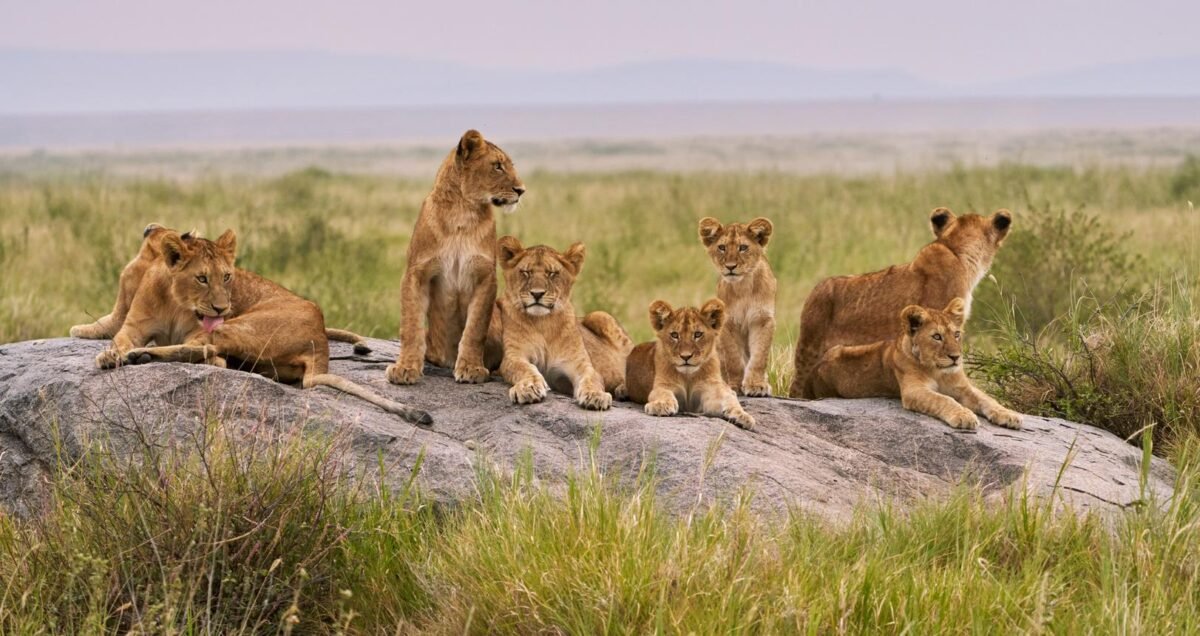
Planning a Tanzania safari from Belgium is an opportunity to explore some of Africa’s most remarkable wildlife destinations. From the open plains of Serengeti National Park to the wildlife-rich Ngorongoro Crater, Tanzania offers safari experiences that can be adapted to different travel interests, budgets and holiday lengths.
For travellers departing from Brussels or elsewhere in Belgium, planning involves more than selecting a national park. You need to consider international flights, travel seasons, safari duration, accommodation, transport and entry requirements.
Whether you want to photograph lions in the Serengeti, watch elephants in Tarangire or combine wildlife viewing with a few days in Zanzibar, a carefully planned itinerary makes a considerable difference.
This guide explains how to organise your Tanzania safari, choose suitable destinations and prepare for your African wildlife holiday.
Why Choose Tanzania for a Safari from Belgium?
Tanzania is one of East Africa’s leading wildlife safari destinations. Its protected areas contain a wide variety of habitats, including savannah grasslands, volcanic landscapes, woodlands and river systems.
For Belgian travellers, Tanzania offers the chance to observe wildlife in its natural environment while exploring different landscapes during a single holiday.
The country is particularly well known for the Serengeti ecosystem, where large herds of wildebeest and zebra move seasonally in search of grazing and water.
Other wildlife attractions include elephants, lions, leopards, buffaloes, giraffes, cheetahs and numerous bird species.
A Tanzania safari can also be combined with cultural experiences, guided nature activities or a beach holiday on Zanzibar.
However, not every destination suits every traveller. Choosing the right parks depends on the wildlife you hope to see, the season and the time available.
Best Safari Destinations in Tanzania
Serengeti National Park: Big Cats and the Great Migration
The Serengeti National Park is one of Tanzania’s most recognised wildlife destinations.
Its extensive plains support lions, cheetahs, leopards, elephants, giraffes and large populations of grazing animals.
What makes the Serengeti special?
The Serengeti is particularly associated with the Great Migration, the seasonal movement of wildebeest and zebra through the wider Serengeti–Mara ecosystem.
The migration is not a single event occurring on a fixed date. Herd movements change with rainfall, grazing conditions and other environmental factors.
Travellers interested in migration photography should therefore select their accommodation and safari region according to their intended travel period.
The central Serengeti is a practical choice for general wildlife viewing, particularly for visitors who want to focus on predators.
The northern Serengeti is associated with seasonal Mara River crossings, although sightings cannot be guaranteed.
For photographers, spending additional nights in the same region may be more rewarding than moving between several distant areas.
Ngorongoro Crater: Wildlife Within a Volcanic Landscape
The Ngorongoro Crater is a large volcanic caldera within the Ngorongoro Conservation Area.
Its grasslands, wetlands and woodland habitats support buffaloes, zebras, wildebeest, lions, hippos and other wildlife.
The crater is also known as one of Tanzania’s important locations for observing black rhinoceroses, although sightings are never assured.
A crater safari normally involves descending from the rim in a suitable safari vehicle and exploring designated tracks on the crater floor.
Visitors should understand that Ngorongoro has its own conservation charges, including vehicle-related charges for crater access. These can significantly influence the cost of a safari.
Ngorongoro works particularly well alongside Tarangire and Serengeti in a northern Tanzania itinerary.
Tarangire National Park: Elephants and Baobab Trees
Tarangire National Park is known for its elephant populations, baobab trees and seasonal wildlife concentrations.
During drier periods, animals may gather around the Tarangire River and other available water sources.
Besides elephants, visitors may encounter giraffes, zebras, buffaloes, antelopes and predators.
Tarangire offers a different landscape from the open plains of the Serengeti. Its woodlands and riverine habitats also provide opportunities for birdwatching.
For travellers with limited time, Tarangire can be included in a shorter northern Tanzania safari.
Lake Manyara National Park: Forests, Birds and Rift Valley Scenery
Lake Manyara National Park lies along the Great Rift Valley escarpment.
The park contains groundwater forests, open habitats and a lake environment that attracts various bird species.
Visitors may see elephants, baboons, monkeys, giraffes and other animals.
Lake Manyara is sometimes associated with tree-climbing lions. However, this behaviour is not guaranteed during a game drive.
The park is worth considering for travellers interested in varied landscapes and birdlife rather than those seeking only large predator sightings.
Nyerere National Park: A Different Safari Experience
Nyerere National Park offers an alternative to Tanzania’s more frequently visited northern safari circuit.
Its landscapes include woodland, grassland and the Rufiji River system.
Depending on the location, operating arrangements and current park rules, safari programmes may include game drives and authorised boat excursions.
Nyerere can suit travellers seeking a river-focused wildlife experience or a southern Tanzania itinerary.
However, it should not automatically be combined with Serengeti or Ngorongoro on a short holiday. The geographical separation can make transfers expensive or time-consuming.
Ruaha National Park: Wildlife and Remote Landscapes
Ruaha National Park is another important destination in southern Tanzania.
The park is known for its rugged landscapes, baobab woodlands, river systems and predators.
Ruaha is especially appealing to travellers who want to spend several days exploring a large protected area rather than visiting many parks in quick succession.
Because access and accommodation arrangements differ from those of the northern circuit, a Ruaha safari should be planned around suitable transfers and available lodges.
Best Time to Visit Tanzania from Belgium
Tanzania offers wildlife viewing throughout the year, but the experience changes with rainfall, vegetation and animal movements.
June to October: Generally Drier Conditions
June to October is commonly considered a favourable period for wildlife safaris in much of Tanzania.
Vegetation may be less dense, and wildlife can become easier to observe around available water sources.
These months are particularly popular for Serengeti and Tarangire safaris.
However, demand for accommodation can be high, especially during popular holiday periods.
Travellers from Belgium planning a safari during the European summer holidays should consider arranging accommodation well in advance.
November to December: Changing Conditions
Short seasonal rains may occur in parts of northern Tanzania during November and December.
The landscape can become greener, while wildlife remains present across the protected areas.
Rainfall patterns vary from year to year, so visitors should not assume that every day will be wet.
This period can appeal to travellers who prefer greener scenery and are comfortable with some uncertainty in road and weather conditions.
January to March: Calving Season in the Southern Serengeti Ecosystem
During suitable seasonal conditions, large migratory herds may gather around the southern Serengeti and Ndutu region.
The calving period is particularly interesting for travellers hoping to observe young wildebeest and predator activity.
However, the exact location and timing of wildlife movements depend on rainfall.
A safari planned specifically around calving should allow flexibility in the choice of camp and wildlife-viewing area.
April to May: Rainier Safari Conditions
April and May are often associated with the longer rainy season in northern Tanzania.
Heavy rainfall can affect road conditions, travel times and wildlife-viewing arrangements.
Some seasonal accommodation properties may also close temporarily.
Nevertheless, the landscapes can be exceptionally green, and certain travellers may appreciate quieter conditions.
Before choosing these months, confirm the accessibility of your intended parks and accommodation.
How to Travel from Belgium to Tanzania
International Flights from Belgium
For many Belgian travellers, Brussels Airport is the natural starting point for an international journey to Tanzania.
Depending on the airline and travel date, flights may involve connections through major international hubs.
The most useful arrival airport depends on the safari itinerary.
Kilimanjaro International Airport is a common gateway for northern Tanzania safaris, including Arusha, Tarangire, Ngorongoro and Serengeti.
Julius Nyerere International Airport in Dar es Salaam is useful for some southern Tanzania itineraries and onward domestic connections.
Abeid Amani Karume International Airport serves Zanzibar.
Travellers should compare complete journeys rather than selecting flights solely by ticket price.
A cheaper flight with an inconvenient arrival time may require an additional hotel night or complicate the beginning of a safari.
Flight routes, connection times and schedules should always be checked with the airline before booking.
Should You Arrive in Kilimanjaro or Dar es Salaam?
For a safari focused on Serengeti, Ngorongoro and Tarangire, Kilimanjaro International Airport is generally the more convenient international gateway.
For a southern Tanzania safari involving Nyerere or Ruaha, Dar es Salaam may offer more practical onward connections.
If your holiday combines a northern Tanzania safari with Zanzibar, an open-jaw flight arrangement may be worth comparing.
This means arriving through one airport and departing through another.
However, the best arrangement depends on current airline schedules, domestic flight availability and the overall itinerary.
How Many Days Do You Need for a Tanzania Safari?
The ideal safari duration depends on the number of parks, your wildlife interests and whether you want to include Zanzibar.
Four to Five Days
A shorter safari can focus on selected northern Tanzania destinations.
For example, travellers may combine Tarangire with Ngorongoro or concentrate on one wildlife region.
Trying to include too many distant parks in four or five days can leave insufficient time for game drives.
Six to Eight Days
Six to eight days offers more flexibility for a northern Tanzania safari.
A suitable itinerary may include Tarangire, Ngorongoro and Serengeti, with additional time for wildlife viewing.
This duration can be a practical choice for Belgian travellers who want a dedicated wildlife holiday without spending too much time changing accommodation.
Nine to Fourteen Days
A longer holiday allows travellers to explore Tanzania at a more relaxed pace.
You may spend additional nights in the Serengeti, visit another safari destination or combine wildlife viewing with Zanzibar.
For travellers interested in photography, extra time in fewer locations can be more valuable than visiting every available park.
Example Seven-Day Tanzania Safari Itinerary
The following itinerary is an illustrative northern Tanzania route, not a confirmed Zamunda departure or quotation.
Day 1: Arrival at Kilimanjaro International Airport
Arrive at Kilimanjaro International Airport and transfer to accommodation in Arusha.
Depending on your arrival time, the remainder of the day can be used for rest and safari preparation.
Overnight in Arusha.
Day 2: Arusha to Tarangire National Park
Depart Arusha and travel towards Tarangire National Park.
Enjoy an afternoon game drive, looking for elephants, giraffes, zebras and other wildlife.
Overnight in the Tarangire or Karatu area, depending on the selected accommodation.
Day 3: Transfer to Serengeti National Park
Travel towards Serengeti National Park through the northern Tanzania safari circuit.
The journey involves substantial road travel, so the exact schedule should be planned around accommodation location and park access.
Enjoy wildlife viewing when time permits.
Overnight in the Serengeti.
Day 4: Full-Day Serengeti Safari
Spend the day exploring the Serengeti.
Wildlife-viewing priorities may include lions, cheetahs, leopards, elephants and migratory grazing animals.
The day’s route should reflect wildlife movements and the location of your camp.
Overnight in the Serengeti.
Day 5: Serengeti to Ngorongoro Area
Enjoy a morning wildlife drive before travelling towards the Ngorongoro Conservation Area.
The afternoon will involve a transfer towards accommodation near the crater or in the Karatu area.
Overnight near Ngorongoro.
Day 6: Ngorongoro Crater Safari
Descend into Ngorongoro Crater for a wildlife-viewing excursion, subject to the applicable access arrangements.
Look for buffaloes, zebras, wildebeest, lions, hippos and other animals.
After the excursion, continue to accommodation in Karatu or another suitable location.
Day 7: Return to Arusha or Kilimanjaro Airport
Travel back towards Arusha or Kilimanjaro International Airport.
An international departure should only be scheduled when the confirmed transfer time provides an adequate margin for check-in and unexpected delays.
This itinerary is best treated as a starting point. Travellers who want more time in the Serengeti should consider adding at least another night.
How Much Does a Tanzania Safari from Belgium Cost?
The total cost of a Tanzania safari depends on the itinerary, travel season, accommodation category, group size and transport arrangements.
International flights, conservation fees and the number of nights spent inside national parks can substantially affect the budget.
Main Factors Affecting Safari Prices
Accommodation is one of the largest variables.
Travellers can choose between simpler lodges, comfortable mid-range properties and luxury tented camps.
Location also matters. Accommodation inside or close to a national park may offer different wildlife-viewing advantages and cost implications.
Transport is another important consideration.
A private safari vehicle provides greater flexibility, while shared arrangements may reduce certain costs.
Park entry fees, conservation charges and special activities also contribute to the final price.
For example, the Ngorongoro Conservation Area Authority publishes separate categories of conservation and crater-related charges. These should be checked against the intended itinerary.
What Should Be Included in a Safari Quotation?
Before paying a deposit, ask your operator to clarify whether the quotation includes:
-
Airport transfers and safari transport
-
Driver-guide services
-
Accommodation and the stated meal plan
-
National park and conservation fees
-
Drinking water during game drives
-
Domestic flights, where applicable
-
Optional activities and excursions
-
Taxes and other mandatory charges
International flights, visas, insurance, gratuities and personal expenses should be identified separately unless expressly included.
Zamunda Travels Uganda Ltd can prepare a tailored quotation based on your dates, number of travellers, preferred accommodation and wildlife interests.
Requesting a detailed itinerary before confirming your booking makes it easier to compare the actual services offered.
Private Safari or Group Safari: Which Is Better?
A private safari gives travellers greater control over their schedule, accommodation and wildlife-viewing priorities.
For example, photographers may prefer to spend longer observing a particular animal rather than following a fixed group itinerary.
Families and couples may also appreciate having their own vehicle and guide.
A group safari can be suitable for travellers who want to share transport costs and meet other visitors.
However, group programmes generally follow a more fixed schedule.
When comparing the two options, consider more than the advertised price.
Ask about vehicle occupancy, window access, luggage restrictions, guiding arrangements and how much time is allocated to game drives.
Tanzania Visa Requirements for Belgian Citizens
Belgian passport holders travelling to Tanzania for tourism should prepare their entry documents before departure.
Tanzania Immigration provides an official electronic visa application system for travellers visiting mainland Tanzania and Zanzibar.
The ordinary single-entry tourist visa currently has an official fee of USD 50 and a validity of up to 90 days, according to the Tanzania Immigration guidelines consulted in November 2026. This is the visa fee only; it does not include travel insurance or other holiday costs.
Applications require the relevant passport information, supporting documents and payment.
Travellers should check their passport validity, entry eligibility and application status before travelling. Visa approval does not remove the immigration officer’s authority to make the final entry decision.
Official information: Tanzania Immigration eVisa Portal.
Mandatory Inbound Travel Insurance
Belgian Foreign Affairs guidance updated on 2 October 2026 states that visitors entering Tanzania, except residents, must hold designated inbound travel insurance introduced from 1 October 2026.
According to that guidance, visitors arriving through mainland Tanzania must obtain the applicable National Insurance Corporation cover, while those entering through Zanzibar must obtain the applicable Zanzibar Insurance Corporation cover.
The guidance also explains that the cover is valid for both mainland Tanzania and Zanzibar, so travellers do not need to purchase both policies solely because they visit both areas.
This requirement is separate from any comprehensive travel insurance you already hold.
Check the current rules and applicable insurance charge before departure.
Official information: Belgian Foreign Affairs — Tanzania Travel Advice.
Health and Safety Advice for Belgian Travellers
A Tanzania safari involves travel through tropical environments and, in some cases, areas with limited access to advanced medical facilities.
Belgian travellers should arrange a travel-health consultation before departure.
The Belgian travel-medicine resource Wanda recommends discussing health precautions with a doctor or travel clinic, preferably six to eight weeks before travelling.
Malaria Prevention
Malaria is an important health consideration in mainland Tanzania and Zanzibar.
Preventive medication and mosquito-bite precautions may be recommended depending on the itinerary and individual circumstances.
Consult a qualified healthcare professional rather than selecting medication independently.
Vaccinations
Routine vaccinations should be reviewed before travelling.
Hepatitis A vaccination is recommended in Belgian travel-health guidance, while other vaccinations depend on individual circumstances.
Yellow fever vaccination is not normally required when travelling directly from Belgium, but it can become mandatory after travel through certain countries, including some longer airport transits.
Your complete flight route therefore matters.
Official health guidance: Wanda — Tanzania Travel Health Information.
Safety During a Safari
Always follow your guide’s instructions inside national parks.
Wild animals can behave unpredictably, even when they appear calm.
Remain inside the safari vehicle unless your guide confirms that leaving is permitted and safe.
Avoid approaching wildlife, feeding animals or attempting to attract their attention.
When staying in unfenced camps, follow the property’s instructions about moving around after dark.
Common Mistakes to Avoid When Planning a Tanzania Safari
One common planning mistake is trying to visit too many national parks within a short holiday.
Although several destinations may appear close on a map, road conditions, park access and game-drive schedules can make travel days longer than expected.
Another mistake is booking accommodation without considering its location.
A lodge situated far from the main wildlife-viewing area may require additional driving before the game drive begins.
Travellers should also avoid treating the Great Migration as a guaranteed event at a particular location.
Migration movements are influenced by changing environmental conditions, and river crossings cannot be scheduled.
Finally, do not compare safari quotations based on price alone.
A cheaper itinerary may exclude important park charges, offer fewer game drives or use accommodation farther from the intended wildlife areas.
Understanding these differences helps you select a safari that suits your expectations.
Can You Combine a Tanzania Safari with Zanzibar?
Yes. A Tanzania wildlife safari can be combined with a beach holiday in Zanzibar.
This arrangement is particularly appealing to travellers who want several days of game drives followed by time beside the Indian Ocean.
A typical combination may involve a northern Tanzania safari followed by a domestic flight to Zanzibar.
The number of beach nights depends on your interests and available holiday time.
However, Zanzibar should not automatically be added to every itinerary.
Travellers who are primarily interested in wildlife photography may prefer to spend their additional days in the Serengeti or another national park.
The best option is the one that matches your travel priorities.
Planning Your Tanzania Safari with Zamunda Travels
A well-designed safari should reflect your travel dates, wildlife interests, preferred accommodation and available budget.
Zamunda Travels Uganda Ltd helps travellers plan tailored East African safari itineraries, including wildlife experiences in Tanzania.
When requesting a quotation, provide your intended travel dates, number of travellers, preferred safari duration and accommodation category.
It is also useful to mention whether you are particularly interested in the Great Migration, big cats, elephants, photography or a combination with Zanzibar.
These details make it easier to develop an itinerary that prioritises the experiences most important to you.
Start Planning Your Tanzania Safari from Belgium
A Tanzania safari from Belgium offers the opportunity to explore some of East Africa’s most important wildlife landscapes.
The key to a successful holiday is choosing suitable destinations, allowing enough time for wildlife viewing and understanding the practical arrangements before booking.
Whether you prefer the Serengeti, Ngorongoro, Tarangire or southern Tanzania, your itinerary should reflect your interests rather than simply include as many parks as possible.
For a personalised Tanzania safari itinerary, contact Zamunda Travels Uganda Ltd with your preferred travel dates and safari requirements.
Zamunda Travels Uganda Ltd | www.zamundatravels.com | info@zamundatravels.com | WhatsApp +256 704 705 606 | Beyond Expedition
Frequently Asked Questions About Tanzania Safaris from Belgium
1. Can I travel from Belgium to Tanzania for a safari?
Yes. Belgian travellers can visit Tanzania for wildlife safaris, subject to the applicable passport, visa, insurance and health requirements. Brussels Airport is a useful departure point, while Kilimanjaro International Airport is commonly used for northern Tanzania safaris. Check current flight connections and entry requirements before confirming your travel arrangements.
2. How much does a Tanzania safari from Belgium cost?
The cost depends on the number of safari days, accommodation standard, transport arrangements, park fees and international flights. Private and group safaris may have different pricing structures. Request a detailed quotation showing inclusions and exclusions rather than relying on a general advertised price that may not match your travel dates.
3. What is the best month for a Tanzania safari?
There is no single best month for every safari. June to October generally offers favourable wildlife-viewing conditions in many parks. Travellers interested in southern Serengeti calving may prefer part of the January-to-March period. Migration locations and weather patterns vary, so the best dates depend on your priorities.
4. Do Belgian citizens need a visa for Tanzania?
Yes, Belgian tourists generally require a visa for Tanzania. The official immigration portal offers an electronic application system. The ordinary tourist visa fee listed in November 2026 is USD 50, with validity of up to 90 days. Check the latest requirements before applying and ensure your passport meets the entry conditions.
5. Is seven days enough for a Tanzania safari?
Yes. Seven days can provide a rewarding northern Tanzania safari, especially when focusing on Tarangire, Serengeti and Ngorongoro. However, the itinerary should account for driving time and accommodation locations. Travellers seeking extensive wildlife photography or more time in the Serengeti may benefit from a longer safari.
6. Can I combine Serengeti and Zanzibar in one holiday?
Yes. Serengeti and Zanzibar can be combined using suitable domestic flight arrangements. This allows travellers to enjoy wildlife viewing followed by time on the coast. The best sequence depends on international flights, domestic connections and the number of days available. Allow enough time for both destinations rather than rushing the safari.