Tanzania Safari from Spain
November 20, 2026
Tanzania Safari from Belgium
November 21, 2026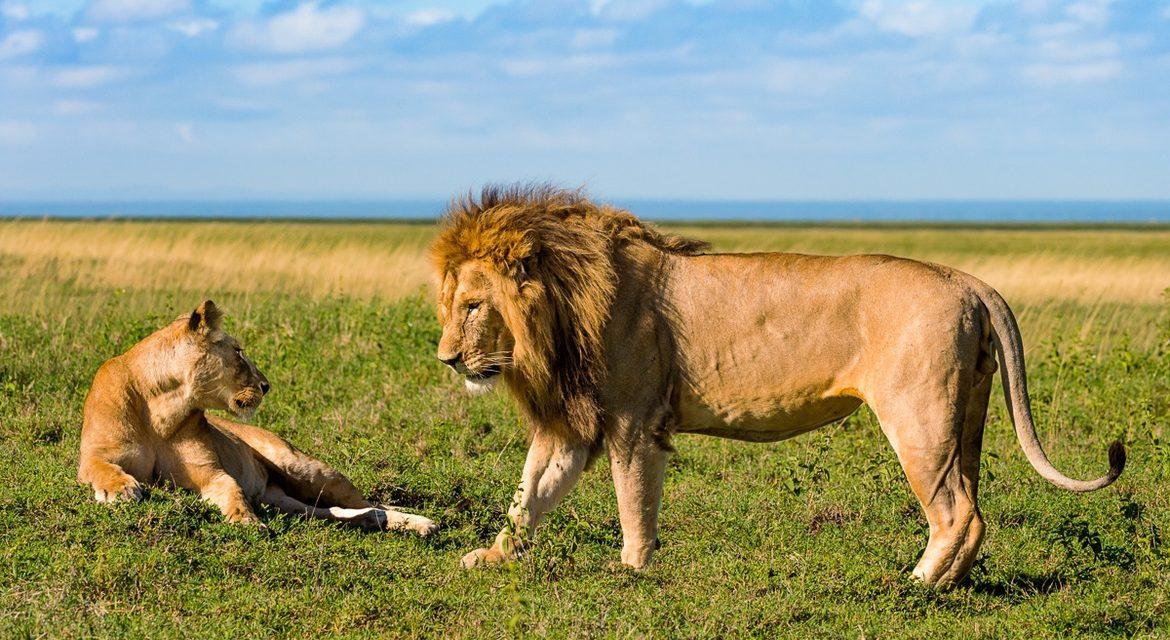
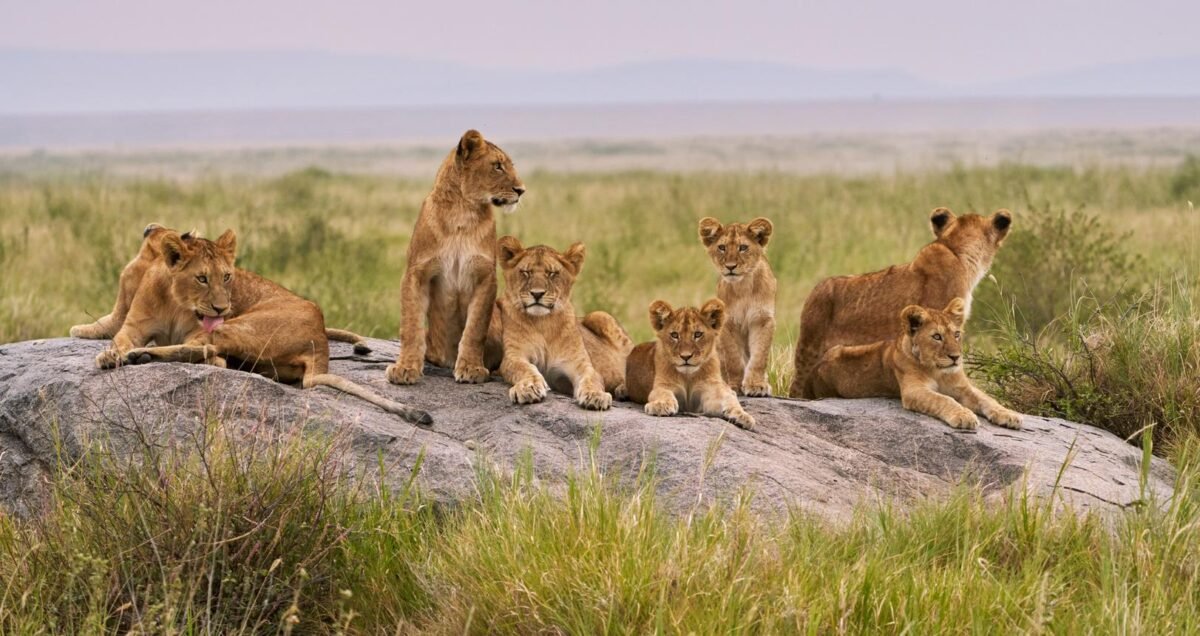
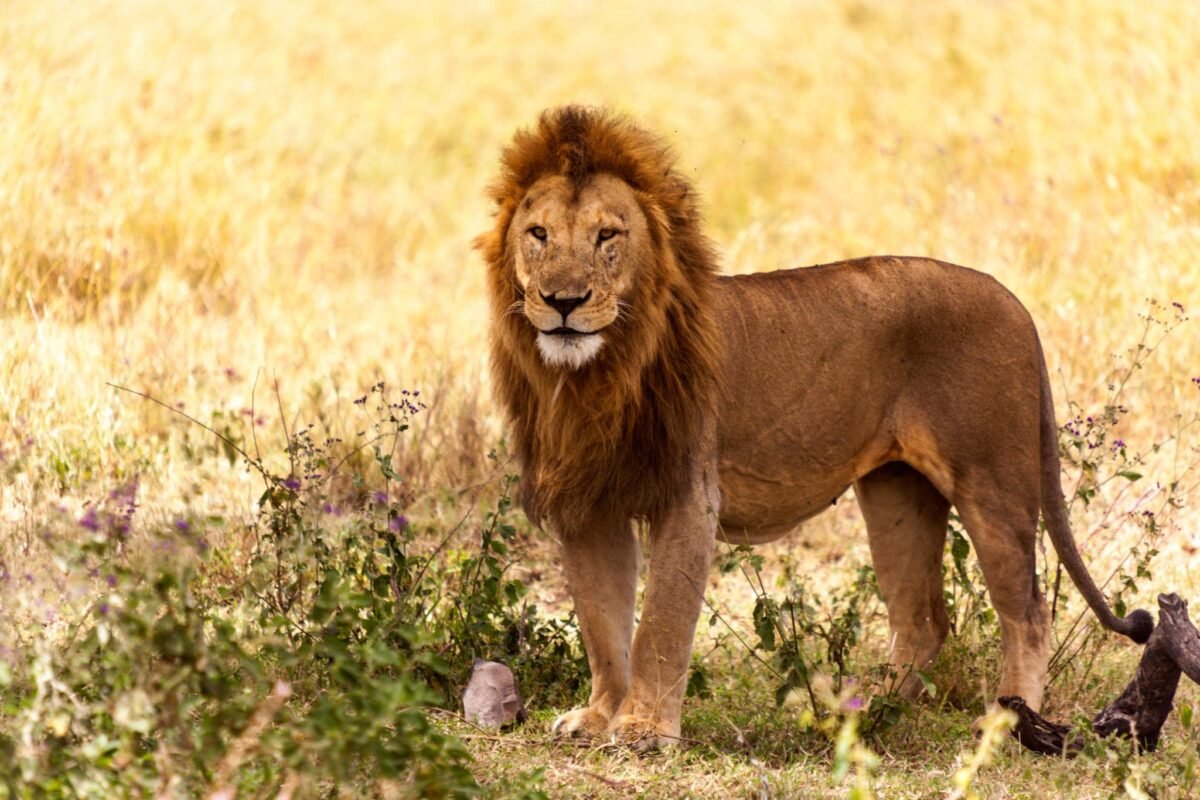
A Tanzania safari from the Netherlands offers an opportunity to explore some of Africa’s most important wildlife destinations. From the open plains of the Serengeti to the wildlife-rich Ngorongoro Crater, Tanzania provides excellent opportunities to observe lions, elephants, giraffes, zebras and other animals in their natural habitats.
For travellers departing from Amsterdam, planning a safari involves more than choosing a national park. You need to consider international flights, the best travel season, accommodation, transport, travel documents and the number of days available.
Whether you prefer a private wildlife safari, a family holiday or a safari combined with Zanzibar, understanding these details will help you plan a more comfortable and rewarding trip.
This guide explains how to organise your Tanzania safari from the Netherlands, which destinations to consider and what to check before booking.
Why choose Tanzania for a safari from the Netherlands?
Tanzania is one of East Africa’s leading safari destinations. Its national parks and conservation areas protect varied landscapes, from open grasslands and volcanic highlands to woodlands and seasonal wetlands.
The country is particularly attractive to travellers interested in large mammals, wildlife photography and extended game drives.
Unlike a short wildlife excursion, a multi-day safari allows visitors to explore different habitats and observe animals at different times of the day.
The northern safari circuit is especially popular because it connects several major wildlife destinations.
These include Serengeti National Park, Ngorongoro Conservation Area, Tarangire National Park and Lake Manyara National Park.
Travellers can choose between comfortable mid-range lodges, tented safari camps and more luxurious accommodation.
For visitors from the Netherlands, Tanzania also offers the possibility of combining a wildlife holiday with time on the beaches of Zanzibar.
How to travel from Amsterdam to Tanzania
Most travellers from the Netherlands begin their journey at Amsterdam Airport Schiphol.
The most suitable arrival airport depends on the destinations included in your safari itinerary.
Flying from Amsterdam to Kilimanjaro International Airport
Kilimanjaro International Airport is a practical gateway for travellers planning a northern Tanzania safari.
It serves the wider Arusha and Moshi region, making it suitable for itineraries visiting Tarangire, Ngorongoro and Serengeti.
Travellers can investigate direct or connecting flight options from Amsterdam, depending on airline schedules and travel dates.
Flight availability, baggage allowances and connection times should be confirmed directly with the airline before booking.
Flying to Dar es Salaam
Julius Nyerere International Airport in Dar es Salaam is another international arrival option.
It can be suitable for travellers interested in southern Tanzania or those arranging onward travel to other parts of the country.
However, arriving in Dar es Salaam for a northern circuit may create unnecessary additional travel.
Choose the airport according to your actual itinerary rather than the lowest international airfare alone.
Flying to Zanzibar
Zanzibar is another possible arrival or departure point for travellers combining a safari with a beach holiday.
For example, visitors may begin their journey on mainland Tanzania and finish in Zanzibar before returning to Europe.
This arrangement can reduce unnecessary backtracking, although domestic flight connections and baggage restrictions must be checked.
Planning your international flights
Before buying international tickets, confirm your safari’s proposed starting and finishing locations.
It is also worth checking whether a multi-city ticket is more practical than returning to the same airport.
If your flight arrives late in the evening, consider spending the first night near your arrival location.
Starting a long road transfer immediately after an international journey can make the beginning of your safari unnecessarily tiring.
Best safari destinations in Tanzania
Tanzania offers several wildlife areas, but they provide different experiences.
The best destination depends on your interests, travel season, budget and available time.
Serengeti National Park
Best for: Big cats, open savannah, wildlife photography and the Great Migration.
The Serengeti National Park is one of Africa’s best-known wildlife destinations.
Its extensive grasslands support wildebeest, zebras, gazelles, giraffes, elephants and numerous predators.
Lions, cheetahs and leopards are among the animals visitors hope to encounter during game drives.
The Serengeti is also associated with the Great Migration, the seasonal movement of wildebeest and other grazing animals through the wider Serengeti–Mara ecosystem.
However, the migration does not remain in one location throughout the year.
Rainfall, grazing conditions and animal movements influence where herds may be found.
For this reason, travellers interested in the migration should choose their travel dates and accommodation locations carefully.
A safari in the Serengeti can still be rewarding outside the most publicised migration periods because resident wildlife remains throughout the year.
Ngorongoro Conservation Area
Best for: Concentrated wildlife viewing and volcanic landscapes.
The Ngorongoro Conservation Area is known for its remarkable volcanic landscape and the Ngorongoro Crater.
The crater floor contains grasslands, woodland and wetland habitats that support a variety of wildlife.
Visitors may encounter buffaloes, zebras, wildebeest, elephants, lions and other species.
Black rhinoceroses also occur in the crater, although sightings are never guaranteed.
The surrounding highlands offer a different landscape from the open Serengeti plains.
Ngorongoro is often combined with Serengeti and Tarangire on northern Tanzania safari itineraries.
Tarangire National Park
Best for: Elephants, baobab trees and seasonal wildlife concentrations.
Tarangire National Park is particularly well known for its elephants and large baobab trees.
The park contains woodland, grassland and riverine habitats.
During drier periods, the Tarangire River and other available water sources attract wildlife from surrounding areas.
Visitors may encounter elephants, giraffes, zebras, buffaloes and various antelope species.
Tarangire is an excellent option for travellers who enjoy observing elephant behaviour and photographing wildlife against distinctive landscapes.
It can also fit naturally into a northern Tanzania safari itinerary.
Lake Manyara National Park
Best for: Birdwatching, varied habitats and shorter wildlife excursions.
Lake Manyara National Park offers a different environment from the Serengeti.
Its habitats include groundwater forest, woodland, open areas and the lake environment.
The park is associated with elephants, monkeys, birdlife and occasional sightings of tree-climbing lions.
However, visitors should not assume that tree-climbing lions will be seen during every game drive.
Lake Manyara may be a worthwhile addition for travellers interested in birdwatching and landscape variety.
When time is limited, it is important to decide whether including another park will improve the overall experience or simply increase travel time.
Best time to visit Tanzania from the Netherlands
Tanzania can be visited throughout the year, but different months offer different safari conditions.
The most suitable travel period depends on wildlife interests, weather preferences and the destinations included.
June to October: Popular dry-season safari months
These months generally bring drier conditions to much of the northern safari circuit.
Vegetation may be less dense, and animals often gather around available water sources.
This can make wildlife observation easier in some areas.
The period is particularly popular for Serengeti and Tarangire safaris.
However, popular travel dates can also mean greater demand for accommodation and safari services.
Travellers planning holidays during the Dutch summer school break should consider arranging their preferred accommodation well in advance.
November to December: Short rains and changing landscapes
Northern Tanzania often experiences a shorter rainy period towards the end of the year.
Rainfall patterns vary, and some areas may remain relatively dry.
Fresh vegetation can create attractive conditions for landscape photography.
Wildlife viewing remains possible, although rain may affect road conditions and travel schedules.
January to February: Southern Serengeti wildlife season
January and February can be attractive months for travellers interested in the southern Serengeti ecosystem.
The wider southern plains are associated with the wildebeest calving period, although exact animal movements vary.
Predators may be active around areas where grazing animals gather.
Travellers interested in this experience should confirm where seasonal camps are operating and whether their itinerary reaches the appropriate wildlife areas.
March to May: Wetter conditions and fewer visitors in some areas
March to May is generally associated with the longer rainy season.
Some roads become more difficult to use, and certain accommodation providers may operate seasonally.
However, the landscape can be particularly green, and some destinations experience lower visitor demand.
This period may suit flexible travellers who understand that weather can affect game drives and transfers.
Which season should you choose?
If your priority is general wildlife viewing, the drier months are often a sensible starting point.
For calving-season interests, consider the southern Serengeti during the appropriate early-year period.
If photography, green landscapes or quieter travel conditions matter more, a shoulder-season safari may be worth exploring.
No season guarantees particular wildlife sightings.
How many days do you need for a Tanzania safari?
The number of days available has a major influence on the quality of your safari.
For travellers coming from the Netherlands, a longer holiday often provides better value from the international journey.
A 5–7 day safari
A shorter safari can focus on selected northern destinations.
For example, travellers may combine Tarangire, Ngorongoro and part of the Serengeti.
However, a short itinerary covering too many parks may involve considerable time on the road.
It is generally better to visit fewer places properly than to rush through several wildlife areas.
An 8–10 day safari
This is a useful planning range for travellers who want more time for wildlife observation.
An itinerary can include several nights in the Serengeti, a visit to Ngorongoro and time in Tarangire.
Additional nights provide greater flexibility for game drives and wildlife photography.
An 11–14 day holiday
A longer holiday offers more flexibility.
Travellers can spend additional time in the national parks or combine a northern Tanzania safari with Zanzibar.
This is particularly attractive to visitors who want both active wildlife experiences and a few quieter days before returning to the Netherlands.
Sample Tanzania safari itineraries
The following are illustrative itinerary structures, not confirmed Zamunda packages. Final routes depend on accommodation availability, road conditions, flights and travel dates.
7-day northern Tanzania safari
| Day | Suggested programme |
|---|---|
| 1 | Arrive at Kilimanjaro International Airport and transfer to Arusha |
| 2 | Tarangire National Park game drive |
| 3 | Travel towards the Serengeti |
| 4 | Full-day Serengeti wildlife viewing |
| 5 | Further Serengeti game drives |
| 6 | Ngorongoro area and overnight accommodation |
| 7 | Ngorongoro Crater visit and onward travel arrangements |
The final day requires careful scheduling. A crater visit and an international departure should not be combined without confirming the actual transfer and flight arrangements.
10-day Tanzania safari
A longer itinerary can provide a more relaxed experience.
Travellers may begin in Arusha, explore Tarangire and continue towards Ngorongoro and Serengeti.
Several nights in the Serengeti allow time for game drives in different areas.
The remaining days can be used for a comfortable return journey or an onward flight, depending on the chosen route.
This option is suitable for travellers who prefer wildlife viewing over frequent hotel changes.
14-day Tanzania safari and Zanzibar
A two-week holiday can combine the northern safari circuit with time on the coast.
One possible structure is:
-
Arrival and overnight stay in Arusha
-
Tarangire wildlife viewing
-
Ngorongoro Conservation Area
-
Several nights in the Serengeti
-
Transfer or flight towards Zanzibar
-
Beach accommodation and optional cultural activities
-
Departure from Zanzibar
The exact allocation of nights should reflect the traveller’s priorities.
Wildlife enthusiasts may prefer more time in the Serengeti, while couples or families may choose a longer beach stay.
How much does a Tanzania safari from the Netherlands cost?
The cost of a Tanzania safari depends on several factors, including travel season, accommodation category, group size and itinerary length.
Private safaris and shared group tours may also have different pricing structures.
A complete holiday budget should account for international flights, safari services and personal expenses.
What usually affects safari prices?
Accommodation is one of the main cost considerations.
Luxury lodges and exclusive tented camps generally cost more than simpler accommodation.
The number of travellers also matters because a private vehicle and guide may be shared between members of the same group.
Park entrance charges, conservation fees, transport and the number of safari days can significantly affect the quotation.
Domestic flights may increase the cost but can reduce time spent travelling by road.
What should a safari quotation include?
Before booking, request a detailed breakdown of the proposed package.
Check whether the quotation includes accommodation, meals, park fees, conservation charges, a safari vehicle, guiding services, drinking water and airport transfers.
Also confirm which services are excluded.
International flights, visas, insurance, tips, alcoholic drinks and optional activities may be charged separately.
Two safari packages with different inclusions should not be compared using their advertised prices alone.
Paying for a safari from the Netherlands
Travellers in the Netherlands generally budget in euros, while many East African safari quotations are presented in US dollars.
Before paying, confirm the quotation currency, exchange-rate arrangements, payment method and any transaction charges.
It is also important to understand the deposit, cancellation and refund conditions.
For a personalised Tanzania safari quotation, Zamunda Travels Uganda Ltd can be contacted with your proposed dates, number of travellers, accommodation preferences and preferred destinations.
Private safari or group safari: which is better?
Both private and group safaris can provide enjoyable wildlife experiences.
The best choice depends on your travel style and priorities.
Private Tanzania safari
A private safari provides a dedicated vehicle and an itinerary arranged for your travelling party.
It can offer greater flexibility around departure times, wildlife interests and accommodation choices.
This option is particularly suitable for couples, families and wildlife photographers who prefer a personalised schedule.
However, private arrangements may cost more per person, especially for solo travellers.
Group Tanzania safari
A group safari brings travellers together under a shared itinerary.
Transport and some operational costs are distributed among participants.
This may make group travel more affordable for individuals or smaller travelling parties.
However, departure dates, accommodation and daily schedules are usually less flexible.
Before choosing a group tour, ask about the maximum group size, vehicle seating arrangements and the amount of time allocated to wildlife viewing.
Tanzania visa requirements for travellers from the Netherlands
Dutch passport holders need a visa to visit Tanzania for tourism.
Tanzania Immigration Services provides an official online visa application system. Eligible travellers may also have access to visa-on-arrival facilities, but applying online before departure can make planning more straightforward.
The official immigration guidance states that applicants need a passport with at least six months’ validity and an unused visa page. Travellers must also meet the applicable entry-document requirements.
The ordinary tourist visa fee listed by Tanzania Immigration Services is USD 50, with a validity of up to 90 days. This is the government visa fee, not a safari package charge.
For current application requirements, consult the official Tanzania Immigration visa guidelines.
Travellers living in the Netherlands who hold another country’s passport should check the rules for their nationality rather than assuming Dutch passport requirements apply.
Travel insurance, health and safety
Health preparation is an important part of planning a safari.
Before travelling, consult a recognised travel-health professional in the Netherlands.
The GGD Tanzania travel vaccination guidance provides information about recommended vaccinations, malaria prevention and other health considerations.
The advice may differ depending on your route, medical history and previous vaccinations.
Yellow fever and malaria
Yellow fever vaccination certificate requirements can depend on the countries visited or transited before entering Tanzania.
Travellers should check the current rules for their complete journey, including flight connections.
Malaria is also a health consideration in Tanzania.
Ask a travel-health professional whether malaria prevention medication is appropriate for your itinerary.
Insect repellent, suitable clothing and other mosquito-avoidance measures remain important.
Travel insurance
Travellers should arrange appropriate medical and travel insurance before departure.
Dutch government travel advice updated in October 2026 also identifies a compulsory local Tanzanian travel insurance requirement introduced on 1 October 2026.
The appropriate local insurance arrangement depends on whether visitors first arrive on mainland Tanzania or Zanzibar.
This local insurance does not replace comprehensive travel insurance from the Netherlands.
Check the latest requirements through Netherlands Worldwide Tanzania travel advice before departure.
Safety during a safari
Wild animals should always be treated with caution.
Follow your guide’s instructions, remain inside the vehicle where required and avoid approaching animals.
Do not leave accommodation areas at night without following the property’s safety procedures.
Outside national parks, use reliable transport arrangements and remain attentive to personal belongings.
Travellers should also monitor official Dutch travel advice because regional security and health conditions can change.
Combining a Tanzania safari with Zanzibar
A Tanzania safari and Zanzibar holiday is a popular combination for travellers who want both wildlife experiences and time by the Indian Ocean.
After several days of early game drives, a beach stay can provide a more relaxed end to the holiday.
Zanzibar offers beaches, coastal activities and cultural attractions, including historic Stone Town.
However, adding Zanzibar requires additional planning.
Travellers need to consider domestic flights or other suitable transfers, accommodation locations and departure arrangements.
It is also important to verify the applicable local travel insurance and entry procedures.
For travellers with limited time, spending more days in the national parks may be preferable to adding a short beach stay that involves additional travel.
Common mistakes to avoid when planning a Tanzania safari
Visiting too many parks in too few days
A safari itinerary may look attractive because it includes several famous destinations.
However, every transfer takes time away from wildlife viewing.
Choose a route that allows enough time in the places that interest you most.
Booking international flights before confirming the route
A cheaper flight may arrive at an airport far from the planned safari.
This can create additional transport costs or unnecessary travel.
Confirm the safari starting point before finalising international tickets.
Expecting guaranteed Great Migration sightings
The Great Migration is a natural wildlife movement.
Herd locations change with seasonal conditions, and river crossings cannot be scheduled.
Choose travel dates based on the type of migration experience you hope to see, while remaining flexible.
Comparing safari packages by price alone
A lower quotation may exclude park fees, airport transfers, meals or activities.
Always compare packages using the same list of services.
Ignoring travel insurance and entry requirements
Visa rules, insurance requirements and health advice may change.
Check official information before departure rather than relying on an old travel article or social media post.
Planning your Tanzania safari with Zamunda Travels
A well-planned safari should reflect your travel dates, wildlife interests and preferred level of comfort.
Some travellers want to focus on the Serengeti and Ngorongoro, while others prefer a broader itinerary including Tarangire or Zanzibar.
The right choice depends on how much time you have and what you most want to experience.
Zamunda Travels Uganda Ltd is an East African safari operator offering travel planning across Tanzania, Uganda, Rwanda and Kenya.
When requesting a Tanzania safari itinerary, share your proposed dates, group size, accommodation preferences and wildlife priorities.
This information provides a useful starting point for discussing a suitable programme and quotation.
Conclusion
A Tanzania safari from the Netherlands can be planned around different wildlife interests, travel seasons and budgets.
The Serengeti offers extensive wildlife-viewing opportunities, Ngorongoro provides a distinctive crater landscape, and Tarangire is particularly appealing for elephants and baobab scenery.
For travellers departing from Amsterdam, choosing the correct arrival airport, allowing enough safari days and understanding the full package inclusions are essential planning decisions.
With realistic expectations and a carefully arranged itinerary, Tanzania offers a rewarding opportunity to experience East African wildlife.
To discuss a personalised Tanzania safari, contact Zamunda Travels Uganda Ltd with your preferred travel dates and destinations.
Zamunda Travels Uganda Ltd | www.zamundatravels.com | info@zamundatravels.com | WhatsApp +256 704 705 606 | Beyond Expedition
Frequently asked questions
Can I fly directly from Amsterdam to Tanzania?
Direct and connecting flight options may be available depending on the airline, destination airport and travel date. For northern Tanzania safaris, Kilimanjaro International Airport is often the most practical arrival point. Check current schedules and connection arrangements with airlines before purchasing tickets.
How many days should I spend on a Tanzania safari?
Seven to ten safari days is a useful planning range for travellers interested in several northern Tanzania wildlife destinations. Shorter trips can focus on fewer parks, while longer holidays allow more time for game drives or a Zanzibar extension. The best duration depends on your available holiday time and interests.
What is the best month for a Tanzania safari from the Netherlands?
There is no single best month for every traveller. June to October generally offers drier safari conditions, while January and February can be attractive for southern Serengeti calving-season interests. Travellers interested in green landscapes may also consider other periods, while allowing for seasonal rainfall.
Do Dutch citizens need a visa for Tanzania?
Yes. Travellers holding Dutch passports need a visa for tourism in Tanzania. The official immigration system provides online applications, and eligible travellers may also obtain visas on arrival. Check current passport requirements, visa conditions and application procedures before departure.
Is Tanzania suitable for a family safari?
Yes. Tanzania can be suitable for families, particularly when the itinerary includes comfortable accommodation and manageable travel days. Families should check individual lodge policies, activity restrictions and transport arrangements before booking. A private safari can offer greater flexibility for families travelling with children.
Can I combine Serengeti, Ngorongoro and Zanzibar?
Yes. These destinations can be combined within a longer Tanzania holiday. A practical itinerary may begin in northern Tanzania, include several wildlife-viewing days and finish with a beach stay in Zanzibar. The route should account for transfers, domestic flights and the number of nights available.
Is a private Tanzania safari better than a group safari?
A private safari is generally better for travellers who value flexibility, personalised wildlife interests and control over their daily schedule. Group safaris may offer a lower per-person cost through shared arrangements. Compare the itinerary, group size, vehicle conditions and included services before deciding.