Where to See the Mara River Crossing During the Great Migration
November 4, 2026
Hot Air Balloon Safari in the Masai Mara
November 4, 2026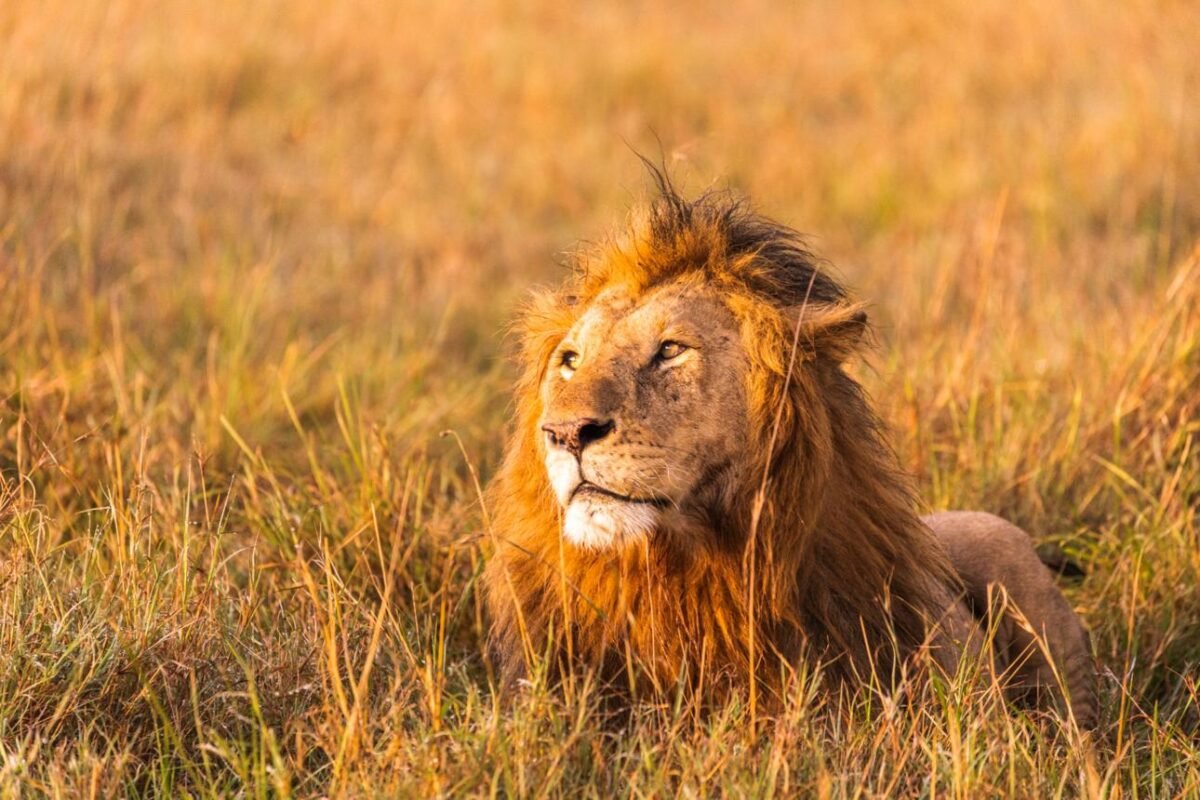
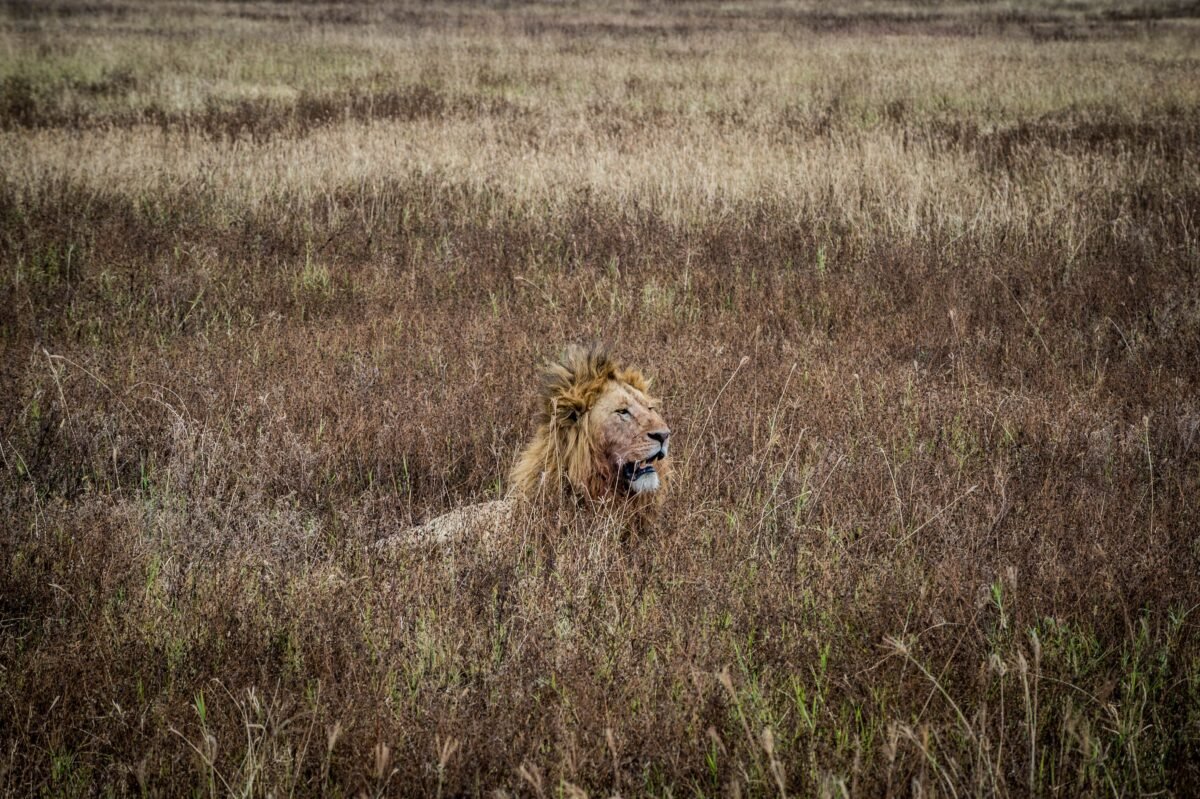
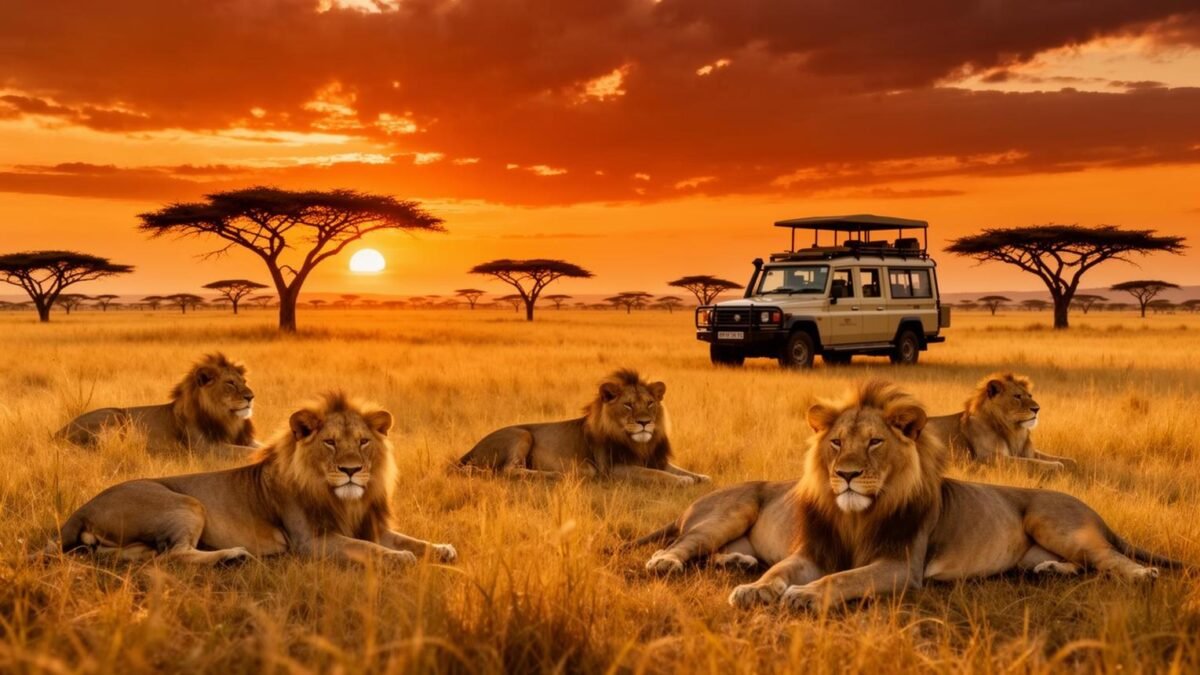
The Masai Mara National Reserve is one of Africa’s most rewarding destinations for watching lions in their natural habitat. Its open grasslands, river valleys and rich wildlife support several resident lion prides.
However, finding lions requires more than simply entering the reserve. Some areas offer better visibility, while others provide quieter wildlife encounters.
If you are planning to see lions in Masai Mara, choosing the right safari area makes a real difference. At Zamunda Travels, we help travellers plan Kenya safaris around wildlife interests, travel seasons and accommodation preferences.
Quick answer: The best places to see lions in the Masai Mara include Musiara Marsh, the Talek River area, the central plains, Mara Triangle, Olare Motorogi Conservancy, Mara Naboisho Conservancy and Mara North Conservancy. Early morning drives usually offer the best opportunities to observe active lions. However, sightings depend on wildlife movements and seasonal conditions.
1. Musiara Marsh: One of the Best Places to See Lions in Masai Mara
Musiara Marsh is among the most famous lion-viewing areas in the Masai Mara. It lies in the northern part of the main reserve, near the Governors’ Camp area.
The marsh provides water and attracts grazing animals throughout much of the year. As a result, predators regularly use the surrounding grasslands and woodland edges.
Musiara is particularly famous for the Marsh Pride. This lion family became widely known through wildlife documentaries, including the BBC’s Big Cat Diary.
However, pride membership and territory boundaries change over time. Therefore, visitors should not expect to find particular lions in exactly the same places every year.
What makes Musiara Marsh special?
The marsh combines open plains, wetland vegetation and nearby river habitats. These features create excellent conditions for observing predator behaviour.
Visitors may see lionesses resting together, cubs playing or adults watching nearby herbivores. Nevertheless, hunting activity is unpredictable.
Our guides at Zamunda Travels recommend allowing enough time to explore the wider Musiara area. Staying close to this sector can also reduce early morning driving distances.
Best for: Famous lion territories, wildlife documentaries and photography.
2. Talek River: Excellent Lion-Viewing Territory
The Talek River corridor is another rewarding area for a Masai Mara lion safari. It passes through the eastern and central sections of the reserve.
The river supports vegetation and attracts animals seeking water and grazing. Consequently, lions use the surrounding plains and river edges as hunting and resting habitats.
The nearby Topi Plains also provide broad views across open grassland. This makes it easier to search for lions from a safari vehicle.
What can you expect around Talek?
Travellers may encounter resting prides, territorial males and lionesses watching prey. Additionally, the area offers opportunities to observe elephants, spotted hyenas and leopards.
However, popular sightings sometimes attract several safari vehicles. An experienced guide should maintain appropriate distances and avoid surrounding wildlife.
For travellers staying around Talek Gate, this area offers convenient access to productive game-drive routes.
Best for: First-time safari visitors, mixed wildlife viewing and accessible lion habitats.
3. Central Masai Mara Plains: Open Grasslands for Lion Sightings
The central plains are among the most practical places to search for lions in Masai Mara. Their open landscapes provide excellent visibility across large areas.
Lions often rest near bushes, termite mounds and patches of taller grass. Therefore, guides carefully scan these features while driving through the plains.
The central reserve also supports wildebeest, zebras, topi and other grazing animals. These species form an important part of the lions’ prey base.
Why visit the central plains?
The open terrain helps visitors observe lions from a distance without approaching too closely. It also creates attractive backgrounds for wildlife photography.
During the Great Migration, large wildebeest herds may pass through parts of the reserve. However, resident lions remain in the ecosystem outside the migration season.
For a first safari, we recommend combining central plains game drives with visits to nearby river habitats.
Best for: Open-landscape photography, general wildlife viewing and first-time safaris.
4. Mara Triangle: Lions and Scenic Wildlife Safaris
The Mara Triangle occupies the western side of the Mara River. It lies below the Oloololo Escarpment and offers varied wildlife habitats.
Its landscape includes rolling grasslands, wooded sections and riverine vegetation. These habitats support lions and many other large mammals.
The Mara Triangle is managed separately from the eastern part of the reserve. Its management system also places strong emphasis on conservation and responsible tourism.
Why choose the Mara Triangle?
The Triangle can offer a quieter alternative to some busy areas of the main reserve. However, visitor numbers still increase during the migration season.
Lions may appear on open slopes, near woodland edges or along prey movement routes. Furthermore, the Mara River provides opportunities to observe hippos, crocodiles and migrating herbivores.
Travellers interested in both lions and the Great Migration may find this sector particularly rewarding.
Nevertheless, river crossings and predator encounters cannot be guaranteed.
Best for: Scenic game drives, wildlife photography and combining lions with migration viewing.
5. Olare Motorogi: A Top Conservancy for Lions in Masai Mara
Olare Motorogi Conservancy lies north of the main reserve. It forms part of the wider Greater Mara ecosystem.
The conservancy protects important wildlife habitats through agreements with local Maasai landowners.
It supports lions, leopards, cheetahs and several herbivore species. Furthermore, tourism operates under conservancy-specific access and wildlife-viewing rules.
Why consider Olare Motorogi?
The conservancy offers a more controlled tourism environment than many heavily visited reserve areas.
Fewer vehicles around sightings can create a more relaxed experience. However, exact vehicle limits and activity permissions depend on current conservancy regulations.
Olare Motorogi is especially attractive to travellers interested in lion behaviour and photography.
Accommodation often falls within the higher mid-range and luxury categories. Therefore, we recommend checking the full package price before booking.
Best for: Private-style safari experiences, big-cat photography and lower vehicle density.
6. Mara Naboisho Conservancy: Excellent for Big Cats
Mara Naboisho Conservancy is another important lion habitat in the Greater Mara.
The Maasai Mara Wildlife Conservancies Association identifies Naboisho as an area with a particularly strong lion population.
Its landscape includes open grasslands, wooded valleys and seasonal watercourses. These habitats provide shelter, hunting opportunities and access to prey.
What makes Naboisho different?
Naboisho limits tourism pressure through its conservancy management system. Consequently, visitors may enjoy quieter wildlife encounters than in busier reserve sectors.
Some conservancy camps offer activities that are unavailable during standard daytime drives in the main reserve. However, night drives and other activities depend on current local rules.
For wildlife photographers, the reduced vehicle density can be particularly valuable.
Our recommendation is to choose accommodation with good access to the conservancy’s main wildlife habitats.
Best for: Quiet lion sightings, wildlife photography and conservancy-based safaris.
7. Mara North Conservancy: Lions and Community Conservation
Mara North Conservancy lies north of the national reserve. It protects a large area of important wildlife habitat.
Lions move through its grasslands, river corridors and wooded sections. Additionally, the conservancy supports elephants, giraffes, zebras and other plains wildlife.
Mara North is particularly suitable for visitors seeking a safari connected to community conservation.
Why visit Mara North?
The conservancy uses tourism partnerships with Maasai landowners to support habitat protection and local livelihoods.
As a result, tourism contributes to maintaining land for wildlife.
Lion sightings depend on current pride territories, prey movements and weather conditions. Therefore, experienced local guides remain important.
Visitors should also confirm whether their accommodation includes access to the main reserve. Conservancy accommodation does not automatically include every reserve activity.
Best for: Community-focused tourism, longer safaris and quieter game drives.
Best Time to See Lions in Masai Mara
Lions live in the Masai Mara throughout the year. Therefore, travellers do not need to visit during the Great Migration to see them.
However, weather conditions, vegetation and prey movements influence viewing opportunities.
July to October: Migration season
These months generally offer excellent wildlife viewing as migratory herds enter the Mara ecosystem.
Lions may hunt wildebeest and other animals across the plains. However, this is also a popular tourism period.
Consequently, accommodation prices and vehicle numbers can be higher.
January to March: Good visibility
Parts of this period often have relatively dry conditions and shorter grass.
Therefore, spotting lions across open plains can become easier. Visitor numbers may also be lower than during the peak migration months.
April to May: Green-season safaris
Rainfall brings greener landscapes and thicker vegetation. However, some tracks become muddy and wildlife may be harder to locate.
The quieter atmosphere can appeal to photographers and experienced safari travellers.
November to December: Changing conditions
Short rains may improve grazing conditions and create attractive landscapes.
Lions remain present, although their movements change with prey availability.
For a lion-focused safari, Zamunda Travels recommends considering January to March or July to October. The best choice also depends on your budget and preferred safari experience.
Best Time of Day to Watch Lions
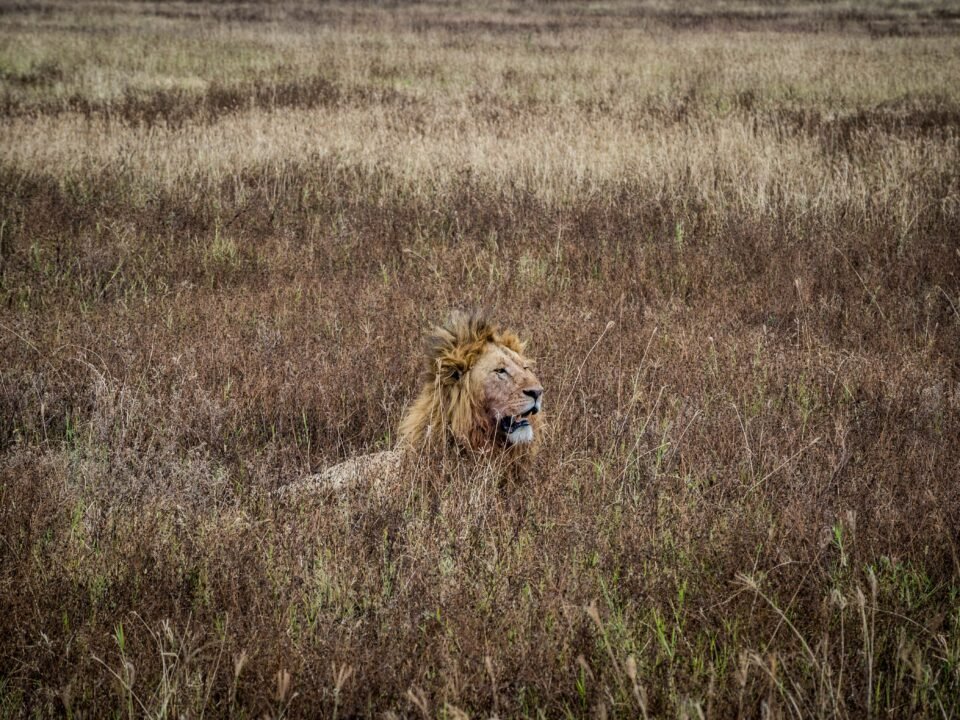
Early morning is usually the best time to observe active lions.
Lions often hunt at night and during cooler periods. Therefore, morning drives may reveal lions walking, interacting or returning from hunting.
A game drive beginning around sunrise can provide excellent opportunities. However, actual departure times depend on park regulations and accommodation arrangements.
Late afternoon also offers rewarding viewing conditions. As temperatures fall, resting lions may become more active.
During midday, lions frequently rest in shade to conserve energy.
For photographers, morning and late afternoon light also creates softer shadows and warmer colours.
Zamunda Travels tip: Spend time observing one pride rather than rushing between sightings. Patient viewing can reveal social behaviour that hurried game drives often miss.
How Much Does a Masai Mara Lion Safari Cost?
The cost of a Masai Mara lion safari depends on accommodation, season, transport and the number of travellers.
A budget safari generally uses simpler accommodation and shared transport. Meanwhile, mid-range packages provide greater comfort and may include private game drives.
Luxury safaris often feature premium camps, conservancy access and more personalised services.
Important costs include accommodation, park or conservancy fees, transport, guiding and meals.
Example of planning a safari budget
Consider two travellers booking a three-day private safari from Nairobi.
Their quotation should clearly separate accommodation, reserve entry fees, vehicle costs and included activities.
For example, staying outside the reserve may reduce accommodation expenses. However, additional driving can reduce time available for early morning wildlife viewing.
A camp inside a conservancy may cost more but offer convenient access to quieter safari areas.
Rates change, so confirm current prices with Zamunda Travels.
For a personalised quotation, contact Zamunda Travels with your travel dates, group size and preferred accommodation category.
Sample 3-Day Masai Mara Lion Safari Itinerary
A three-day safari provides a practical introduction to the Masai Mara’s wildlife.
However, a four-day safari allows more time to explore different lion habitats.
Day 1: Nairobi to Masai Mara
Depart Nairobi in the morning and travel towards the Masai Mara.
After arriving, check into your lodge or camp and enjoy lunch if time allows.
Later, take an afternoon game drive where your accommodation and arrival schedule permit.
Your guide will search for lions, elephants, giraffes and other wildlife.
Day 2: Full-day lion and wildlife safari
Begin with an early morning game drive in your chosen reserve sector.
Search open plains, river edges and areas where prey animals gather.
Continue exploring during the day, with a packed lunch at an authorised location if arranged.
Your guide can adjust the route according to current sightings and wildlife movements.
Return to your accommodation in the evening.
Day 3: Return to Nairobi
Enjoy breakfast before preparing for the return journey.
If time and your arrangements permit, a short morning wildlife drive may be possible.
Then travel back to Nairobi, where your safari ends.
For better lion photography, consider adding another night rather than rushing through several distant sectors.
Practical Tips for Finding and Photographing Lions
A successful safari depends on patience, timing and responsible wildlife viewing.
Our guides at Zamunda Travels recommend these practical preparations:
-
Choose at least three days in the Masai Mara, preferably with two full mornings.
-
Carry binoculars to observe lions without approaching too closely.
-
Use a telephoto lens for wildlife photography.
-
Bring warm clothing for early morning drives.
-
Keep cameras ready, even when lions appear to be resting.
-
Follow your guide’s instructions throughout the safari.
For photography, a 100–400mm zoom lens offers useful flexibility. However, other focal lengths can also produce excellent results.
Avoid asking your guide to drive too close to lions. Instead, use natural behaviour and the surrounding landscape to create stronger photographs.
Common Mistakes to Avoid on a Lion Safari
One common mistake is expecting lions to hunt whenever visitors arrive.
Although lions are powerful predators, they spend much of their time resting. Therefore, active hunting scenes are never guaranteed.
Another mistake is choosing accommodation without considering its location.
A cheaper camp far from your preferred viewing area may require longer daily transfers.
Travellers should also avoid planning only one game drive. Weather, prey movements and natural behaviour can affect sightings.
Finally, do not choose a safari solely because a particular pride appears in promotional photographs.
Lion territories and group membership change over time.
Lion Safari Safety and Responsible Wildlife Viewing
Lions are wild predators, and visitors must respect their space.
Always remain inside your safari vehicle unless your guide confirms that stopping and exiting is permitted.
Never feed lions, imitate their calls or encourage them to approach your vehicle.
Additionally, avoid blocking hunting routes or separating mothers from cubs.
Responsible safari operators should follow reserve and conservancy rules concerning driving distances, vehicle numbers and wildlife disturbance.
Lion conservation also matters beyond tourism. Habitat loss, conflict with livestock owners and declining prey availability threaten lions across parts of Africa.
Therefore, choosing responsible tourism providers and community-supported conservation areas can help protect their habitat.
Plan Your Masai Mara Lion Safari with Zamunda Travels
The Masai Mara offers excellent opportunities to observe lions throughout the year.
Musiara Marsh, Talek River and the central plains are particularly rewarding within the main reserve. Meanwhile, Olare Motorogi, Naboisho and Mara North offer alternative conservancy experiences.
The best safari combines suitable accommodation, experienced guiding and enough time for wildlife viewing.
At Zamunda Travels, we organise personalised Kenya safaris for couples, families, photographers and small groups.
Whether you prefer a mid-range safari or a private luxury experience, we can help plan your journey around your interests and budget.
Plan your Masai Mara lion safari with Zamunda Travels.
Website: www.zamundatravels.com
Email: info@zamundatravels.com
WhatsApp: +256 704 705 606
Frequently Asked Questions About Lions in Masai Mara
1. Where is the best place to see lions in the Masai Mara?
Musiara Marsh is one of the most famous places to see lions in the Masai Mara. The Talek River area, central plains and Mara Triangle also provide excellent opportunities. For quieter viewing, consider Olare Motorogi or Naboisho Conservancy. However, sightings depend on lion movements and local conditions.
2. What is the best month to see lions in Masai Mara?
Lions can be seen throughout the year, but January to March and July to October are particularly attractive periods. The earlier months can offer good visibility and fewer visitors. Meanwhile, the migration season brings large prey herds. However, no single month guarantees better lion sightings every year.
3. Are lion sightings guaranteed in the Masai Mara?
No, lion sightings are never guaranteed because the animals move freely through their natural habitat. However, the Masai Mara is one of Kenya’s most rewarding lion-viewing destinations. Spending several days on safari, starting early and using an experienced guide can improve your opportunities to encounter lions.
4. Can you see lions during the Great Migration?
Yes, lions remain in the Masai Mara during the Great Migration and may hunt migrating wildebeest and zebras. However, visitors should not expect to witness a hunt or river crossing on demand. Lion sightings also occur outside the migration season because resident prey animals remain throughout the year.
5. Is it safe to see lions on a Masai Mara safari?
Yes, guided lion viewing is generally safe when visitors follow park regulations and professional instructions. Remain inside your vehicle during wildlife encounters and never feed or approach lions. Additionally, avoid sudden movements and loud noises near resting animals. Your guide should always prioritise safe distances and natural wildlife behaviour.