Lake Naivasha Safari & Boat Ride
October 8, 2026
Kenya Safari Packages
October 8, 2026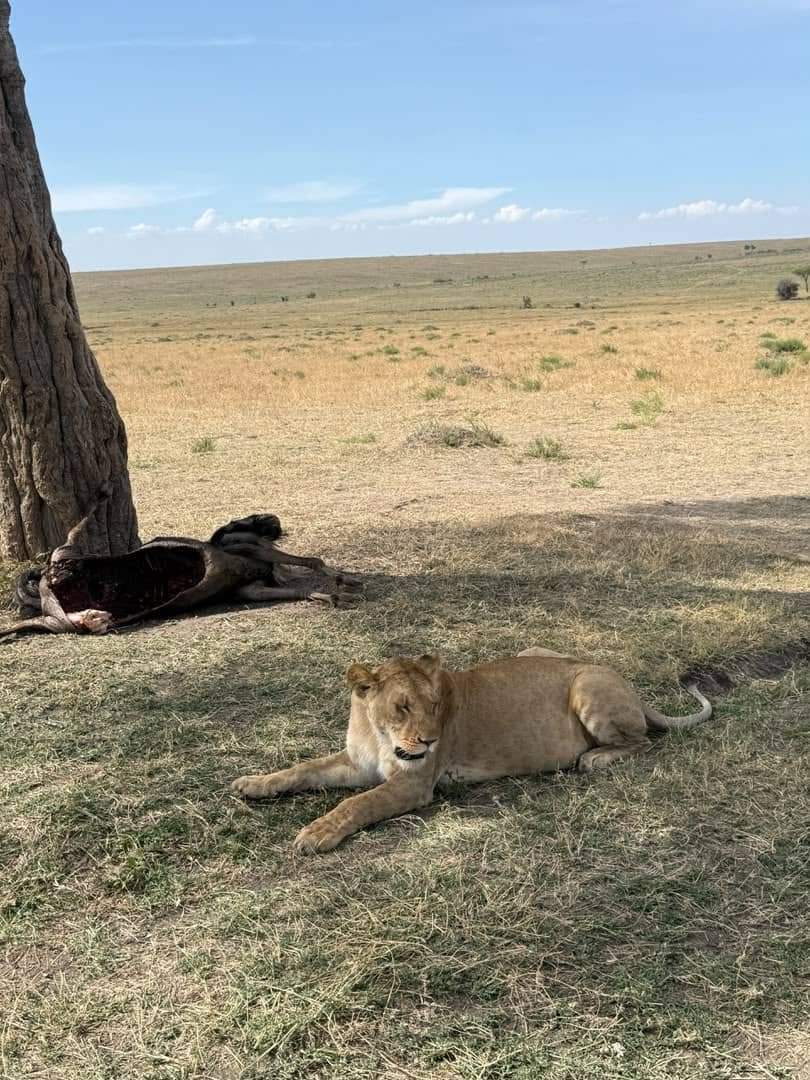
Planning a Kenya safari in 2027 gives you the opportunity to explore some of Africa’s most famous wildlife destinations. Kenya offers vast savannahs, dramatic mountains, Great Rift Valley lakes, dry northern landscapes, and diverse wildlife. It is also one of the best-known destinations for seeing the Big Five and experiencing the annual Great Migration.
A good safari, however, requires more than choosing a famous park. You need to consider the best time to travel, the parks you want to visit, your budget, accommodation, transport, safari style, and the activities that matter most to you. Your choice of itinerary can also determine how much time you spend watching wildlife instead of travelling between destinations.
For travellers planning a 2027 trip, Zamunda Travels can create private, group, budget, mid-range, and luxury itineraries based on your travel dates, interests, and budget.
Why Choose a Kenya Safari in 2027?
A Kenya safari is an excellent choice for travellers who want a classic African wildlife experience with a wide range of destinations. The country has several different ecosystems, so one trip can include predators, elephants, rhinos, giraffes, zebras, wildebeest, birds, mountains, lakes, and cultural experiences.
The Maasai Mara is famous for its predators and the Great Migration. Amboseli is known for its elephants and views of Mount Kilimanjaro. Lake Nakuru provides excellent opportunities for rhino viewing and birdwatching. Tsavo offers large wilderness areas, while Samburu provides a very different experience in northern Kenya.
Kenya also offers different ways to travel. You can take a road safari in a 4×4 vehicle, fly between distant destinations, stay in a luxury lodge, or choose a more affordable tented camp. This flexibility makes Kenya suitable for couples, families, photographers, solo travellers, and groups.
If you want to travel during the busiest wildlife season, planning early is especially important. Popular camps and lodges can fill quickly, particularly during the Great Migration period.
Best Parks for a Kenya Safari
Maasai Mara National Reserve
The Maasai Mara is one of the most important destinations for a first Kenya safari. It forms part of the larger Mara-Serengeti ecosystem and is famous for open grasslands, abundant wildlife, and large predator populations.
Visitors can look for lions, leopards, cheetahs, elephants, buffalo, giraffes, zebras, wildebeest, hippos, and crocodiles. The reserve is also one of the major destinations associated with the annual Great Migration.
A stay of three or four nights allows more time for game drives and wildlife viewing. It also gives you a better chance of experiencing changing animal activity rather than relying on one short game drive.
Zamunda Travels can combine the Maasai Mara with Lake Nakuru, Lake Naivasha, Amboseli, or other destinations depending on the length of your trip.
Amboseli National Park
Amboseli is one of Kenya’s best destinations for elephant viewing. It also offers spectacular views toward Mount Kilimanjaro, creating excellent opportunities for wildlife and landscape photography.
The park contains open plains, wetlands, woodland, and bushland. These habitats support elephants, lions, buffalo, zebras, wildebeest, giraffes, and many bird species.
Early morning game drives can be especially rewarding because temperatures are cooler and wildlife may be more active. Mount Kilimanjaro visibility depends on weather conditions, so travellers should not expect a clear mountain view every day.
Lake Nakuru National Park
Lake Nakuru is an excellent addition to a Kenya safari for travellers interested in rhinos and birdlife. The park protects important populations of black and white rhinos and supports a wide variety of other wildlife.
Its location in the Great Rift Valley also makes it a useful stop between Nairobi and the Maasai Mara. You can combine the park with Lake Naivasha for a wider Rift Valley experience.
Lake Nakuru is particularly useful for travellers who want to include rhino viewing without travelling too far from the main southern Kenya safari circuit.
Tsavo East National Park
Tsavo East is one of Kenya’s largest protected areas. It offers broad landscapes, open plains, bushland, seasonal rivers, and a strong sense of wilderness.
The park is particularly associated with elephants. Its large size also means that wildlife encounters can feel more remote and less predictable than in smaller destinations.
Tsavo East works well for travellers who want a less rushed safari and can also form part of an itinerary linking Nairobi, Amboseli, Tsavo, and the Kenyan coast.
Tsavo West National Park
Tsavo West provides a different landscape from Tsavo East. Volcanic hills, lava formations, springs, woodland, and open areas create a varied environment.
Mzima Springs is one of the park’s best-known attractions. The area is famous for clear spring water, wildlife, and scenic surroundings.
Tsavo West can work particularly well for travellers who want to combine wildlife with geological scenery and then continue towards the coast.
Samburu National Reserve
Samburu offers a very different safari experience from the Maasai Mara and Amboseli. The landscape is drier, more rugged, and strongly influenced by the Ewaso Ng’iro River.
The region is known for distinctive northern wildlife and offers opportunities to see species that are less common in southern Kenya. Samburu also provides opportunities for cultural experiences and learning about communities in northern Kenya.
It is a strong choice for repeat visitors and travellers who want to explore beyond the traditional southern Kenya safari circuit.
Best Time for a Kenya Safari
The best time for a Kenya safari depends on what you want to see, your preferred weather, and your budget. Kenya is a year-round destination, but different months provide different experiences.
January and February
January and February can be excellent months for general wildlife viewing. Many areas experience relatively dry conditions, which can make animals easier to locate around water sources.
These months are also useful for travellers who want a classic safari without specifically planning around the Great Migration.
March to May
March to May includes Kenya’s main rainy season. Landscapes can become lush and green, while some safari properties may offer lower-season rates.
Rain can make some roads more challenging. However, the green scenery can create beautiful photography conditions. Birdwatchers can also enjoy excellent opportunities during this period.
June to October
June to October is one of the most popular periods for a Kenya safari. The weather is generally favourable for wildlife viewing, and the Maasai Mara becomes a major destination for travellers interested in the Great Migration.
July to October is particularly popular. Accommodation demand can increase during this period, so early booking is recommended.
November and December
November can bring short rains in many parts of Kenya. These rains can transform dry landscapes into greener environments.
December can become busier because of the Christmas and New Year holiday period. Travellers planning a festive-season safari should consider booking well ahead.
Kenya Safari and the Great Migration
The Great Migration is one of the biggest attractions for travellers planning a Kenya safari. However, it is important to understand that the migration does not happen on one exact date every year.
The migration is a natural cycle involving wildebeest, zebra, and other herbivores moving through the wider Serengeti-Mara ecosystem. Their movements respond to rainfall, water availability, and fresh grazing.
The Maasai Mara usually receives large herds during the July to October period. This creates opportunities to witness large concentrations of wildlife and, sometimes, dramatic river crossings.
River crossings are unpredictable, however. Animals may gather near a river for hours or days before crossing. They may also change direction without warning.
For this reason, no responsible safari company should guarantee a river crossing on a particular day. A better strategy is to spend several nights in the Mara and allow your guide to respond to wildlife movements.
Seeing the Big Five on a Kenya Safari
The traditional Big Five are the African elephant, lion, leopard, African buffalo, and rhinoceros.
Kenya provides excellent opportunities to search for all five. However, these are wild animals, so sightings can never be guaranteed.
The Maasai Mara is particularly strong for lions, leopards, buffalo, elephants, and other plains wildlife. Lake Nakuru is an important destination for rhino viewing. Amboseli is famous for elephants, while Tsavo provides opportunities to explore large wilderness areas.
Your safari guide plays an important role in wildlife viewing. An experienced guide understands animal behaviour, tracks, habitats, weather conditions, and road networks. Good guiding can make the difference between a rushed game drive and a rewarding wildlife experience.
How Much Does a Kenya Safari Cost?
The cost of a Kenya safari varies widely. Your final price depends on the length of the trip, accommodation level, travel season, number of travellers, transport arrangements, park fees, and activities.
Kenya Wildlife Service currently gives a broad planning range of approximately US$70 to US$400 per person per night, depending on the safari type and itinerary. This figure is a general guide rather than a fixed 2027 price.
Budget Kenya Safari
A budget safari focuses on keeping the overall cost manageable. You can choose simpler accommodation, shared vehicles, group departures, and fewer destinations.
Travelling during lower-demand periods can also help reduce the overall cost.
Mid-Range Kenya Safari
A mid-range safari provides a balance between comfort and price. Travellers can stay in comfortable lodges or tented camps while enjoying private or shared safari arrangements.
This option is often suitable for travellers who want good accommodation without paying luxury rates.
Luxury Kenya Safari
A luxury safari focuses on premium accommodation, personalised service, private vehicles, excellent locations, and additional experiences.
Luxury properties may include high-end lodges and tented camps in prime wildlife areas. Some itineraries can also include special activities such as hot-air balloon experiences in the Maasai Mara.
Because park fees and accommodation prices can change, Zamunda Travels should confirm the exact 2027 costs before the client makes a final booking.
Kenya Safari Accommodation
Kenya offers a wide range of accommodation. Options include luxury lodges, permanent tented camps, mobile camps, private campsites, public campsites, and other safari properties.
Luxury lodges and camps suit travellers looking for premium comfort and personalised service. Mid-range properties provide comfortable rooms or tents at moderate prices. Budget camps can help travellers control costs while remaining close to wildlife areas.
Location is also important. A property close to the area you want to explore can reduce driving time and allow earlier access to wildlife areas.
For example, staying in or near the Maasai Mara can make early morning game drives more convenient. In contrast, a property farther from the reserve may require additional driving.
Zamunda Travels can recommend accommodation based on your budget, preferred comfort level, location, and safari style.
Transport for a Kenya Safari
Road travel remains one of the most popular ways to explore Kenya. A 4×4 safari vehicle provides flexibility and allows travellers to experience the changing landscapes between destinations.
A road itinerary can connect Nairobi with Lake Nakuru, Lake Naivasha, Maasai Mara, Amboseli, and Tsavo. However, long road journeys can take valuable time.
Domestic flights provide a faster option for travellers who want to cover greater distances. Flying can be especially useful when combining destinations that are far apart.
For a short safari, flying between destinations can maximise wildlife-viewing time. For a longer itinerary, road travel can provide more scenery and opportunities to experience rural Kenya.
Zamunda Travels can recommend road or air transport based on the length of your safari and the destinations you want to visit.
Types of Kenya Safari Experiences
Private Kenya Safari
A private safari gives you greater control over your itinerary. Your group can decide how long to spend at wildlife sightings and can often adjust the daily schedule around your interests.
Private safaris work particularly well for couples, families, photographers, and small groups.
Group Kenya Safari
A group safari can reduce the cost per traveller. It can also provide an opportunity to meet other travellers.
However, group safaris usually follow a fixed schedule. You may have less flexibility than you would on a private safari.
Luxury Kenya Safari
Luxury safaris focus on premium accommodation, personalised service, private vehicles, and carefully selected experiences.
They suit travellers who want comfort and exclusivity alongside wildlife viewing.
Budget Kenya Safari
A budget safari can still provide excellent wildlife experiences. You can reduce costs by choosing simpler accommodation, travelling in a group, selecting fewer destinations, and avoiding the busiest travel periods.
A shorter and well-designed itinerary can often provide better value than trying to visit too many parks.
Family Kenya Safari
Families should consider driving distances, accommodation facilities, meal arrangements, and daily game-drive schedules.
Shorter transfers can make the experience easier for children. Comfortable accommodation can also help families enjoy the safari without unnecessary stress.
Photography Kenya Safari
Photography-focused travellers often benefit from private vehicles and longer stays. More time allows you to wait for better light and interesting wildlife behaviour.
The Maasai Mara is excellent for predators and plains wildlife. Amboseli is particularly attractive for elephant and landscape photography.
What to Pack for a Kenya Safari
Packing for a Kenya safari requires preparation for both warm days and cooler mornings or evenings.
Choose lightweight, comfortable clothing in neutral colours. A warm layer is useful for early morning game drives. You should also carry a light waterproof jacket during rainy periods.
Useful items include:
- Comfortable walking shoes
- Lightweight trousers
- T-shirts and long-sleeved shirts
- Warm fleece or jacket
- Sun hat
- Sunglasses
- Sunscreen
- Insect repellent
- Reusable water bottle
- Binoculars
- Camera and spare batteries
- Power bank
- Small daypack
- Personal medication
- Light rain jacket
- Flashlight
Pack carefully if your itinerary includes domestic flights because luggage restrictions may apply.
You should also avoid bringing unnecessary luggage. A smaller bag makes transfers easier and keeps the safari vehicle more comfortable.
How to Plan Your 2027 Kenya Safari
Start by identifying your main priority. If you want the Great Migration, focus on the Maasai Mara and travel during the appropriate season. If elephants and mountain scenery interest you most, consider Amboseli. If rhinos are important, add Lake Nakuru.
Next, decide how many days you have. Four days can work well for a focused safari. Seven days allow you to combine several destinations. Longer trips can explore different regions without creating an exhausting schedule.
After choosing the route, select your accommodation level. Then decide whether road travel or domestic flights suit your itinerary.
Finally, confirm park fees, accommodation availability, transport, activities, and travel requirements before making the final payment.
Zamunda Travels can help design a 2027 itinerary around your dates, budget, group size, accommodation preferences, and wildlife interests.
Kenya Safari Packages for 2027
Zamunda Travels can create several types of Kenya safari packages for travellers planning a 2027 holiday.
4-Day Maasai Mara Safari
This short safari focuses on the Maasai Mara. It is suitable for travellers with limited time who want to experience Kenya’s famous wildlife.
The itinerary can include several game drives and comfortable accommodation inside or near the Mara ecosystem.
5-Day Maasai Mara and Lake Nakuru Safari
This combination adds rhino viewing and Great Rift Valley scenery to the Maasai Mara experience.
It is a good option for first-time visitors who want a short but varied safari.
6-Day Maasai Mara, Naivasha and Amboseli Safari
This itinerary combines predators, Rift Valley scenery, elephants, and views toward Mount Kilimanjaro.
It provides greater variety than a single-park safari and works well for travellers who want different landscapes.
7-Day Amboseli, Lake Nakuru and Maasai Mara Safari
This is one of the strongest first-time safari combinations. It includes elephants, rhinos, predators, and the possibility of experiencing migration season in the Maasai Mara.
8-Day Kenya Big Five Safari
An eight-day itinerary provides more flexibility. It can combine the Maasai Mara, Lake Nakuru, Amboseli, and another wildlife destination.
The additional time allows travellers to enjoy longer game drives without rushing between destinations.
10-Day Kenya Wildlife and Great Migration Safari
Travellers visiting between July and October can consider a longer itinerary with several nights in the Maasai Mara.
The additional time can improve the overall safari experience because wildlife sightings remain unpredictable.
All these packages can be customised by Zamunda Travels. Prices should be quoted according to the client’s travel dates, group size, accommodation category, transport choice, park fees, and selected activities.
Kenya Safari FAQs
Is Kenya good for a first African safari?
Yes. Kenya offers famous wildlife destinations, varied accommodation, experienced safari operators, and several ways to travel between destinations.
The Maasai Mara is particularly popular with first-time safari travellers.
What is the best month for a Kenya safari?
There is no single best month for everyone.
July to October is popular for travellers interested in the Great Migration. January and February can also provide excellent general wildlife viewing.
Can I see the Big Five in Kenya?
Yes. Kenya provides opportunities to see elephant, lion, leopard, buffalo, and rhino.
However, wildlife sightings are never guaranteed because animals move freely through their natural habitats.
Is the Great Migration guaranteed?
No. The migration follows natural rainfall and grazing patterns.
Even during the main migration season, the timing and location of river crossings remain unpredictable.
How many days do I need in Kenya?
Four to five days can work for a focused safari. Seven days allows a more varied itinerary, while eight to ten days provides more time to explore several regions.
Is a private safari better than a group safari?
A private safari provides more flexibility and personalisation. A group safari can be more affordable.
The right option depends on your budget, group size, and preferred travel style.
Can I combine Kenya with Tanzania?
Yes. Kenya and Tanzania share the wider Mara-Serengeti ecosystem.
Longer East African itineraries can combine the Maasai Mara with Tanzania’s Serengeti, Ngorongoro Conservation Area, or other destinations.
How far in advance should I book a 2027 safari?
It is wise to start planning early, especially if you want to travel between July and October.
Early planning gives you more choice of accommodation, safari vehicles, flights, and preferred travel dates.
What does a Kenya safari package usually include?
A package may include accommodation, meals, transportation, game drives, a professional safari guide, park fees, airport transfers, and selected activities.
The exact inclusions vary by itinerary. Always check the quotation before making a booking.
Plan Your 2027 Kenya Safari with Zamunda Travels
A successful Kenya safari is not about visiting the largest possible number of parks. It is about choosing the right destinations, travel season, accommodation, transport, and safari pace.
For a first trip, the Maasai Mara provides an excellent foundation. Add Amboseli for elephants and Kilimanjaro scenery, Lake Nakuru for rhinos, or Tsavo for a wider wilderness experience.
If the Great Migration is your main goal, plan around the July to October period and spend several nights in the Maasai Mara. Remember that wildlife remains unpredictable. River crossings cannot be guaranteed, and migration timing can vary.
For 2027, it is also important to confirm current park fees and accommodation prices before booking. Conservation fees and other tourism charges can change.
With careful planning, however, Kenya can provide an unforgettable African wildlife experience.
Zamunda Travels can help you plan a private, group, budget, mid-range, or luxury Kenya safari package based on your preferred dates, interests, and budget.
Start planning your 2027 Kenya safari with Zamunda Travels and turn your African safari dream into a carefully planned journey.