
Best Gorilla Trekking in Africa
November 1, 2026
Rwanda Gorilla Safari
November 1, 2026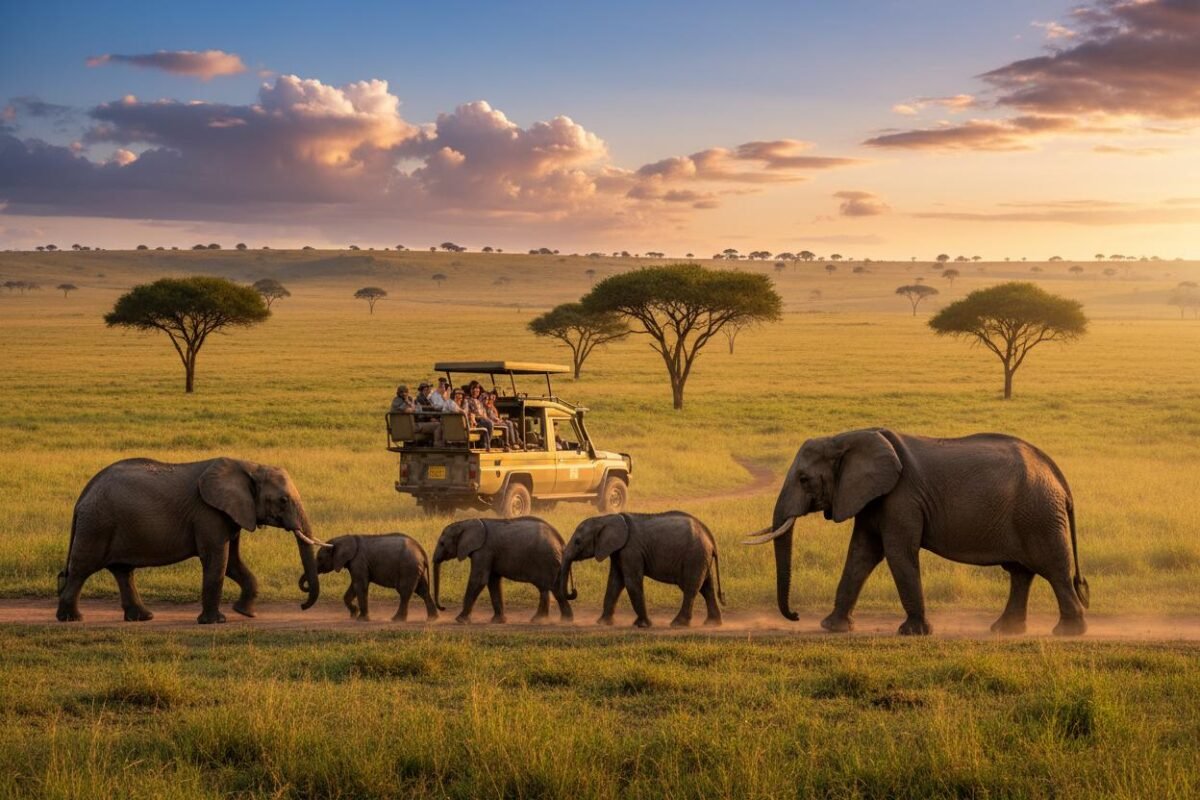
Planning your first African safari can feel confusing. Kenya offers famous wildlife plains, Tanzania has the Serengeti, and Uganda offers mountain gorillas. Meanwhile, South Africa and Botswana provide different safari experiences.
The best African safari depends on your interests, budget, travel dates, and available time. Therefore, choosing the right itinerary matters more than visiting the most famous park.
At Zamunda Travels, we help travellers explore East Africa through carefully planned wildlife and primate safaris. This guide compares destinations and presents practical itineraries for your first adventure.
Quick answer: The best African safari for first timers depends on their wildlife interests. Choose Kenya for classic game drives, Tanzania for the Serengeti, Uganda for gorillas and chimpanzees, or South Africa for flexible self-drive options. Most beginners benefit from five to ten days, comfortable accommodation, and experienced local guides.
Kenya and Tanzania suit travellers who enjoy open landscapes and large wildlife herds. However, Uganda offers a different combination of forests, primates, and traditional game drives.
South Africa works well for independent travellers. Meanwhile, Botswana appeals to visitors who prefer remote camps and smaller safari groups.
Our guides at Zamunda Travels recommend choosing your main wildlife interest first. Afterwards, build your itinerary around that experience.
 NAIROBI · MASAI MARA · LAKE NAIVASHA · AMBOSELI
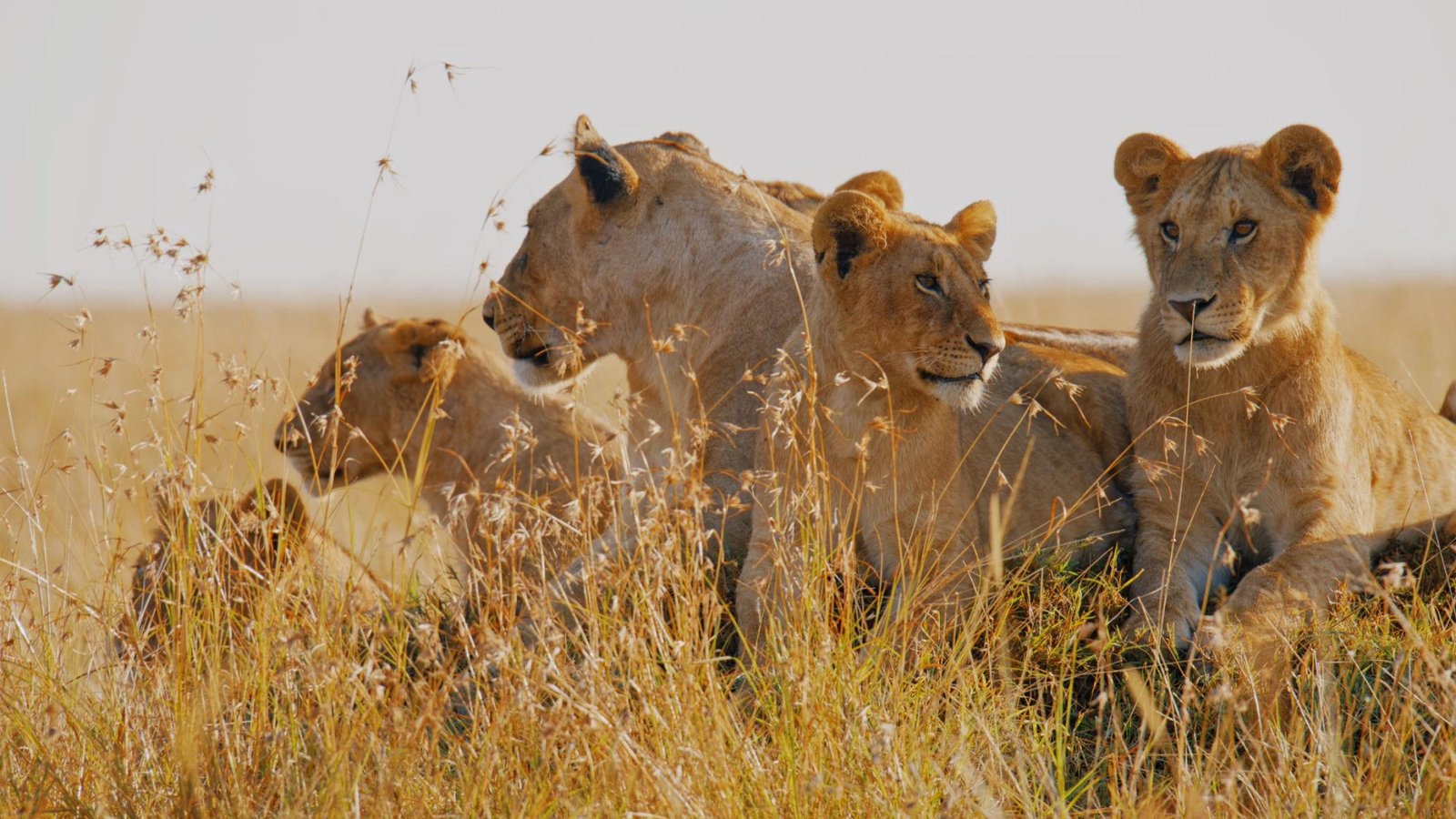
Kenya provides a strong introduction to African wildlife. Its parks offer lions, elephants, giraffes, zebras, and many bird species.
This first African safari itinerary combines three different landscapes. Additionally, it introduces travellers to game drives, local culture, and lakeside activities.
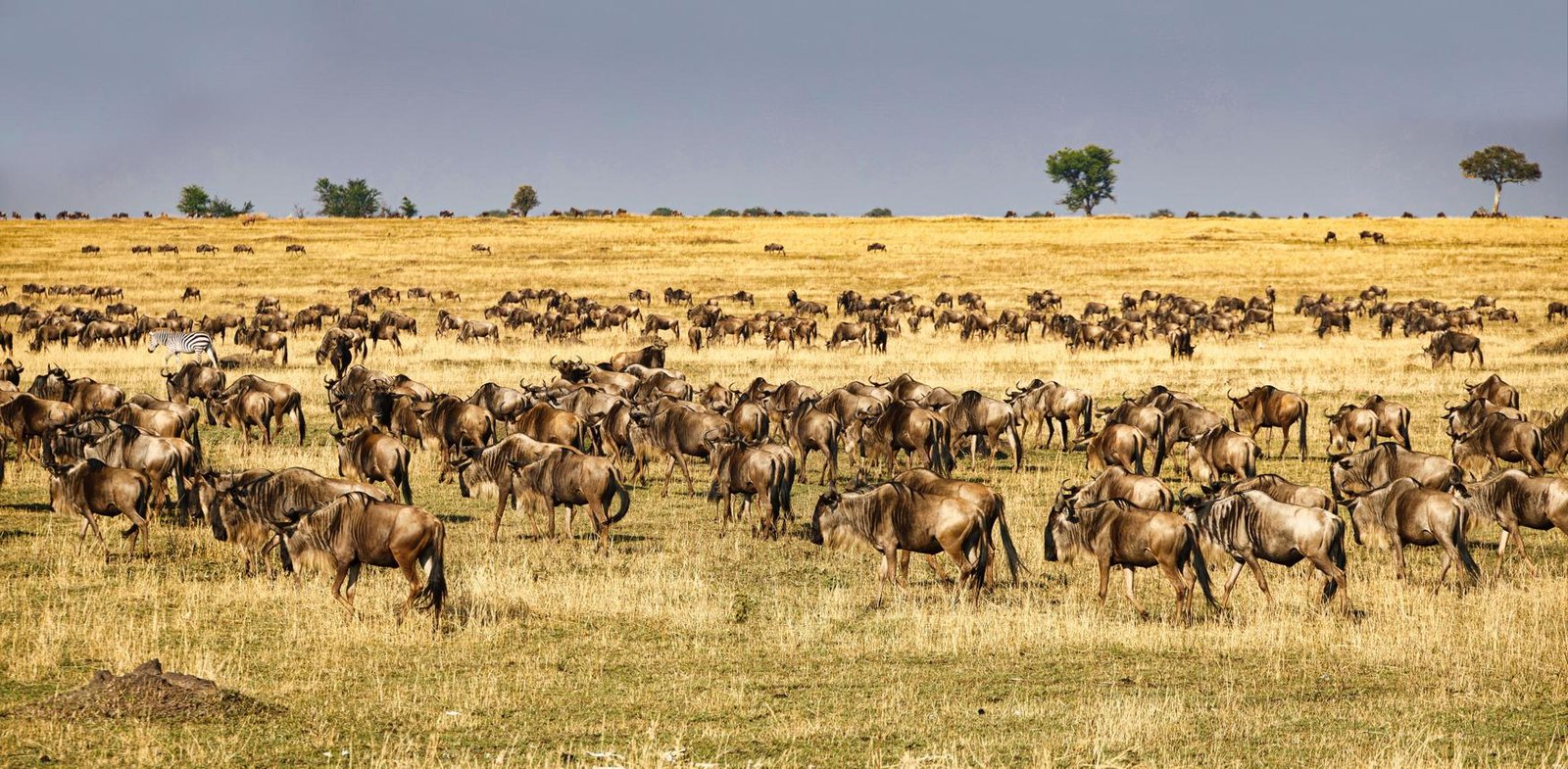 ARUSHA · TARANGIRE · SERENGETI · NGORONGORO
Tanzania offers one of Africa’s most recognised safari circuits. Its northern parks combine extensive grasslands, volcanic landscapes, and varied wildlife.
For travellers comparing a Kenya vs Tanzania safari, Tanzania works especially well for a multi-park journey.
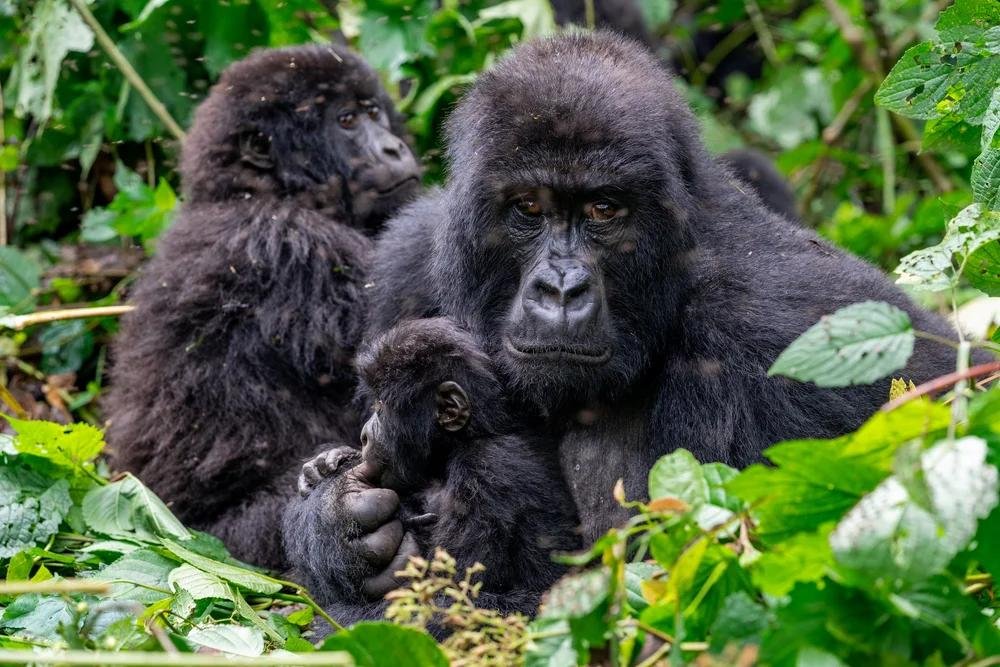 ENTEBBE · KIBALE · QUEEN ELIZABETH · BWINDI · LAKE BUNYONYI
Uganda offers a distinctive safari for travellers who want more than traditional game drives.
Here, visitors can explore tropical forests, track chimpanzees, and encounter mountain gorillas. Additionally, Uganda has savannah parks with elephants, lions, buffaloes, and hippos.
This Uganda gorilla trekking safari is particularly suitable for nature lovers and wildlife photographers.
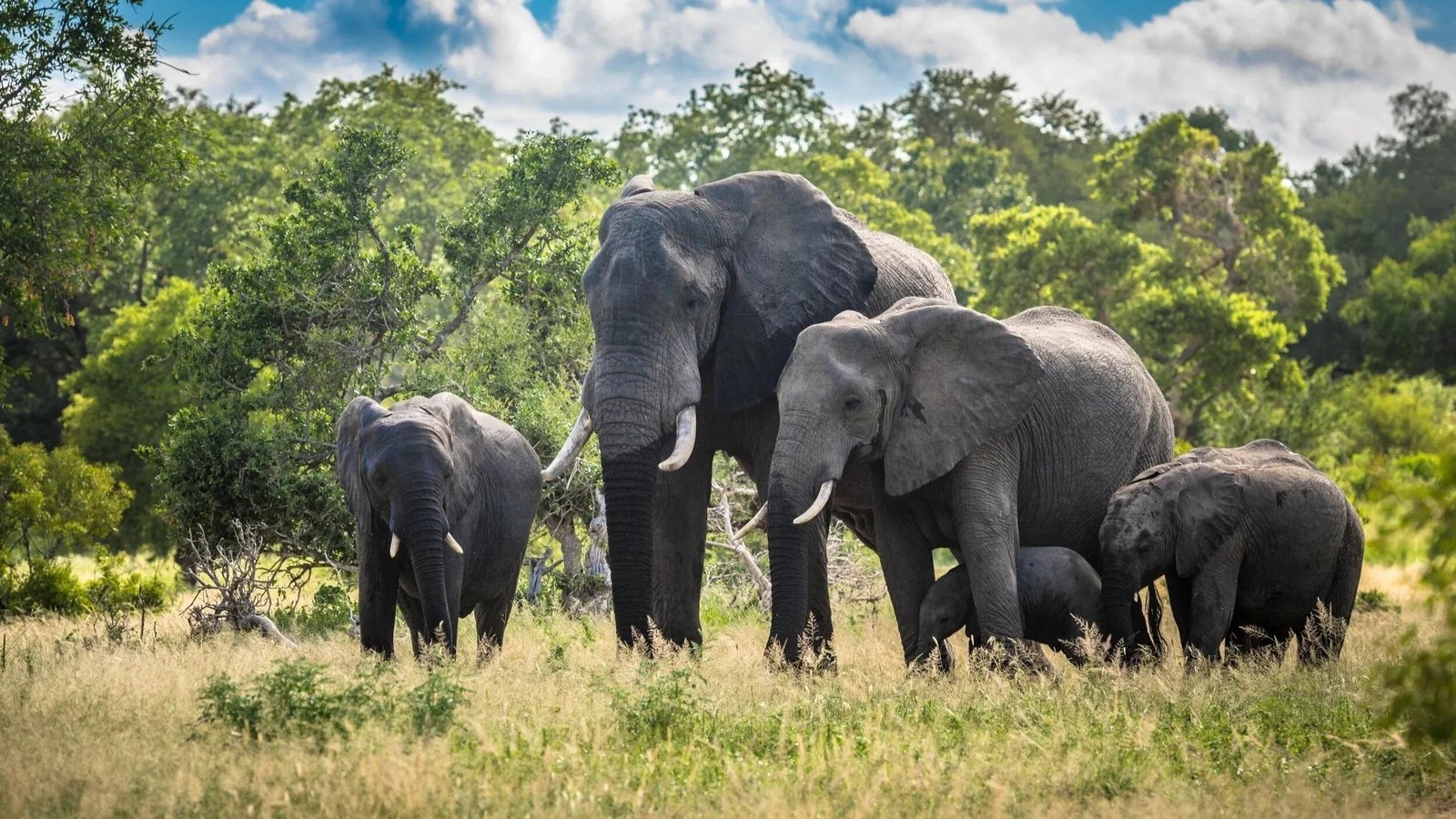 South Africa offers excellent options for independent and guided safari travellers.
Its national parks and private reserves provide different accommodation and travel styles. Consequently, visitors can choose between self-drive trips and organised game drives.
For example, a private safari for two people may cost more per person than a group departure.
However, private arrangements provide greater flexibility for photography and rest stops.
Rates change, so confirm current prices with Zamunda Travels.
You can contact our team for a personalised itinerary based on your preferred accommodation standard and travel dates.
Best African Safari Destinations for First Timers
Africa offers different wildlife experiences across its national parks and reserves. Therefore, the best safari countries in Africa depend on what you want to see.| Destination | Best experience | Suggested duration |
|---|---|---|
| Kenya | Big cats, elephants and the Great Migration | 5–7 days |
| Tanzania | Serengeti, Ngorongoro Crater and Tarangire | 6–8 days |
| Uganda | Gorillas, chimpanzees and savannah wildlife | 7–10 days |
| Rwanda | Mountain gorillas and golden monkeys | 3–5 days |
| South Africa | Big Five and self-drive safaris | 5–7 days |
| Botswana | Water safaris and remote wilderness | 5–7 days |
Itinerary 1: 7-Day Kenya Safari for First Timers
Discover the Masai Mara, one of Africa’s leading destinations for big cats, elephants, and seasonal wildebeest migration.
Day 1: Arrival in Nairobi
Arrive at Jomo Kenyatta International Airport and meet your safari driver-guide. Afterwards, transfer to your hotel for relaxation. Depending on your arrival time, enjoy a short Nairobi city visit. However, travellers arriving late should rest before the journey.Day 2: Nairobi to Masai Mara National Reserve
After breakfast, travel towards the Masai Mara through the Great Rift Valley. Enjoy scenic viewpoints along the route. Next, continue towards your accommodation near the reserve. If arrival time permits, take an afternoon game drive. Look for zebras, giraffes, elephants, and lions.Day 3: Full-Day Masai Mara Safari
Start early with breakfast before entering the reserve. Spend the day exploring wildlife habitats with your guide. The Masai Mara supports lions, cheetahs, leopards, elephants, buffaloes, and numerous antelope species. During migration months, large wildebeest herds may also appear. However, river crossings cannot be guaranteed. Enjoy a picnic lunch before continuing your wildlife search.Day 4: Masai Mara to Lake Naivasha
After breakfast, leave the Mara and travel towards Lake Naivasha. The lake offers a different environment from the open grasslands. Therefore, this stop adds variety to your first safari. Consider an optional guided boat excursion to observe hippos and waterbirds. Afterwards, relax at your lakeside accommodation.Day 5: Lake Naivasha to Amboseli National Park
Travel south towards Amboseli National Park. This is a substantial road-transfer day. Therefore, leave early and allow time for traffic and rest stops. Amboseli is famous for its elephant populations and views towards Mount Kilimanjaro. Weather conditions determine mountain visibility.Day 6: Full-Day Amboseli Safari
Explore Amboseli during morning and afternoon game drives. Look for elephants, buffaloes, zebras, wildebeest, and different bird species. Meanwhile, your guide will explain the park’s habitats and wildlife behaviour. Spend the afternoon enjoying the landscape before returning to your lodge.Day 7: Amboseli to Nairobi
Enjoy breakfast before travelling back to Nairobi. Depending on your departure schedule, arrange lunch or airport transfer. Best for: Travellers interested in classic wildlife viewing, big cats, and elephants. Planning tip: This itinerary includes long transfers. Travellers wanting a slower journey should add a night or choose fewer parks.Itinerary 2: 7-Day Tanzania Safari for First Timers
Explore Tanzania’s Serengeti, where open plains support lions, cheetahs, elephants, and migrating wildebeest.
Day 1: Arrival in Arusha
Arrive at Kilimanjaro International Airport and meet your guide. Transfer to Arusha for dinner and overnight accommodation. Additionally, review your safari programme and equipment.Day 2: Arusha to Tarangire National Park
After breakfast, drive towards Tarangire National Park. Explore its landscapes, baobab trees, and seasonal wildlife concentrations. Elephants are among the park’s major attractions. Later, travel to your accommodation for dinner and relaxation.Day 3: Tarangire Area to Serengeti National Park
Travel towards the Serengeti through the Ngorongoro Conservation Area. Enjoy changing landscapes along the journey. Afterwards, continue towards your accommodation in the Serengeti. This is a long travel day, so your guide will plan suitable stops.Day 4: Full-Day Serengeti Safari
Spend the day exploring the Serengeti’s wildlife habitats. Search for lions, cheetahs, elephants, giraffes, and grazing herbivores. Additionally, learn how seasonal rainfall influences animal movements. The Great Migration moves throughout the wider ecosystem. Therefore, sightings depend on your travel dates and location.Day 5: Another Serengeti Game Drive
Begin with an early morning wildlife drive. Morning conditions often provide good opportunities for observing animal activity. However, every wildlife encounter depends on natural behaviour. Spend another night in the Serengeti rather than rushing onwards.Day 6: Serengeti to Ngorongoro Conservation Area
Enjoy a final game drive before travelling towards Ngorongoro. The journey offers changing scenery and wildlife opportunities. Afterwards, settle into accommodation near the crater or in Karatu.Day 7: Ngorongoro Crater and Departure
Descend into Ngorongoro Crater for a guided game drive. The crater supports buffaloes, lions, zebras, hippos, and endangered black rhinos. However, rhino sightings are never guaranteed. Afterwards, return towards Arusha. Arrange a late departure or an additional overnight stay to avoid rushing. Best for: Travellers interested in the Serengeti, big cats, elephants, and varied landscapes. Planning tip: An extra night in Arusha provides a safer connection for international flights.Itinerary 3: 8-Day Uganda Gorilla, Chimpanzee and Wildlife Safari
Experience Uganda’s mountain gorillas in Bwindi Impenetrable National Park, one of Africa’s most remarkable primate destinations.
Day 1: Arrival in Entebbe
Arrive at and meet your Zamunda Travels guide. Transfer to your hotel for relaxation. Afterwards, receive a briefing about the upcoming journey.Day 2: Entebbe to Kibale National Park
After breakfast, travel towards western Uganda. The journey passes towns, farmland, and green countryside. Therefore, it provides an introduction to Uganda’s rural landscapes. Arrive near Kibale National Park and settle into your lodge.Day 3: Chimpanzee Trekking in Kibale
After an early breakfast, report for your chimpanzee trekking briefing. Follow trained park guides into the forest. Listen for chimpanzee calls while learning about their behaviour. Later, consider an optional guided walk through Bigodi Wetland. Kibale offers chimpanzee tracking throughout the year, although forest conditions vary by season.
Uganda Wildlife Authority
Day 4: Kibale to Queen Elizabeth National Park
Travel south towards Queen Elizabeth National Park. Depending on arrival time, enjoy an afternoon game drive. Look for elephants, buffaloes, antelopes, and other wildlife. Spend the evening at your safari lodge.Day 5: Queen Elizabeth Wildlife and Kazinga Channel
Begin with an early game drive through the park. Afterwards, enjoy a boat safari along the Kazinga Channel. Hippos, waterbirds, and elephants may appear near the water. This combination introduces visitors to both land and water-based wildlife viewing.Day 6: Queen Elizabeth to Bwindi Impenetrable National Park
Travel towards Bwindi through the Ishasha area. The region is known for tree-climbing lions, although sightings remain unpredictable. Continue towards your accommodation near the assigned gorilla trekking sector. Arrive early enough to rest before the forest experience.Day 7: Gorilla Trekking and Lake Bunyonyi
After breakfast, attend the gorilla trekking briefing. Park guides lead visitors through forest terrain to locate a habituated gorilla family. The trek can take several hours, depending on the gorillas’ location. Standard trekking permits allow one hour with the gorillas once located. Afterwards, transfer to Lake Bunyonyi if time and energy permit.Day 8: Lake Bunyonyi to Entebbe
Enjoy breakfast overlooking the lake before starting your return journey. This is a long road transfer. Therefore, book an overnight stay or a late onward departure when necessary. Best for: Travellers interested in primates, forests, photography, and savannah wildlife. Planning tip: Confirm your gorilla trekking sector before selecting accommodation. Bwindi has several sectors with different access routes.Itinerary 4: 5-Day Rwanda Gorilla and Golden Monkey Safari
Rwanda provides a shorter primate-focused adventure. Therefore, it suits travellers with limited holiday time.Day 1: Arrival in Kigali
Meet your guide at Kigali International Airport. Transfer to your hotel and relax. Depending on arrival time, explore selected city attractions.Day 2: Kigali to Volcanoes National Park
Visit Kigali’s cultural and historical attractions before travelling towards Musanze. Continue to accommodation near Volcanoes National Park.Day 3: Mountain Gorilla Trekking
Attend the morning briefing before entering the forest. Follow park guides towards an assigned gorilla family. Afterwards, return to your lodge for relaxation.Day 4: Golden Monkey Trekking
Join a guided golden monkey trek in Volcanoes National Park. Observe these active primates in their bamboo forest habitat. Later, enjoy free time around Musanze.Day 5: Return to Kigali
After breakfast, travel back to Kigali. Transfer to the airport or continue your holiday. Best for: Travellers seeking a shorter mountain gorilla and golden monkey safari. Planning tip: Rwanda’s gorilla trekking permits require advance booking, especially during popular travel periods.Itinerary 5: 6-Day South Africa Safari for Beginners
Explore Kruger National Park, a popular destination for first-time visitors interested in the Big Five.
Day 1: Arrival in Johannesburg
Arrive in Johannesburg and transfer to your hotel. Rest before beginning your safari adventure.Day 2: Transfer to Greater Kruger
Travel by road or domestic flight towards the Greater Kruger region. After arrival, enjoy an afternoon guided game drive where your accommodation offers one.Day 3: Full-Day Wildlife Experience
Explore the reserve during scheduled game drives. Look for elephants, lions, leopards, buffaloes, and rhinos. However, seeing all five species is never guaranteed.Day 4: Another Day on Safari
Enjoy additional wildlife viewing with your guide. Use this opportunity to observe smaller animals, birds, and changing landscapes.Day 5: Final Game Drive
Start with an early morning safari. Afterwards, relax at your lodge and review your wildlife photographs.Day 6: Return to Johannesburg
Enjoy breakfast before transferring towards Johannesburg for departure. Best for: Families, first-time travellers, and visitors seeking flexible accommodation options. Planning tip: Kruger lies in a malaria-risk region. Travellers seeking malaria-free reserves should consider other parts of South Africa.How to Choose the Best African Safari for Your First Trip
Choosing the right safari requires more than comparing wildlife photographs. Your travel dates, interests, and budget should guide the decision.Step 1: Decide Which Animals Matter Most
Choose Kenya or Tanzania for open-plains wildlife and big cats. However, Uganda or Rwanda makes more sense if mountain gorillas are your main priority. For visitors wanting the Big Five, consider the specific parks rather than assuming every destination has all five.Step 2: Choose a Comfortable Safari Duration
A short safari can work well when you visit one wildlife area. However, combining several parks requires additional travel days. Our guides at Zamunda Travels recommend allowing enough time for wildlife viewing and relaxation. As a result, your holiday feels less rushed.Step 3: Compare Your Total Safari Budget
How much does an African safari cost? The answer depends on the country, season, accommodation, transport, and activities. Consider the following sample budgeting checklist:| Expense | What to check |
|---|---|
| Accommodation | Room category, meals and location |
| Transport | Private vehicle, guide, fuel and transfers |
| Park fees | Entrance charges and vehicle fees |
| Activities | Game drives, boat trips and primate permits |
| Flights | International and domestic connections |
| Extras | Visas, insurance, tips and personal expenses |
Best Time for an African Safari
The best time for an African safari depends on your destination and wildlife interests. In Kenya and Tanzania, June through October often provides favourable dry-season wildlife viewing. However, the migration follows changing rainfall and grazing conditions. Uganda offers gorilla trekking throughout the year. Nevertheless, June to September and December to February often provide relatively drier trekking conditions. Southern Africa generally offers strong dry-season game viewing from May through October. Rainy periods can also be rewarding. For example, green landscapes, bird activity, and fewer visitors may appeal to photographers. Therefore, choose your travel season according to your preferred activities rather than weather alone.Essential Packing, Health and Safety Tips
First-time safari travellers should pack practical clothing and avoid unnecessary luggage. Choose neutral-coloured shirts, comfortable trousers, sturdy footwear, and a light rain jacket. Additionally, carry sunscreen, binoculars, insect repellent, and a reusable water bottle. Early morning game drives can feel cold. Therefore, include a warm jacket even when travelling during warmer months. Before departure, consult a travel-health professional about vaccinations and malaria prevention. Also, check official entry requirements for every country on your itinerary. During game drives, follow your guide’s instructions and remain inside the vehicle unless permitted to exit. For gorilla trekking, avoid visiting when you have a contagious illness. Follow all park rules and maintain the required distance from primates. Finally, purchase suitable travel insurance that covers your planned safari activities.Common First-Time African Safari Mistakes
Many first-time travellers try to visit too many parks within a short holiday. Consequently, they spend more time driving than watching wildlife. Others select accommodation without checking its location. A cheaper lodge can involve longer daily transfers. Another mistake is expecting guaranteed sightings. Wildlife moves naturally, so even experienced guides cannot promise specific encounters. Travellers should also check whether their quotation includes park fees, meals, permits, and transfers. At Zamunda Travels, we recommend comparing complete itineraries rather than headline prices alone.Plan Your First African Safari With Zamunda Travels
The best African safari should match your interests, travel time, and comfort level. Kenya and Tanzania offer classic wildlife adventures. Meanwhile, Uganda combines mountain gorillas, chimpanzees, and traditional game drives. Whether you prefer a short wildlife holiday or a longer East African journey, careful planning makes a difference. Zamunda Travels Uganda Ltd helps travellers organise private safaris across Uganda, Rwanda, Kenya, and Tanzania. Contact our team to discuss your preferred destinations, accommodation, travel dates, and wildlife interests. We can prepare a personalised safari quotation. Start planning your African safari today. Website: www.zamundatravels.com Email: info@zamundatravels.com WhatsApp: +256 704 705 606Frequently Asked Questions About First African Safaris
1. Which African country is best for a first-time safari?
Kenya, Tanzania, and South Africa are excellent choices for first-time safari travellers. Kenya offers classic savannah wildlife, while Tanzania combines the Serengeti and Ngorongoro Crater. South Africa provides flexible guided and self-drive options. However, Uganda is especially suitable for travellers interested in mountain gorillas and chimpanzees alongside wildlife viewing.2. How many days do you need for your first African safari?
Five to ten days works well for many first-time safari travellers. A five-day itinerary can cover one or two nearby destinations. However, seven to ten days allows more wildlife viewing and relaxation. Travellers combining gorilla trekking with savannah game drives should allow sufficient time for road transfers and permits.3. Is Kenya or Tanzania better for a first safari?
Kenya suits travellers seeking a classic Masai Mara safari, especially when holiday time is limited. Tanzania offers a broader northern circuit covering Tarangire, the Serengeti, and Ngorongoro. Both destinations have excellent wildlife opportunities. Therefore, choose according to your preferred parks, travel dates, budget, and available days.4. Is an African safari safe for first-time travellers?
An African safari can be a safe and well-organised holiday when travellers follow appropriate precautions. Choose reputable operators, follow park rules, and listen to your guide. Additionally, review current travel advisories and health requirements. Wildlife encounters always require care, and conditions differ between countries, parks, and activities.5. Can you combine gorilla trekking with a traditional African safari?
Yes. Uganda is particularly suitable for combining gorilla trekking with traditional wildlife viewing. Travellers can visit Bwindi Impenetrable National Park and Queen Elizabeth National Park during one holiday. Longer itineraries can also include Kibale for chimpanzees. Alternatively, combine Rwanda’s gorilla trekking with wildlife experiences in neighbouring East African countries.
Related posts
November 21, 2026
November 21, 2026
November 21, 2026