Where to Stay in Kidepo Valley National Park
September 25, 2026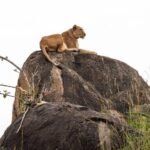
Where Is Kidepo Valley National Park Located?
September 25, 2026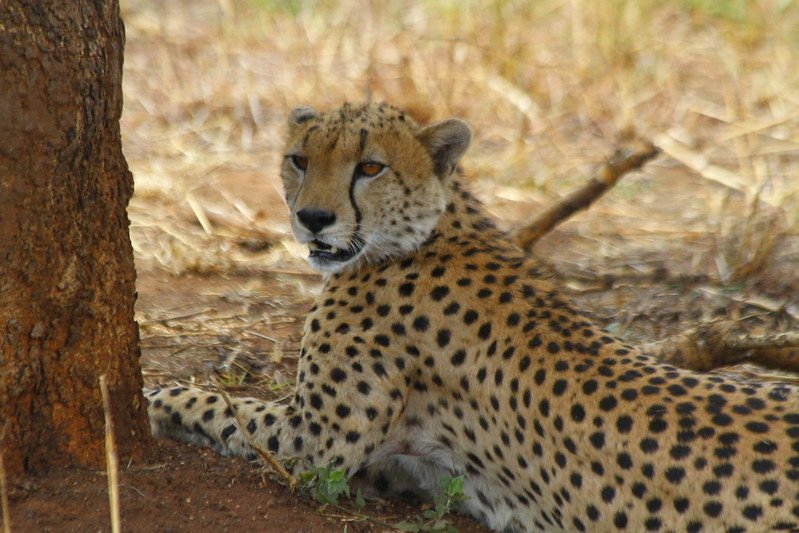
Travellers often ask one question before they commit to the long journey north: is Kidepo Valley National Park worth visiting? At Zamunda Travels, we hear this question every single week, and our honest answer is yes, without hesitation. Kidepo sits in the far northeastern corner of Uganda, hundreds of kilometres from Kampala, and that distance scares many tourists away. Yet the very remoteness that keeps visitor numbers low is also what makes this park so rewarding. Few crowds, wide open plains, and rare wildlife combine to create an experience that most Ugandan parks simply cannot match.
This blog breaks down exactly what you gain by choosing Kidepo, what challenges you should expect, and why Zamunda Travels believes it deserves a place on your Uganda itinerary.
What Makes Kidepo Valley National Park Different
Kidepo Valley National Park covers roughly 1,442 square kilometres of rugged savannah in the Karamoja region. Mount Morungole rises above the plains at 2,750 metres, and the Kidepo and Narus rivers cut through the landscape below it. The scenery shifts constantly. Acacia trees and towering Borassus palms dot golden grassland, while rocky outcrops break the horizon in every direction. Many guests compare the setting to Kenya’s Maasai Mara, only quieter and far less visited.
The park was gazetted in 1962, the same year Uganda gained independence, and it has stayed relatively untouched ever since. That isolation is precisely why Zamunda Travels recommends it to guests who want authentic wilderness rather than a crowded safari circuit. You will not queue behind a dozen vehicles at a lion sighting here. Instead, you often watch wildlife alone, with nothing but open plains stretching to the mountains.
Wildlife in Kidepo Valley National Park
The wildlife is where Kidepo truly earns its reputation. The park hosts around 77 mammal species, and several of them exist nowhere else in Uganda. Cheetahs roam freely here, and Kidepo remains the only Ugandan park where you can reliably spot them. Bat-eared foxes, striped hyenas, and caracals also call this park home, alongside more familiar favourites like lions, leopards, elephants, and buffalo.
Antelope lovers will not be disappointed either. Elands, greater and lesser kudus, klipspringers, oribis, and the tiny dik-dik all thrive across the valley floor. Rothschild’s giraffes stride through the acacia woodland, and zebras graze in loose herds near the Narus Valley, which holds the park’s only permanent water sources during the dry season. Because water is scarce elsewhere, wildlife concentrates around these points, making sightings easier for travellers who join a Zamunda Travels game drive.
Birders gain just as much from a visit. Kidepo Valley National Park protects more than 475 recorded bird species, including dozens found nowhere else in the country. Ostriches stride across open ground, kori bustards strut through the grass, and raptors such as the lappet-faced vulture and pygmy falcon patrol the skies above Narus Valley. Dry-country specialists that rarely appear elsewhere in Uganda turn up here in surprising numbers, which explains why serious birders often rank Kidepo among their top destinations on the continent.
Landscapes That Feel Genuinely Wild
Beyond the animals, the terrain itself justifies the trip. The Narus Valley offers classic savannah views, with elephants and buffalo wading through seasonal swamps while giraffes browse the drier slopes above. The Kidepo River tells a different story depending on the season. During the rains, water rushes between its banks, but in the dry months the riverbed turns into a wide stretch of white sand bordered by palm trees, and you can walk along it comfortably.
Further attractions add variety to any itinerary. Kanangorok Hot Springs sits near the South Sudan border and rewards visitors with bubbling geothermal pools set against a mountain backdrop. Namamukweny Valley, whose name ironically translates to “a place with no birds,” actually teems with species such as the white-crested turaco and the Abyssinian ground hornbill. Mount Morungole, home to the Ik people, one of Uganda’s smallest ethnic groups, offers hiking opportunities for guests who want to combine culture with adventure. Zamunda Travels can arrange guided walks here that pair naturally with a community visit to Karamojong villages nearby.
Getting There: Does the Distance Matter?
Honesty matters more than salesmanship, so let’s address the biggest hesitation directly. Kidepo sits about 520 kilometres from Kampala by road, and the drive can take a full day or longer depending on road conditions. This distance genuinely deters many travellers, and it explains why Kidepo remains Uganda’s least visited major park.
However, this obstacle has a simple solution. Zamunda Travels arranges domestic flights from Entebbe or Kajjansi straight into Kidepo’s airstrip, cutting travel time down to roughly ninety minutes. Guests who prefer the overland route can also combine the journey with stops in Karamoja communities or Mount Elgon, turning transit time into part of the adventure rather than a wasted day. Once you weigh the flight option against the payoff of near-empty wildlife plains, most guests agree the effort is worthwhile.
Best Time to Visit Kidepo Valley National Park
Timing shapes your experience considerably. The dry seasons, running from September to March, concentrate wildlife around the Narus Valley’s limited water sources, which makes game viewing more predictable. Clear skies during these months also deliver sweeping views of Mount Morungole and easier road conditions for the drive north.
The wetter months between April and September bring lush green scenery and excellent birdwatching, since migratory species arrive alongside the resident population. Rain does make some tracks harder to navigate, so Zamunda Travels typically advises dry-season travel for first-time visitors and reserves the wet season for repeat guests who prioritise birding and photography over guaranteed predator sightings.
Where to Stay Near the Park
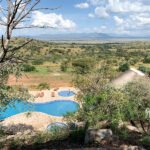
Accommodation options near Kidepo range from comfortable mid-range lodges to more rustic tented camps, most of them clustered around the Apoka area overlooking Narus Valley. None of the properties compete with the luxury lodges found in southern Uganda, and that is part of the point. Facilities stay simple, service stays personal, and the focus remains firmly on the wilderness outside your window. Zamunda Travels works with trusted lodges in the area and matches each guest to a property that fits their budget and comfort expectations.
Final Verdict
After weighing the distance against the rewards, Zamunda Travels answers confidently: yes, Kidepo Valley National Park is worth visiting. The park delivers wildlife you cannot find elsewhere in Uganda, landscapes that rival East Africa’s most celebrated reserves, and a sense of solitude that has largely disappeared from busier parks. Cheetahs roam here undisturbed, over 475 bird species fill the skies, and Mount Morungole watches over it all in near silence.
The journey demands commitment, but so does any genuinely rewarding safari destination. Guests who make the trip rarely regret it, and many return describing Kidepo as the highlight of their entire Uganda safari. If you want wilderness without crowds, book your trip through Zamunda Travels and let our team handle the flights, the lodges, and the game drives while you focus on the experience itself.