How to Book the Nyakagezi Gorilla Family Trek in Mgahinga National Park
November 2, 2026
Relaxation at Lake Bunyonyi
November 2, 2026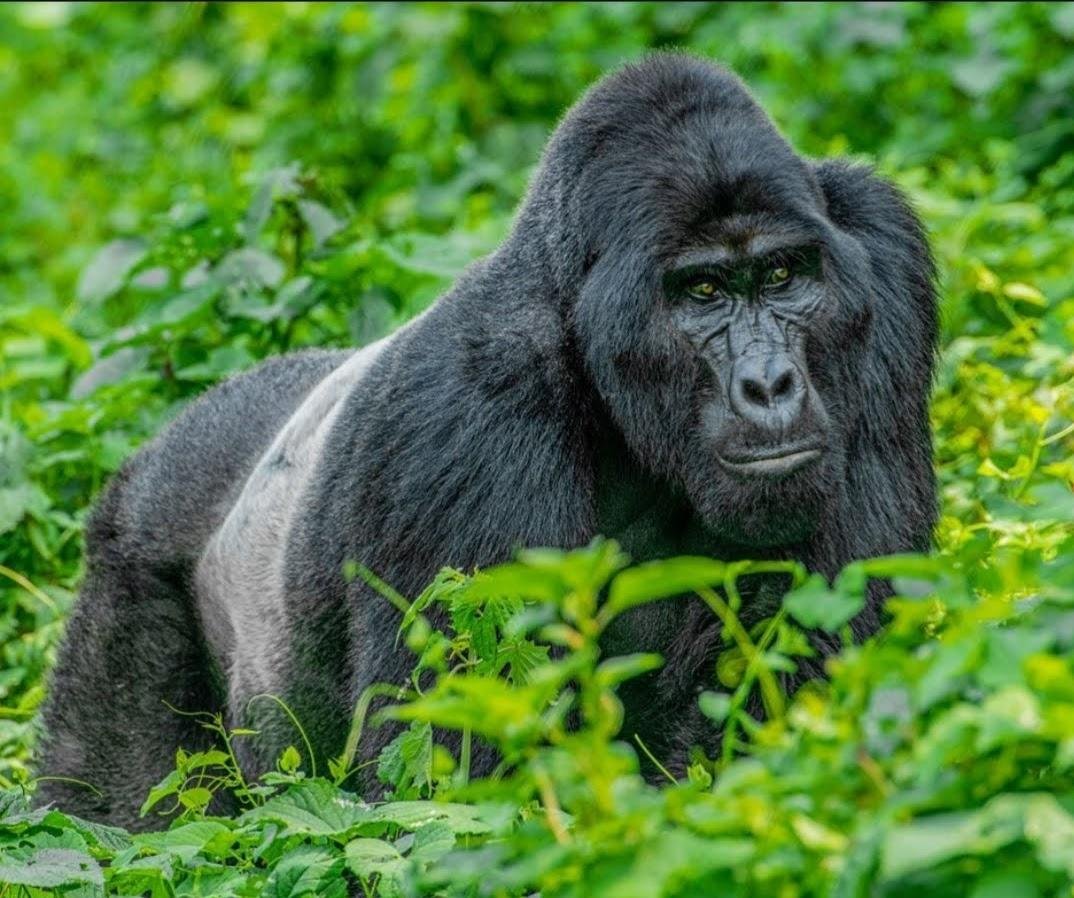
Mountain gorilla trekking in Uganda and Rwanda allows travellers to observe endangered mountain gorillas in their natural forest habitat. Both countries protect these remarkable primates through regulated tourism and conservation programmes.
However, planning a gorilla safari requires more than choosing a country. You must understand permit prices, trekking conditions, travel distances, and park regulations.
At Zamunda Travels, we help travellers organise gorilla trekking safaris across Uganda and Rwanda. This guide explains the essential facts, practical costs, and preparations for your visit.
Quick answer: Mountain gorilla trekking takes place in Uganda’s Bwindi Impenetrable and Mgahinga Gorilla National Parks and Rwanda’s Volcanoes National Park. Visitors spend up to one hour observing a habituated gorilla family. Uganda generally offers lower permit prices, while Rwanda provides shorter transfers from Kigali. Both countries require advance permits and responsible wildlife behaviour.
Key Takeaways
- Mountain gorillas live naturally in Uganda, Rwanda, and the Democratic Republic of Congo.
- Uganda offers trekking in Bwindi and Mgahinga, while Rwanda offers trekking in Volcanoes National Park.
- Standard gorilla visits last up to one hour after reaching the assigned family.
- The minimum trekking age is 15 years in both countries.
- Trekking operates throughout the year, although rainfall affects trail conditions.
1. What Is Mountain Gorilla Trekking?
Mountain gorilla trekking involves walking through protected forests with trained park rangers to locate a habituated gorilla family.
Mountain gorillas belong to the eastern gorilla species. Their scientific name is Gorilla beringei beringei.
A habituated gorilla family has gradually become accustomed to carefully controlled human visits. However, these gorillas remain wild animals.
Visitors may observe silverbacks, adult females, juveniles, and young gorillas feeding, resting, or interacting.
A silverback is a mature male gorilla with silver-coloured hair across his back. He often plays an important role in protecting and leading the family.
Mountain gorillas are classified as Endangered by the International Union for Conservation of Nature. Therefore, tourism follows strict conservation rules.
The animals live in two main geographical populations: Bwindi and the Virunga Mountains. The Virunga habitat crosses Uganda, Rwanda, and the Democratic Republic of Congo.
2. Where Can You Experience Mountain Gorilla Trekking in Uganda and Rwanda?
Three national parks offer established mountain gorilla trekking experiences in Uganda and Rwanda.
Bwindi Impenetrable National Park, Uganda
Bwindi lies in southwestern Uganda and covers approximately 321 square kilometres.
Its mountain forests support gorillas, birds, and many other wildlife species. The park is also a UNESCO World Heritage Site.
Bwindi has four main gorilla trekking sectors:
- Buhoma: The northern sector, convenient for itineraries connecting with Queen Elizabeth National Park.
- Ruhija: An eastern sector with highland forests and access towards Kabale.
- Rushaga: A southern sector offering standard trekking and the Gorilla Habituation Experience.
- Nkuringo: A southern sector known for steep terrain and scenic highland surroundings.
Each sector has different access routes and accommodation options.
Therefore, travellers should confirm their permit sector before booking accommodation.
Mgahinga Gorilla National Park, Uganda
Mgahinga lies near Kisoro in southwestern Uganda. It forms part of the larger Virunga volcanic landscape.
The park covers approximately 33.7 square kilometres and protects mountain gorillas and golden monkeys.
Visitors usually trek the habituated Nyakagezi gorilla family. However, daily access depends on permit availability and park management.
Mgahinga offers an alternative to Bwindi’s dense forest environment. Its vegetation includes bamboo forests and volcanic mountain habitats.
Volcanoes National Park, Rwanda
Volcanoes National Park lies in northwestern Rwanda, near Musanze.
The park protects mountain gorillas living along the Virunga volcanic slopes. It also has a strong conservation history associated with Dian Fossey.
Travellers generally reach the park from Kigali in approximately two to three hours.
However, road traffic, weather, and the exact accommodation location affect transfer times.
3. Mountain Gorilla Trekking in Uganda and Rwanda: Key Differences
Uganda and Rwanda protect the same mountain gorilla subspecies. However, their trekking logistics and permit prices differ.
| Feature | Uganda | Rwanda |
|---|---|---|
| National parks | Bwindi and Mgahinga | Volcanoes |
| Standard permit | US$800 published standard rate; confirm amendments | US$1,500 standard international rate |
| Gorilla viewing | Up to one hour | Up to one hour |
| Minimum age | 15 years | 15 years |
| Main terrain | Forested hills and volcanic slopes | Volcanic slopes and bamboo forest |
| Access from main airport | Longer road transfer from Entebbe | Shorter transfer from Kigali |
| Extended habituation | Available in Bwindi | No equivalent standard four-hour experience |
Uganda generally suits travellers seeking lower permit costs and longer wildlife safaris.
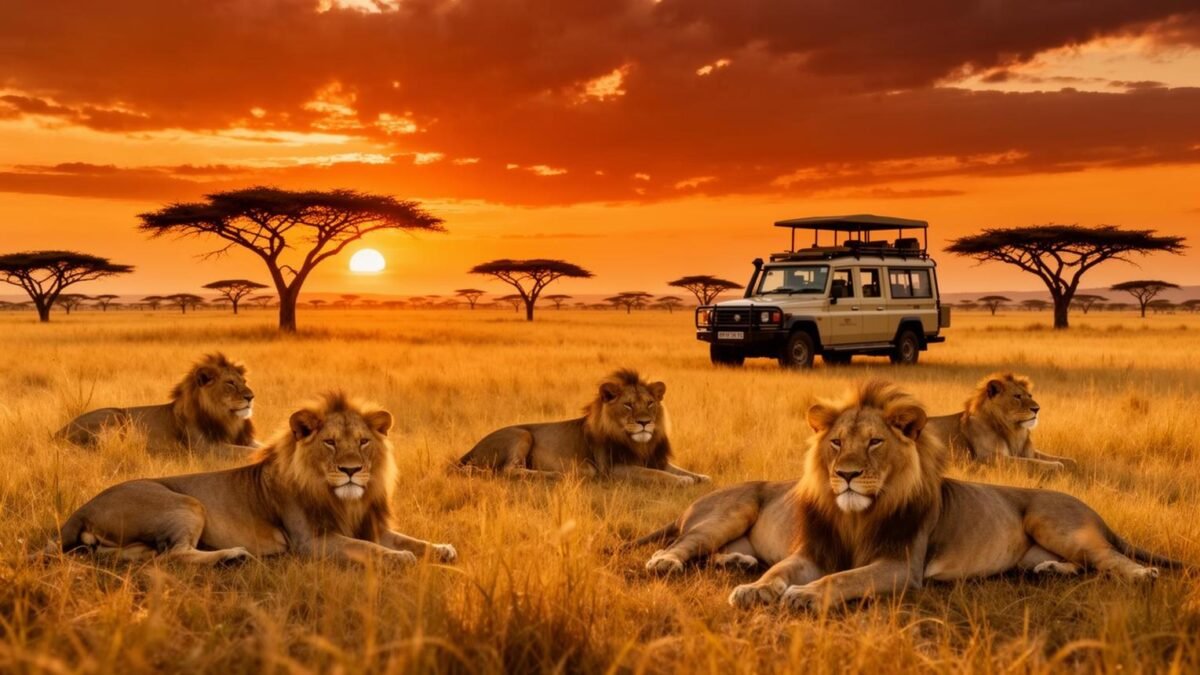
For example, visitors can combine gorilla trekking with chimpanzee trekking in Kibale National Park. They can also visit Queen Elizabeth National Park for game drives.
Rwanda suits travellers with limited time. Its shorter transfer from Kigali makes a brief gorilla safari more practical.
However, neither country guarantees an easier trek. The gorillas move freely, so walking conditions vary daily.
4. How Much Does Mountain Gorilla Trekking Cost?
A gorilla trekking permit is the main fixed wildlife activity cost.
In Uganda, the published standard foreign non-resident permit price was US$800 under the UWA 2024–2026 tariff. Rwanda’s published standard international visitor price is US$1,500.
Uganda has also introduced tariff amendments and seasonal offers. Therefore, travellers should confirm the applicable rate for their exact trekking date.
Rates change, so confirm current prices with Zamunda Travels.
What Does a Gorilla Permit Include?
A standard permit generally covers:
- Entry for the scheduled gorilla trekking activity.
- A briefing from park officials.
- Professional park ranger guidance.
- Up to one hour observing the assigned gorilla family.
- Relevant conservation and park fees.
However, accommodation, private transport, porter services, and personal expenses are normally separate.
Example Permit Budget for Two Travellers
Using the published standard permit rates:
| Expense | Uganda | Rwanda |
|---|---|---|
| Permit per person | US$800 | US$1,500 |
| Two permits | US$1,600 | US$3,000 |
| Accommodation | Additional | Additional |
| Transport | Additional | Additional |
| Porter and tips | Additional | Additional |
The standard permit difference is US$1,400 for two travellers.
However, these figures do not represent complete safari package prices.
A final quotation should include transport, accommodation, guiding, meals, and any additional activities.
At Zamunda Travels, we can prepare a personalised quotation based on your travel dates and preferred accommodation category.
5. What Happens During a Gorilla Trekking Day?
Gorilla trekking usually starts early in the morning.
In Rwanda, visitors report to the Volcanoes National Park headquarters at Kinigi for the morning briefing.
In Uganda, the reporting location depends on the assigned trekking sector.
Park officials explain the rules before assigning visitors to gorilla families. They may also consider fitness and other practical needs.
Next, ranger guides lead visitors towards the forest. Trackers help locate the gorillas using their knowledge of recent movements.
Walking can involve steep paths, slippery ground, thick vegetation, and uneven slopes.
Once the group reaches the gorillas, the permitted viewing period begins.
Visitors can watch the animals quietly while following the ranger’s instructions.
Afterwards, the group returns to the trailhead and continues to its lodge or next destination.
Practical tip: Avoid scheduling an international flight immediately after trekking. The return time can vary significantly.
During a gorilla trek in Bwindi’s Rushaga sector, visitors walk through dense forest, steep slopes, and sometimes muddy trails with experienced park rangers. Once they locate the gorillas, they may observe a silverback resting, young gorillas playing, and mothers caring for their infants. At Zamunda Travels, we recommend comfortable hiking boots, a local porter, and following ranger instructions throughout the trek.
6. How Difficult Is Gorilla Trekking?
Gorilla trekking requires a reasonable level of fitness. However, you do not need professional mountaineering experience.
Some groups reach their assigned gorilla family relatively quickly. Others walk for several hours before finding the animals.
Bwindi has steep forest slopes and dense vegetation. Meanwhile, Volcanoes National Park has volcanic terrain and higher elevations.
Rain can make both environments slippery.
Older travellers can also participate when their health and mobility allow. However, they should discuss physical limitations before booking.
Porters can assist with bags and provide support along difficult sections. In some locations, additional carrying assistance may be arranged in advance.
Our guides at Zamunda Travels recommend discussing fitness concerns before confirming a permit.
Nevertheless, park officials control final gorilla family assignments.
7. What Is the Best Time for Gorilla Trekking?
Mountain gorilla trekking operates throughout the year in Uganda and Rwanda.
However, the drier seasons usually offer more comfortable walking conditions.
| Months | General conditions | Planning advice |
|---|---|---|
| December–February | Often relatively dry | Good trekking period |
| March–May | Generally wetter | Expect muddy trails |
| June–September | Often drier | Popular; book early |
| October–November | Generally wetter | Prepare for rain |
These are broad seasonal patterns, not weather guarantees.
Even during drier months, rain can fall in the mountain forests.
June through September is particularly popular with international visitors. Therefore, permits and preferred lodges may sell out early.
Travellers seeking quieter periods can consider wetter months. However, they should prepare for more challenging walking conditions.
At Zamunda Travels, we recommend selecting dates based on both weather preferences and permit availability.
8. Can You Experience Gorilla Habituation in Uganda?
Yes. Uganda offers a Gorilla Habituation Experience in Bwindi’s Rushaga sector.
Habituation is the gradual process of helping wild gorillas become accustomed to carefully managed human presence.
The extended experience allows visitors up to four hours with an eligible gorilla family, subject to park rules.
However, this differs from ordinary trekking, which allows up to one hour.
The published UWA 2024–2026 foreign non-resident habituation permit was US$1,500. Confirm the revised tariff before booking later dates.
The experience suits travellers interested in gorilla behaviour and longer observation periods.
Nevertheless, it does not guarantee particular animal interactions or photography conditions.
9. How Do You Plan a Gorilla Trekking Safari from Kigali?
Kigali offers a practical arrival point for gorilla trekking in Rwanda or southwestern Uganda.
For Rwanda, travellers can reach the Volcanoes National Park area in approximately two to three hours.
For Uganda, the journey involves an international border crossing and a longer drive.
A transfer to southern Bwindi or Mgahinga may take approximately four to six hours, depending on the route and border procedures.
Example Four-Day Uganda Gorilla Safari from Kigali
Day 1: Arrive in Kigali
Meet your safari guide and transfer to your hotel. Depending on arrival time, explore Kigali or rest.
Day 2: Kigali to Bwindi
Travel through Rwanda towards the Uganda border. Continue to your lodge near the confirmed trekking sector.
Day 3: Gorilla trekking
Attend the morning briefing and trek with park rangers. Afterwards, return to your lodge for relaxation.
Day 4: Return to Kigali
Enjoy breakfast before driving back to Kigali. Continue to your hotel or airport according to your schedule.
This route works particularly well with a confirmed permit in southern Bwindi.
However, always allow enough time for border procedures and possible road delays.
10. What Should You Pack for Gorilla Trekking?
Proper clothing improves comfort and reduces avoidable difficulties.
We recommend carrying:
- Waterproof hiking boots with good ankle support.
- Long trousers and a long-sleeved shirt.
- A lightweight waterproof jacket.
- Gardening or trekking gloves.
- Drinking water and packed snacks.
- A small daypack with a waterproof cover.
- A camera without flash photography.
- Your passport and required trekking documents.
Also, consider gaiters for muddy conditions.
Wear clothing that protects your arms and legs from vegetation. Avoid carrying unnecessary weight.
A porter can help with your daypack while supporting local employment.
11. Safety, Health and Responsible Gorilla Tourism
Gorilla trekking takes place under the supervision of trained park rangers.
However, mountain gorillas remain powerful wild animals. Therefore, visitors must follow every instruction from their ranger guide.
Maintain the current minimum viewing distance required by the park. Avoid touching gorillas, feeding them, or blocking their movements.
Also, never use flash photography.
Human respiratory infections can threaten gorillas. Consequently, visitors should not trek while experiencing symptoms of an infectious illness.
Follow the park’s current mask and hygiene requirements.
Before travelling, consult your doctor or travel clinic about recommended vaccinations, yellow fever documentation, and malaria prevention.
Travel insurance should also cover trekking activities and appropriate medical evacuation.
How Does Gorilla Tourism Support Conservation?
Gorilla permits help finance conservation and park management.
These funds support activities such as ranger patrols, habitat protection, monitoring, and community programmes.
In Uganda, UWA operates revenue-sharing programmes benefiting communities surrounding protected areas.
Rwanda also directs part of its gorilla tourism revenue towards community development.
Responsible travellers contribute by following wildlife rules and supporting legitimate local services.
12. Common Mistakes to Avoid
Several planning mistakes can increase costs or create unnecessary travel problems.
Booking accommodation before confirming the trekking sector: Bwindi’s sectors have different access routes.
Leaving permits until the last minute: Popular trekking dates may have limited availability.
Underestimating walking difficulty: Gorilla locations change, and some treks require several hours.
Choosing the wrong arrival airport: Kigali may suit short southwestern Uganda trips, while Entebbe works well for longer Uganda safaris.
Ignoring travel documents: Cross-border journeys require the correct passport and entry permissions.
Expecting guaranteed photography conditions: Gorillas move naturally, and forest lighting changes throughout the day.
At Zamunda Travels, we recommend confirming permits before finalising your accommodation and transport arrangements.
13. Why Plan Your Gorilla Safari with Zamunda Travels?
Zamunda Travels Uganda Ltd is a Uganda-based tour operator organising safaris across Uganda, Rwanda, Kenya, and Tanzania.
Our team helps travellers arrange gorilla trekking permits, accommodation, transport, and complete safari itineraries.
We also help visitors combine gorilla trekking with other East African wildlife experiences.
For example, a longer Uganda safari can include chimpanzee trekking, Queen Elizabeth National Park, and Lake Bunyonyi.
Meanwhile, Rwanda itineraries can include golden monkey trekking, Kigali city experiences, and Akagera National Park.
Our Uganda Tourism Board tour operator licence is UTB/RTT/TO/2026/102299.
At Zamunda Travels, our guides help guests prepare for gorilla trekking by explaining the terrain, recommending suitable hiking boots, and arranging local porters when needed. We also help travellers choose convenient routes, such as travelling from Kigali to the Rushaga sector of Bwindi, to reduce unnecessary driving time and make the safari more comfortable.
Plan Your Mountain Gorilla Trekking Safari
Mountain gorilla trekking in Uganda and Rwanda offers a carefully regulated opportunity to observe endangered gorillas in the wild.
Uganda generally provides lower permit costs and more options for longer wildlife itineraries. Rwanda offers convenient access from Kigali and established gorilla tourism services.
However, the best destination depends on your budget, travel dates, fitness, and available time.
Plan your gorilla trekking safari with Zamunda Travels.
Contact our local team for permit availability, accommodation recommendations, and a personalised Uganda or Rwanda safari quotation.
Zamunda Travels Uganda Ltd
Website: www.zamundatravels.com
Email: info@zamundatravels.com
WhatsApp: +256 704 705606
Explore. Experience. Remember.
Frequently Asked Questions About Mountain Gorilla Trekking
1. Is gorilla trekking better in Uganda or Rwanda?
Uganda is generally better for travellers seeking lower permit costs and longer wildlife safaris. Rwanda is convenient for visitors with limited time because Volcanoes National Park is close to Kigali. However, both countries offer regulated encounters with mountain gorillas. Your choice should depend on budget, travel duration, and personal preferences.
2. How much does gorilla trekking cost in Uganda and Rwanda?
The published standard foreign non-resident permit price in Uganda was US$800 under the 2024–2026 tariff. Rwanda’s standard international permit price is US$1,500. Accommodation, transport, and other services cost extra. Uganda has published tariff amendments, so confirm the rate for your exact dates. Rates change, so confirm current prices with Zamunda Travels.
3. How long does mountain gorilla trekking take?
Gorilla trekking can take several hours, depending on the family’s location and the terrain. Once visitors reach the gorillas, the standard observation period lasts up to one hour. Therefore, travellers should keep the trekking day flexible and avoid tight onward travel schedules.
4. Is mountain gorilla trekking safe?
Mountain gorilla trekking operates under strict park regulations and trained ranger supervision. However, visitors must respect wildlife distances and follow all ranger instructions. Forest terrain can also be physically challenging. Therefore, wear suitable footwear, disclose relevant fitness concerns, and check health precautions with your doctor before travelling.
5. What is the best month to see mountain gorillas?
June, July, August, and September are popular because conditions are often relatively dry. December through February can also offer suitable trekking weather. However, mountain gorillas can be visited throughout the year. Rain remains possible in every season, so waterproof clothing and flexible travel planning are important.