Tanzania Safari and Zanzibar
October 7, 2026
Serengeti National Park Safari
October 7, 2026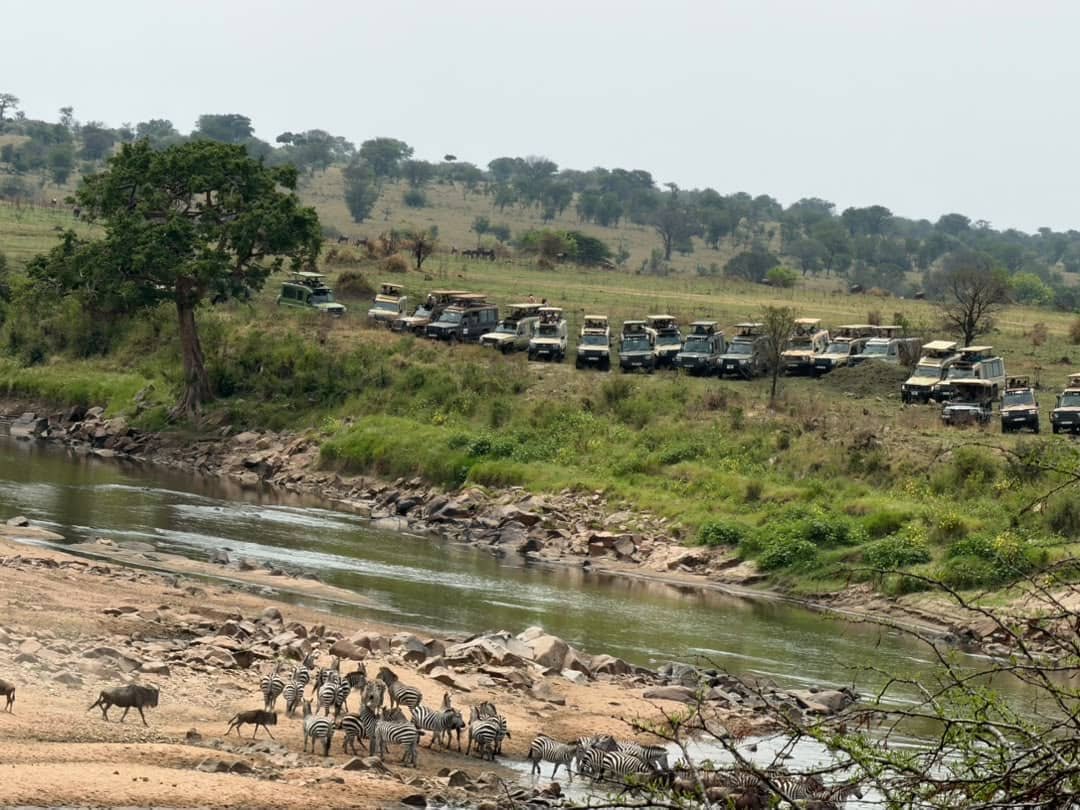
Choosing a northern vs southern Tanzania safari is the biggest decision in your trip plan. Tanzania protects some of the richest wildlife areas in Africa. However, those areas sit in two very different regions. The north offers famous names such as the Serengeti and Ngorongoro Crater. The south offers wild rivers, vast empty landscapes, and far fewer vehicles. Zamunda Travels helps guests weigh both options every season, and we know that neither region wins for everyone.
This guide compares wildlife, activities, costs, crowds, and timing. As a result, you can match each circuit to your own travel style. First-time visitors often lean north, while repeat visitors often crave the quiet south. Still, the right northern vs southern Tanzania safari depends on your budget, your dates, and the animals you most want to see. Read on, and Zamunda Travels will walk you through every key difference.
What Defines a Northern vs Southern Tanzania Safari?
Tanzania groups its main safari parks into circuits. A circuit is simply a cluster of parks that visitors can link in one trip. The northern circuit sits near Arusha and Mount Kilimanjaro. The southern circuit sits south and west of Dar es Salaam. Kilimanjaro International Airport serves the north directly, whereas Julius Nyerere International Airport in Dar es Salaam serves the south. Because a northern vs southern Tanzania safari covers regions far apart, most travelers pick one circuit per trip. In addition, each circuit follows a different rhythm. Northern safaris usually combine road travel with short flights. Southern safaris rely mostly on light aircraft, because few practical roads connect the remote parks. Zamunda Travels builds every itinerary around these logistics first, since transport shapes both cost and comfort.
The Northern Circuit at a Glance
The northern circuit centres on four headline destinations. Serengeti National Park anchors the route with endless plains and the Great Migration. Ngorongoro Conservation Area follows, with its famous volcanic crater. Tarangire National Park adds large elephant herds and ancient baobab trees. Lake Manyara National Park offers a soda lake, groundwater forest, and tree-climbing lions. Arusha National Park often completes the list as a short, scenic stop. This route offers the widest choice of lodges and camps in the country. Moreover, tour operators, guides, and flights are easy to find in Arusha. As a result, travelers can build trips of almost any length or budget. Zamunda Travels often suggests this circuit to first-time visitors, because the classic highlights sit close together.
The Southern Circuit at a Glance
The southern circuit centres on Nyerere National Park and Ruaha National Park. Nyerere was once the Selous Game Reserve, and Tanzania upgraded it to a national park in 2019. The Rufiji River winds through it and creates lakes, channels, and shady riverbanks. Ruaha, in contrast, offers dry hills, rocky outcrops, and giant baobabs along the Great Ruaha River. Mikumi National Park and Udzungwa Mountains National Park also join some routes, mainly as short stops near Dar es Salaam. Visitor numbers stay far lower here. Consequently, guests often drive for hours without meeting another vehicle. Camps are fewer and smaller, and many operate only in the dry season. Zamunda Travels recommends this circuit to travelers who want solitude and a raw, unhurried bush experience.
Northern vs Southern Tanzania Safari: Wildlife Compared
Wildlife is where the debate gets passionate. The north offers the Great Migration, which sends more than a million wildebeest, plus zebras and gazelles, around the Serengeti ecosystem in a yearly loop. Nothing in the south matches this spectacle. In addition, Ngorongoro Crater packs lions, elephants, buffalo, hippos, and endangered black rhinos into a small caldera floor. The surrounding conservation area is a UNESCO World Heritage site, and sightings there are famously reliable. Tarangire adds big dry-season elephant gatherings. Therefore, the north suits travelers who want a high volume of animals in a short time.
The south rewards patience and offers a different kind of richness. Ruaha ranks among the best places in Africa to see African wild dogs, and it also holds strong lion and leopard populations. Ruaha hosts greater kudu, sable, and roan antelope too, which northern parks lack. Nyerere offers large buffalo herds, plus hippos and crocodiles crowding the Rufiji River. Elephants, giraffes, and lions roam both southern parks. However, rhinos are not a normal expectation on standard southern itineraries. Furthermore, wildlife moves with the seasons in the south, so sightings feel less predictable and more rewarding. Zamunda Travels tells guests plainly that the south delivers wilderness, not a guaranteed checklist.
Activities, Costs and Crowds on Each Circuit
Safari Activities Compared
Both regions offer game drives, yet the extras differ. The north offers hot-air balloon flights over the Serengeti and a descent into Ngorongoro Crater. It also offers cultural visits to Maasai communities near the conservation area. In the south, boat safaris on the Rufiji River let you drift past hippos, crocodiles, and drinking elephants. Walking safaris sit at the heart of southern camps, and expert rangers lead small groups across the bush on foot. Moreover, many southern camps also run fly-camping trips and night drives. Walking is possible in selected northern areas, but the choice is narrower. Consequently, the south suits active travelers, while the north suits those who prefer comfortable vehicles and iconic scenery. In a northern vs southern Tanzania safari comparison, activities often decide the winner. Zamunda Travels can add any of these experiences to your plan.
Costs, Crowds and Access in a Northern vs Southern Tanzania Safari
Money matters, so compare the numbers early. Serengeti and Nyerere both sit in Tanzania’s top park-fee tier, at roughly $83 per adult per 24 hours. Ruaha and Mikumi charge much less, at around $30 to $35 per adult. Ngorongoro adds a crater service fee of about $295 per vehicle. A standard seven-day northern route often costs $500 to $600 per person in park fees alone. Meanwhile, southern trips usually need domestic flights, which commonly run $200 to $500 per person per sector. Therefore, neither region is automatically cheaper. Road-based Nyerere trips from Dar es Salaam stay affordable, whereas fly-in Ruaha stays remote and pricey. As for crowds, the north gets busy at peak migration times, while the south stays quiet all year. Park fees change often, so Zamunda Travels confirms current rates before you pay a deposit.
Best Time to Go on Each Circuit
Timing shapes your experience as much as location does. In the north, the calving season from January to March fills the southern Serengeti and Ndutu area with newborn wildebeest and hunting predators. From July to October, the herds cross the Mara River in the northern Serengeti, and many travelers regard this period as the migration’s highlight. Moreover, the dry months from June to October make wildlife easy to spot across the entire circuit. The south follows a simpler pattern. The dry season from June to October works best, because animals gather along the Rufiji and Great Ruaha rivers. In contrast, the long rains from roughly March to May turn roads muddy, and many southern camps close. November and December bring short rains and green landscapes in both regions. Therefore, the dry season suits almost everyone, while the green season suits photographers and budget seekers. A northern vs southern Tanzania safari works in any month, provided you match the circuit to the calendar.
Northern vs Southern Tanzania Safari: Which One Should You Choose?
Pick the north if this is your first African safari. The Serengeti, Ngorongoro Crater, and the migration deliver unforgettable scenes in a short time. The north also offers more lodge options, easier logistics, and strong guiding standards. In addition, families and photographers value the reliable sightings. You must also pick the north to witness the Great Migration, because the south simply cannot offer it. Zamunda Travels recommends five to seven days for this circuit, so you can reach the Serengeti without rushing.
Pick the south if you value silence, space, and activity. Ruaha and Nyerere reward guests with walking safaris, boat trips, and a real sense of remoteness. This route also suits repeat visitors who already know the northern highlights. Likewise, couples who dislike crowds often prefer the south. Beyond that, adventurous travelers love exploring on foot with an expert ranger. Zamunda Travels suggests five to seven days here as well, since remote parks reward slow travel. Finally, consider a combined trip if you have ten days or more. You can link both circuits by domestic flight and enjoy the best of each region. In short, the best choice is the circuit that matches your priorities.
Plan Your Tanzania Safari with Zamunda Travels
Zamunda Travels designs private Tanzania safaris around your dates, budget, and interests. We explain every park fee, flight, and lodge choice in plain language, so no surprise costs appear later. Our team also helps you decide between a northern vs southern Tanzania safari, a combined route, or a Tanzania and Uganda journey that adds gorilla trekking. Contact Zamunda Travels today, share your travel dates, and we will prepare a tailored itinerary for you.