Nairobi National Park Safari
October 8, 2026
Lake Naivasha Safari & Boat Ride
October 8, 2026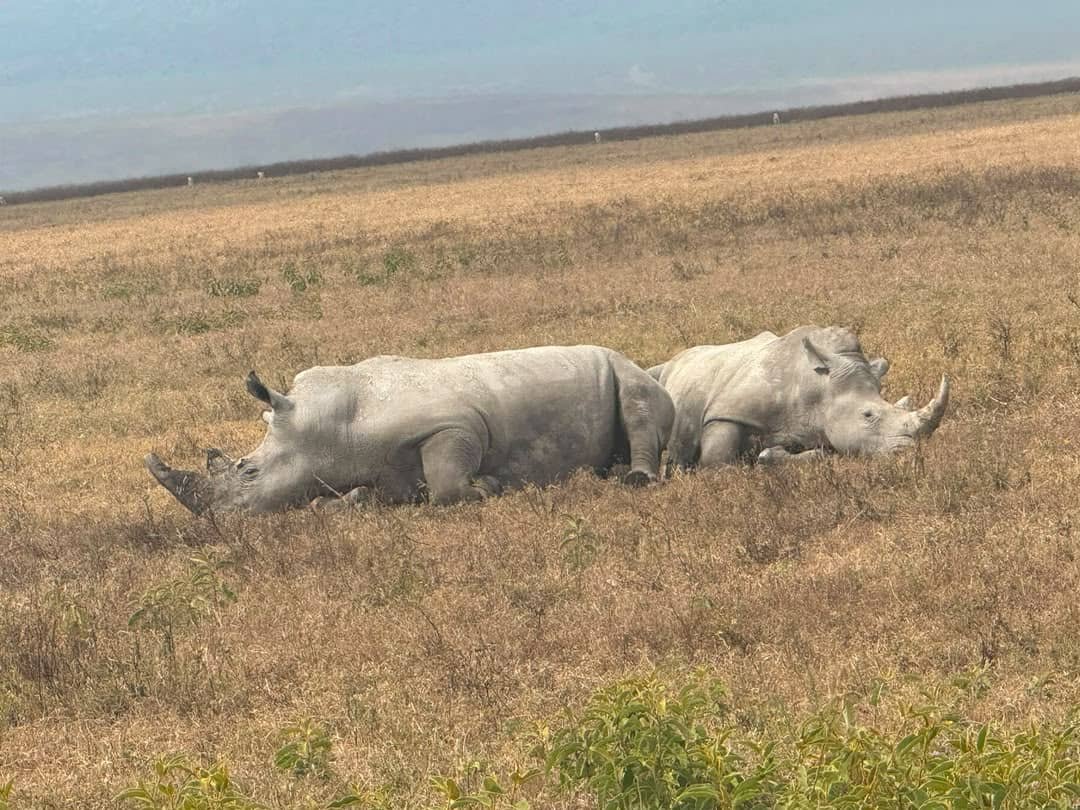
Ol Pejeta Conservancy is one of Kenya’s most remarkable wildlife destinations. Located in Laikipia County, near Nanyuki and the slopes of Mount Kenya, the conservancy combines classic African wildlife viewing with some of the most important conservation work on the continent. An Ol Pejeta safari gives travellers the chance to see rhinos, elephants, lions, cheetahs, zebras, giraffes and many other species across open savannah landscapes. It also offers a rare opportunity to visit the Sweetwaters Chimpanzee Sanctuary and learn about the protection of rescued chimpanzees.
What makes Ol Pejeta especially different is its strong connection between tourism and conservation. The conservancy protects endangered wildlife while working with surrounding communities and supporting sustainable land use. For travellers, this means a safari can be both exciting and educational. With Zamunda Travels, visitors can include Ol Pejeta in a wider Kenya safari that may also cover destinations such as Samburu, Lake Nakuru, Maasai Mara or Amboseli.
Why Choose an Ol Pejeta Safari?
An Ol Pejeta safari stands out because it offers more than ordinary game viewing. The conservancy covers about 90,000 acres of protected landscape and supports one of Kenya’s most important concentrations of wildlife outside the Maasai Mara. Its habitats include open grasslands, wooded areas and wetlands. These environments support both predators and herbivores.
The conservancy is also famous for its rhino conservation programme. Ol Pejeta is home to the world’s last two northern white rhinos, Najin and Fatu. Both are females, so they cannot produce a calf naturally. Scientists therefore continue to work on assisted reproduction as part of an international effort to prevent the subspecies from disappearing completely. In April 2026, researchers announced the creation of another northern white rhino embryo after an egg collection procedure involving Fatu.
This combination makes Ol Pejeta ideal for travellers who want wildlife encounters with a deeper conservation story. You are not simply watching animals. You are visiting a landscape where rangers, veterinarians, scientists and local communities work together to protect threatened species.
Ol Pejeta Safari and Rhino Conservation
Rhinos are at the heart of the Ol Pejeta experience. The conservancy is recognised as the largest black rhino sanctuary in East Africa and protects a major population of critically endangered eastern black rhinos. It also provides a secure home for southern white rhinos and the last two northern white rhinos.
During an Ol Pejeta safari, visitors can learn about the different rhino species and the challenges they face. Special conservation experiences can take guests closer to the work carried out by rangers and conservation teams. Rhino monitoring, for example, teaches visitors how experts identify individual animals through features such as ear notches. Participants can also learn how rangers record information about body condition, habitat and daily behaviour.
The northern white rhinos provide an even more powerful conservation story. Najin and Fatu represent the final surviving members of their subspecies. Their future depends on advanced reproductive science, including the development and use of embryos created from genetic material collected from northern white rhinos. Ol Pejeta continues to host this international conservation effort.
Visitors should also understand that wildlife situations can change. For example, Baraka, the famous blind black rhino who became an important ambassador for rhino conservation, died on 16 August 2026 at the age of 31. His story remains an important part of Ol Pejeta’s conservation history.
Chimpanzees on an Ol Pejeta Safari
Chimpanzees are another major reason to visit Ol Pejeta. The Sweetwaters Chimpanzee Sanctuary provides a refuge for chimpanzees rescued from the illegal wildlife trade. The sanctuary opened its doors in 1993 after a rescue centre in Burundi closed because of civil war.
Chimpanzees are not native to Kenya. Their natural range extends across parts of West and Central Africa, including countries such as Uganda. At Ol Pejeta, rescued individuals receive care in a protected environment. This makes the sanctuary an important centre for animal welfare, education and conservation awareness.
A visit can offer a different experience from a traditional game drive. Instead of searching for animals across a large wilderness area, visitors can learn about the individual chimpanzees, their backgrounds and their behaviour. The current visitor programme includes scheduled opportunities to meet the chimpanzees and learn more about their lives.
For travellers interested in primates, this makes Ol Pejeta an interesting addition to a Kenya itinerary. Zamunda Travels can also combine the conservancy with Uganda trips for travellers who want to experience wild chimpanzees in forests such as Kibale National Park.
Wildlife to See During an Ol Pejeta Safari
Ol Pejeta supports a wide range of wildlife, so game drives can produce varied sightings throughout the day. Lions are among the major predators in the conservancy. Cheetahs and leopards also occur here, while spotted hyenas, jackals, caracals and bat-eared foxes add further diversity to the predator population.
Large herbivores are equally important. Visitors can encounter elephants, zebras, giraffes, buffaloes and different antelope species. Ol Pejeta also protects Grevy’s zebras and Jackson’s hartebeest, adding species of particular interest to wildlife enthusiasts. The open landscapes can make photography rewarding, especially when animals appear against the backdrop of Mount Kenya.
Wildlife sightings can never be guaranteed. Animals move freely and conditions change throughout the day. However, Ol Pejeta’s strong wildlife populations and varied habitats provide excellent opportunities for game viewing. Early morning and late afternoon drives are often productive because many animals become more active when temperatures are cooler.
Big Five Wildlife in Ol Pejeta
An Ol Pejeta safari can also deliver the famous African Big Five experience. Lions, leopards, elephants, buffaloes and rhinos live within the conservancy. This makes Ol Pejeta an excellent option for travellers who want a compact safari destination with a strong focus on endangered species.
The predator population is particularly notable. Ol Pejeta has historically maintained high predator densities, with lions forming several resident prides. Cheetahs and leopards also contribute to the diversity of carnivores found in the area.
However, responsible safari planning should focus on more than ticking off a wildlife checklist. The real value of visiting Ol Pejeta lies in seeing animals within a functioning conservation landscape. Your visit also contributes to a system that protects habitats and supports conservation programmes.
Best Things to Do on an Ol Pejeta Safari
A standard game drive is the easiest way to explore the conservancy. Ol Pejeta offers all-day game drives that allow visitors to cover more ground and search for wildlife across different habitats. The conservancy currently lists game drives among its key visitor experiences.
For a more specialised experience, travellers can choose lion tracking. This activity provides insight into predator monitoring and the scientific work used to understand individual lions and their movements. Night game drives offer another perspective because nocturnal species become active after sunset.
Other experiences include guided bush and bird walks, dog tracking, rhino monitoring, conservation talks and visits focused on the northern white rhinos. These activities allow visitors to understand how conservation works beyond the normal safari vehicle experience.
A visit to the chimpanzee sanctuary is another highlight. Travellers can learn about rescued chimpanzees and the challenges involved in caring for animals that cannot simply return to their original habitats.
When Is the Best Time for an Ol Pejeta Safari?
Ol Pejeta is a year-round safari destination. The conservancy itself notes that dry seasons can make wildlife viewing easier because vegetation is often less dense and animals may gather around available water. Green seasons, however, bring lush landscapes and can provide quieter safari experiences.
The best season depends on what you want from your trip. If your main goal is straightforward wildlife viewing, a dry period can be a strong choice. If you prefer greener scenery and fewer visitors, the wetter months can also be rewarding.
Because weather patterns can vary, it is useful to plan your itinerary around your broader Kenya safari rather than focusing on one destination alone. Zamunda Travels can help combine Ol Pejeta with other parks according to your travel dates, wildlife interests and budget.
How to Get to Ol Pejeta Conservancy
Ol Pejeta is located in Laikipia County, close to Nanyuki. The conservancy is approximately 220 kilometres from Nairobi by road, with the journey taking around four hours under normal conditions. Travellers can drive via Nanyuki and continue to the conservancy using the access roads.
Flying is another option. Scheduled flights can reach Nanyuki Airstrip, followed by a road transfer to Ol Pejeta. This can save time for travellers who have a short Kenya itinerary or want to connect Ol Pejeta with another safari destination.
For international travellers, Nairobi is often the easiest starting point. From there, Zamunda Travels can arrange a private safari vehicle, driver-guide and accommodation according to the selected itinerary.
How Long Should You Spend in Ol Pejeta?
One full day can provide a good introduction to Ol Pejeta. However, two nights or more allow travellers to experience the conservancy at a slower pace. Additional time also makes it easier to combine standard game drives with specialised conservation experiences.
A short visit may focus on the chimpanzee sanctuary, rhinos and a game drive. A longer stay can include lion tracking, a night drive, rhino monitoring or guided walks, depending on availability and the visitor’s interests.
For a broader Kenya safari, Zamunda Travels can combine Ol Pejeta with Samburu, Lake Nakuru, Maasai Mara or Amboseli. This approach gives travellers a wider view of Kenya’s wildlife and landscapes without making Ol Pejeta the only stop.
Ol Pejeta Safari Costs and Entry Information
Ol Pejeta’s 2026 tariff guide lists different conservation entry fees for East African citizens, East African residents and non-residents. The current non-resident adult entry fee is USD 110, while the child rate is USD 55. Vehicle entry fees also apply according to vehicle size. The conservancy operates a cashless system and recommends booking in advance.
Additional conservation experiences have separate charges. For example, the 2026 tariff guide lists lion tracking, dog tracking, night game drives, guided bush or bird walks, meetings with the northern white rhinos and rhino monitoring as additional experiences. Rates and conditions can change, so travellers should confirm the latest charges before travelling.
Zamunda Travels can include applicable park or conservancy fees, transport, accommodation, meals and selected activities within a personalised safari quotation.
Where to Stay on an Ol Pejeta Safari
Travellers can stay within the conservancy or around the Nanyuki area. Staying inside or close to Ol Pejeta can reduce travel time and allow visitors to start their wildlife activities early.
Accommodation ranges from campsites to more comfortable lodges and tented properties. The choice depends on your budget, preferred level of comfort and safari style. Ol Pejeta also provides several accommodation options through its visitor planning system.
For budget-conscious travellers, camping can provide a closer connection with the landscape. Luxury travellers can choose higher-end accommodation with additional facilities and services. Zamunda Travels can recommend suitable accommodation based on the overall safari budget.
Why Visit Ol Pejeta With Zamunda Travels?
Choosing the right safari operator can make planning easier, especially when you want to combine several destinations. Zamunda Travels can help organise your Ol Pejeta safari around your preferred travel dates, accommodation style, wildlife interests and budget.
A well-planned itinerary should allow enough time for game viewing without making every day feel rushed. It should also consider road distances between destinations. For travellers arriving through Nairobi, Ol Pejeta works well as part of a northern or central Kenya safari.
Zamunda Travels can also combine Kenya with Uganda or Rwanda for travellers interested in a wider East African experience. For example, a Kenya wildlife safari can be followed by gorilla trekking in Uganda or Rwanda, creating a diverse itinerary that combines savannah wildlife with primate experiences.
Responsible Tourism at Ol Pejeta
Responsible tourism is an important part of the Ol Pejeta experience. Visitors should follow the conservancy’s wildlife guidelines, respect animal distances and remain on designated tracks. Keeping noise low also helps reduce disturbance to wildlife.
The wider conservation model is equally important. Ol Pejeta works with surrounding communities and aims to connect wildlife conservation with livelihoods, education and local development. The conservancy states that its community department works directly and indirectly with approximately 45,000 people across 21 designated communities.
When you visit, your tourism spending helps support a conservation system that protects wildlife while creating opportunities for people living around the conservancy. This makes an Ol Pejeta visit more meaningful than a simple wildlife excursion.
Final Thoughts on an Ol Pejeta Safari
An Ol Pejeta safari offers a rare combination of wildlife, conservation and education. Visitors can search for Big Five species across open Laikipia landscapes, learn about endangered rhinos and visit the Sweetwaters Chimpanzee Sanctuary. Few destinations in Kenya offer such a strong combination of wildlife viewing and hands-on conservation experiences.
The conservancy is especially important because it protects the last two northern white rhinos while supporting a major black rhino population. Its work also extends to predators, elephants, endangered species, habitat protection and neighbouring communities.
For travellers seeking a meaningful Kenya safari, Ol Pejeta deserves a place on the itinerary. With careful planning from Zamunda Travels, you can combine the conservancy with Kenya’s other major wildlife destinations and create a safari that balances adventure, comfort and conservation.