Ol Pejeta Conservancy Safari
October 8, 2026
Kenya Safari
October 8, 2026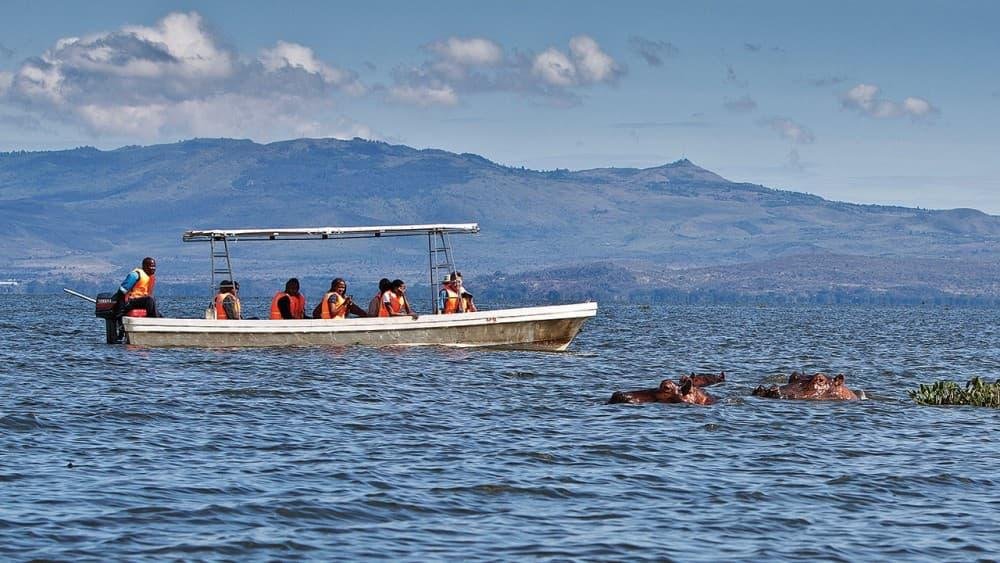
A Lake Naivasha safari offers a different side of Kenya. Instead of focusing only on traditional game drives, this experience combines freshwater scenery, boat trips, hippos, birdwatching, and walking safaris. Lake Naivasha lies in Kenya’s Great Rift Valley, about 90 km northwest of Nairobi. It sits at roughly 1,884 metres above sea level and is one of the region’s most important freshwater lakes. Lake Naivasha
For travellers exploring Kenya, Naivasha also works well as a stop between Nairobi, Lake Nakuru and the Masai Mara. The area offers several activities within a relatively small region. These include boat rides, Crescent Island walks, cycling and hiking at Hell’s Gate National Park. With Zamunda Travels, travellers can include Lake Naivasha in a wider Kenya safari itinerary and enjoy the lake as a relaxing break between major wildlife destinations.
Why Choose a Lake Naivasha Safari?
A Lake Naivasha safari is ideal for travellers who want more than a conventional game drive. The lake creates a different wildlife-viewing environment because many animals live around the water, shoreline and nearby grasslands. Hippos are among the main attractions. You can often see them resting in shallow water while their eyes and ears remain above the surface. The lake also attracts many waterbirds and other species that depend on its freshwater ecosystem.
Unlike Kenya’s famous savannah reserves, Naivasha does not offer the same Big Five game-drive experience as the Masai Mara or Amboseli. Instead, its strength lies in its combination of water, birds, hippos, scenery and walking experiences. This makes it a useful addition to a longer safari. It also suits travellers who want a slower experience after several days of driving and game viewing.
Lake Naivasha is a freshwater lake within the Great Rift Valley. It is fed by rivers including the Malewa and Gilgil, while underground drainage helps maintain its freshwater character. The lake’s surface area changes with rainfall and water levels, so published measurements can vary over time.
What to See on a Lake Naivasha Safari
The wildlife experience around Lake Naivasha is closely connected to the lake and its surrounding habitats. Hippos are the most famous animals associated with the destination. During daylight hours, they spend much of their time in or near the water. They may appear calm, but visitors should always keep a safe distance and follow the instructions of their boat guide.
Birdlife is another major attraction. African fish eagles are among the most memorable species to watch from the water. You may also encounter pelicans, kingfishers, herons, cormorants and other waterbirds. More than 400 bird species have been recorded around the wider lake area, making Naivasha an appealing destination for both casual birdwatchers and serious birding enthusiasts.
The surrounding landscape adds another layer to the experience. Papyrus-lined shores, open grasslands, acacia vegetation and distant Rift Valley hills create excellent scenery for photography. Early morning and late afternoon can provide attractive light for landscape and wildlife photography.
What to Expect
A boat ride is one of the highlights of a Lake Naivasha safari. Boats take visitors onto the freshwater lake for close views of the shoreline, birds and hippos. The exact experience depends on the weather, water conditions, boat operator and wildlife activity on the day.
Most trips last around one to two hours, although the duration can vary. Before departure, travellers should confirm the trip length, price, number of passengers and safety arrangements. A responsible operator should provide suitable life jackets and use a boat and captain appropriate for the conditions.
The boat normally moves through areas where wildlife gathers along the shoreline and in quieter sections of the lake. Your guide can help identify birds and explain animal behaviour. When hippos appear, the captain should maintain an appropriate distance rather than moving too close for photographs. Responsible wildlife viewing protects both visitors and animals.
The lake can become windy, so conditions may change during the day. For this reason, it is useful to plan the boat trip with your safari guide rather than assuming that every departure will offer identical conditions.
Best Time for a Lake Naivasha Boat Ride
Morning and afternoon boat rides can both provide good wildlife and birdwatching opportunities. The best time depends on your wider itinerary, weather and the behaviour of wildlife on the day.
Morning trips often provide calm conditions and good opportunities for birdwatching. Afternoon trips can offer beautiful light across the lake. However, travellers should avoid treating wildlife sightings as guaranteed. Nature changes from one day to another.
If you are travelling with Zamunda Travels, your safari guide can help coordinate the boat trip with other activities. This allows you to make better use of your time in Naivasha without rushing between attractions.
Crescent Island Walking Safari
Crescent Island is one of the most interesting experiences to add to a Lake Naivasha safari. The sanctuary offers guided walking safaris where visitors can explore the landscape on foot and observe free-ranging wildlife. The island records more than 1,600 animals and over 200 bird species, according to its official visitor information.
The walking experience differs from a traditional vehicle safari. You move slowly through the landscape while watching animals from ground level. Giraffes, zebras, waterbuck and other herbivores can be seen in the sanctuary. The absence of large predators makes the walking experience different from many other Kenyan wildlife areas. However, visitors must still follow their guide’s instructions and maintain a safe distance from animals.
Access to Crescent Island usually involves crossing the lake by boat. The island itself does not operate the boats, so travellers should confirm that their boat operator is taking them to the official Crescent Island landing point. The sanctuary also provides specific visitor hours and safety guidance.
Combining the boat ride with a Crescent Island walk creates a well-rounded day. You experience the lake from the water before exploring the wildlife on foot.
Hell’s Gate National Park Near Lake Naivasha
Travellers with extra time can combine the lake with Hell’s Gate National Park. The park lies in the Great Rift Valley and is known for cliffs, gorges, volcanic scenery and geothermal features.
Hell’s Gate is particularly different from traditional safari parks because visitors can enjoy activities such as hiking, cycling and rock climbing. Kenya Wildlife Service lists attractions including Fischer’s Tower, Obsidian Caves, scenic cliffs and hiking and cycling trails. The park covers approximately 68 km² and was gazetted in 1984.
A visit to Hell’s Gate can therefore add adventure to a Lake Naivasha safari. Instead of spending the entire day in a vehicle, you can combine water activities with outdoor exploration.
Best Time to Visit Lake Naivasha
Lake Naivasha can be visited throughout the year. However, different seasons offer different advantages. The drier months from around June to October generally provide favourable conditions for outdoor activities. Rain can still occur, but roads and walking trails may become more challenging during wetter periods.
The wetter months can be rewarding for birdwatchers because migratory species may add to the resident birdlife. According to SafariBookings, November to April can be particularly interesting for birding, while May or June to October generally offers drier conditions.
Your travel plans should also consider the wider Kenya safari circuit. For example, travellers combining Naivasha with the Masai Mara may choose dates based on their priorities in the Mara rather than the lake alone.
How to Get to Lake Naivasha
Lake Naivasha is easy to include in a Kenya road safari. From Nairobi, the journey generally follows the Nairobi–Nakuru route towards Naivasha. The distance is about 90 km, although the actual travel time depends on traffic and road conditions.
The destination also connects conveniently with other Rift Valley attractions. Travellers can combine Naivasha with Lake Nakuru, Hell’s Gate and the Masai Mara. This makes the lake a practical stop on a multi-day Kenya itinerary.
For international visitors arriving in Nairobi, Zamunda Travels can arrange a private safari route that includes transportation, accommodation and activities according to the selected itinerary. This approach allows travellers to connect the lake with Kenya’s major wildlife destinations without arranging each part separately.
Where to Stay Around Lake Naivasha
Naivasha offers a wide range of accommodation, from comfortable hotels and lodges to camps and larger resorts. Your choice should depend on your budget, preferred location and safari plans.
Staying near the lake gives you easier access to boat activities. It also allows you to enjoy the scenery without spending too much time travelling. Some properties are located around the southern shores, while others sit closer to Naivasha town or nearby attractions.
If your itinerary includes Hell’s Gate, Crescent Island and the lake, choose accommodation that keeps transfers manageable. Zamunda Travels can help match accommodation with the route and activities included in your safari package.
How Many Days Do You Need?
One full day can cover the main Naivasha experiences. A typical day may include a morning boat ride, a visit to Crescent Island and time for lunch before another activity.
However, two days can provide a more relaxed experience. You can enjoy the lake on one day and spend additional time at Hell’s Gate or another nearby attraction on the next.
Travellers on a longer Kenya safari may not need to stay for several nights. Instead, Naivasha can work well as a one-night stop between Nairobi and the Masai Mara or between other destinations in the Rift Valley.
What to Pack for a Lake Naivasha Safari
Pack light, comfortable clothing for outdoor activities. A hat and sunglasses can help protect you from strong sunlight. Comfortable walking shoes are important if you plan to visit Crescent Island or Hell’s Gate.
Bring binoculars if you enjoy birdwatching. A camera or smartphone will also be useful because the lake offers excellent scenery and wildlife photography opportunities.
A light jacket can be useful in the morning and evening because Naivasha sits at a relatively high elevation. Also carry sunscreen, drinking water and personal essentials.
For the boat ride, avoid carrying loose items that can easily fall into the water. Keep cameras and phones secure, especially when the boat moves close to wildlife.
Lake Naivasha Safari Safety Tips
Wildlife safety should remain a priority throughout your visit. Never attempt to approach a hippo on foot. Hippos can move quickly on land and can become dangerous when they feel threatened.
During a boat trip, remain seated when instructed and follow the captain’s directions. Do not lean far over the side of the boat to take photographs. Avoid loud behaviour around wildlife and never attempt to feed animals.
If you visit Crescent Island, stay with your guide and follow the sanctuary’s instructions. Wildlife may appear calm, but it remains wild. The official sanctuary specifically warns visitors about being on foot around hippos and provides a latest departure time from the island for safety.
Responsible tourism also means avoiding operators who deliberately crowd animals for photographs. A good safari should respect wildlife while giving visitors a safe viewing experience.
Is Lake Naivasha Worth Visiting?
Yes, especially if you want to experience a different side of Kenya. Lake Naivasha does not try to compete with the Masai Mara’s huge savannah landscapes or Amboseli’s famous elephant views. Instead, it offers freshwater wildlife, hippos, birds, scenic landscapes and walking experiences.
The combination of a boat ride and Crescent Island makes the destination particularly appealing. You can begin your day on the water and then continue on foot among wildlife. Adding Hell’s Gate can make the experience even more active.
For travellers moving through Kenya’s Rift Valley, a Lake Naivasha safari is therefore a practical and rewarding addition. With careful planning, it can fit naturally into a longer Kenya safari designed by Zamunda Travels.
Plan Your Lake Naivasha Safari with Zamunda Travels
A Lake Naivasha safari gives you the chance to experience Kenya beyond traditional game drives. From hippos resting in the freshwater to African fish eagles above the shoreline, the lake offers a distinctive wildlife experience. Crescent Island adds a walking safari, while Hell’s Gate provides hiking, cycling and dramatic Rift Valley scenery.
The best itinerary depends on how much time you have and which other destinations you want to visit. Zamunda Travels can combine Lake Naivasha with destinations such as Nairobi National Park, Lake Nakuru, Amboseli, Samburu or the Masai Mara.
Whether you want a short Naivasha excursion or a longer Kenya safari, the lake can provide a memorable combination of wildlife, scenery and outdoor adventure.