Can You Still See Flamingos at Lake Nakuru?
November 5, 2026
Kenya Safari from the UK
November 5, 2026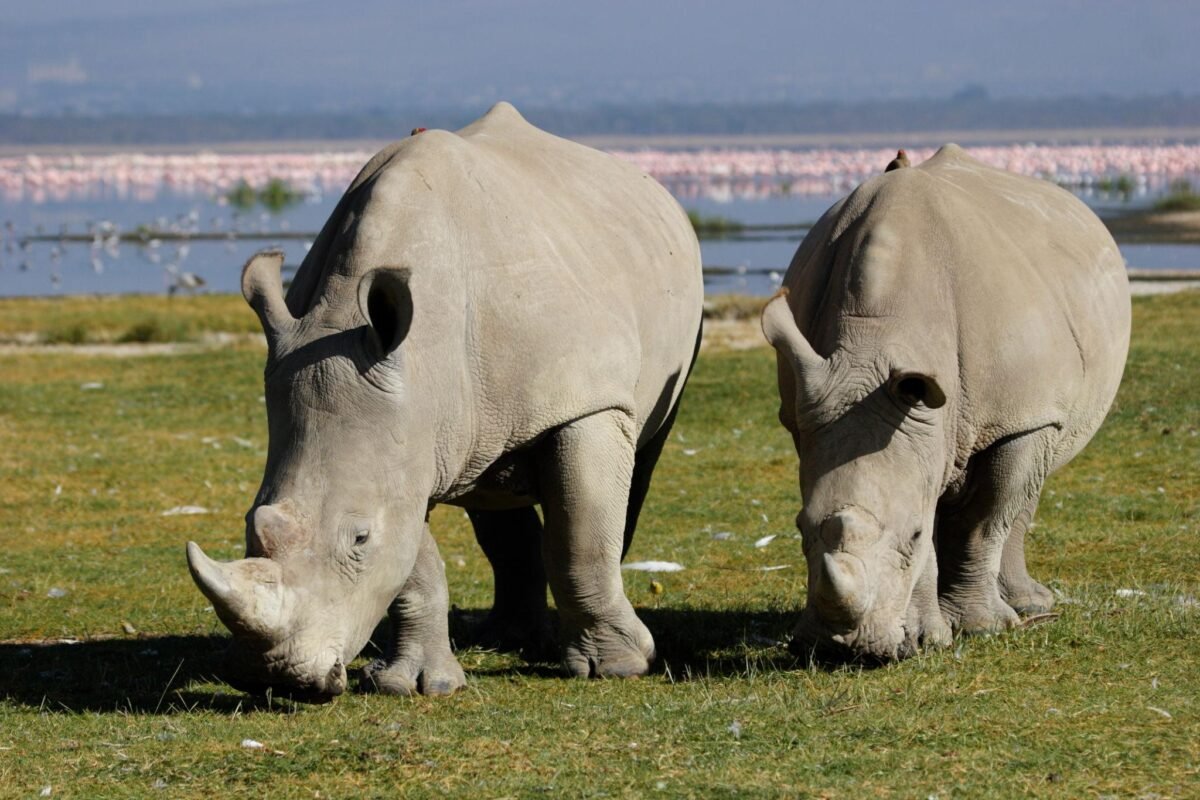
Seeing rhinos in Kenya is one of the most rewarding experiences on an East African wildlife safari. These powerful animals are among Africa’s most threatened large mammals. Fortunately, Kenya has several protected areas where visitors can observe them in their natural habitats.
Among these destinations, Lake Nakuru National Park stands out. The park protects both black and white rhinos within a carefully managed conservation landscape.
Located in Kenya’s Great Rift Valley, Lake Nakuru combines rhino viewing with beautiful landscapes, abundant birdlife and other wildlife. It is also an excellent addition to a longer Kenyan safari.
At Zamunda Travels, we help travellers explore Kenya’s national parks through carefully planned, guided safaris. This guide explains where to find rhinos, when to visit and how to plan your Lake Nakuru adventure.
Quick answer: Where can you see rhinos in Kenya?
Lake Nakuru National Park is one of the best places to see rhinos in Kenya. The park protects both black and white rhinos within a fenced conservation area. White rhinos often graze on open grasslands, while black rhinos prefer woodland and bush. Sightings are possible year-round, although never guaranteed.
Why Lake Nakuru Is One of the Best Places to See Rhinos in Kenya
Lake Nakuru National Park is famous for its rhino conservation programme. According to the Kenya Wildlife Service (KWS), it became Kenya’s first government-managed rhino sanctuary in 1987.
Today, the park plays an important role in protecting black and white rhinos. Its protected landscape offers suitable feeding areas, security and opportunities for breeding.
The park covers approximately 188 square kilometres. Although relatively compact, it contains several different habitats. These include grasslands, acacia woodlands, wetlands and rocky escarpments.
This variety makes Lake Nakuru especially suitable for rhino viewing. Visitors can explore different habitats during a single game drive.
Unlike some larger parks, where rhinos may be widely dispersed, Lake Nakuru offers a more concentrated viewing environment. However, animals still move freely within the protected landscape.
The park’s importance extends beyond tourism. Its conservation work supports Kenya’s wider efforts to protect threatened rhino populations.
What Makes Lake Nakuru Special?
Lake Nakuru offers several advantages for wildlife enthusiasts:
-
Both black and white rhinos inhabit the park.
-
Open grasslands provide excellent opportunities to observe grazing white rhinos.
-
Woodland habitats support the more secretive black rhinos.
-
Visitors can combine rhino viewing with birdwatching and general game drives.
-
The park is accessible from Nairobi and fits naturally into longer Kenya safari itineraries.
For travellers hoping to see rhinos in Kenya, Lake Nakuru is therefore an excellent starting point.
Black and White Rhinos in Kenya: Understanding the Difference
Kenya protects two African rhinoceros species: the black rhinoceros and the white rhinoceros.
Despite their names, both species have grey skin. Their main differences involve body shape, feeding habits and behaviour.
Understanding these differences can make your Lake Nakuru National Park safari more interesting.
Black Rhinoceros
The black rhinoceros (Diceros bicornis) is generally smaller than the white rhinoceros.
Its most distinctive feature is a pointed, hooked upper lip. This helps the animal grasp leaves, twigs and shrubs.
Black rhinos are browsers rather than grass grazers. Consequently, they often occupy woodland, bushland and areas with thicker vegetation.
They are also usually solitary and can be difficult to observe.
When searching for black rhinos, patience matters. A rhino may remain partly concealed behind vegetation, even when standing close to a safari track.
White Rhinoceros
The white rhinoceros (Ceratotherium simum) is larger and has a broad, square-shaped mouth.
Unlike black rhinos, white rhinos primarily eat grass. Therefore, they spend considerable time grazing in open areas.
White rhinos may appear alone or in small groups. Their preference for grassland often makes them easier to observe and photograph.
At Lake Nakuru, visitors have opportunities to watch these animals feeding, resting or moving across the plains.
How to Identify Each Species
The easiest way to identify a rhino is to examine its mouth and feeding behaviour.
A white rhino has a wide mouth designed for grazing. In contrast, a black rhino has a pointed upper lip for browsing.
White rhinos also tend to carry their heads lower while feeding.
However, never approach a rhino to identify its species. Your safari guide can explain the differences from a safe viewing distance.
Where to See Rhinos in Lake Nakuru National Park
Rhinos inhabit several parts of Lake Nakuru National Park. However, their movements depend on food, vegetation, weather and human disturbance.
For this reason, no particular road guarantees a sighting.
Open Grasslands Near the Lake
The open grasslands around Lake Nakuru provide some of the best opportunities to observe white rhinos.
These animals frequently feed on short grasses. Therefore, areas with clear visibility can be particularly productive.
During a game drive, visitors may see rhinos grazing alongside buffaloes, zebras or waterbucks.
The open landscape also offers excellent photography opportunities.
However, rising lake levels can affect access to some shoreline tracks. Your guide should confirm which routes remain open.
Southern Grasslands and Woodland Edges
The southern sections of the park contain a mixture of grassland and woodland habitats.
These areas can support both rhino species.
White rhinos may appear in open grazing areas, while black rhinos can remain near thicker vegetation.
Consequently, slow driving and careful observation are important.
Acacia Woodlands
Lake Nakuru’s acacia woodlands provide important habitat for black rhinos.
Their browsing habits make these areas suitable feeding grounds.
However, dense vegetation can make sightings more challenging.
A professional guide will scan woodland edges, look for movement and allow enough time for careful observation.
At Zamunda Travels, we recommend giving rhino searches enough time rather than rushing between attractions.
Scenic Viewpoints and Other Wildlife Areas
Lake Nakuru also features viewpoints such as Baboon Cliff, Lion Hill and Out of Africa Hill.
These locations provide impressive views across the lake and surrounding landscape.
Although they are not guaranteed rhino-viewing points, they add variety to the safari.
Visitors may also encounter giraffes, buffaloes, lions, baboons and numerous bird species.
Best Time to See Rhinos in Lake Nakuru
Rhinos live in Lake Nakuru throughout the year. Therefore, visitors do not need to travel during one particular season.
However, weather, vegetation and daily temperatures can influence how easily animals are seen.
June to October: Generally Drier Conditions
June through October is often a favourable period for wildlife viewing in Kenya.
During relatively dry conditions, vegetation may become less dense. As a result, animals can be easier to spot.
Road conditions may also be more manageable.
However, rainfall patterns vary, and some parts of the park can remain wet.
January to March: Another Good Safari Period
January through March is often relatively dry in the central Rift Valley.
These months can offer comfortable opportunities for game drives and wildlife photography.
However, temperatures may rise during the day.
Therefore, early morning and late afternoon drives remain particularly useful.
April to May and November: Rainy Periods
April and May often bring heavier rainfall. November commonly experiences shorter rains.
During these periods, Lake Nakuru can appear greener, with attractive landscapes and birdwatching opportunities.
However, muddy roads and thicker vegetation may affect game drives.
Some tracks may also become temporarily inaccessible.
What Time of Day Is Best?
Early morning and late afternoon are generally excellent times to search for rhinos.
Cooler temperatures can encourage animal activity. Furthermore, softer light improves photography conditions.
Midday sightings are still possible, particularly in open areas.
For the best experience, consider an overnight stay. This allows more time for wildlife viewing without rushing.
How to Get to Lake Nakuru National Park
Lake Nakuru National Park lies near Nakuru City in Kenya’s Great Rift Valley.
The park is approximately 156 kilometres northwest of Nairobi along the main A104 route, according to KWS.
Driving from Nairobi commonly takes around three to four hours. However, traffic, road conditions and stops can affect the journey.
Travelling from Nairobi
Most visitors travel by road in a private safari vehicle.
The journey passes through the Rift Valley region, with opportunities for scenic stops.
Visitors can enter through designated park gates, including the Main Gate and Lanet Gate.
The Kenya Wildlife Service recommends Lanet Gate for visitors approaching from Nairobi when avoiding Nakuru City traffic is helpful.
Combining Lake Nakuru with Other Destinations
Lake Nakuru works particularly well within a longer Kenya safari.
For example, travellers can combine it with the Masai Mara, Lake Naivasha or Amboseli National Park.
This creates opportunities to see rhinos, elephants, lions, giraffes and other wildlife across different ecosystems.
Zamunda Travels can arrange a private itinerary that combines Lake Nakuru with other Kenyan safari destinations.
Lake Nakuru Safari Cost: What Should You Budget?
The cost of visiting Lake Nakuru depends on several factors.
These include park entry fees, accommodation, transportation, group size and the number of safari days.
Kenya Wildlife Service sets the official park entry fees. However, these charges can change, so travellers should confirm the latest rates before booking.
Rates change, so confirm current prices with Zamunda Travels.
Main Safari Expenses
A typical Lake Nakuru safari budget should include:
-
Park entry fees: Official conservation charges for each visitor.
-
Transport: A safari vehicle, fuel and driver-guide services.
-
Accommodation: Budget, mid-range or luxury lodging.
-
Meals: Depending on the selected accommodation package.
-
Additional activities: Any optional experiences or extra destinations.
For example, a couple sharing a private safari vehicle may spend less per person than a solo traveller.
Similarly, a group of four can distribute transport costs across more people.
Day Trip or Overnight Safari?
A day trip from Nairobi is possible. However, it involves several hours of driving.
An overnight safari generally provides a more relaxed experience.
Visitors can enjoy an afternoon game drive, spend the night nearby and return for an early morning drive.
For travellers whose main priority is rhino photography, the overnight option is usually more practical.
A Sample Two-Day Lake Nakuru Rhino Safari
A two-day itinerary offers enough time to explore different wildlife habitats without excessive rushing.
Day 1: Nairobi to Lake Nakuru National Park
Depart Nairobi in the morning and travel towards Nakuru.
Along the way, enjoy views of the Great Rift Valley where conditions and the chosen route allow.
After arriving, enter the park and begin your first game drive.
Focus on open grasslands, woodland edges and other suitable rhino habitats.
Later, visit an accessible viewpoint before continuing to your accommodation.
Spend the evening relaxing and preparing for the next morning’s safari.
Day 2: Morning Rhino Viewing and Return to Nairobi
Start with an early morning game drive.
This is an excellent opportunity to search for rhinos while temperatures remain cooler.
Your guide can also look for giraffes, buffaloes, lions and other wildlife.
After the game drive, enjoy breakfast or brunch, depending on your accommodation arrangements.
Finally, begin the return journey to Nairobi.
This itinerary can also connect with a longer safari to the Masai Mara.
Other Wildlife You Can See at Lake Nakuru
Although rhinos are a major attraction, Lake Nakuru supports many other animals.
Visitors may encounter lions, leopards, buffaloes, zebras, giraffes and several antelope species.
The park is also known for its birdlife. Kenya Wildlife Service reports approximately 450 bird species.
These include pelicans, flamingos, herons, fish eagles and other waterbirds.
However, flamingo numbers vary with changing water levels and food availability.
Therefore, travellers should not expect the enormous flamingo gatherings shown in older photographs on every visit.
Lake Nakuru does not have a resident elephant population. Consequently, it is not a complete Big Five destination.
For a broader wildlife experience, combining Lake Nakuru with another Kenyan park is a sensible choice.
Rhino Conservation in Kenya: Why Lake Nakuru Matters
Rhinos face serious threats, particularly poaching and habitat loss.
Their horns have fuelled illegal wildlife trafficking, placing significant pressure on wild populations.
Lake Nakuru’s conservation programme helps protect these animals through habitat management, security and population monitoring.
The park also contributes to Kenya’s wider rhino recovery efforts.
Conservation programmes sometimes move rhinos between protected areas to support population management and genetic diversity.
Therefore, protecting Lake Nakuru benefits more than one national park.
Responsible tourism can also contribute through conservation fees and support for wildlife-based livelihoods.
Visitors should always follow park regulations and respect the animals’ space.
Practical Tips for a Successful Rhino Safari
Good planning improves the experience, even though wildlife sightings remain unpredictable.
First, allow enough time for game drives. Searching for black rhinos can require patience.
Next, bring binoculars and a camera with a zoom lens. These help you observe animals without approaching them.
Also, wear comfortable neutral-coloured clothing and carry drinking water, sun protection and a light jacket.
Most importantly, remain inside your safari vehicle except at officially permitted stopping points.
Never ask your guide to chase a rhino or block its movement.
Finally, avoid sharing precise, real-time rhino locations online. This helps reduce unnecessary disturbance and potential security risks.
Common Mistakes to Avoid
Some visitors expect every rhino sighting to happen close to the vehicle.
However, respectful wildlife viewing often involves observing animals from a distance.
Others schedule only a short game drive and become disappointed when black rhinos remain concealed.
Therefore, travellers with a strong interest in rhinos should consider two game drives.
Another mistake is assuming Lake Nakuru guarantees sightings of all Big Five animals.
Instead, choose a combination of parks that matches your wildlife priorities.
Is Lake Nakuru Worth Visiting for Rhinos?
Lake Nakuru National Park is an excellent destination for seeing rhinos in Kenya.
Its conservation history, protected habitats and populations of black and white rhinos make it particularly appealing.
Furthermore, visitors can enjoy birdwatching, scenic viewpoints and other wildlife during the same safari.
For the best experience, allow enough time to explore the park without rushing.
Plan Your Lake Nakuru Rhino Safari with Zamunda Travels
Zamunda Travels organises private and tailor-made safaris across Kenya, Uganda, Rwanda and Tanzania.
Whether you want a short Lake Nakuru visit or a longer Kenya wildlife safari, our team can help plan a suitable itinerary.
Contact us for a personalised safari quotation and practical travel advice.
Zamunda Travels — Beyond Expeditions
Website: www.zamundatravels.com
Email: info@zamundatravels.com
WhatsApp: +256 704 705 606
Frequently Asked Questions About Rhinos in Kenya
1. Can you see both black and white rhinos at Lake Nakuru?
Yes, Lake Nakuru National Park protects both black and white rhinos. White rhinos often graze in open grasslands, making them easier to observe. Black rhinos prefer thicker vegetation and can be more difficult to locate. However, sightings of either species depend on animal movements, weather and the time available for game drives.
2. What is the best time to see rhinos in Lake Nakuru?
Early morning and late afternoon are generally excellent times to see rhinos at Lake Nakuru. Cooler temperatures can encourage activity, while softer light improves photography. The park offers year-round viewing opportunities. However, relatively dry conditions can make some animals easier to locate because vegetation may be less dense.
3. How much does it cost to visit Lake Nakuru National Park?
The cost depends on your visitor category, official park fees, transport, accommodation and safari duration. Kenya Wildlife Service publishes the current entry charges through its official channels. A private overnight safari costs more than a simple park visit because it includes additional services. Rates change, so confirm current prices with Zamunda Travels.
4. Is Lake Nakuru better than the Masai Mara for seeing rhinos?
Lake Nakuru is generally a stronger choice for travellers whose main priority is seeing rhinos. Its protected sanctuary supports both black and white rhinos. The Masai Mara is better known for its large predators and wildebeest migration. Therefore, combining both parks offers a broader wildlife experience.
5. Where else can tourists see rhinos in Kenya?
Other important rhino destinations include Ol Pejeta Conservancy, Lewa Wildlife Conservancy and Nairobi National Park. These protected areas offer different conservation experiences and wildlife habitats. Ol Pejeta is especially important for rhino conservation, while Nairobi National Park provides rhino-viewing opportunities close to Kenya’s capital. Sightings remain subject to natural wildlife movements.