A
Serengeti safari without crossings can offer excellent wildlife viewing throughout the year. You do not need to witness wildebeest crossing a river to enjoy Tanzania’s famous national park.
The Serengeti offers lions, elephants, giraffes, leopards, cheetahs, zebras, and many other animals. Moreover, its changing landscapes create different safari experiences across the seasons.
At
Zamunda Travels, we recommend planning around wildlife interests rather than one famous migration event. This approach gives travellers more flexibility when choosing dates, accommodation, and safari routes.
Quick answer: A Serengeti safari without river crossings is worth booking. Choose Central Serengeti for year-round wildlife, or visit the southern plains during calving season. Allow three to four nights for relaxed game drives. Focus on big cats, elephants, giraffes, and the landscape rather than unpredictable migration crossings.
Why Choose a Serengeti Safari Without Crossings?
The
Great Migration attracts visitors from around the world. However, river crossings represent only one part of this annual wildlife movement.
The famous
Mara River crossings generally occur between July and October. Even then, no guide can guarantee that a crossing will happen during your visit.
Wildebeest may gather near the river before turning away. Sometimes, they cross somewhere else or wait for hours.
Fortunately, the Serengeti offers many other wildlife experiences. Resident animals remain in different areas even when the migrating herds move elsewhere.
For example, Central Serengeti supports lions, leopards, elephants, buffaloes, and several antelope species. Its river valleys and rocky outcrops create excellent habitats for wildlife.
You can also enjoy watching animal behaviour without rushing between distant locations. A leopard resting in a tree can become a memorable sighting.
Similarly, watching elephants interact or giraffes feed can be equally rewarding.
A safari without river crossings also allows more freedom when choosing your travel dates. Therefore, you can plan around your holiday schedule instead of following a specific migration window.
At Zamunda Travels, we recommend this approach for first-time visitors and travellers who enjoy relaxed wildlife photography.
Best Areas for a Serengeti Safari Without Crossings
The Serengeti covers approximately 14,763 square kilometres. Therefore, choosing the right region matters more than trying to explore everything.
Different areas offer different habitats and wildlife opportunities.
Central Serengeti: Best for Year-Round Wildlife
Central Serengeti, particularly the Seronera area, is an excellent starting point.
The region supports resident wildlife throughout the year. Consequently, visitors can enjoy productive game drives without following migrating wildebeest.
Lions frequently use the grasslands and rocky outcrops. Leopards favour riverine woodland, while elephants and giraffes move through different habitats.
The Seronera River system also attracts animals during drier periods.
Moreover, Central Serengeti has established accommodation options and access through Seronera Airstrip.
For travellers with limited time, spending several nights here often makes more sense than travelling far north.
Southern Serengeti and Ndutu: Best for Calving
The southern plains become especially interesting between December and March.
During this period, migrating wildebeest gather around the short-grass plains. The main calving period usually peaks around February.
Visitors may see newborn calves, large herds, and predators following the migration.
Cheetahs, lions, hyenas, and jackals are among the animals associated with this seasonal activity.
However, rainfall influences the exact location of the herds.
Ndutu lies within the wider Serengeti ecosystem, including the
Ngorongoro Conservation Area. Therefore, park boundaries and accommodation locations matter when calculating fees.
For wildlife photographers, the southern plains offer open landscapes and excellent opportunities to observe animal behaviour.
Eastern Serengeti: Best for Open Landscapes
Eastern Serengeti offers broad grasslands, rocky kopjes, and quieter wildlife-viewing areas.
Cheetahs use open habitats where visibility helps them locate prey. Meanwhile, lions and other predators may occupy areas around the kopjes.
This region can appeal to visitors who prefer photography and quieter game drives.
However, wildlife distribution changes with rainfall and grazing conditions.
Our recommendation is to combine eastern areas with Central Serengeti when time and road conditions allow.
Western Serengeti: Best for Varied Habitats
The Western Corridor includes woodland, grassland, and river habitats.
The Grumeti River passes through this region. However, visitors do not need to focus on possible river crossings.
Instead, they can explore varied landscapes and look for resident wildlife.
This area becomes particularly relevant during the migration’s westward movement around May and June.
Nevertheless, travel distances can be substantial. Therefore, choose the western region only when your itinerary allows enough time.
Best Time to Visit the Serengeti Without River Crossings
The best time to visit Serengeti depends on your preferred wildlife experience.
For example, the dry season often makes animals easier to spot. However, the green season offers fresh landscapes, newborn animals, and excellent birdwatching.
| Travel period |
Main attraction |
Suggested region |
| January–March |
Calving, large herds, predators |
Ndutu and southern plains |
| April–May |
Green landscapes, fewer visitors |
Central Serengeti |
| June–October |
Dry-season resident wildlife |
Central Serengeti |
| November–December |
Returning herds, birdlife, green landscapes |
Central and eastern areas |
These periods are guides rather than guarantees. Rainfall can change wildlife movements and road conditions.
Is the Green Season Worth Visiting?
Yes. The green season can be particularly rewarding for photographers and birdwatchers.
Rain transforms many grasslands into fresh grazing areas. Consequently, visitors may see colourful landscapes and active birdlife.
April and May usually bring the long rains. However, rain can make some tracks muddy and difficult.
Some seasonal camps may also close during this period.
Therefore, confirm accommodation availability and access before booking.
November and December often bring shorter rains. These months can offer attractive landscapes as the migration moves south.
At Zamunda Travels, we recommend checking the season before choosing a lodge.
Wildlife You Can See Without River Crossings
A Serengeti wildlife safari offers much more than migrating
wildebeest.
The park supports numerous predators, herbivores, and bird species. Therefore, travellers can enjoy varied sightings during the same trip.
Big Cats and Predators
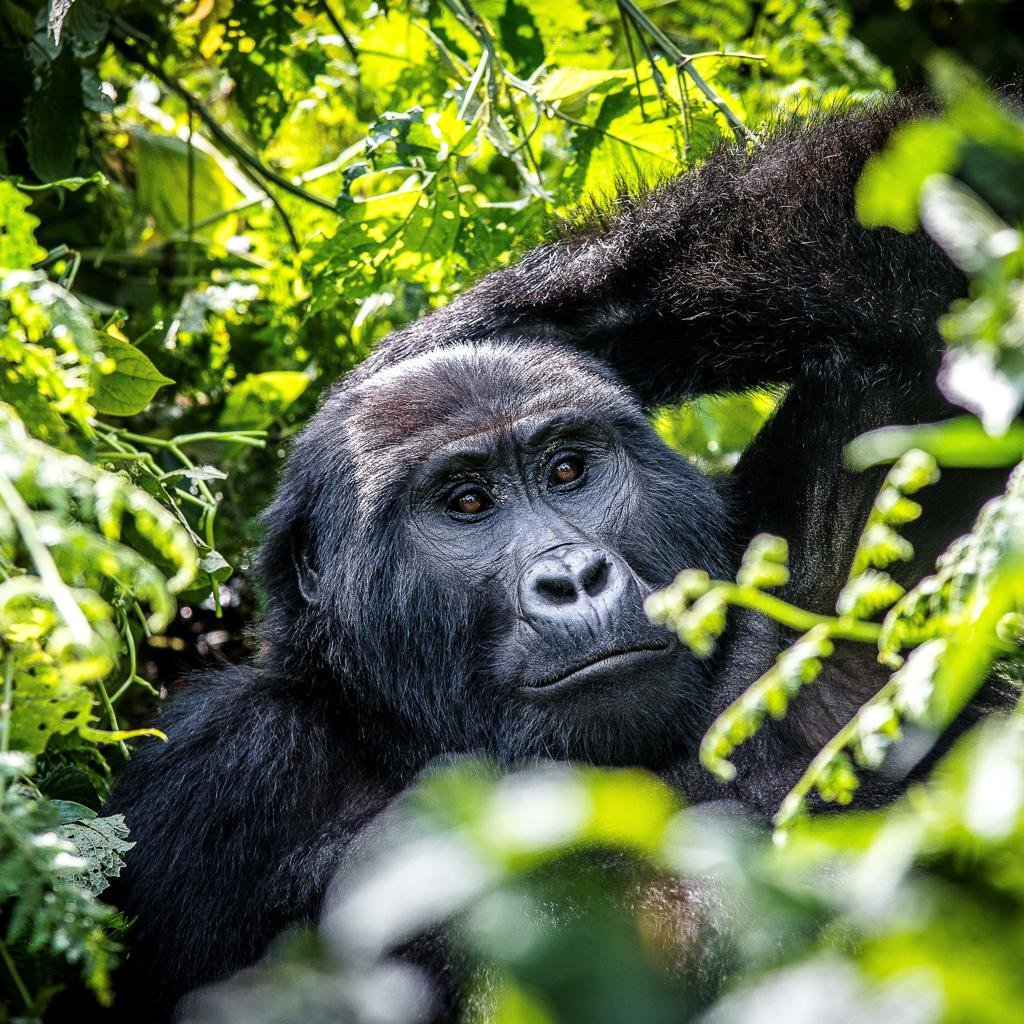
Lions are among the Serengeti’s best-known animals. They live in prides and use grasslands, woodlands, and rocky areas.
Leopards are more secretive. However, guides sometimes locate them resting in trees or moving through riverine vegetation.
Cheetahs prefer open areas where they can use their speed to hunt.
You may also encounter spotted hyenas, jackals, and other carnivores.
Nevertheless, sightings depend on weather, animal behaviour, and patience.
Elephants, Giraffes, and Plains Animals
Elephants provide excellent opportunities to observe social behaviour.
You may watch family groups feeding, moving together, or protecting younger animals.
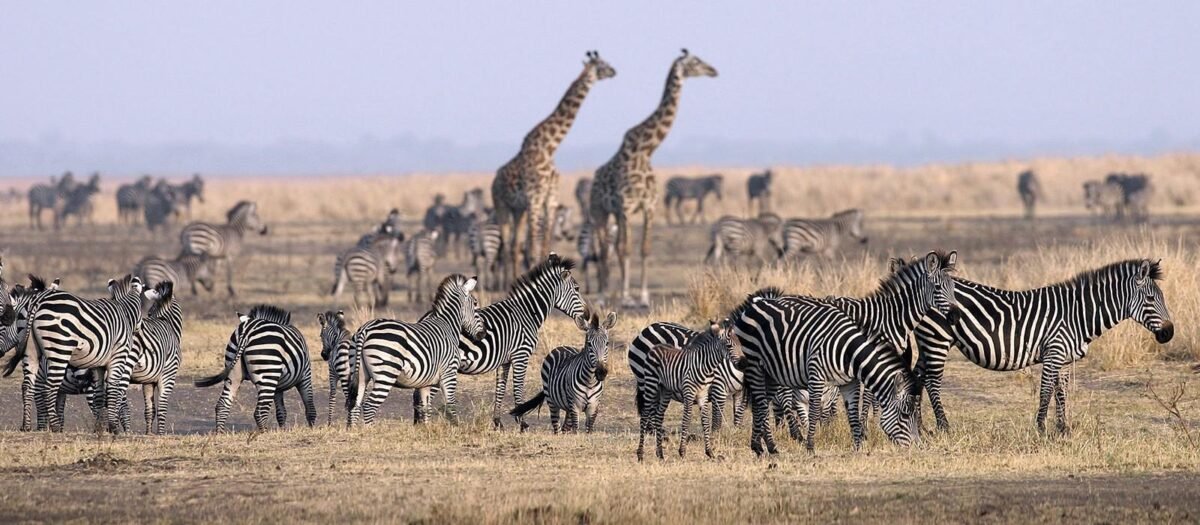
Giraffes are another popular sight. Their feeding behaviour and movement make them interesting photography subjects.
Buffaloes, zebras, topis, hartebeests, and gazelles also inhabit different areas.
These animals remain important parts of the ecosystem even when the migration moves elsewhere.
Birds and Smaller Wildlife
The Serengeti supports more than 400 bird species, according to Tanzania National Parks.
Visitors may encounter secretarybirds, ostriches, vultures, eagles, and colourful rollers.
Birdwatching can be especially rewarding during wetter periods.
Moreover, smaller wildlife often receives less attention during busy game drives.
Taking time to observe these animals creates a more complete safari experience.
How Many Days Do You Need in the Serengeti?
Three to four nights provide a useful starting point for many visitors.
However, your ideal duration depends on your interests, budget, and arrival method.
| Nights |
Recommended experience |
| 2 nights |
Short introduction with limited flexibility |
| 3 nights |
Good balance of game drives and relaxation |
| 4 nights |
More time for wildlife photography and varied habitats |
| 5+ nights |
Extended exploration or multiple regions |
For first-time visitors, Zamunda Travels recommends three or four nights in Central Serengeti.
This allows several morning and afternoon game drives without constant lodge changes.
Additionally, a longer stay provides flexibility when wildlife sightings are slow.
Remember that travel days reduce the time available for game drives.
Therefore, compare actual wildlife-viewing hours rather than counting calendar days alone.
Sample Four-Day Serengeti Safari Itinerary
This Serengeti safari itinerary focuses on resident wildlife rather than river crossings.
It suits couples, families, photographers, and first-time safari travellers.
Day 1: Arusha to Central Serengeti
Depart Arusha and travel towards the Serengeti.
A road transfer can take approximately seven to eight hours, depending on the route and conditions.
Alternatively, take a scheduled flight to Seronera Airstrip.
After arrival, enjoy a game drive if time permits.
Then, continue to your selected lodge or tented camp.
Day 2: Full-Day Wildlife Safari
Begin with an early morning game drive.
Search for lions, leopards, giraffes, elephants, and other resident wildlife.
Afterwards, enjoy a picnic lunch or return to your accommodation, depending on the route.
Continue exploring different habitats during the afternoon.
Your guide can adjust the route according to wildlife activity and park regulations.
Day 3: Explore the Seronera Area
Spend another day exploring Central Serengeti.
Focus on rocky kopjes, river valleys, and open grasslands.
Wildlife photographers can spend longer observing individual animals.
For example, watching a pride of lions can reveal interesting social behaviour.
Later, return to camp for dinner and relaxation.
Day 4: Final Game Drive and Departure
Enjoy a final morning game drive if your departure schedule allows.
Then, transfer to Seronera Airstrip or begin your road journey towards Arusha.
You can also extend your trip to the Ngorongoro Conservation Area.
However, an additional night is advisable if you want a relaxed Ngorongoro Crater visit.
Planning tip: This four-day example includes three nights. Add a fourth night for more relaxed wildlife viewing.
Zamunda Travels can customise this itinerary around your dates, accommodation preferences, and budget.
Serengeti Safari Cost: What Affects Your Budget?
A Serengeti safari without river crossings is not automatically cheaper than a migration safari.
However, avoiding peak northern migration camps may provide more accommodation choices.
Your final price depends on several factors.
These include park fees, accommodation, transport, guiding, meals, and travel dates.
Accommodation and Transport
Budget camping generally costs less than luxury tented accommodation.
Meanwhile, mid-range lodges offer a balance between comfort and price.
Private safaris provide greater flexibility, especially for photographers.
Shared safaris may reduce individual transport costs. However, they usually follow a fixed group schedule.
Flying saves road travel time but adds airfare and transfer costs.
Park Fees and Additional Expenses
Tanzania National Parks charges conservation and other applicable fees.
The amount depends on visitor status, season, vehicle arrangements, and accommodation type.
Therefore, request a detailed quote showing the applicable charges.
For a 2026 or 2027 booking, current fees must be confirmed before calculating the total.
Rates change, so confirm current prices with Zamunda Travels.
Also check whether your package includes:
-
National park and applicable concession or camping fees
-
Safari vehicle, fuel, and driver-guide
-
-
Drinking water during game drives
-
Airport transfers and domestic flights, where applicable
-
Optional activities, tips, and travel insurance
A cheaper quotation may exclude important services.
Therefore, compare inclusions before choosing your safari package.
Common Mistakes to Avoid When Planning Your Safari
One common mistake is trying to visit too many Serengeti regions within a short holiday.
The park is enormous, and internal transfers can take several hours.
Consequently, travellers may spend more time driving than watching wildlife.
Another mistake is booking accommodation without checking its location.
A lodge advertised as being near the Serengeti may sit outside the park. This can affect entry arrangements and daily travel time.
Similarly, choosing dates based only on migration photographs can create unrealistic expectations.
Wild animals do not follow fixed schedules.
Instead, focus on the wildlife experiences available during your travel month.
Finally, avoid planning every game drive around one species.
A rewarding safari includes patience, observation, and flexibility.
What to Pack for a Serengeti Safari
Packing correctly improves comfort during long game drives.
Morning temperatures can feel cool, while afternoons may become warm.
Therefore, choose lightweight clothing and carry an extra layer.
Useful items include binoculars, sunscreen, a hat, insect repellent, and comfortable closed shoes.
A camera with a suitable zoom lens helps photograph animals without approaching them.
Also bring reusable water bottles, personal medication, and charging equipment.
If travelling by small aircraft, confirm the baggage allowance with your airline.
Soft-sided luggage may be required or recommended on certain flights.
Health and Wildlife Safety
Consult a travel health professional before departure.
Malaria occurs in parts of Tanzania, and preventive medication may be recommended.
Yellow fever certificate requirements depend partly on your travel history and transit route.
During game drives, remain inside the vehicle unless your guide permits otherwise.
Never feed wildlife or approach animals for photographs.
Furthermore, follow park rules and your guide’s instructions.
These precautions protect both visitors and wildlife.
Plan Your Serengeti Safari With Zamunda Travels
A Serengeti safari without crossings can be just as rewarding as a migration-focused holiday.
The key is choosing the right region, season, and number of nights.
Central Serengeti offers excellent year-round wildlife opportunities. Meanwhile, southern areas provide remarkable calving-season experiences.
Rather than chasing one event, allow time to appreciate the animals and landscapes around you.
Zamunda Travels Uganda Ltd helps travellers plan private East African safaris, including Tanzania wildlife adventures.
Whether you prefer a short Serengeti visit or a longer Tanzania itinerary, we can help organise your journey.
Plan your Serengeti safari with Zamunda Travels.
Website:
www.zamundatravels.com
Email: info@zamundatravels.com
WhatsApp:
+256 704 705606
Contact us with your travel dates, number of travellers, and preferred accommodation level for a personalised quotation.
Frequently Asked Questions About Serengeti Safaris
Is the Serengeti worth visiting without the Great Migration?
Yes. The Serengeti offers excellent wildlife viewing even when the main migrating herds are elsewhere. Central Serengeti supports resident lions, leopards, elephants, giraffes, and other animals throughout the year. Therefore, visitors can enjoy rewarding game drives without planning around the migration or river crossings.
What is the best month to visit Serengeti without river crossings?
There is no single best month for everyone. January to March suits travellers interested in calving and predators. June to October offers generally drier conditions for wildlife viewing. Meanwhile, November and December can provide green landscapes and birdwatching opportunities. Choose according to your interests.
Which part of the Serengeti has the best year-round wildlife?
Central Serengeti, especially the Seronera region, is a strong choice for year-round wildlife viewing. Its river systems, grasslands, and rocky kopjes support many resident animals. Visitors can search for lions, leopards, elephants, and giraffes without travelling to the northern river-crossing areas.
How many days are enough for a Serengeti safari?
Four to five days, including travel, suit many first-time visitors. This usually allows three or four nights in the park. However, photographers and wildlife enthusiasts may prefer longer stays. Additional days provide flexibility for changing conditions, animal behaviour, and relaxed game drives.
Can you see wildebeest in the Serengeti without river crossings?
Yes. Wildebeest move through different parts of the Serengeti ecosystem throughout the year. During the calving season, large herds commonly gather around the southern plains and Ndutu. At other times, they travel through central, western, eastern, and northern areas. Their exact locations depend on rainfall and grazing conditions.