Kenya Safari from Indonesia
November 19, 2026
Tanzania Safari from France
November 20, 2026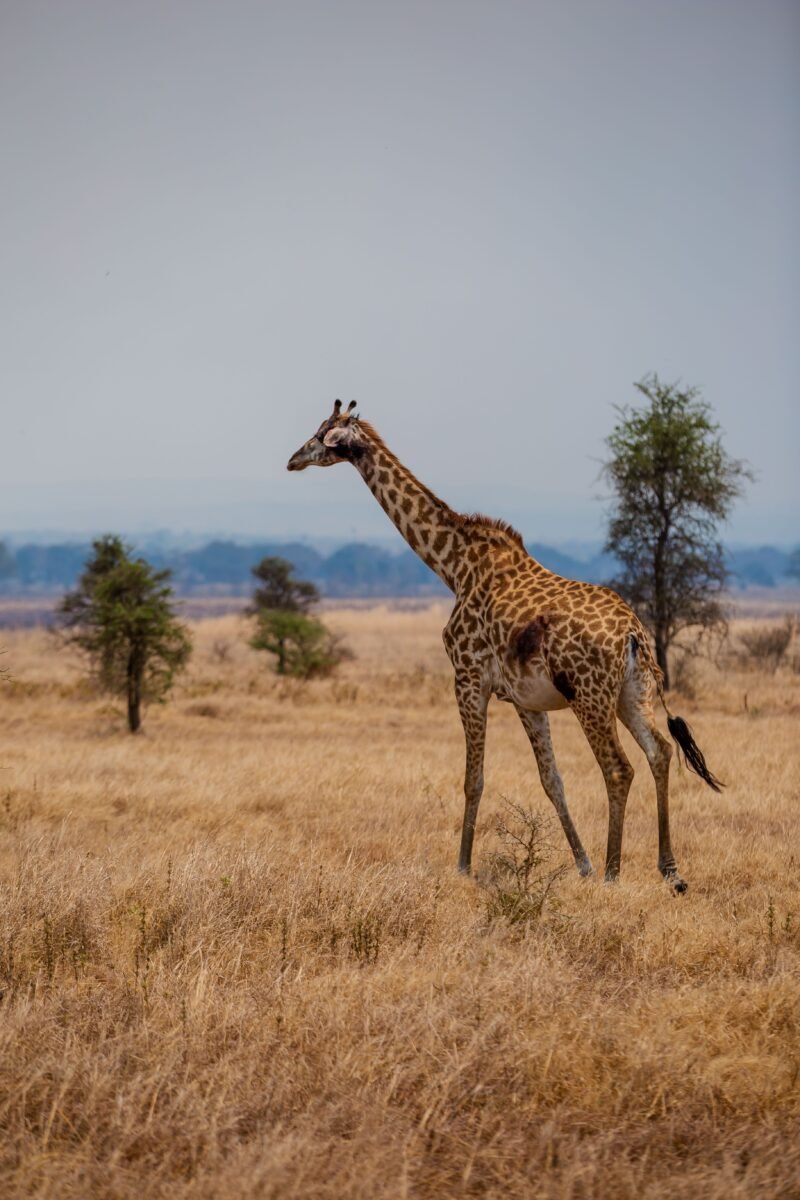
Planning a Tanzania safari from Germany involves more than choosing a national park and booking an international flight. German travellers need to consider flight connections, safari costs, visa requirements, wildlife seasons and the time required to explore Tanzania’s national parks.
Tanzania offers some of Africa’s most rewarding wildlife experiences. The Serengeti is known for its large predators and seasonal wildebeest migration. Meanwhile, Ngorongoro Crater provides excellent opportunities to observe wildlife within a relatively compact area.
Travellers can also explore Tarangire National Park, visit Lake Manyara or extend their holiday to Zanzibar.
This guide explains how to organise a Tanzania safari from Germany, including the best destinations, travel periods, estimated costs, suitable itineraries and practical booking advice.
Why Choose Tanzania for a Safari from Germany?
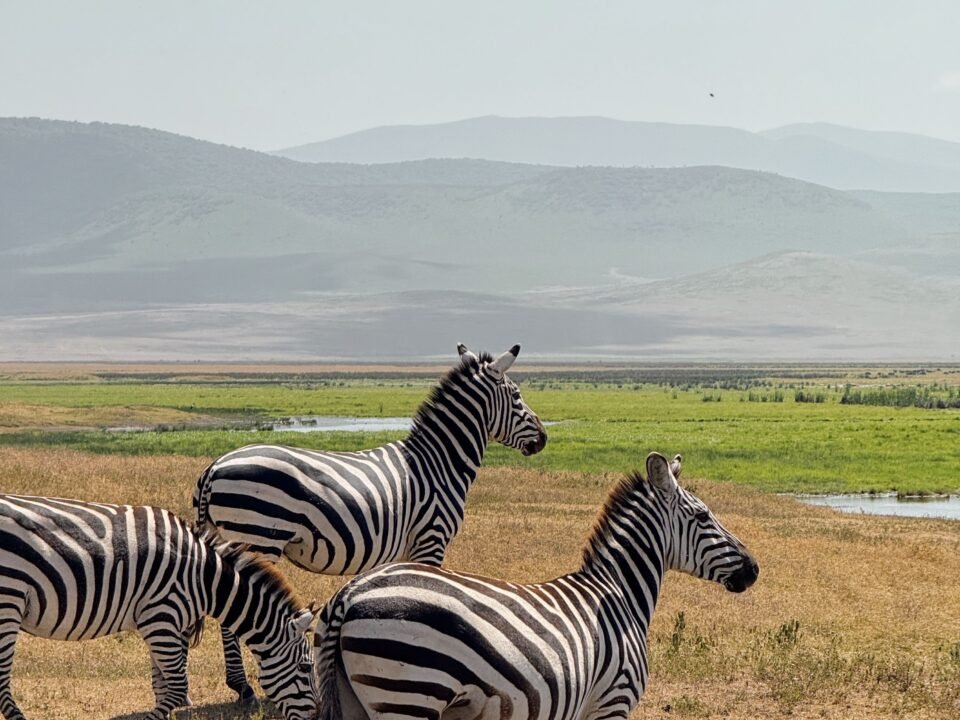
Tanzania is an excellent destination for German travellers seeking wildlife experiences in natural environments. Its protected areas support elephants, lions, giraffes, buffaloes, zebras, wildebeest and numerous bird species.
The country’s northern safari circuit is particularly suitable for first-time visitors because several major wildlife destinations can be combined within one journey.
A typical safari begins in Arusha before continuing towards Tarangire, Ngorongoro and the Serengeti.
German travellers can choose private guided safaris, shared group tours, comfortable lodge holidays or more exclusive tented camps.
For travellers interested in photography, Tanzania offers open grasslands, volcanic landscapes and varied wildlife habitats.
However, choosing the right safari route is essential. Travelling between national parks takes time, and poorly planned itineraries can reduce opportunities for wildlife viewing.
Best Tanzania Safari Destinations for German Travellers
Serengeti National Park
The Serengeti National Park is one of Tanzania’s most recognised wildlife destinations.
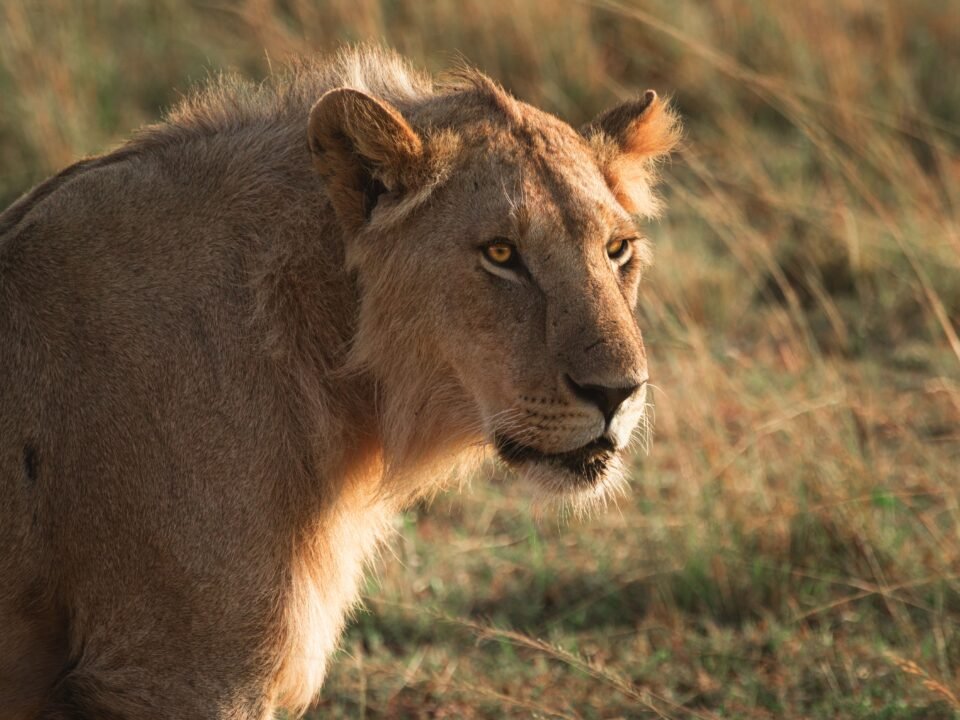
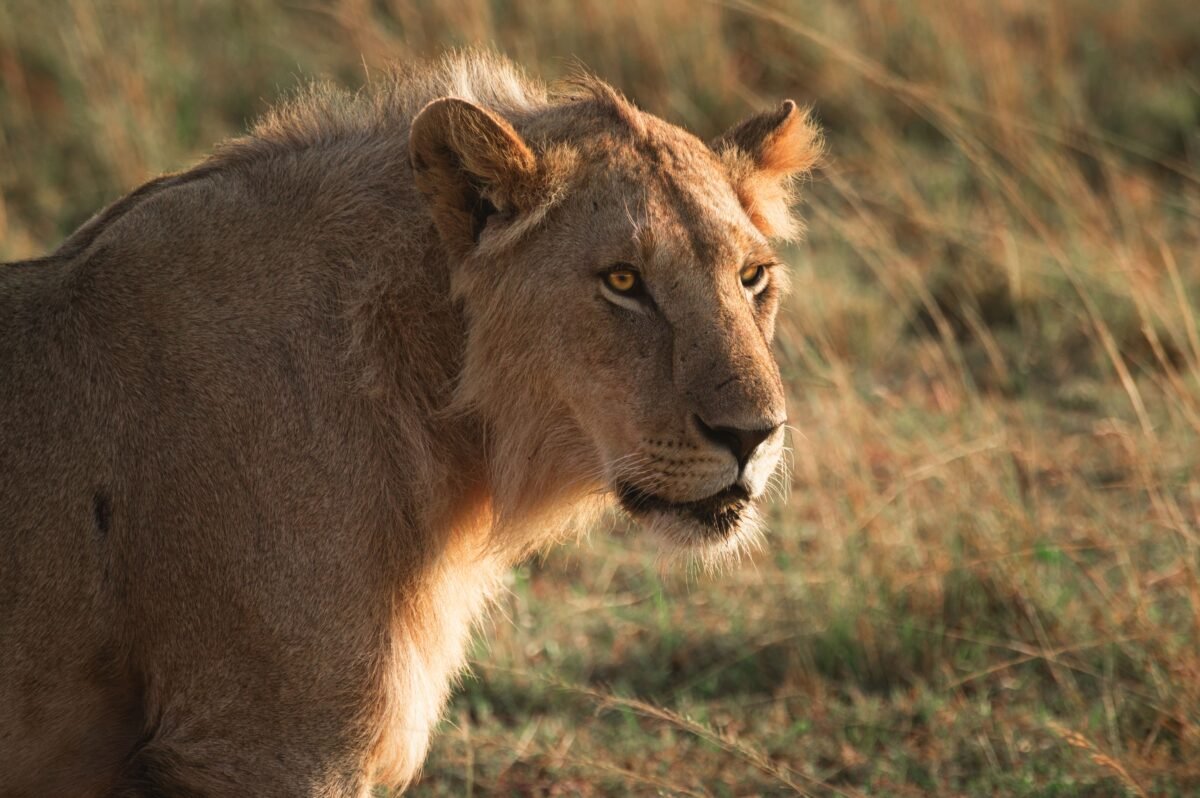
Its extensive savannah landscapes support lions, leopards, cheetahs, elephants, buffaloes and numerous antelope species.
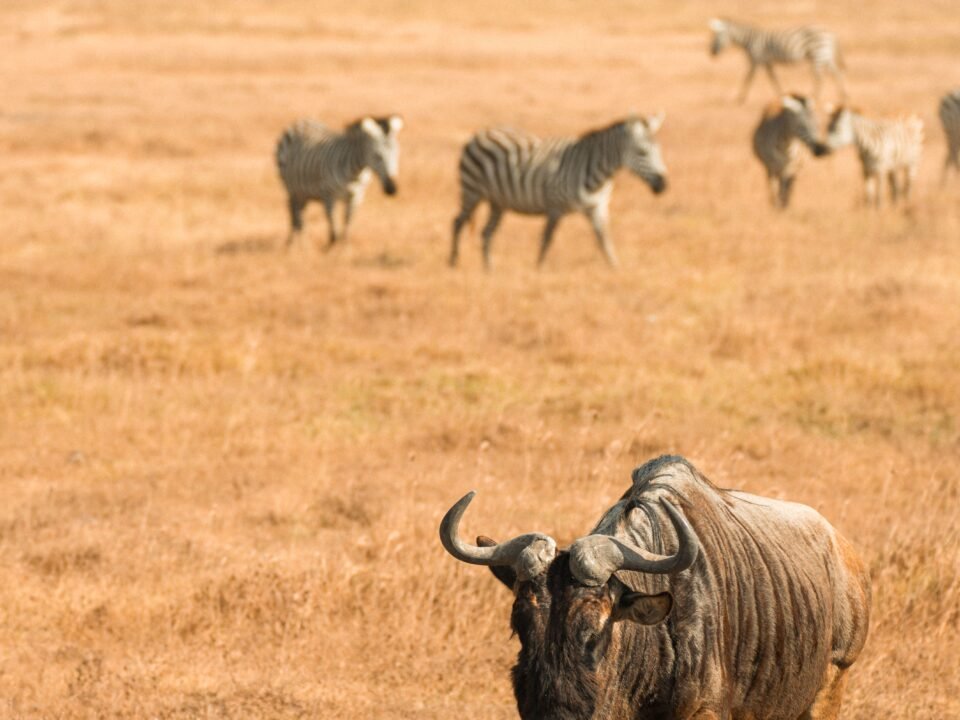
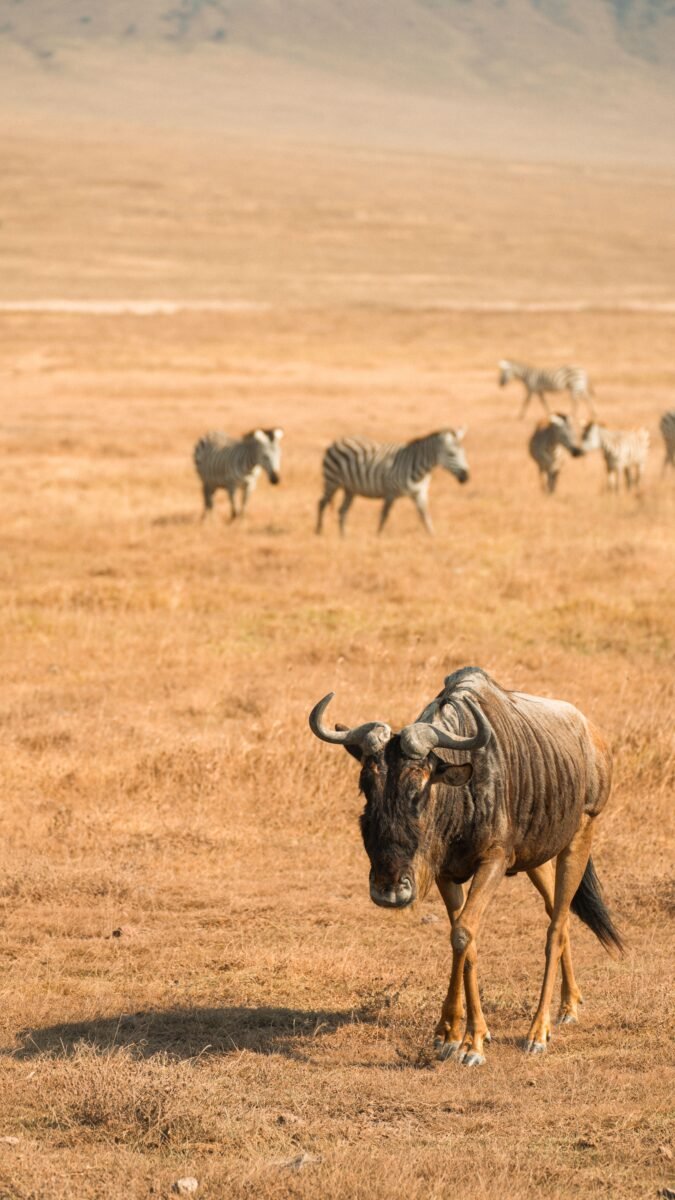
The park is also associated with the Great Wildebeest Migration, when large herds move through the Serengeti ecosystem in response to rainfall and grazing conditions.
The central Serengeti, particularly the Seronera region, offers rewarding wildlife viewing throughout much of the year.
Meanwhile, the northern Serengeti attracts visitors hoping to witness migration crossings near the Mara River during the appropriate season.
German travellers should allow at least two nights in the Serengeti. Three or four nights provide more flexibility for wildlife photography and exploration.
Ngorongoro Crater
Ngorongoro Crater is a major attraction within the Ngorongoro Conservation Area.
The crater contains grasslands, wetlands, woodland and a soda lake, creating habitats for different wildlife species.
Visitors may encounter lions, elephants, buffaloes, zebras, hyenas and, with luck, black rhinos.
One advantage of Ngorongoro is that visitors can explore several habitats during a single crater game drive.
However, wildlife sightings are never guaranteed.
Most itineraries include one crater excursion, usually beginning early in the morning.
Accommodation can be arranged along the crater rim or in the nearby Karatu area. The choice affects driving time, cost and how early the day begins.
Tarangire National Park
Tarangire National Park is particularly well known for elephants and impressive baobab trees.
During the dry season, wildlife often concentrates around the Tarangire River and other remaining water sources.
Visitors may see elephants, giraffes, zebras, wildebeest, buffaloes and predators.
Tarangire is also attractive to birdwatchers because its habitats support a wide variety of bird species.
For German travellers with limited time, Tarangire can be combined with Ngorongoro and the Serengeti.
One full day is useful, although an overnight stay allows more time to explore the park.
Lake Manyara National Park
Lake Manyara National Park offers a different environment from the open plains of the Serengeti.
Its landscapes include groundwater forests, woodland, wetlands and areas around the lake.
Visitors may encounter elephants, monkeys, baboons, giraffes and numerous bird species.
The park is sometimes associated with tree-climbing lions. However, sightings are unpredictable and should never be promised.
Lake Manyara is a useful addition to a longer northern Tanzania safari, especially for travellers interested in varied landscapes.
Nyerere National Park
Nyerere National Park offers an alternative to the busy northern safari circuit.
The park is associated with the Rufiji River system, woodland habitats and opportunities for boat-based wildlife viewing in designated areas.
Visitors can look for elephants, hippos, crocodiles, buffaloes and African wild dogs.
Nyerere is particularly worth considering for travellers who have already visited the Serengeti or prefer a different safari setting.
However, it is geographically separate from the northern circuit. Combining both regions requires additional travel planning and may involve domestic flights.
Best Time to Visit Tanzania from Germany
Tanzania offers wildlife viewing throughout the year, although weather conditions and animal movements vary by region.
For German travellers, the best travel period depends on wildlife interests, school holidays and personal preferences.
June to October: Dry Season Wildlife Viewing
June to October is generally an excellent period for wildlife safaris across much of northern Tanzania.
Vegetation becomes less dense in many areas, and animals increasingly gather near reliable water sources.
Tarangire can be particularly rewarding during the drier months.
The Serengeti also offers strong wildlife-viewing opportunities, although the location of migrating herds changes during the season.
July to September is often associated with migration activity in the northern Serengeti.
However, Mara River crossings cannot be predicted precisely. Some visitors may observe dramatic crossings, while others may not witness one.
These months overlap with Germany’s summer school holidays, making advance booking particularly important.
November to March: Green Landscapes and Calving Season
The months from November to March bring changing rainfall patterns and greener landscapes to parts of Tanzania.
Wildlife remains active, and the scenery can be particularly attractive for photography.
From approximately January to March, the southern Serengeti and neighbouring Ndutu area are associated with wildebeest calving.
This period can also attract predators following the herds.
December and early January may be busy because of Christmas and New Year travel.
Travellers seeking calving-season wildlife should choose accommodation close to the relevant migration areas rather than staying exclusively in the central Serengeti.
April to May: Rainy Season Considerations
April and May are generally among the wetter months in northern Tanzania.
Rainfall can make some roads muddy and increase travel times.
Certain seasonal camps may close, while others remain operational.
However, the landscape becomes greener, visitor numbers may be lower and some lodges offer more competitive seasonal rates.
This period can suit flexible travellers who accept changing weather conditions.
For a first safari, the drier months are often easier to plan, especially when visiting several parks by road.
How to Travel from Germany to Tanzania
International Flights from Germany
German travellers can begin their journey from major airports such as Frankfurt, Munich, Berlin, Düsseldorf or Hamburg.
Flight options depend on the departure city, airline and travel date.
Common connecting hubs to investigate include Addis Ababa, Doha, Istanbul, Amsterdam and Nairobi.
The most suitable route depends on where the safari begins.
Kilimanjaro International Airport is generally the most convenient international gateway for northern Tanzania safaris.
Dar es Salaam is useful for southern Tanzania itineraries, while Zanzibar is suitable for travellers beginning or ending their holiday on the coast.
When comparing flights, consider the total journey duration, connection times, baggage allowance and arrival time.
A cheaper ticket may become less attractive if it requires an additional hotel night or an inconvenient domestic transfer.
Arriving at Kilimanjaro International Airport
Kilimanjaro International Airport serves the Arusha and Moshi regions.
Many northern circuit safaris begin with an airport transfer to Arusha.
Depending on traffic and the accommodation location, the transfer commonly takes around one to two hours.
Travellers arriving late in the evening should consider staying overnight before beginning their safari.
This reduces fatigue and allows the journey to start comfortably the following morning.
Should You Fly or Drive Between Safari Parks?
Driving between Tanzania’s northern national parks provides opportunities to observe rural landscapes and local communities.
However, some journeys involve long distances and uneven roads.
For example, travelling from the central Serengeti towards Arusha can occupy much of a day.
Domestic bush flights can reduce travel time, particularly when visiting distant parts of the Serengeti.
Nevertheless, flights increase the overall safari cost and may impose stricter luggage limits.
For most first-time visitors, a carefully planned road safari offers a practical balance between cost, comfort and wildlife viewing.
Tanzania Visa Requirements for German Citizens
German passport holders require a visa to enter Tanzania for tourism.
Tanzania offers an online visa application system. Eligible German citizens may also apply for a visa on arrival, although advance online application is recommended.
The standard ordinary tourist visa currently costs USD 50 and generally permits a stay of up to 90 days, subject to immigration approval.
German passports must remain valid for at least six months beyond the intended journey.
Travellers should apply through the official Tanzania electronic visa portal and allow sufficient processing time.
Mandatory Travel Insurance
As of November 2026, Tanzania has introduced compulsory inbound travel insurance for most visitors.
The German Federal Foreign Office reports a mandatory insurance charge of USD 44 per person.
Zanzibar also operates a compulsory visitor insurance system. Travellers should confirm which policy is accepted for their exact mainland and Zanzibar itinerary before purchasing.
These entry policies do not replace comprehensive international medical insurance.
German travellers should also arrange suitable medical treatment, emergency evacuation and repatriation cover.
Entry requirements can change, so confirm the latest information before departure.
How Much Does a Tanzania Safari from Germany Cost?
The total cost depends on travel dates, safari duration, accommodation standards, group size and transport arrangements.
International flights, park fees, safari vehicles and accommodation are among the main expenses.
For initial planning, the following are indicative safari-package budgeting ranges per person for two adults sharing accommodation and a private vehicle:
- Budget-conscious private safari: approximately USD 250–350 per person per day.
- Comfortable mid-range safari: approximately USD 350–550 per person per day.
- Luxury safari: approximately USD 600–1,000 or more per person per day.
These are broad planning estimates, not confirmed Zamunda Travels package prices. They exclude international flights, visas, insurance, personal spending and optional activities. Actual quotations can fall outside these ranges, particularly during peak seasons.
Shared group camping safaris may cost less than private arrangements.
What Is Usually Included in a Safari Package?
A properly detailed safari quotation commonly includes accommodation, specified meals, a professional driver-guide, transport in a safari vehicle and scheduled game drives.
Park entrance charges may also be included, depending on the package.
However, travellers should confirm whether the price covers conservation fees, accommodation-related charges and applicable taxes.
Other expenses may include international flights, travel insurance, visas, tips, alcoholic drinks and optional balloon safaris.
A low advertised price does not necessarily represent better value.
For example, accommodation far from the park may reduce the cost but increase daily driving time.
How to Compare Safari Quotations
Before choosing a safari company, request a detailed itinerary and confirm the following:
- Exact accommodation names and room categories.
- Whether the vehicle is private or shared.
- The number of nights inside or near each park.
- Park fees and conservation charges included.
- Meals, drinking water and airport transfers.
- Optional activities and additional costs.
- Payment conditions and cancellation terms.
German travellers should also clarify the payment currency.
Safari quotations are frequently issued in US dollars, while international flights may be purchased in euros.
Exchange-rate changes and international bank charges can affect the final amount paid.
Zamunda Travels Uganda Ltd can help travellers compare route options and prepare a safari itinerary based on their dates, interests and preferred accommodation standard.
Recommended Seven-Day Tanzania Safari Itinerary
A seven-day northern Tanzania safari is a practical option for German travellers who want to experience several major wildlife destinations.
The following example assumes arrival through Kilimanjaro International Airport and departure after the safari.
Day 1: Arrival in Tanzania and Transfer to Arusha
Arrive at Kilimanjaro International Airport and meet your safari representative.
Transfer to your accommodation in Arusha.
Depending on arrival time, enjoy a relaxed evening and prepare for the safari.
Overnight in Arusha.
Day 2: Arusha to Tarangire National Park
After breakfast, travel to Tarangire National Park.
Enjoy a game drive through areas known for elephants, baobab trees and seasonal wildlife concentrations.
Stop for lunch before continuing your wildlife exploration.
Overnight near Tarangire or in the Karatu region.
Day 3: Travel to Serengeti National Park
Depart after breakfast and travel towards the Serengeti, passing through the Ngorongoro highlands.
The journey can take much of the day, depending on road conditions, stops and park formalities.
Enjoy wildlife viewing as the route enters the Serengeti.
Overnight in the central Serengeti.
Day 4: Full-Day Serengeti Game Drive
Spend the day exploring the Serengeti with your professional safari guide.
Look for lions, elephants, giraffes, buffaloes and other wildlife.
Your guide can adjust the game-drive route according to animal movements and local conditions.
Enjoy a packed lunch or return to camp, depending on the day’s programme.
Overnight in the Serengeti.
Day 5: Serengeti Wildlife Viewing and Transfer to Ngorongoro
Enjoy a morning game drive before travelling towards the Ngorongoro Conservation Area.
The journey offers changing landscapes, from open plains to higher-altitude vegetation.
Continue to accommodation near the crater or in Karatu.
Overnight near Ngorongoro.
Day 6: Ngorongoro Crater Safari
Begin early and descend into Ngorongoro Crater for a game drive.
Explore its grasslands, wetlands and woodland habitats while searching for wildlife.
After the crater excursion, return to your accommodation in Karatu or continue towards Arusha.
Overnight in Arusha or Karatu, depending on the departure arrangements.
Day 7: Return to Arusha and Departure
After breakfast, transfer towards Arusha or Kilimanjaro International Airport.
The schedule should match your international flight departure time.
Travellers with additional days can extend their holiday to Zanzibar or spend more time in the Serengeti.
This itinerary is an example rather than a fixed package. Accommodation, route details and game-drive arrangements can be adjusted.
Private Safari or Group Safari: Which Is Better?
Private safaris offer greater flexibility.
Travellers have a dedicated vehicle and guide, allowing more control over game-drive schedules, photography stops and daily activities.
This option is particularly suitable for couples, families and wildlife photographers.
Shared group safaris can reduce costs because transport and guiding expenses are divided among participants.
However, group tours usually follow fixed schedules and may involve sharing accommodation or travelling with people who have different interests.
German travellers who prefer detailed planning and flexible wildlife photography may find private safaris more suitable.
Those travelling alone or with a limited budget may prefer a well-organised group safari.
Before booking, confirm the maximum number of passengers and whether every traveller has a suitable viewing position.
Accommodation Options During a Tanzania Safari
Tanzania offers different accommodation styles, ranging from public campsites to comfortable lodges and luxury tented camps.
Budget Camping Safaris
Budget camping usually involves designated campsites and shared facilities.
Some packages include a cook, camping equipment and a safari guide.
This option can reduce accommodation expenses while allowing visitors to explore major national parks.
Mid-Range Safari Lodges
Mid-range lodges and tented camps generally offer private rooms or tents with ensuite bathrooms.
Many provide restaurant facilities, comfortable beds and organised meals.
They are suitable for travellers who want reasonable comfort without choosing the most expensive properties.
Luxury Safari Camps
Luxury safari accommodation may include spacious tented suites, personalised service and carefully selected locations.
Some properties operate seasonally to remain close to migration areas.
However, luxury does not automatically mean better wildlife sightings.
A well-positioned mid-range camp can sometimes offer a more convenient starting point for game drives than a more expensive lodge located farther away.
Combining a Tanzania Safari with Zanzibar
A Tanzania safari and Zanzibar holiday is a popular combination for travellers from Germany.
After several days of wildlife viewing, visitors can travel to Zanzibar for beaches, cultural activities and relaxation.
A practical holiday could include seven days exploring northern Tanzania followed by four or five nights in Zanzibar.
This arrangement works particularly well for travellers with approximately two weeks available.
Flights may be available between northern Tanzania and Zanzibar, although schedules and routes must be checked for the intended travel dates.
Visitors can explore Stone Town, enjoy coastal accommodation or arrange activities such as snorkelling and guided cultural visits.
When planning the combination, consider seasonal weather conditions in both northern Tanzania and Zanzibar.
Health, Safety and Travel Insurance
German travellers should seek professional travel-health advice before visiting Tanzania.
Malaria is a concern in many parts of the country, so appropriate prevention measures are important.
A travel-health professional can advise on malaria medication, recommended vaccinations and individual medical needs.
Yellow fever vaccination requirements depend partly on the countries visited before entering Tanzania and the circumstances of transit.
Travellers arriving directly from Germany are generally not required to present a yellow fever vaccination certificate.
However, different requirements may apply when arriving from certain yellow fever risk countries.
Staying Safe During Game Drives
Wild animals must always be treated with caution.
Visitors should remain inside their safari vehicles unless their guide confirms that leaving is permitted.
Avoid feeding wildlife, approaching animals too closely or making loud noises to attract attention.
Photography should never interfere with natural animal behaviour.
Travellers should also follow lodge safety instructions, particularly when staying in unfenced camps.
Outside national parks, use arranged transfers, protect valuables and avoid unnecessary travel after dark.
German travellers should review the latest travel advice from the Federal Foreign Office before departure.
Common Mistakes German Travellers Should Avoid
Booking Too Many Parks in Too Few Days
Trying to visit Tarangire, Lake Manyara, Ngorongoro and distant parts of the Serengeti within a very short holiday can create an exhausting schedule.
Allow enough time for meaningful wildlife viewing rather than spending most of the trip on the road.
Choosing Accommodation Without Checking Its Location
Accommodation descriptions may sound attractive, but location is extremely important.
A camp near the intended game-drive area can reduce early-morning transfers and increase time spent observing wildlife.
Expecting Guaranteed Migration Crossings
The Great Migration follows natural patterns influenced by rainfall and grazing.
River crossings and predator encounters are unpredictable.
A successful safari should not depend on witnessing one specific event.
Ignoring Additional Safari Costs
Always review what is included in the quoted price.
Optional activities, tips, drinks, extra transfers and some conservation charges can increase the final cost.
Booking Flights Before Confirming the Safari Route
International flight times should match the safari itinerary.
For example, a late arrival may require an additional overnight stay before travelling to the national parks.
Similarly, an early departure may require returning to Arusha the previous day.
Practical Tanzania Safari Packing Advice
German travellers should pack for changing temperatures, dusty roads and outdoor activities.
Useful items include:
- Lightweight, comfortable clothing in neutral colours.
- A warm jacket for cool mornings and evenings.
- Comfortable walking shoes.
- Sunscreen, sunglasses and a wide-brimmed hat.
- Binoculars for wildlife viewing.
- Camera equipment and spare batteries.
- Personal medication and basic travel essentials.
- Passport, insurance details and travel documents.
- A suitable power adapter.
- A small daypack for game drives.
Travellers taking domestic bush flights should check luggage restrictions before packing.
Soft-sided bags are often more convenient for safari vehicles and smaller aircraft.
Planning Your Tanzania Safari with Zamunda Travels
A successful safari depends on matching the route, accommodation and travel season to your interests.
German travellers interested in predators and the Great Migration may prefer additional nights in the Serengeti.
Those with limited time can concentrate on Tarangire and Ngorongoro.
Meanwhile, travellers with two weeks available can combine a northern Tanzania safari with Zanzibar.
Zamunda Travels Uganda Ltd arranges East African safari experiences and can assist with personalised Tanzania itineraries, accommodation planning and guided wildlife activities.
Whether you prefer a private safari, a photography-focused holiday or a combination of wildlife and coastal relaxation, the itinerary should reflect your available time and travel priorities.
Conclusion
A Tanzania safari from Germany offers opportunities to explore some of Africa’s most important wildlife landscapes.
The Serengeti, Ngorongoro Crater and Tarangire National Park provide different wildlife experiences that can be combined within a carefully planned itinerary.
Choosing suitable travel dates, allowing realistic driving times and understanding the total safari cost are essential steps.
For most first-time visitors, a seven- to ten-day northern Tanzania safari provides a good balance between wildlife viewing and travel time.
With thoughtful preparation, German travellers can enjoy a comfortable, well-organised safari that reflects their interests and budget.
Plan Your Tanzania Safari with Zamunda Travels
For a personalised Tanzania safari itinerary, contact Zamunda Travels Uganda Ltd. Our team can help you explore suitable routes, accommodation options and wildlife experiences for your preferred travel dates.
Website: https://www.zamundatravels.com
Email: info@zamundatravels.com
WhatsApp: +256 704 705 606
Zamunda Travels Uganda Ltd — Beyond Expedition
Frequently Asked Questions About Tanzania Safaris from Germany
1. Do German citizens need a visa for Tanzania?
Yes. German passport holders need a visa to visit Tanzania for tourism. The ordinary tourist visa currently costs USD 50. Travellers can apply online through Tanzania’s official immigration portal. Visas on arrival are also available to eligible German citizens, but applying in advance is recommended to reduce uncertainty and waiting times.
2. How many days are recommended for a Tanzania safari?
Seven to ten days are generally suitable for a first-time northern Tanzania safari. This allows visitors to explore destinations such as Tarangire, Ngorongoro Crater and the Serengeti without excessively rushed transfers. Travellers who also want to visit Zanzibar should consider approximately 12 to 14 days or longer.
3. What is the best month for a Tanzania safari from Germany?
July to October is generally a strong period for wildlife viewing in northern Tanzania. However, January to March can also be rewarding, particularly for visitors interested in wildebeest calving around the southern Serengeti ecosystem. The best month depends on the specific wildlife experiences you want and your available holiday dates.
4. How much should German travellers budget for a Tanzania safari?
For a private mid-range safari, an initial planning allowance of approximately USD 350–550 per person per day may be useful when two adults share accommodation and a vehicle. International flights, visas, insurance and optional activities are normally additional. Actual prices depend on the season, accommodation, itinerary and number of travellers.
5. Can I combine a Serengeti safari with Zanzibar?
Yes. The Serengeti and Zanzibar can be combined within one Tanzania holiday. A common arrangement involves approximately seven days exploring northern Tanzania followed by four or five nights in Zanzibar. Domestic flights can help connect the safari region with the coast, subject to available schedules and the final itinerary.
6. Can I arrange a Tanzania safari with a German-speaking guide?
German-speaking safari guides may be available through some operators, subject to availability and advance arrangements. English-speaking guides are also widely used. Travellers who require German-language guiding should request written confirmation before booking, especially during busy travel periods.
7. Is Tanzania suitable for first-time safari travellers from Germany?
Yes. Tanzania’s northern safari circuit is well suited to first-time visitors because it combines several major wildlife destinations within one region. A professionally planned itinerary can include airport transfers, accommodation, park visits and guided game drives. Travellers should nevertheless prepare for long driving days, changing weather and unpredictable wildlife sightings.