Can You Climb Kilimanjaro Without a Guide?
October 22, 2026
Top 10 Best Beaches in Kenya
October 22, 2026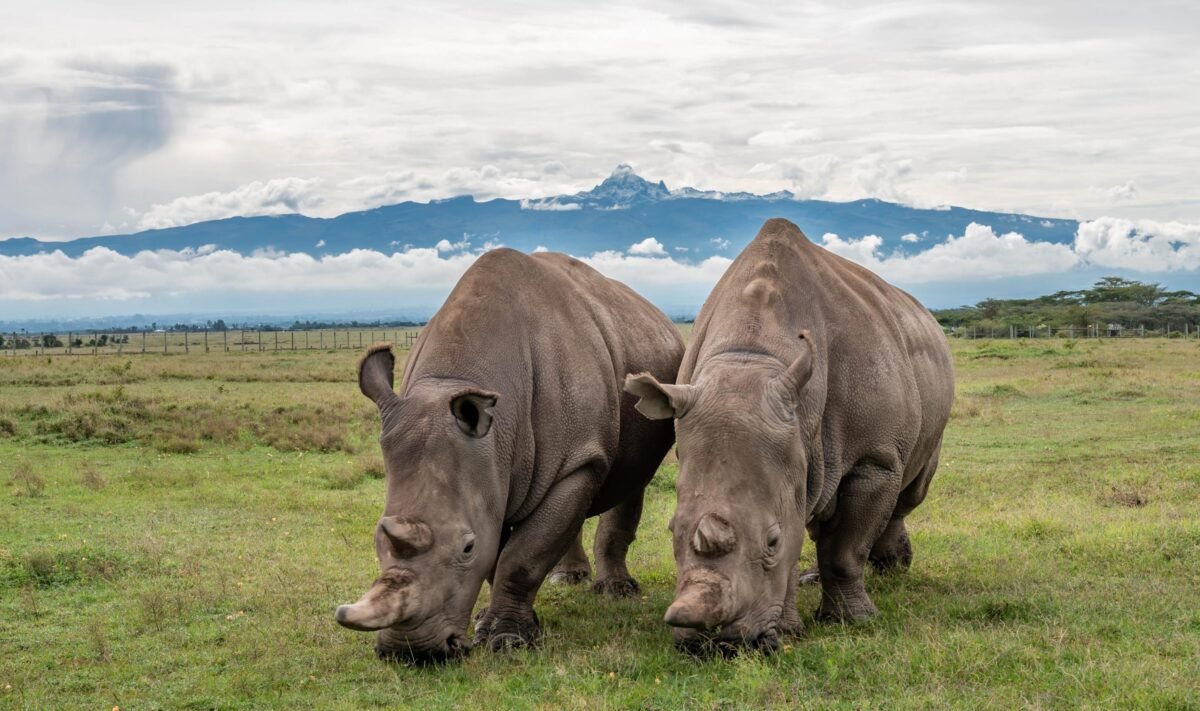
Kenya is one of Africa’s best destinations for wildlife safaris. Beyond its national parks, the country has beautiful wildlife conservancies that offer peaceful and exciting safari experiences.
The top 10 conservancies in Kenya offer excellent wildlife viewing, fewer safari vehicles, and close contact with nature. Many also support local communities and protect endangered animals.
From the famous Maasai Mara to the beautiful landscapes of Laikipia, these protected areas offer unforgettable adventures.
At Zamunda Travels Uganda Ltd, we organize private Kenya safaris that combine wildlife, comfort, and responsible tourism. Therefore, we help travelers choose the best conservancies for their interests and budgets.
What Are Wildlife Conservancies in Kenya?
Wildlife conservancies are protected areas managed by communities, private landowners, conservation organizations, or partnerships between them.
Unlike national parks, many conservancies operate on community or privately owned land. Their main goal is to protect wildlife while supporting local people.
As a result, conservancies often offer a quieter safari experience. Some also allow guided nature walks, night game drives, and cultural visits.
However, activities depend on each conservancy’s rules. Not every conservancy allows the same experiences.
Kenya’s conservancies also help protect important wildlife corridors. These routes allow animals to move between feeding grounds, water sources, and breeding areas.
Moreover, many conservancies create jobs for local guides, rangers, and tourism workers.
Top 10 Conservancies in Kenya for Wildlife Safaris
The following conservancies rank among Kenya’s most rewarding safari destinations. Each offers different wildlife, landscapes, and conservation experiences.
1. Ol Pejeta Conservancy – Best for Rhino Conservation
Location: Laikipia County, near Nanyuki.
Ol Pejeta Conservancy is one of Kenya’s most important wildlife conservation areas. It is especially famous for protecting endangered rhinos.
The conservancy is home to the world’s last two known northern white rhinos, Najin and Fatu. It also protects large numbers of black rhinos.
In addition, visitors can explore the Sweetwaters Chimpanzee Sanctuary. This sanctuary cares for rescued chimpanzees that cannot return to the wild.
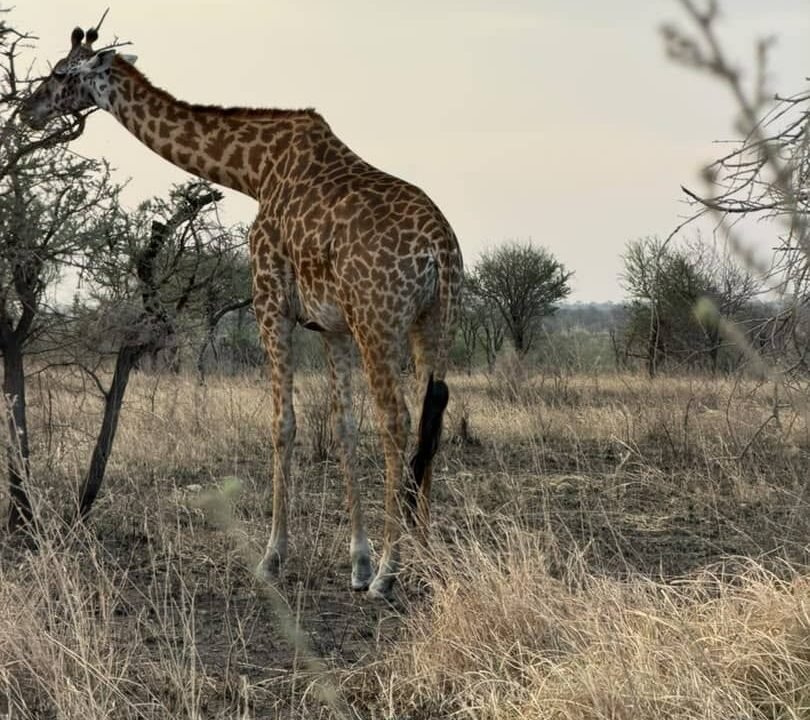
Ol Pejeta offers excellent opportunities to see lions, elephants, buffaloes, giraffes, and zebras. Leopards also live here, although sightings require patience.
Best activities: Game drives, rhino conservation visits, chimpanzee sanctuary visits, and guided experiences.
Why visit? Ol Pejeta combines Big Five wildlife viewing with important conservation education.
Zamunda Travels can include Ol Pejeta in a private Kenya safari from Nairobi. It also combines well with Mount Kenya and other Laikipia destinations.
2. Lewa Wildlife Conservancy – Best for Endangered Wildlife
Location: Northern slopes of Mount Kenya.
Lewa Wildlife Conservancy is among Africa’s leading wildlife conservation success stories.
The conservancy protects endangered black rhinos and Grevy’s zebras. It also provides habitat for elephants, lions, giraffes, and many bird species.
Furthermore, Lewa forms part of the UNESCO-listed Mount Kenya conservation landscape.
Visitors enjoy beautiful views of open grasslands, hills, and Mount Kenya. Therefore, the scenery creates excellent opportunities for wildlife photography.
Lewa also works closely with surrounding communities. Its conservation programs support education, healthcare, and local livelihoods.
Best activities: Game drives, guided walks, birdwatching, and wildlife photography.
Why visit? Lewa offers excellent rhino viewing and a peaceful safari atmosphere.
With Zamunda Travels, visitors can combine Lewa with Ol Pejeta for a wildlife and conservation-focused holiday.
3. Mara North Conservancy – Best for Big Cats
Location: Northern Maasai Mara ecosystem.
Mara North Conservancy is one of the best wildlife conservancies in the Maasai Mara region.
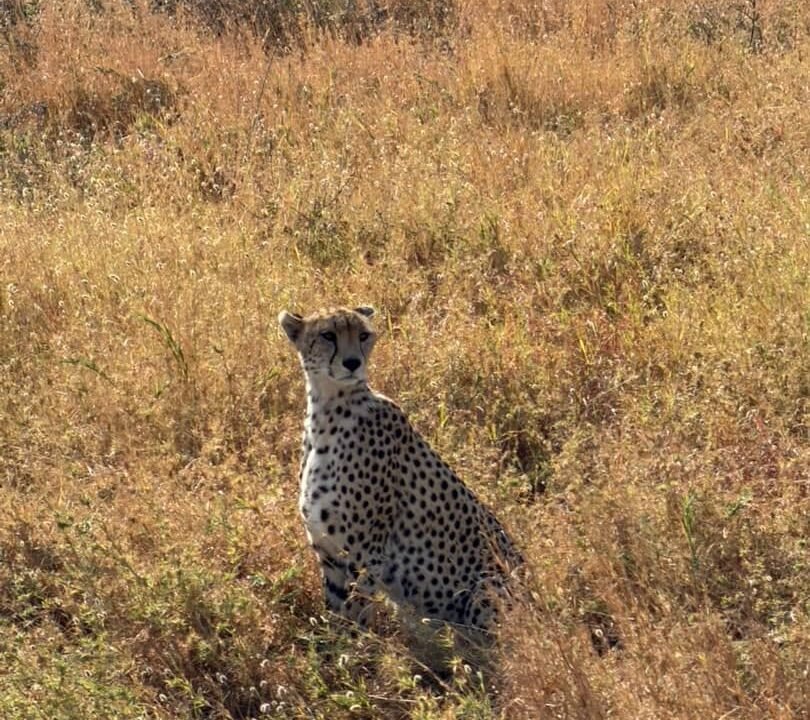
Its open grasslands support lions, leopards, cheetahs, elephants, and large herds of grazing animals.
Unlike busier safari areas, Mara North manages tourism through agreements with local landowners and safari operators.
Consequently, visitors can enjoy quieter wildlife encounters in many parts of the conservancy.
The landscape includes grasslands, wooded areas, and seasonal waterways. These different habitats support a wide variety of animals.
Mara North is also an important part of the wider Maasai Mara ecosystem.
Best activities: Game drives, photography, and guided activities offered by authorized camps.
Why visit? It is an excellent choice for travelers who love predators and quieter safari experiences.
Zamunda Travels can arrange luxury safari stays in Mara North alongside visits to the Maasai Mara National Reserve.
4. Mara Naboisho Conservancy – Best for Lions and Photography
Location: Northeast of the Maasai Mara National Reserve.
Mara Naboisho Conservancy is famous for its impressive lion population and rich wildlife.
The conservancy supports lions, cheetahs, elephants, giraffes, buffaloes, and wildebeest. It also provides habitat for smaller animals that visitors may miss elsewhere.
Furthermore, Naboisho controls tourism activities to reduce pressure on wildlife.
This approach creates a more peaceful safari setting. Therefore, photographers often have better opportunities to observe animal behavior without crowded viewing areas.
Visitors may also enjoy guided walks and night drives through approved safari camps.
Best activities: Big cat photography, game drives, guided walks, and permitted night safaris.
Why visit? Naboisho is ideal for travelers seeking close wildlife encounters and quality guiding.
Zamunda Travels recommends Naboisho for couples, photographers, and visitors who prefer private safari experiences.
5. Olare Motorogi Conservancy – Best for Luxury Safaris
Location: Northern Maasai Mara ecosystem.
Olare Motorogi Conservancy is one of Kenya’s leading destinations for exclusive wildlife safaris.
It protects important wildlife habitats and movement corridors beside the Maasai Mara National Reserve.
The conservancy is particularly famous for its big cats. Lions, leopards, and cheetahs use its grasslands and wooded areas.
Additionally, elephants and large herds of herbivores move across the landscape.
Olare Motorogi has several well-known luxury safari camps. Many offer comfortable accommodation, skilled guides, and beautiful views.
Visitor numbers are carefully managed. As a result, game drives often feel more private than those in busy national parks.
Best activities: Luxury game drives, wildlife photography, and guided experiences.
Why visit? It combines excellent wildlife viewing with high-quality safari accommodation.
Zamunda Travels can include Olare Motorogi in a luxury Kenya safari or honeymoon itinerary.
6. Ol Kinyei Conservancy – Best for Quiet Safaris
Location: Eastern Maasai Mara ecosystem.
Ol Kinyei Conservancy offers a peaceful safari experience surrounded by open grasslands and natural bush.
This protected area forms part of the wider Mara conservation landscape. It provides important habitat for lions, cheetahs, giraffes, elephants, and grazing animals.
Moreover, the conservancy operates through partnerships with Maasai landowners.
Tourism helps support conservation activities and provides income to participating communities.
Ol Kinyei is especially suitable for travelers who prefer smaller safari camps. Visitors can enjoy wildlife without the busy atmosphere found in popular safari areas.
Best activities: Game drives, birdwatching, photography, and approved guided walks.
Why visit? Ol Kinyei offers quiet wildlife viewing and a strong community conservation model.
Zamunda Travels can combine Ol Kinyei with nearby Mara conservancies for a more complete safari experience.
7. Borana Conservancy – Best for Scenic Wildlife Safaris
Location: Laikipia Plateau, near Mount Kenya.
Borana Conservancy is famous for its beautiful landscapes and successful rhino conservation programs.
The conservancy protects black and white rhinos, elephants, lions, and other threatened animals.
It also supports Grevy’s zebras, reticulated giraffes, and African wild dogs.
Borana shares a connected wildlife landscape with neighboring Lewa Wildlife Conservancy. Therefore, animals can move through a larger protected ecosystem.
Its rolling hills, valleys, and open plains make it especially attractive to photographers.
Furthermore, Borana supports conservation through responsible tourism and local community programs.
Best activities: Game drives, landscape photography, and lodge-arranged conservation experiences.
Why visit? Borana combines luxury accommodation, impressive scenery, and excellent wildlife conservation.
Zamunda Travels can arrange Borana as part of a private Laikipia safari.
8. Loisaba Conservancy – Best for Adventure Safaris
Location: Laikipia County, northern Kenya.
Loisaba Conservancy is a beautiful destination for travelers seeking wildlife and outdoor adventure.
Its landscape includes rocky hills, open plains, river valleys, and wide views across northern Kenya.
Visitors may encounter elephants, lions, leopards, giraffes, and several antelope species.
In addition, Loisaba became an important black rhino conservation area following a reintroduction in 2024.
The conservancy offers activities that go beyond traditional vehicle safaris. Depending on the lodge, visitors may enjoy guided walks, horse riding, or camel experiences.
Best activities: Game drives, guided walking safaris, photography, and selected outdoor adventures.
Why visit? Loisaba is ideal for active travelers who want more than standard game drives.
Zamunda Travels can include Loisaba in a Kenya safari that combines adventure, wildlife, and comfortable accommodation.
9. Sera Community Conservancy – Best for Rhino Tracking
Location: Samburu County, northern Kenya.
Sera Community Conservancy offers one of Kenya’s most interesting community-led conservation experiences.
The conservancy is particularly known for the Sera Rhino Sanctuary. This sanctuary was established to protect rhinos through local community management.
Visitors can join authorized rhino tracking experiences with trained guides and rangers.
In addition, Sera protects wildlife habitat across northern Kenya’s dry landscapes.
The scenery includes rocky hills, open grasslands, and beautiful wilderness.
Cultural experiences may also introduce visitors to local Samburu traditions.
Best activities: Guided rhino tracking, birdwatching, cultural visits, and game drives.
Why visit? Sera offers a rare opportunity to learn about rhino protection directly from community conservation teams.
Zamunda Travels can help travelers include Sera in a northern Kenya safari, subject to access and activity availability.
10. Namunyak Community Conservancy – Best for Elephants and Culture
Location: Samburu County, northern Kenya.
Namunyak Community Conservancy is an important wildlife conservation area in northern Kenya.
It is especially known for its connection with the Reteti Elephant Sanctuary.
Reteti rescues orphaned and abandoned elephant calves. Its team cares for them and aims to return suitable animals to the wild.
The sanctuary is also a strong example of community-led conservation.
Furthermore, Namunyak protects important wildlife habitats and supports local livelihoods.
The wider landscape offers dramatic mountains, dry valleys, and beautiful northern Kenyan scenery.
Best activities: Approved sanctuary visits, cultural experiences, photography, and nature-based activities.
Why visit? Namunyak provides a meaningful experience for travelers interested in elephants and community conservation.
Zamunda Travels can help arrange visits where access is available and conservation activities permit tourism.
Why Visit Wildlife Conservancies Instead of National Parks?
Kenya’s national parks and conservancies offer different safari experiences. However, both play important roles in protecting wildlife.
National parks usually attract more visitors because of their famous wildlife and established infrastructure.
Conservancies often focus on lower visitor numbers and carefully managed tourism.
As a result, many conservancies offer quieter game drives and smaller safari camps.
Some also allow activities that national parks may restrict. These include night drives, walking safaris, and selected off-road experiences.
However, conservancy entry fees and accommodation costs can be higher.
For the best experience, Zamunda Travels recommends combining a national park with a nearby conservancy.
Best Time to Visit Conservancies in Kenya
Kenya offers wildlife viewing throughout the year. However, the best months depend on the region and planned activities.
June to October – Popular Dry Season
The dry season is excellent for wildlife safaris. Animals often gather near available water, while shorter grass can improve visibility.
In addition, the Maasai Mara region may experience major wildebeest migration movements during this period.
January to March – Warm and Generally Dry
These months often provide good wildlife viewing and beautiful photography conditions.
However, temperatures can become high in northern Kenya. Therefore, travelers should prepare for warm afternoons.
April to May – Rainy Season
Rain often brings green landscapes and fewer visitors.
Birdwatching can be especially rewarding during wetter periods. However, some roads and activities may become difficult.
Zamunda Travels helps travelers select suitable dates based on weather, wildlife interests, and safari budgets.
How to Choose the Best Conservancy in Kenya
The best conservancy depends on what you want to experience.
For rhinos, consider Ol Pejeta, Lewa, Borana, or Sera. Meanwhile, Mara North and Naboisho are excellent choices for big cat enthusiasts.
Luxury travelers may prefer Olare Motorogi or Borana. Adventure lovers may enjoy Loisaba.
Before booking, check the conservancy’s entry rules and accommodation requirements.
Also, ask which activities your chosen camp can arrange. Some experiences require advance bookings or special permission.
Most importantly, consider how your visit benefits wildlife and local communities.
Zamunda Travels can help plan a private itinerary that matches your interests, travel dates, and preferred comfort level.
Plan Your Kenya Conservancy Safari With Zamunda Travels
Exploring Kenya’s conservancies is a wonderful way to experience wildlife while supporting conservation.
At Zamunda Travels Uganda Ltd, we organize private and tailor-made Kenya safaris for couples, families, photographers, and small groups.
Our safari experiences can combine the Maasai Mara, Laikipia, and other outstanding destinations.
We also arrange combined East African safaris across Kenya, Tanzania, Uganda, and Rwanda.
Whether you want a luxury Big Five safari or a peaceful conservation holiday, we can help create your ideal journey.
Website: www.zamundatravels.com
Email: info@zamundatravels.com
WhatsApp: +256 704 705606
Zamunda Travels – Beyond Expeditions.
Frequently Asked Questions About Conservancies in Kenya
Which is the best wildlife conservancy in Kenya?
Ol Pejeta is an excellent choice for rhinos and conservation experiences. However, Mara North and Naboisho are popular for big cats.
The best choice depends on your wildlife interests and safari budget.
What is the difference between a conservancy and a national park in Kenya?
National parks are generally managed by government conservation authorities. Conservancies may operate through community, private, or partnership management.
In addition, conservancies often have stricter visitor limits and different safari activity rules.
Are Kenya wildlife conservancies expensive?
Costs vary by location, season, and accommodation type. Some conservancies offer luxury safari camps, while others have more affordable options.
Zamunda Travels can prepare a personalized quotation based on your travel plans.
Can you see the Big Five in Kenya’s conservancies?
Yes. Some conservancies, including Ol Pejeta and Lewa, offer opportunities to see all five.
However, wildlife sightings are never guaranteed. Different conservancies protect different animal populations.
Can I visit Maasai Mara conservancies without staying overnight?
Access depends on the conservancy’s visitor rules and tourism partnerships.
Some conservancies restrict entry to guests staying at approved camps. Therefore, always confirm access before traveling.
Zamunda Travels can help arrange accommodation and suitable activities in advance.