Top 5 Best Tanzania Itinerary Ideas
October 21, 2026
Can You Climb Kilimanjaro Without a Guide?
October 22, 2026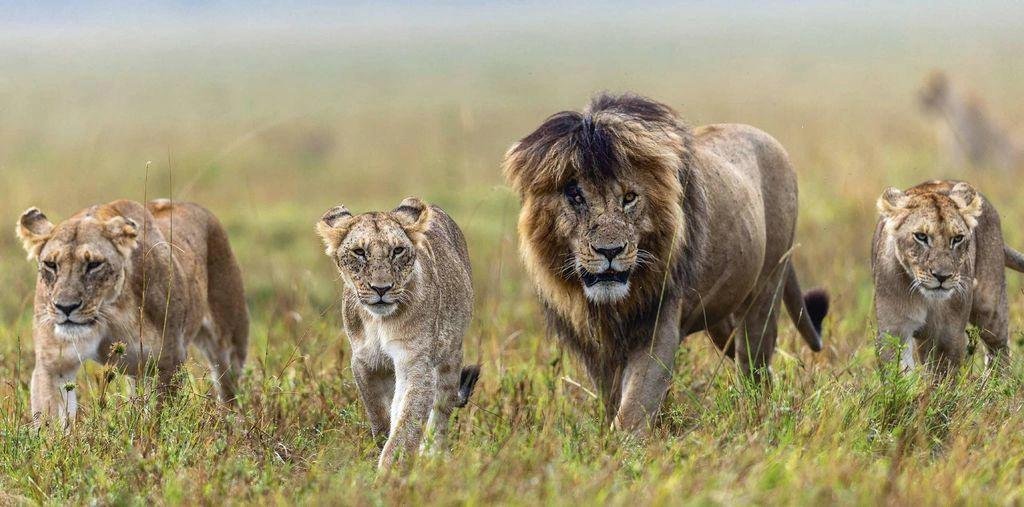
Kenya is one of Africa’s best destinations for exciting wildlife safaris. The best places to see the Big Five animals in Kenya offer amazing wildlife, beautiful landscapes, and unforgettable game drives.
From the Masai Mara to Ol Pejeta Conservancy, Kenya has many excellent safari destinations. Visitors can see lions, elephants, leopards, buffaloes, and rhinos in their natural habitats.
However, not every park offers the same wildlife experience. Some destinations are famous for elephants, while others offer better rhino sightings.
At Zamunda Travels Uganda Ltd, we help travelers explore Kenya through carefully planned wildlife safaris. This guide explains where to see the Big Five and how to plan your adventure.
What Are the Big Five Animals in Kenya?
The Big Five are five famous African animals. They include the lion, leopard, African elephant, African buffalo, and rhinoceros.
Long ago, hunters used the term Big Five to describe dangerous animals to hunt on foot. Today, the name represents Africa’s most exciting wildlife safari experiences.
The African Lion
Lions are among Kenya’s most famous predators. They live in prides and often hunt zebras, buffaloes, and antelopes.
The Masai Mara offers excellent opportunities to observe lions during game drives.
The African Leopard
Leopards are powerful, solitary hunters. They often rest in trees or hide inside thick bushes.
Although leopards live across several Kenyan parks, spotting one requires patience and a knowledgeable guide.
The African Elephant
Elephants are the world’s largest living land animals. They live in family groups and communicate through sounds, movements, and touch.
Amboseli and Tsavo are especially famous for their impressive elephant populations.
The African Buffalo
African buffaloes are strong animals that often move in large herds. They can become dangerous when threatened.
Fortunately, buffalo sightings are common in many Kenyan wildlife destinations.
The Rhinoceros
Kenya protects both black and southern white rhinos. Black rhinos usually prefer bushes, while white rhinos often graze in open grasslands.
Ol Pejeta and Lake Nakuru are excellent places to search for these remarkable animals.
Best Places To See the Big Five Animals in Kenya
Kenya offers several national parks and private conservancies where visitors can search for the Big Five.
However, wildlife sightings depend on the season, habitat, weather, and animal movements. Therefore, choosing the right destination improves your chances of seeing more animals.
1. Masai Mara National Reserve – Best for Lions and Leopards
The Masai Mara is one of Kenya’s most popular safari destinations. Its wide grasslands support lions, leopards, elephants, buffaloes, and a small rhino population.
The reserve is especially famous for excellent predator sightings. Visitors often encounter lions resting, hunting, or moving across the plains.
Moreover, the Masai Mara hosts part of the Great Wildebeest Migration. During migration season, large herds move between Tanzania’s Serengeti and Kenya’s Masai Mara.
Although all Big Five species occur here, rhinos are difficult to find. Therefore, combining the Mara with a rhino-focused conservancy can improve your overall experience.
Best wildlife: Lions, leopards, buffaloes, elephants, cheetahs, and wildebeests.
Best time to visit: July to October for migration activity, although wildlife viewing remains rewarding throughout the year.
Recommended stay: Three to four nights.
Zamunda Travels organizes private Masai Mara safaris with guided game drives, comfortable accommodation, and optional hot-air balloon experiences.
2. Ol Pejeta Conservancy – Best for Rhino Conservation
Ol Pejeta Conservancy lies in Laikipia, near Mount Kenya. It is one of Kenya’s leading destinations for rhino conservation and Big Five safaris.
The conservancy protects black and southern white rhinos. It also cares for the world’s last two surviving northern white rhinos.
Besides rhinos, Ol Pejeta supports lions, leopards, buffaloes, and elephants. However, elephant numbers change because these animals move between surrounding wildlife areas.
Visitors can also learn about wildlife protection and conservation projects. Therefore, Ol Pejeta combines exciting safaris with valuable conservation education.
Best wildlife: Black rhinos, white rhinos, lions, elephants, and buffaloes.
Best time to visit: January to March and June to October.
Recommended stay: Two to three nights.
Zamunda Travels can include Ol Pejeta in a private Kenya safari. This destination works especially well with Lake Nakuru and the Masai Mara.
3. Lake Nakuru National Park – Best for Rhino Sightings
Lake Nakuru National Park lies within Kenya’s beautiful Great Rift Valley. The park combines grasslands, woodlands, scenic viewpoints, and a large alkaline lake.
Most importantly, Lake Nakuru protects both black and white rhinos. Therefore, it is an excellent stop for travelers hoping to see these endangered animals.
The park also supports lions, leopards, buffaloes, and other wildlife. However, elephants are not normally present, so visitors cannot expect all five species here.
Additionally, Lake Nakuru attracts flamingos and many other waterbirds. Flamingo numbers change with water conditions and food availability.
Best wildlife: Black rhinos, white rhinos, buffaloes, lions, and giraffes.
Best time to visit: Throughout the year, especially during drier months.
Recommended stay: One to two nights.
Zamunda Travels often recommends Lake Nakuru as a stop between Nairobi and the Masai Mara.
4. Amboseli National Park – Best for Elephant Safaris
Amboseli National Park is famous for its large elephant herds. It also offers beautiful views of Mount Kilimanjaro in neighboring Tanzania.
Visitors can watch elephants feeding, walking, and moving through seasonal wetlands. Furthermore, the open landscape creates excellent photography opportunities.
Amboseli also supports lions, buffaloes, and occasional leopard sightings. However, rhinos are not a realistic target within the main park.
The park is particularly attractive to wildlife photographers. On clear mornings, elephants may appear against the impressive Kilimanjaro backdrop.
Best wildlife: Elephants, buffaloes, lions, zebras, and giraffes.
Best time to visit: June to October and January to February.
Recommended stay: Two to three nights.
Zamunda Travels offers Amboseli safari experiences for families, couples, photographers, and wildlife lovers.
5. Lewa Wildlife Conservancy – Best for Luxury Rhino Safaris
Lewa Wildlife Conservancy is another excellent safari destination in northern Kenya. It is widely recognized for protecting endangered rhinos and other wildlife.
The conservancy has both black and white rhinos. Moreover, its protected landscape supports elephants, lions, buffaloes, and elusive leopards.
Lewa also protects Grevy’s zebras and other species that are uncommon in southern Kenya.
Unlike busier safari destinations, Lewa offers a quieter wildlife experience. Its lodges are especially attractive to travelers seeking privacy and comfort.
Best wildlife: Rhinos, elephants, lions, buffaloes, and Grevy’s zebras.
Best time to visit: January to March and June to October.
Recommended stay: Two to three nights.
Zamunda Travels can arrange a luxury Kenya safari combining Lewa with other outstanding wildlife destinations.
6. Tsavo West National Park – Best for Wild Landscapes
Tsavo West National Park offers dramatic scenery and rewarding wildlife adventures. Its landscape includes volcanic hills, rocky plains, natural springs, and thick vegetation.
The park supports all five Big Five species. However, its large size and dense vegetation can make some animals difficult to locate.
Tsavo West also protects black rhinos within its conservation areas. These animals remain elusive, even during well-planned safari drives.
Another highlight is Mzima Springs, where visitors can enjoy beautiful scenery and observe aquatic wildlife.
Best wildlife: Elephants, buffaloes, lions, leopards, and black rhinos.
Best time to visit: June to October and January to February.
Recommended stay: Two to three nights.
Zamunda Travels can combine Tsavo West with Amboseli or a Kenya coastal holiday.
7. Nairobi National Park – Best for a Short Safari
Nairobi National Park is one of Kenya’s most accessible wildlife destinations. It lies close to Nairobi’s busy city center.
Despite its urban location, the park supports lions, leopards, buffaloes, and black rhinos.
However, elephants do not live in Nairobi National Park. Therefore, visitors seeking all five animals should combine it with another destination.
The park is particularly useful for travelers with limited time. A morning game drive can offer rewarding sightings before an afternoon flight or city activity.
Best wildlife: Lions, black rhinos, buffaloes, giraffes, and zebras.
Best time to visit: Throughout the year.
Recommended stay: Half-day or full-day safari.
Zamunda Travels can arrange Nairobi National Park visits before longer Kenya wildlife safaris.
Which Kenya Safari Park Is Best for Each Big Five Animal?
Different parks offer different wildlife viewing opportunities. Therefore, your choice should depend on the animals you most want to see.
| Big Five animal | Recommended destinations |
|---|---|
| Lion | Masai Mara, Amboseli |
| Leopard | Masai Mara, Ol Pejeta |
| Elephant | Amboseli, Tsavo East, Tsavo West |
| Buffalo | Masai Mara, Amboseli, Lake Nakuru |
| Rhino | Ol Pejeta, Lake Nakuru, Lewa |
Our recommendation: Combine the Masai Mara with Ol Pejeta or Lake Nakuru. This gives travelers a wider range of wildlife habitats and stronger overall Big Five opportunities.
However, wild animals move freely. No safari company can guarantee sightings of every species.
Best Time to See the Big Five Animals in Kenya
Kenya offers wildlife viewing throughout the year. However, weather conditions can affect animal movements and visibility.
June to October – The Main Dry Season
The dry season is especially popular for wildlife safaris. Grass becomes shorter, and animals often gather near reliable water sources.
Moreover, the Masai Mara migration usually attracts large numbers of visitors during this period.
Therefore, booking accommodation early is important.
January to March – Excellent Wildlife Photography
These months often offer relatively dry conditions and good wildlife viewing.
Additionally, clear weather can create excellent photography opportunities in Amboseli.
April to May – Greener Landscapes
The long rainy season brings greener vegetation and fewer visitors.
However, some roads become muddy, and thick grass can make wildlife harder to spot.
Nevertheless, this period may appeal to travelers seeking quieter destinations and lower accommodation rates.
How Many Days Do You Need for a Kenya Big Five Safari?
A Kenya Big Five safari can last from three days to two weeks. However, longer trips allow more game drives and better wildlife opportunities.
For a short visit, Zamunda Travels recommends a three-day Masai Mara safari. This itinerary focuses on lions, elephants, buffaloes, and other savannah wildlife.
A five-day safari can combine Lake Nakuru and the Masai Mara. This route adds valuable rhino-viewing opportunities.
For a more complete experience, consider a seven-day safari. For example, visit Ol Pejeta, Lake Nakuru, and the Masai Mara.
A ten-day itinerary can also include Amboseli. As a result, visitors enjoy varied landscapes and several outstanding wildlife destinations.
Practical Tips for Seeing the Big Five in Kenya
Successful wildlife safaris require good planning, patience, and experienced guides.
First, choose destinations based on your wildlife interests. For example, Ol Pejeta is ideal for rhinos, while Amboseli is excellent for elephants.
Second, schedule game drives during early mornings and late afternoons. Many animals become more active during cooler hours.
Additionally, carry binoculars and a camera with a suitable zoom lens. These allow you to observe wildlife without approaching too closely.
Always follow park rules and stay inside your safari vehicle unless your guide confirms it is safe. Never feed animals or pressure your guide to drive too close.
Finally, allow enough time in each destination. Extra game drives provide more opportunities for unexpected wildlife encounters.
Plan Your Kenya Big Five Safari With Zamunda Travels
A successful Big Five safari depends on choosing the right parks, guides, and travel route.
Zamunda Travels Uganda Ltd organizes private and customized Kenya wildlife safaris for international and regional travelers.
Our safari experiences can include Masai Mara game drives, Ol Pejeta rhino conservation visits, Amboseli elephant safaris, and luxury conservancy stays.
Furthermore, we can combine Kenya with gorilla trekking in Uganda or Rwanda. This creates a rewarding East African wildlife adventure.
Whether you prefer luxury lodges, comfortable safari camps, or family-friendly tours, we can help plan your journey.
Start planning your Kenya safari today.
Website: www.zamundatravels.com
Email: info@zamundatravels.com
WhatsApp: +256 704 705606
Frequently Asked Questions About the Big Five in Kenya
Can you see all the Big Five animals in Kenya?
Yes. Kenya is home to lions, leopards, elephants, buffaloes, and rhinos. However, seeing all five usually requires several game drives or visits to different parks.
Which park in Kenya is best for the Big Five?
The Masai Mara is excellent for lions, leopards, elephants, and buffaloes. However, Ol Pejeta offers stronger rhino opportunities. Combining both destinations is a good choice.
Where can I see rhinos in Kenya?
Ol Pejeta, Lewa, and Lake Nakuru are among Kenya’s best rhino-viewing destinations. Nairobi National Park also protects black rhinos.
What is the best month for a Big Five safari in Kenya?
July to October offers excellent wildlife viewing, especially in the Masai Mara. However, January and February also provide rewarding conditions in several parks.
How much does a Big Five safari in Kenya cost?
Prices depend on the season, accommodation, trip length, and transport. Private luxury safaris usually cost more than shared or budget tours. Zamunda Travels provides customized quotations based on your travel plans.