Lion Tracking Experience in Queen Elizabeth National Park
September 22, 2026
Best Time to Visit Murchison Falls National Park
September 22, 2026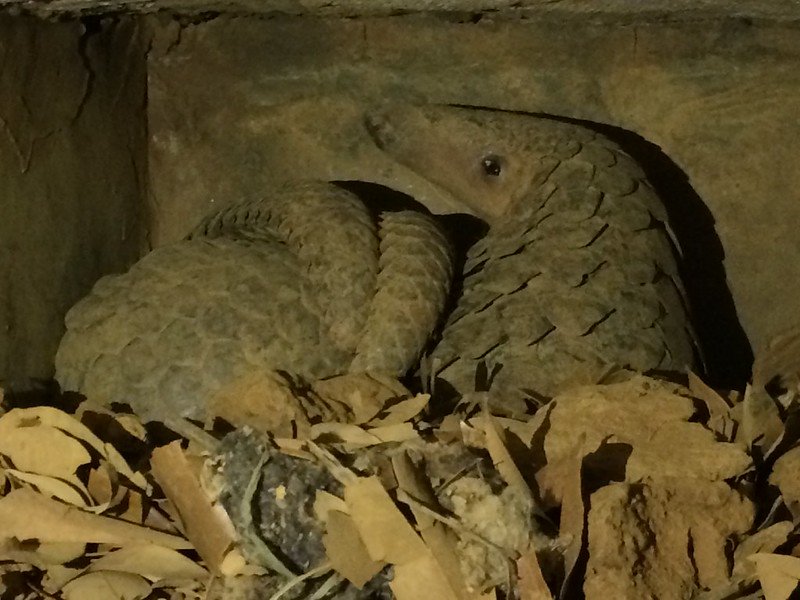
Buhoma is widely known as one of the main gateways to Bwindi Impenetrable National Park and a popular destination for gorilla trekking in Uganda. However, the area offers more than encounters with mountain gorillas. It is also home to an important community conservation initiative dedicated to one of Africa’s most threatened mammals. The Pangolin Rescue Center Buhoma works to rescue, rehabilitate, and return pangolins to suitable natural habitats. The center also works with local communities to reduce poaching and create better alternatives for people who once depended on illegal hunting. For travelers visiting Bwindi, a visit to the center provides a meaningful way to learn about wildlife conservation beyond gorilla trekking. Zamunda Travels can help travelers include this experience in a wider Uganda safari itinerary.
Pangolin Rescue Center Buhoma and Its Conservation Work
The Pangolin Rescue Center is located near Buhoma village, close to Bwindi Impenetrable National Park. The initiative was founded by Moses Arineitwe in 2015 and focuses on rescuing, rehabilitating, and releasing pangolins in Uganda. The center also works with surrounding communities to increase awareness about pangolins and reduce poaching. According to information from the conservation organization, the project has rescued more than 170 pangolins and has helped reform former poachers by supporting alternative activities such as farming, beekeeping, fishing, and other community projects.
This approach is important because wildlife conservation cannot succeed through protection inside national parks alone. Communities living near protected areas also play an important role. When local people understand the value of wildlife and have sustainable sources of income, they can become strong partners in conservation. The Pangolin Rescue Center therefore combines wildlife rescue with community education. This creates an opportunity for people and wildlife to benefit from the same conservation efforts.
Why Pangolins Need Protection in Uganda
Pangolins are small, shy mammals covered with protective scales. They are mostly active at night, which makes them difficult to see in the wild. Their diet mainly consists of ants and termites, which they collect using their long, sticky tongues. Their unusual appearance and behavior make them fascinating animals, yet these same animals face serious threats from illegal hunting and wildlife trafficking.
Pangolins are heavily targeted for their meat and scales. Bushmeat consumption can place additional pressure on wild populations, while illegal wildlife trafficking creates international demand for pangolin products. Pangolins have consequently become one of the most heavily trafficked groups of mammals in the world. This makes rescue centers and community conservation programs important parts of broader wildlife protection efforts.
The threat is not only about losing individual animals. Removing pangolins from forests can also affect ecosystems because these mammals help regulate populations of ants and termites. Protecting them therefore contributes to the wider health of forest ecosystems.
Pangolin Rescue Center Buhoma: From Rescue to Rehabilitation
When a pangolin is rescued from illegal captivity, poaching, or another dangerous situation, it needs careful attention before it can return to the wild. Some rescued animals may arrive injured, stressed, weak, or dehydrated. The rehabilitation process gives them time to recover while conservation workers provide appropriate care.
The center aims to limit unnecessary human contact because pangolins are wild animals. Proper feeding and quiet surroundings can help them regain their strength. The team then monitors the animals and prepares suitable individuals for release when they are ready. This process requires patience because successful rehabilitation is not simply about making an animal healthy. The goal is to give it the best possible chance of surviving independently in the wild.
Information from the Pangolin Rescue Center indicates that rescued pangolins have been released back into the forests of Bwindi Impenetrable National Park. Such releases represent an important part of the center’s conservation work because they give rehabilitated animals another opportunity to live in their natural environment.
The Role of Former Poachers in Pangolin Conservation
One of the most interesting aspects of the Pangolin Rescue Center Buhoma is its connection with former poachers. Conservation becomes more effective when people who live near wildlife habitats have practical alternatives to illegal activities. The center therefore works with people who have moved away from poaching and supports activities that can provide alternative sources of income.
These activities include farming, beekeeping, fish farming, mushroom growing, and other community projects. Such programs can reduce the pressure on wildlife while helping households develop sustainable livelihoods. The approach also changes the relationship between local communities and conservation. Instead of seeing wildlife only as a source of meat or income, community members can become guardians of the animals and their habitats.
This community approach is particularly valuable around Bwindi. The forest supports extraordinary biodiversity and provides habitat for mountain gorillas, monkeys, birds, forest mammals, and many other species. Protecting the forest requires cooperation between conservation organizations, local communities, park authorities, guides, tourism businesses, and visitors.
What Visitors Can Learn at the Pangolin Rescue Center
A visit to the Pangolin Rescue Center Buhoma offers travelers an opportunity to learn about an animal that they may never encounter during a normal safari. Pangolins are secretive and mainly nocturnal, so seeing one in the wild is extremely difficult. The center instead provides an educational conservation experience where visitors can learn about their behavior, threats, rescue, rehabilitation, and protection.
The experience also shows how tourism can support conservation at the community level. Visitors can learn about the challenges faced by the center and the people working to protect pangolins. Some visitors also choose to make donations or support conservation initiatives after learning about the work being done.
For travelers who have already planned gorilla trekking in Buhoma, the experience can complement their safari. Zamunda Travels can help arrange a visit alongside gorilla trekking, forest walks, cultural experiences, or other activities around Bwindi.
How Pangolin Conservation Benefits the Community
Conservation creates stronger results when local people see practical benefits from protecting wildlife. The Pangolin Rescue Center therefore extends its work beyond rescued animals. Community projects help provide alternative livelihoods while conservation education encourages people to report wildlife in danger rather than kill or sell it.
The center has also been involved in awareness activities within local communities and schools. This type of education is important because younger generations can become future conservation leaders. When children learn why pangolins matter, they can share that knowledge with their families and communities.
Zamunda Travels believes that responsible tourism should contribute to the protection of the places travelers visit. Supporting community conservation projects around Bwindi can therefore add a valuable conservation element to a Uganda safari.
Protecting Pangolins From Illegal Wildlife Trade
Illegal wildlife trade remains one of the greatest threats facing pangolins. People hunt them for their meat and scales, and traffickers move them through illegal networks. Pangolins are protected by international wildlife trade regulations, but enforcement and community awareness remain important.
It is also important to discuss the trade carefully. Rather than blaming an entire nationality or community, conservation efforts should focus on the illegal networks, demand, trafficking routes, and people involved in wildlife crime. Pangolin conservation requires cooperation across countries because illegal wildlife trade can cross international borders.
Visitors can help by refusing to purchase wildlife products made from protected animals. They can also report suspicious wildlife trade through appropriate authorities and support legitimate conservation organizations. Simple choices can help reduce demand and encourage responsible tourism.
Visit Buhoma and Support Wildlife Conservation
Buhoma offers travelers much more than a starting point for gorilla trekking. The area provides opportunities to understand the relationship between forests, wildlife, and local communities. A visit to the Pangolin Rescue Center Buhoma adds another conservation story to the Uganda safari experience.
The center’s work demonstrates how wildlife rescue can connect with community development. Rescuing a pangolin is important, but preventing another pangolin from being hunted can have an even wider impact. That is why conservation education and alternative livelihoods remain important parts of the program.
If you are planning a Uganda safari with Zamunda Travels, you can combine a visit to the pangolin conservation project with gorilla trekking in Bwindi. Depending on your itinerary, you can also include Queen Elizabeth National Park, Kibale National Park, Lake Bunyonyi, or other destinations in southwestern Uganda.
How Zamunda Travels Supports Responsible Tourism
Zamunda Travels promotes Uganda safaris that combine wildlife experiences with responsible tourism. A safari should not only allow travelers to see beautiful animals. It should also help visitors understand the importance of protecting those animals and the habitats where they live.
Including a conservation experience in Buhoma gives travelers an opportunity to learn about pangolins and the people working to protect them. It also creates a chance to support local conservation efforts through responsible visitor experiences and community engagement.
Together, travelers, local communities, conservation organizations, park authorities, and tourism companies can contribute to a future where wildlife has space to survive. Protecting pangolins is not only about saving one unusual mammal. It is also about protecting forests, supporting communities, and maintaining the natural systems that benefit both people and wildlife.
If you are planning a gorilla trekking safari in Uganda, contact Zamunda Travels to include the Pangolin Rescue Center in Buhoma as part of your itinerary. Your journey can become more than a wildlife holiday. It can also become an opportunity to learn, support conservation, and contribute to the protection of Uganda’s remarkable wildlife.