Northern vs Southern Tanzania Safari
October 7, 2026
Great Wildebeest Migration in Tanzania
October 7, 2026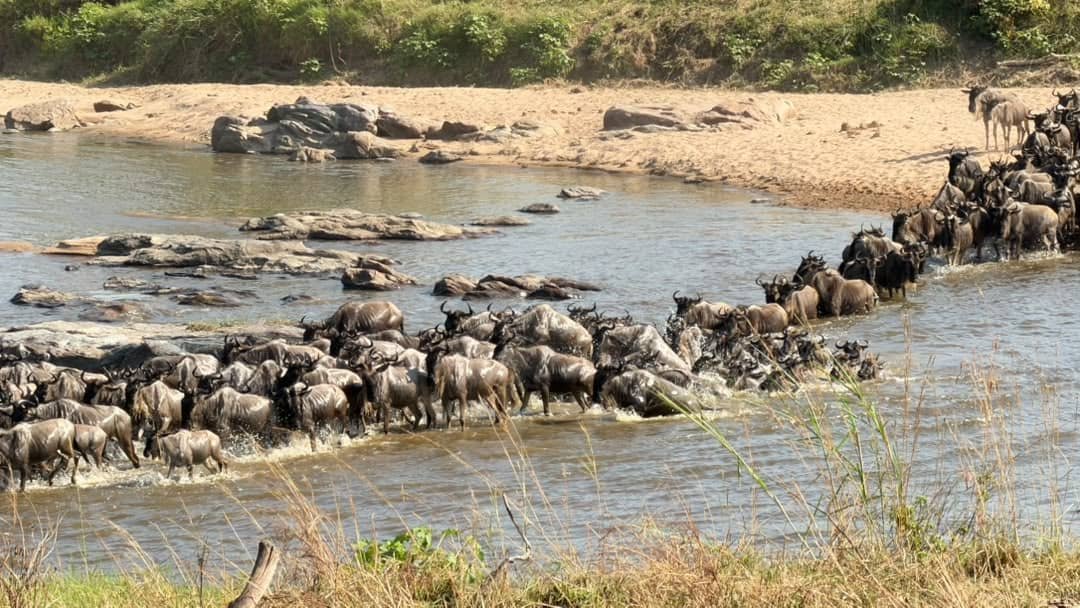
A Serengeti National Park safari ranks among the greatest wildlife journeys on Earth. Every year, more than a million wildebeest sweep across the plains of northern Tanzania, and predators follow close behind. In this guide, Zamunda Travels explains everything you need to plan the trip with confidence. First, you will learn why the park matters and how large it is. Next, you will follow the Great Migration through its seasons. After that, you will meet the wildlife, compare the best months, and review accommodation, costs, and travel tips. By the end, you will know how to shape your own journey.
Why a Serengeti National Park Safari Deserves a Place on Your List
A Serengeti National Park safari offers something that few other trips can match: scale. The park stretches across 14,763 square kilometres of open grassland, acacia woodland, and granite outcrops. Because the land is so open, you can watch a lion hunt from a kilometre away. Moreover, wildlife density stays high throughout the year, so every game drive rewards you with sightings. Zamunda Travels sends guests here because the park delivers on every promise that safari brochures make. In addition, UNESCO recognised the park as a World Heritage Site in 1981, and travellers regularly rank it among the best safari destinations in Africa. Elephants wander across the plains, giraffes browse the acacia crowns, and hippos crowd the river pools. Meanwhile, the sky feels endless, and the sunsets turn the grass to copper. Therefore, a Serengeti National Park safari suits first-time visitors, honeymooners, photographers, and families alike.
Furthermore, the Serengeti sits inside a much larger ecosystem of roughly 30,000 square kilometres. This system includes the Ngorongoro Conservation Area, the Maswa Game Reserve, several controlled areas, and Kenya’s Maasai Mara. Animals ignore the borders on the map, so the herds move freely between Tanzania and Kenya. As a result, the landscape still works the way nature designed it. Zamunda Travels values this wild integrity, and our guides explain it on every drive. You do not just tick animals off a list. Instead, you learn how the whole system fits together, from the grass beneath the wheels to the vultures overhead.
Serengeti National Park Facts: Size, History, and the Meaning of the Name
The park’s story begins in the early twentieth century. British colonial authorities first protected the area as a game reserve in 1929. Then they upgraded it to a national park in 1951, which makes the Serengeti one of Tanzania’s oldest protected areas. However, the upgrade carried a heavy cost, because Maasai communities lost access to their traditional grazing lands. Today, the Tanzania National Parks Authority, known as TANAPA, manages the park. Conservation work continues to balance wildlife, tourism, and the needs of neighbouring communities.
The name itself carries meaning. It comes from the Maasai word siringit, which translates as endless plains. Standing on the southern grasslands, you quickly understand why. The horizon stretches in every direction, and trees appear only along rivers and on rocky hills. Meanwhile, the park lies roughly 335 kilometres from Arusha, and it reaches north to the Kenyan border and west toward Lake Victoria. The scenery changes as you travel. For example, the short-grass plains of the south give way to the wooded Seronera Valley in the centre. Further west, the Western Corridor offers river forests, while the rolling hills around Kogatende dominate the north. Zamunda Travels designs each itinerary around these zones, so you see the full variety of the park rather than one slice of it.
The Great Migration on a Serengeti National Park Safari
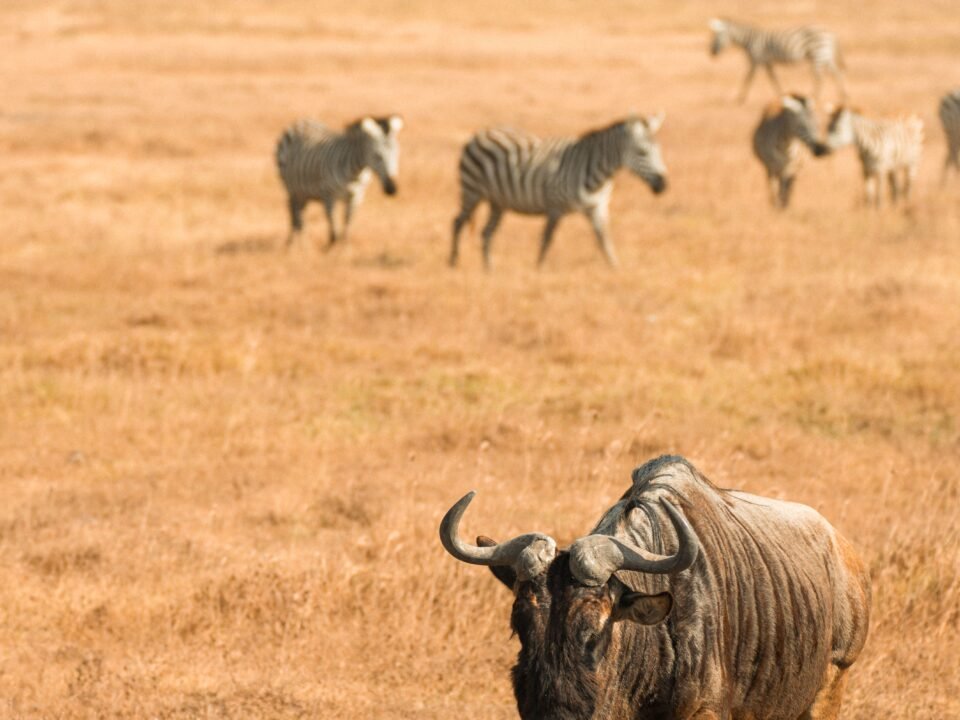
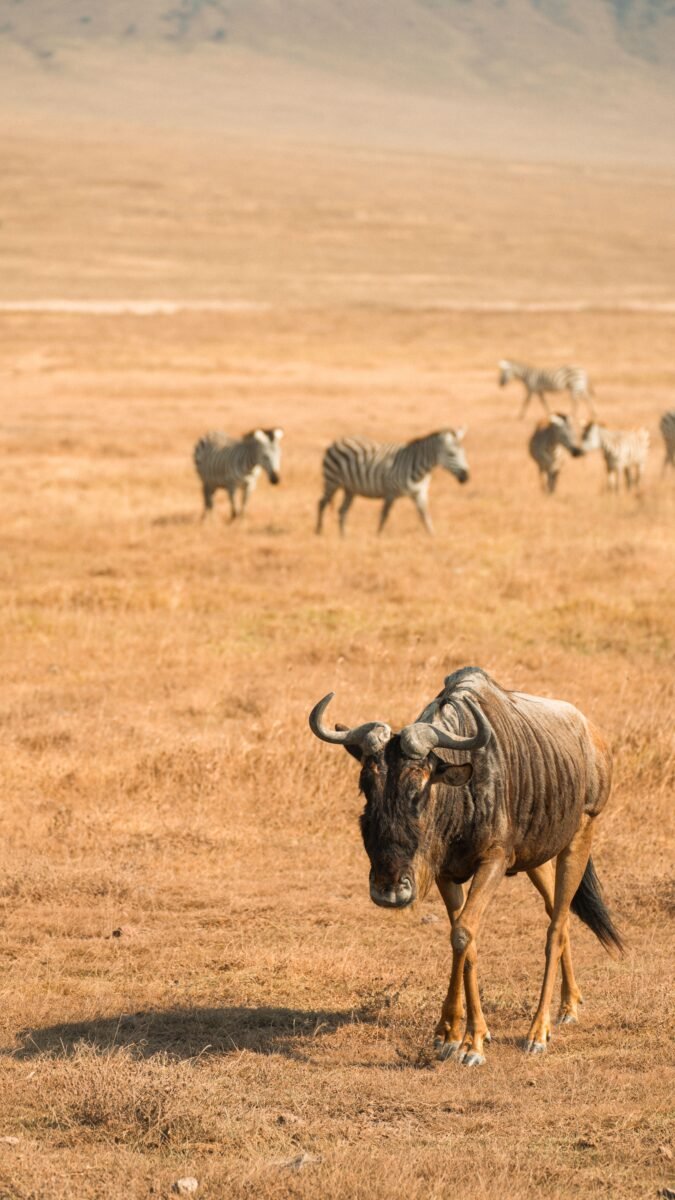
The Great Migration defines the Serengeti. Each year, more than 1.5 million wildebeest travel in a vast circle through the Serengeti-Mara ecosystem, and hundreds of thousands of zebras and Thomson’s gazelles join them. Rain drives the whole movement. The animals follow fresh grass, so they never stay in one place for long. Because of this, no two weeks look the same, and your Serengeti National Park safari changes with the calendar. Importantly, the migration has no fixed start or finish. It is a continuous cycle, and the exact position of the herds depends on that year’s rainfall. Zamunda Travels therefore reviews recent field reports before we place your camp. This approach keeps you close to the action. Sadly, the journey is dangerous too. Estimates suggest that around 250,000 wildebeest die during each cycle from predation, drowning, and exhaustion. That loss feeds the lions, hyenas, crocodiles, and vultures that depend on the herds.
Calving Season in the Southern Plains
From roughly January to March, the herds gather on the short-grass plains of the southern Serengeti and the Ndutu area. The short rains of November and December turn these plains green, and the mineral-rich grass nourishes the pregnant females. Then, within a few weeks, hundreds of thousands of calves arrive. Observers report as many as 8,000 births on peak days. Wildebeest calves stand within minutes and run soon afterwards, which helps them escape danger. Naturally, predators gather too. Lions, cheetahs, spotted hyenas, and jackals patrol the herds, so the drama rarely pauses. If you want baby animals and daily predator action, this is the season to choose. However, the ground can turn muddy, and the area attracts many visitors, so you should book early.
Grumeti River Crossings in the Western Corridor
As the dry season approaches, the herds drift north and west. Between roughly May and July, many animals reach the Western Corridor, where the Grumeti River cuts across their path. Crocodiles wait in the pools, yet the herds must cross anyway. Crossings here usually draw fewer vehicles than those in the north, and the riverine forest adds rich colour to your photographs. Besides the crossings, the corridor offers colobus monkeys, hippos, and excellent birdlife. Timing varies from year to year, so flexible planning matters. Zamunda Travels advises a minimum of two nights in the area to improve your chances of a good sighting.
Mara River Crossings in the Northern Serengeti
From about July to October, the herds push into the northern Serengeti around Kogatende and cross the Mara River into Kenya’s Maasai Mara. These crossings create the most famous images of the migration. Thousands of animals gather on a bank, hesitate, and then plunge into the current. Crocodiles strike, and the survivors scramble up the far shore. Because the north has fewer lodges, the experience feels remote. Furthermore, this period falls in the dry season, so the roads stay passable and the game viewing stays strong. Still, nobody can schedule a crossing. Guests sometimes wait for hours, and some days nothing happens. Therefore, patience and a skilled guide matter more than anything else. By November, the short rains pull the herds back south, and the cycle begins again.
Wildlife You Will Meet in the Serengeti
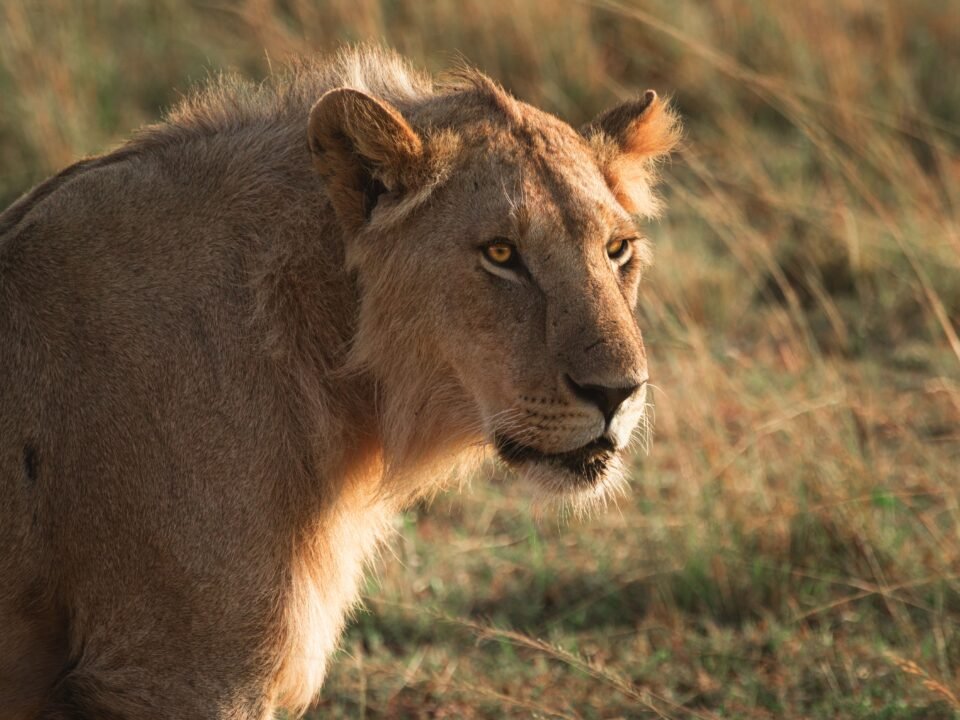
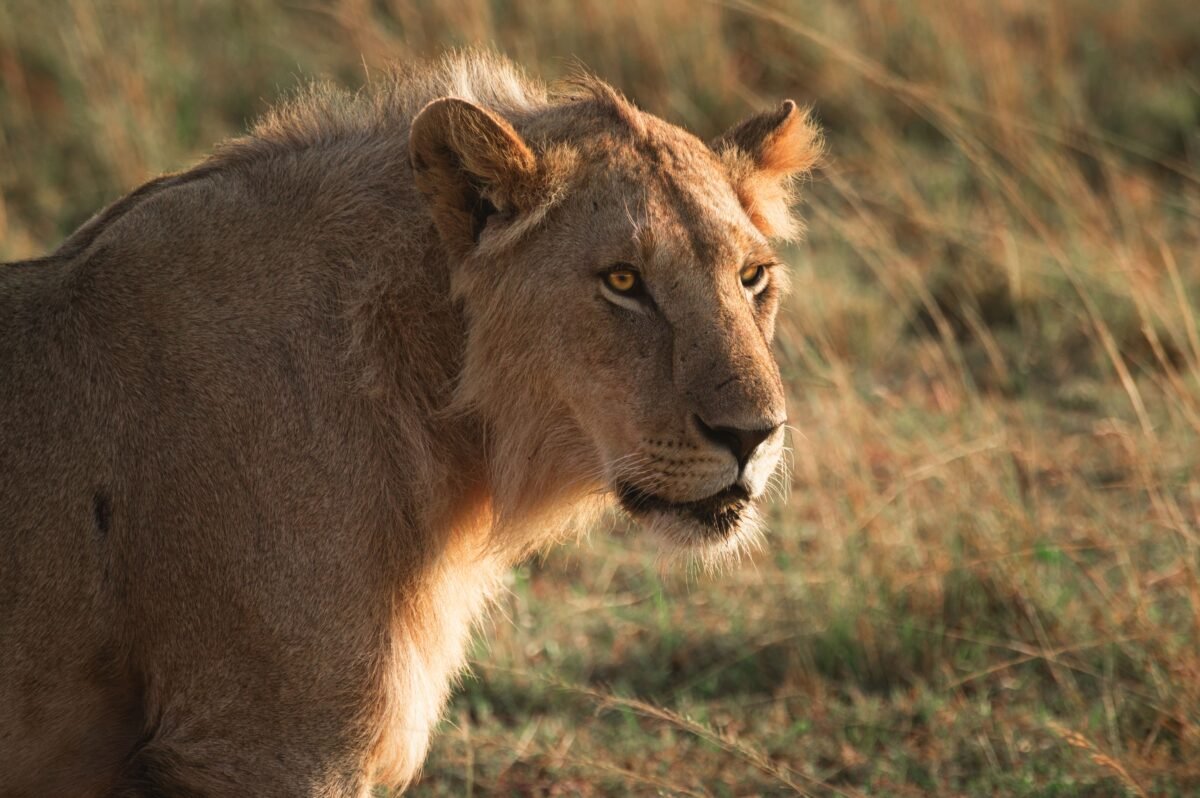
Beyond the migration, the Serengeti holds one of Africa’s richest concentrations of wildlife. The Big Five all live here: lion, leopard, elephant, buffalo, and rhino. However, the black rhino is rare, and it hides in specific areas such as the Moru Kopjes. Lions are far easier to find. They rest on rocky outcrops, called kopjes, and they hunt across the open plains at dusk. The Seronera Valley in the central park has a famous reputation for big cats. Leopards often lounge in the branches of sausage trees there, while cheetahs prefer the wide grasslands of the south. Spotted hyenas, jackals, servals, and bat-eared foxes add further variety.
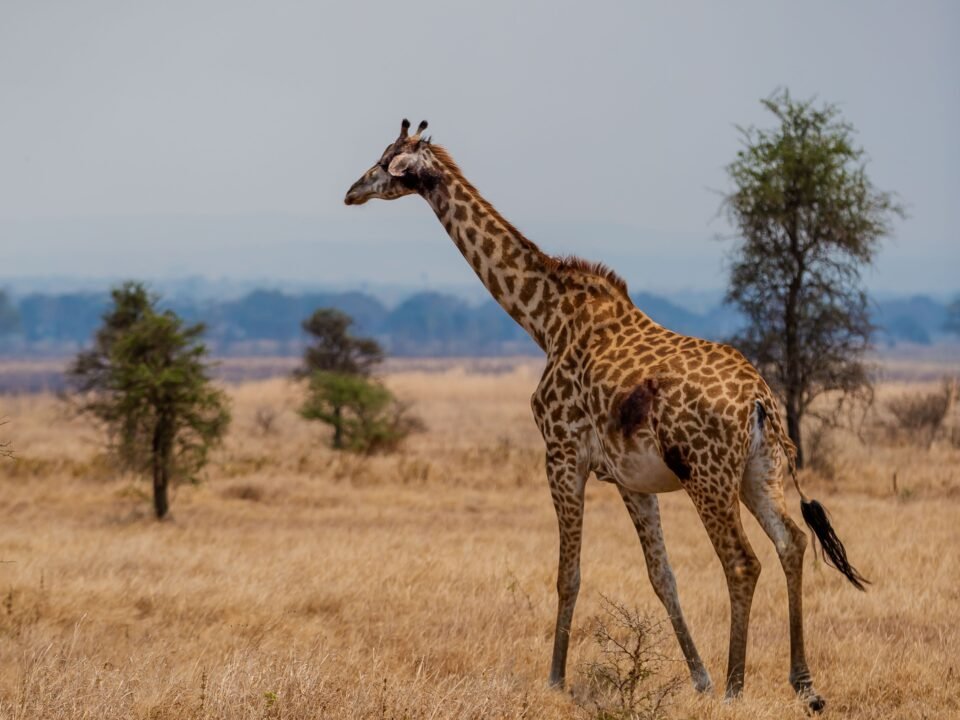
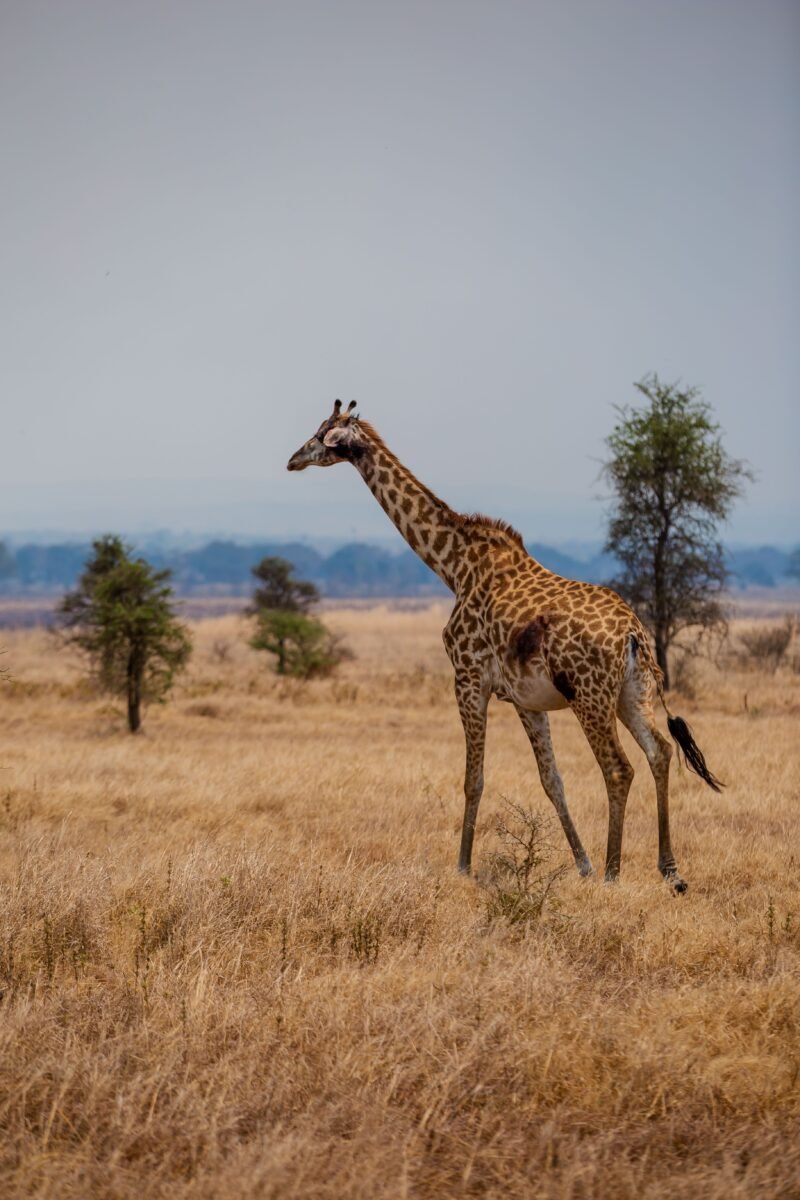
Herbivores dominate the numbers. Besides wildebeest and zebra, you will see buffalo, eland, topi, kongoni, impala, and Grant’s gazelle, plus giraffes and smaller groups of elephants. Hippos wallow in the pools along the rivers, and crocodiles bask on the banks. Meanwhile, smaller creatures such as agama lizards and rock hyraxes scurry across the granite kopjes. Birdwatchers also enjoy the park, because it hosts more than 500 bird species. Look for ostriches, secretary birds, kori bustards, and lilac-breasted rollers. Zamunda Travels assigns experienced driver-guides who read animal behaviour, so you spend less time searching and more time watching.
Best Time for a Serengeti National Park Safari
The best time for a Serengeti National Park safari depends on what you want to see. First, the dry season from June to October gives the most reliable general game viewing. Grass is short, water is scarce, and animals concentrate near rivers. In addition, this period matches the river crossings in the Western Corridor and the north. As a result, July to September is peak season, and prices and crowds rise accordingly. Zamunda Travels recommends booking six to twelve months ahead for these months.
Second, the calving season from December to March suits travellers who love predators and newborn animals. The southern plains turn green, and the herds gather in huge numbers. Third, the green season in April and May brings lush scenery, fewer visitors, and lower rates. However, heavy rains can slow your drives and close some tracks. Finally, November brings the short rains, which pull the herds south and reward flexible travellers. In short, no month is bad, but each month offers a different Serengeti. Tell us your priorities, and Zamunda Travels will match them to the calendar.
Where to Stay in the Serengeti
Accommodation shapes your experience as much as the game drives do. Permanent lodges offer comfort, swimming pools, and restaurants in scenic spots, often on top of rocky hills. Tented camps bring you closer to nature, because canvas walls let you hear lions at night. Seasonal mobile camps follow the migration, so they place you directly in the path of the herds. Meanwhile, public campsites run by TANAPA suit budget travellers who prefer a simple setup. Luxury lodges add private plunge pools, spa treatments, and sunrise hot-air balloon flights over the plains.
Location matters as much as style. Central Serengeti works well all year, since the Seronera Valley holds resident wildlife. Southern Serengeti and Ndutu shine from December to March. The Western Corridor fits May to July, and the north fits July to October. Zamunda Travels therefore recommends splitting a longer trip between two areas. This plan reduces driving time, and it follows the herds. Remember too that every lodge inside the park pays a concession fee, which guests cover in their nightly rate.
How to Get to the Serengeti and Plan Your Route
Most travellers begin in Arusha, which lies roughly 335 kilometres from the park. Kilimanjaro International Airport is the nearest major gateway, and it connects to regional hubs. From there, you have two main options. First, you can fly on a light aircraft from Arusha to airstrips inside the park, such as Seronera and Kogatende. This choice saves a full day of travel and gives spectacular aerial views. Second, you can drive overland through the Ngorongoro Conservation Area. This route takes a long day, but it lets you add the famous Ngorongoro Crater to your trip.
Many guests combine the Serengeti with other northern Tanzania parks. For example, Tarangire National Park adds elephants and baobab trees, while Lake Manyara adds tree-climbing lions and flamingos. Zamunda Travels builds these combinations into smooth itineraries that suit guests from Uganda and across East Africa. We arrange your flights from Entebbe, your airport transfers, your park permits, and your accommodation. A typical Serengeti-focused trip lasts five to seven days. However, a longer stay lets you follow the migration more closely.
Serengeti Safari Cost and Park Fees
A Tanzania safari in 2026 generally costs between $250 and $1,500 or more per person per day. Accommodation tier, season, and group size drive most of the difference. Park fees form a fixed part of the budget. Foreign adults pay roughly $70 to $84 per 24 hours to enter the Serengeti, depending on the season and whether VAT is included. In addition, guests who sleep inside the park pay a concession fee of about $60 to $71 per adult per night. Children between five and 15 pay lower rates. If your route includes the Ngorongoro Crater, a separate vehicle fee of about $295 applies.
Several costs sit beyond the headline figures. For instance, tips for guides, premium activities such as balloon flights, and laundry services usually cost extra. Furthermore, TANAPA does not accept cash at the gates, so operators pay through a government control number system. Prices change often, and sources quote slightly different numbers. For that reason, Zamunda Travels confirms current rates at the moment you book and states clearly what your package includes. Because we handle these payments for you, you avoid surprises at the park entrance.
Practical Tips Before You Go
Preparation makes your trip smoother. First, check your health requirements well in advance. Travellers arriving from countries with a yellow fever risk, including Uganda, may need to show a vaccination certificate. In addition, ask your doctor about malaria prevention, because the park lies in a malaria zone. Second, pack in layers. Early morning drives feel cold, while midday heat can climb quickly. Neutral colours such as khaki, olive, and brown help you blend into the landscape. Bring a wide-brimmed hat, sunscreen, sturdy shoes, and a warm jacket.
Third, carry the right gear. Binoculars transform your sightings, and a camera with a zoom lens captures distant action. Pack extra batteries and memory cards, since you will take far more photographs than you expect. Finally, respect the wildlife. Stay inside the vehicle, keep your voice low, and never feed animals. Your guide will position the vehicle carefully, so everyone gets a view without disturbing the animals. Zamunda Travels briefs every guest before the first game drive, and our team stays in contact throughout your trip.
Book Your Serengeti National Park Safari with Zamunda Travels
A Serengeti National Park safari rewards careful planning. You now know the park’s size and history, the rhythm of the Great Migration, the wildlife you can expect, and the costs involved. Most importantly, you know that timing and location shape your experience. Zamunda Travels combines local knowledge with years of safari experience, so we match your dates, budget, and interests to the right part of the park. We handle the details, and you enjoy the adventure. Contact Zamunda Travels today to start planning your Serengeti National Park safari, and let us turn that endless horizon into your next unforgettable memory.