Tanzania Safari and Zanzibar Beach Holiday
October 7, 2026
Tanzania Honeymoon Safari
October 8, 2026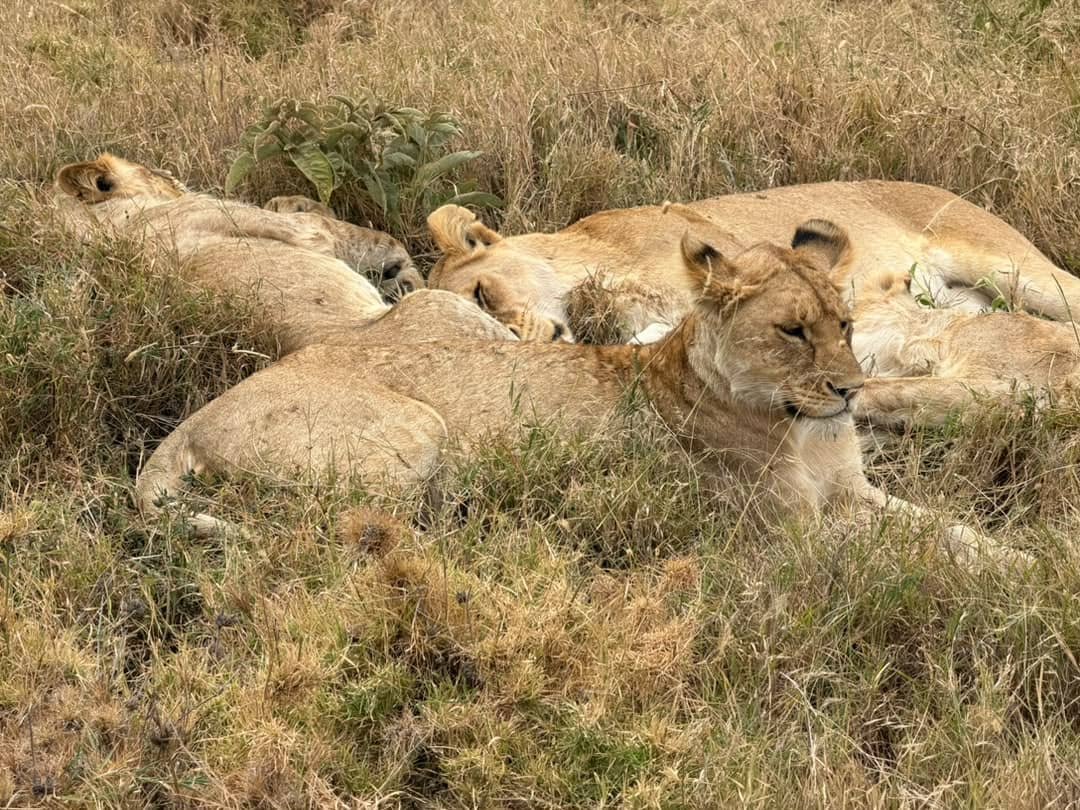
Tanzania is one of Africa’s most rewarding travel destinations. The country combines famous wildlife areas, dramatic mountains, tropical islands, historic towns, lakes, forests, and remote wilderness. From the endless plains of the Serengeti to the beaches of Zanzibar, Tanzania offers experiences for travelers with very different interests. The country also has several UNESCO World Heritage Sites, including Serengeti National Park, Ngorongoro Conservation Area, Kilimanjaro National Park, and Stone Town of Zanzibar.
For travelers planning a safari, beach holiday, cultural journey, or mountain adventure, choosing where to go can feel difficult. Tanzania has many protected areas and destinations spread across its northern, southern, western, and coastal regions. Some places offer classic Big Five safaris, while others focus on chimpanzee trekking, hiking, marine life, history, or peaceful beach escapes. Therefore, the best itinerary depends on what you want to experience and how much time you have.
At Zamunda Travels, we help travelers discover Tanzania through carefully planned safari and holiday experiences. In this guide, we highlight 20 of the best places in Tanzania that deserve consideration when planning your next East African adventure.
1. Serengeti National Park
Serengeti National Park is one of the best places in Tanzania for a classic African safari. The park covers about 14,763 square kilometers and forms the heart of one of the world’s most famous wildlife ecosystems. Its open grasslands support large populations of wildebeest, zebra, lions, elephants, buffaloes, leopards, and other wildlife. TANAPA describes the Serengeti as home to one of the world’s great remaining large mammal migrations, involving more than 1.5 million wildebeest along with zebras and predators.
The Great Migration is one of the main reasons travelers visit. However, you do not need to see the migration to enjoy Serengeti. Game drives can provide excellent wildlife viewing throughout the year. January and February can be particularly rewarding for travelers interested in the calving season, while the dry months from June to October often offer excellent general wildlife viewing and migration opportunities. Balloon safaris and guided walks can add another perspective to the safari experience.
For first-time visitors, Zamunda Travels can combine Serengeti with Ngorongoro and Tarangire to create a classic Northern Tanzania safari.
2. Ngorongoro Conservation Area
Ngorongoro Conservation Area is another essential destination for travelers exploring northern Tanzania. The area is famous for the Ngorongoro Crater, a vast volcanic caldera that supports a remarkable concentration of wildlife. The landscape combines grasslands, woodland, forest, wetlands, and dramatic highland scenery. UNESCO recognizes the Ngorongoro Conservation Area as a World Heritage Site.
The crater offers excellent opportunities to see lions, elephants, buffaloes, zebras, wildebeest, hippos, and other species during game drives. The surrounding conservation area also has important cultural value because Maasai pastoral communities continue to live within the wider landscape. This combination of wildlife, scenery, conservation, and culture makes Ngorongoro different from a conventional national park.
A visit to Ngorongoro works especially well as part of a Northern Circuit itinerary. Travelers can visit Tarangire first, continue to Ngorongoro, and then spend several days exploring Serengeti.
3. Mount Kilimanjaro
Mount Kilimanjaro is Tanzania’s most famous mountain and one of Africa’s most recognizable natural landmarks. Kilimanjaro National Park covers about 1,668 square kilometers, according to TANAPA. The mountain rises dramatically above the surrounding plains and attracts trekkers from around the world.
Kilimanjaro offers several trekking routes, and each route provides a different experience. Trekkers pass through changing vegetation zones as they climb toward the summit. The journey requires preparation because altitude can become the greatest challenge, rather than technical climbing skills alone. Good acclimatization, proper equipment, and experienced guides are therefore important.
You can also enjoy views of Kilimanjaro without climbing it. Travelers on safari around Amboseli in neighboring Kenya or northern Tanzania may see the mountain from the surrounding plains when weather conditions allow. For adventure travelers, however, reaching Uhuru Peak remains one of Tanzania’s most memorable experiences.
4. Zanzibar and Stone Town
Zanzibar is one of the best places in Tanzania for travelers who want to combine beaches, history, food, and culture. The Zanzibar Archipelago offers beautiful Indian Ocean beaches, warm tropical waters, marine activities, and a distinctive Swahili cultural heritage.
Stone Town adds a completely different dimension to a Zanzibar holiday. The historic town is a UNESCO World Heritage Site and reflects centuries of cultural exchange between Africa, Arabia, India, and Europe. Its narrow streets, historic buildings, carved doors, markets, and waterfront create a strong sense of place. UNESCO describes Stone Town as an outstanding example of a Swahili trading town, with architecture influenced by several cultures around the Indian Ocean.
A good Zanzibar itinerary can combine several days in Stone Town with time on the northern, eastern, or southeastern beaches. This makes Zanzibar ideal after a safari because travelers can move from wildlife adventures to a relaxed Indian Ocean holiday.
5. Tarangire National Park
Tarangire National Park is one of the most rewarding parks on Tanzania’s Northern Safari Circuit. The park covers about 2,600 square kilometers and is especially known for its elephants, baobab trees, seasonal wetlands, and open savannah landscapes.
Tarangire becomes particularly interesting during the dry season when wildlife concentrates around remaining water sources. Elephants often provide some of the most memorable sightings. The park also supports lions, leopards, buffaloes, giraffes, zebras, wildebeest, and many bird species.
Because Tarangire lies close to other major northern destinations, it works well for shorter safaris. A traveler with limited time can visit Tarangire and Ngorongoro before continuing toward Serengeti. Zamunda Travels can also include Tarangire in longer Northern Circuit itineraries.
6. Lake Manyara National Park
Lake Manyara National Park offers a compact but diverse safari experience. The park covers about 649 square kilometers and contains several habitats within a relatively small area. These include woodland, grassland, wetlands, and the lake itself.
The park is known for elephants, buffaloes, giraffes, zebras, hippos, birds, and scenic landscapes. Visitors may also hear about Manyara’s famous tree-climbing lions. However, sightings are never guaranteed because wildlife moves freely through the ecosystem.
Lake Manyara can fit easily into a Northern Tanzania safari. It is particularly useful for travelers who want to experience several habitats without spending too many days in one location.
7. Nyerere National Park
Nyerere National Park is a major destination in southern Tanzania. It forms part of the larger ecosystem formerly associated with the Selous landscape and offers a very different safari atmosphere from the Northern Circuit. TANAPA’s current park information lists Nyerere among Tanzania’s major national parks.
The park is particularly attractive for travelers who want a combination of traditional game drives and water-based experiences. Boat safaris provide opportunities to explore rivers and waterways while observing hippos, crocodiles, birds, and other wildlife from the water.
Nyerere also works well for travelers seeking a quieter safari experience. Instead of following the busiest northern routes, visitors can explore a vast southern landscape with a more remote atmosphere. A safari in Nyerere can also combine well with Mikumi and Ruaha.
8. Ruaha National Park
Ruaha National Park is one of Tanzania’s great wilderness destinations. It covers more than 20,000 square kilometers and forms an important part of the country’s southern safari circuit. TANAPA highlights the park’s large buffalo herds and populations of elephants, lions, leopards, hippos, and crocodiles.
Ruaha appeals to travelers who want wildlife, open landscapes, and fewer crowds. The Great Ruaha River and surrounding ecosystems create excellent opportunities for game viewing. Birdwatchers can also enjoy a rich variety of species, with TANAPA reporting more than 570 recorded bird species.
The park often suits travelers who have more time for Tanzania. A southern circuit itinerary can connect Ruaha with Nyerere and Mikumi for a deeper exploration of Tanzania’s wilderness.
9. Mikumi National Park
Mikumi National Park is among the most accessible safari destinations in southern Tanzania. The park covers roughly 3,230 square kilometers and centers around the open Mkata Floodplain. TANAPA highlights elephants, lions, buffaloes, zebras, wildebeest, giraffes, hippos, and rich birdlife.
One of Mikumi’s major advantages is accessibility from Dar es Salaam. This makes it useful for travelers with limited time who still want a genuine safari experience. The park also offers game drives, birdwatching, and guided walking activities in designated areas.
Mikumi can serve as a gateway to a longer southern Tanzania adventure. Travelers can begin with Mikumi and then continue toward Nyerere or Ruaha. Its open landscapes also make it attractive to photographers who enjoy wide views and large wildlife herds.
10. Gombe National Park
Gombe National Park is one of Tanzania’s most important destinations for chimpanzee experiences. The park sits along the eastern shore of Lake Tanganyika and has a strong connection with primate research. TANAPA identifies Gombe as the famous chimpanzee research site associated with Jane Goodall.
Chimpanzee trekking is the main attraction. Visitors hike through forested terrain while searching for habituated chimpanzee communities. The experience differs greatly from a traditional savannah safari because travelers explore the forest on foot.
Gombe is also attractive for travelers who enjoy scenery. Lake Tanganyika provides a spectacular setting, while the forest supports many other animals and bird species. Because of its remote location, Gombe works best for travelers who have enough time to explore western Tanzania.
11. Mahale Mountains National Park
Mahale Mountains National Park combines forest, mountains, wildlife, and Lake Tanganyika. The park covers about 1,577 square kilometers and is particularly famous for wild chimpanzee tracking.
Chimpanzee trekking forms the heart of many Mahale trips. However, the experience becomes even more special because of the park’s lakeside setting. After walking through the forest, visitors can relax beside one of Africa’s great lakes.
Mahale is remote, so reaching it usually requires more planning than visiting the Northern Circuit. That distance, however, helps preserve its sense of wilderness. For travelers who want something beyond the standard safari route, Mahale can provide a remarkable combination of primates and tropical landscapes.
12. Katavi National Park
Katavi National Park is a destination for travelers searching for remote wilderness. The park covers about 4,471 square kilometers and lies in western Tanzania.
Katavi is known for broad floodplains, seasonal rivers, large concentrations of hippos and crocodiles, and classic African wildlife. The park receives fewer visitors than famous destinations such as Serengeti and Ngorongoro. As a result, it offers a more isolated safari atmosphere.
A visit to Katavi requires more time and logistical planning. However, travelers who make the effort can enjoy an experience far removed from busy tourist routes. Katavi is particularly suitable for experienced safari travelers who value remoteness.
13. Arusha National Park
Arusha National Park provides a diverse introduction to northern Tanzania. The park covers about 552 square kilometers and includes Mount Meru, Momella Lakes, forest, grassland, and other habitats.
Mount Meru gives the park a dramatic mountain backdrop. Visitors can enjoy game drives, birdwatching, canoeing in designated areas, and hiking experiences. The park also works well for travelers who want a short nature experience before beginning a longer safari.
Its location near Arusha makes it convenient. Therefore, Zamunda Travels can include Arusha National Park before a Northern Circuit safari or as a standalone day or multi-day experience.
14. Saadani National Park
Saadani National Park offers a rare combination of wildlife and coastline. It lies along Tanzania’s Indian Ocean coast and provides travelers with the opportunity to experience a safari environment close to the sea.
The park is part of Tanzania’s national park network and covers about 1,100 square kilometers.
Saadani suits travelers who want something different from the traditional inland safari. Game drives can reveal elephants, giraffes, buffaloes, hippos, and other wildlife, while the coastal setting adds a completely different visual character.
Because of its location, Saadani can also fit into coastal travel plans. It provides an interesting alternative for travelers who want wildlife without traveling deep into the country’s interior.
15. Mafia Island
Mafia Island is one of the best places in Tanzania for travelers interested in marine life, beaches, and quieter island experiences. The island offers clear waters, beaches, coral reefs, marine biodiversity, and a relaxed atmosphere. Tanzania’s official tourism information highlights Mafia Island for beach tourism, marine experiences, whale shark watching, and coastal biodiversity.
Whale shark experiences are among the island’s major attractions. Travelers can also enjoy snorkeling, diving, boating, fishing, and relaxed beach time.
Mafia offers a different experience from the busier parts of Zanzibar. It suits travelers who want a peaceful island escape with strong marine interests. A Tanzania itinerary can combine a safari on the mainland with several days on Mafia Island.
16. Pemba Island
Pemba Island is part of the Zanzibar Archipelago and offers a quieter alternative to the more developed beach areas of Unguja. The island is known for lush landscapes, traditional communities, diving, snorkeling, and marine environments.
Pemba is especially attractive to travelers who want a slower island experience. The surrounding waters provide opportunities for diving and other marine activities. Inland, travelers can experience local culture, plantations, and tropical scenery.
For a longer Tanzania holiday, Pemba can follow a safari or a stay in Zanzibar. Zamunda Travels can help combine mainland wildlife experiences with an island extension based on the traveler’s interests.
17. Lake Natron
Lake Natron is a striking destination in northern Tanzania. The lake sits within a dramatic landscape close to the Great Rift Valley and provides a very different experience from the classic safari parks.
The area is particularly interesting for birdwatchers and photographers. Flamingos can gather around the lake, while the surrounding landscape provides dramatic views of volcanic mountains and escarpments.
Lake Natron also offers opportunities for walking and cultural experiences. Travelers who enjoy unusual landscapes can combine the destination with northern safari routes. It can work especially well for visitors who want to explore beyond Serengeti, Ngorongoro, and Tarangire.
18. Udzungwa Mountains National Park
Udzungwa Mountains National Park is one of Tanzania’s most appealing destinations for hikers and nature lovers. The park covers about 1,990 square kilometers and forms part of the Eastern Arc mountain landscape.
Unlike the open savannahs of Serengeti, Udzungwa focuses on forests, mountains, waterfalls, hiking, and biodiversity. Trails lead through different forest environments and provide opportunities to see birds, monkeys, plants, and scenic landscapes.
The park works well for active travelers who want to add hiking to a Tanzania safari. It can also form part of a southern Tanzania itinerary alongside Mikumi and Ruaha.
19. Mkomazi National Park
Mkomazi National Park lies in northeastern Tanzania near the Kenyan border. It covers about 3,245 square kilometers and provides a combination of savannah landscapes, mountains, wildlife, and conservation experiences.
The park offers a quieter alternative to some of Tanzania’s better-known northern destinations. Its location also makes it useful for travelers exploring the northeastern part of the country.
Mkomazi can appeal to wildlife lovers who want to explore less-visited areas. It also adds variety to itineraries that include Kilimanjaro, Arusha, or the northern safari circuit.
20. Kilwa Kisiwani and Songo Mnara
Kilwa Kisiwani and Songo Mnara are among Tanzania’s most important historical destinations. These archaeological sites preserve the remains of medieval Swahili settlements that played important roles in Indian Ocean trade. UNESCO lists the Ruins of Kilwa Kisiwani and Ruins of Songo Mnara as a World Heritage property.
The sites offer a fascinating contrast to Tanzania’s wildlife destinations. Instead of game drives and mountains, travelers explore ruins, historic architecture, and evidence of centuries of maritime trade between the African coast and wider Indian Ocean networks.
For travelers interested in history and culture, Kilwa provides a deeper understanding of Tanzania’s coastal heritage. It can also complement a safari or beach holiday by adding a historical dimension to the journey.
How to Choose the Best Places in Tanzania for Your Trip
Choosing among the best places in Tanzania depends on your interests, travel time, budget, and preferred travel style. If wildlife is your main goal, Serengeti, Ngorongoro, Tarangire, Ruaha, Nyerere, and Mikumi are strong choices. For mountain adventures, Kilimanjaro and Mount Meru offer excellent opportunities for trekking.
If you prefer primates, Gombe and Mahale should be high on your list. Both provide chimpanzee experiences in western Tanzania. For beaches and marine activities, Zanzibar, Mafia Island, and Pemba Island offer different styles of coastal travel.
History lovers can explore Stone Town and Kilwa Kisiwani. Meanwhile, hikers and nature lovers can consider Udzungwa Mountains, Lake Natron, and Arusha National Park. Therefore, there is no single destination that suits every traveler. The best itinerary combines places that match your interests.
Best Time to Visit Tanzania
Tanzania can be visited throughout much of the year, but the best travel period depends on the experience you want. The dry season generally provides favorable conditions for wildlife viewing because animals often gather around water sources and vegetation becomes less dense.
For travelers interested in the Serengeti migration, timing matters because the animals move through different areas during the year. January and February can offer opportunities to see the calving season, while June to October is a popular period for general wildlife viewing and parts of the migration. TANAPA also identifies June to October as a favorable period for wildlife viewing in Mikumi.
The coast follows a different rhythm. Zanzibar, Mafia, and Pemba are popular for beach holidays, although weather conditions vary during the year. Travelers should therefore select dates according to the combination of safari, beach, hiking, or cultural activities they want.
How Many Days Do You Need in Tanzania?
The ideal length of a Tanzania trip depends on how many regions you want to visit. A short four- to five-day safari can focus on Tarangire, Ngorongoro, and Serengeti. A longer seven- to ten-day safari allows more time for wildlife viewing and can include additional destinations.
Travelers who want a safari and beach holiday should consider at least 10 days. This allows enough time for the mainland safari without rushing the Zanzibar portion of the trip. Longer journeys can also include southern or western Tanzania.
Zamunda Travels can build the itinerary around your available days. This approach helps avoid spending too much time on the road while still including the experiences that matter most.
Why Visit Tanzania With Zamunda Travels?
Tanzania rewards travelers who plan their routes carefully. The country is large, and the distances between some destinations can be significant. A professional safari company can help coordinate transport, accommodation, park visits, activities, and timing.
At Zamunda Travels, we focus on creating practical Tanzania safari and holiday experiences around each traveler’s interests. Whether you want the Great Migration, a Big Five safari, a Kilimanjaro trek, chimpanzee trekking, a southern Tanzania adventure, or a safari followed by Zanzibar beaches, the itinerary should match your priorities.
The greatest strength of Tanzania is its variety. You can watch lions on the Serengeti plains, explore the Ngorongoro landscape, climb Kilimanjaro, walk through historic Stone Town, track chimpanzees beside Lake Tanganyika, or relax beside the Indian Ocean. Few destinations offer such a wide combination of wildlife, landscapes, culture, adventure, and beaches in one country.
Plan Your Tanzania Adventure
The best places in Tanzania are not limited to the destinations that appear in every travel brochure. Serengeti and Ngorongoro deserve their reputation, but places such as Ruaha, Mahale, Gombe, Udzungwa, Mafia Island, and Kilwa can add a more personal dimension to your journey.
The right Tanzania itinerary depends on what you want to see and how much time you have. Start with your main interest, choose the regions that support it, and then build the journey around realistic travel times.
With the right planning, Tanzania can become more than a safari destination. It can become a complete East African adventure that combines wildlife, mountains, islands, history, culture, and unforgettable landscapes. Zamunda Travels is ready to help you turn those destinations into a well-planned Tanzania travel experience.