Nyerere National Park Safari
October 7, 2026
Mikumi National Park Safari
October 7, 2026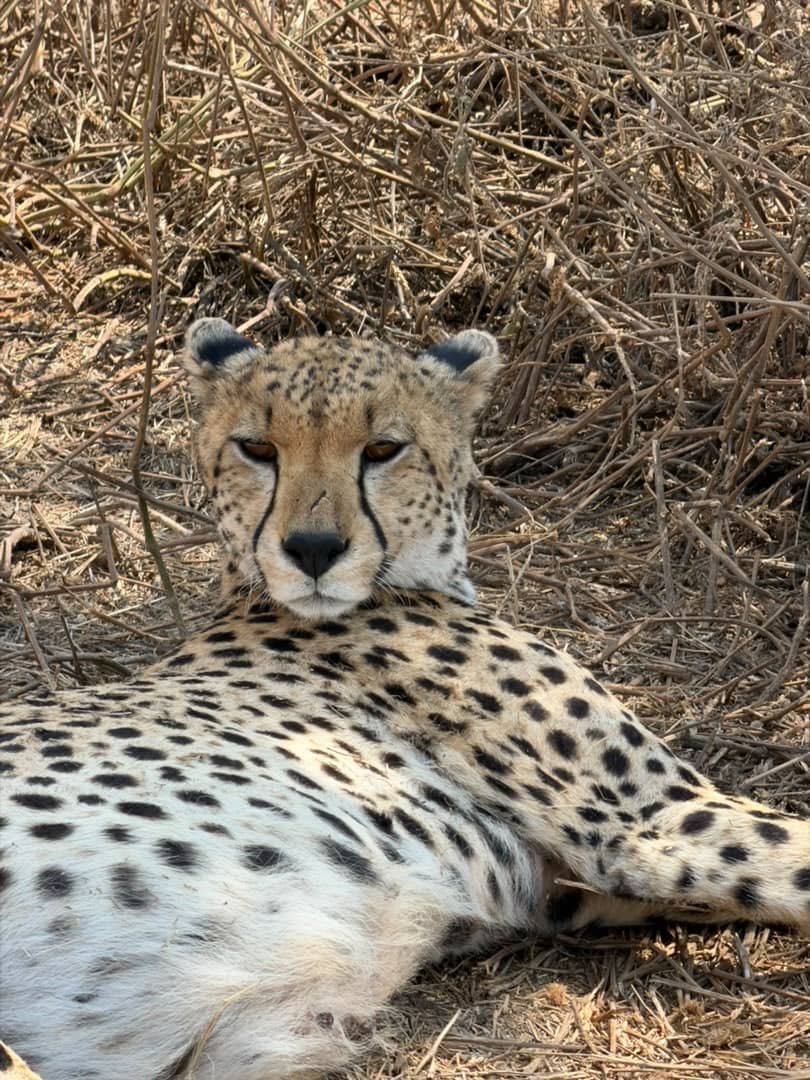
A Ruaha National Park safari takes you into one of Tanzania’s most impressive wilderness areas. Far from the busy safari routes of northern Tanzania, Ruaha offers wide-open landscapes, huge elephant herds, powerful predators, ancient baobabs, rocky kopjes, and seasonal rivers. The park covers about 20,226 square kilometres, making it Tanzania’s second-largest national park. It also forms part of a much larger ecosystem that extends beyond the park boundaries.
Ruaha feels different from the moment you enter. The landscape is spacious and rugged. Miombo woodlands meet golden savannas, while baobabs rise above the plains. The Great Ruaha River forms one of the park’s most important natural features. During the dry months, wildlife gathers around remaining water sources, creating excellent opportunities for game viewing.
For travelers who want a quieter and more adventurous Tanzania safari, Ruaha deserves serious consideration. With Zamunda Travels, visitors can combine Ruaha with other destinations in Tanzania or create a private itinerary focused on wildlife, photography, walking experiences, and the remote character of southern Tanzania.
Why Choose a Ruaha National Park Safari?
A Ruaha National Park safari is ideal for travelers who want more than the classic Big Five checklist. Ruaha combines abundant wildlife with enormous landscapes and a strong feeling of wilderness. The park sits in south-central Tanzania, west of Iringa, and its remote setting helps create a quieter safari atmosphere than some of Tanzania’s busier parks.
Ruaha is especially famous for elephants and large herds of buffalo. Lions are also an important attraction, while leopards, cheetahs, spotted hyenas, and African wild dogs can add exciting predator encounters. The park also supports unusual antelope species such as greater kudu, sable, and roan. This combination gives Ruaha a strong appeal for experienced safari travelers who want to explore a less predictable wildlife destination.
Another major advantage is the variety of habitats. A single game drive can pass through open grassland, woodland, riverine areas, rocky landscapes, and baobab-studded plains. Each habitat attracts different animals. Therefore, Ruaha rewards travelers who take their time rather than rushing from one sighting to another.
Wildlife to See on a Ruaha National Park Safari
Wildlife is the main reason many travelers choose Ruaha. The park supports a remarkable range of animals because it lies where eastern and southern African ecological influences overlap. This gives the area a distinctive mix of wildlife.
Elephants and Buffalo
Elephants are among Ruaha’s most impressive attractions. During the dry season, herds often move toward rivers, pools, and other remaining water sources. Large groups may gather along the Great Ruaha River and seasonal river systems. Watching elephants cross a dry riverbed or drink beside a water pool can become one of the defining moments of a safari.
Buffalo are also widespread. Large herds can move across the plains and woodland edges. Their presence supports the park’s predator populations, especially lions and other carnivores. Early morning and late afternoon drives often provide excellent opportunities to watch these animals while temperatures remain comfortable.
Lions, Leopards and Cheetahs
Ruaha has a strong reputation for big cats. Lions are particularly prominent, and large prides can be seen in different parts of the park. Leopards often remain more secretive, so patient searching around riverine vegetation and woodland can pay off. Cheetahs may appear in more open areas where they can use their speed to pursue prey.
Predator sightings are never guaranteed. However, Ruaha’s combination of prey, water sources, and varied habitats creates favorable conditions for predator encounters. A skilled guide from a company such as Zamunda Travels can help guests understand animal behavior and spend more time in productive areas.
African Wild Dogs
African wild dogs are among the most exciting species to look for in Ruaha. These highly social predators travel in packs and can cover large distances while hunting. Their movements can make sightings unpredictable, which adds to the excitement.
When a pack appears, the experience can become fast-paced. The dogs may rest together, interact with one another, or suddenly begin moving across the plains. Their presence also highlights the importance of protecting large, connected wilderness areas.
Kudu, Sable and Roan Antelope
Ruaha is especially interesting for travelers who enjoy antelope. The park is known for both greater and lesser kudu. In fact, Ruaha represents the southernmost limit of the lesser kudu in Africa. Sable and roan antelope also occur in the park.
These species can be harder to find than elephants or buffalo. That makes each sighting more rewarding. Guests should therefore keep their eyes open while moving through woodland and open grassland.
The Great Ruaha River: The Park’s Lifeline
The Great Ruaha River is one of the defining features of the park. TANAPA describes it as the “life” of Ruaha because it supports wildlife and shapes animal movements across the landscape. The river flows along the southeastern part of the park and provides important water during the dry period.
The river system becomes particularly important as the dry season progresses. Seasonal rivers may shrink or disappear, while permanent pools and sand-river water sources continue to attract animals. Elephants may dig into sandy riverbeds to reach water. Predators also use river corridors because prey animals concentrate around these vital resources.
This creates some of the most dramatic wildlife scenes in Ruaha. A quiet riverbank can suddenly become busy with elephants, buffalo, antelope, birds, hippos, or crocodiles. The experience changes with the season, so each visit can feel different.
Ruaha National Park Safari and the Dry Season
The dry season, generally from June to October, is one of the most popular periods for a Ruaha National Park safari. Water becomes scarcer across the landscape, so wildlife tends to concentrate around reliable water sources. This can make animals easier to locate.
The vegetation also becomes thinner during this period. As a result, visitors often have better visibility across the plains and woodland. Morning game drives can be cool, while afternoons become warmer. The golden light near sunset also creates excellent conditions for wildlife photography.
However, the green season has its own advantages. From around November to May, rainfall transforms the landscape. Grass and vegetation become greener, skies can become dramatic, and bird activity increases. Migratory birds also add another dimension for birdwatchers. TANAPA notes that Tanzania’s wet periods can provide lush scenery and strong birding opportunities.
Birdwatching on a Ruaha National Park Safari
Ruaha is not only a destination for big-game enthusiasts. It is also an excellent birding destination. TANAPA records more than 570 bird species in the park, while older official material lists 574 species.
The park’s diverse habitats support raptors, hornbills, bee-eaters, kingfishers, and many other species. Seasonal movements also bring additional birds into the ecosystem. Birders can therefore enjoy productive sightings throughout the year.
Even travelers who do not consider themselves birdwatchers can appreciate Ruaha’s birdlife. Large birds of prey can be easy to notice during game drives. Colorful species also provide excellent photography opportunities around rivers and woodland.
For serious birdwatchers, Zamunda Travels can help design a safari with more time for birding rather than focusing only on large mammals.
Landscapes and Baobabs of Ruaha
Ruaha’s landscape is one of its greatest attractions. The park contains open savannas, miombo woodlands, rocky kopjes, seasonal rivers, and striking baobab trees. These landscapes create a powerful sense of space.
The baobabs are particularly memorable. Their huge trunks and unusual shapes stand above the surrounding vegetation. In the early morning and late afternoon, the trees can create dramatic silhouettes against the sky.
Rocky outcrops also add variety to the scenery. They provide elevated viewpoints and can create hiding places for smaller animals. Together, the rocks, trees, rivers, and plains give Ruaha a visual character that differs from the more open grasslands of northern Tanzania.
Activities on a Ruaha National Park Safari
A safari in Ruaha does not have to mean spending every moment inside a vehicle. Game drives remain the main activity, but visitors can also experience the wilderness through guided walking safaris where permitted and arranged with authorized operators.
Game Drives
Game drives provide the best way to explore Ruaha’s enormous landscape. A 4×4 safari vehicle allows visitors to cover larger distances while searching for elephants, lions, buffalo, giraffes, antelopes, wild dogs, and other wildlife.
Morning drives can offer cool temperatures and active wildlife. Afternoon drives often build toward spectacular sunset scenes. Night experiences may also be available in appropriate areas with the required permissions and arrangements.
Walking Safaris
Walking adds another dimension to the Ruaha experience. Instead of focusing only on large animals, travelers begin to notice tracks, insects, plants, birds, sounds, and smaller signs of wildlife. TANAPA highlights guided walking as a way to experience nature more closely.
Walking safaris require strict safety procedures. Guests should always follow their professional guide or ranger. Never leave the designated route or approach wildlife without permission.
Photography and Stargazing
Ruaha provides outstanding opportunities for wildlife and landscape photography. The large skies, baobabs, rocky scenery, elephants, predators, and golden savanna create many photographic subjects.
The park also offers a remarkable night environment. Away from major urban centers, the wilderness can provide dark skies for stargazing. TANAPA lists stargazing among the experiences visitors can enjoy in Ruaha.
When Is the Best Time for a Ruaha National Park Safari?
The best time depends on the type of experience you want. June to October is generally excellent for wildlife viewing because the dry conditions concentrate animals around water. The weather also tends to suit game drives and outdoor activities.
November to February can provide greener scenery and good birding conditions. The landscape becomes more vibrant after rainfall. Some roads can become challenging during wet periods, so travelers should plan their route carefully.
March to May can bring heavier rainfall. Some safari roads may become muddy, and travel conditions can vary. However, the scenery can look spectacular, and travelers who prefer fewer visitors may enjoy this period.
Therefore, there is no single perfect month for everyone. Zamunda Travels can match the travel season with your priorities, whether you want wildlife photography, birding, predators, landscapes, or a quieter safari.
How to Get to Ruaha National Park
Ruaha is more remote than many northern Tanzania safari destinations. Travelers can reach the park by road or by scheduled or charter flights. TANAPA notes that flights can land at airstrips including Msembe and Jongomero, with transfers arranged by lodges or tour operators.
By road, Ruaha can be accessed from the Iringa area. TANAPA estimates the drive from Iringa to the park at roughly 2 to 3½ hours, although conditions and travel times can vary. A capable 4×4 vehicle is especially useful during the rainy season.
For travelers with limited time, flying can make the journey easier. For those who enjoy road travel, a longer itinerary can combine Ruaha with other southern Tanzania attractions.
Where to Stay in Ruaha National Park
Accommodation ranges from campsites and park bandas to tented camps and lodges. Options vary by location, comfort level, season, and safari style. TANAPA lists accommodation choices around areas such as Mwagusi, Mdonya, and Jongomero.
Luxury travelers can choose private tented camps with spacious rooms, comfortable dining areas, and excellent views. Mid-range travelers can find practical camps that provide a strong balance between comfort and location. Budget travelers can consider camping options where available.
The best accommodation is not always the most expensive. Location can matter just as much. A camp close to productive wildlife areas may save travel time and allow guests to enjoy longer game-viewing periods.
Ruaha National Park Safari vs Northern Tanzania
Northern Tanzania remains one of Africa’s most famous safari regions. The Serengeti, Ngorongoro, Tarangire, and Lake Manyara offer different experiences and attract travelers from around the world.
Ruaha provides a different style of safari. Its scale and remote setting create a stronger feeling of solitude. It also offers a distinctive combination of eastern and southern African wildlife. Greater kudu, lesser kudu, sable, roan, and African wild dogs add particular interest for experienced safari travelers.
That does not mean Ruaha is better than the northern parks. Instead, it offers something different. Travelers who want iconic migration scenes may prioritize the Serengeti. Travelers who want dramatic crater landscapes may choose Ngorongoro. Those who want remote wilderness and diverse wildlife should consider Ruaha.
For this reason, Zamunda Travels can also create combination itineraries that allow travelers to experience more than one side of Tanzania.
Is Ruaha Good for a First Safari?
Yes. Ruaha can work very well for first-time safari travelers. The park offers elephants, lions, buffalo, leopards, cheetahs, wild dogs, antelopes, birds, and dramatic scenery. Visitors can enjoy classic safari experiences without needing to follow the busiest routes.
However, Ruaha is particularly rewarding for travelers who appreciate wilderness and slower exploration. The park is large, so wildlife sightings can involve searching rather than simply driving between crowded viewing areas.
A good guide makes a major difference. Guides understand animal behavior, tracks, seasonal water sources, and productive areas. With careful planning, a first safari can become both exciting and educational.
What to Pack for a Ruaha National Park Safari
Pack light, practical clothing that suits warm days and cooler mornings. Neutral colors are useful because they blend naturally with the environment. Comfortable walking shoes are important for walking activities.
A useful packing list includes:
- Lightweight shirts and trousers
- A warm layer for early mornings
- Comfortable walking shoes
- Sun hat and sunglasses
- Sunscreen
- Insect repellent
- Binoculars
- Camera and spare batteries
- Reusable water bottle
- Small day bag
- Personal medication
- Light rain protection during wetter months
TANAPA also recommends binoculars, sunscreen, and neutral-colored clothing for visitors.
Responsible Tourism in Ruaha
Responsible tourism plays an important role in protecting Ruaha’s wildlife and landscapes. Visitors should follow park rules, remain on designated tracks, avoid disturbing animals, and listen carefully to guides and rangers.
Travelers should never feed wildlife. They should also avoid loud behavior near animals. Proper waste management is equally important. Every visitor can contribute to conservation through respectful behavior.
Choosing a responsible safari company also matters. Zamunda Travels can help travelers plan experiences that respect wildlife, local communities, park regulations, and the natural environment.
Why Visit Ruaha With Zamunda Travels?
Choosing the right safari operator can make the difference between simply visiting a national park and experiencing it properly. Zamunda Travels can help organize a tailored Tanzania safari based on your available time, preferred accommodation, budget, and wildlife interests.
A well-planned itinerary can include private transport, accommodation, park activities, professional guiding, airport transfers, and other required arrangements. Travelers can also combine Ruaha with destinations such as Nyerere National Park, Mikumi, Serengeti, Ngorongoro, or Tarangire, depending on the length of the trip.
For guests who prefer a quieter experience, Zamunda Travels can focus the itinerary around longer game drives and fewer rushed transfers. For photographers, the itinerary can allow more time in productive wildlife areas. For first-time visitors, the company can create a balanced route that combines major wildlife experiences with comfortable travel.
Plan Your Ruaha National Park Safari
A Ruaha National Park safari offers a powerful introduction to Tanzania’s wild side. The park combines enormous landscapes, elephants, predators, unusual antelopes, bird-rich habitats, baobabs, rivers, and a genuine feeling of wilderness.
The Great Ruaha River remains central to the park’s character. During the dry season, it helps concentrate wildlife and creates some of the best game-viewing opportunities. At the same time, the green season transforms the scenery and attracts abundant birdlife.
Ruaha is therefore more than another destination on a Tanzania safari map. It is a place for travelers who want space, wildlife, photography, adventure, and a deeper connection with the African wilderness.
If you are planning your next Tanzania safari, Zamunda Travels can help you create a private Ruaha itinerary that fits your travel dates, interests, and budget.