Mount Kilimanjaro
October 7, 2026
Ruaha National Park Safari
October 7, 2026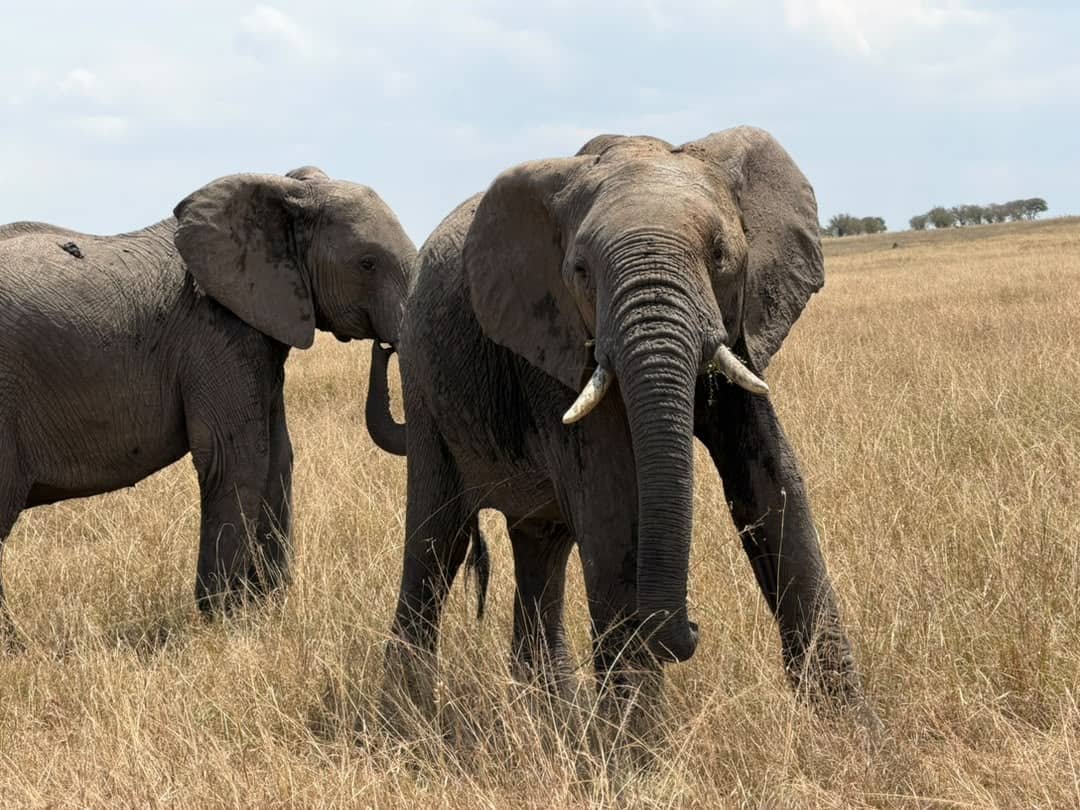
A Nyerere National Park safari offers a different side of Tanzania. Instead of focusing only on traditional game drives, this southern Tanzania destination combines wildlife viewing, river adventures, walking experiences, and vast wilderness landscapes. The park covers about 30,893 square kilometres, making it one of Tanzania’s largest national parks. Its landscape includes miombo woodlands, open grasslands, floodplains, riverine forests, oxbow lakes, and the remarkable Rufiji River system.
Nyerere National Park was created from the northern part of the former Selous Game Reserve. The park now protects a huge wilderness area that supports elephants, lions, buffaloes, giraffes, hippos, crocodiles, wild dogs, leopards, antelopes, and many bird species. The Rufiji River adds another dimension to the experience. Visitors can explore the river by boat and watch wildlife from the water. For travellers who want a quieter and more adventurous safari, Nyerere offers a strong alternative to Tanzania’s busier northern parks.
For Zamunda Travels, Nyerere National Park is especially attractive for travellers who want to combine classic African wildlife with a river adventure. A well-planned itinerary can include game drives, a Rufiji boat safari, guided walking, bird watching, and relaxing time at a riverside lodge or tented camp. This variety makes the park suitable for couples, families, photographers, first-time safari travellers, and experienced wildlife enthusiasts.
Why Choose a Nyerere National Park Safari?
A Nyerere National Park safari stands out because it offers several safari experiences within one protected area. The Rufiji River creates a natural centre for wildlife and scenery. Hippos gather in the water, crocodiles rest along the banks, and elephants often approach the river to drink. Buffaloes, waterbuck, giraffes, and other animals also use the riverine environment.
The park also provides a sense of space that many travellers find appealing. Nyerere covers an enormous area, yet many safari routes offer intimate wildlife encounters. Its varied habitats allow animals to move between wetlands, grasslands, and woodlands as water and food availability change. Therefore, each game drive can feel different.
Another major attraction is the African wild dog. Nyerere remains one of East Africa’s important strongholds for this endangered predator. Visitors may also encounter lions, leopards, spotted hyenas, elephants, buffaloes, giraffes, zebras, impalas, hartebeests, waterbucks, and several other species. Sightings always depend on season, location, weather, and animal movements, so a safari should focus on the overall experience rather than guaranteed sightings.
The Rufiji River: The Heart of the Adventure
The Rufiji River is one of the defining features of Nyerere National Park. It forms a network of channels, wetlands, sandbanks, and oxbow lakes that support a rich ecosystem. The river also creates some of the most memorable scenery in the park. Palm-lined shores, open floodplains, woodland, and water combine to create a landscape that looks very different from Tanzania’s famous northern safari destinations.
A boat safari allows travellers to experience this environment from another perspective. Instead of sitting inside a safari vehicle, you move slowly across the water while observing wildlife along the riverbanks. Hippos may surface nearby, crocodiles can lie motionless on sandbanks, and elephants may appear along the shoreline. Waterbirds add constant movement to the scene, while the changing light creates excellent opportunities for photography.
This river experience also makes Nyerere particularly attractive for travellers who have already visited Serengeti or Ngorongoro. The safari does not simply repeat the same experience. Instead, it adds a water-based adventure to the traditional wildlife circuit.
Boat Safari in Nyerere National Park
A boat safari is one of the experiences that defines the park. TANAPA lists boat trips along the Rufiji River among Nyerere’s main visitor activities. From the boat, travellers can watch hippos, crocodiles, elephants, waterbuck, buffaloes, and many birds near the water.
The experience changes throughout the day. Morning trips can provide fresh light and active birdlife. Afternoon excursions offer beautiful views across the river and floodplains. Sunset trips can create dramatic photographic conditions as the sky changes above the water. Your guide also helps identify birds, explain animal behaviour, and maintain a safe distance from wildlife.
Safety remains important during every boat trip. Visitors should follow the guide’s instructions, wear a life jacket when required, and keep their hands and other body parts inside the boat. You should never attempt to approach hippos or crocodiles. The river is a wild environment, not a recreational swimming area.
Wildlife to See on a Nyerere National Park Safari
Wildlife is one of the main reasons travellers choose Nyerere. The park supports a diverse range of mammals because it contains several connected habitats. River systems support aquatic species, while floodplains provide grazing areas. Woodlands offer food and shelter for browsers and predators.
African Wild Dogs
African wild dogs are among Nyerere’s most exciting wildlife attractions. The park provides important habitat for this highly social predator. Wild dogs can cover large distances, so sightings require patience and good guiding. When a pack appears, however, the experience can be exceptional.
Elephants, Hippos and Crocodiles
Elephants are a major feature of Nyerere. Large herds may move through the woodlands and floodplains. Near the Rufiji, they can sometimes be seen drinking or crossing close to the water.
Hippos and crocodiles dominate many river scenes. Hippos spend much of the day in water, while crocodiles often rest on exposed banks. A boat safari gives travellers a particularly good opportunity to observe both species from the river.
Lions, Leopards and Hyenas
Nyerere also supports important predators. Lions occur across suitable habitats, while leopards tend to remain more elusive. Spotted hyenas can also appear during game drives. Early morning and late afternoon often provide favourable conditions for wildlife viewing and photography.
Antelopes and Plains Wildlife
The park supports buffaloes, giraffes, zebras, impalas, waterbucks, hartebeests, elands, bushbucks, and other antelopes. These animals contribute to the rich food web that sustains the park’s predators.
The variety is one of Nyerere’s strengths. A single game drive can move from open grassland into woodland and then towards a wetland. Each habitat brings different wildlife possibilities.
Bird Watching in Nyerere National Park
Birding adds another important dimension to a Nyerere National Park safari. TANAPA records more than 430 bird species in the park. The Rufiji River and its associated wetlands provide excellent habitat for waterbirds, while woodland areas support many additional species.
Visitors may encounter African fish eagles, kingfishers, bee-eaters, wetland waders, and other riverine birds. The boat provides a useful viewing platform because birds often remain close to the water. Birders should carry binoculars and allow enough time for slower observation.
For travellers who enjoy photography, birding, and landscapes, the river can be particularly rewarding. The combination of reflections, birds, palms, wildlife, and changing light creates many photographic opportunities.
Game Drives in Nyerere National Park
Although the river receives much of the attention, game drives remain an essential part of the safari. Nyerere contains numerous tracks through woodlands, floodplains, grasslands, and other habitats. These routes allow visitors to explore areas that cannot be reached by boat.
Morning game drives usually provide cooler conditions and good opportunities to find active animals. Afternoon drives can become increasingly productive as temperatures fall. A full-day drive can also help visitors explore a wider area while carrying lunch for a longer wilderness experience.
A professional guide makes a major difference. Guides understand animal behaviour and can interpret tracks, calls, movements, and habitat changes. Zamunda Travels can build game drives into a wider southern Tanzania itinerary so that visitors experience both the land and river sides of Nyerere.
Walking Safaris in Nyerere
Walking provides a more intimate way to experience the African wilderness. Instead of searching for animals from a vehicle, travellers focus on smaller details such as footprints, plants, insects, animal tracks, bird calls, and signs of recent wildlife activity.
TANAPA lists guided walking safaris among the park’s activities. Walking should always take place with an authorised guide or ranger. Visitors must follow instructions and maintain appropriate distances from wildlife.
For adventurous travellers, a walking experience can complement a boat safari perfectly. The boat reveals the river ecosystem, while walking helps you understand the smaller elements of the landscape.
Best Time for a Nyerere National Park Safari
The best time depends on what you want to experience. The dry season generally runs from around June to November. During this period, water becomes more concentrated in rivers and remaining water sources. Wildlife can therefore become easier to locate in some areas. The dry months also offer generally favourable conditions for game drives.
The wetter months bring a different experience. The landscape becomes greener, and seasonal changes influence wildlife movements. Some roads can become more challenging after heavy rain, so travellers should consider road conditions when planning a driving safari.
For a first visit, June to October can be a strong choice for combining game drives and river activities. However, Nyerere can offer rewarding experiences outside this period as well. Zamunda Travels can help match your travel dates with the activities you value most.
How to Get to Nyerere National Park
Travellers can reach Nyerere by road or air. TANAPA states that road access is possible from Dar es Salaam through Kibiti and Utete, with alternative approaches depending on the gate and itinerary. A 4×4 vehicle is recommended, particularly during wetter conditions.
Flying offers a convenient alternative for travellers with limited time. Scheduled and charter flights serve airstrips such as Mtemere and other park airstrips. Lodge transfers should be arranged in advance because accommodation and flight schedules need to work together.
For travellers arriving in Dar es Salaam, Nyerere can fit naturally into a southern Tanzania safari. You can also combine it with destinations such as Mikumi, Ruaha, or the coast, depending on the length of your trip.
Where to Stay in Nyerere National Park
Accommodation ranges from campsites to lodges and tented camps. Several properties operate around the Rufiji River and surrounding areas. Choosing accommodation close to your preferred activities can reduce unnecessary travel time.
Riverside accommodation can be particularly appealing because it allows guests to enjoy the sounds and scenery of the Rufiji ecosystem. Some travellers prefer tented camps for a stronger connection with nature, while others choose lodges for additional comfort.
When planning with Zamunda Travels, it is useful to consider accommodation together with the safari route. This approach helps create a balanced schedule for game drives, boat trips, walking experiences, meals, and rest.
What to Pack for a Nyerere National Park Safari
Pack lightweight and comfortable clothing in neutral colours. A hat, sunglasses, sunscreen, insect repellent, comfortable shoes, and a reusable water bottle are useful throughout the trip. Binoculars are especially valuable because they help you observe birds and wildlife from a safe distance.
For boat trips, carry a light jacket because conditions can feel cooler when the boat moves across the water. A waterproof bag can also protect cameras, phones, and other valuables from splashes. TANAPA recommends sun protection, binoculars, lightweight neutral clothing, and a light jacket for boat safaris.
Photographers should bring spare batteries, memory cards, and suitable lenses. Wildlife does not always appear close to the vehicle or boat, so a versatile telephoto lens can be useful.
Nyerere National Park Safari Safety Tips
A successful safari begins with responsible behaviour. Follow your guide’s instructions at all times. Never leave a vehicle without permission, approach animals, feed wildlife, or attempt to attract an animal’s attention for a photograph.
Boat passengers should follow river safety rules and use life jackets when required. Keep your limbs inside the boat and maintain a safe distance from hippos and crocodiles. Walking safaris require authorised guides because wildlife encounters can happen unexpectedly.
You should also check road and river conditions before travelling. Seasonal rainfall can affect accessibility. Drones require special permission, so travellers should not assume they can fly one inside the park.
How Long Should You Spend in Nyerere?
A Nyerere National Park safari can work as a short getaway or as part of a longer Tanzania itinerary. A three-day trip can provide time for a game drive and boat safari. Four or five days allow more flexibility and create opportunities for walking, birding, longer game drives, and relaxed time at the lodge.
For travellers combining Nyerere with other destinations, the ideal length depends on the overall route. A southern Tanzania circuit could combine Nyerere with Mikumi or Ruaha. Travellers with additional beach time can also continue towards Tanzania’s coast after their safari.
Zamunda Travels can design the itinerary around your arrival point, travel dates, accommodation preference, budget, and preferred safari activities.
Nyerere National Park vs Northern Tanzania Safaris
Northern Tanzania remains famous for destinations such as Serengeti and Ngorongoro. However, Nyerere offers a different style of safari. The northern circuit provides iconic open landscapes and major attractions such as the Great Migration. Nyerere focuses more strongly on river scenery, boat safaris, extensive wilderness, and southern Tanzania’s distinctive ecosystems.
That difference does not make one destination universally better. It depends on what you want from your trip. If you want a classic northern circuit, Serengeti and Ngorongoro deserve serious consideration. If you want to combine wildlife with a river adventure and a less conventional safari setting, Nyerere is an excellent option.
Responsible Tourism in Nyerere National Park
Tourism plays an important role in supporting conservation. Nyerere protects major river systems, wetlands, wildlife habitats, and ecological corridors. Conservation work includes habitat protection, anti-poaching efforts, wildlife monitoring, and community partnerships.
Travellers can contribute by respecting park rules, avoiding litter, using authorised guides, maintaining safe wildlife distances, and supporting responsible accommodation and tour operators. Small actions can make a meaningful difference when thousands of visitors follow them.
At Zamunda Travels, responsible travel should remain part of the safari experience. The goal is not only to see wildlife but also to appreciate the ecosystems that make these encounters possible.
Why Book Your Nyerere Safari with Zamunda Travels?
Choosing the right safari company can make the planning process much easier. Zamunda Travels can help organise transport, accommodation, game drives, boat activities, guides, and connections with other destinations in Tanzania.
The greatest advantage of working with a professional operator is having an itinerary designed around your interests. A wildlife photographer may need longer game drives. A couple may prefer a slower pace and a riverside lodge. Families may need shorter activities and comfortable accommodation. Adventure travellers may want to include walking alongside boating and game drives.
A well-planned itinerary also considers travel time. Nyerere is vast, so the route should not simply fill every day with long drives. Instead, the programme should create a comfortable balance between exploration and relaxation.
Final Thoughts on Nyerere National Park Safari
A Nyerere National Park safari brings together some of the best elements of southern Tanzania. The Rufiji River provides spectacular boat adventures, while the surrounding wilderness offers game drives and walking experiences. Elephants, hippos, crocodiles, wild dogs, lions, buffaloes, giraffes, antelopes, and hundreds of bird species create an impressive wildlife experience.
The park also rewards travellers who want something beyond the standard safari route. Its enormous landscapes, river channels, wetlands, woodlands, and relatively uncrowded atmosphere create a strong feeling of wilderness. For visitors who want to explore Tanzania from both land and water, Nyerere deserves a place on the itinerary.
With Zamunda Travels, travellers can combine Nyerere’s boat adventure with game drives, walking experiences, comfortable accommodation, and other Tanzanian destinations. Whether you are planning your first safari or returning to Tanzania for a new experience, Nyerere offers an exciting way to discover the country’s southern wilderness.