
Luxury vs Budget Uganda Safari
November 1, 2026
Top 10 Iconic Uganda Safari Animals
November 2, 2026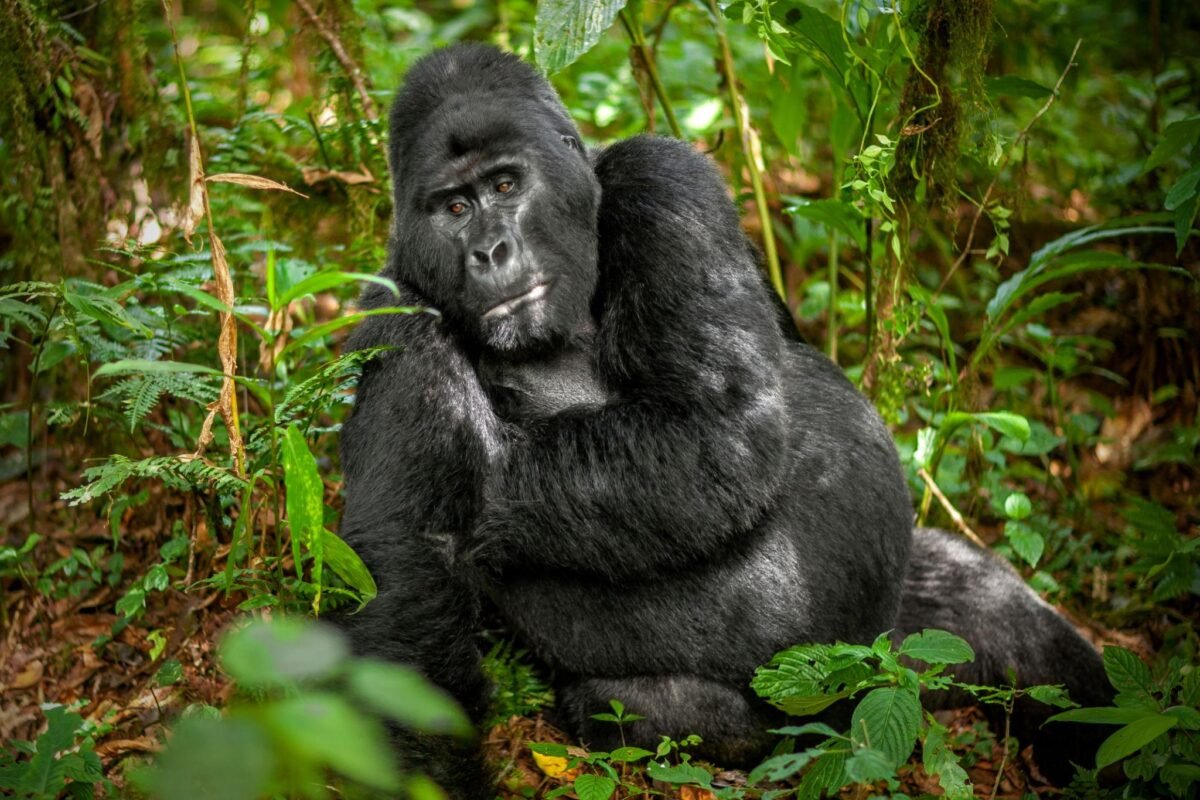
The best time for Uganda safari adventures depends on the wildlife you want to see, your travel budget and the places you plan to visit. Uganda offers mountain gorillas, chimpanzees, elephants, lions, giraffes and hundreds of bird species throughout the year.
However, choosing the right season can make your safari more comfortable. This is especially important for families travelling with children or visitors planning gorilla trekking.
At Zamunda Travels Uganda, we help travellers plan private wildlife safaris, family holidays and gorilla trekking adventures. This guide explains Uganda’s safari seasons, the best months to visit and how to prepare for your journey.
These conditions represent typical seasonal patterns. However, weather can vary between national parks and from year to year.
Northern Uganda also has a different rainfall pattern from southwestern Uganda.
Therefore, travellers should choose their safari season according to their preferred destinations.
 Gorilla trekking is one of Uganda’s most popular wildlife experiences.
Visitors can encounter mountain gorillas in Bwindi Impenetrable National Park and Mgahinga Gorilla National Park.
Both destinations offer gorilla trekking throughout the year.
However, June to September and December to February generally provide more comfortable trekking conditions.
During these months, forest trails are often firmer and less slippery.
Nevertheless, rainfall can occur at any time in Uganda’s mountain forests.
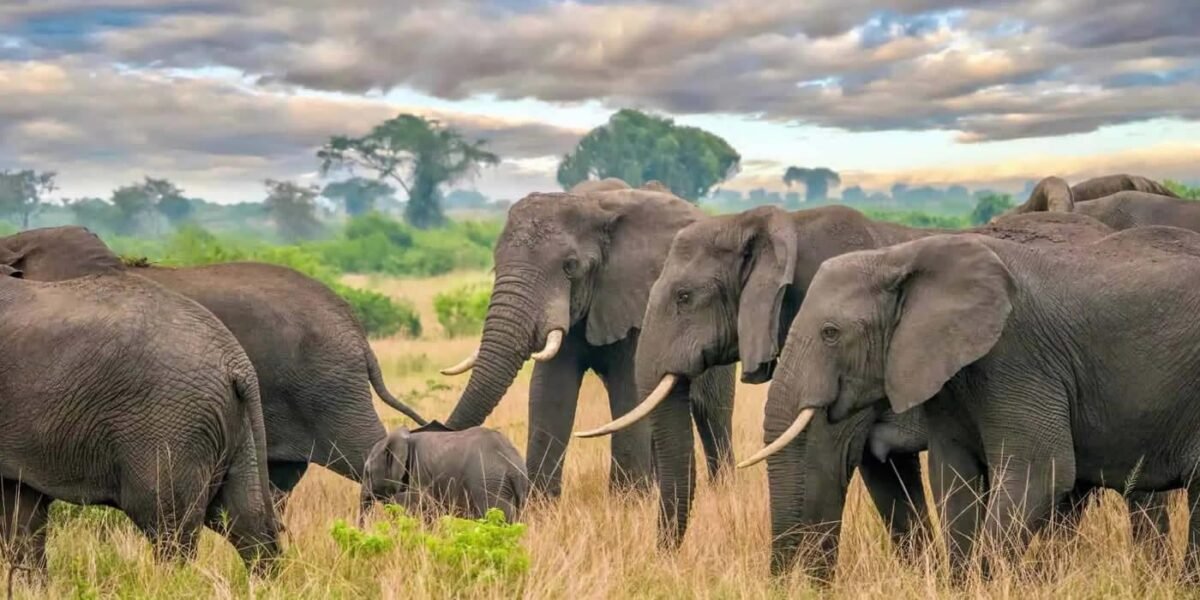 Queen Elizabeth National Park is one of Uganda’s leading wildlife destinations.
The park supports elephants, buffaloes, lions, Uganda kob, hippos and numerous bird species.
June to August and January to February often provide favourable game-viewing conditions.
Visitors can explore the Kasenyi Plains and enjoy boat cruises along the Kazinga Channel.
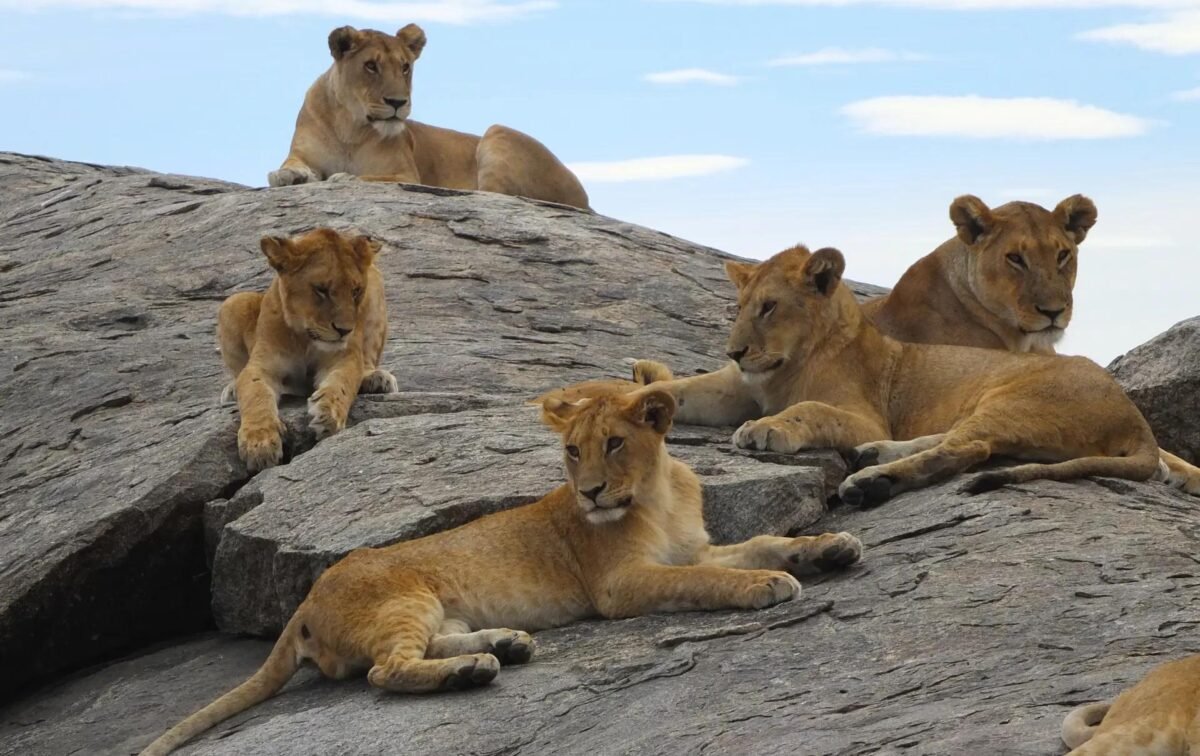
The Ishasha sector is also known for its tree-climbing lions.
However, wildlife sightings depend on animal movements and natural conditions.
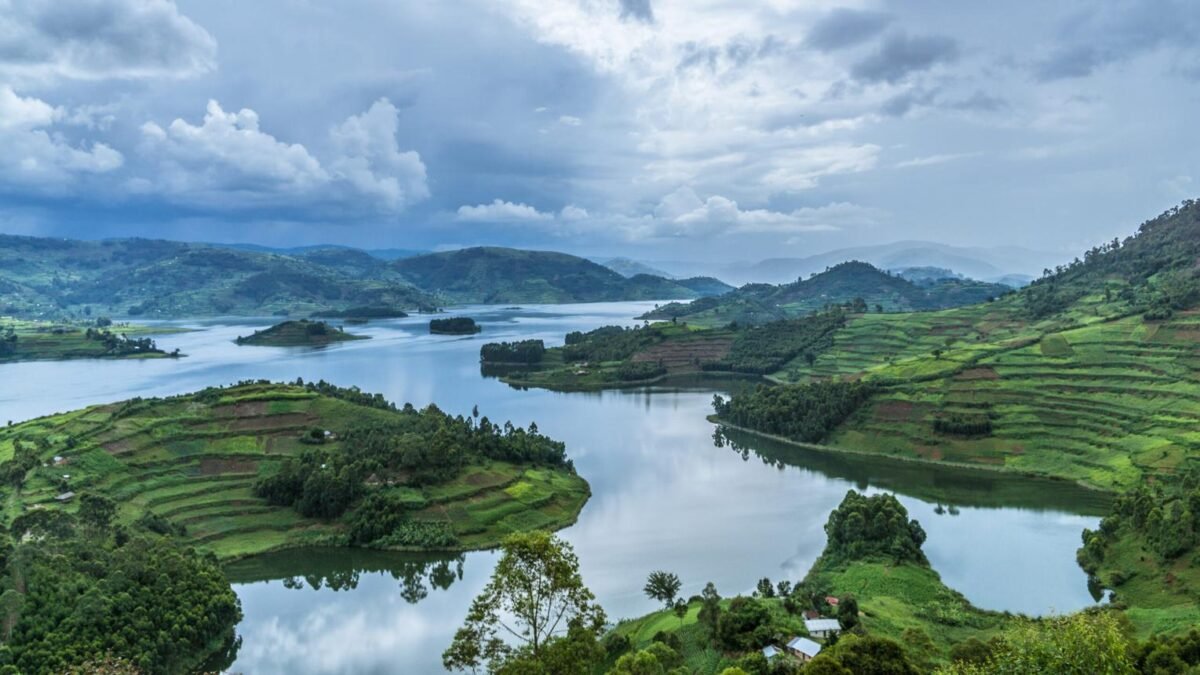 After breakfast, travel to Lake Bunyonyi.
The lake is known for its islands and surrounding green hills.
Spend the afternoon relaxing or enjoying suitable guided activities.
Overnight: Lake Bunyonyi.
Park entrance fees are charges for accessing protected areas. Some specialist activities require separate permits or fees.
Official prices can change between tariff periods.
Rates change, so confirm current prices with Zamunda Travels.
What Is the Best Time for Uganda Safari?
The best time for Uganda safari holidays is generally June to August and December to February. These drier months offer favourable conditions for gorilla trekking, game drives and family travel. September is also a good option for many southwestern Uganda itineraries. However, Uganda remains a rewarding wildlife destination throughout the year.Key Takeaways
- June to August: Excellent for gorilla trekking and wildlife viewing in southwestern Uganda.
- December to February: Ideal for many family safaris and northern Uganda wildlife experiences.
- March to May: Greener landscapes, more rainfall and potentially lower accommodation rates.
- October to November: Quieter travel periods, although rain can affect forest trails and roads.
- Family travel: Gorilla trekking requires participants to be at least 15 years old.
Understanding Uganda’s Safari Seasons
Uganda lies near the equator. Therefore, temperatures remain relatively consistent throughout the year. However, altitude and regional rainfall patterns create different travel conditions. For example, Bwindi Impenetrable National Park has a cooler mountain climate. Meanwhile, Murchison Falls and Kidepo Valley experience warmer savannah conditions. Uganda’s southwestern region generally experiences two drier periods and two wetter periods.June to September: The Main Dry Season
June, July and August are among the most popular months for Uganda wildlife safaris. During this period, forest trails are often less muddy. Therefore, gorilla trekking in Bwindi and Mgahinga can be more comfortable. Wildlife viewing can also improve in savannah parks. Shorter grass and reduced vegetation may make animals easier to spot. Queen Elizabeth National Park, Lake Mburo and Bwindi are excellent destinations during these months. However, July and August attract many international travellers. Therefore, booking gorilla permits and accommodation early is important. September can also offer good conditions, although rainfall may begin increasing in some areas.December to February: Excellent for Wildlife and Family Holidays
December, January and February provide another favourable period for Uganda safaris. These months often bring drier conditions across much of the country. Northern Uganda, particularly Kidepo Valley, can be especially rewarding. Families can enjoy game drives, boat cruises, birdwatching and suitable nature activities. Additionally, the Christmas and New Year holidays make this a popular travel season. Therefore, travellers planning festive holidays should arrange their accommodation and permits well in advance.March to May: Uganda’s Main Rainy Season
March, April and May usually bring heavier rainfall to southwestern Uganda. Consequently, some forest trails become muddy, and certain road journeys take longer. However, gorilla trekking and wildlife safaris continue throughout the rainy season. The forests become greener, while some lodges may offer seasonal accommodation discounts. This period can suit photographers, birdwatchers and travellers who prefer quieter destinations. Nevertheless, visitors should prepare for changing weather conditions.October to November: Quieter Safari Experiences
October and November often bring another rainy period to southern Uganda. However, these months still offer opportunities for wildlife viewing and gorilla trekking. The landscapes become greener, and some destinations receive fewer visitors. Therefore, travellers with flexible schedules may enjoy a more relaxed safari experience. Our guides at Zamunda Travels recommend allowing extra travel time during wetter periods.Best Time for Uganda Safari: Month-by-Month Guide
Uganda offers different wildlife experiences throughout the year. The following guide helps travellers choose suitable travel dates.| Month | Typical Conditions | Safari Experience |
|---|---|---|
| January | Generally drier | Excellent for wildlife and gorillas |
| February | Generally drier | Excellent for family safaris |
| March | Increasing rainfall | Good for flexible travellers |
| April | Often very wet in the southwest | Suitable for rain-tolerant visitors |
| May | Rainfall often easing | Green landscapes and fewer visitors |
| June | Drier conditions | Excellent for gorilla trekking |
| July | Popular dry-season month | Excellent for wildlife safaris |
| August | Generally favourable | Very good for family holidays |
| September | Transitional conditions | Good for wildlife and gorillas |
| October | Increasing rainfall | Quieter safari experiences |
| November | Often wet in the southwest | Good for flexible travel plans |
| December | Drier conditions returning | Excellent for festive holidays |
Best Time for Gorilla Trekking in Uganda
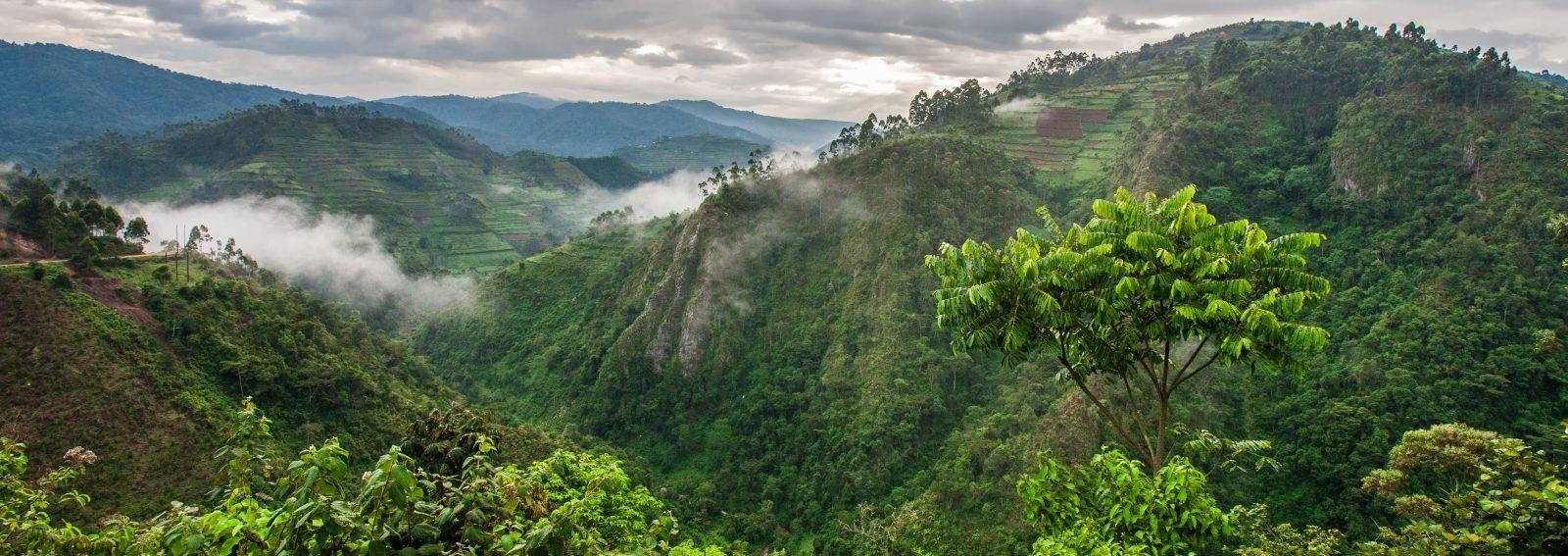
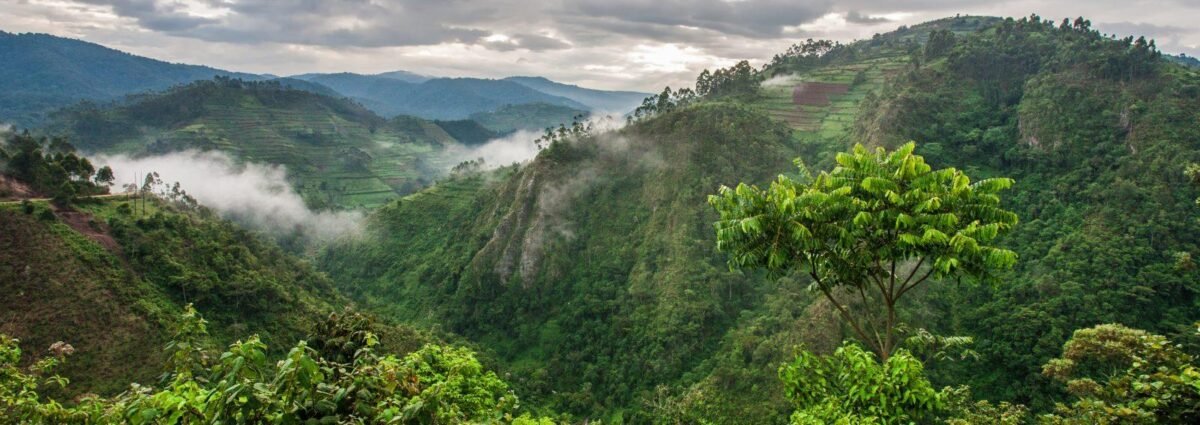
Bwindi’s mountain rainforest offers gorilla trekking throughout the year.
What Happens During Gorilla Trekking?
Gorilla trekking begins with a briefing from Uganda Wildlife Authority rangers. Visitors then enter the forest with experienced guides and trackers. The trekking duration depends on where the gorillas move. According to Uganda Wildlife Authority, some treks may take approximately two to seven hours. Once visitors reach a habituated gorilla family, the standard viewing period is one hour. Habituated gorillas are wild gorillas gradually accustomed to carefully managed human observation. During the encounter, visitors must follow ranger instructions and maintain the required distance.Choosing the Right Gorilla Trekking Sector
Bwindi has four main trekking sectors:- Buhoma
- Ruhija
- Rushaga
- Nkuringo
Can Children Participate in Gorilla Trekking?
Uganda Wildlife Authority sets the minimum gorilla trekking age at 15 years. Therefore, children younger than 15 cannot participate in standard gorilla trekking activities. However, families can arrange alternative experiences for younger children. These may include suitable cultural activities, lodge experiences and guided nature activities. Parents should confirm supervision arrangements before travelling.Best Time to See Wildlife in Uganda’s National Parks
Uganda has several national parks offering different wildlife experiences. Therefore, choosing the right destination is just as important as selecting the travel month.Queen Elizabeth National Park
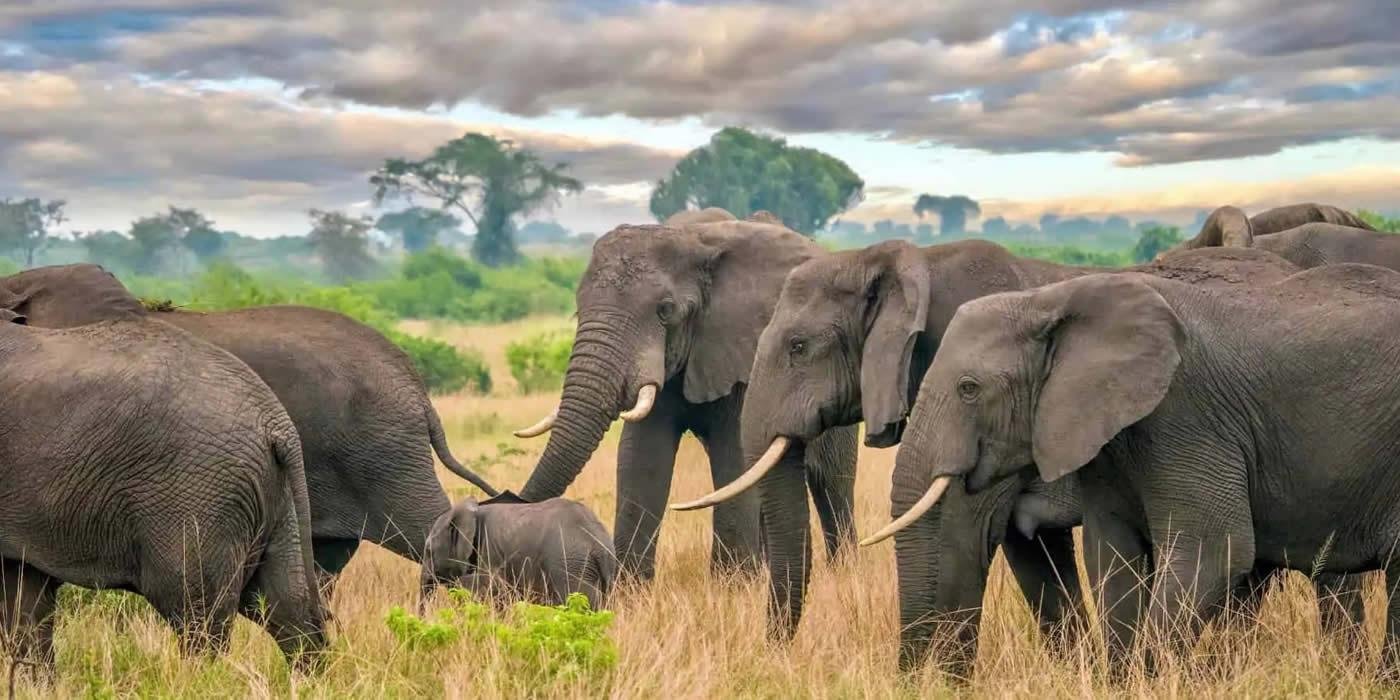
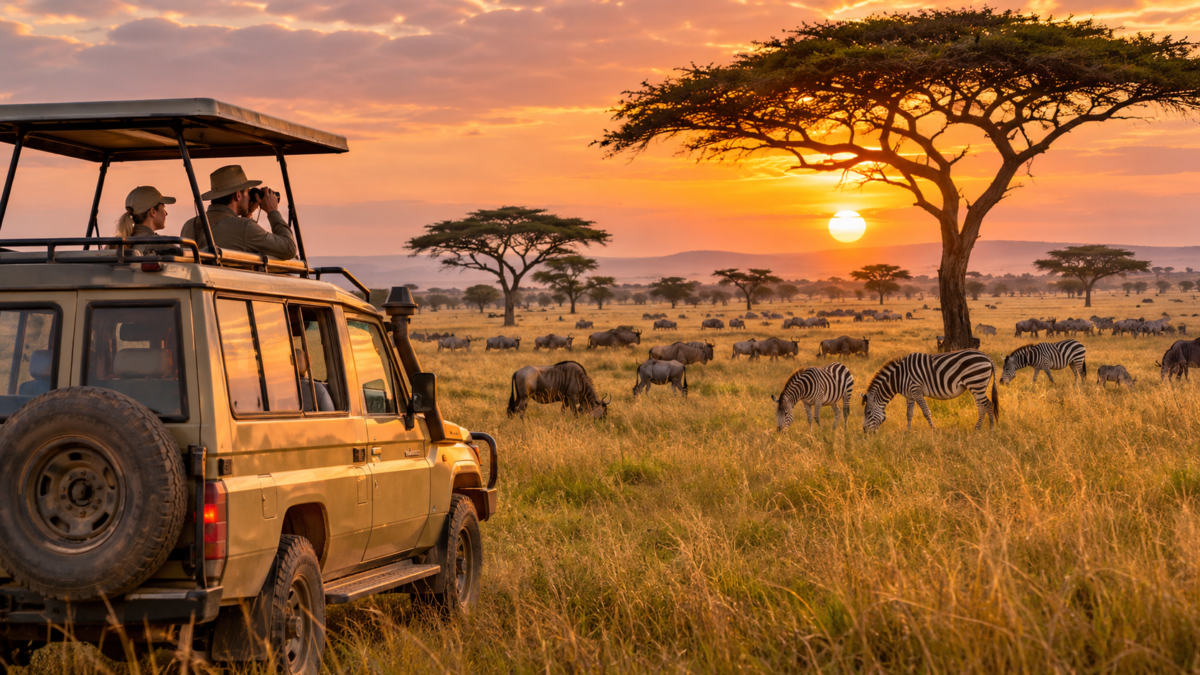
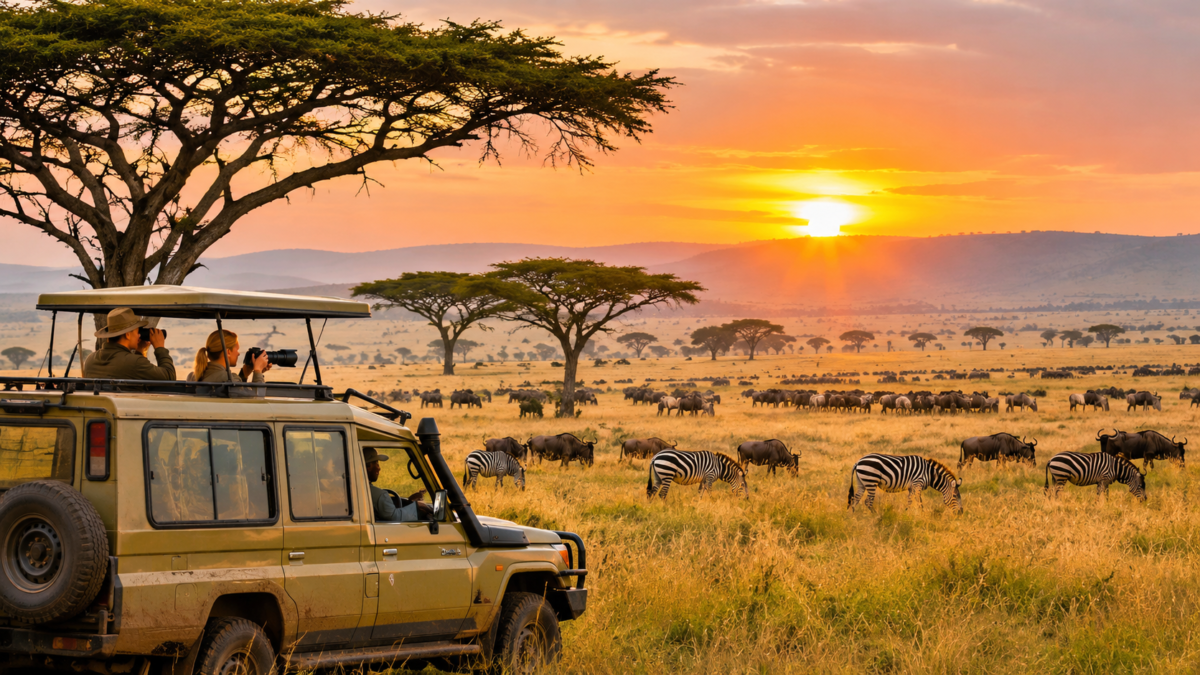
Uganda’s national parks offer wildlife viewing opportunities throughout the year.
Murchison Falls National Park
Murchison Falls National Park is famous for its wildlife and the powerful Murchison Falls. Visitors may encounter giraffes, elephants, buffaloes, lions and many bird species. December to February often offers favourable dry-season conditions. Additionally, boat trips along the Nile provide opportunities to observe hippos, crocodiles and other wildlife. The park is an excellent destination for families interested in combining wildlife and scenery.Kibale National Park
Kibale National Park is one of Uganda’s leading destinations for chimpanzee tracking. Chimpanzee tracking operates throughout the year. However, drier months often provide more comfortable forest walking conditions. Rainfall can influence chimpanzee movements and feeding locations. Therefore, sightings and trekking duration can vary. Uganda Wildlife Authority’s published guidelines set the minimum chimpanzee tracking age at 12 years.Kidepo Valley National Park
Kidepo Valley National Park lies in northeastern Uganda. The park offers open savannah landscapes, mountain scenery and diverse wildlife. Visitors may encounter buffaloes, elephants, lions and various antelope species. December to February is particularly attractive because northern Uganda often experiences drier conditions. However, Kidepo is remote. Therefore, travellers should plan transport and accommodation carefully.Lake Mburo National Park
Lake Mburo National Park is an excellent stop for travellers exploring southwestern Uganda. The park is known for zebras, impalas, buffaloes, giraffes and numerous bird species. Visitors can enjoy game drives and authorised guided walking safaris. Additionally, its location makes it a useful destination when travelling between Entebbe and southwestern Uganda.Planning a Uganda Family Safari With Gorilla Trekking
A Uganda family safari requires careful planning, especially when children are travelling. Families should consider children’s ages, activity restrictions, driving distances and accommodation facilities. For example, younger children may enjoy boat cruises and shorter game drives more than demanding forest activities. Therefore, a well-planned family itinerary should balance wildlife experiences with relaxation.Best Activities for Families in Uganda
Uganda offers several activities suitable for different family interests. These include:- Game drives in Queen Elizabeth National Park.
- Boat cruises along the Kazinga Channel.
- Wildlife viewing in Lake Mburo National Park.
- Birdwatching and suitable nature walks.
- Relaxation around Lake Bunyonyi.
- Gorilla trekking for travellers aged 15 and above.
- Chimpanzee tracking for eligible travellers aged 12 and above.
Sample Nine-Day Uganda Family Wildlife and Gorilla Safari
This itinerary combines wildlife viewing, gorilla trekking and family relaxation.Day 1: Arrival at Entebbe International Airport
Arrive at Entebbe International Airport. Your Zamunda Travels guide will welcome you and transfer you to your accommodation. Depending on arrival time, spend the afternoon relaxing. Overnight: Entebbe.Day 2: Transfer to Lake Mburo National Park
After breakfast, travel towards Lake Mburo National Park. Enjoy the countryside scenery along the journey. Later, enter the park for an afternoon wildlife experience. Look for zebras, impalas, buffaloes and other animals. Overnight: Lake Mburo area.Day 3: Transfer to Queen Elizabeth National Park
Enjoy breakfast before travelling towards Queen Elizabeth National Park. The journey passes through southwestern Uganda’s changing landscapes. Arrive at your lodge and relax. Depending on arrival time, enjoy an evening game drive. Overnight: Queen Elizabeth National Park.Day 4: Game Drive and Kazinga Channel Boat Cruise
Begin the morning with a guided game drive. Search for elephants, lions, buffaloes and Uganda kob. After lunch, enjoy a boat cruise along the Kazinga Channel. The channel offers opportunities to observe hippos, crocodiles and waterbirds. Overnight: Queen Elizabeth National Park.Day 5: Transfer to Bwindi Impenetrable National Park
After breakfast, travel towards Bwindi Impenetrable National Park. Enjoy the changing scenery of southwestern Uganda. Arrive at your accommodation near the assigned trekking sector. Spend the evening preparing for the following day’s activity. Overnight: Bwindi.Day 6: Gorilla Trekking Experience
After an early breakfast, transfer to the gorilla trekking briefing point. Meet the Uganda Wildlife Authority rangers before entering the forest. Once your group finds the gorillas, enjoy the permitted observation period. After trekking, return to your lodge for relaxation. Family members who are not eligible to trek can enjoy prearranged alternative activities. Overnight: Bwindi.Day 7: Transfer to Lake Bunyonyi
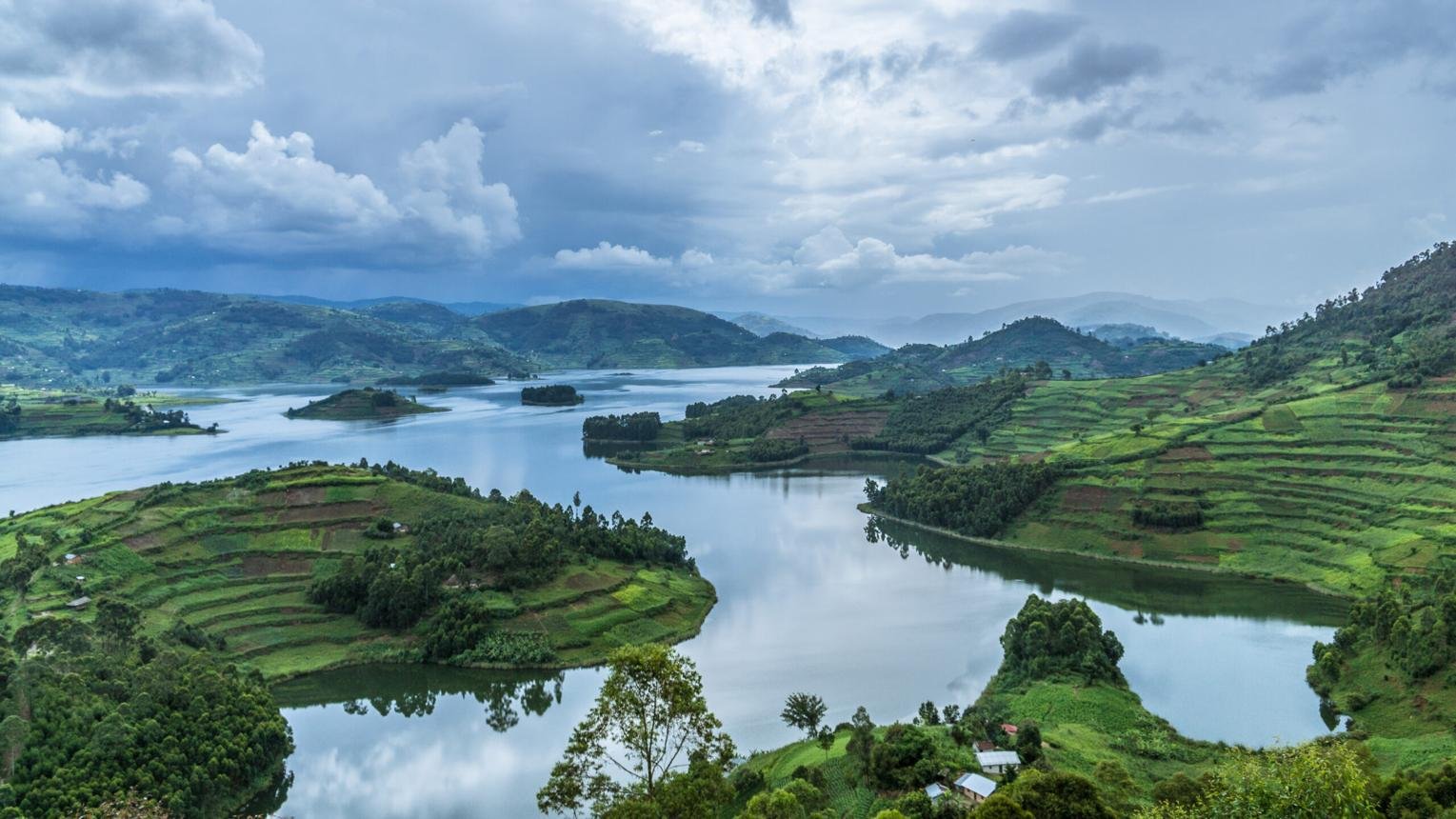
Lake Bunyonyi offers a relaxing stop after gorilla trekking and wildlife adventures.
Day 8: Relaxation at Lake Bunyonyi
Enjoy a relaxed day beside the lake. Families may choose suitable cultural experiences, sightseeing or guided activities. Alternatively, spend time enjoying the peaceful surroundings. Overnight: Lake Bunyonyi.Day 9: Return to Entebbe
After breakfast, begin your journey back to Entebbe. Enjoy the countryside scenery along the route. Your guide will transfer you to your accommodation or airport, depending on your arrangements. However, an additional night in Entebbe is advisable when international flight connections are tight. End of safari. This itinerary is an example and can be adjusted according to family ages, accommodation preferences and travel dates.How Much Does a Uganda Safari Cost?
Uganda safari costs depend on accommodation, transport, permits, activities and travel dates. For example, luxury lodges generally cost more than mid-range accommodation. Private safaris also have different transport costs from group tours. Gorilla permits represent a significant expense for travellers including gorilla trekking. Official Uganda park fees and permitsMain Safari Expenses
| Expense | What It Covers |
|---|---|
| Gorilla permit | Authorised gorilla trekking experience |
| Accommodation | Lodges, meals and selected services |
| Safari transport | Vehicle, fuel and driver-guide |
| Park entrance fees | Access to protected areas |
| Activities | Game drives, boat trips and tracking |
| Flights | International or domestic connections |
| Personal expenses | Tips, souvenirs and optional purchases |
How Can Families Save Money?
Families can reduce costs by choosing suitable mid-range accommodation. Additionally, travelling during quieter periods may provide better lodge rates. A carefully planned route can also reduce unnecessary driving and transport expenses. However, families should avoid choosing accommodation solely because it is cheap. Location, comfort, safety and accessibility are equally important. At Zamunda Travels, we help travellers compare safari options according to their budgets and interests.What Should You Pack for a Uganda Safari?
Packing correctly helps travellers enjoy changing weather conditions. Uganda’s national parks can experience sunshine, rainfall and cool mornings. Therefore, we recommend bringing:- Comfortable lightweight clothing.
- Waterproof hiking boots.
- A rain jacket.
- Long trousers for forest activities.
- A warm layer for highland mornings.
- Sunscreen and a sun hat.
- Insect repellent.
- Binoculars and a camera.
- A reusable drinking bottle.
- Personal medication and travel documents.
Common Mistakes to Avoid When Planning a Uganda Safari
Planning a safari requires more than choosing travel dates. Some travellers make avoidable mistakes that affect their experience.Booking Gorilla Permits Too Late
Gorilla permits are limited. Therefore, visitors should confirm availability before finalising their safari.Choosing Accommodation Far From the Trekking Sector
Bwindi has several trekking sectors. Booking accommodation in the wrong area can create unnecessary early-morning transfers.Ignoring Children’s Age Restrictions
Not every wildlife activity suits every age group. Therefore, families should confirm eligibility before making reservations.Planning Too Many Long Driving Days
Uganda offers many attractions, but travel distances can be significant. A comfortable itinerary should include realistic driving times and rest periods.Expecting Perfect Weather
Even during the dry season, rainfall can occur. Therefore, travellers should prepare for changing conditions.Safety, Health and Responsible Travel
Uganda offers rewarding wildlife experiences when travellers follow sensible precautions. Before departure, consult your doctor or travel clinic about vaccinations, malaria prevention and other health requirements. Also, check the latest entry requirements for your nationality. During game drives, remain inside your safari vehicle unless your guide confirms it is safe to leave. Never feed wild animals or approach them for photographs. During gorilla trekking, follow all ranger instructions and current health and distancing rules. Furthermore, inform your guide if you feel unwell before participating in primate activities. Responsible tourism also helps protect Uganda’s wildlife and supports communities around national parks. At Zamunda Travels, we encourage visitors to respect local cultures, wildlife habitats and conservation regulations.Why Choose Zamunda Travels for Your Uganda Safari?
Zamunda Travels Uganda is a locally based safari company organising private wildlife safaris and gorilla trekking adventures. We help travellers explore Uganda through carefully planned itineraries that combine wildlife, nature, culture and relaxation. Our services include:- Uganda wildlife safari planning.
- Gorilla trekking and habituation safaris.
- Chimpanzee tracking experiences.
- Family wildlife holidays.
- Private safari transport and professional guiding.
- Customised East African safari itineraries.
When Is the Best Time to Visit Uganda?
The best time for Uganda safari adventures depends on your preferred activities and travel expectations. June to August offers favourable conditions for many wildlife safaris and gorilla trekking experiences. December to February is another excellent period, particularly for northern Uganda and family holidays. However, Uganda remains a year-round safari destination. Rainy-season travel can offer greener landscapes, fewer visitors and different photographic opportunities. For families, careful planning is especially important. Children’s ages, travel distances and accommodation choices should guide the itinerary. Plan Your Uganda Safari With Zamunda Travels Are you planning a Uganda wildlife safari, family holiday or gorilla trekking adventure in 2027? Let Zamunda Travels help you choose suitable travel dates, national parks and accommodation. Contact our team for a personalised safari itinerary and quotation. Zamunda Travels Uganda Ltd Website: www.zamundatravels.com Email: info@zamundatravels.com WhatsApp: +256 704 705 606 Explore. Experience. Remember.Frequently Asked Questions
What is the best month to visit Uganda for a safari?
July and August are excellent months for many Uganda wildlife safaris. These months often offer favourable conditions for gorilla trekking and wildlife viewing in southwestern Uganda. However, January and February are also excellent choices, especially for northern Uganda. The best month depends on your preferred destinations and activities.Is Uganda worth visiting during the rainy season?
Yes, Uganda remains worth visiting during the rainy season. Gorilla trekking, game drives and birdwatching continue throughout much of the year. However, forest trails can become muddy, and road journeys may take longer. Rainy-season travel can suit visitors who enjoy green landscapes and fewer crowds.What is the best time for gorilla trekking in Uganda?
June to September and December to February generally offer favourable gorilla trekking conditions. Forest trails are often less muddy during these periods. However, gorilla trekking operates throughout the year in Bwindi Impenetrable National Park and Mgahinga Gorilla National Park. Weather conditions can change even during the drier months.Can children go on a Uganda safari with gorilla trekking?
Yes, children can enjoy Uganda wildlife safaris, although gorilla trekking requires participants to be at least 15 years old. Younger children can enjoy suitable game drives, boat cruises and other family activities. Parents should confirm activity age limits and arrange appropriate supervision before travelling.How many days are enough for a Uganda family safari?
Seven to ten days can provide a rewarding introduction to Uganda’s wildlife and natural attractions. A nine-day itinerary can combine Lake Mburo, Queen Elizabeth National Park, Bwindi and Lake Bunyonyi. However, families interested in chimpanzee tracking or Murchison Falls may prefer a longer holiday.
Related posts
November 22, 2026
November 22, 2026
November 22, 2026