
Gorillas, Giraffes and Great Lakes
November 1, 2026
Luxury vs Budget Uganda Safari
November 1, 2026
Chimpanzee trekking in Uganda offers travellers the opportunity to observe wild chimpanzees in their natural forest habitat. Uganda has several trekking destinations, including Kibale National Park, Kalinzu Forest, Kyambura Gorge and Budongo Forest.
Unlike a zoo visit, chimpanzee tracking involves walking th rough the forest with an experienced guide. You may hear chimpanzees calling before you see them. Sometimes, they feed in the trees. At other times, they move along the forest floor.
At Zamunda Travels, we help visitors combine chimpanzee encounters with wildlife safaris, gorilla trekking and cultural experiences. This guide explains where to go, what to expect and how to plan your journey.
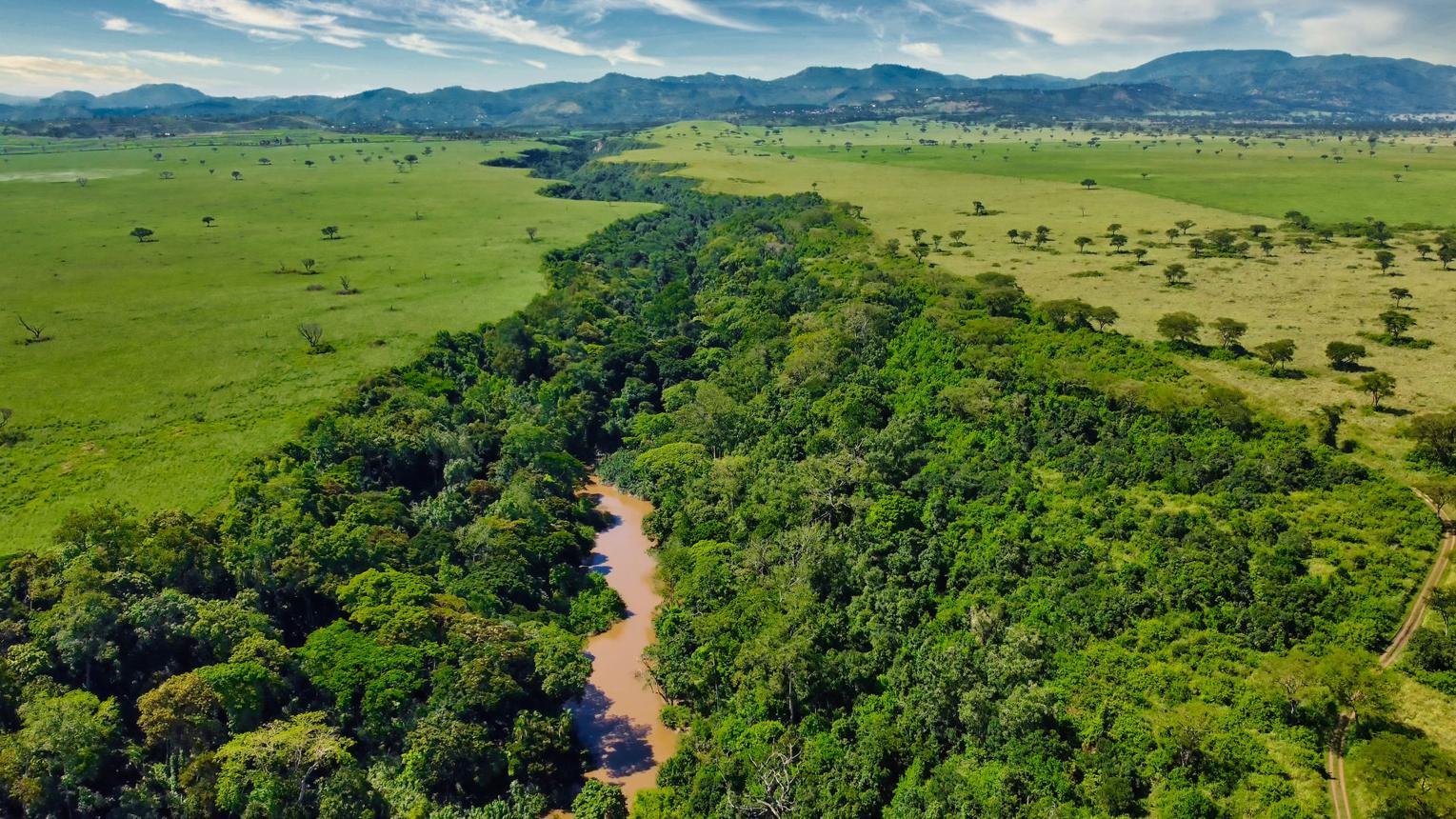 Kyambura Gorge lies within Queen Elizabeth National Park. Its steep slopes lead into a forested valley.
Tracking here can be physically demanding because visitors descend into the gorge and climb out again.
The landscape makes Kyambura an interesting choice. However, chimpanzee movements vary, and sightings cannot be guaranteed.
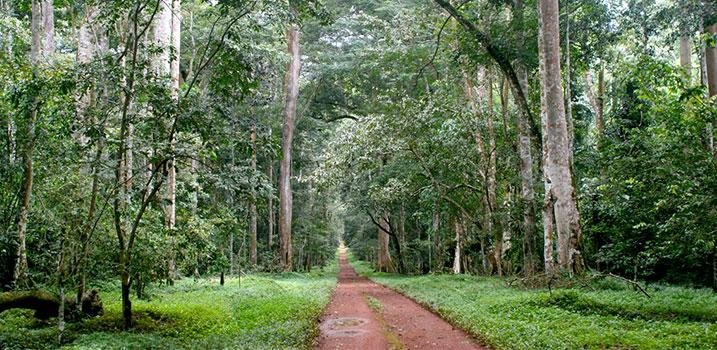 Budongo Forest lies in the Murchison Falls region. It contains extensive forest habitat, including large mahogany trees.
Chimpanzee tracking here can complement game drives, boat safaris and visits to Murchison Falls.
Our guides at Zamunda Travels recommend choosing Budongo when it fits your existing safari route. This helps avoid unnecessary driving between distant parks.
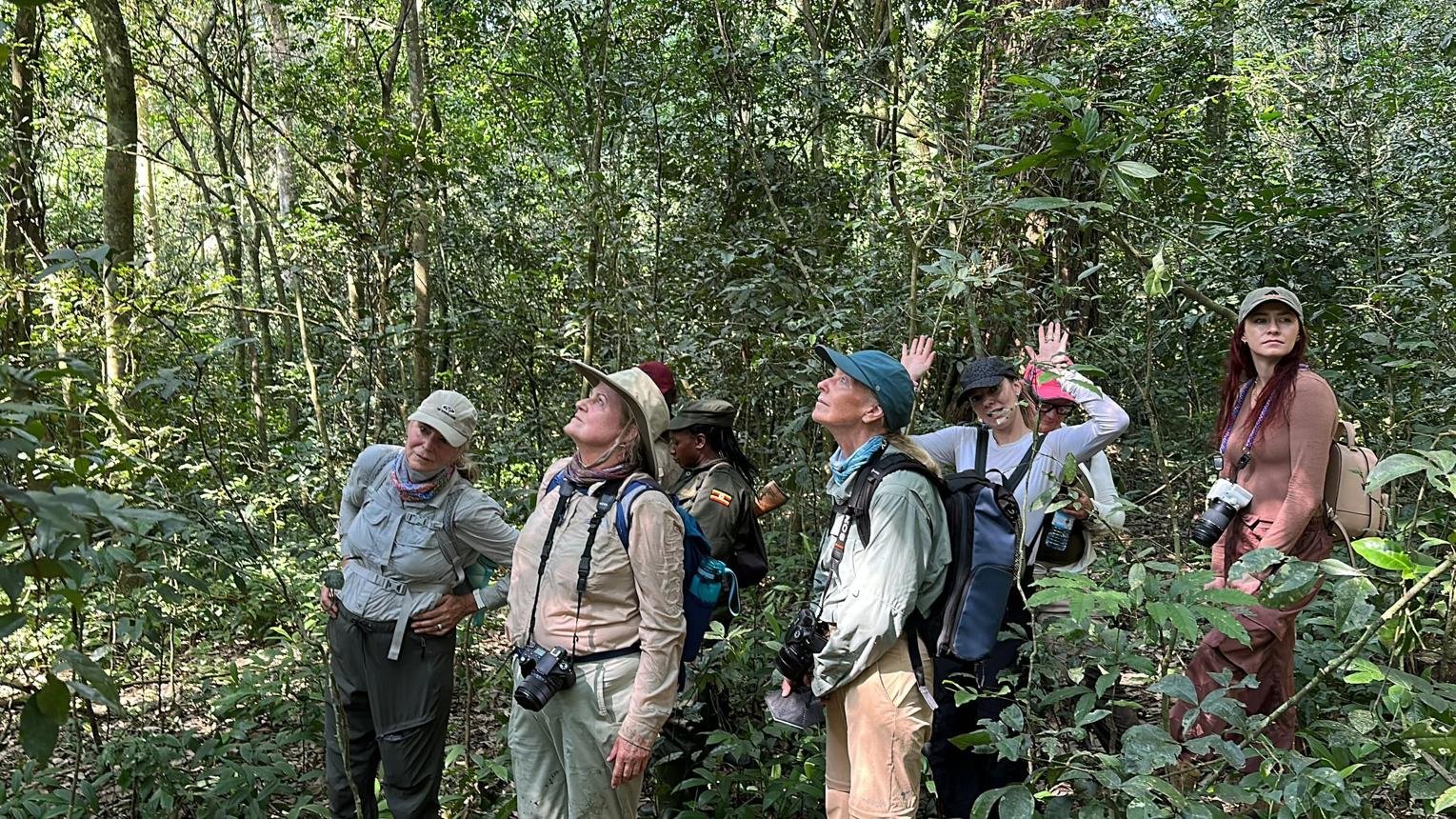 Chimpanzee trekking starts with a briefing from a ranger or forest guide. The guide explains safety procedures, conservation rules and the expected walking conditions.
Next, visitors enter the forest and search for signs of chimpanzee activity. Guides may listen for calls, observe feeding areas or follow recent movement patterns.
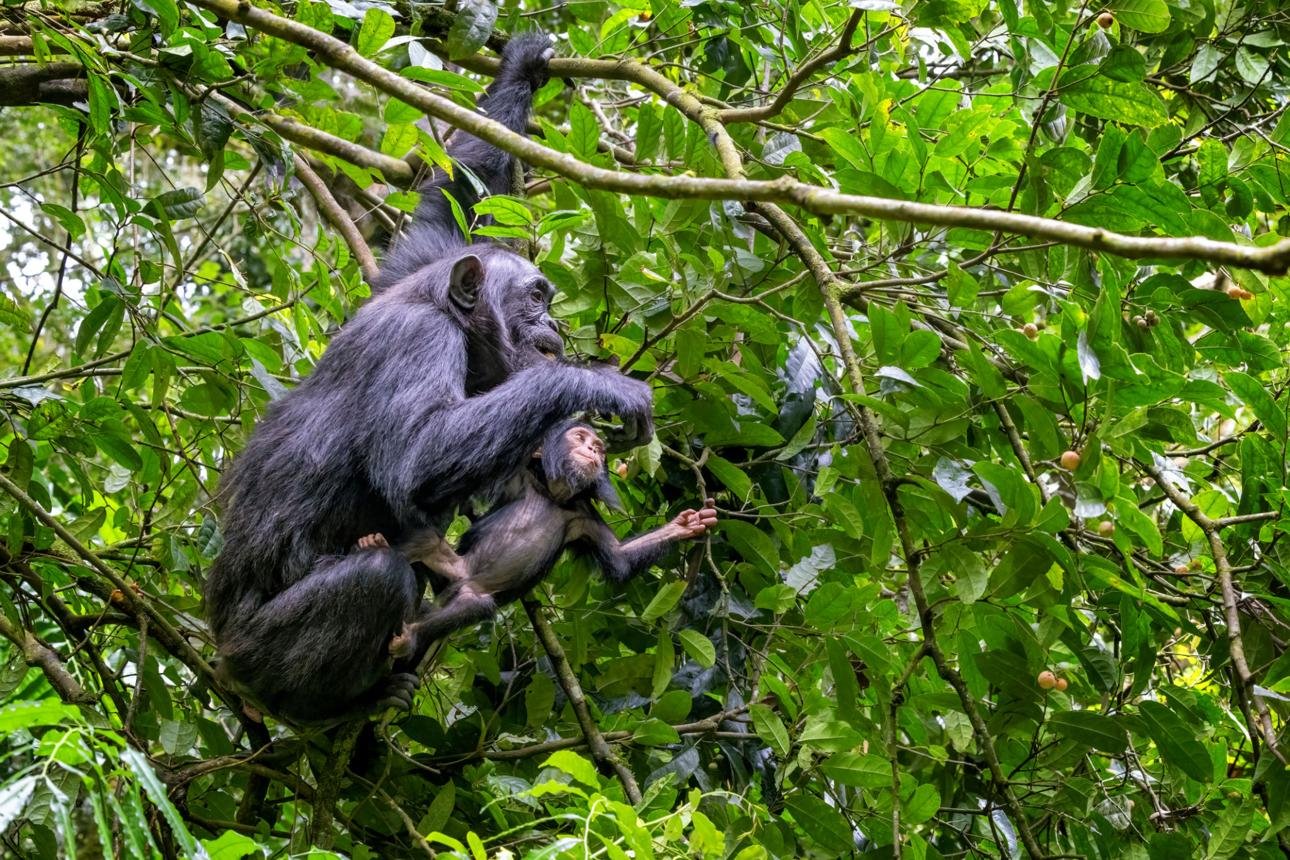
Once chimpanzees are located, visitors observe them from the required distance. You may see feeding, grooming, resting or social interactions.
Chimpanzees are highly mobile animals. Therefore, the encounter may involve watching them in trees or moving between forest areas.
Standard viewing time is generally limited to one hour. However, the total excursion can take several hours, depending on the animals’ location.
These times illustrate a possible morning, not a guaranteed schedule. Your confirmed briefing time and chimpanzee movements determine the actual plan.
 Chimpanzee trekking and habituation are different activities. Both allow visitors to observe chimpanzees, but their purposes and schedules differ.
A habituated chimpanzee community has gradually become accustomed to the controlled presence of researchers and visitors.
Habituation is the process of helping chimpanzees tolerate that presence without changing their natural behaviour.
The chimpanzee habituation experience in Uganda is particularly associated with Kibale National Park. The Uganda Wildlife Authority describes it as an extended forest experience.
Our guides recommend standard trekking for visitors with limited time. However, photographers and dedicated wildlife enthusiasts may prefer habituation.
For example, two travellers sharing a private safari vehicle may reduce their transport cost per person. However, permit charges usually remain individual.
Interestingly, UWA notes that rainy conditions can sometimes favour chimpanzee tracking. During drier periods, chimpanzees may travel deeper into the forest to find food.
Therefore, the best time for chimpanzee trekking in Uganda depends on your priorities.
Choose relatively dry months for easier walking conditions. However, do not assume that dry weather guarantees better sightings.
Quick Answer: What Is Chimpanzee Trekking in Uganda?
Chimpanzee trekking in Uganda is a guided forest activity where visitors search for wild chimpanzees and observe their natural behaviour. Kibale National Park is the country’s best-known destination. Standard tracking generally allows one hour with the chimpanzees after locating them. Travellers need a valid permit and must follow conservation rules.Key Takeaways
-
Kibale National Park is the leading choice for a dedicated chimpanzee trekking safari.
-
Kalinzu Forest and Kyambura Gorge fit well into Queen Elizabeth National Park itineraries.
-
Standard trekking and chimpanzee habituation offer different experiences.
-
Uganda offers chimpanzee trekking throughout the year, although rain affects trail conditions.
-
Book permits before finalising accommodation and transport.
Where Can You Go Chimpanzee Trekking in Uganda?
Uganda has several forests where visitors can observe chimpanzees. However, each destination offers different landscapes, access conditions and trekking experiences.Kibale National Park: The Best Overall Choice
Kibale National Park lies in western Uganda, near Fort Portal. It protects tropical forest and supports a rich variety of primates. Kibale Forest chimpanzee trekking usually begins with a briefing at the designated visitor centre. Rangers then guide visitors into the forest. The walk may involve muddy paths, exposed roots and thick vegetation. However, the terrain is generally less mountainous than some gorilla trekking areas. Kibale also offers the Chimpanzee Habituation Experience. Therefore, it suits travellers who want more time observing chimpanzee behaviour.Kalinzu Forest: A Convenient Alternative
Kalinzu Forest Reserve lies near Queen Elizabeth National Park. It is particularly useful for travellers following a southwestern Uganda safari route. Visitors can combine a morning chimpanzee trek with other activities in the Queen Elizabeth area. However, driving times and afternoon activities depend on the actual tracking duration. Kalinzu operates under different forest management arrangements from Kibale. Therefore, travellers should confirm permits, entry points and current fees separately.Kyambura Gorge: A Different Forest Experience
Kyambura Gorge offers a distinctive chimpanzee tracking experience in a forested valley within Queen Elizabeth National Park.
Budongo Forest: Ideal for a Northern Safari
Budongo Forest is an important chimpanzee habitat and a useful addition to a Murchison Falls safari.
What Happens During a Chimpanzee Trek?
Experienced forest guides lead visitors through Kibale National Park in search of wild chimpanzees.
A Realistic Sample Trekking Morning
| Time | Example activity |
|---|---|
| 6:30 AM | Breakfast at the lodge |
| 7:15 AM | Transfer to the visitor centre |
| 8:00 AM | Briefing and forest walk, subject to assigned session |
| 9:00–11:30 AM | Tracking and chimpanzee observation |
| 12:30 PM | Return for lunch or relaxation |
Chimpanzee Trekking vs Chimpanzee Habituation
Chimpanzee trekking offers opportunities to observe family relationships, grooming and other natural social behaviours.
| Feature | Standard trekking | Habituation experience |
|---|---|---|
| Main purpose | Observe a habituated community | Observe chimpanzees undergoing habituation |
| Viewing period | Generally one hour | Longer, according to the approved programme |
| Physical demands | Variable | Often more demanding |
| Best suited for | General safari travellers | Keen primate enthusiasts and photographers |
| Availability | Depends on site and permits | More limited and site-specific |
How Much Does Chimpanzee Trekking in Uganda Cost?
The chimpanzee trekking cost in Uganda depends on the destination, permit category, accommodation and transport. Permit fees also depend on residency classification. Therefore, travellers should not assume that one advertised price applies to everyone. UWA’s published July 2024–June 2026 tariff has expired. Consequently, its rates should not be presented as confirmed prices for late 2026 or 2027. For an accurate quotation, Zamunda Travels checks the applicable permit tariff and availability before confirming your safari. Rates change, so confirm current prices with Zamunda Travels.What Should Your Safari Budget Include?
| Expense | What to consider |
|---|---|
| Chimpanzee permit | Destination, residency category and activity |
| Accommodation | Budget, mid-range or luxury lodge |
| Transport | Private safari vehicle, fuel and guide |
| Park fees | Applicable conservation or entrance charges |
| Meals | Lodge meal plan and packed lunches |
| Optional activities | Bigodi Wetland walk, boat safari or game drive |
| Personal expenses | Tips, drinks, insurance and souvenirs |
How to Book a Chimpanzee Permit
For UWA-managed chimpanzee permits, foreign non-residents should use a Uganda Tourism Board-licensed tour operator. UWA confirmed this booking arrangement in its July 2024 permit advisory. At Zamunda Travels, we help travellers plan their dates, check permit availability and arrange the surrounding safari services. Before paying, request written confirmation of the activity, trekking date, destination and applicable conditions. Planning a chimpanzee safari? Contact Zamunda Travels for a personalised quotation covering permits, accommodation and private transport.Best Time for Chimpanzee Trekking in Uganda
Chimpanzee trekking takes place throughout the year. However, rainfall influences trail conditions, travel comfort and forest accessibility. Uganda generally experiences two relatively dry periods and two wetter periods. Local conditions still vary between regions.| Months | General conditions | Planning advice |
|---|---|---|
| December–February | Often relatively dry | Good for forest walking |
| March–May | Typically wetter | Prepare for muddy trails |
| June–August | Often relatively dry | Book popular dates early |
| September–November | Typically wetter | Bring reliable rain protection |
How Difficult Is Chimpanzee Trekking?
Chimpanzee trekking requires a reasonable level of walking fitness. Visitors may cross slippery ground, climb small slopes or walk around exposed roots. Kibale and Budongo often offer more manageable terrain than Kyambura Gorge. However, the chimpanzees’ movements determine the actual route. Travellers with mobility concerns should discuss their needs before booking. This allows the operator to assess suitable destinations and current arrangements.What Should You Pack?
-
Comfortable hiking boots with good grip
-
Long trousers and a long-sleeved shirt
-
Lightweight waterproof jacket
-
Small daypack and drinking water
-
Insect repellent and sunscreen
-
Camera without flash
-
Gardening gloves for vegetation, if useful
Sample 7-Day Uganda Chimpanzee and Gorilla Safari
This Uganda chimpanzee safari itinerary combines primates with wildlife viewing. It starts in Entebbe and finishes in Kigali.Day 1: Arrival in Entebbe
Arrive at Entebbe International Airport and meet your Zamunda Travels safari guide. Transfer to your hotel, relax and prepare for the journey into western Uganda.Day 2: Transfer to Kibale National Park
Travel from Entebbe toward Fort Portal and Kibale National Park. The drive takes much of the day, depending on traffic and road conditions. Arrive at your lodge and rest.Day 3: Chimpanzee Trekking and Bigodi Wetland
After breakfast, transfer to the designated chimpanzee trekking meeting point. Enjoy a guided forest experience before returning for lunch. Later, consider a community-guided walk in Bigodi Wetland.Day 4: Kibale to Queen Elizabeth National Park
Travel south toward Queen Elizabeth National Park. Enjoy the changing landscapes before an afternoon game drive, subject to arrival time.Day 5: Wildlife Safari and Transfer to Bwindi
Begin with a morning wildlife activity in Queen Elizabeth National Park. Next, travel toward Bwindi Impenetrable National Park. The exact route depends on your booked gorilla trekking sector.Day 6: Gorilla Trekking in Bwindi
After an early briefing, enter the forest with UWA rangers. Search for a habituated mountain gorilla family and observe the animals under the official viewing rules. Return to your lodge after trekking.Day 7: Transfer to Kigali
After breakfast, travel toward the Uganda–Rwanda border. Continue to Kigali, depending on immigration procedures, road conditions and your flight schedule. This itinerary is a sample. Zamunda Travels can adjust the route, accommodation and activities to suit your interests.Common Mistakes to Avoid
Many travellers underestimate the importance of early planning. However, several simple decisions can improve the experience. First, avoid booking flights and lodges before checking permit availability. Second, do not assume every chimpanzee destination offers identical terrain or sighting conditions. Third, allow enough driving time between parks. Uganda’s scenic roads can involve slow sections and changing conditions. Finally, never treat chimpanzee encounters as guaranteed. These are wild animals living in natural habitats.Safety, Health and Responsible Travel
Chimpanzees can catch certain human infections. Therefore, visitors must not enter the forest when sick. UWA requires visitors to maintain at least 10 metres from chimpanzees. Visitors must also avoid flash photography, chasing animals and imitating chimpanzee calls. Before travelling, consult your doctor or travel clinic about recommended vaccinations and malaria prevention. Also, check Uganda’s current entry requirements for your nationality. Travellers entering Rwanda afterward should check its requirements separately. Age restrictions require particular attention. UWA’s 2024–2026 tariff lists 12 years as the minimum for chimpanzee tracking, while other published information differs. Families should confirm the current rule for their selected activity before paying. Responsible travel also means following ranger instructions, respecting local communities and avoiding litter.Why Book Your Uganda Chimpanzee Safari with Zamunda Travels?
Zamunda Travels is a locally based Ugandan safari operator. We organise private wildlife and primate safaris across Uganda and neighbouring East African countries. Our team helps travellers select suitable trekking destinations, arrange permits and plan realistic driving routes. We can also combine chimpanzee trekking with gorillas in Bwindi, wildlife in Queen Elizabeth National Park or Murchison Falls, and cultural activities. Whether you travel from the USA, UK, Canada, Australia or Europe, we can help organise your Uganda safari.Conclusion: Plan Your Chimpanzee Trekking Safari
Chimpanzee trekking in Uganda gives travellers a valuable opportunity to observe one of our closest living relatives. Kibale National Park remains a leading destination, while Kalinzu, Kyambura and Budongo provide useful alternatives. The right choice depends on your interests, fitness, travel dates and wider safari plans. Plan your chimpanzee trekking adventure with Zamunda Travels Uganda Ltd. Contact our team for permit checks, a customised itinerary and a private safari quotation. Zamunda Travels Uganda Ltd. Website: www.zamundatravels.com Email: info@zamundatravels.com WhatsApp: +256 704 705 606 Explore. Experience. Remember.Frequently Asked Questions About Chimpanzee Trekking in Uganda
1. Where is the best place to see chimpanzees in Uganda?
Kibale National Park is the best overall choice for most visitors. It is an established chimpanzee tracking destination with experienced rangers and dedicated tourism facilities. However, Kalinzu Forest, Kyambura Gorge and Budongo Forest are also worth considering. Your ideal destination depends on your safari route, fitness and available permits.2. How much does a chimpanzee trekking permit cost in Uganda?
Chimpanzee permit prices vary by destination, residency category and activity. Kibale standard trekking and habituation have separate permit arrangements. Other forests may use different tariffs. Because published rates change, request an updated quotation before booking. Zamunda Travels can help confirm the applicable permit fee and availability.3. What is the best month for chimpanzee trekking in Uganda?
June, July, August, January and February are popular choices because conditions are often relatively dry. However, chimpanzee trekking operates throughout the year. Wetter months can bring muddy trails but may offer favourable tracking conditions. The best month depends on your comfort, photography interests and wider Uganda safari plans.4. Is chimpanzee trekking in Uganda difficult?
Chimpanzee trekking is manageable for many travellers with reasonable fitness. However, the difficulty varies by destination and the chimpanzees’ movements. Kibale often has more moderate forest terrain, while Kyambura Gorge involves steeper slopes. Wear suitable footwear and tell your safari operator about any mobility concerns before booking.5. Can I combine chimpanzee trekking with gorilla trekking in Uganda?
Yes. Uganda is an excellent destination for combining chimpanzee trekking in Kibale with mountain gorilla trekking in Bwindi. Many itineraries also include Queen Elizabeth National Park between these destinations. Allow enough time for driving, trekking and rest. Zamunda Travels can organise a private itinerary based on your travel dates.
Related posts
November 21, 2026
November 21, 2026

November 21, 2026