Uganda safari animals include mountain gorillas, chimpanzees, lions, elephants, leopards, giraffes, buffaloes, and many other remarkable species. From tropical rainforests to open savannahs, Uganda offers different wildlife experiences within one country.
Unlike destinations focused mainly on game drives, Uganda combines traditional African safaris with guided primate trekking. Visitors can watch elephants crossing grasslands, track gorillas through forests, and observe hippos along the Nile.
At
Zamunda Travels Uganda Ltd, we help travellers explore these wildlife destinations through carefully planned private safaris.
Whether you are visiting from Europe, North America, or Australia, this guide explains which animals to look for and where to find them.
Quick answer: What animals can you see on a Uganda safari?
Uganda is home to mountain gorillas, chimpanzees, lions, African elephants, leopards, buffaloes, giraffes, zebras, white rhinos, and shoebills. Bwindi and Kibale are leading primate destinations. Queen Elizabeth, Murchison Falls, and Kidepo offer savannah wildlife, while Lake Mburo is excellent for zebras and other grazing animals.
Key takeaways
-
Uganda offers both forest primates and classic African safari wildlife.
-
Murchison Falls and Queen Elizabeth are excellent choices for big game.
-
Bwindi and Mgahinga offer mountain gorilla trekking.
-
June to September and December to February generally offer easier wildlife viewing conditions.
-
An 8–12-day safari can combine several major wildlife destinations.
Suggested Table of Contents placement: Immediately here, before the first main animal section. Add jump links to the ten animals, national parks, seasons, itinerary, costs and FAQs.
Top 10 Uganda Safari Animals You Should Know
Uganda’s national parks protect animals across several habitats. However, not every species lives in every park.
Some animals appear regularly on game drives. Others require specialist tracking, patience, or a separate destination.
1. Mountain gorilla – Uganda’s most famous primate
Best places: Bwindi Impenetrable and Mgahinga Gorilla National Parks
Mountain gorillas are among Uganda’s most important wildlife attractions. These powerful primates live in forested mountain habitats in southwestern Uganda.
Bwindi Impenetrable National Park offers gorilla trekking across several designated sectors. Mgahinga Gorilla National Park provides another trekking destination near the Rwanda border.
Visitors track habituated gorilla groups with trained rangers and guides. Habituated means the animals have gradually become accustomed to carefully managed human visits.
A standard gorilla encounter generally allows one hour with the group after locating it. However, the walk to reach the gorillas can take several hours.
Our guides at Zamunda Travels recommend choosing accommodation near your assigned trekking sector. This helps avoid unnecessary early-morning transfers.
Safari tip: Book gorilla permits early, especially when travelling during popular holiday periods.
2. African elephant – The giant of Uganda’s savannah

Best places: Murchison Falls, Queen Elizabeth and Kidepo Valley
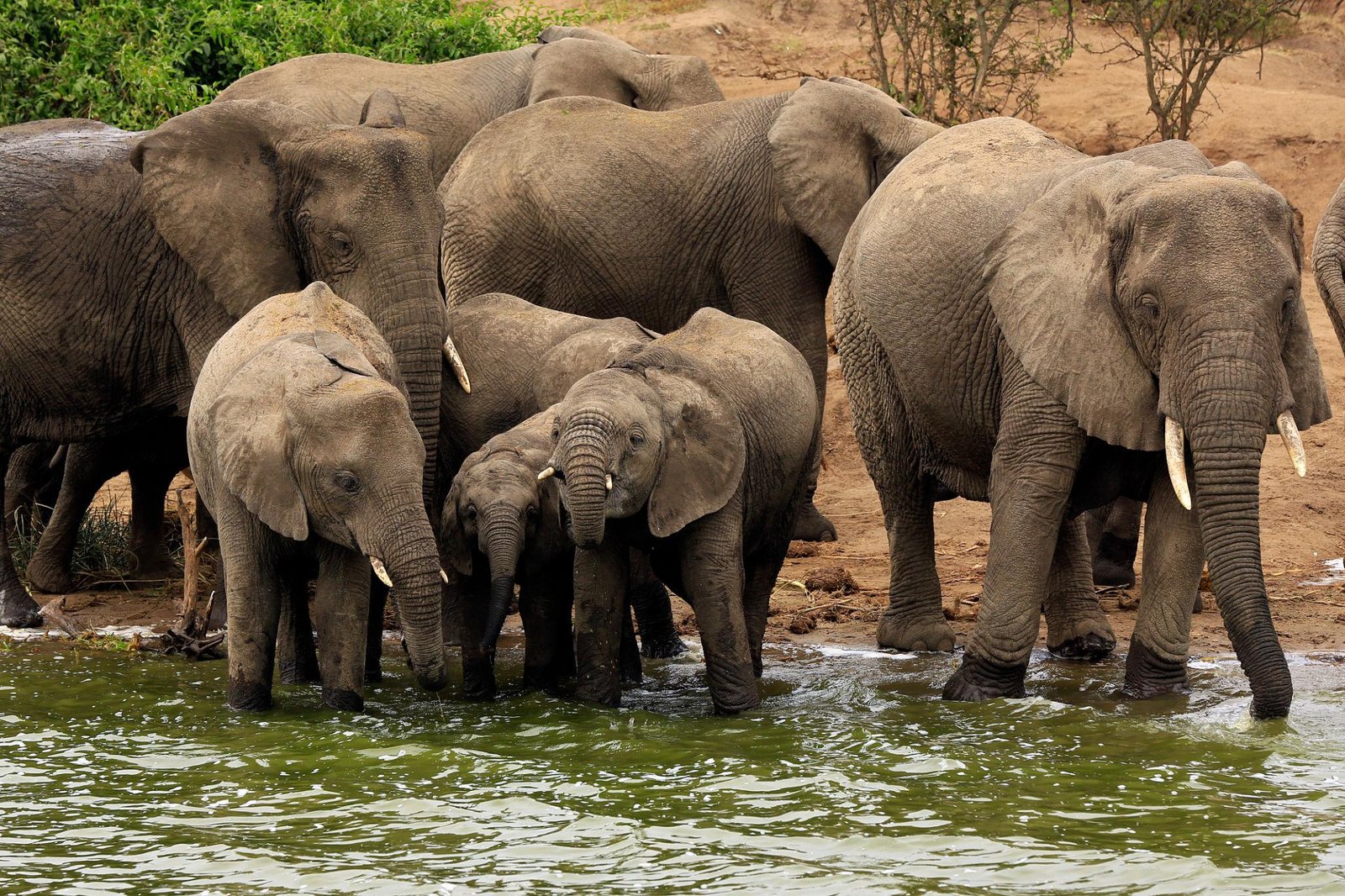
African savannah elephants are among the largest land animals in the world. They live in family groups and travel between feeding areas and water sources.
Murchison Falls National Park offers excellent opportunities to observe elephants during game drives. Queen Elizabeth National Park is another important elephant habitat.
Along the Kazinga Channel, visitors may watch elephants drinking, bathing, or moving near the shoreline.
Elephants also occur in Kidepo Valley National Park. In addition, forest elephants inhabit some of Uganda’s dense forests, although sightings are less predictable.
Never ask your guide to drive too close to elephants. Instead, observe their movements quietly and allow them enough space.
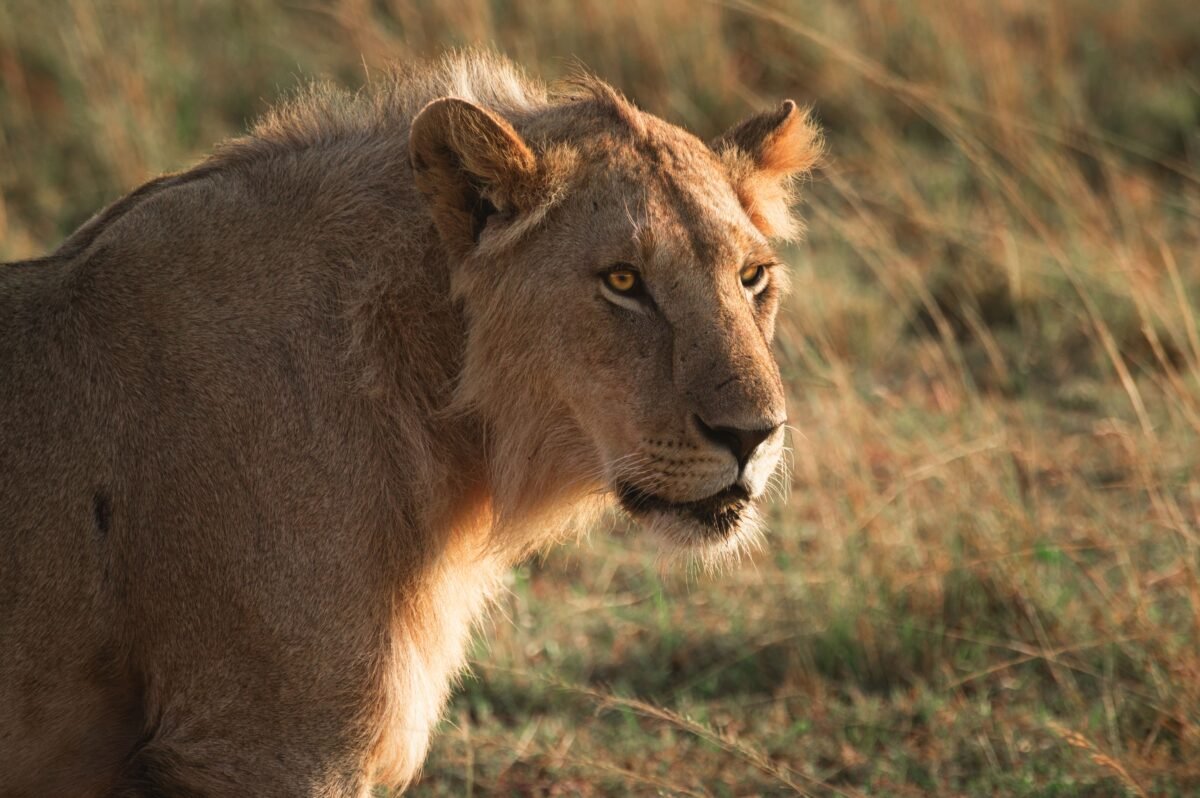
3. African lion – The predator of the open plains

Best places: Queen Elizabeth, Murchison Falls and Kidepo Valley
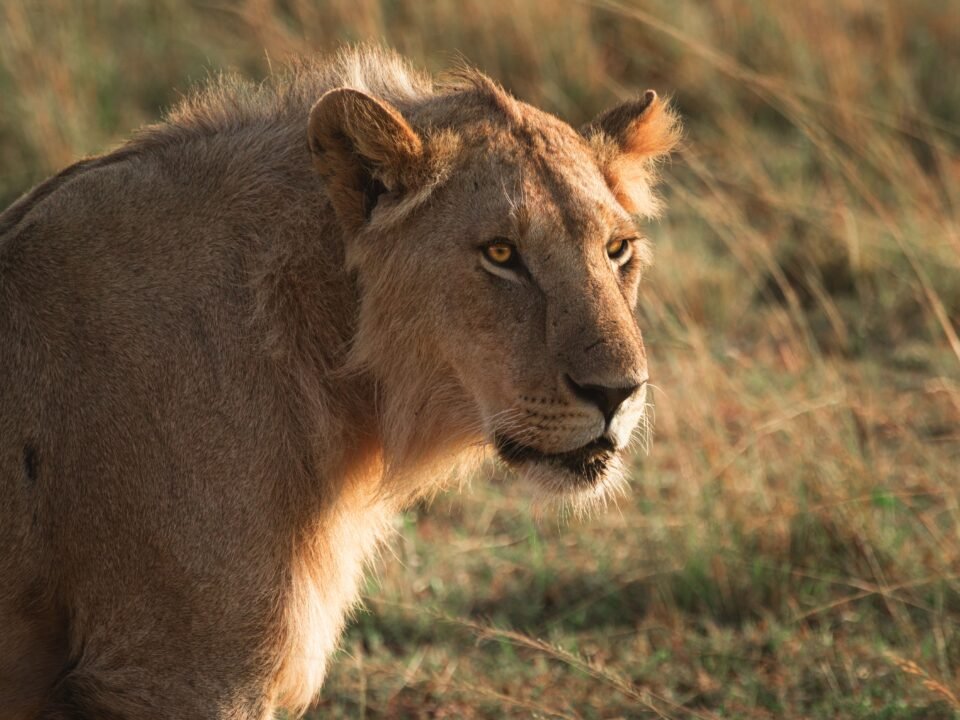
Lions are among the most sought-after Uganda safari animals. They hunt antelopes, buffaloes, and other prey across open grasslands.
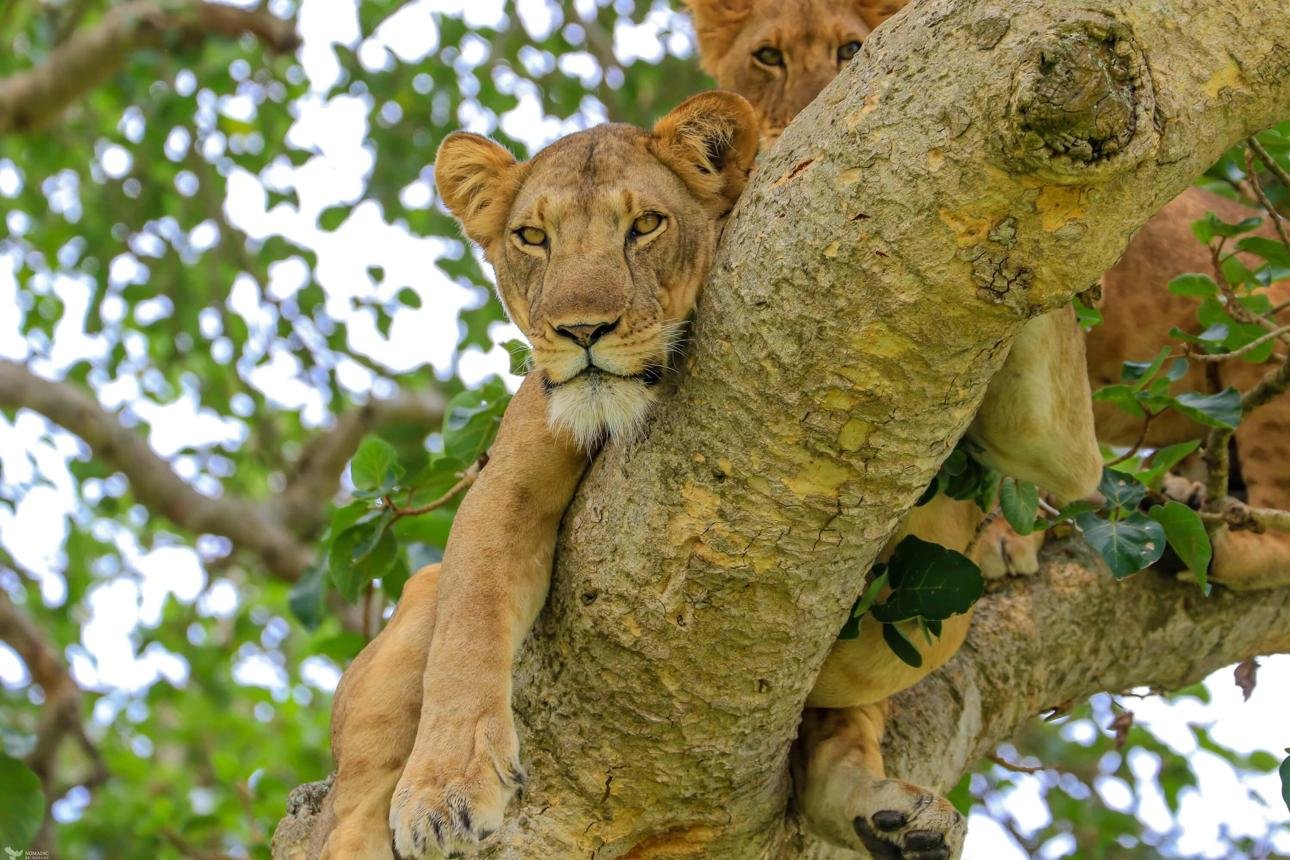
Queen Elizabeth National Park is particularly famous for its tree-climbing lions in the Ishasha sector.
These lions sometimes rest on branches of large fig trees. However, visitors should never expect every lion to be resting in a tree.
The Kasenyi plains offer another important lion-viewing area. Meanwhile, Murchison Falls and Kidepo Valley provide additional opportunities.
Early-morning game drives often offer comfortable temperatures and useful predator-viewing conditions.
[ADD REAL EXPERIENCE: Describe a genuine lion encounter during a Zamunda Travels game drive in Ishasha or Kasenyi.]
4. Chimpanzee – Our intelligent forest relative

Best place: Kibale National Park
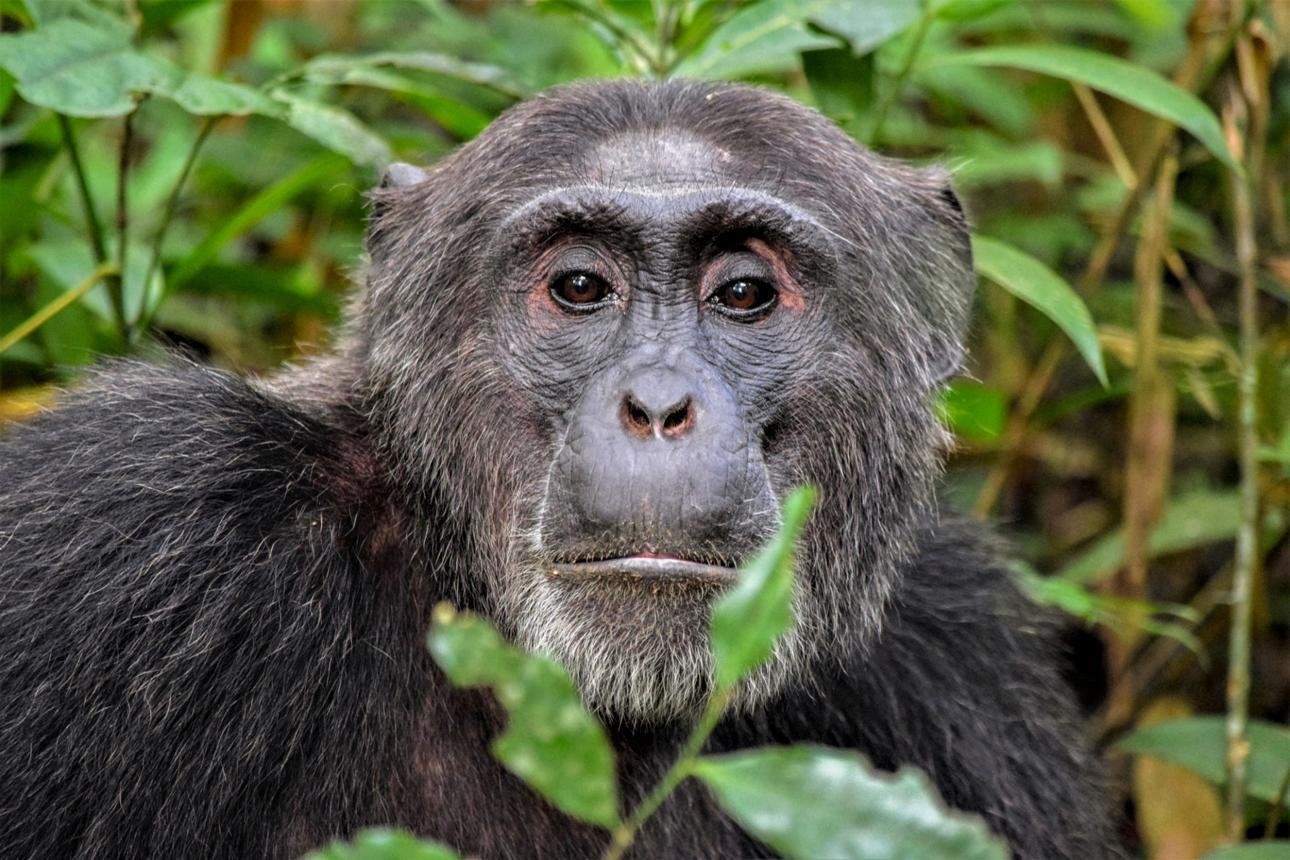
Chimpanzees are intelligent social primates that live in communities. They communicate through calls, gestures, facial expressions, and body movements.
Kibale National Park is Uganda’s leading destination for chimpanzee trekking. Visitors follow experienced guides into the forest to locate habituated communities.
Chimpanzees spend time feeding, grooming, resting, and moving through the trees.
Standard trekking offers a shorter encounter. Meanwhile, the chimpanzee habituation experience provides a longer opportunity to observe their behaviour.
Other chimpanzee destinations include Budongo Forest and Kyambura Gorge.
At Zamunda Travels, we often recommend combining Kibale with Queen Elizabeth National Park. This creates a practical route between primate trekking and savannah wildlife.
5. African leopard – The secretive spotted hunter
Best places: Queen Elizabeth, Murchison Falls and Kidepo Valley
Leopards are solitary predators with remarkable climbing abilities. Their spotted coats help them blend into grass, trees, and woodland.
Unlike lions, leopards usually avoid large social groups. They also spend much of their time resting or hunting quietly.
Leopards may climb trees to rest or protect food from competing scavengers.
Queen Elizabeth and Murchison Falls provide leopard-viewing opportunities. However, sightings are less predictable than those of elephants or buffaloes.
Patience matters when searching for leopards. Therefore, allow several game drives rather than expecting an encounter within one hour.
6. African buffalo – The powerful herd animal
Best places: Queen Elizabeth, Murchison Falls, Kidepo Valley and Lake Mburo
African buffaloes are strong, social animals that often move in large herds. They graze on grass and frequently visit water sources.
Buffaloes are common in several Ugandan savannah parks. In Queen Elizabeth, visitors often see them near the Kazinga Channel.
Kidepo Valley also supports impressive buffalo herds. Meanwhile, Murchison Falls offers excellent viewing across its grasslands.
Although buffaloes may appear calm, they can become dangerous when threatened.
For this reason, visitors should never approach them on foot without an authorised guide.
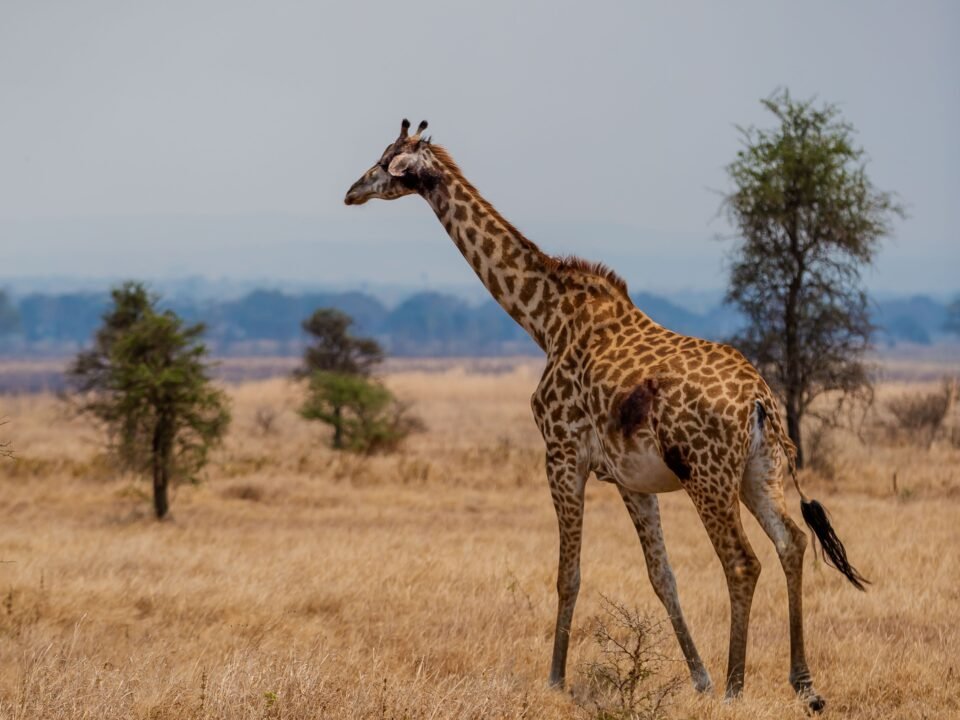
7. Rothschild’s giraffe – The tall browser
Best places: Murchison Falls, Kidepo Valley and Lake Mburo
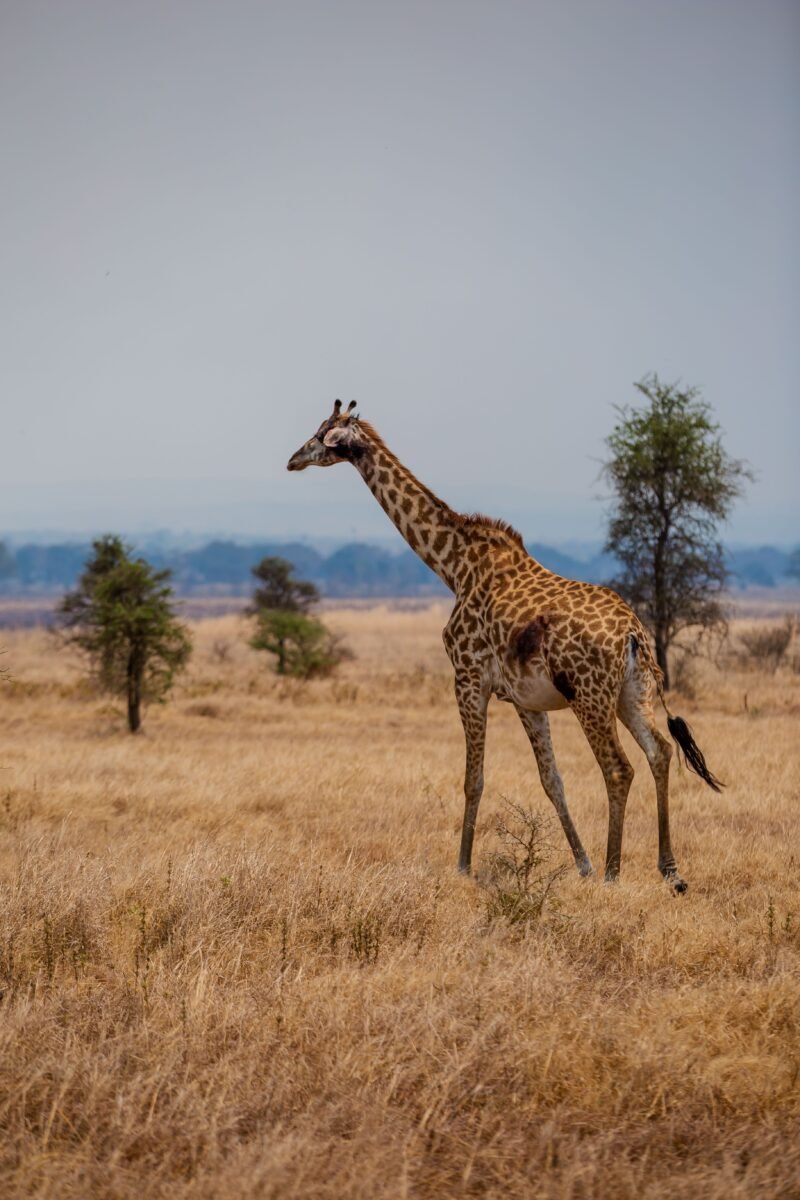
Giraffes are among the most recognisable animals in Uganda. Their long necks allow them to browse leaves high above the ground.
Uganda’s giraffes are commonly known as Rothschild’s giraffes, often classified within the northern giraffe group.
Murchison Falls is a major giraffe-viewing destination. Visitors may observe them walking through open woodland or feeding on acacia trees.
Giraffes have also been reintroduced to Lake Mburo and other protected areas.
A slow game drive allows visitors to observe their feeding behaviour and interactions.
Photographers should leave enough space around the animal to capture its full height.
8. Plains zebra – The striped grassland grazer
Best place: Lake Mburo National Park
Plains zebras are social grazers recognised by their black-and-white stripes. Each zebra has an individual stripe pattern.
Lake Mburo National Park is one of Uganda’s most convenient zebra-viewing destinations.
The park also supports impalas, elands, buffaloes, and several other grazing species.
Unlike many larger parks, Lake Mburo offers guided walking safaris in designated areas.
These walks provide a different perspective on animal behaviour, tracks, and habitats.
Zebras also occur in Kidepo Valley and other suitable Ugandan protected areas. However, Lake Mburo remains a practical choice for many southwestern safari routes.
9. Southern white rhinoceros – Uganda’s conservation success
Established tracking destination: Ziwa Rhino Sanctuary
Southern white rhinos are large grazing mammals with two horns. Their survival depends heavily on effective protection and conservation management.
Ziwa Rhino Sanctuary helped rebuild Uganda’s rhino population after rhinos disappeared from the country’s wild habitats.
In 2026, Uganda began restoring rhinos to additional protected areas, including Ajai Wildlife Reserve and Kidepo Valley National Park.
These reintroductions represent important conservation progress. However, tourist access and tracking arrangements differ between locations.
Ziwa remains an established option for guided rhino tracking.
Visitors must follow their ranger’s instructions and maintain safe distances.
Planning note: Confirm current rhino-tracking access before including a sanctuary in your itinerary.
10. Shoebill – Uganda’s remarkable wetland bird
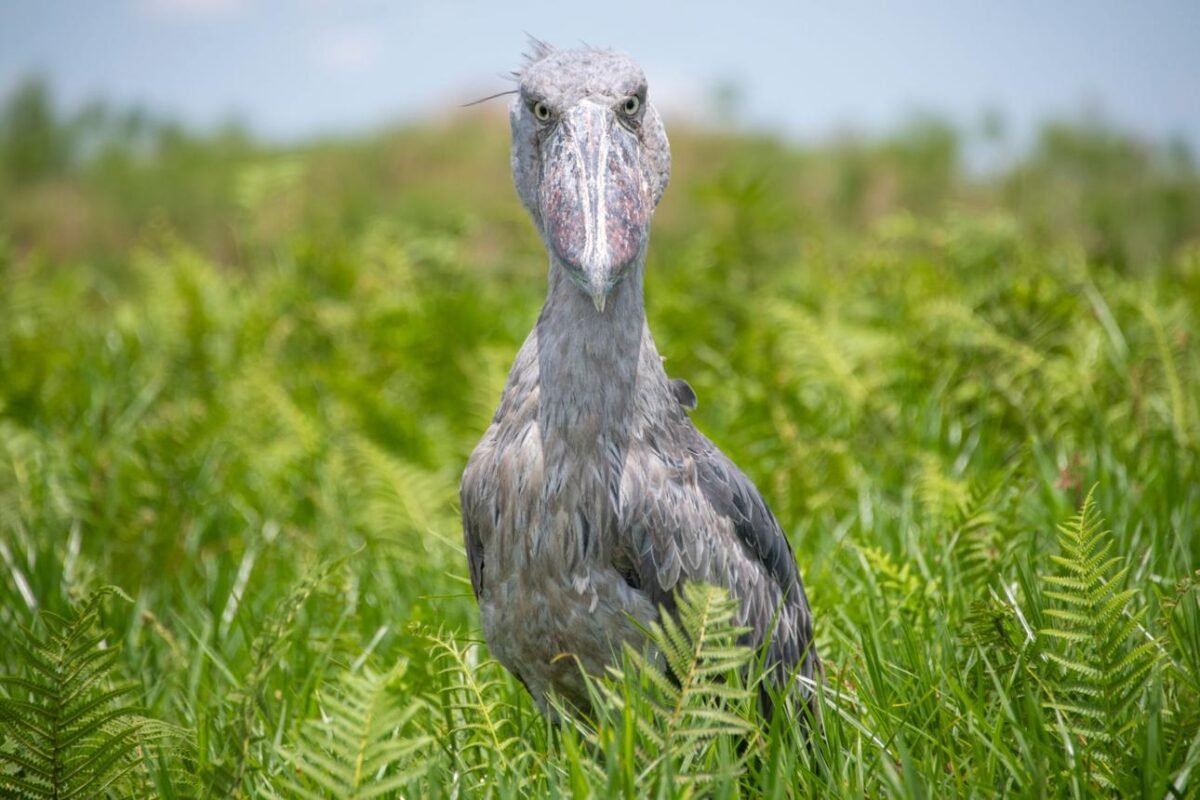
Best places: Mabamba Swamp and selected Nile wetlands
The shoebill is one of Uganda’s most distinctive birds. Its enormous bill and unusual appearance make it popular with wildlife photographers.
Shoebills live in freshwater wetlands where they hunt fish and other aquatic prey.
Mabamba Swamp, near Entebbe, is a popular destination for guided shoebill searches.
Visitors usually explore the wetland in small boats with local guides.
However, shoebills are wild birds, so sightings cannot be guaranteed.
Early departures can provide useful birdwatching conditions. Also, binoculars and a camera with a zoom lens improve the experience.
For travellers interested in birds, a shoebill excursion adds valuable variety to a traditional safari.
Where to See Uganda Safari Animals: Best Parks Compared
Choosing the right destination matters more than trying to visit every national park.
The table below highlights the main wildlife strengths of Uganda’s leading safari areas.
| Destination |
Main wildlife |
Best experience |
| Bwindi |
Mountain gorillas, forest primates |
Gorilla trekking |
| Kibale |
Chimpanzees, forest monkeys |
Chimpanzee trekking |
| Queen Elizabeth |
Lions, elephants, buffaloes, hippos |
Game drives and boat safari |
| Murchison Falls |
Giraffes, elephants, lions, crocodiles |
Game drives and Nile cruise |
| Kidepo Valley |
Buffaloes, lions, elephants, cheetahs |
Remote savannah safari |
| Lake Mburo |
Zebras, impalas, giraffes |
Game drives and guided walks |
| Ziwa Rhino Sanctuary |
Southern white rhinos |
Guided rhino tracking |
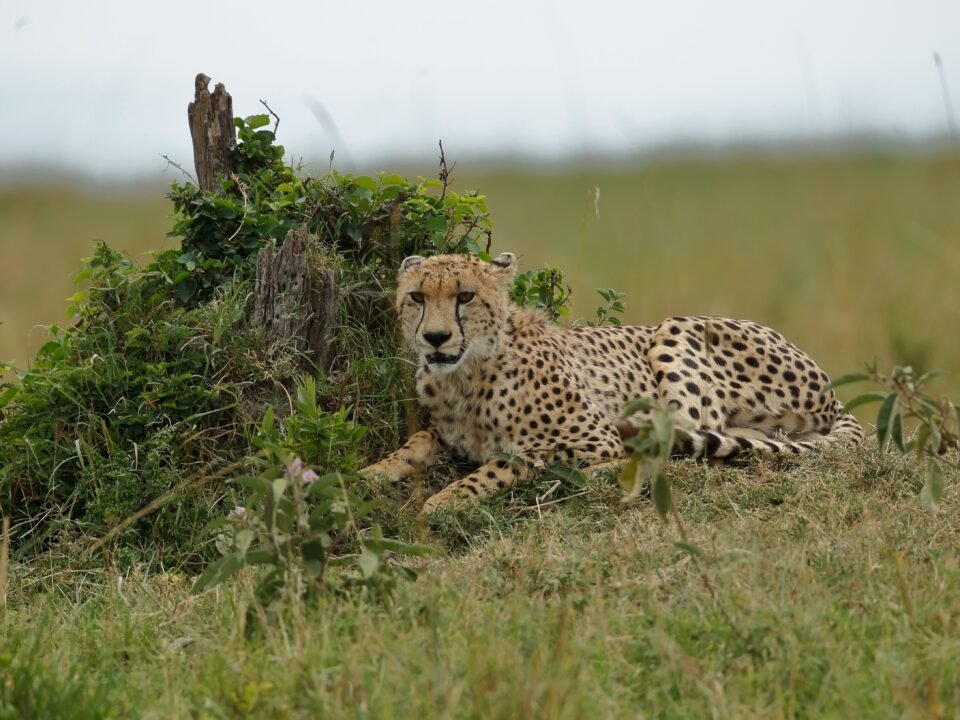
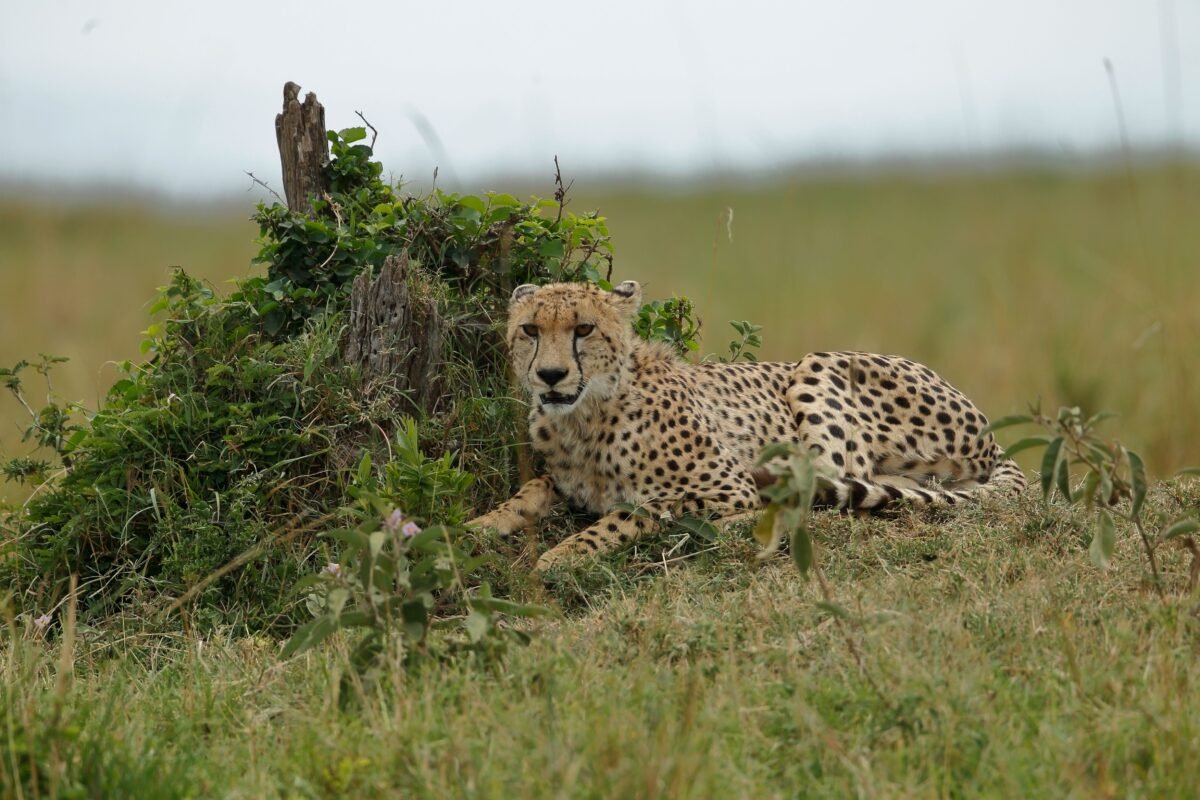
Kidepo is particularly valuable for travellers interested in less commonly encountered species. For example, cheetahs occur there, although sightings are rare.
The Big Five animals in Uganda are lions, leopards, elephants, buffaloes, and rhinos. However, seeing all five requires careful route planning.
Planning a wildlife safari in Uganda? Zamunda Travels can combine your preferred parks, primate permits, accommodation, and private transport into one itinerary.
Uganda offers wildlife experiences throughout the year. However, rainfall influences road conditions, vegetation, and animal movements.
The best time to see wildlife in Uganda depends on your preferred activities.
| Months |
General conditions |
Safari advice |
| December–February |
Often relatively dry |
Good for game drives and trekking |
| March–May |
Generally wetter |
Prepare for muddy forest trails |
| June–September |
Often drier |
Popular for wildlife safaris |
| October–November |
Often wetter |
Green landscapes and birdwatching |
Rainfall patterns vary between regions and years.
During drier periods, shorter grass can improve wildlife visibility. Meanwhile, wet seasons create attractive landscapes and excellent photographic opportunities.
Gorilla trekking operates throughout the year, subject to park arrangements and permit availability.
Therefore, choose your dates based on both wildlife priorities and travel comfort.
Sample 10-Day Uganda Wildlife Safari Itinerary
A Uganda wildlife safari itinerary should allow enough time for travel and animal encounters.
The following route combines primates, savannah wildlife, and rhino tracking.
| Day |
Destination |
Main activity |
| 1 |
Entebbe |
Arrival and overnight |
| 2 |
Ziwa and Murchison Falls |
Rhino tracking and transfer |
| 3 |
Murchison Falls |
Game drive and Nile boat safari |
| 4 |
Murchison Falls to Kibale |
Transfer day |
| 5 |
Kibale |
Chimpanzee trekking |
| 6 |
Queen Elizabeth |
Transfer and afternoon game drive |
| 7 |
Queen Elizabeth |
Game drive and Kazinga Channel cruise |
| 8 |
Ishasha to Bwindi |
Wildlife viewing and transfer |
| 9 |
Bwindi |
Mountain gorilla trekking |
| 10 |
Kigali or onward arrangements |
Departure transfer |
This itinerary is best suited to travellers comfortable with several long road journeys.
Day four can take most of the day, depending on the route and road conditions. Day ten also requires careful planning around your flight departure time.
For a slower holiday, add two nights. This provides more time for photography, relaxation, and additional game drives.
Our guides at Zamunda Travels recommend keeping the day before gorilla trekking relatively flexible.
Uganda safari prices depend on accommodation, travel duration, vehicle arrangements, permits, and group size.
A private safari usually includes transport, guiding, accommodation, and selected park activities. However, inclusions vary by quotation.
The published
UWA 2024–2026 tariff listed the following foreign non-resident permit prices:
| Activity |
Published reference price |
| Gorilla trekking |
USD 800 per person |
| Gorilla habituation |
USD 1,500 per person |
| Kibale chimpanzee trekking |
USD 250 per person |
| Kibale chimpanzee habituation |
USD 300 per person |
These figures come from UWA’s 2024–2026 tariff and are historical reference rates, not confirmed 2027 prices. UWA has published tariff changes for 2026–2027, so the applicable booking-date tariff must be checked.
Rates change, so confirm current prices with Zamunda Travels.
Practical budgeting example
For two travellers, sharing one safari vehicle and accommodation can reduce the cost per person.
However, gorilla permits remain a significant individual expense.
A useful quotation should clearly separate permit fees, accommodation, park entry, transport, and optional activities.
It should also explain whether international flights, visas, drinks, and tips are excluded.
Common Mistakes to Avoid
Many travellers underestimate travel times between Uganda’s national parks.
Others assume all wildlife species live in the same destination.
Avoid these common mistakes:
-
Booking accommodation far from your assigned gorilla trekking sector.
-
Planning only one short game drive for difficult predators.
-
Assuming lions, leopards, or shoebills are guaranteed sightings.
-
Forgetting to budget for permits and park activities.
-
Choosing an itinerary with too many long transfers.
-
Leaving gorilla permit reservations until the last minute.
A well-paced itinerary usually offers a better experience than visiting too many parks quickly.
Safety, Health and Responsible Wildlife Travel
Wild animals need space and should never be approached without permission.
During game drives, remain inside the vehicle unless your guide confirms a safe stopping area.
Never feed animals, imitate their calls, or use flash photography around sensitive wildlife.
For gorilla and chimpanzee trekking, follow all ranger instructions. Also, do not participate when you have symptoms of a contagious illness.
Before travelling, consult your doctor or travel clinic about vaccinations, malaria prevention, and other health requirements.
Carry suitable walking shoes, rain protection, drinking water, and sun protection.
Responsible tourism also supports conservation through regulated park fees and community-based activities.
Plan Your Uganda Wildlife Safari With Zamunda Travels
Uganda safari animals offer an exceptional combination of forest primates, large mammals, predators, and wetland birds.
From mountain gorillas in Bwindi to lions in Queen Elizabeth, each destination offers a different wildlife experience.
The best safari depends on your travel dates, budget, interests, and available time.
At Zamunda Travels Uganda Ltd, we organise private wildlife safaris across Uganda and neighbouring East African destinations.
Whether you want a short gorilla adventure or a complete wildlife journey, our team can help plan a practical itinerary.
Contact Zamunda Travels to request your personalised Uganda safari quotation.
Zamunda Travels Uganda Ltd
Uganda-based safari operator
info@zamundatravels.com
WhatsApp: +256 704 705 606
Request a Safari Quote
Frequently Asked Questions About Uganda Safari Animals
1. What are the Big Five animals in Uganda?
The Big Five are lions, leopards, elephants, African buffaloes, and rhinoceroses. Uganda has all five, although they do not share one easily accessible safari area. Queen Elizabeth and Murchison Falls offer four species, while Ziwa provides established rhino tracking. Rhinos were also reintroduced to Ajai and Kidepo in 2026.
2. Which national park is best for wildlife in Uganda?
Murchison Falls and Queen Elizabeth are excellent choices for traditional wildlife safaris. Both support elephants, buffaloes, lions, and leopards. However, Bwindi is better for mountain gorillas, while Kibale specialises in chimpanzees. Therefore, the best park depends on which animals you most want to encounter.
3. Can you see gorillas and lions on the same Uganda safari?
Yes, visitors can combine mountain gorilla trekking and lion viewing within one Uganda safari. Bwindi offers gorilla trekking, while Queen Elizabeth National Park provides opportunities to see lions. A carefully planned itinerary can include both destinations, although wildlife sightings and gorilla trekking conditions remain unpredictable.
4. What is the best month to see wildlife in Uganda?
June to September and December to February generally provide favourable wildlife viewing conditions. These periods are often drier, making some roads and forest trails easier to navigate. However, Uganda offers wildlife activities year-round. The ideal month depends on rainfall, available permits, and your preferred destinations.
5. How many days do you need for a Uganda wildlife safari?
Seven to ten days can cover several major wildlife destinations in Uganda. For example, travellers can combine Kibale, Queen Elizabeth, and Bwindi in one journey. However, adding Murchison Falls or Kidepo requires more time. A longer itinerary also allows extra game drives and fewer rushed transfers.


 Best places: Murchison Falls, Queen Elizabeth and Kidepo Valley
African savannah elephants are among the largest land animals in the world. They live in family groups and travel between feeding areas and water sources.
Murchison Falls National Park offers excellent opportunities to observe elephants during game drives. Queen Elizabeth National Park is another important elephant habitat.
Along the Kazinga Channel, visitors may watch elephants drinking, bathing, or moving near the shoreline.
Elephants also occur in Kidepo Valley National Park. In addition, forest elephants inhabit some of Uganda’s dense forests, although sightings are less predictable.
Never ask your guide to drive too close to elephants. Instead, observe their movements quietly and allow them enough space.
 Best places: Queen Elizabeth, Murchison Falls and Kidepo Valley
Lions are among the most sought-after Uganda safari animals. They hunt antelopes, buffaloes, and other prey across open grasslands.
Queen Elizabeth National Park is particularly famous for its tree-climbing lions in the Ishasha sector.
These lions sometimes rest on branches of large fig trees. However, visitors should never expect every lion to be resting in a tree.
The Kasenyi plains offer another important lion-viewing area. Meanwhile, Murchison Falls and Kidepo Valley provide additional opportunities.
Early-morning game drives often offer comfortable temperatures and useful predator-viewing conditions.
[ADD REAL EXPERIENCE: Describe a genuine lion encounter during a Zamunda Travels game drive in Ishasha or Kasenyi.]
 Best place: Kibale National Park
Chimpanzees are intelligent social primates that live in communities. They communicate through calls, gestures, facial expressions, and body movements.
Kibale National Park is Uganda’s leading destination for chimpanzee trekking. Visitors follow experienced guides into the forest to locate habituated communities.
Chimpanzees spend time feeding, grooming, resting, and moving through the trees.
Standard trekking offers a shorter encounter. Meanwhile, the chimpanzee habituation experience provides a longer opportunity to observe their behaviour.
Other chimpanzee destinations include Budongo Forest and Kyambura Gorge.
At Zamunda Travels, we often recommend combining Kibale with Queen Elizabeth National Park. This creates a practical route between primate trekking and savannah wildlife.
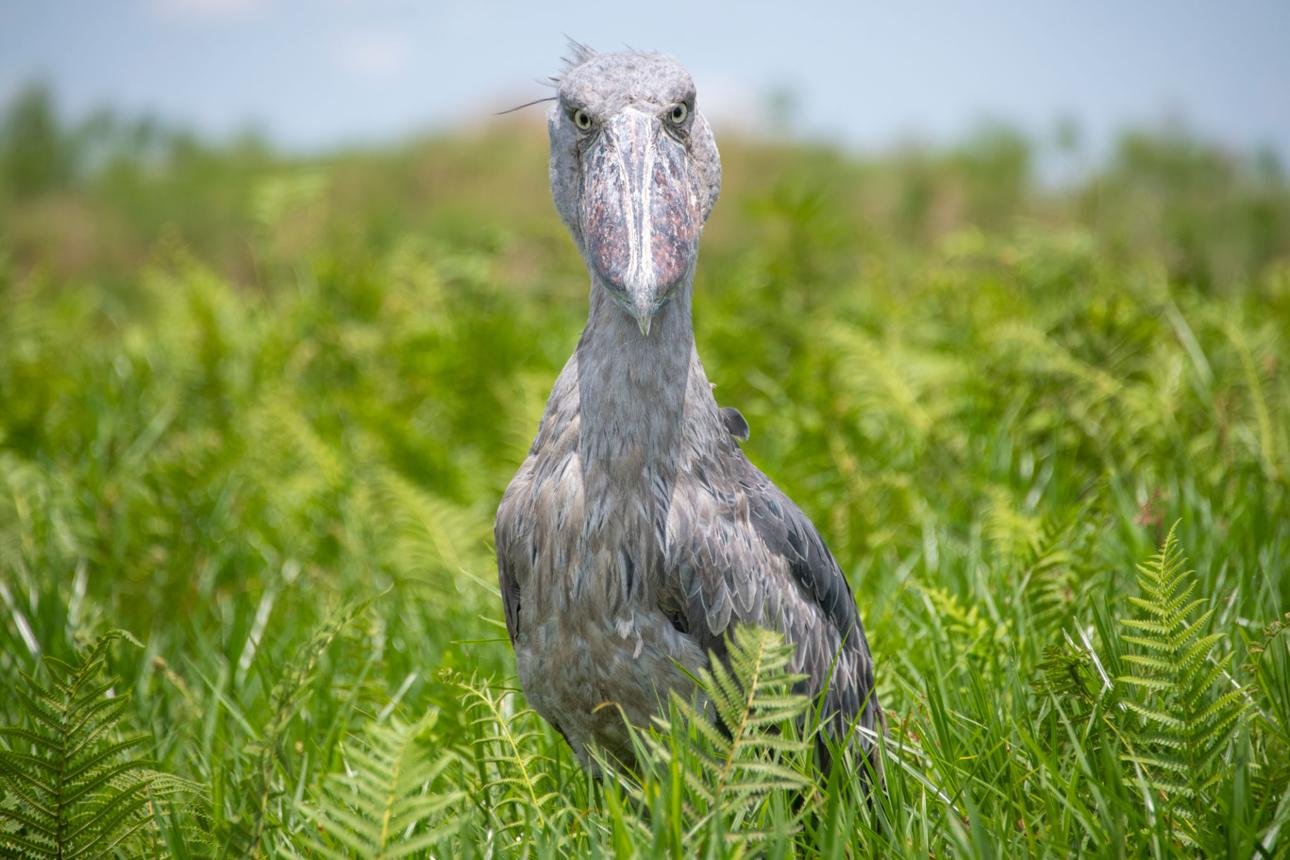 Best places: Mabamba Swamp and selected Nile wetlands
The shoebill is one of Uganda’s most distinctive birds. Its enormous bill and unusual appearance make it popular with wildlife photographers.
Shoebills live in freshwater wetlands where they hunt fish and other aquatic prey.
Mabamba Swamp, near Entebbe, is a popular destination for guided shoebill searches.
Visitors usually explore the wetland in small boats with local guides.
However, shoebills are wild birds, so sightings cannot be guaranteed.
Early departures can provide useful birdwatching conditions. Also, binoculars and a camera with a zoom lens improve the experience.
For travellers interested in birds, a shoebill excursion adds valuable variety to a traditional safari.