
Amboseli National Park Safari Cost and Packages
November 3, 2026
Amboseli vs Masai Mara: Which Is Better for a Safari?
November 3, 2026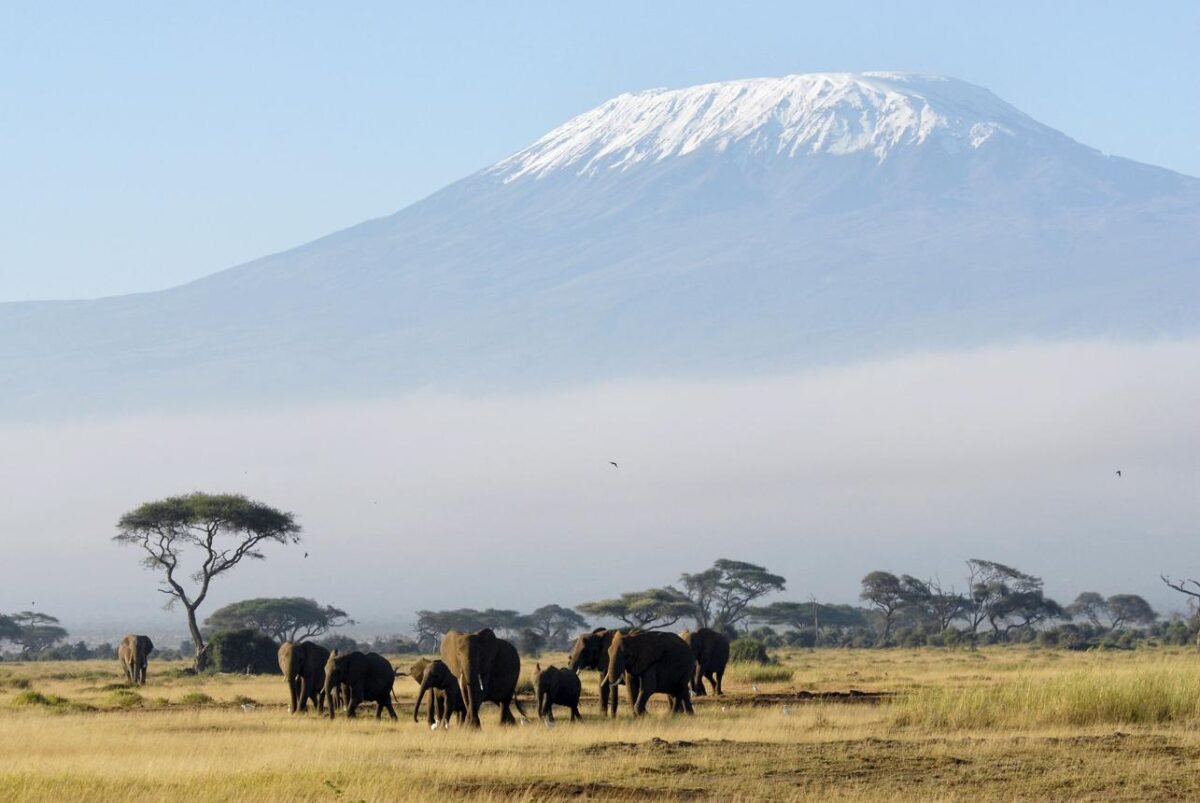
One of the main reasons travellers visit Amboseli National Park is to see African elephants against Mount Kilimanjaro. The mountain stands in Tanzania, but visitors can enjoy impressive views from Kenya.
However, Kilimanjaro views from Amboseli depend on weather conditions, cloud cover, and the time of day. Some visitors see the mountain clearly at sunrise, while others encounter clouds covering its summit.
Therefore, planning your safari carefully can improve your chances of enjoying this famous landscape.
At Zamunda Travels, we organise personalised safaris across Kenya, Uganda, Rwanda, and Tanzania. This guide explains when to visit Amboseli, where to find the best viewpoints, and how to plan your safari.
Quick Answer: Yes, you can see Mount Kilimanjaro from Amboseli National Park in Kenya. Early morning usually offers the clearest views, particularly during the drier months from June to October and January to February. However, clouds can hide the mountain at any time, so spending two nights improves your viewing opportunities.
Why Can You See Mount Kilimanjaro from Amboseli National Park?
Mount Kilimanjaro is Africa’s highest mountain, rising approximately 5,895 metres above sea level. It stands in northern Tanzania, close to the Kenyan border. Amboseli National Park lies north of the mountain. Its open plains create excellent viewing opportunities when the weather is clear. Unlike forested destinations, Amboseli has wide grasslands, wetlands, and scattered acacia trees. Consequently, visitors can enjoy distant mountain scenery without major landscape obstructions. The mountain has three main volcanic cones: Kibo, Mawenzi, and Shira. Kibo contains Uhuru Peak, the highest point in Africa. On clear mornings, visitors may see the snow-covered summit rising above the plains. Interestingly, Kilimanjaro also contributes to Amboseli’s ecosystem. Water from the mountain’s catchment helps recharge underground water supplies that support the park’s wetlands. These wetlands attract elephants, buffaloes, hippos, and numerous bird species. Therefore, the mountain influences more than just the scenery.Is Mount Kilimanjaro in Kenya or Tanzania?
Mount Kilimanjaro lies entirely within Tanzania. However, its northern slopes face Kenya, making Amboseli one of the best places to view the mountain from a distance. You do not need to enter Tanzania to photograph Kilimanjaro during an Amboseli safari. Furthermore, visitors do not need mountain climbing permits because they remain inside Kenya’s national park.Best Time for Kilimanjaro Views from Amboseli
The best time to see Mount Kilimanjaro from Amboseli is generally early morning during relatively dry weather. However, no particular month guarantees clear mountain views. Weather conditions can change quickly, even during the dry season.June to October: Popular Dry Season
June to October is one of the most popular periods for visiting Amboseli National Park. During these months, rainfall is generally lower, and vegetation becomes thinner. As a result, wildlife often gathers around permanent water sources. This creates excellent opportunities to photograph elephants and other animals. Morning skies can also provide clear views of Kilimanjaro. However, dry conditions sometimes produce dust and haze, especially during windy afternoons. Therefore, travellers should not assume that every dry-season day offers perfect mountain visibility. July, August, and September are particularly popular safari months. Booking accommodation early is advisable.January to February: Another Excellent Period
January and February often experience relatively dry conditions around Amboseli. These months can provide good opportunities for mountain photography, particularly during early morning game drives. Additionally, the open plains make wildlife easier to observe. However, afternoon temperatures can become hot, and dust may affect visibility. At Zamunda Travels, we recommend prioritising morning game drives during these months. This helps travellers enjoy cooler temperatures and better photography conditions.March to May: Long Rainy Season
The long rainy season generally occurs between March and May. During this period, Amboseli becomes greener, and seasonal wetlands may expand. Although clouds frequently cover Kilimanjaro, rainfall can sometimes improve visibility by reducing dust. Consequently, a clear morning after rainfall may offer excellent photography conditions. However, some park roads become muddy during heavy rain. Travellers visiting during these months should allow flexibility in their schedules.November to December: Short Rainy Season
November and December generally experience shorter rainy periods. The landscape becomes greener, while birdwatching opportunities can improve. However, cloud cover may affect mountain visibility. For travellers who enjoy green scenery and quieter safari experiences, this period can still be rewarding.What Time of Day Is Mount Kilimanjaro Most Visible?
Early morning usually offers the best opportunity to see Mount Kilimanjaro from Amboseli. Between approximately 6:00 AM and 9:00 AM, the mountain may appear clearly above the surrounding plains. However, clouds often develop around the summit as temperatures rise. By late morning, visitors may see only part of the mountain. Sometimes, the summit disappears completely behind clouds. Late afternoon provides another possible viewing opportunity, especially when cloud cover begins clearing. Nevertheless, sunrise remains the preferred period for mountain photography.Practical Safari Timing Tips
Our guides at Zamunda Travels recommend arranging accommodation inside Amboseli or near a suitable park entrance. This reduces travel time before morning game drives. For example, travellers staying close to the park can prepare before sunrise and begin their activities when park access permits. Meanwhile, visitors arriving from Nairobi later in the morning may miss the clearest conditions. Therefore, a two-night stay provides greater flexibility than a rushed day trip.Best Viewpoints in Amboseli National Park
Several locations offer excellent opportunities to see Kilimanjaro when weather conditions allow. However, the best viewpoint depends on cloud cover, wildlife movements, and available park roads.1. Observation Hill
Observation Hill is one of the most recognised viewpoints in Amboseli National Park. It provides elevated views across the surrounding plains, wetlands, and distant mountains. Visitors can leave their safari vehicles in designated areas and enjoy the scenery. On clear days, the surrounding landscape provides excellent photography opportunities. Additionally, the hill offers views of wildlife activity around nearby wetlands.2. Enkongo Narok Swamp
Enkongo Narok is an important wetland area within Amboseli. It attracts elephants, buffaloes, hippos, and numerous bird species. Therefore, visitors can combine wildlife photography with distant mountain scenery. When Kilimanjaro is visible, elephants moving through the wetlands create excellent photographic opportunities.3. Ol Tukai Area
The Ol Tukai area is known for open plains and wildlife viewing. Elephants regularly move through parts of this landscape. Consequently, visitors may photograph animals against Kilimanjaro when conditions are favourable. The area’s relatively open scenery also makes it suitable for landscape photography.4. Lake Amboseli Basin
Lake Amboseli is a seasonal lake basin that changes with rainfall. During dry periods, parts of the basin become broad, open landscapes. These conditions create expansive views towards Kilimanjaro. However, access depends on park regulations and road conditions. Your safari guide should select suitable viewing areas based on the day’s conditions.Can You Photograph Elephants with Mount Kilimanjaro?
Yes. Amboseli is one of Africa’s most recognised destinations for photographing elephants against Mount Kilimanjaro. The park supports important elephant populations, including family groups with calves. However, capturing the perfect photograph requires patience. The mountain must remain visible while elephants move into a suitable position. Additionally, lighting, distance, and cloud cover influence the final image. Our guides at Zamunda Travels recommend observing wildlife naturally rather than forcing photographic opportunities. Never ask a driver to chase elephants, block their movement, or approach too closely.Photography Tips for Amboseli Safaris
-
Carry a zoom lens for photographing wildlife from a safe distance.
-
Bring a wide-angle lens for landscapes and mountain scenery.
-
Keep your camera ready during early morning game drives.
-
Carry extra batteries and memory cards.
-
Use a lens cloth to remove dust.
-
Photograph elephants without disturbing their natural behaviour.
-
Include trees, wetlands, or grasslands to create depth.
How Many Days Should You Spend in Amboseli?
We recommend spending at least three days and two nights in Amboseli National Park. This provides two mornings for Kilimanjaro viewing and enough time for wildlife activities. A one-day safari is possible, but it offers limited flexibility. Additionally, travellers arriving from Nairobi must consider road travel and park access times.Sample 3-Day Amboseli Safari Itinerary
Day 1: Nairobi to Amboseli National Park Depart Nairobi in the morning and travel towards Amboseli National Park. The journey generally takes around four to five hours, depending on traffic and road conditions. Arrive at your accommodation, enjoy lunch, and prepare for an afternoon game drive. Look for elephants, zebras, giraffes, buffaloes, and other wildlife. If the weather permits, enjoy your first views of Kilimanjaro. Later, return to your lodge for dinner and overnight accommodation. Day 2: Full-Day Amboseli Wildlife Safari Wake early and prepare for a morning game drive. First, look towards Kilimanjaro while the sky remains relatively clear. Next, explore the park’s wetlands and surrounding plains. Watch elephants feeding, buffaloes grazing, and birds gathering around water sources. Later, visit Observation Hill if your route and park conditions permit. Enjoy a picnic lunch at an approved location or return to your lodge. In the afternoon, continue exploring Amboseli’s wildlife areas. Return to your accommodation for dinner and relaxation. Day 3: Morning Game Drive and Return to Nairobi Wake early for another opportunity to see Kilimanjaro. Enjoy a morning game drive if your schedule and park access arrangements allow. After breakfast, begin your return journey to Nairobi. This itinerary provides a balanced combination of wildlife viewing, mountain photography, and relaxation. Zamunda Travels can also combine Amboseli with the Maasai Mara, Lake Naivasha, or other Kenya safari destinations.Where Should You Stay for the Best Kilimanjaro Views?
Choosing suitable accommodation can improve your Amboseli safari experience. Staying inside the park or near an entrance reduces travel time before morning game drives. However, not every lodge offers direct mountain views from its rooms. Some properties provide views from shared areas, while others have specific mountain-facing rooms. Established accommodation options include Ol Tukai Lodge, Amboseli Serena Safari Lodge, and Tortilis Camp. These properties offer different accommodation styles and price levels. Before booking, confirm the property’s location, room category, and game drive arrangements. Additionally, remember that a mountain-facing room does not guarantee clear weather. At Zamunda Travels, we help travellers select accommodation based on comfort, location, safari activities, and budget. If you are planning an Amboseli safari, you can request a personalised quotation from our team.How Much Does an Amboseli Safari Cost?
Amboseli safari costs depend on several factors, including travel dates, accommodation standards, and group size. Private safaris generally cost more per person than shared tours. However, private arrangements provide greater flexibility for wildlife photography and game drive schedules. Your safari budget should include transport, accommodation, park fees, guiding services, and meals.Example: Budgeting for a 3-Day Amboseli Safari
For two travellers booking a private safari from Nairobi, the quotation should account for:-
A private safari vehicle with fuel.
-
A professional English-speaking driver-guide.
-
Two nights of accommodation.
-
Meals according to the selected accommodation package.
-
Applicable Amboseli National Park entry fees.
-
Scheduled wildlife game drives.
-
Drinking water during the safari.
-
Agreed transfers and other included services.
Common Mistakes When Planning Kilimanjaro Views from Amboseli
One common mistake is assuming Kilimanjaro remains visible throughout the day. Although the mountain is enormous, clouds can hide it completely. Another mistake is arranging a rushed day trip from Nairobi specifically for mountain photography. Visitors may arrive after the clearest morning conditions. Additionally, some travellers choose accommodation without checking its location. This can result in longer drives before reaching suitable viewing areas. Other common mistakes include forgetting camera protection against dust and expecting dry weather to guarantee clear skies. Finally, avoid focusing entirely on the mountain. Amboseli offers excellent wildlife viewing even when Kilimanjaro remains hidden.Safety and Health Tips for an Amboseli Safari
Amboseli is a wildlife destination, so visitors must follow park regulations. Always remain inside your safari vehicle unless your guide identifies an approved area where visitors may walk. Keep a safe distance from elephants, particularly females with calves. Never feed wildlife or attempt to attract animals for photographs. Additionally, carry sunscreen, a hat, drinking water, and suitable clothing. Morning temperatures may feel cool, while afternoons can become hot. During rainy periods, some roads may become muddy or slippery. Travellers should also consult a qualified healthcare professional about vaccinations, malaria prevention, and other travel health requirements. Importantly, viewing Kilimanjaro from Amboseli does not involve climbing the mountain. Therefore, visitors can enjoy the scenery without undertaking high-altitude trekking.Is Amboseli Worth Visiting If Kilimanjaro Is Hidden?
Yes. Amboseli National Park remains an excellent safari destination even when clouds hide Kilimanjaro. The park is particularly famous for its elephants and open wildlife-viewing landscapes. Visitors may also encounter lions, cheetahs, buffaloes, giraffes, zebras, and many bird species. Furthermore, the wetlands support wildlife throughout the year. For example, elephants often feed around swamp vegetation, while waterbirds gather near shallow pools. Birdwatchers may observe herons, egrets, pelicans, and other species. Consequently, visitors can enjoy rewarding wildlife experiences regardless of mountain visibility. A successful Amboseli safari should focus on the entire ecosystem rather than one photograph.Frequently Asked Questions About Kilimanjaro Views from Amboseli
1. Can you see Mount Kilimanjaro clearly from Amboseli National Park?
Yes, Mount Kilimanjaro can be clearly visible from Amboseli National Park in Kenya. However, visibility depends on cloud cover, haze, and weather conditions. Early morning generally offers the best opportunity. Even during dry months, clouds may hide the summit, so visitors should not expect guaranteed views.2. What is the best month to see Kilimanjaro from Amboseli?
January, February, and the months from June to October generally provide favourable viewing conditions. However, the mountain can appear during any month. Rainy periods sometimes produce exceptionally clear views after showers. For the best opportunity, combine suitable travel dates with early morning game drives.3. Can you see Mount Kilimanjaro from Amboseli in the afternoon?
Yes, Kilimanjaro can sometimes be visible during the afternoon. However, clouds often develop around the mountain as temperatures rise. Late afternoon may offer another opportunity when clouds begin clearing. For more reliable viewing conditions, travellers should prioritise early morning game drives and remain flexible with their schedule.4. How many days do you need in Amboseli to see Kilimanjaro?
Three days and two nights provide a practical opportunity to see Kilimanjaro. This arrangement gives travellers two mornings and additional afternoon viewing chances. However, no itinerary guarantees clear skies. Staying longer can improve flexibility while allowing enough time to explore Amboseli’s wildlife and landscapes.5. Do you need to enter Tanzania to see Mount Kilimanjaro?
No, you do not need to enter Tanzania to see Mount Kilimanjaro from Amboseli. The mountain stands in Tanzania, but its northern slopes are visible from Kenya. Visitors can photograph it during an Amboseli safari without crossing the border or obtaining a Kilimanjaro climbing permit.Plan Your Amboseli Safari with Zamunda Travels
Kilimanjaro views from Amboseli are among the most appealing experiences on a Kenya wildlife safari. However, choosing suitable travel dates, accommodation, and game drive schedules makes a difference. Early mornings generally provide the best viewing opportunities, while a two-night stay offers greater flexibility. Even when clouds hide the mountain, Amboseli remains an excellent destination for elephants, wildlife photography, and beautiful landscapes. At Zamunda Travels, we organise private and customised safaris across Kenya, Uganda, Rwanda, and Tanzania. Whether you want a short Amboseli safari or a longer East African wildlife adventure, our team can help you plan. Ready to see Mount Kilimanjaro during your Amboseli safari? Complete the contact form below to request a personalised itinerary and quotation from Zamunda Travels.
Related posts
November 20, 2026

November 20, 2026