Can You See Mount Kilimanjaro During an Amboseli Safari?
November 3, 2026
Birdwatching in Kenya
November 3, 2026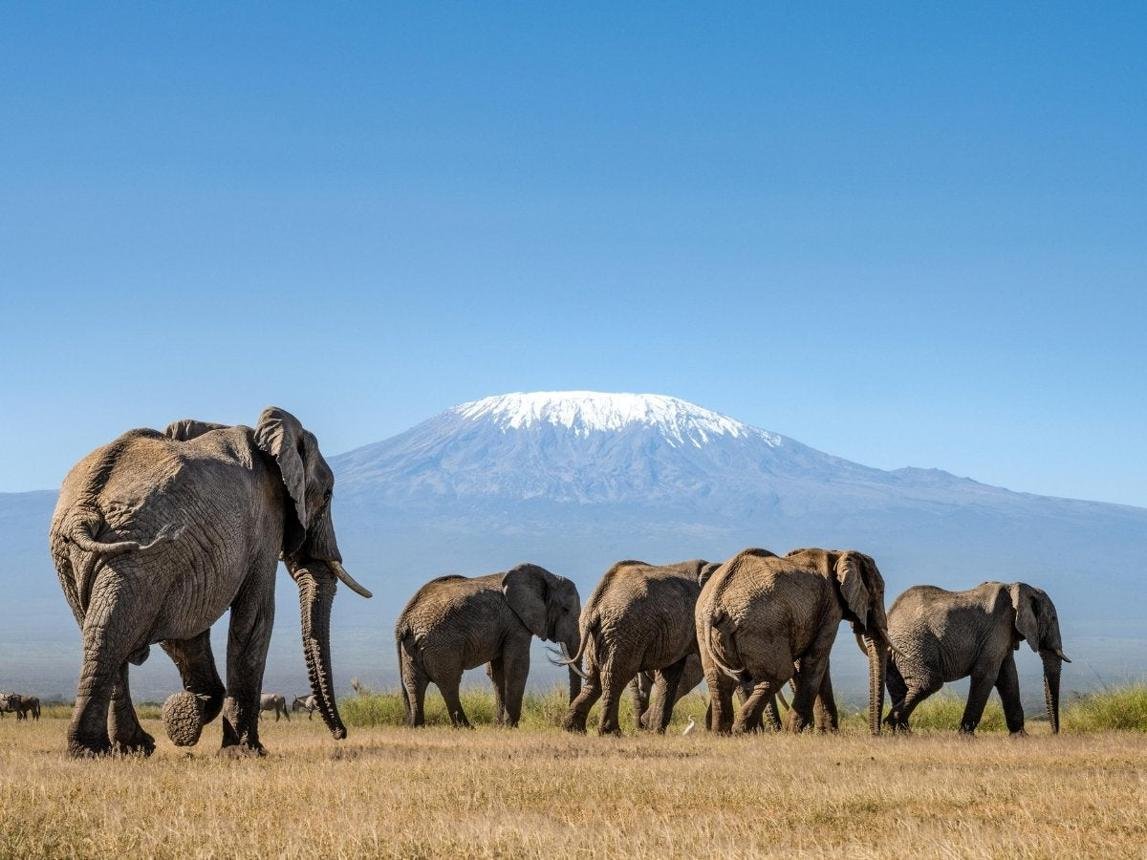
Planning a Kenya safari often means choosing between Amboseli National Park and the Masai Mara National Reserve. Both offer excellent wildlife viewing, beautiful landscapes and memorable game drives.
However, the Amboseli vs Masai Mara decision depends on your interests, budget and available travel time. Amboseli is famous for elephants and Mount Kilimanjaro. Meanwhile, the Masai Mara attracts visitors with its big cats, open grasslands and Great Migration.
At Zamunda Travels, we help travellers explore Kenya through private safari itineraries. This guide explains the differences so you can choose the right destination.
Quick answer: Masai Mara is generally better for first-time safari travellers seeking lions, cheetahs, leopards and diverse wildlife. Amboseli is better for elephant encounters, Mount Kilimanjaro views and shorter safaris from Nairobi. However, travellers with six or more days can combine both destinations for a more varied Kenya wildlife experience.
Amboseli vs Masai Mara: Key Differences
Amboseli National Park lies in southern Kenya, near the Tanzanian border. It covers approximately 392 square kilometres and features open plains, seasonal wetlands and acacia woodland.
The Masai Mara National Reserve lies in southwestern Kenya. It covers approximately 1,500 square kilometres and forms part of the larger Serengeti-Mara ecosystem.
Both destinations support diverse wildlife. However, their landscapes and main attractions differ considerably.
Amboseli is particularly suitable for travellers interested in elephants, photography and mountain scenery. Meanwhile, the Masai Mara offers excellent opportunities to observe predators and grazing animals.
Amboseli generally requires two to three nights for a rewarding safari. However, three to four nights in the Masai Mara allow more time to explore different wildlife habitats.
For example, a wildlife photographer might prefer Amboseli’s elephant herds. Someone hoping to observe predators may find the Masai Mara more rewarding.
Which Is Better for Wildlife, Amboseli or Masai Mara?
Wildlife viewing is usually the most important consideration when choosing a Kenya safari destination.
Both parks support large mammals and many bird species. However, the Masai Mara generally offers greater predator-viewing opportunities.
Wildlife in Amboseli National Park
Amboseli is one of Africa’s best-known destinations for observing wild elephants.
Large elephant families move between open grasslands and permanent swamps. Visitors can observe feeding, social interactions and protective behaviour around calves.
Other animals include buffaloes, zebras, giraffes, wildebeest, hippos and lions. Cheetahs and spotted hyenas also occur in the ecosystem.
Additionally, Amboseli supports more than 400 recorded bird species, according to Kenya Wildlife Service.
Our guides at Zamunda Travels recommend allowing enough time to observe elephant behaviour rather than rushing between sightings.
Wildlife in Masai Mara National Reserve
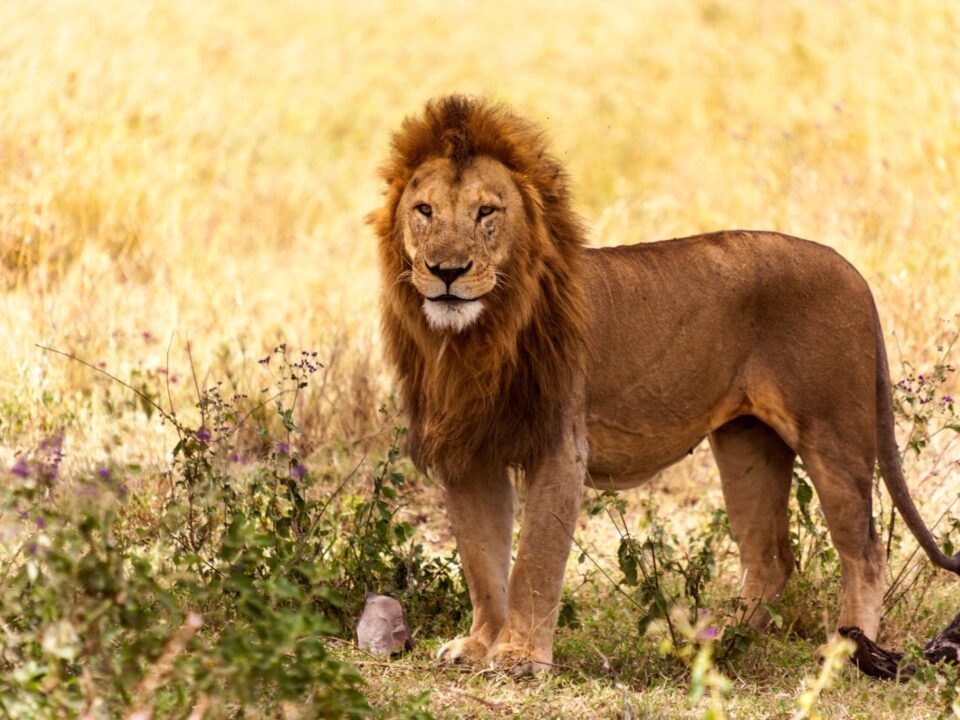
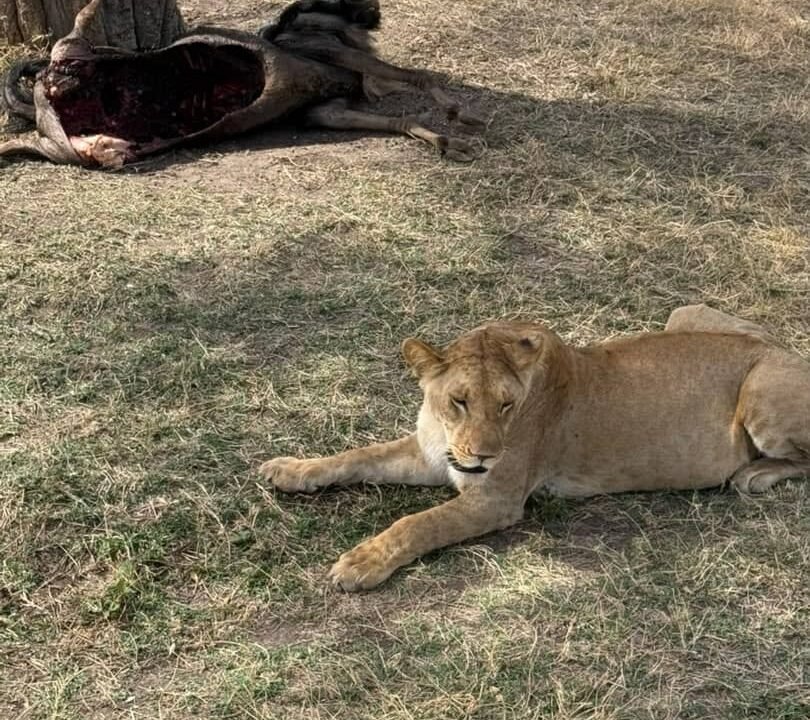
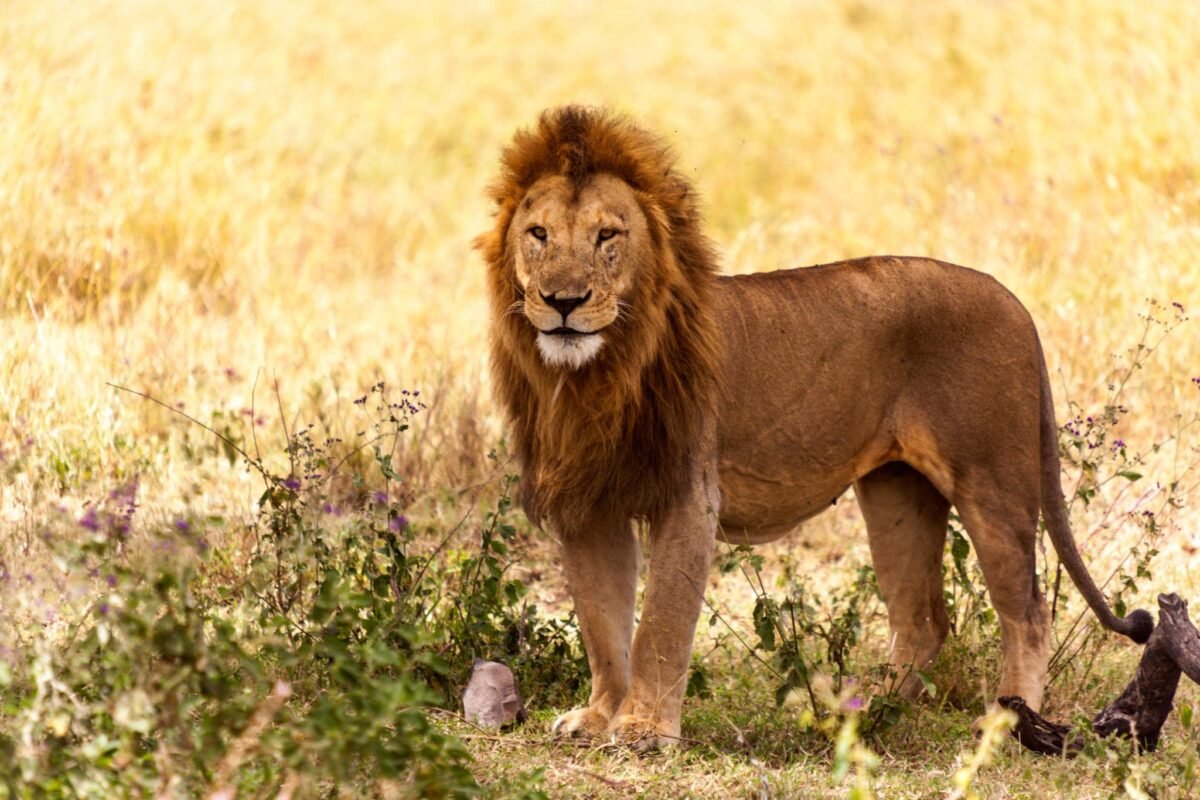
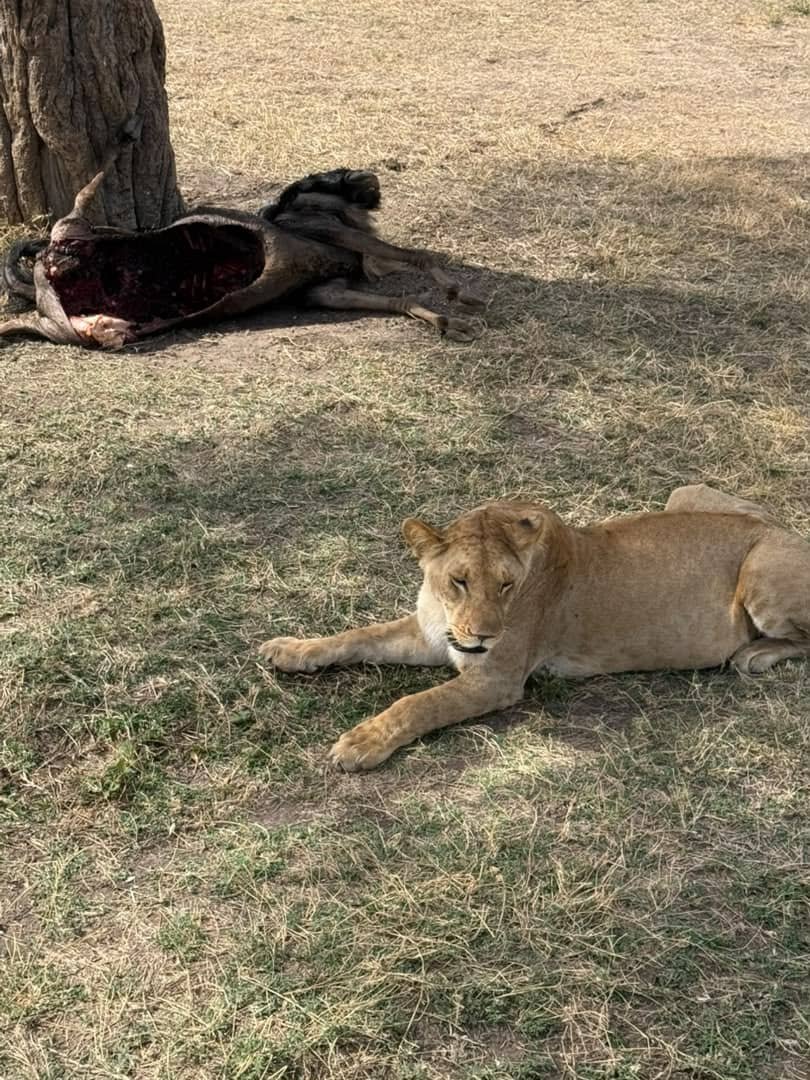
The Masai Mara is particularly famous for lions, cheetahs and leopards.
Its open grasslands offer excellent opportunities to observe predators. Meanwhile, riverine woodland provides suitable habitat for leopards.
Other animals include elephants, buffaloes, giraffes, zebras, topi, gazelles and wildebeest.
The reserve also supports black rhinos, although sightings remain uncommon.
Therefore, the Masai Mara is the stronger choice for travellers seeking varied wildlife encounters.
Nevertheless, no park guarantees sightings of particular animals.
Amboseli vs Masai Mara for the Great Migration
The Great Migration is one of the main reasons travellers choose the Masai Mara.
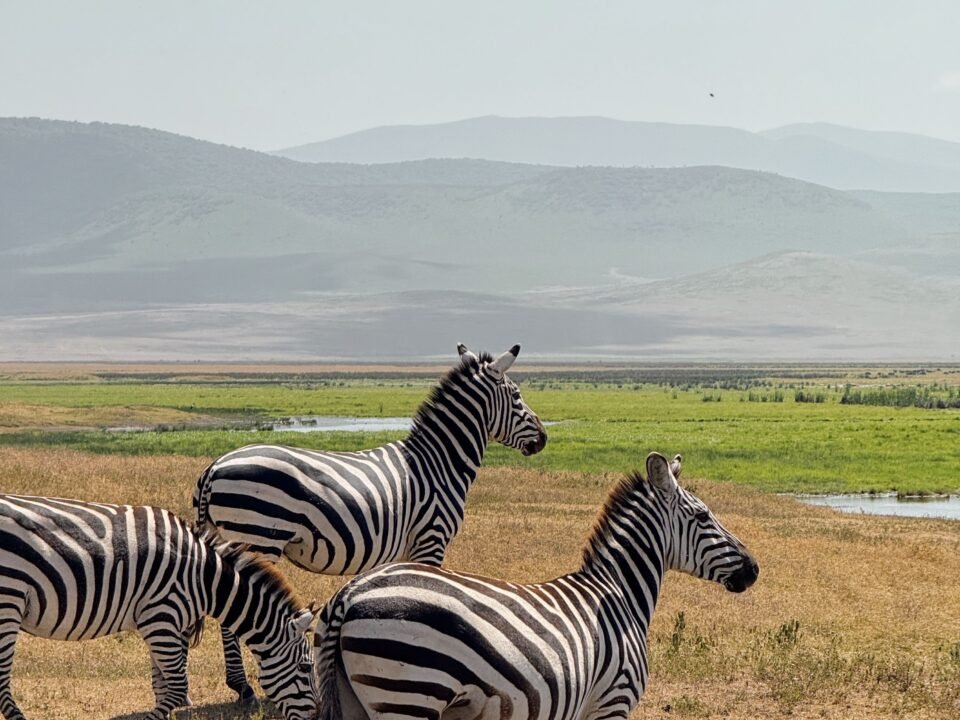
Every year, large herds of wildebeest and zebras move through the Serengeti-Mara ecosystem. Their movements depend on rainfall and grazing conditions.
The herds commonly reach the Kenyan Mara between July and October. However, exact arrival and departure dates vary.
During this period, visitors may witness animals crossing the Mara River.
These crossings attract considerable attention because crocodiles and strong currents create dangerous conditions.
However, river crossings cannot be scheduled or guaranteed.
Amboseli does not lie along this migration route. Instead, it offers resident wildlife viewing throughout the year.
If witnessing the migration is your priority, choose the Masai Mara. For elephants and quieter wildlife observation, Amboseli remains an excellent alternative.
Which Park Offers Better Scenery and Photography?
Both destinations provide excellent photographic opportunities. However, their landscapes create different experiences.
Amboseli: Elephants and Mount Kilimanjaro
Amboseli is famous for photographs of elephants beneath Mount Kilimanjaro.
Although the mountain stands in Tanzania, visitors can see it from Amboseli when conditions are clear.
Early mornings often provide the best viewing opportunities before clouds develop.
Additionally, the park’s swamps, dusty plains and open horizons create varied photographic backgrounds.
Observation Hill provides elevated views over surrounding wetlands and plains.
For photography enthusiasts, our guides recommend scheduling early game drives and allowing time for changing light.
Masai Mara: Predators and Open Grasslands
The Masai Mara offers rolling savannah, river valleys and broad grassland views.
Its landscapes provide excellent backgrounds for photographing lions, cheetahs and grazing animals.
Furthermore, early morning light creates favourable conditions for wildlife photography.
Photographers may also enjoy observing animal behaviour over extended periods.
However, patience remains essential because wildlife movements are unpredictable.
Photography verdict: Choose Amboseli for elephants and mountain scenery. Choose the Masai Mara for predators and varied wildlife action.
Best Time to Visit Amboseli and Masai Mara
Both destinations offer year-round safari opportunities. However, seasonal conditions affect wildlife viewing, road access and photography.
Best Time for Amboseli
January and February often provide relatively dry conditions.
June through October is another popular period for wildlife viewing.
During drier months, animals frequently gather around the park’s permanent swamps.
Additionally, clear mornings may offer excellent Kilimanjaro views.
March to May generally brings heavier rainfall. November and December often experience shorter rains, although patterns vary.
Rain can create greener scenery and excellent birdwatching opportunities.
Best Time for Masai Mara
July through October is especially popular because of the Great Migration.
However, resident wildlife remains throughout the year.
January and February can provide rewarding game drives with fewer migration-season visitors.
March to May usually brings more rainfall, which can affect some roads.
Nevertheless, greener landscapes and fewer vehicles may appeal to certain travellers.
At Zamunda Travels, we recommend selecting travel dates according to your wildlife priorities rather than relying only on peak-season popularity.
Amboseli vs Masai Mara Safari Cost
Safari costs depend on accommodation, transport, season, park fees and group size.
Amboseli can be more affordable for shorter road safaris. However, luxury accommodation can make either destination expensive.
Park Entry Fees in 2026
Kenya Wildlife Service lists Amboseli’s non-resident adult entry fee at USD 90 on its park information.
For the Masai Mara, published 2026 non-resident adult rates are USD 100 daily from January through June. The rate increases to USD 200 daily from July through December.
These figures exclude accommodation, vehicle charges and other safari services.
Rates change, so confirm current prices with Zamunda Travels.
Example Safari Budget Comparison
Consider two adults planning a private Kenya safari.
A three-day Amboseli safari usually requires two nights of accommodation, transport, park entry and game drives.
A four-day Masai Mara safari requires three nights and generally involves a longer road transfer.
Therefore, the Mara itinerary may cost more because of additional accommodation and park fees.
However, comparing daily prices alone can be misleading.
A good quotation should clearly explain accommodation, meals, vehicle arrangements, park fees and included game drives.
It should also identify optional activities and excluded expenses.
For a personalised quotation, contact Zamunda Travels with your dates, group size and preferred accommodation standard.
Travel Distance and Accessibility from Nairobi
Both destinations are accessible from Nairobi, Kenya’s main international arrival hub.
Travelling to Amboseli
Amboseli is approximately four to five hours from Nairobi by road under favourable conditions.
Actual journey times depend on the entrance gate, traffic and road conditions.
The route passes through southern Kenya toward the Tanzanian border.
Therefore, Amboseli works particularly well for travellers planning a short Kenya safari from Nairobi.
Travelling to Masai Mara
The Masai Mara generally requires approximately five to seven hours by road from Nairobi.
Travel times vary depending on your lodge, route and road conditions.
Domestic flights from Nairobi’s Wilson Airport provide another option.
However, flight schedules and luggage restrictions require advance planning.
For travellers with limited time, flying can reduce long road transfers.
Amboseli and Masai Mara Safari Itinerary
Combining both destinations provides excellent wildlife variety.
However, travellers should allow sufficient time for transfers and game drives.
Example: Six-Day Kenya Safari
Day 1: Nairobi to Amboseli
Depart Nairobi and travel to Amboseli. Enjoy an afternoon game drive if arrival and park-entry timing permit.
Day 2: Full-Day Amboseli Safari
Explore the plains and wetlands. Look for elephants, buffaloes, lions and birds. Photograph Kilimanjaro if skies are clear.
Day 3: Amboseli to Nairobi
Return to Nairobi. Spend the afternoon relaxing before continuing your safari.
Day 4: Nairobi to Masai Mara
Drive toward the reserve through the Great Rift Valley region. Enjoy an afternoon game drive when time allows.
Day 5: Full-Day Masai Mara Safari
Explore the grasslands in search of predators and grazing animals. Enjoy a picnic lunch during your game drive.
Day 6: Return to Nairobi
Enjoy breakfast before returning to Nairobi. Your safari ends with a hotel or airport transfer.
This itinerary includes two nights in Amboseli, one in Nairobi and two in the Mara.
However, seven or eight days would provide a more relaxed experience, especially for wildlife photographers.
Which Safari Is Better for Families and First-Time Visitors?
For first-time travellers, the Masai Mara generally offers greater wildlife variety.
Its predator populations and open grasslands create rewarding game-viewing opportunities.
However, Amboseli may suit families seeking shorter transfers and relaxed wildlife observation.
Children often enjoy watching elephants interacting in family groups.
Older travellers may also appreciate Amboseli’s relatively compact game-drive routes.
Nevertheless, comfort depends on accommodation location, vehicle quality and daily schedules.
Our guides at Zamunda Travels recommend private safaris for families who prefer flexible stops and rest periods.
Common Mistakes When Choosing a Kenya Safari
One common mistake is expecting guaranteed wildlife sightings.
For example, visitors sometimes assume that booking the migration season guarantees a river crossing.
However, wildlife follows natural movements rather than visitor schedules.
Another mistake is planning too many destinations within a short holiday.
Long transfers can reduce valuable game-viewing time.
Travellers should also avoid selecting accommodation based only on price.
A cheaper lodge far from the park entrance may increase daily travel time.
Finally, always confirm which park fees and activities your quotation includes.
Safari Safety, Health and Packing Tips
Both parks are established safari destinations. However, visitors must respect wildlife and follow park regulations.
Stay inside your vehicle unless your guide identifies an approved stopping area.
Never approach, feed or disturb wild animals.
Additionally, avoid standing or moving suddenly near elephants.
Pack neutral-coloured clothing, comfortable shoes, sunscreen, binoculars and a camera.
A light jacket is useful during cool morning game drives.
Amboseli can become dusty during dry periods. Therefore, carry protective covers for cameras and electronic equipment.
Before travelling, consult a qualified healthcare professional about malaria prevention and recommended vaccinations.
Also check Kenya’s current entry requirements and travel advisories before departure.
Which Kenya Safari Should You Choose?
The Amboseli vs Masai Mara decision depends on your travel priorities.
Choose Amboseli for elephants, Mount Kilimanjaro views and shorter wildlife holidays.
Choose the Masai Mara for predators, diverse wildlife and the seasonal Great Migration.
However, combining both parks offers a broader understanding of Kenya’s wildlife and landscapes.
Both destinations provide excellent opportunities to explore Kenya’s wildlife. Your choice should reflect your interests, available time and preferred safari experience.
Plan Your Kenya Safari with Zamunda Travels
At Zamunda Travels, we organise private Kenya safaris with professional guides, carefully selected accommodation and flexible itineraries.
Whether you prefer a short Amboseli holiday or a combined Kenya safari, we can help you plan according to your interests and budget.
Our team can assist with safari transportation, accommodation arrangements, park activities and personalised travel itineraries.
Explore Kenya with Zamunda Travels and discover the wildlife experiences that suit your travel plans.
Zamunda Travels Uganda Ltd
Explore. Experience. Remember.
Website: www.zamundatravels.com
Email: info@zamundatravels.com
WhatsApp: +256 704 705 606
Frequently Asked Questions About Amboseli and Masai Mara
1. Is Amboseli or Masai Mara better for a first safari?
The Masai Mara is generally better for first-time safari travellers seeking diverse wildlife. It offers excellent opportunities to observe lions, cheetahs, elephants and other animals. However, Amboseli is ideal for travellers interested in elephant families and Mount Kilimanjaro. Both destinations provide rewarding safari experiences throughout the year.
2. Which park has more wildlife, Amboseli or Masai Mara?
The Masai Mara generally offers greater opportunities to see varied large mammals and predators. Lions, cheetahs, leopards and grazing animals inhabit its grasslands. Amboseli also supports diverse wildlife, but elephants are its main attraction. Wildlife sightings in either park depend on season, habitat and animal movements.
3. Is Amboseli cheaper than Masai Mara?
Amboseli can be cheaper for a short safari from Nairobi because of its location and lower published non-resident entry fees. However, the total price depends on accommodation, season, transport and group size. Luxury Amboseli safaris can cost more than some Masai Mara packages. Always compare detailed quotations.
4. Can you visit Amboseli and Masai Mara on the same safari?
Yes, you can combine Amboseli and Masai Mara within one Kenya safari itinerary. Six days can cover both destinations, although seven or eight days provides a more relaxed experience. Travellers can travel by road through Nairobi or arrange suitable flights. Zamunda Travels can organise a private itinerary.
5. Can you see the Big Five in Amboseli and Masai Mara?
The Masai Mara supports all Big Five animals, although black rhino sightings are uncommon. Amboseli is known for elephants, buffaloes and lions, while leopards are difficult to spot. Rhinos are not currently resident in Amboseli National Park. Therefore, the Masai Mara offers a better opportunity to see all five.