Kenya Safari from Finland: A Complete Guide to Kenya Safari Holidays
November 10, 2026
Kenya Safari from Romania
November 10, 2026
Planning a Kenya safari from Greece offers an opportunity to explore some of Africa’s most remarkable wildlife destinations, from the open grasslands of the Masai Mara to the elephant habitats of Amboseli National Park. Kenya is home to lions, elephants, leopards, buffaloes, rhinos, giraffes, cheetahs and many other species that visitors can observe in their natural environments.
For travellers departing from Athens, Thessaloniki or elsewhere in Greece, a successful safari requires more than choosing a national park. Flight connections, travel dates, accommodation, wildlife seasons and the distances between destinations all influence the experience.
This guide explains how to organise a Kenya safari holiday from Greece, including the best wildlife destinations, travel requirements, expected costs and a practical itinerary for first-time visitors.
Can You Travel from Greece to Kenya for a Safari?
Yes. Greek travellers can visit Kenya for wildlife safaris throughout the year. Most journeys begin with an international flight to Nairobi, followed by a road transfer or domestic flight to the chosen safari destination.
A well-planned safari generally requires five to ten days in Kenya, depending on the number of parks, preferred accommodation and activities. Travellers with additional time can combine wildlife viewing with a beach holiday along Kenya’s Indian Ocean coast.
For first-time visitors, the Masai Mara and Lake Nakuru offer a practical combination of savannah wildlife and rhino viewing, while Amboseli is particularly attractive to travellers interested in elephants and views of Mount Kilimanjaro.
Best Kenya Safari Destinations for Travellers from Greece
Kenya’s national parks and wildlife reserves offer different landscapes, wildlife populations and safari experiences. Choosing the right destinations depends on what you want to see and how much time you have available.
1. Masai Mara National Reserve – Big Cats and the Great Migration
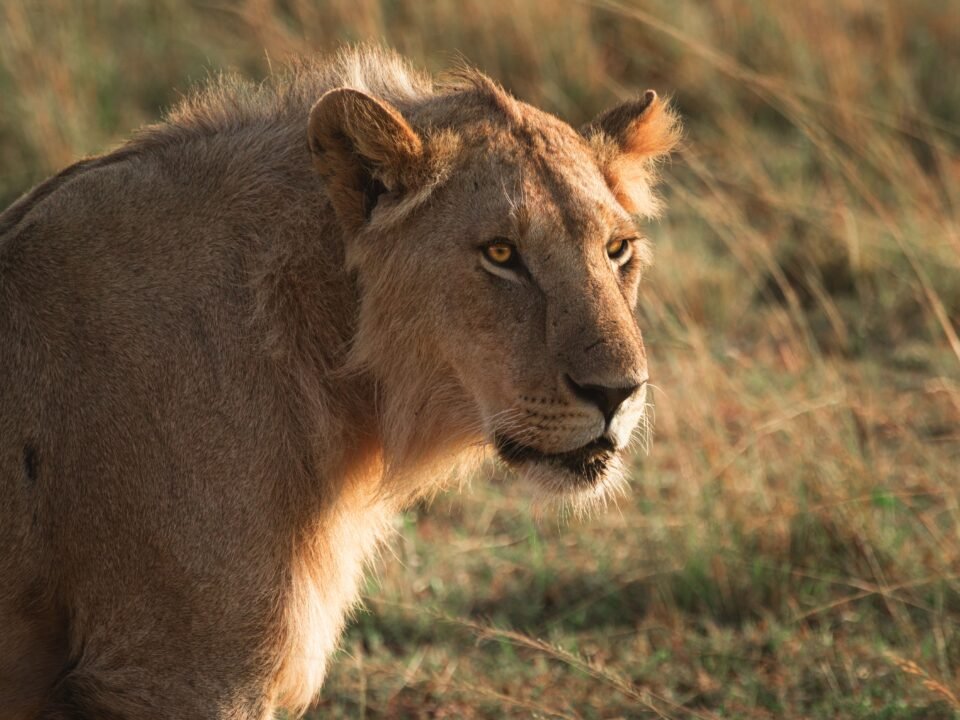
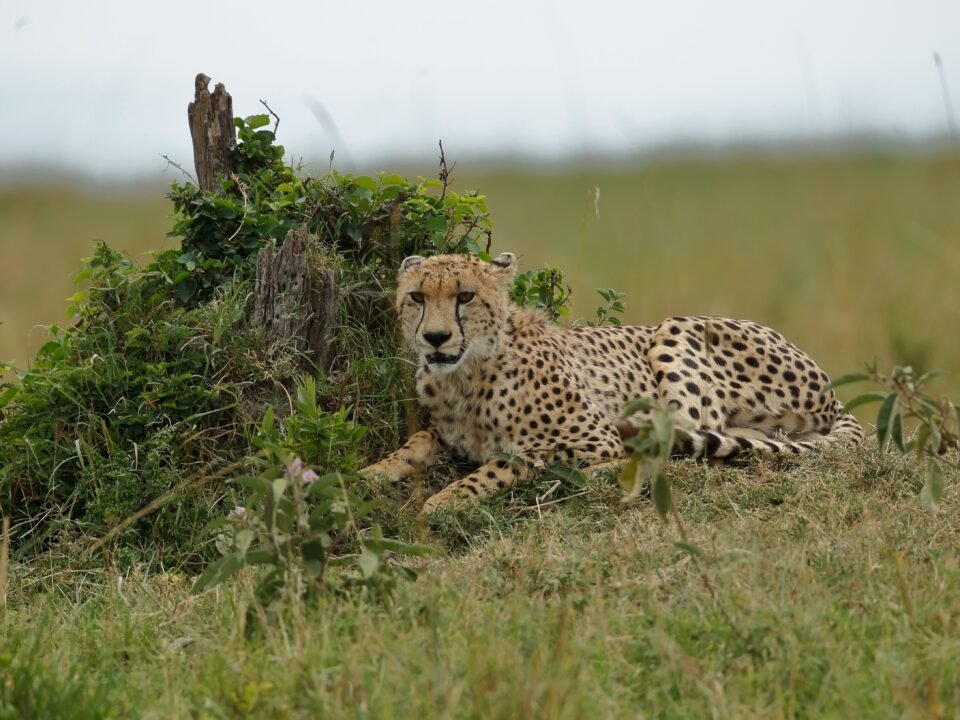
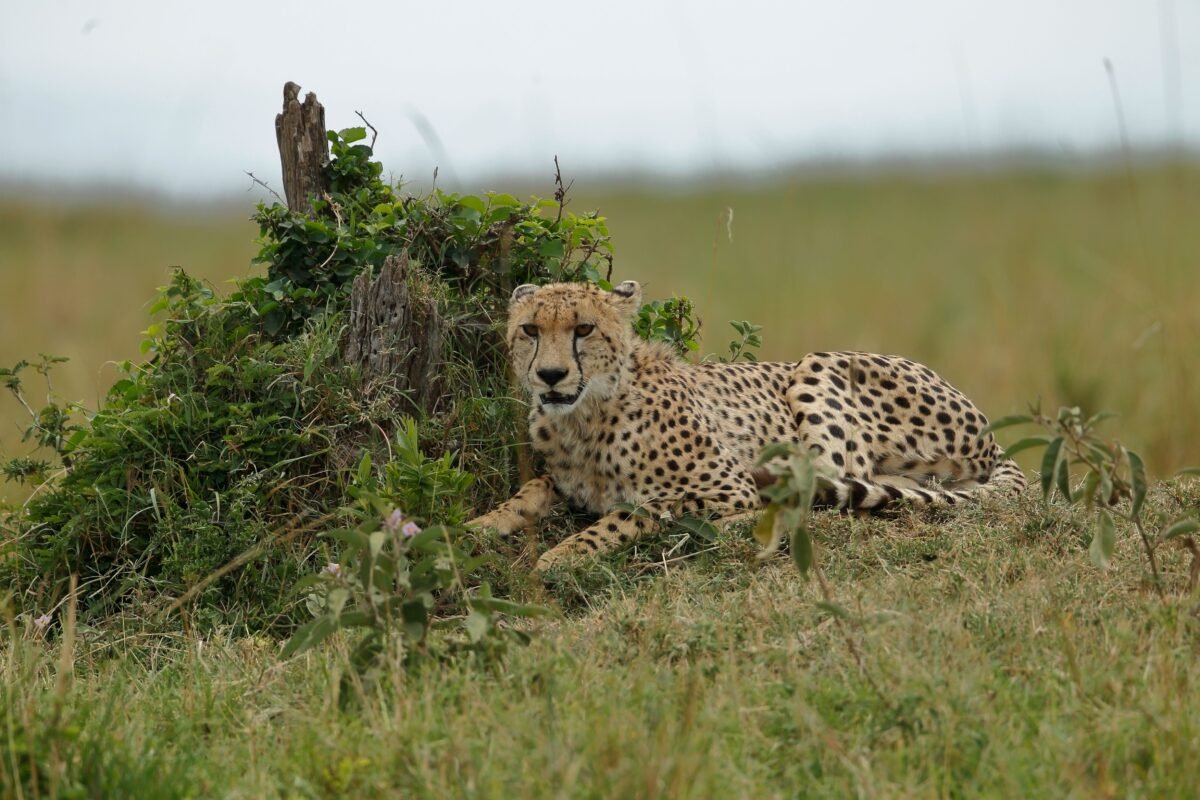
The Masai Mara National Reserve is one of Kenya’s leading wildlife destinations. Its grasslands support lions, cheetahs, elephants, buffaloes, giraffes, zebras, antelopes and numerous bird species.
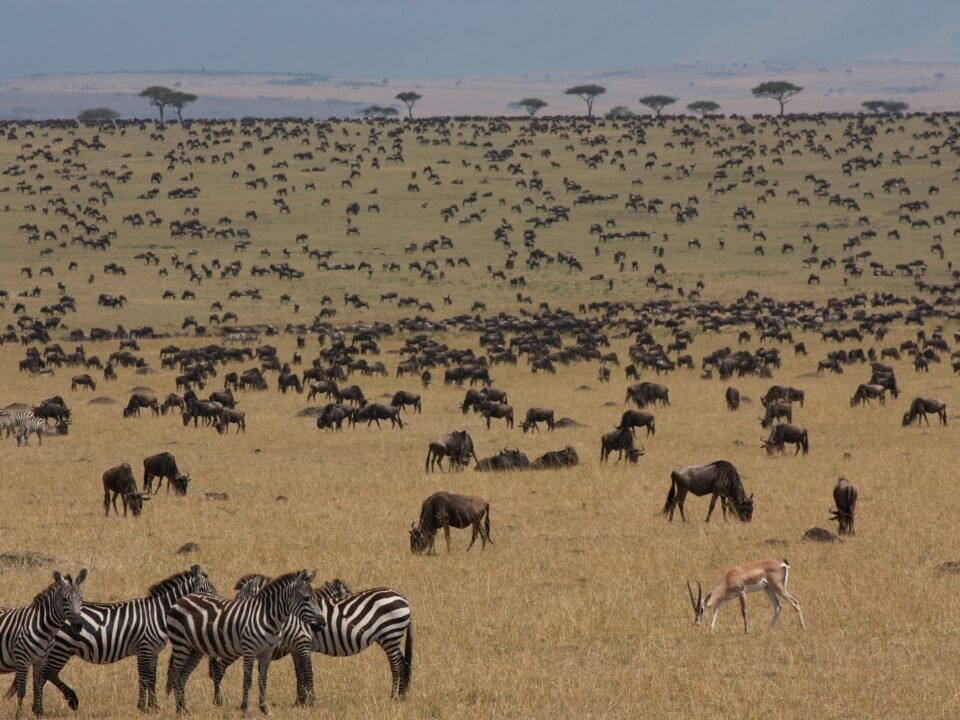
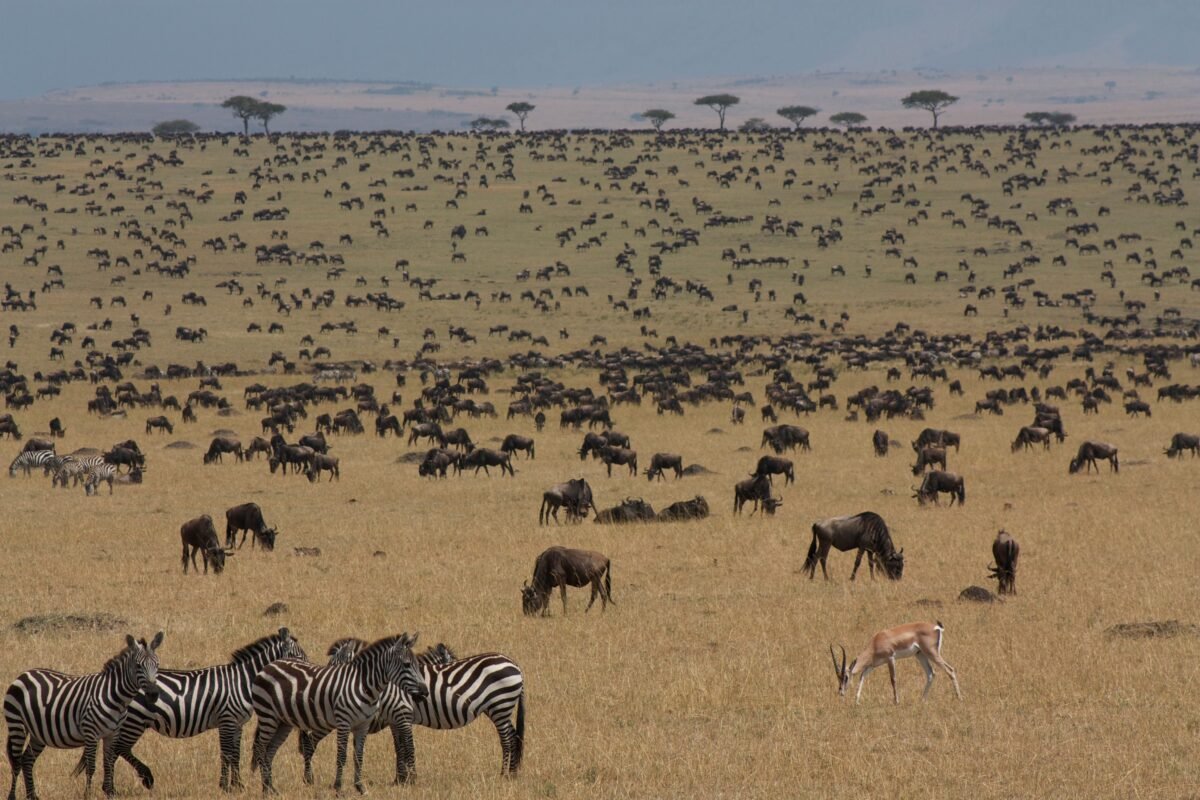
The reserve is especially well known for the Great Migration, when large herds of wildebeest and zebras move between Tanzania’s Serengeti ecosystem and the Masai Mara.
Migration movements vary according to rainfall and grazing conditions. River crossings are unpredictable, so visitors should never assume they will witness one simply because they travel during the migration season.
For travellers from Greece, spending at least two or three nights in the Masai Mara allows more time for morning and afternoon game drives.
Best for: Big cats, general wildlife viewing, migration-season safaris and wildlife photography.
2. Amboseli National Park – Elephants and Mount Kilimanjaro
Amboseli National Park is famous for its elephants and the possibility of seeing Mount Kilimanjaro rising beyond the plains.
The park’s open landscapes, seasonal wetlands and grasslands make it particularly rewarding for elephant photography. Visitors may also encounter buffaloes, zebras, wildebeest, giraffes, lions and various bird species.
Kilimanjaro is located in neighbouring Tanzania, and visibility depends on weather conditions. Early mornings often provide better opportunities for clear mountain views.
Amboseli is an excellent choice for Greek travellers who want to photograph elephants against a distinctive African landscape.
Best for: Elephants, landscape photography, birdwatching and family safaris.
3. Lake Nakuru National Park – Rhinos and Birdlife
Located in Kenya’s Rift Valley, Lake Nakuru National Park is particularly important for visitors hoping to see rhinos.
The park protects both black and white rhinos and also supports buffaloes, giraffes, zebras, waterbucks and numerous bird species.
Lake Nakuru is historically associated with large flamingo gatherings. However, flamingo numbers and distribution fluctuate with lake conditions, food availability and seasonal changes.
The park is a useful addition to a Masai Mara itinerary because it introduces a different habitat and improves the variety of wildlife experiences.
Best for: Rhino viewing, birdwatching and combining several habitats in one safari.
4. Samburu National Reserve – Northern Kenya’s Distinctive Wildlife
Samburu National Reserve offers a different safari experience from the southern grassland reserves.
Its semi-arid landscapes and the Ewaso Ng’iro River support wildlife adapted to northern Kenya’s conditions.
Visitors may encounter species such as Grevy’s zebra, reticulated giraffe, gerenuk, Beisa oryx and Somali ostrich. These animals make Samburu particularly appealing to travellers who have already visited other East African safari destinations.
The reserve also offers opportunities to learn about Samburu culture through appropriately organised community visits.
Best for: Distinctive northern wildlife, photography and less conventional safari itineraries.
5. Tsavo East and Tsavo West – Expansive Wilderness
Tsavo East National Park and Tsavo West National Park form part of one of Kenya’s largest protected landscapes.
Tsavo East is known for its broad plains, red soils and elephants that often appear reddish after dust bathing.
Tsavo West has more varied terrain, including volcanic landscapes, rocky hills and the freshwater springs at Mzima.
These parks work particularly well for travellers combining a safari with a stay around Mombasa, Diani Beach or Watamu.
Best for: Elephant viewing, varied landscapes, longer road safaris and coastal holiday combinations.
Which Kenya Safari Destination Should You Choose?
For a first safari, it is better to choose destinations based on your main interests rather than attempting to visit every famous park.
Travellers mainly interested in lions, cheetahs and large savannah wildlife populations should prioritise the Masai Mara. Those particularly interested in elephants and scenic photography may prefer Amboseli.
Lake Nakuru adds valuable rhino-viewing opportunities, while Samburu is especially suitable for visitors seeking species associated with northern Kenya.
For a seven-day safari, combining the Masai Mara with Lake Nakuru and one additional nearby destination is generally more comfortable than trying to include both Samburu and Amboseli.
The distances between Kenya’s parks can be substantial. Spending fewer hours transferring between destinations often means more time watching wildlife.
Best Time to Visit Kenya from Greece
Kenya offers wildlife viewing throughout the year, but rainfall, vegetation and visitor numbers influence the safari experience.
January to March – Warm Weather and Good Wildlife Viewing
January and February are often favourable months for safaris in several Kenyan parks.
Conditions are generally warmer and relatively dry in many safari regions, making wildlife easier to observe in open areas.
These months can be attractive to Greek travellers looking to escape the European winter.
April to May – Greener Landscapes and Fewer Visitors
April and May generally fall within Kenya’s long-rains period.
Rain can produce green landscapes and attractive photography conditions, but some roads and tracks may become muddy or difficult to use.
Certain lodges offer seasonal rates, although availability and accessibility should be checked carefully.
Travellers considering this period should choose accommodation and routes suited to wet-weather conditions.
June to October – Popular Safari Season
The period from June to October is widely regarded as one of Kenya’s most popular safari seasons.
Conditions are often relatively dry, and wildlife may be easier to locate where vegetation is less dense.
The Masai Mara’s migration season commonly attracts visitors between approximately July and October, although the exact timing of herd movements changes each year.
July and August also coincide with Greece’s summer holiday period, making these months convenient for many travellers.
However, popular camps and lodges can fill early, particularly in the Masai Mara.
November to December – Changing Conditions and Wildlife Opportunities
November often brings short rains to parts of Kenya, although rainfall varies considerably between regions.
The landscape becomes greener, and wildlife viewing remains possible.
December can be attractive for holiday travellers, but Christmas and New Year are popular travel periods and may attract higher accommodation rates.
Our recommendation: Choose July to October if the migration is your priority, or consider January and February for a general wildlife safari. The best month ultimately depends on the destinations and wildlife experiences you value most.
How to Travel from Greece to Kenya
Flights from Athens to Nairobi
Athens International Airport is a practical departure point for a Kenya safari.
Available connecting itineraries have included flights through Istanbul, Doha, Addis Ababa and Cairo. Airlines serving relevant connecting routes include Turkish Airlines, Qatar Airways, Ethiopian Airlines and EgyptAir.
Travellers should compare complete itineraries rather than selecting flights solely by ticket price.
Important considerations include connection duration, baggage allowance, arrival time in Nairobi and whether all flight segments are issued on one ticket.
A one-stop journey may take approximately 10–14 hours, although longer connections can increase total travel time considerably.
Flight schedules change, so confirm your preferred route with the airline before making final safari arrangements.
Travelling from Thessaloniki and Other Greek Cities
Travellers departing from Thessaloniki may need an additional connection through Athens or another international hub.
When comparing options, check whether a separate domestic flight is required and whether the connection provides enough time for baggage transfers.
If your international journey involves multiple tickets, allow additional time between flights.
Arriving in Nairobi
Most international safari travellers enter Kenya through Jomo Kenyatta International Airport in Nairobi.
From Nairobi, visitors can continue to safari destinations by road or domestic aircraft.
Some flights to wildlife reserves depart from Wilson Airport rather than Jomo Kenyatta International Airport. These are separate airports, so a transfer must be included in the itinerary.
For late-night arrivals, an overnight stay in Nairobi is often more comfortable than attempting a long road journey immediately after an international flight.
Kenya Entry Requirements for Greek Citizens
Greek passport holders planning a tourism visit to Kenya should check Kenya’s electronic travel authorisation requirements before departure.
Under Kenya’s published eTA rules reviewed in November 2026, Greece is not among the listed nationality exemptions. Greek citizens travelling on ordinary passports should therefore arrange the appropriate eTA before travelling.
Applications are made through the official Kenyan government platform:
Kenya Electronic Travel Authorisation
Applicants generally need a passport valid for at least six months, an available blank passport page, travel details, accommodation information and a payment method.
The Kenyan authorities indicate that processing typically takes around three working days but recommend applying at least two weeks before travel.
An approved eTA permits travel to Kenya but does not guarantee admission, which remains subject to immigration checks on arrival.
Travellers holding a passport other than a Greek passport should check the rules applicable to their nationality.
How Much Does a Kenya Safari from Greece Cost?
The total cost of a Kenya safari depends on travel dates, accommodation standards, group size, destinations and transport arrangements.
The following figures are illustrative planning budgets, not confirmed Zamunda Travels package prices.
Budget Safari
Indicative planning allowance: USD 180–280 per person per safari day.
A lower-cost safari may involve shared transport, simpler accommodation and carefully selected destinations.
It is important to confirm whether park entry fees, meals and transfers are included.
Midrange Safari
Indicative planning allowance: USD 300–500 per person per safari day.
Midrange safaris commonly feature comfortable lodges or tented camps, guided game drives and more flexible arrangements.
Private vehicle use can increase the cost, particularly for solo travellers or couples.
Luxury Safari
Indicative planning allowance: USD 600–1,200+ per person per safari day.
Luxury safaris may include high-end camps, premium locations, private guides and internal flights.
Rates can rise significantly during the migration season or at exclusive properties.
Additional Expenses to Consider
When preparing your budget, account for international return flights from Greece, eTA charges, travel insurance, gratuities, optional balloon safaris, drinks and personal expenses.
Confirm whether the quoted safari price includes park fees. These can be a significant expense, particularly when visiting multiple protected areas.
For example, the Kenya Wildlife Service’s published Amboseli information lists a non-resident adult conservation fee of USD 90. Such charges are subject to revision and should be checked before travel.
Greek travellers will usually pay for their safari in US dollars or another currency specified by the operator. Since Greece uses the euro, exchange-rate changes can affect the final amount paid.
Planning advice: Request a complete quotation showing accommodation, meals, park fees, vehicle arrangements, transfers and excluded expenses. This makes it easier to compare safari offers accurately.
Recommended 7-Day Kenya Safari Itinerary from Greece
This sample itinerary is designed for first-time visitors who want a manageable route and a varied wildlife experience.
It assumes arrival in Nairobi on Day 1 and departure from Nairobi on Day 7. International travel time from Greece is additional where necessary.
Day 1: Arrival in Nairobi
Arrive at Jomo Kenyatta International Airport, meet your safari representative and transfer to your hotel.
Depending on your arrival time, spend the remainder of the day relaxing or enjoying a short Nairobi excursion.
Overnight in Nairobi.
Day 2: Nairobi to Lake Nakuru National Park
After breakfast, travel towards Lake Nakuru through the Great Rift Valley region.
Arrive in time for an afternoon game drive, depending on traffic and departure time.
Look for rhinos, buffaloes, giraffes and birdlife around the park.
Overnight near Lake Nakuru.
Day 3: Lake Nakuru to Masai Mara
Depart for the Masai Mara after breakfast.
The road journey may take much of the day, depending on your accommodation location and road conditions.
After arrival, enjoy an afternoon game drive if time permits.
Overnight in the Masai Mara.
Day 4: Full-Day Masai Mara Safari
Spend the day exploring the reserve with your professional safari guide.
Search for lions, elephants, cheetahs, giraffes, zebras and other wildlife.
A full-day excursion with a packed lunch can allow exploration of more distant areas, while separate morning and afternoon drives may be preferable depending on wildlife conditions and camp location.
Overnight in the Masai Mara.
Day 5: Another Day Exploring the Masai Mara
Enjoy additional game drives in different parts of the reserve.
This second full day increases your chances of observing varied animal behaviour and allows more flexibility for photography.
An optional hot-air balloon safari may be arranged in advance, subject to availability, weather and additional charges.
Overnight in the Masai Mara.
Day 6: Return to Nairobi
Enjoy breakfast and return to Nairobi by road.
Depending on your chosen arrangements, a domestic flight may be an alternative.
Spend the evening at your Nairobi hotel.
Day 7: Departure for Greece
After breakfast, transfer to Jomo Kenyatta International Airport for your return journey.
The itinerary can be extended with Amboseli, Samburu or a coastal holiday if you have additional time.
Should You Choose a Private or Group Kenya Safari?
Private and group safaris offer different advantages.
A private safari provides greater flexibility over departure times, photography stops and the daily pace. It is particularly suitable for couples, families and travellers with specific wildlife interests.
A shared group safari can reduce transport costs because several guests use the same vehicle and guide.
However, group arrangements may involve fixed schedules and less flexibility.
For photography-focused travellers, a private safari vehicle can be worthwhile because positioning, viewing time and available space matter when photographing animals.
Before booking, ask how many passengers will share the vehicle, whether everyone has a suitable viewing position and whether the safari uses a 4×4 Land Cruiser or another appropriate vehicle.
At Zamunda Travels, itineraries can be planned around the traveller’s preferred destinations, accommodation category and available time.
Combining a Kenya Safari with a Beach Holiday
Greek travellers who have ten or more days available may consider combining wildlife viewing with a stay along Kenya’s Indian Ocean coast.
Popular coastal destinations include Diani Beach, Watamu and the Mombasa area.
Diani is known for its sandy beaches and coastal resorts, while Watamu offers marine activities and a quieter coastal setting in some areas.
A typical arrangement might include six or seven days of wildlife viewing followed by three or four days at the coast.
Domestic flights can reduce travel time, while road transfers may be practical for itineraries visiting Tsavo.
When planning this combination, consider the weather along the coast separately from safari conditions inland.
Health, Safety and Travel Insurance
Health Preparations
Before travelling, consult a qualified travel-health professional about recommended vaccinations and malaria prevention.
Kenya’s health authorities require yellow fever vaccination certificates from certain travellers arriving from countries with yellow fever transmission risk.
A traveller arriving directly from Greece without relevant exposure or transit would not normally face the same yellow fever certificate requirement as someone arriving from a risk country. However, the full travel route matters, so check requirements for any transit countries.
Carry necessary medication, use mosquito repellent and follow food and drinking-water precautions.
Travel Insurance
Comprehensive travel insurance is strongly recommended.
Choose a policy that covers medical emergencies, evacuation where appropriate, trip cancellation, baggage problems and planned safari activities.
If you intend to take a hot-air balloon flight or participate in other specialist activities, confirm that the policy covers them.
Wildlife Safety
Wild animals can be dangerous, even when they appear calm.
Always follow your guide’s instructions, remain inside the safari vehicle unless stopping in a designated safe area and avoid approaching or feeding wildlife.
Kenya Wildlife Service park rules also require visitors to remain on established roads and respect wildlife-viewing distances.
Responsible viewing protects both visitors and animals.
Common Mistakes to Avoid When Booking a Kenya Safari from Greece
Choosing Too Many Parks
Trying to visit the Masai Mara, Amboseli, Samburu and Tsavo in a short holiday can create an exhausting itinerary.
Choose a smaller number of destinations and allow enough time for game drives.
Booking Accommodation Too Far from Wildlife Areas
A lodge may appear attractive online but be located far from the main wildlife-viewing areas.
Ask about its location, the time needed to reach the park and any additional entry procedures or fees.
Assuming the Great Migration Is Guaranteed
Migration movements depend on environmental conditions, and river crossings cannot be scheduled.
Plan your safari around the wider wildlife experience rather than a single anticipated event.
Overlooking Flight Arrival Times
An inexpensive international flight may arrive late at night, making an immediate safari departure impractical.
Consider how arrival times affect accommodation and transfers.
Comparing Prices Without Checking Inclusions
Two safaris with similar itineraries may differ significantly in accommodation, vehicle quality, park fees and activities.
Ask for a detailed quotation before making a decision.
What to Pack for a Kenya Wildlife Safari
Kenya’s safari regions can be warm during the day and cool in the early morning, especially in higher-altitude areas.
Pack lightweight clothing in neutral colours, comfortable walking shoes, a warm layer for early game drives, a sun hat, sunglasses and sunscreen.
Binoculars are useful for observing distant wildlife. Photographers should carry appropriate camera equipment, spare batteries and sufficient memory cards.
Bring your passport, travel documents, insurance details and any necessary medication.
A soft-sided bag may be required if your itinerary includes small safari aircraft with restricted baggage allowances.
Why Plan Your Kenya Safari with a Local East African Operator?
A safari involves coordinating accommodation, wildlife destinations, transport, park arrangements and daily activities.
Working with an East African safari operator can help travellers understand how different destinations fit together and which routes suit their available time.
Zamunda Travels organises safari experiences across Kenya, Uganda, Rwanda and Tanzania, allowing travellers to explore individual countries or combine destinations within a longer East African holiday.
Whether you are interested in the Masai Mara’s big cats, Amboseli’s elephants or a private photographic safari, the itinerary can be developed around your travel dates, budget and preferred accommodation standard.
Planning the Right Kenya Safari from Greece
A Kenya safari from Greece is an opportunity to experience wildlife and landscapes very different from those found in Europe.
The Masai Mara offers exceptional opportunities to observe big cats and savannah wildlife, Amboseli is particularly rewarding for elephant viewing, and Lake Nakuru adds rhinos and varied birdlife.
For first-time travellers, a carefully planned seven-day safari provides a good introduction without requiring too many long transfers.
Choose your travel season, select destinations that match your interests and allow sufficient time in each park. Good planning will make a greater difference to your safari than simply visiting the largest number of destinations.
Plan Your Kenya Safari with Zamunda Travels
If you are planning a Kenya safari holiday from Athens, Thessaloniki or anywhere else in Greece, Zamunda Travels can help you organise a private safari based on your preferred travel dates, accommodation category and wildlife interests.
From classic Masai Mara game drives to Amboseli elephant safaris and extended East African itineraries, we can help you develop a practical travel plan.
Zamunda Travels Uganda Ltd — Beyond Expedition
Website: https://www.zamundatravels.com
Email: info@zamundatravels.com
WhatsApp: +256 704 705 606
Frequently Asked Questions About Kenya Safaris from Greece
1. Do Greek citizens need a visa to visit Kenya?
Greek citizens travelling on ordinary passports generally need an approved electronic travel authorisation (eTA) before travelling to Kenya. This is different from applying for a traditional tourist visa. Applications are submitted through Kenya’s official eTA website. Check the current requirements before departure because immigration policies and exemptions may change.
2. Are there direct flights from Greece to Kenya?
Available Athens-to-Nairobi itineraries generally involve at least one connection. Common connecting airports include Istanbul, Cairo, Addis Ababa and Doha. Travellers departing from Thessaloniki or other Greek cities may need an additional flight. Check airline schedules, total travel duration and baggage arrangements before booking.
3. How many days are enough for a Kenya safari?
Five to seven days can provide a rewarding introduction to Kenya’s wildlife, especially when visiting one or two main safari destinations. Seven to ten days allows more flexibility for additional parks and longer game drives. Travellers combining a safari with a coastal holiday should consider approximately ten to fourteen days.
4. What is the best month for Greek tourists to visit Kenya?
July to October is popular for dry-season wildlife viewing and the possibility of seeing migration herds in the Masai Mara. January and February are also attractive for general wildlife safaris. The ideal month depends on your chosen parks, budget, weather preferences and whether the Great Migration is a priority.
5. Can I see the Big Five on a Kenya safari?
Yes. Kenya is home to all five animals traditionally known as the Big Five: lion, leopard, elephant, buffalo and rhino. However, sightings are never guaranteed. Combining destinations such as the Masai Mara and Lake Nakuru can provide opportunities to observe a wider range of species, including rhinos.
6. Is Kenya suitable for a first African safari?
Yes. Kenya has established safari destinations, experienced guides and accommodation ranging from simple camps to luxury lodges. First-time visitors should select a manageable itinerary, travel with a knowledgeable guide, follow park safety rules and allow enough time to enjoy each destination rather than rushing between parks.
7. Can I combine Kenya with Uganda, Rwanda or Tanzania?
Yes. A multi-country East African safari can combine Kenya’s savannah wildlife with Tanzania’s Serengeti, Uganda’s mountain gorillas or Rwanda’s primate experiences. Additional countries require more travel time, separate entry arrangements and potentially extra flights. A carefully designed itinerary helps avoid unnecessary transfers and ensures enough time for each experience.