Tanzania Safari from the Czech Republic
November 23, 2026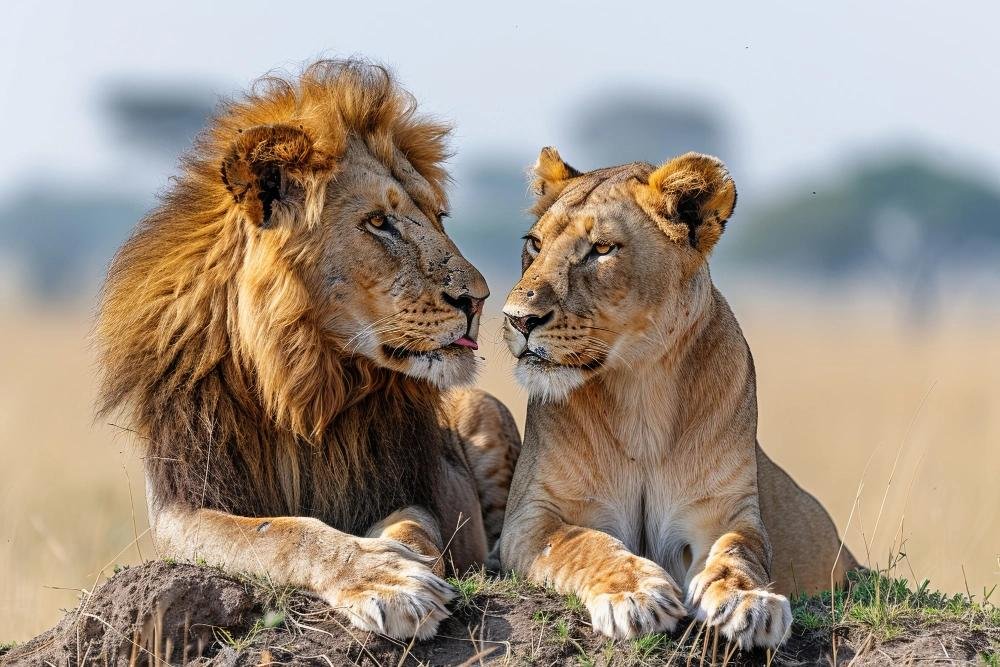
Planning a Tanzania safari from Hungary is an excellent way to explore East Africa’s wildlife, national parks and remarkable landscapes. From the open grasslands of Serengeti National Park to the wildlife-rich Ngorongoro Crater, Tanzania offers several different safari experiences.
For Hungarian travellers departing from Budapest, a successful safari begins with choosing suitable destinations, understanding international travel arrangements and allowing enough time for wildlife viewing.
Tanzania is particularly attractive for visitors interested in lions, elephants, giraffes, zebras, leopards and the Great Wildebeest Migration. However, each national park offers different habitats and wildlife opportunities.
This guide explains the best places to visit, when to travel, how to organise flights and accommodation, and what to consider before booking a Tanzania wildlife safari with Zamunda Travels Uganda Ltd.
Why Choose Tanzania for a Safari from Hungary?
Tanzania is one of Africa’s leading wildlife destinations, with extensive protected landscapes and several internationally recognised national parks.
For Hungarian travellers, a safari provides the opportunity to experience wildlife in natural habitats rather than controlled environments. Game drives take place in specially adapted safari vehicles, allowing visitors to observe animals while following park regulations.
Northern Tanzania is particularly suitable for first-time visitors because several important wildlife destinations can be combined within one itinerary.
The main attractions include Serengeti National Park, Ngorongoro Crater, Tarangire National Park and Lake Manyara National Park.
Together, these destinations offer different landscapes, wildlife populations and safari experiences.
A well-planned itinerary should consider the number of travel days available, the season and the animals visitors most want to see.
Best Places to Visit on a Tanzania Safari from Hungary
1. Serengeti National Park – Big Cats and the Great Migration
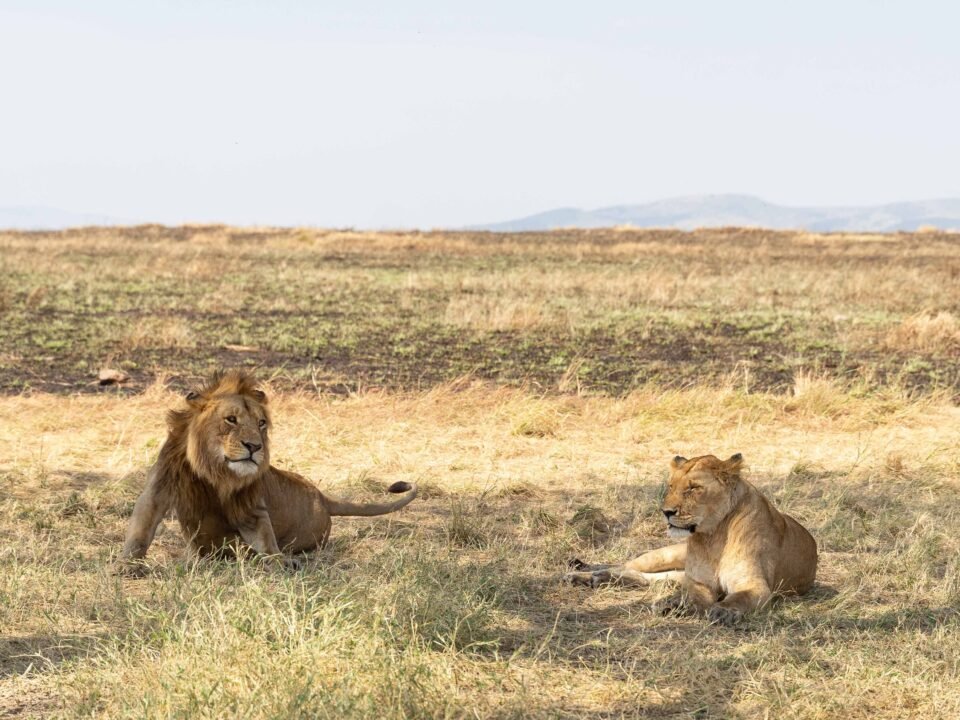
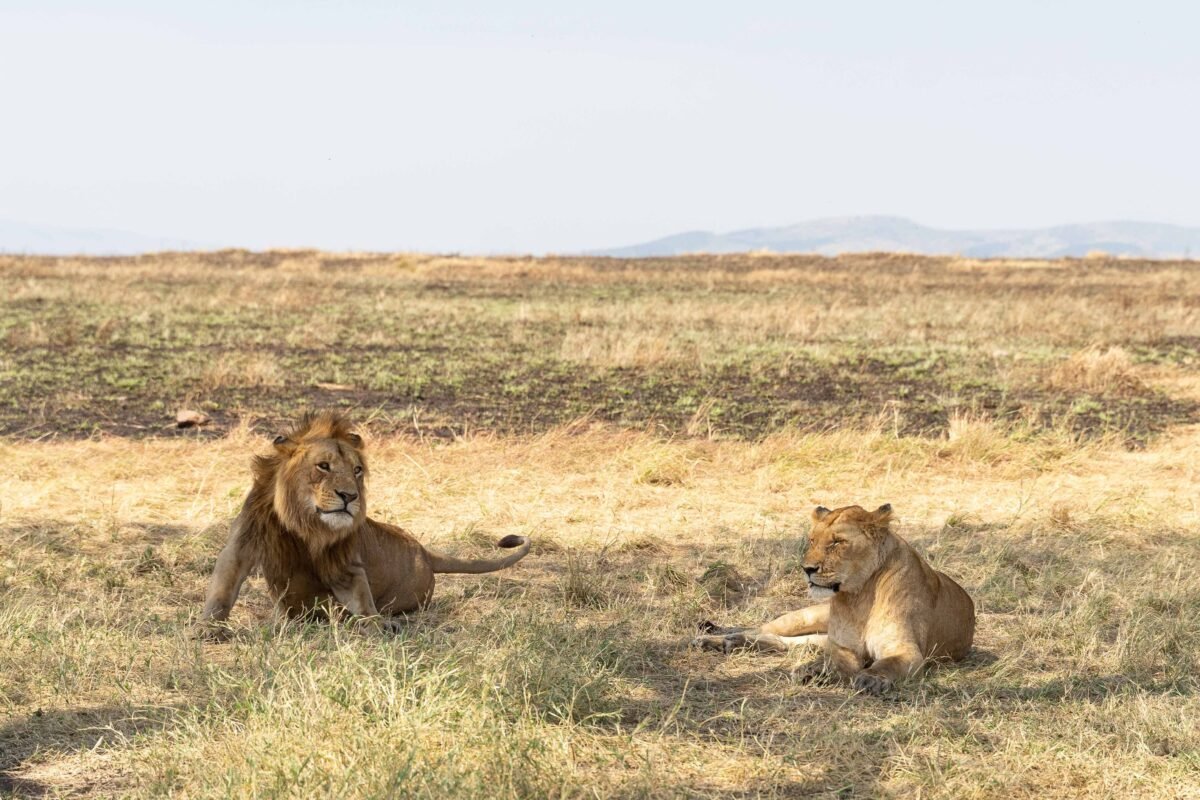
Serengeti National Park is one of Tanzania’s best-known wildlife destinations. Its extensive grasslands, rocky outcrops and woodland areas support a wide variety of mammals and birds.
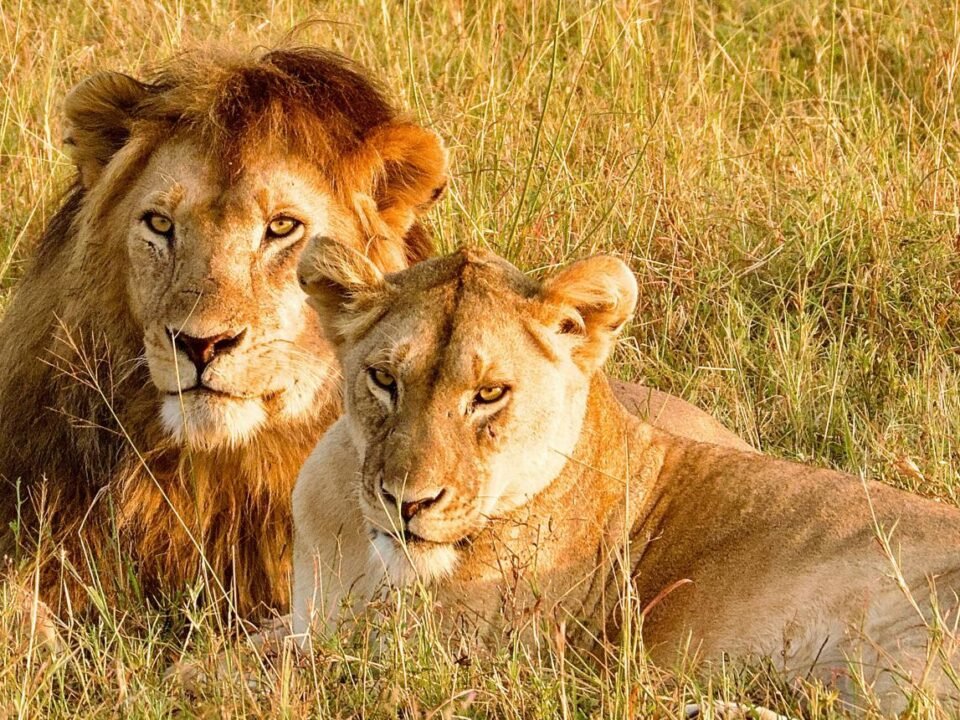
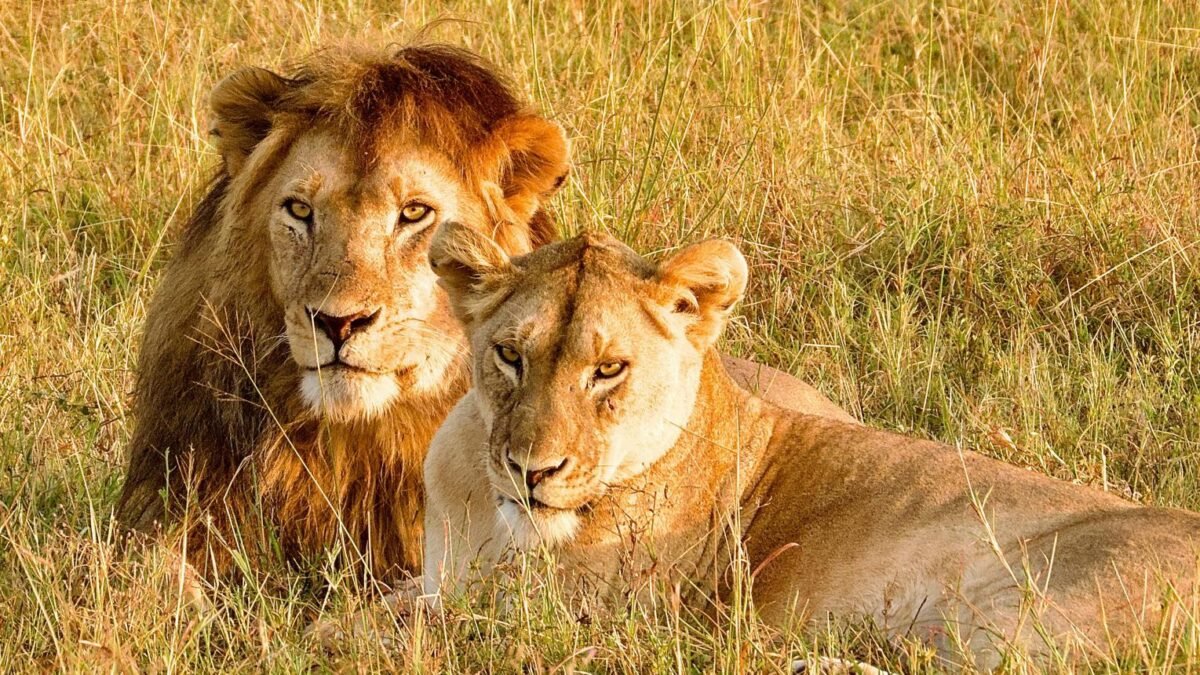
The park is particularly popular for sightings of lions, cheetahs, leopards, elephants, giraffes, buffaloes and large grazing herds.
One of its major attractions is the Great Wildebeest Migration, an annual movement of wildebeests and other grazing animals through the Serengeti ecosystem and neighbouring areas.
The movement depends on rainfall and available grazing. Consequently, the location of large herds changes throughout the year.
Visitors travelling during the migration season should choose accommodation according to the areas where wildlife is expected, rather than assuming all migration activity happens in one location.
The southern plains and neighbouring Ndutu area are associated with the calving season, while northern Serengeti is particularly popular with visitors hoping to observe migration activity near the Mara River.
However, river crossings cannot be guaranteed on a particular day.
The Serengeti is also worth visiting outside the main migration periods because resident wildlife remains present throughout the year.
For Hungarian visitors interested in wildlife photography, spending several nights in the Serengeti allows more time to explore different habitats and observe animal behaviour.
The Tanzania National Parks Authority provides information about Serengeti wildlife and visitor regulations at https://www.tanzaniaparks.go.tz/.
2. Ngorongoro Crater – Wildlife Inside a Volcanic Caldera
Ngorongoro Crater is another major attraction for visitors planning a Tanzania safari from Hungary.
Located within the Ngorongoro Conservation Area, the crater is a large volcanic caldera containing grasslands, woodland, wetlands and freshwater habitats.
Its varied environment supports elephants, buffaloes, zebras, wildebeests, lions, hyenas, hippos and several antelope species.
Ngorongoro is also an important destination for travellers hoping to see the endangered black rhinoceros.
However, sightings of rhinos and other animals depend on wildlife movements and conditions during the visit.
A typical crater experience involves descending from the highlands into the crater for a game drive.
Visitors can explore different habitats while observing wildlife against the surrounding crater walls.
Ngorongoro works particularly well as part of a northern Tanzania safari because it can be combined with Serengeti and other parks.
Travellers should allow enough time for the crater visit rather than treating it as a quick stop between destinations.
For official visitor information, consult the Ngorongoro Conservation Area Authority at https://www.ncaa.go.tz/.
3. Tarangire National Park – Elephants and Baobab Trees
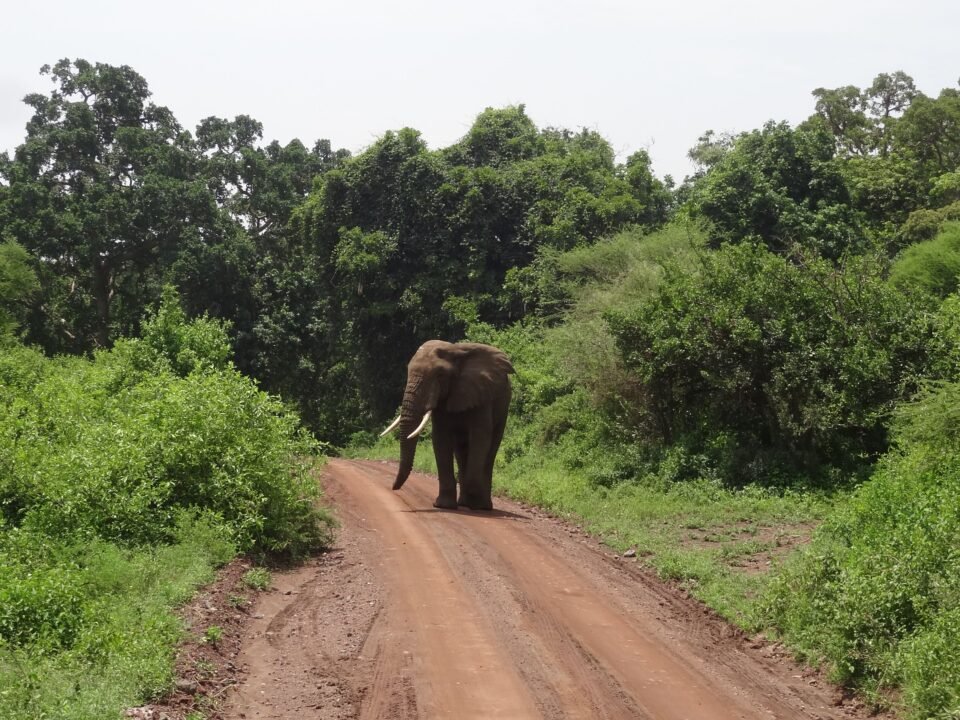
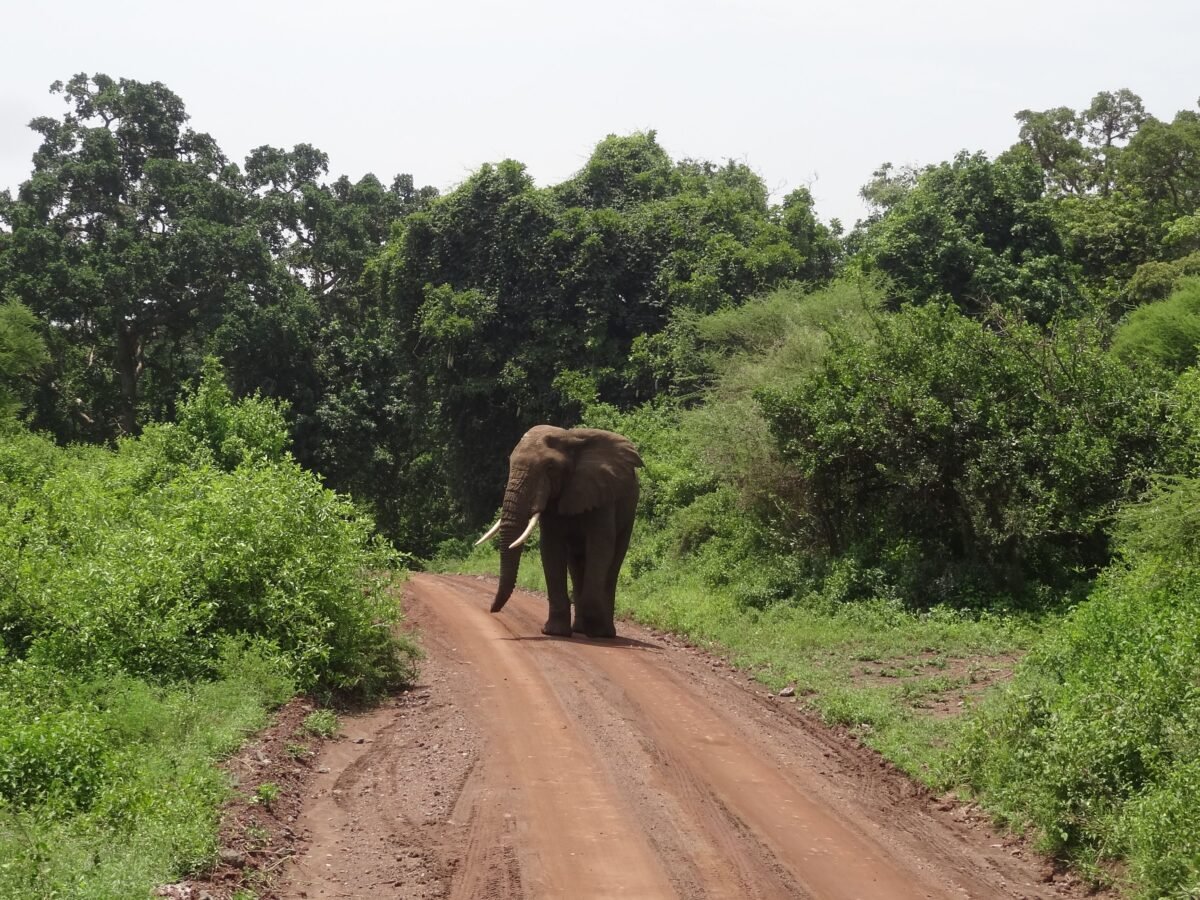
Tarangire National Park is an excellent choice for Hungarian visitors interested in elephants and distinctive African landscapes.
The park is known for its baobab trees, open woodland and the Tarangire River, which provides an important water source for wildlife.
During drier periods, animals may gather around reliable water sources, creating opportunities to observe elephants and other mammals.
Wildlife commonly associated with Tarangire includes giraffes, zebras, wildebeests, buffaloes, lions and several antelope species.
The park also supports diverse birdlife, making it appealing to visitors interested in birdwatching.
Unlike the broad grasslands of the Serengeti, Tarangire offers woodland scenery and river environments.
This difference makes it a useful addition to an itinerary that already includes Serengeti and Ngorongoro.
For a first safari, Tarangire can provide a valuable introduction to Tanzania’s wildlife before travelling towards the more distant Serengeti.
4. Lake Manyara National Park – Forests, Birdlife and Varied Habitats
Lake Manyara National Park offers a different safari environment from Tanzania’s larger savannah parks.
The park contains groundwater forest, woodland, grassland and lake-associated habitats.
Visitors may encounter elephants, giraffes, buffaloes, baboons and several bird species.
Lake Manyara is also associated with tree-climbing lions, although visitors should not assume they will see this behaviour during every game drive.
The park’s forest environment makes it particularly interesting for travellers who want to experience more than open savannah landscapes.
Birdwatchers may appreciate its wetland habitats and seasonal bird activity.
Lake Manyara can be included in a longer northern Tanzania itinerary or considered as an alternative to another park when travel time is limited.
However, travellers whose main priority is extensive big-cat viewing may prefer to allocate more time to Serengeti.
5. Nyerere National Park – A Different Safari Experience
Nyerere National Park offers another option for travellers who want to explore beyond Tanzania’s northern safari circuit.
Located in southern Tanzania, it is associated with the Rufiji River system and extensive wilderness habitats.
The destination is known for wildlife viewing and opportunities for boat-based safari activities where authorised and available.
Visitors may encounter elephants, buffaloes, hippos, crocodiles and several predator species.
However, Nyerere should generally be planned as part of a separate southern Tanzania itinerary rather than casually added to a short northern safari.
Travelling between distant safari regions can require substantial additional time or domestic flights.
For Hungarian travellers with limited holiday time, concentrating on one safari region is often more practical.
Which Tanzania National Parks Should Hungarian Travellers Combine?
The best park combination depends on the available time and wildlife interests.
For a first safari lasting approximately five to seven days, Serengeti, Ngorongoro and Tarangire provide a strong combination of wildlife habitats.
Serengeti offers extensive savannah landscapes and opportunities to observe big cats.
Ngorongoro provides a concentrated wildlife-viewing experience within a volcanic caldera.
Tarangire adds elephant habitats, baobab landscapes and a different ecological setting.
Travellers with additional time can consider Lake Manyara or extend their stay in Serengeti.
However, adding more destinations is not always the best approach.
Long transfers reduce the time available for wildlife viewing, particularly when travellers move accommodation every day.
A carefully planned safari with fewer parks may therefore offer a better experience than an itinerary covering many destinations too quickly.
Best Time to Visit Tanzania from Hungary
Tanzania offers wildlife viewing throughout the year, although seasonal conditions influence animal movements, vegetation and road conditions.
June to October – Generally Drier Conditions
June to October is commonly considered a favourable period for northern Tanzania safaris.
Vegetation may become less dense in some areas, and wildlife often concentrates around available water sources.
These conditions can make animal viewing easier in certain habitats.
The period is also popular with visitors interested in the northern Serengeti migration.
However, the exact timing of migration movements varies with rainfall.
Hungarian travellers considering summer holidays should book suitable accommodation well in advance, particularly when visiting popular safari areas.
November to December – Short-Rain Season
November and December are associated with seasonal rainfall in parts of northern Tanzania.
The landscape can become greener, and some wildlife areas may experience fewer visitors than during the busiest dry-season periods.
Rainfall patterns vary between years, so visitors should not assume every day will be wet.
This period can appeal to travellers interested in green landscapes, birdlife and photography.
January to March – Calving Season and Wildlife Photography
January to March can be particularly interesting in the southern Serengeti ecosystem and neighbouring Ndutu area.
The seasonal movement of grazing herds towards the southern plains creates opportunities to observe wildebeests and other animals.
Calving activity is commonly associated with this period, particularly around February, although its timing varies.
Predators may be active around concentrations of grazing animals.
For visitors interested in animal behaviour and photography, this season deserves consideration.
April to May – Wetter Conditions
April and May are generally associated with heavier seasonal rainfall in northern Tanzania.
Some roads may become muddy, and travel arrangements can require greater flexibility.
However, green landscapes and reduced visitor numbers in some areas may appeal to certain travellers.
Accommodation availability, seasonal closures and access conditions should be checked before confirming an itinerary.
The best month therefore depends on whether the visitor prioritises migration activity, photography, weather conditions or a particular wildlife experience.
How to Travel from Hungary to Tanzania
Hungarian travellers commonly begin their international journey from Budapest Ferenc Liszt International Airport.
For a northern Tanzania safari, Kilimanjaro International Airport is a practical arrival airport because it serves the Arusha region.
Arusha is an important starting point for safaris visiting Tarangire, Lake Manyara, Ngorongoro and Serengeti.
International flight arrangements may involve connecting through major aviation hubs outside Hungary.
However, airlines, connection points, flight durations and schedules change.
Travellers should compare available flights for their actual travel dates rather than relying on a fixed route.
When comparing flights, consider the total journey duration, transit requirements, baggage allowances and arrival time.
Arriving late in the evening may make an overnight stay near Arusha more suitable than beginning a long road transfer immediately.
Similarly, international departure times should influence the final safari day.
A safari itinerary should leave sufficient time for airport transfers and unexpected travel delays.
Tanzania Visa Requirements for Hungarian Citizens
Hungarian passport holders travelling to Tanzania for tourism generally require a visa.
According to Tanzania Immigration Services, Hungarian nationals are eligible to apply for an electronic visa or obtain a visa on arrival.
The official ordinary tourist visa fee listed in November 2026 is USD 50, with validity of up to 90 days. This is the government visa fee, not the cost of a safari package.
Travellers should verify the requirements again before departure because immigration regulations may change.
Tanzania Immigration Services also states that visa applicants should have a passport valid for at least six months and at least one unused visa page.
Visitors should have a return or onward ticket and be prepared to satisfy other entry requirements.
The official electronic visa portal is https://visa.immigration.go.tz/.
Applying through the official government portal is preferable to relying on unfamiliar third-party websites.
Travellers who are residents of Hungary but hold passports from another country must check the rules for their actual nationality.
Health and Travel Insurance for a Tanzania Safari
Before travelling from Hungary to Tanzania, visitors should arrange a consultation with a qualified travel-health professional.
Malaria is an important health consideration in Tanzania, although the level of risk varies by location.
A healthcare professional can advise on suitable malaria prevention, vaccinations and personal medical needs.
Visitors should also take precautions against mosquito bites, including appropriate clothing and insect repellent.
Yellow fever documentation requirements can depend on the countries visited or transited through before arrival in Tanzania.
Travellers should therefore check their complete international flight route before departure.
The World Health Organization provides travel-health information at https://www.who.int/.
Comprehensive travel insurance is also strongly recommended.
The policy should cover medical treatment, emergency evacuation, travel disruption and the activities included in the safari.
Visitors should confirm the policy’s geographical coverage and exclusions before purchasing it.
How Many Days Are Enough for a Tanzania Safari?
For most first-time visitors from Hungary, a safari lasting six to eight days offers a reasonable balance between wildlife viewing and travel time.
However, the ideal duration depends on the parks selected.
Four to Five Days
A shorter safari can focus on Tarangire, Ngorongoro and possibly Lake Manyara.
This option is suitable for travellers with limited time.
Including Serengeti may be possible, but it can create a demanding road itinerary.
Six to Eight Days
This duration is a strong option for a first northern Tanzania safari.
Visitors can combine Tarangire, Ngorongoro and Serengeti while allowing more time for game drives.
It also provides flexibility for accommodation choices and travel arrangements.
Nine to Twelve Days
A longer safari allows visitors to spend additional nights in selected parks.
This may be particularly useful for wildlife photographers or travellers interested in observing animal behaviour.
Extra days can also support a Zanzibar extension, although beach time should be treated separately from safari days.
For Hungarian travellers, international travel days should be added when calculating the total holiday duration.
Suggested Seven-Day Tanzania Safari Itinerary from Hungary
The following is an illustrative itinerary rather than a confirmed Zamunda departure. Actual travel times, accommodation and activities must be confirmed for the chosen dates.
Day 1: Arrival at Kilimanjaro International Airport
Arrive in Tanzania and transfer to accommodation in or near Arusha.
Depending on the flight arrival time, spend the remainder of the day resting and preparing for the safari.
Overnight in Arusha.
Day 2: Arusha to Tarangire National Park
After breakfast, travel towards Tarangire National Park.
Enjoy a game drive through areas known for elephants, baobab trees and varied wildlife habitats.
Spend the night in suitable accommodation near Tarangire or along the northern safari circuit.
Day 3: Transfer Towards Serengeti National Park
Travel towards Serengeti through the northern Tanzania safari region.
The journey can involve substantial driving, so departure time and accommodation location are important.
Depending on the route and arrival time, enjoy wildlife viewing before reaching the lodge or camp.
Overnight in Serengeti.
Day 4: Full-Day Serengeti Safari
Spend the day exploring selected areas of Serengeti National Park.
Wildlife interests and seasonal conditions should guide the game-drive route.
Look for lions, cheetahs, leopards, giraffes, elephants and grazing animals.
Overnight in Serengeti.
Day 5: Serengeti Wildlife Viewing and Transfer to Ngorongoro
Enjoy additional wildlife viewing before beginning the journey towards Ngorongoro.
The drive requires careful planning because the distance and road conditions can make it a long travel day.
Arrive at accommodation near the Ngorongoro highlands.
Overnight near Ngorongoro.
Day 6: Ngorongoro Crater Game Drive
After an early breakfast, travel to the crater access point for a game drive.
Explore the crater’s grasslands, wetlands and other wildlife habitats.
Animals that may be encountered include buffaloes, zebras, elephants, lions, hippos and various antelope species.
Return to accommodation in the Karatu area or another suitable location after the visit.
Day 7: Return to Arusha or Kilimanjaro Airport
After breakfast, travel back towards Arusha or Kilimanjaro International Airport.
Airport transfers should be arranged according to the confirmed international flight schedule.
If departure is early, an additional overnight stay may be necessary.
This itinerary is best suited to travellers comfortable with several long road transfers. Visitors seeking a slower pace should consider adding at least one extra day.
How Much Does a Tanzania Safari from Hungary Cost?
The cost of a Tanzania safari depends on the duration, travel season, accommodation category, transport arrangements and number of travellers.
International flights from Budapest are another important consideration.
A private safari for two people may cost more per person than a larger group sharing transport and guiding expenses.
Accommodation also affects the total cost.
Budget camping, mid-range lodges and luxury tented camps provide different levels of comfort and service.
Staying inside or close to major wildlife areas can reduce some daily transfers, but may increase accommodation and applicable park-related charges.
Tanzania National Parks Authority publishes official park tariffs at https://www.tanzaniaparks.go.tz/.
Visitors should check whether their quotation includes park entrance fees, accommodation, meals, drinking water, private transport, guiding services and applicable taxes.
Additional expenses may include international flights, visa fees, gratuities, travel insurance and optional activities.
A clear written quotation is more useful than comparing headline package prices without examining what is included.
Zamunda Travels Uganda Ltd can prepare a customised Tanzania safari proposal based on the traveller’s dates, group size, preferred accommodation and wildlife interests.
Choosing Safari Accommodation in Tanzania
Tanzania offers different accommodation styles, ranging from simple camping facilities to established safari lodges and tented camps.
Budget accommodation may suit travellers who prioritise wildlife viewing over additional facilities.
Mid-range lodges generally offer private rooms or tents, meals and comfortable surroundings.
Luxury properties may provide more spacious accommodation, additional services and distinctive locations.
However, accommodation location can matter as much as the category.
A lodge far from the intended game-drive area may require more time on the road.
Travellers interested in early wildlife activity should consider where they will sleep in relation to the areas they hope to explore.
Before booking, ask about bathroom facilities, meal arrangements, electricity, charging points and accessibility requirements.
Common Mistakes to Avoid When Planning a Tanzania Safari
Trying to Visit Too Many Parks
Including several distant destinations in a short itinerary can leave insufficient time for wildlife viewing.
Choose parks according to the number of days available rather than the number of attractions advertised.
Booking Flights Before Considering the Safari Route
International flight arrival and departure times influence the safari schedule.
A late arrival or early departure may require additional accommodation.
Plan the route and flight arrangements together.
Expecting Guaranteed Wildlife Sightings
Wild animals move freely, and sightings cannot be guaranteed.
Even during popular migration periods, specific events such as river crossings remain unpredictable.
Allowing sufficient time in suitable habitats improves the opportunity to observe wildlife without promising a particular encounter.
Comparing Prices Without Checking Inclusions
Two safari packages may have similar prices but very different arrangements.
Check accommodation standards, park fees, meals, vehicle sharing and optional activities.
Ignoring Seasonal Conditions
Rainfall, vegetation and wildlife movement vary throughout the year.
Choose travel dates according to your main interests and discuss seasonal trade-offs before confirming accommodation.
Planning Your Tanzania Safari with Zamunda Travels Uganda Ltd
Zamunda Travels Uganda Ltd is an East African safari operator arranging wildlife travel across Tanzania, Uganda, Rwanda and Kenya.
For travellers from Hungary, the company can help develop a Tanzania safari itinerary based on preferred destinations, available travel dates and accommodation requirements.
A suitable proposal should explain the planned route, overnight locations, activities and package inclusions.
Whether your interests include Serengeti’s big cats, elephants in Tarangire or wildlife inside Ngorongoro Crater, the itinerary should allow enough time to enjoy the selected destinations.
Travellers can also discuss longer East African safari arrangements when their holiday schedule allows.
Planning a Tanzania Wildlife Holiday from Hungary
A Tanzania safari from Hungary offers the opportunity to explore some of East Africa’s most important wildlife landscapes.
Serengeti National Park is particularly attractive for big cats and the Great Migration, while Ngorongoro Crater offers varied wildlife within a distinctive volcanic setting.
Tarangire provides excellent elephant habitats and baobab scenery, while Lake Manyara adds forests, birdlife and different ecological environments.
For most first-time visitors, combining a few carefully selected parks is preferable to rushing through a longer list of destinations.
Choosing suitable travel dates, allowing realistic transfer times and understanding package inclusions will help create a more rewarding safari.
For a personalised Tanzania safari itinerary and quotation, contact Zamunda Travels Uganda Ltd.
Zamunda Travels Uganda Ltd
Website: https://www.zamundatravels.com
Email: info@zamundatravels.com
WhatsApp: +256 704 705 606
Beyond Expedition
Frequently Asked Questions About Tanzania Safaris from Hungary
1. Do Hungarian citizens need a visa to visit Tanzania?
Yes. Hungarian citizens travelling on ordinary Hungarian passports generally need a tourist visa for Tanzania. According to Tanzania Immigration Services, Hungarian nationals can apply online or obtain a visa on arrival. The ordinary tourist visa fee listed in November 2026 is USD 50. Travellers should check current requirements through the official immigration portal before departure.
2. What is the best time to visit Tanzania from Hungary?
June to October is a popular period because conditions are generally drier in northern Tanzania. However, January to March can be particularly interesting for wildlife activity around the southern Serengeti ecosystem. The best time depends on whether visitors prioritise migration movements, photography, landscapes or particular wildlife species.
3. How many days should Hungarian travellers spend on a Tanzania safari?
Six to eight safari days is a practical starting point for a first visit to northern Tanzania. This allows time to combine Serengeti, Ngorongoro and Tarangire without making every day a transfer day. Travellers should also allow separate time for international flights from Hungary and any additional destinations.
4. Can I travel from Budapest to Tanzania for a safari?
Yes. Travellers can plan an international journey from Budapest to Tanzania using available airline connections. Kilimanjaro International Airport is a practical arrival point for northern safari itineraries. Actual routes, transit points and schedules depend on the travel dates, so flights should be checked before confirming the safari arrangements.
5. Which is better for wildlife viewing: Serengeti or Ngorongoro Crater?
Both are excellent destinations, but they offer different experiences. Serengeti provides extensive savannah habitats, big-cat viewing opportunities and seasonal migration activity. Ngorongoro Crater offers varied wildlife within a relatively concentrated volcanic landscape. Combining both destinations is a strong option when the itinerary allows sufficient time.
6. Can I combine a Tanzania safari with Zanzibar?
Yes. A Tanzania safari can be combined with a Zanzibar beach holiday, usually by arranging suitable domestic flight connections. Travellers should allow additional days rather than reducing wildlife-viewing time excessively. Zanzibar-specific entry and insurance requirements should also be checked before booking because they may differ from mainland arrangements.