Best Time to Visit Amboseli National Park
November 3, 2026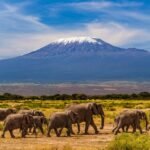
Amboseli National Park Safari Cost and Packages
November 3, 2026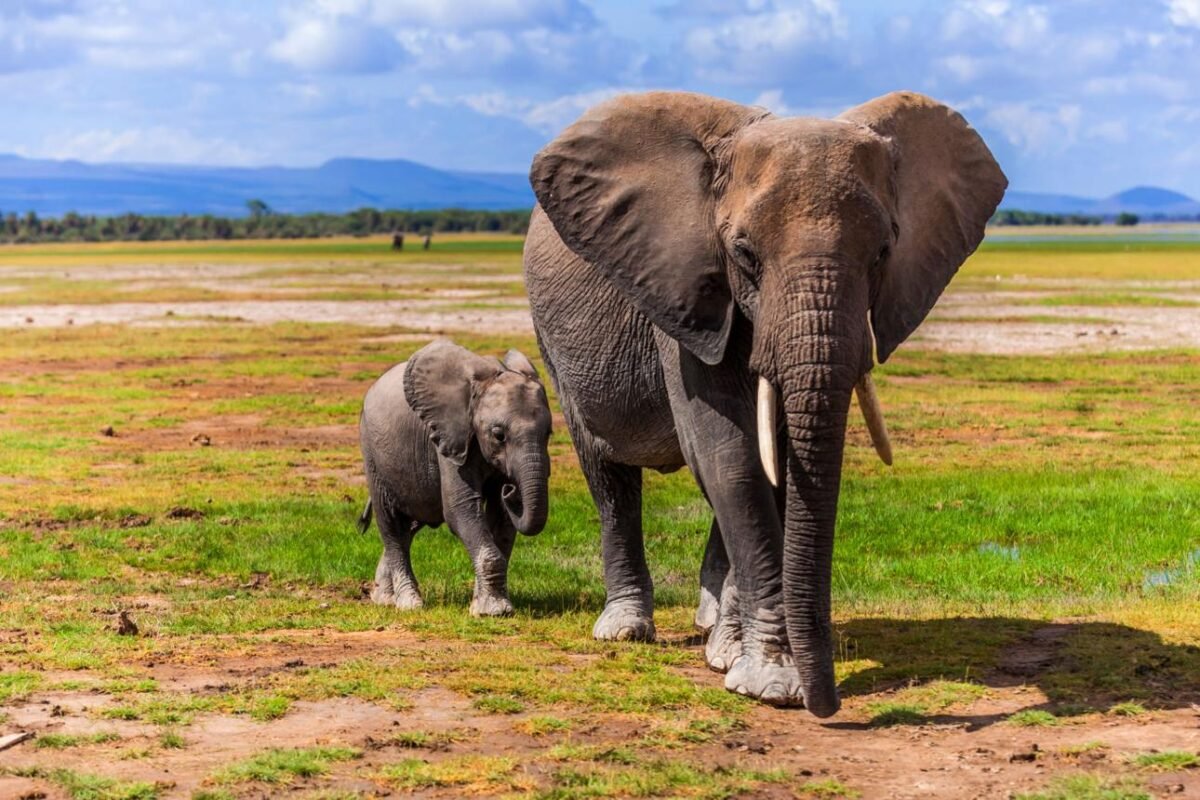
Kenya is one of Africa’s leading destinations for elephant safaris. Its national parks protect large herds, remarkable landscapes, and important wildlife habitats.
However, when travellers ask where to see elephants in Kenya, Amboseli National Park deserves special attention. The park offers excellent elephant viewing, open plains, permanent swamps, and views of Mount Kilimanjaro.
At Zamunda Travels, we help travellers explore Kenya through private wildlife safaris. This guide explains why Amboseli is worth visiting and how to plan your trip.
Quick Answer: Where Can You See Elephants in Kenya?
Amboseli National Park is one of the best places to see elephants in Kenya. Its open grasslands and permanent swamps attract elephant families throughout the year. Visitors can watch elephants feeding, walking, and bathing, sometimes with Mount Kilimanjaro behind them. Tsavo, Samburu, and Maasai Mara also offer excellent elephant sightings.
Why Amboseli Is Famous for Elephants in Kenya
Amboseli National Park lies in southern Kenya, near the Tanzanian border. The park is famous for its African savanna elephants and views of Mount Kilimanjaro.
Although Kilimanjaro stands in Tanzania, its enormous volcanic slopes dominate the southern horizon. On clear mornings, visitors may photograph elephants walking across the plains with Africa’s highest mountain behind them.
However, Amboseli offers more than beautiful photography.
Its permanent swamps provide water and vegetation during dry periods. Therefore, elephants regularly move between the wetlands, grasslands, and surrounding habitats.
The open landscape also makes animal behaviour easier to observe. Visitors may watch elephants feeding, protecting calves, communicating, or travelling in family groups.
What Makes Amboseli’s Elephants Special?
Amboseli has one of the world’s longest-running elephant research projects. The Amboseli Elephant Research Project began in 1972.
Researchers have followed individual elephants and family groups for decades. Their work has improved scientific understanding of elephant relationships, communication, survival, and reproduction.
Female elephants live in family groups, usually led by an experienced matriarch. Adult males often travel alone or form loose associations with other males.
During game drives, visitors may notice calves walking between older elephants. These family interactions make Amboseli especially rewarding for wildlife enthusiasts.
Some Amboseli elephants also have impressive tusks. However, exceptionally large-tusked individuals are uncommon, and sightings are never guaranteed.
Best Places to See Elephants in Amboseli National Park
Elephant movements change with rainfall, vegetation, and water availability. Nevertheless, several areas regularly offer excellent wildlife viewing.
1. Enkongo Narok Swamp
Enkongo Narok is among Amboseli’s important wetland areas. Elephants visit the surrounding vegetation and water throughout the year.
During dry periods, visitors may observe groups feeding near the swamp. Buffaloes, hippos, and waterbirds also use this habitat.
Our guides at Zamunda Travels recommend allowing enough time around the swamp circuits. Rather than rushing between sightings, watch how elephants interact with their surroundings.
2. Longinye Swamp
Longinye Swamp is another rewarding area for elephant viewing. Its wetland habitat attracts wildlife, particularly when surrounding grasslands become dry.
Elephants may enter the water, feed on vegetation, or gather near the marsh edges. Meanwhile, birdwatchers can observe various waterbirds.
However, animal movements remain unpredictable. Your guide should adjust the route according to current conditions and permitted tracks.
3. Observation Hill
Observation Hill offers wide views across Amboseli’s plains and wetlands. It is also one of the park’s designated places where visitors can leave their vehicles.
From the viewpoint, travellers can appreciate the relationship between water, vegetation, and wildlife.
Elephants may appear as small groups moving across the landscape. Therefore, binoculars and a camera with a zoom lens are useful.
4. Amboseli’s Open Grasslands
The open plains create some of Amboseli’s most memorable elephant encounters.
Families may cross the grasslands while moving between feeding areas and water sources. During clear weather, Mount Kilimanjaro can provide an impressive background.
However, photography should never interfere with elephant movements. Drivers must avoid blocking animals or approaching them too closely.
Best Time to Visit Amboseli for Elephant Viewing
Amboseli supports elephant viewing throughout the year. However, the seasons influence vegetation, road conditions, and wildlife movements.
June to October: Main Dry Season
June to October is generally an excellent period for an Amboseli elephant safari.
As seasonal water sources become limited, wildlife often gathers near permanent swamps. Shorter grass also improves visibility across the plains.
Additionally, dry conditions usually make park tracks easier to navigate. Early mornings can offer good opportunities to see Mount Kilimanjaro.
However, July to October is popular with safari travellers. Accommodation may cost more, especially during peak holiday periods.
January to February: Another Good Safari Period
January and February often bring relatively dry conditions. Therefore, these months can also offer rewarding elephant sightings.
The landscape may retain some greenery after earlier rainfall. Clear mornings can provide attractive conditions for photography.
However, daytime temperatures may become hot. Plan early game drives and carry enough drinking water.
March to May: Long Rains
March to May generally brings the long rainy season.
Rain transforms the landscape and supports fresh vegetation. As a result, elephants may spread across a wider area to feed.
Some roads can become muddy, particularly after heavy rainfall. Nevertheless, the green scenery appeals to photographers and travellers seeking fewer crowds.
November to December: Short Rains
November and December usually bring shorter seasonal rains.
Wildlife remains present, while vegetation becomes greener. Birdwatching can also improve as migratory birds arrive.
However, rain patterns vary between years. Therefore, travellers should prepare for changing weather rather than expecting fixed seasonal conditions.
Elephants and Mount Kilimanjaro: Photography Tips
One reason photographers visit Amboseli is the opportunity to photograph elephants against Mount Kilimanjaro.
However, the mountain is not always visible. Clouds can cover its summit, even during otherwise pleasant weather.
Early mornings often provide better visibility before clouds develop. Therefore, staying near the park helps photographers begin game drives promptly.
For better elephant photographs, consider these practical tips:
-
Use a zoom lens to photograph animals without approaching them.
-
Keep your camera ready during early morning drives.
-
Include grasslands, trees, or mountains to show the natural habitat.
-
Photograph elephant families without disturbing calves.
-
Avoid flash photography or behaviour that unsettles wildlife.
-
Stay inside your safari vehicle except at designated stopping areas.
At Zamunda Travels, we recommend giving photography enough time. A relaxed game drive often provides better opportunities than constantly changing locations.
Also, remember that wildlife comes first. Never pressure a guide to chase elephants for a particular photograph.
Where Else Can You See Elephants in Kenya?
Although Amboseli is exceptional, Kenya has several other important elephant destinations.
Tsavo East and Tsavo West National Parks
Tsavo East National Park and Tsavo West National Park form part of the wider Tsavo ecosystem.
This landscape supports one of Kenya’s largest elephant populations. Tsavo elephants are also famous for their reddish appearance.
Their colour comes from dust and soil covering their skin. Therefore, the elephants often appear red against the park’s dry landscapes.
Tsavo suits travellers interested in extensive wilderness and elephant conservation.
Samburu National Reserve
Samburu National Reserve offers elephant viewing in northern Kenya.
The Ewaso Ng’iro River provides an important water source for wildlife. Elephants frequently use the riverine habitats.
Additionally, Samburu supports species such as Grevy’s zebra, reticulated giraffe, and gerenuk.
Maasai Mara National Reserve
Maasai Mara National Reserve is famous for predators, grassland wildlife, and the Great Migration.
However, elephants also inhabit its grasslands and woodland areas.
The Mara is an excellent choice for travellers seeking a broader wildlife safari. Amboseli remains particularly appealing when elephants are the main priority.
How Many Days Should You Spend in Amboseli?
We recommend two or three days for most first-time visitors.
A one-day visit can provide wildlife sightings. However, it allows limited time for relaxed game drives and photography.
Two nights offer a better balance between travel, wildlife viewing, and rest.
Sample 3-Day Amboseli Elephant Safari from Nairobi
Day 1: Nairobi to Amboseli National Park
Depart Nairobi in the morning and travel south towards Amboseli. The journey commonly takes around four to five hours, depending on traffic and road conditions.
Arrive at your accommodation and enjoy lunch. Later, take an afternoon game drive if your arrival time permits.
Look for elephants, giraffes, zebras, buffaloes, and other wildlife.
Day 2: Full-Day Amboseli Wildlife Safari
Begin early to enjoy cooler conditions and possible Kilimanjaro views.
Explore the park’s grasslands and swamp circuits with your guide. Watch elephant families feeding, travelling, or resting.
Depending on the route, visit Observation Hill for panoramic views.
Enjoy a picnic lunch at an approved location or return to your lodge. Continue wildlife viewing later in the afternoon.
Day 3: Morning Game Drive and Return to Nairobi
Enjoy an early game drive if time and park-entry arrangements allow.
After breakfast, prepare for the return journey to Nairobi. Your safari ends at your agreed drop-off location.
This itinerary can also form part of a longer Kenya safari.
For example, Zamunda Travels can combine Amboseli with Lake Naivasha and Maasai Mara. Contact our team for a private itinerary based on your travel dates.
How Much Does an Amboseli Elephant Safari Cost?
The cost of an Amboseli safari depends on accommodation, travel dates, group size, and transport arrangements.
Private safaris generally cost more per person when fewer people share the vehicle. However, they offer greater flexibility during wildlife viewing.
Your total budget should consider:
-
National park entrance and vehicle fees.
-
Accommodation and meal arrangements.
-
Safari vehicle, fuel, and driver-guide.
-
Transport from Nairobi or another starting point.
-
Optional activities and cultural visits.
-
Personal expenses, gratuities, and travel insurance.
Amboseli National Park Entrance Fees
Kenya Wildlife Service published a non-resident adult conservation fee of USD 90 for Amboseli in its October 2025 fee schedule.
This is a historical published rate, not a confirmed November 2026 charge. The applicable fee depends on the current schedule and visitor category.
Rates change, so confirm current prices with Zamunda Travels.
How to Plan Your Safari Budget
For example, two travellers sharing one safari vehicle can divide certain transport costs.
However, each traveller still needs individual park entry and accommodation arrangements.
A three-day itinerary with two nights of accommodation provides a useful starting point for comparing quotations.
Ask whether your quote includes park fees, meals, game drives, and return transfers. Also, check whether the lodge is inside or outside the park.
Zamunda Travels can prepare a personalised quotation based on your preferred accommodation category and travel dates.
Where to Stay During an Amboseli Safari
Accommodation location affects your daily safari experience.
Staying inside Amboseli National Park can reduce travel time to wildlife-viewing areas. However, accommodation outside the park may offer different price options and experiences.
Well-known accommodation options include Ol Tukai Lodge, Amboseli Serena Safari Lodge, and Elewana Tortilis Camp.
These properties differ in location, facilities, and accommodation style. Therefore, travellers should compare more than room prices.
Before booking, consider the distance to the park entrance, available meals, and game-drive arrangements.
Also, check whether your accommodation package includes park fees or additional transfers.
Our team at Zamunda Travels can help compare suitable accommodation options according to your budget.
Safety and Responsible Elephant Viewing in Kenya
Elephants are intelligent, powerful, and unpredictable wild animals.
Although many elephants appear calm around safari vehicles, they can react defensively when disturbed.
Therefore, responsible viewing is essential for visitor safety and animal welfare.
Follow these guidelines during your safari:
-
Remain inside the vehicle unless your guide confirms a designated safe area.
-
Never feed elephants or attempt to touch them.
-
Keep noise low around wildlife.
-
Never drive between mothers and calves.
-
Give elephants space to cross roads.
-
Follow park rules and your guide’s instructions.
If an elephant approaches your vehicle, remain calm. Allow your experienced guide to assess the situation.
Additionally, pack sun protection, drinking water, suitable clothing, and personal medication.
Travellers should also review current Kenya entry requirements and travel health advice before departure.
Why Elephant Conservation Matters
Amboseli’s elephants depend on more than the national park alone.
They move across a wider landscape that includes community land and wildlife corridors.
Consequently, habitat protection and cooperation with local communities remain important for elephant conservation.
The Amboseli Trust for Elephants has studied elephant families for decades. Its research helps explain elephant behaviour and long-term environmental challenges.
Visitors can support responsible tourism by respecting wildlife rules and choosing operators that prioritise conservation.
Common Mistakes to Avoid When Visiting Amboseli
Even a well-planned safari can become disappointing when travellers overlook important details.
Expecting Kilimanjaro to remain visible all day: Cloud cover changes quickly. Therefore, schedule early morning photography opportunities.
Spending too little time in the park: A rushed visit limits wildlife viewing. Two nights provide greater flexibility.
Choosing accommodation only by price: A distant lodge may increase daily transfer times.
Expecting elephants at one exact location: Elephant movements depend on water, food, and environmental conditions.
Ignoring seasonal weather: Rain can affect road access, while dry conditions may create dust.
Getting too close to wildlife: Respectful distance protects both elephants and travellers.
Careful planning helps visitors enjoy Amboseli without unnecessary pressure or unrealistic expectations.
Plan Your Amboseli Elephant Safari with Zamunda Travels
Seeing elephants in Kenya is about more than finding a herd. It is an opportunity to understand wildlife behaviour and the landscapes supporting these animals.
Amboseli combines accessible elephant viewing, important conservation research, and remarkable scenery.
Whether you prefer photography, wildlife observation, or a family safari, the park offers a rewarding experience.
At Zamunda Travels, we organise private safaris across Kenya and East Africa. We can help plan your route, accommodation, game drives, and onward travel.
Contact Zamunda Travels to plan your Amboseli elephant safari. Share your travel dates, group size, and preferred accommodation category using the contact form below.
Frequently Asked Questions About Elephants in Kenya
1. Where is the best place to see elephants in Kenya?
Amboseli National Park is one of the best places to see elephants in Kenya. Its open plains and permanent swamps support excellent wildlife viewing. Visitors can observe elephant families throughout the year. Tsavo East and Tsavo West are also outstanding destinations, especially for travellers interested in large wilderness landscapes.
2. Why is Amboseli National Park famous for elephants?
Amboseli is famous for its elephant families, large-tusked individuals, and views of Mount Kilimanjaro. The park also supports one of the world’s longest-running elephant research projects. Its open habitats make elephant behaviour easier to observe. However, sightings of particular animals and clear mountain views cannot be guaranteed.
3. What is the best time to see elephants in Amboseli?
June to October is generally an excellent time to see elephants in Amboseli. During the dry season, wildlife often gathers near permanent swamps. January and February can also provide good viewing conditions. However, elephants remain present throughout the year, and rainfall influences their movements.
4. How many days are enough for an Amboseli safari?
Two to three days are suitable for most Amboseli visitors. A two-night safari allows time for morning and afternoon game drives without rushing. It also increases opportunities to see Mount Kilimanjaro during clear weather. Travellers interested in detailed wildlife photography may prefer a longer stay.
5. Can you see elephants and Mount Kilimanjaro together in Amboseli?
Yes, visitors can sometimes photograph elephants with Mount Kilimanjaro in the background. The mountain stands across the border in Tanzania and is visible from parts of Amboseli. Early mornings often provide clearer views. However, cloud cover and elephant movements determine whether both appear together.