Birdwatching in Kibale National Park
September 12, 2026
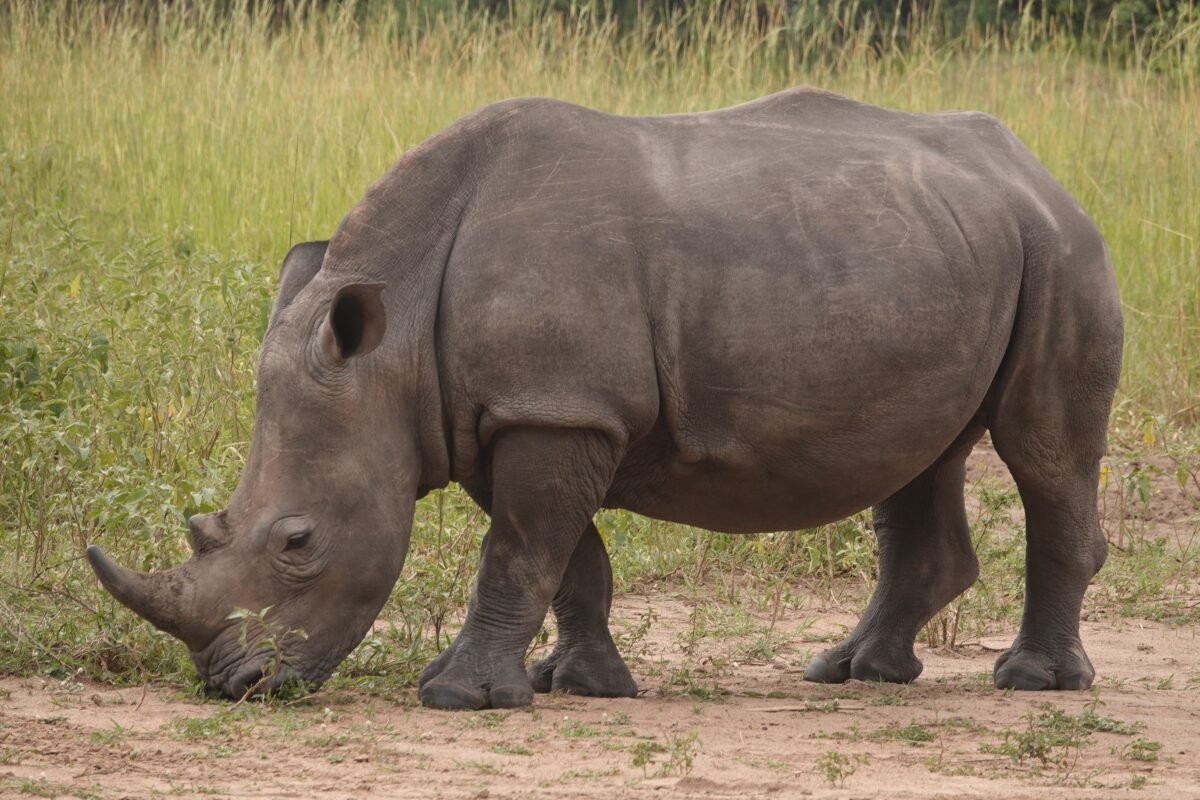
Ziwa Rhino Sanctuary Uganda
September 12, 2026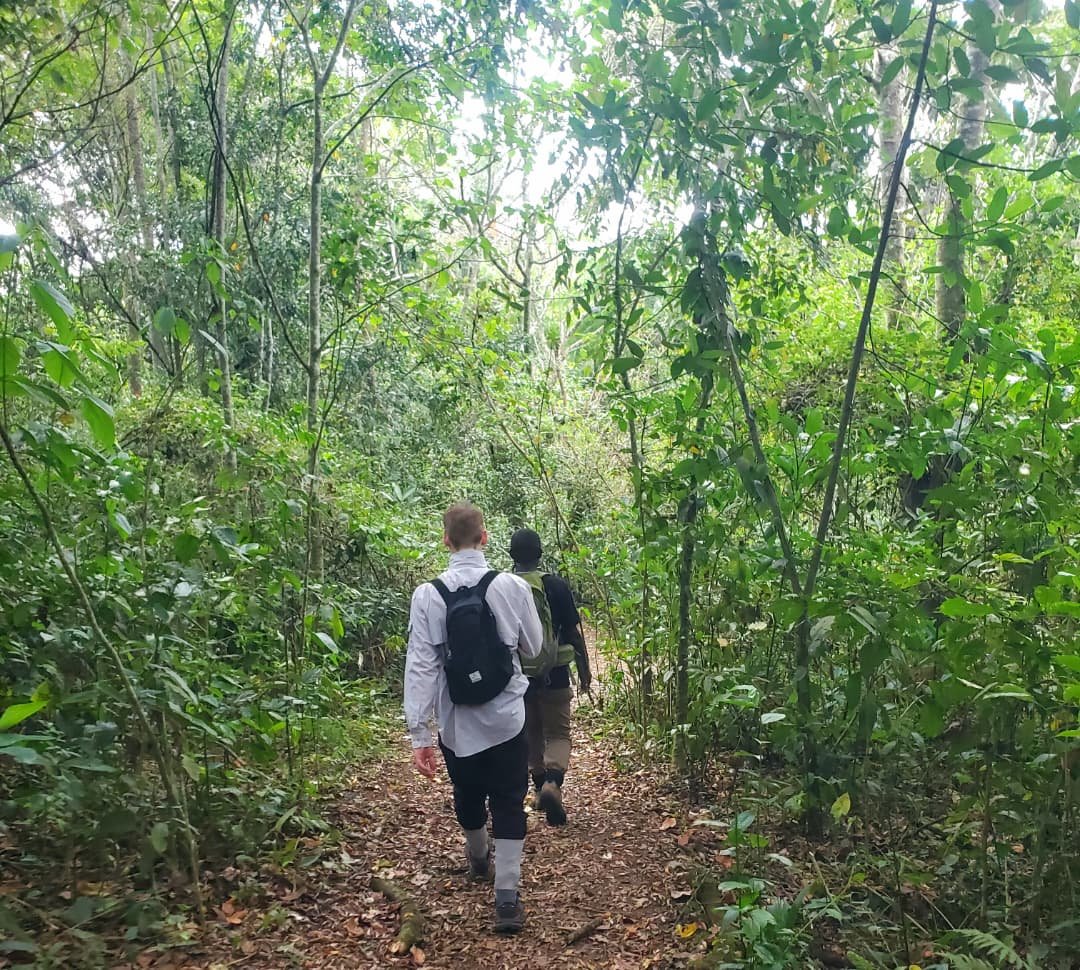
Deep in western Uganda, a 766-square-kilometre block of ancient rainforest holds one of the richest concentrations of primates on the continent. Kibale National Park sits near the town of Fort Portal, and it links to Queen Elizabeth National Park through a long wildlife corridor that many animals still use today. Travellers usually arrive here chasing chimpanzees, yet the Kibale forest walks turn out to be the real heart of the experience. Zamunda Travels builds most of its western Uganda itineraries around these walks because they show visitors a side of the rainforest that a vehicle simply cannot reach. This guide explains what the walks involve, which wildlife you can expect, and how Zamunda Travels helps travellers plan the trip properly.
Why Kibale Forest Walks Attract Nature Lovers Worldwide
Kibale earned its nickname, the “Primate Capital of the World,” because thirteen primate species live within its boundaries. However, the appeal of the Kibale forest walks goes far beyond primate counts. The forest itself changes character every few hundred metres, shifting from mature rainforest with a closed canopy to swampy grassland and then to secondary growth full of tangled vines. As a result, a single walk can introduce you to several distinct habitats in one outing. Guides who lead these walks grew up near the forest, so they read its signs the way a mechanic reads an engine. They point out chimpanzee nests overhead, identify bird calls before the bird appears, and explain how local communities have used forest plants for generations. For this reason, Zamunda Travels treats the guided walk as a foundation activity rather than an add-on, since it frames everything else a visitor sees in Kibale.
What to Expect on a Guided Kibale Forest Walk
Guided walks depart daily from the Kanyanchu Visitor Centre, typically at 8 a.m. and again in the early afternoon. Rangers cap each group at roughly six people, which keeps the pace unhurried and the sightings personal. Depending on the route you choose, a walk can last anywhere from two hours to a full six-hour hike, and Zamunda Travels usually recommends the longer option for guests who want a genuine cross-section of the park.
The Standard Daytime Trail
The main daytime trail winds through roughly twelve kilometres of forest during the dry season, though shorter loops exist for travellers with limited time. Along the way, you will cross patches of savanna, skirt papyrus swamps, and duck beneath a canopy that rises more than thirty metres overhead. Because the trail moves slowly and deliberately, it suits families, older travellers, and anyone who prefers close observation over strenuous hiking.
The Night Forest Walk Experience
Once the sun sets, Kibale reveals an entirely different cast of characters. Night walks begin around 7 p.m. and last one to two hours, and armed rangers carry spotlights to pick out eyeshine in the undergrowth. During this walk, you might spot bush babies leaping between branches, pottos moving with careful precision, or a serval cat slipping through the grass. Civets, tree hyraxes, and calling nightjars round out a soundscape unlike anything you will hear during the day. Many guests describe the night walk as the most memorable part of their Kibale itinerary, and Zamunda Travels often pairs it with an overnight stay near Kanyanchu so nobody has to rush back afterward.
Wildlife You Will Encounter During Kibale Forest Walks
Wildlife sightings vary from day to day, yet certain species turn up often enough that guides can point them out with real confidence.
Primates of the Forest Canopy
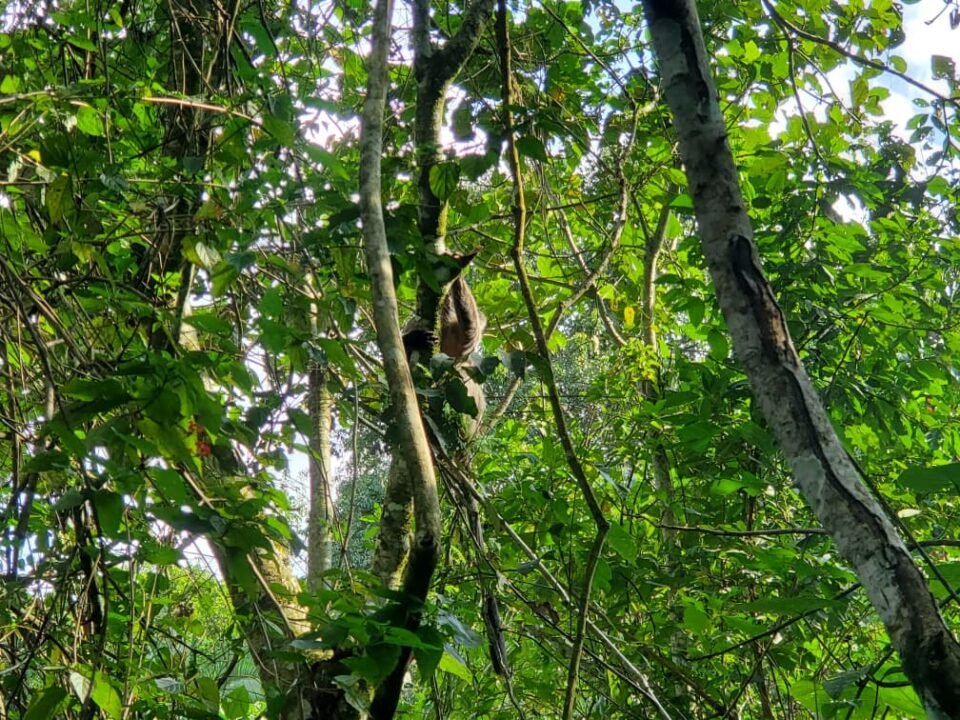
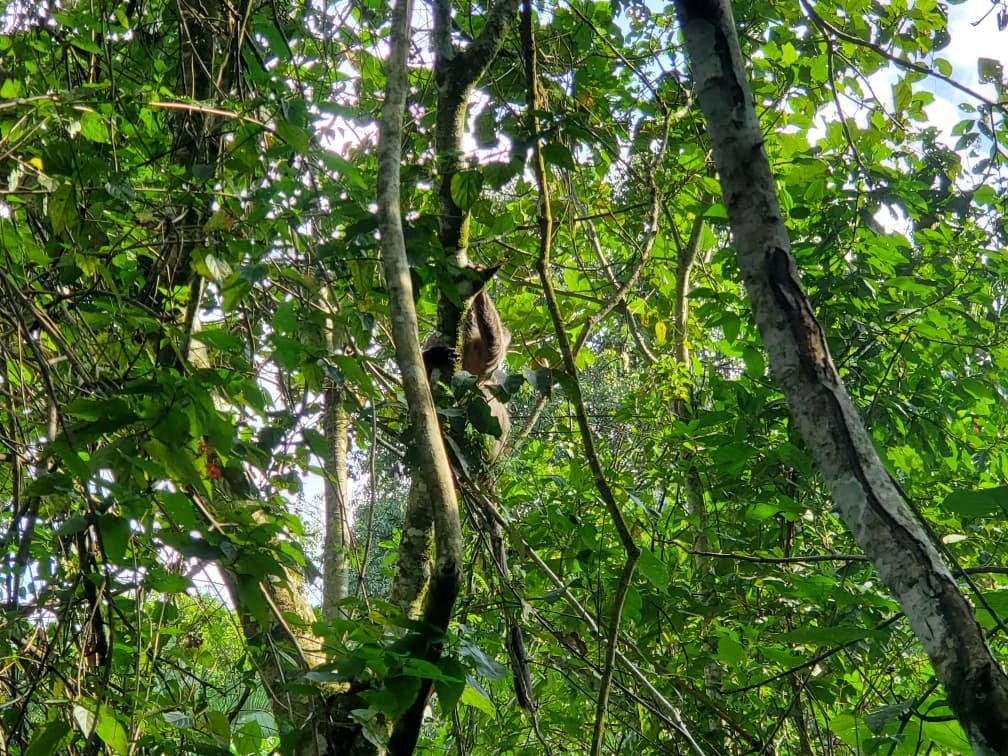
Beyond the park’s famous chimpanzees, which number more than 1,450 individuals across several communities, walkers regularly encounter red colobus monkeys, black-and-white colobus, red-tailed monkeys, and blue monkeys. The rarer L’Hoest’s monkey also appears from time to time, along with grey-cheeked mangabeys moving through the mid-canopy in small troops. Because these primates travel in groups, a single clearing can suddenly fill with movement and noise before falling quiet again.
Birdlife Along the Trails
Kibale supports well over 325 recorded bird species, and six of them exist nowhere outside the Albertine Rift: the black-capped apalis, collared apalis, blue-headed sunbird, purple-breasted sunbird, dusky crimsonwing, and red-faced woodland warbler. Early morning walks tend to produce the best birding, since the dawn chorus draws species out before the heat sets in. Butterfly enthusiasts also have plenty to admire, as the park hosts around 144 recorded species that flutter through sunlit clearings throughout the day.
Best Time to Plan Kibale Forest Walks with Zamunda Travels
Rainfall shapes almost every aspect of forest travel in Uganda, so timing matters more than most first-time visitors expect. The driest stretches, from December to February and again from June to September, offer firmer trails and easier footing. Consequently, Zamunda Travels schedules most forest-walk itineraries within these windows, particularly for guests who plan to combine Kibale with the longer twelve-kilometre trail. That said, the wetter months bring their own rewards: foliage turns a deeper green, and the forest feels quieter because fewer visitors pass through. If you can tolerate the occasional downpour, Zamunda Travels can still arrange a rewarding walk during the rainy season, just with sturdier boots and a rain jacket packed alongside your camera.
Practical Tips for a Rewarding Kibale Forest Walk
A few small preparations make a noticeable difference once you are out on the trail. First, wear closed hiking shoes with good grip, since roots and damp leaves can turn slippery without warning. Next, pack a light rain jacket even during the dry season, because forest weather changes faster than the forecast suggests. Long sleeves and trousers also help against nettles and biting insects, while insect repellent adds an extra layer of comfort. Bring drinking water and a small snack, particularly if you have booked the extended six-hour route. Finally, keep your voice low and your movements calm, since sudden noise can send shy primates scattering before you get a good look. Zamunda Travels briefs every guest on these details before departure, so nobody arrives at Kanyanchu unprepared.
Book Your Kibale Forest Walk with Zamunda Travels Today
Few experiences match the feeling of standing beneath Kibale’s canopy while chimpanzees call somewhere in the distance. Whether you choose the standard daytime trail, the immersive night walk, or the community-run Bigodi wetland route nearby, the forest rewards patience and curiosity in equal measure. Zamunda Travels has spent years refining these itineraries, matching each traveller with the right trail length, timing, and add-on experiences. If you are ready to explore one of Africa’s richest rainforests on foot, reach out to Zamunda Travels and let the team build a Kibale forest walk itinerary around your schedule and interests.