Best Budget Accommodation in Kibale National Park
September 15, 2026
Kibale and Queen Elizabeth National Park: The Perfect Uganda Safari Combination
September 15, 2026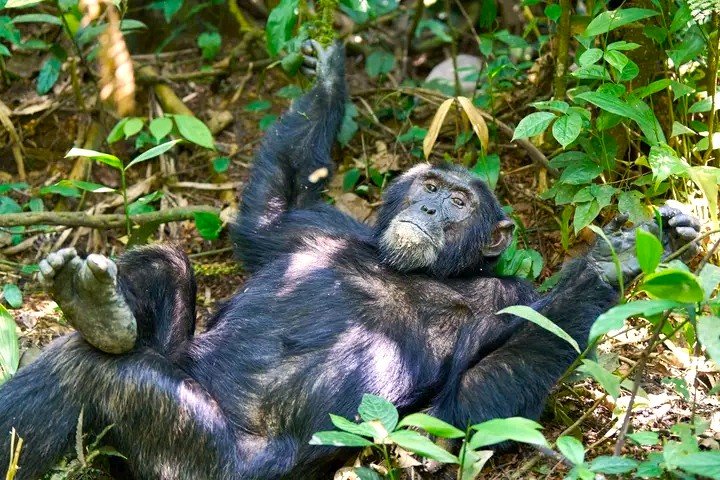
Uganda hides one of Africa’s most rewarding wildlife encounters inside its rainforests, and a chimpanzee trekking permit is the single document that unlocks it. Without this permit, you cannot legally enter the forest to search for our closest living relatives. At Zamunda Travels, we help travelers secure this permit every month, and we know exactly where new visitors get stuck. This guide walks you through what the permit is, where to use it, how much it costs, and how Zamunda Travels turns the booking process into a simple, stress-free task.
Chimpanzee trekking has grown into one of East Africa’s favorite primate activities, and Uganda leads the region in both chimpanzee numbers and habituated communities. Because demand keeps rising, permits sell out fast during peak months. So, before you pack your hiking boots, you need a clear plan. Zamunda Travels built this article to give you that plan in full detail.
What Is a Chimpanzee Trekking Permit in Uganda?
A chimpanzee trekking permit is an official document issued by the Uganda Wildlife Authority, commonly known as UWA. The permit grants you a fixed time slot to enter a designated forest and track a habituated chimpanzee community with a trained ranger guide. Each permit is non-transferable and tied to a specific date, park, and session. Consequently, you cannot simply show up at a forest gate and expect entry without one.
The permit also caps the number of daily visitors so that chimpanzee groups do not face overcrowding. For example, Kibale Forest National Park issues around ninety standard trekking permits per day, plus a small allocation for the longer habituation experience. Because of this limit, popular dates fill up quickly, especially between June and September and again from December to February. Zamunda Travels therefore recommends that you reserve your permit three to four months ahead of your travel date.
Once your chimpanzee trekking permit is confirmed, a ranger guide leads your group into the forest during a scheduled morning or afternoon session. You then spend up to one hour observing the chimpanzees at a safe distance, watching them feed, groom, and interact within their natural habitat. Photography is permitted, though flash photography usually is not, since it can disturb the animals.
Best Places to Use Your Chimpanzee Trekking Permit
Uganda offers four main forests where a valid permit allows entry, and each location delivers a slightly different experience. Zamunda Travels works with all four, so you can choose the setting that matches your budget and travel route.
Kibale Forest National Park
Kibale Forest National Park is widely called the primate capital of Africa, and it earns that title easily. The park shelters over 1,500 chimpanzees and thirteen other primate species, giving it the highest trekking success rate in the country. Because the habituated groups here are large and well studied, guides can usually locate a community within one to two hours. Kibale also runs a chimpanzee habituation experience, which extends your time with the apes to almost four hours for researchers and curious travelers alike.
Kyambura Gorge, Queen Elizabeth National Park
Kyambura Gorge sits inside a dramatic river-cut canyon within Queen Elizabeth National Park, nicknamed the “Valley of Apes.” The gorge holds a smaller chimpanzee community, so sightings are not guaranteed every trek. However, the lush riverine forest, tangled fig trees, and resident colobus monkeys make the walk worthwhile even on quieter days. Many travelers combine this trek with a game drive in the same park, since both activities sit close together.
Budongo Forest Reserve
Budongo Forest Reserve lies within the greater Murchison Falls Conservation Area and holds one of Uganda’s oldest habituated chimpanzee communities. Researchers have studied the Sonso group here for decades, which means guides know the chimpanzees’ habits intimately. The forest also produces mahogany trees over eighty meters tall, so the canopy alone impresses visitors before any chimpanzee even appears.
Kalinzu Forest Reserve
Kalinzu Forest Reserve sits near Queen Elizabeth National Park and remains one of Uganda’s lesser-known trekking sites. Around 200 chimpanzees live here, and more than seventy of them are habituated to human presence. Because fewer tourists visit Kalinzu, the forest offers a quieter, more personal encounter, and permits generally cost less than those in Kibale.
Chimpanzee Trekking Permit Prices in Uganda
Permit prices depend on your residency status and the forest you choose. Foreign non-residents pay the highest rate, foreign residents pay a discounted rate, and East African citizens pay the lowest rate in local currency. The table below reflects standard 2026 pricing, though Zamunda Travels always confirms the current rate before you pay, since UWA reviews fees periodically.
- Kibale Forest National Park: around $250 for foreign non-residents, $200 for foreign residents. A chimpanzee habituation experience permit costs roughly $300.
- Kyambura Gorge: around $100 for foreign non-residents, with lower rates for residents and East African citizens.
- Budongo Forest Reserve: around $130 during the high season, dropping slightly in the off-peak months.
- Kalinzu Forest Reserve: around $130 for foreign non-residents and roughly half that price for residents.
UWA also introduces discounted low-season pricing during April, May, and November, when foreign non-resident rates can drop to about $200 at Kibale. If your travel dates are flexible, Zamunda Travels can point you toward these quieter, cheaper months so your chimpanzee trekking permit stretches your budget further.
How to Book a Chimpanzee Trekking Permit With Zamunda Travels
Booking directly through UWA is possible, but the process involves paperwork, bank transfers, and back-and-forth emails that can confuse first-time visitors. Zamunda Travels removes that friction by managing the entire booking on your behalf. Here is how the process works from start to finish.
- Share your travel dates and group size. Contact Zamunda Travels with your preferred trekking date, the forest you want to visit, and the number of travelers in your party.
- Receive a permit availability check. Our team checks real-time availability with UWA and confirms whether your preferred date still has open slots.
- Submit your passport details. UWA requires each traveler’s full name and passport number to register the permit correctly, so we collect this information securely.
- Make your payment. Zamunda Travels accepts payment through bank transfer or major payment platforms, and we issue a receipt immediately after processing.
- Get your confirmed permit. Once UWA processes the payment, we send you a scanned copy of your chimpanzee trekking permit as proof of booking, then hand you the physical card upon arrival in Uganda.
Because Zamunda Travels handles steps two through five for you, most clients finish the entire booking within a single week. This speed matters most during peak season, when permits disappear fast.
Age Limits and Rules Every Trekker Should Know
UWA sets the minimum age for chimpanzee trekking at twelve years old, and rangers verify each visitor’s passport at the park headquarters before the trek begins. There is no upper age limit, so older travelers can join as long as they feel physically capable of walking on uneven forest terrain. Porters are available at each site to help carry bags or offer a steadying hand along the trail.
Beyond age requirements, UWA enforces a few simple rules to protect both visitors and chimpanzees. Guests must stay at least seven meters from the animals at all times, and anyone feeling unwell should skip the trek that day, since chimpanzees can catch human illnesses easily. Eating, drinking, and using flash photography near the chimpanzees are also restricted. Zamunda Travels briefs every client on these rules before the trek so nothing catches you off guard on the day itself.
Best Time to Book Your Chimpanzee Trekking Permit
Timing affects both permit availability and trekking comfort. The dry seasons, running from June to September and from December to February, offer the easiest walking conditions and the highest number of visitors chasing the same permits. Therefore, travelers who want these months should book at least three months in advance through Zamunda Travels.
The wetter months of April, May, and November bring lower visitor numbers, muddier trails, and often reduced permit prices. If you do not mind a bit of rain and prefer a quieter forest, these shoulder months can reward you with excellent chimpanzee sightings and smaller crowds. Whichever season you choose, book your chimpanzee trekking permit early, since last-minute availability is never guaranteed.
What to Pack and Expect on Trekking Day
Comfortable, closed hiking shoes matter more than any other item on your packing list, since forest floors can turn muddy without warning. Long trousers and a long-sleeved shirt protect your skin from nettles and biting insects along narrow trails. Pack a light rain jacket regardless of season, because Uganda’s rainforests can produce a sudden shower even during the dry months.
On trekking day, arrive at the park headquarters by 7:30 a.m. for a briefing from your ranger guide, who explains forest etiquette and safety rules before the walk begins. Groups then move into the forest together, following fresh chimpanzee trails and listening for the distinctive pant-hoot calls that signal a nearby community. Once your group finds the chimpanzees, you get a full hour to watch, photograph, and simply absorb the experience before heading back to the trailhead.
Book Your Chimpanzee Trekking Permit With Zamunda Travels Today
Uganda’s forests offer a rare, close encounter with wild chimpanzees, but only a valid permit opens that door. Zamunda Travels has guided travelers through this process for years, and we know how to secure your preferred date, park, and session without the usual back-and-forth. Reach out today, tell us your travel plans, and let Zamunda Travels turn your chimpanzee trekking permit booking into the easiest part of your entire Uganda safari.