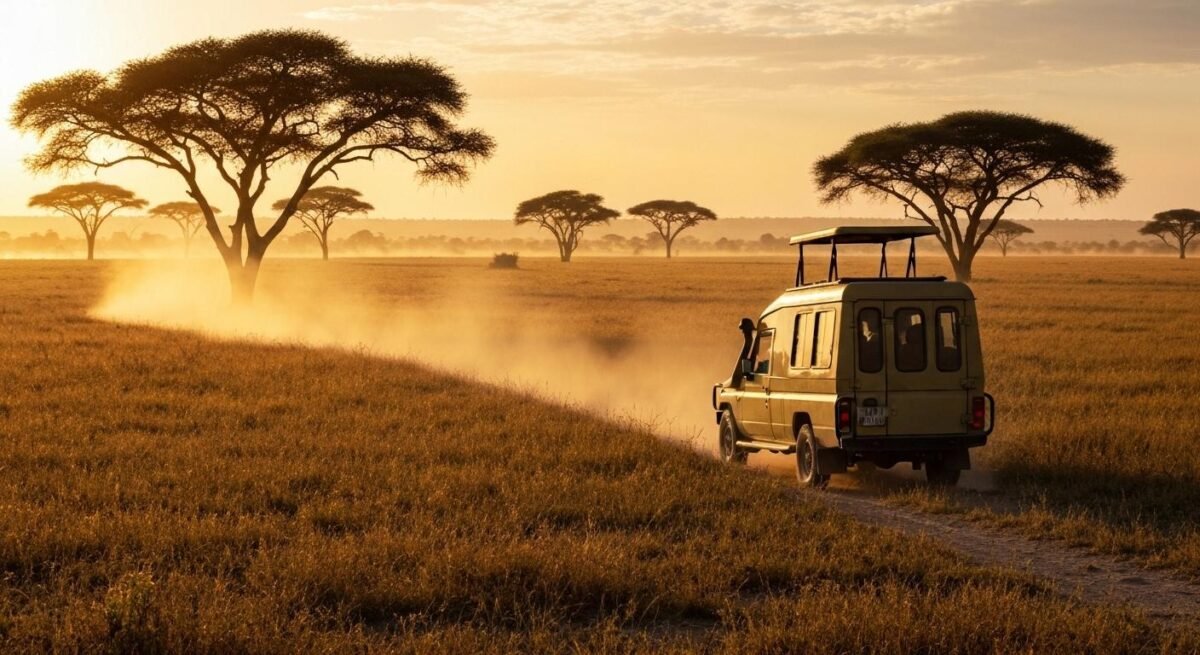
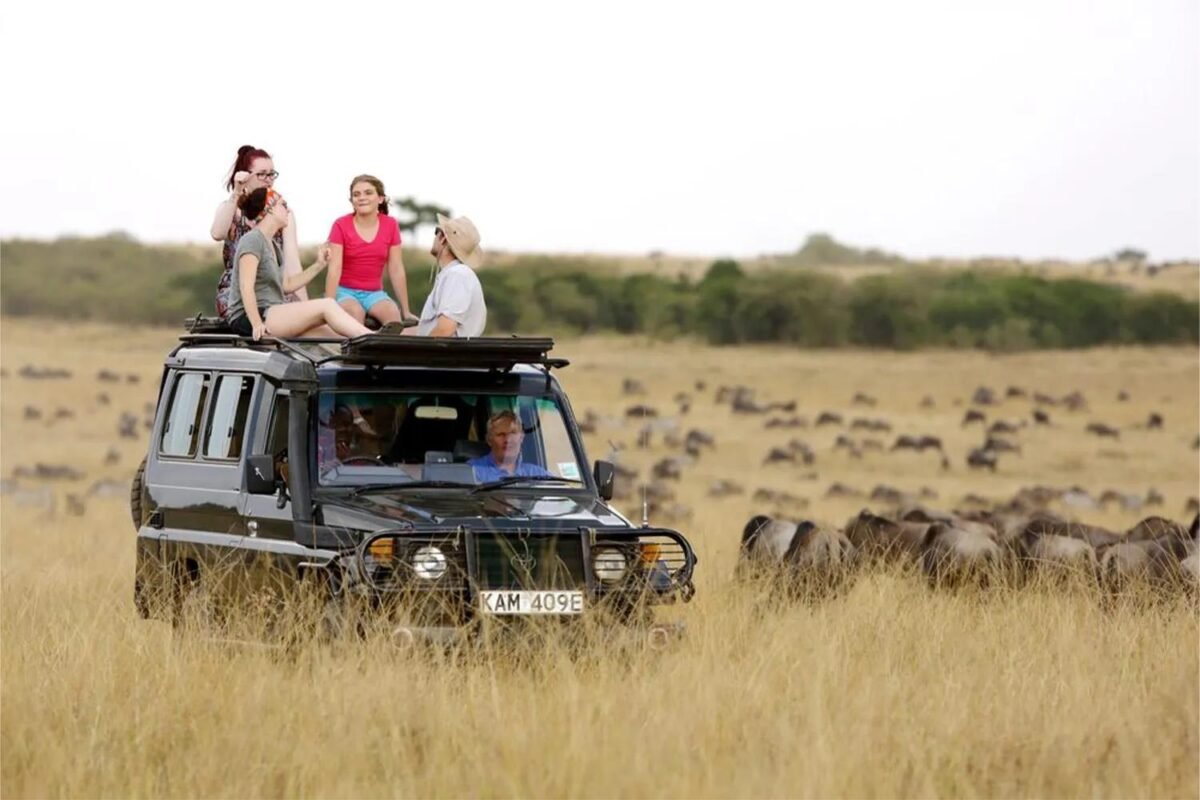
A Masai Mara and Amboseli safari combines two of Kenya’s most rewarding wildlife destinations. However, travelling between them takes careful planning.
The Masai Mara offers open plains, big cats, and seasonal wildebeest migration. Meanwhile, Amboseli is famous for its elephants and views of
Mount Kilimanjaro.
Both parks deserve enough time for game drives, photography, and relaxation. Therefore, choosing the right route matters more than visiting as many places as possible.
At
Zamunda Travels, we help travellers plan private Kenya safaris with comfortable travel days and realistic wildlife schedules.
Quick Answer: How Many Days Do You Need?
For a comfortable Masai Mara and Amboseli safari, plan seven to eight days. Spend three nights in the Masai Mara and two in Amboseli. Allow one night for a road-transfer stop, preferably around Nairobi. Alternatively, use connecting flights to reduce driving and enjoy more time watching wildlife.
Why Combine Masai Mara and Amboseli?
These two destinations offer different wildlife experiences. Therefore, combining them adds variety without requiring a long tour across Kenya.
What Makes the Masai Mara Special?
The
Masai Mara National Reserve is one of Kenya’s best-known safari destinations.
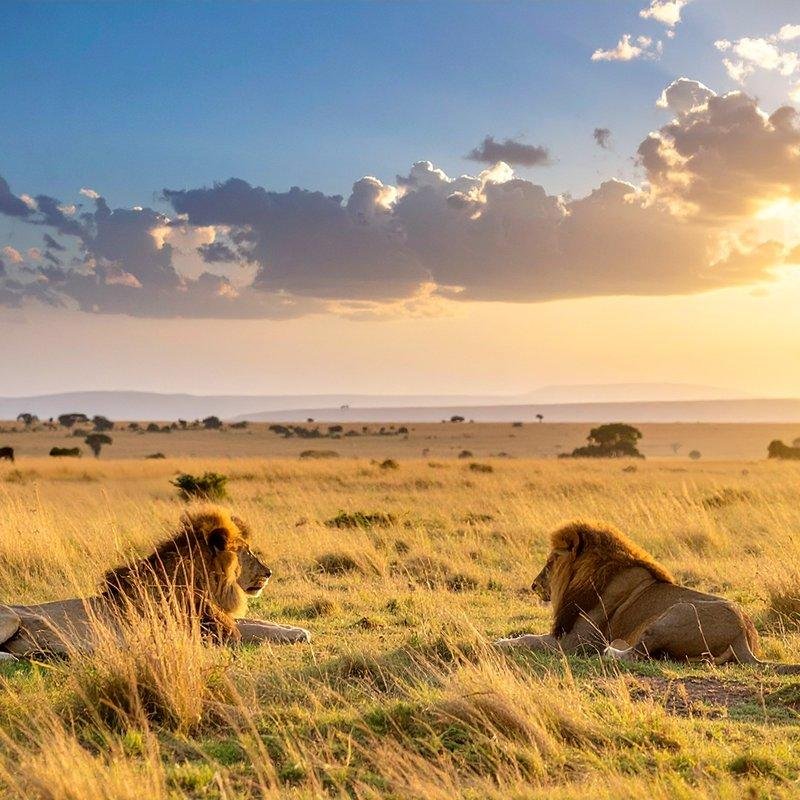
Its grasslands support lions, cheetahs, elephants, buffaloes, giraffes, and many antelope species. Leopards also live in the reserve, although sightings require patience.
Between roughly July and October, migrating
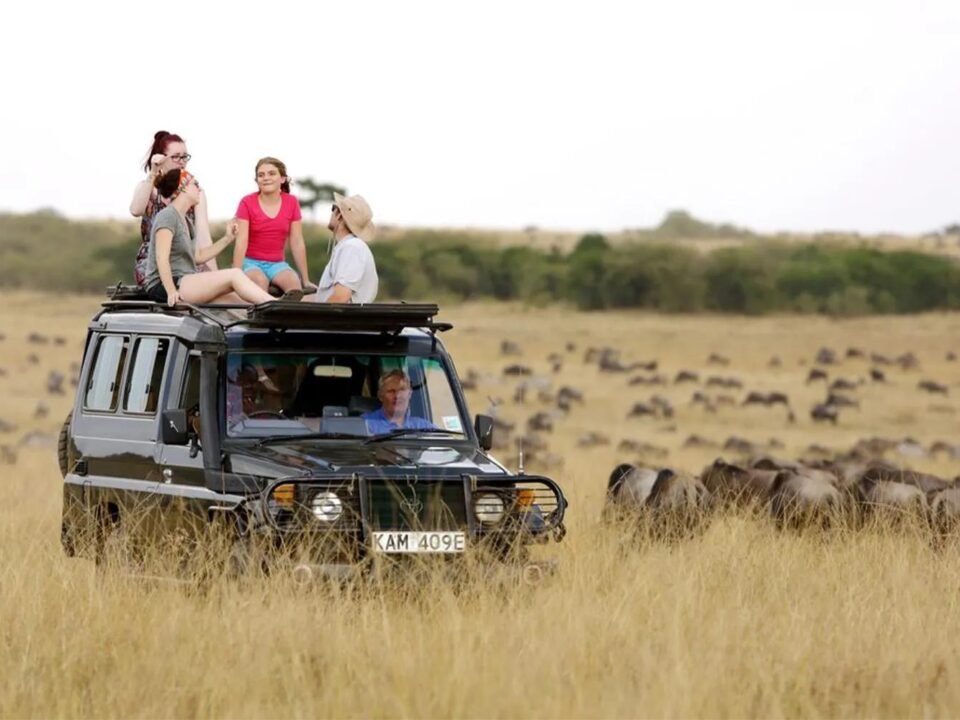
wildebeest may enter the Mara ecosystem from Tanzania. However, rainfall influences their movements, so river crossings cannot be guaranteed.
The Mara also rewards travellers outside migration season. Resident wildlife remains throughout the year.
Three nights give visitors more opportunities to explore different areas. They also provide flexibility when wildlife sightings take longer than expected.
What Makes Amboseli Special?
Amboseli National Park offers a different landscape.
Here, elephants often move across open plains and wetland areas. In addition, Mount Kilimanjaro creates a striking background when skies are clear.
The park contains grasslands, swamps, and acacia woodland. These habitats support buffaloes, zebras, wildebeest, giraffes, hippos, and numerous birds.
Amboseli is particularly rewarding for elephant photography. However, visitors should never expect Kilimanjaro to remain visible all day.
Cloud cover can hide the mountain, especially later in the day. Therefore, early mornings often provide better photography opportunities.
How to Travel From Masai Mara to Amboseli
The distance between the two parks makes transport planning important.
Although both destinations appear on many Kenya safari itineraries, they are not close together. Furthermore, the final approach roads can be slow.
Travelling by Road
A typical journey from Nairobi to the Masai Mara takes approximately five to seven hours. However, the exact time depends on your lodge and road conditions.
Nairobi to Amboseli commonly takes around four to five hours. Again, the park entrance and accommodation location affect the journey.
Travelling between the Masai Mara and Amboseli can require nine to twelve hours or more. This includes stops and possible Nairobi traffic.
Therefore, our preferred relaxed road itinerary includes an overnight stop between the parks.
A stop around Nairobi gives travellers time to rest. It also reduces the pressure of reaching the next lodge before dark.
Travelling by Air
Flying reduces time spent on roads. However, travellers must check the actual route before booking.
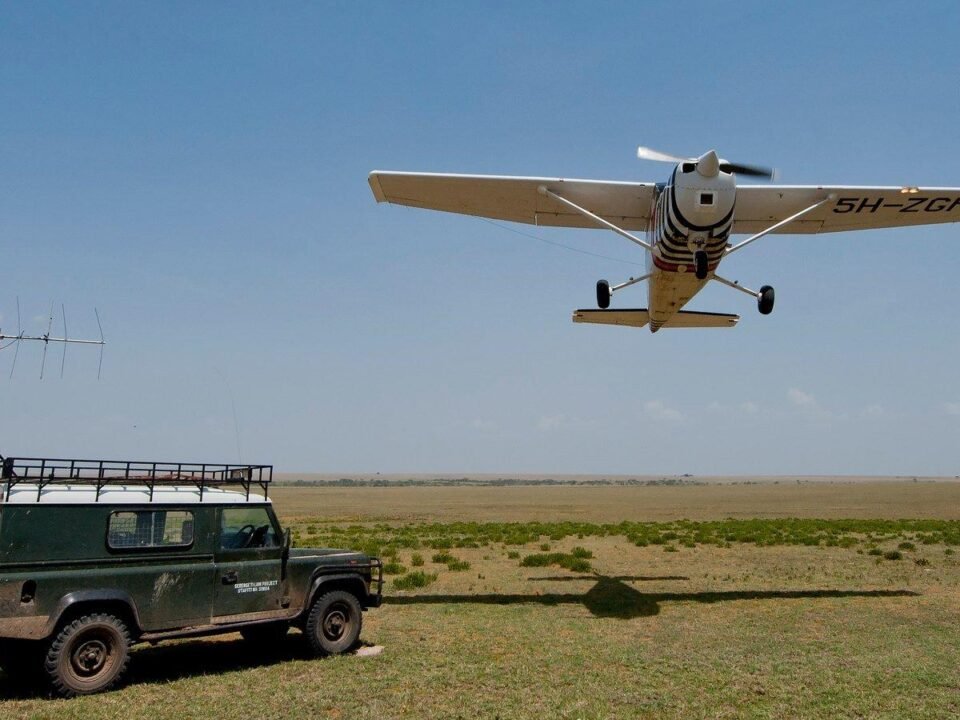
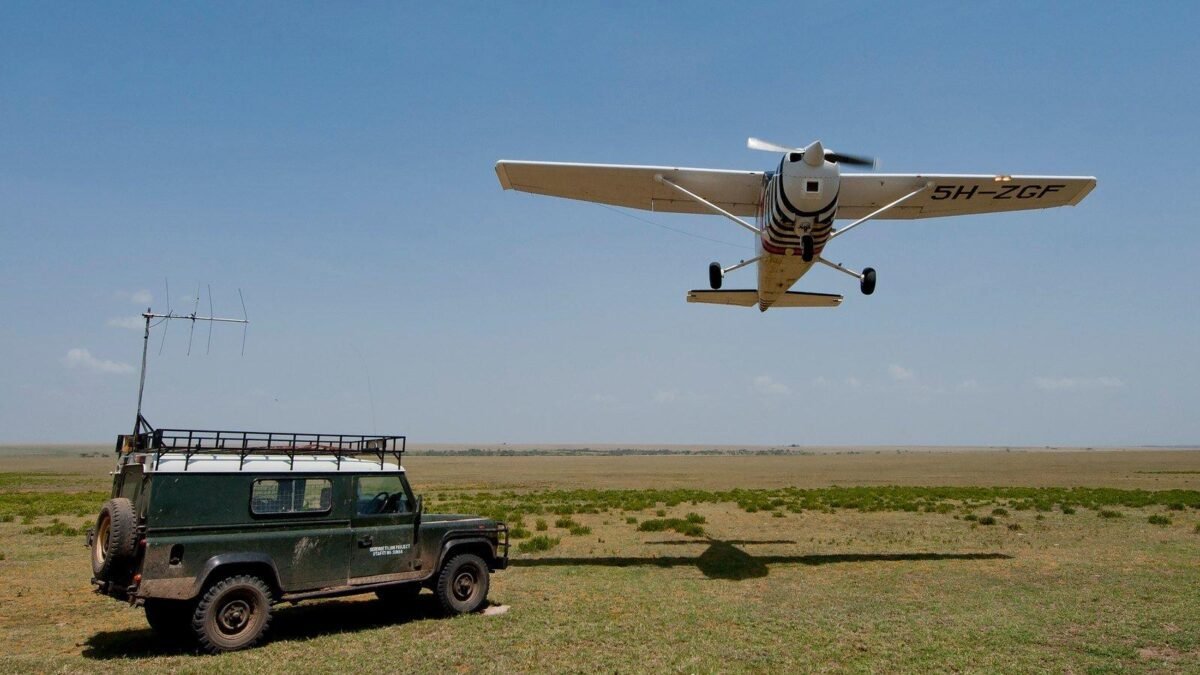
Scheduled light-aircraft services often connect through Nairobi’s Wilson Airport. Consequently, a park-to-park journey may require two flights.
Flight schedules, luggage restrictions, and airstrip transfers also affect the total journey.
For example, a flight may take less than an hour on one sector. Yet the complete transfer can occupy much of the morning or afternoon.
An Amboseli and Masai Mara fly-in safari suits travellers who value comfort and have a flexible budget.
Which Transport Option Is Better?
| Transport |
Main advantage |
Main drawback |
| Private road safari |
Flexible stops and one vehicle |
Longer travel days |
| Fly-in safari |
Less time on rough roads |
Higher cost and baggage limits |
| Road and flight combination |
Balances comfort and budget |
Requires careful transfer coordination |
Our guides at Zamunda Travels recommend choosing transport according to available days, not price alone.
If you only have five days, flights may make the itinerary more comfortable. However, seven or eight days offer greater flexibility.
This Kenya safari itinerary of 7 days focuses on wildlife rather than unnecessary destination changes.
It includes three nights in the Masai Mara, one night around Nairobi, and two nights in Amboseli.
Day 1: Nairobi to Masai Mara
Depart Nairobi after breakfast. Travel through the Great Rift Valley towards the Masai Mara.
After arriving, check into your lodge and enjoy an afternoon game drive if time permits.
Overnight: Masai Mara.
Day 2: Full-Day Masai Mara Game Drive
Leave after an early breakfast with a packed lunch.
Explore wildlife-rich areas while searching for lions, cheetahs, elephants, and other animals.
Your guide can adjust the route according to sightings.
Overnight: Masai Mara.
Day 3: Another Full Day in Masai Mara
Enjoy another day exploring the reserve. Focus on areas you missed during the previous game drive.
Alternatively, arrange a shorter morning drive and relax at your lodge during the afternoon.
Overnight: Masai Mara.
Day 4: Masai Mara to Nairobi
Enjoy breakfast before departing for Nairobi. Stop for lunch along the way.
After arrival, spend the evening relaxing. This overnight break makes the following journey easier.
Overnight: Nairobi.
Day 5: Nairobi to Amboseli National Park
Depart Nairobi after breakfast. Continue towards Amboseli and check into your lodge.
Later, enjoy an afternoon game drive, subject to arrival time and park access arrangements.
Overnight: Amboseli.
Day 6: Full-Day Amboseli Wildlife Safari
Start early for potential Kilimanjaro views. Watch elephant herds move across the plains and wetlands.
After lunch, continue wildlife viewing or relax at your accommodation.
Overnight: Amboseli.
Day 7: Amboseli to Nairobi
Enjoy breakfast before returning to Nairobi.
Depending on your flight schedule, arrange lunch or an airport transfer.
We recommend booking an evening international departure or adding a Nairobi overnight.
This itinerary works particularly well for travellers who prefer private transport. It also gives photographers more time in both parks.
For a customised itinerary, contact Zamunda Travels. We can adjust the route, accommodation, and game-drive schedule to match your interests.
Best Time to Visit Masai Mara and Amboseli
The best time to visit Masai Mara and Amboseli depends on your wildlife interests.
Kenya offers rewarding safaris throughout the year. However, rainfall, visitor numbers, and accommodation prices vary by season.
July to October: Migration Season
These months attract travellers hoping to see the Great Migration in the Masai Mara.
Large wildebeest herds may cross into Kenya during this period. However, their movements depend on rainfall and grazing conditions.
Amboseli also offers rewarding wildlife viewing during drier periods. Animals often gather around permanent water sources.
The main disadvantage is higher demand. Therefore, book accommodation and transport well in advance.
January to March: Good Wildlife and Photography Opportunities
These months can provide favourable wildlife conditions in both destinations.
Amboseli often offers clear early-morning views of Kilimanjaro. Meanwhile, the Masai Mara remains rewarding for resident predators.
However, weather conditions still vary. Travellers should prepare for occasional rain and changing visibility.
April to May: Quieter Travel Periods
The long rains generally occur around March to May, although timing varies.
During wetter periods, landscapes become greener. Visitor numbers may also decrease.
However, muddy roads can slow transfers. Some camps may close temporarily or offer reduced services.
Therefore, Zamunda Travels recommends checking lodge operations before confirming a rainy-season safari.
Masai Mara and Amboseli Safari Cost in 2026
The Masai Mara and Amboseli safari cost depends on accommodation, season, transport, and group size.
Private safari prices also reflect the number of travellers sharing a vehicle. Therefore, couples often pay more per person than larger groups.
Main Expenses to Consider
A complete safari quotation should explain these costs clearly:
- Accommodation and meals
- Private safari vehicle and driver-guide
- Park entry and conservation fees
- Fuel and road transfers
- Domestic flights, where applicable
- Optional activities and personal expenses
Masai Mara fees operate under a different authority and charging structure from Amboseli. Therefore, do not assume both parks use the same entry rules.
Rates change, so confirm current prices with Zamunda Travels.
Example: How Accommodation Changes Your Budget
Consider two travellers booking a seven-day private safari.
One couple chooses comfortable mid-range lodges outside the busiest areas. Another prefers luxury accommodation inside prime wildlife locations.
Both groups may follow similar routes. However, accommodation costs, access arrangements, and included services can differ considerably.
Peak-season travel can increase the difference further.
Therefore, compare quotations using the same travel dates and inclusions.
A cheaper package may exclude important expenses. For example, check whether park fees, drinking water, airport transfers, and game drives are included.
How to Make Your Kenya Safari More Comfortable
Small planning decisions can make a major difference.
Our guides at Zamunda Travels recommend protecting your game-drive time rather than filling every day with activities.
Choose Accommodation Carefully
The location of your lodge affects daily travel.
A property far from your preferred game-drive area may require extra driving. Therefore, check its location before booking.
For example, travellers interested in the Mara Triangle should consider access arrangements carefully.
Likewise, Amboseli accommodation should match your preferred park entrance and game-drive schedule.
Avoid Too Many Early Departures
Early game drives are valuable because animals can be more active during cooler hours.
However, travellers also need rest. Therefore, balance long wildlife days with relaxed afternoons.
Families with children may prefer shorter game drives. Older travellers may also appreciate more breaks between activities.
Pack for Different Conditions
Kenya’s safari weather can change throughout the day.
Carry lightweight clothing, a warm layer, comfortable shoes, sunscreen, and a hat.
Also pack binoculars, a camera, spare batteries, and a refillable water bottle.
For fly-in safaris, check baggage restrictions before packing. Smaller aircraft may require soft-sided bags.
Follow Wildlife Safety Rules
Always listen to your safari guide and park rangers.
Remain inside the vehicle unless your guide confirms that leaving is permitted. Never approach elephants or other wild animals.
Additionally, avoid feeding wildlife and keep noise levels low.
Before travelling, consult a healthcare professional about vaccinations and malaria prevention. Check current Kenya entry requirements for your nationality.
Common Mistakes When Combining Both Parks
The most common mistake is underestimating travel time.
A route may look short on a map. However, traffic, road conditions, and park access can delay arrival.
Another mistake is adding too many destinations.
Lake Naivasha and Lake Nakuru can enrich a longer Kenya safari. However, adding both to a short itinerary reduces time in the main parks.
Travellers also sometimes book accommodation without checking its location.
Finally, some visitors expect every wildlife sighting to happen immediately. Wildlife remains unpredictable, so extra game-drive time is valuable.
Should You Choose Seven or Eight Days?
Seven days offer a practical balance between travel and wildlife viewing.
However, eight days provide more flexibility. An additional night can reduce travel pressure or extend your stay in Amboseli.
For photography enthusiasts, extra time in the Masai Mara can be particularly rewarding.
Meanwhile, travellers arriving after a long international flight may benefit from spending their first night in Nairobi.
If your schedule allows, choose comfort over an unnecessarily packed itinerary.
Plan Your Masai Mara and Amboseli Safari With Zamunda Travels
A Masai Mara and Amboseli safari works best when both destinations receive enough attention.
Three nights in the Masai Mara and two in Amboseli provide a good starting point. Additionally, a planned transfer stop makes road travel more comfortable.
At Zamunda Travels, we organise private East African safaris based on your travel dates, interests, and budget.
Whether you prefer a road safari, fly-in itinerary, or luxury accommodation, we can help you build a suitable journey.
Start planning your Kenya safari with Zamunda Travels.
Website:
www.zamundatravels.com
Email:
info@zamundatravels.com
WhatsApp: +256 704 705 606
Frequently Asked Questions About Masai Mara and Amboseli
1. How Many Days Do You Need for Masai Mara and Amboseli?
Seven to eight days are ideal for a relaxed road safari. Spend three nights in the Masai Mara and two nights in Amboseli. Include a transfer stop between the parks. With suitable flight connections, a five- or six-day safari is possible, although it offers less flexibility.
2. Can You Drive Directly From Masai Mara to Amboseli?
Yes, but the journey is long and tiring. Depending on the route, traffic, and lodge locations, allow roughly nine to twelve hours or more. Therefore, an overnight stop around Nairobi is usually more comfortable. Alternatively, connecting flights can reduce time spent travelling by road.
3. Which Is Better, Masai Mara or Amboseli?
Neither park is universally better. The Masai Mara is especially rewarding for big cats, varied wildlife, and seasonal migration. Amboseli is famous for elephant herds and Kilimanjaro views. Therefore, visiting both provides a wider range of wildlife and landscapes during one Kenya safari.
4. Can You Fly From Masai Mara to Amboseli?
Yes, connecting light-aircraft flights may be available, usually through Nairobi’s Wilson Airport. However, schedules vary by season and operator. You must also allow time for transfers between airstrips and lodges. Zamunda Travels can help compare flight options against private road transport.
5. What Is the Best Month to Visit Masai Mara and Amboseli?
July to October is popular for migration-focused safaris, although wildebeest movements vary each year. January to March can also provide rewarding wildlife viewing and photography. However, no single month guarantees clear Kilimanjaro views or particular animal sightings. Choose dates based on your main interests.