Kenya Safari from the Netherlands
November 5, 2026
Night Game Drive in Murchison Falls National Park
November 6, 2026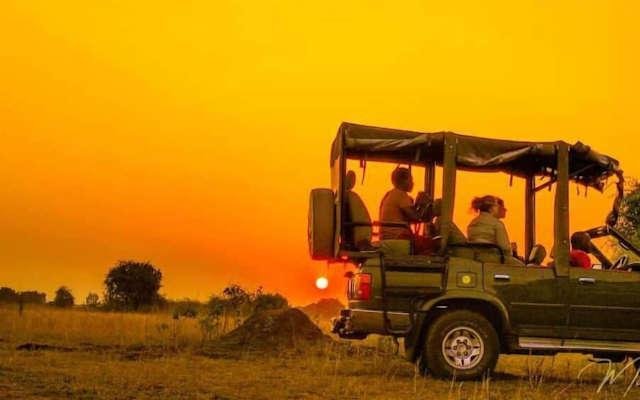
A night game drive in Queen Elizabeth National Park offers a different perspective on Uganda’s wildlife. As daylight fades, some animals become more active, while others settle into the grasslands.
Lions may begin moving, hyenas search for food, and smaller nocturnal mammals emerge from their daytime shelters. However, night wildlife viewing requires special arrangements and official permission.
At Zamunda Travels, we help travellers explore Queen Elizabeth National Park through carefully planned wildlife safaris. This guide explains what to expect, where night drives have traditionally operated, and how to plan responsibly.
Quick answer: A night game drive in Queen Elizabeth National Park is a ranger-guided safari designed to observe wildlife after sunset. The Mweya Peninsula has traditionally hosted these drives. Visitors may encounter hyenas, leopards, civets, and other nocturnal animals. However, current availability requires confirmation with the Uganda Wildlife Authority before booking.
What Is a Night Game Drive in Queen Elizabeth National Park?
A night game drive is a guided wildlife excursion conducted after sunset. Unlike daytime safaris, it focuses on animals that become active during darkness.
The experience typically uses a 4×4 safari vehicle and a controlled spotlight. A trained ranger helps locate wildlife while ensuring that visitors follow park regulations.
Queen Elizabeth National Park lies in western Uganda, between Lake Edward and Lake George. It covers approximately 1,978 square kilometres and forms part of the greater Queen Elizabeth conservation landscape.
The park features savannah grasslands, wetlands, crater lakes, woodland, and the famous Kazinga Channel.
During the day, visitors commonly explore the Kasenyi Plains and Ishasha sector. However, after-dark activities have traditionally followed more restricted routes.
Night drives are not simply regular game drives that continue beyond sunset. They require separate authorisation and follow different wildlife protection rules.
UWA’s published conservation tariff requires an official guide and restricts night drives to visitors sleeping inside the park. Nevertheless, the availability of this activity at Queen Elizabeth must be confirmed for the intended travel date.
Where Can You Go for a Night Game Drive in Queen Elizabeth National Park?
Mweya Peninsula
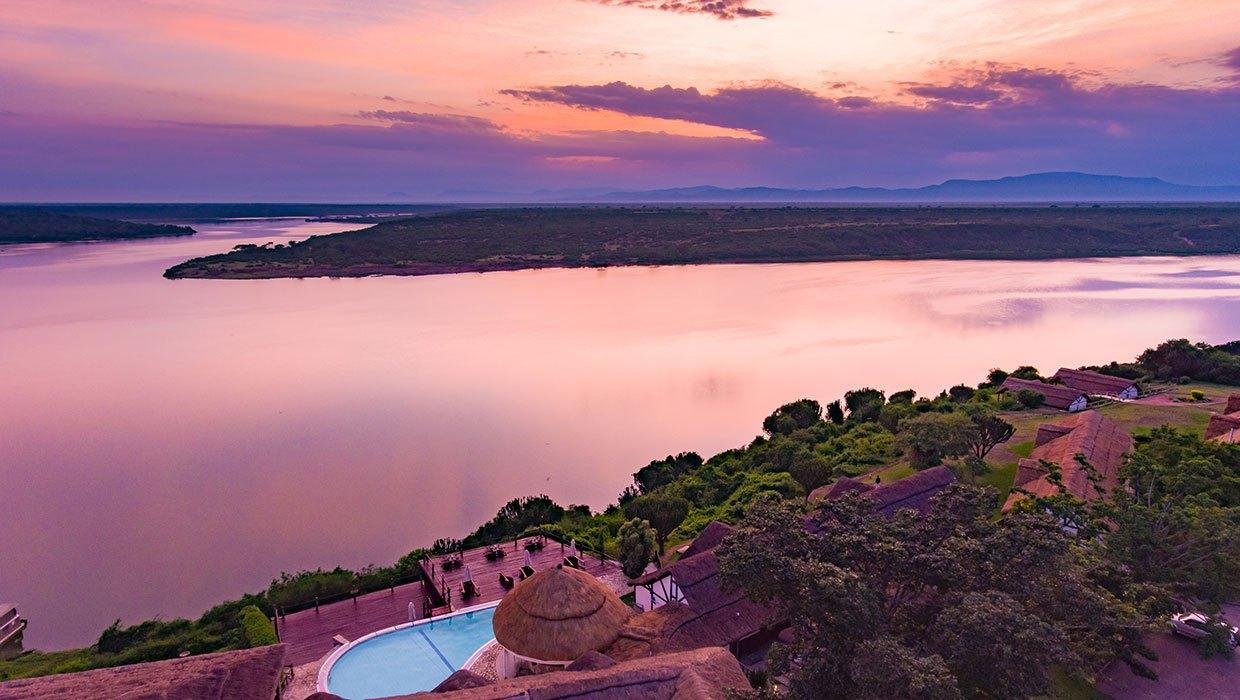
Mweya is historically associated with guided night wildlife drives.
The Mweya Peninsula is the main area historically associated with night game drives in Queen Elizabeth National Park.
It lies between Lake Edward and the Kazinga Channel. The surrounding landscape includes bushland, open areas, and tracks used for wildlife viewing.
The peninsula also provides access to the Kazinga Channel boat cruise and several daytime safari routes.
After dark, visitors may have opportunities to observe animals moving through the vegetation. For example, hyenas and smaller nocturnal carnivores may become more active.
However, a route’s historical use does not guarantee that night drives currently operate there.
Our guides at Zamunda Travels recommend confirming the approved route and ranger availability before arranging accommodation or paying for the activity.
Can You Do a Night Drive in Kasenyi?
The Kasenyi Plains are among the best-known daytime game-viewing areas in Queen Elizabeth National Park.
They support Uganda kob, buffaloes, elephants, and predators, including lions.
However, published park guides distinguish Kasenyi’s daytime drives from the historically permitted night drives around Mweya.
Therefore, visitors should not assume that a morning safari route remains accessible after sunset.
The same applies to the Ishasha sector, famous for its tree-climbing lions. Ishasha is primarily promoted for daytime wildlife viewing rather than scheduled night safaris.
Nocturnal Animals in Queen Elizabeth National Park
One reason travellers consider a Queen Elizabeth National Park night safari is the possibility of observing animals rarely seen during daylight.
However, wildlife sightings depend on weather, habitat, animal movements, and the route authorised by park management.
Lions and Leopards
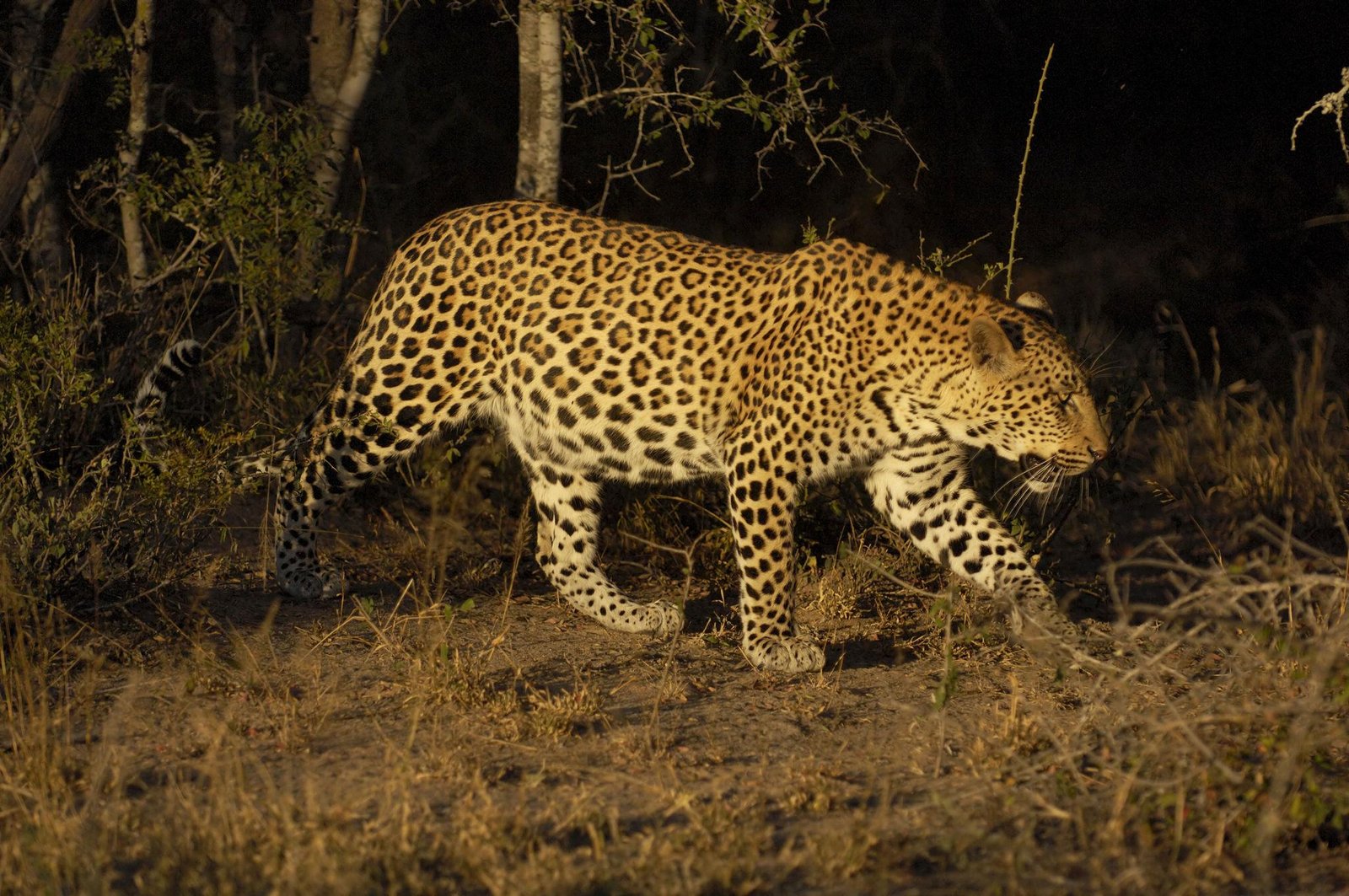
Leopards can be active after dark, although sightings are never guaranteed.
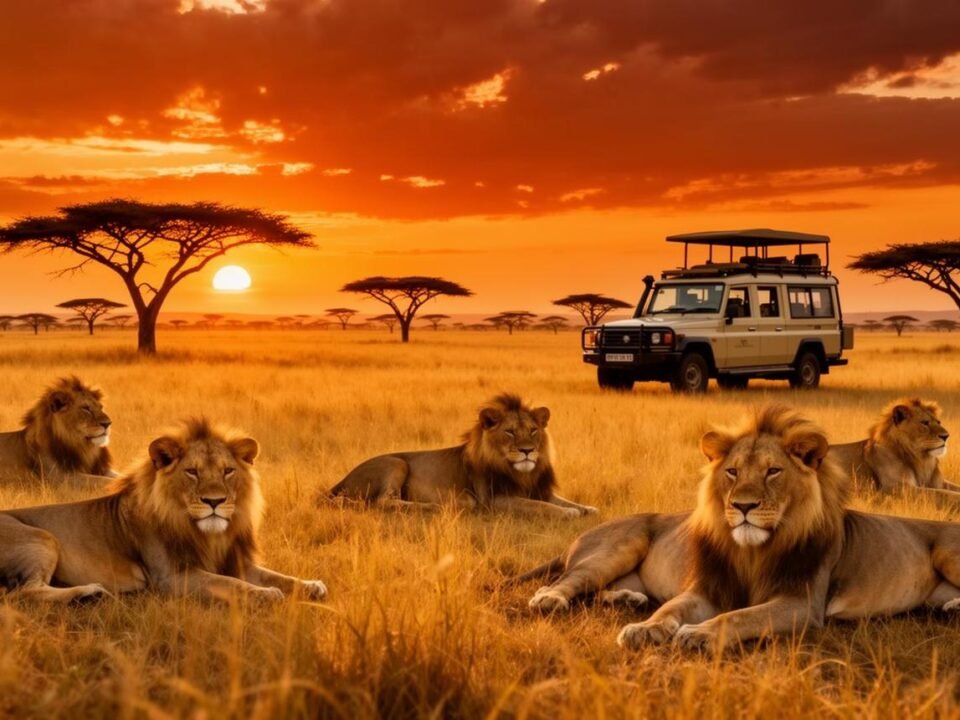
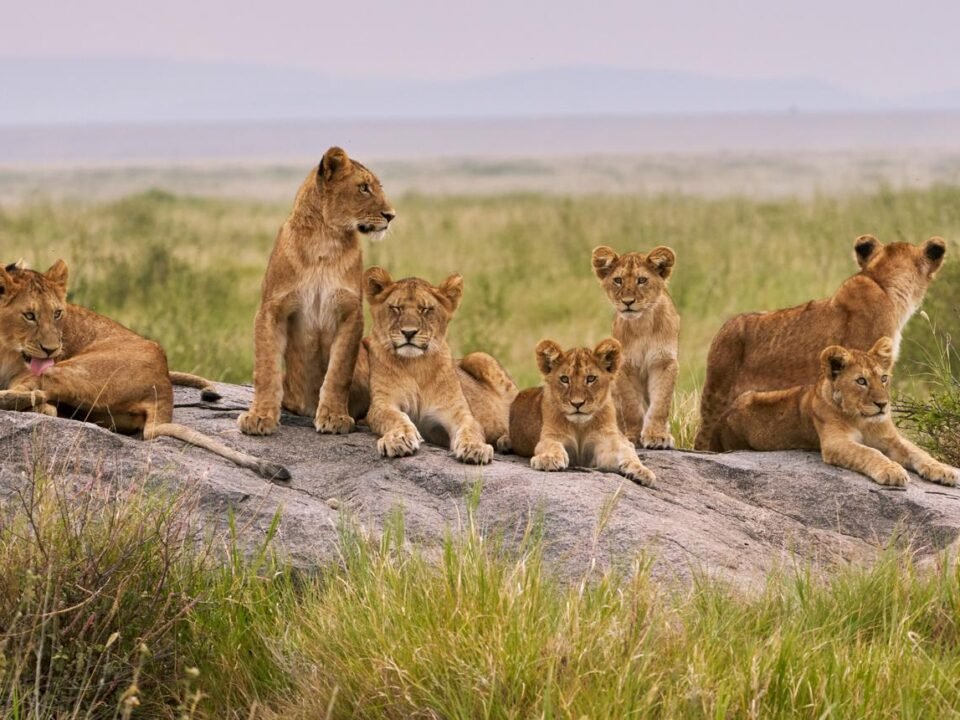
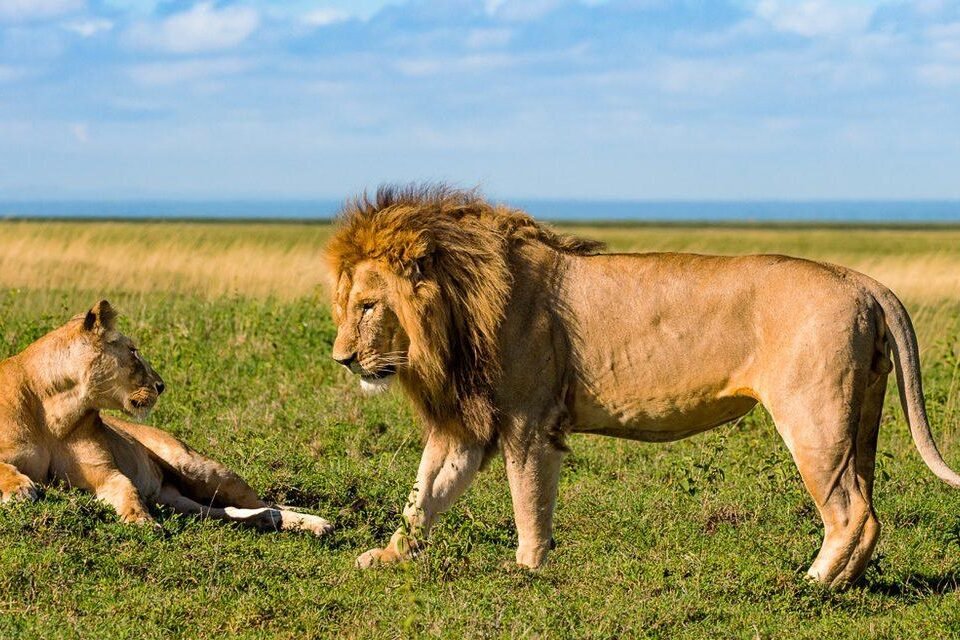
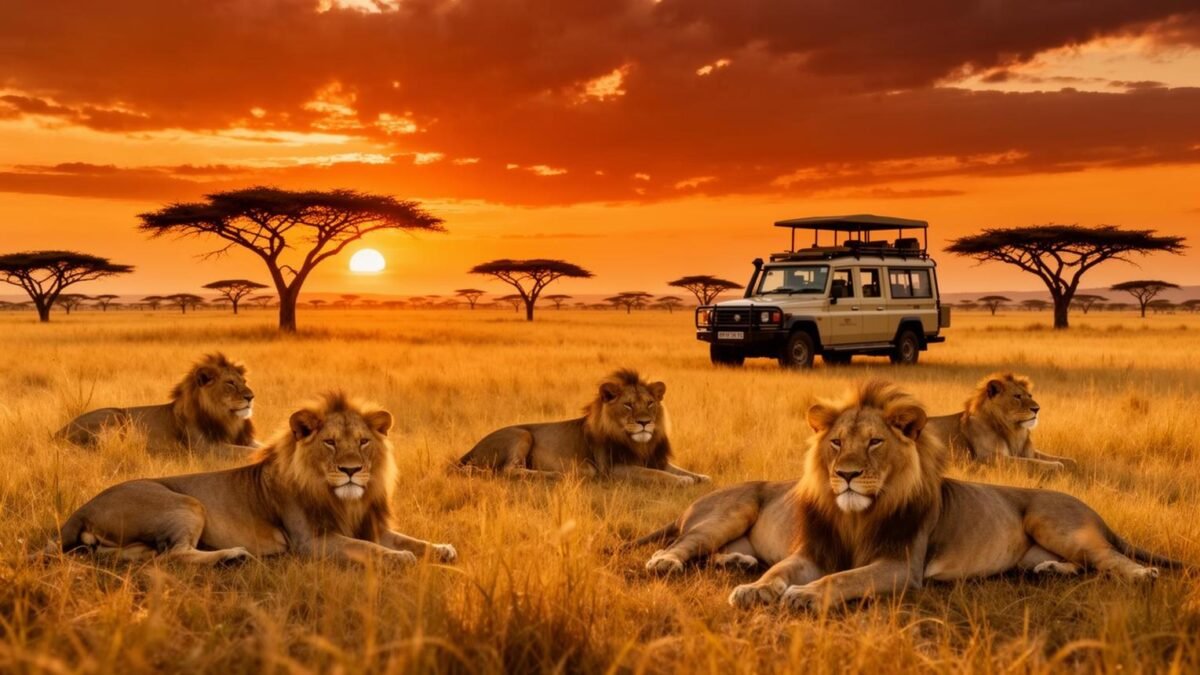
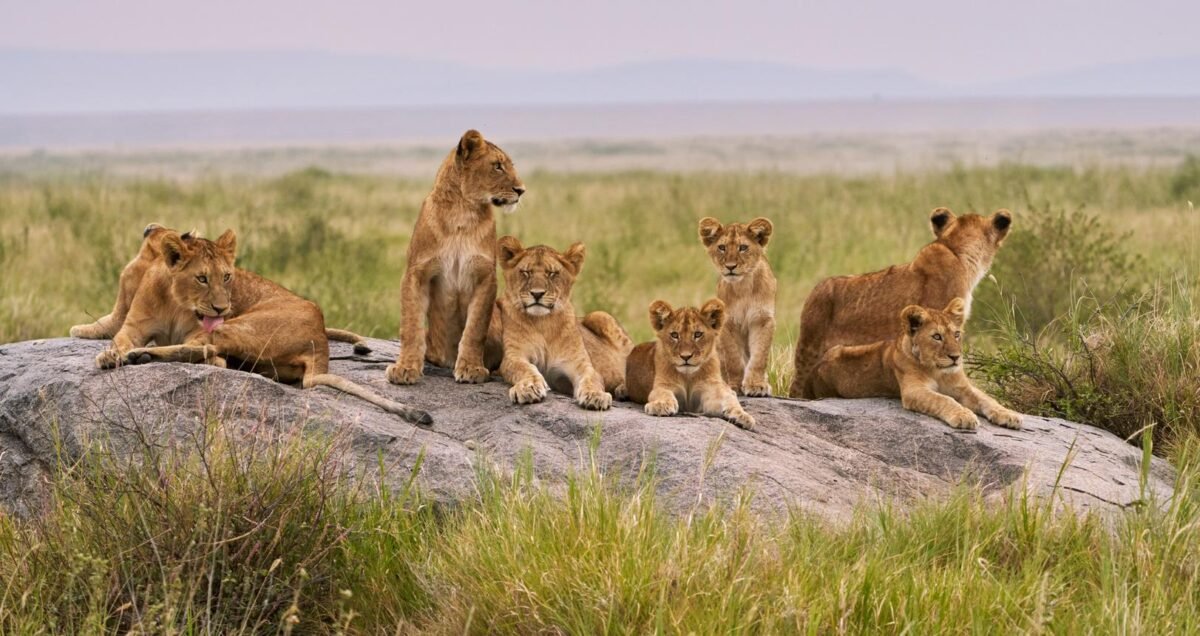
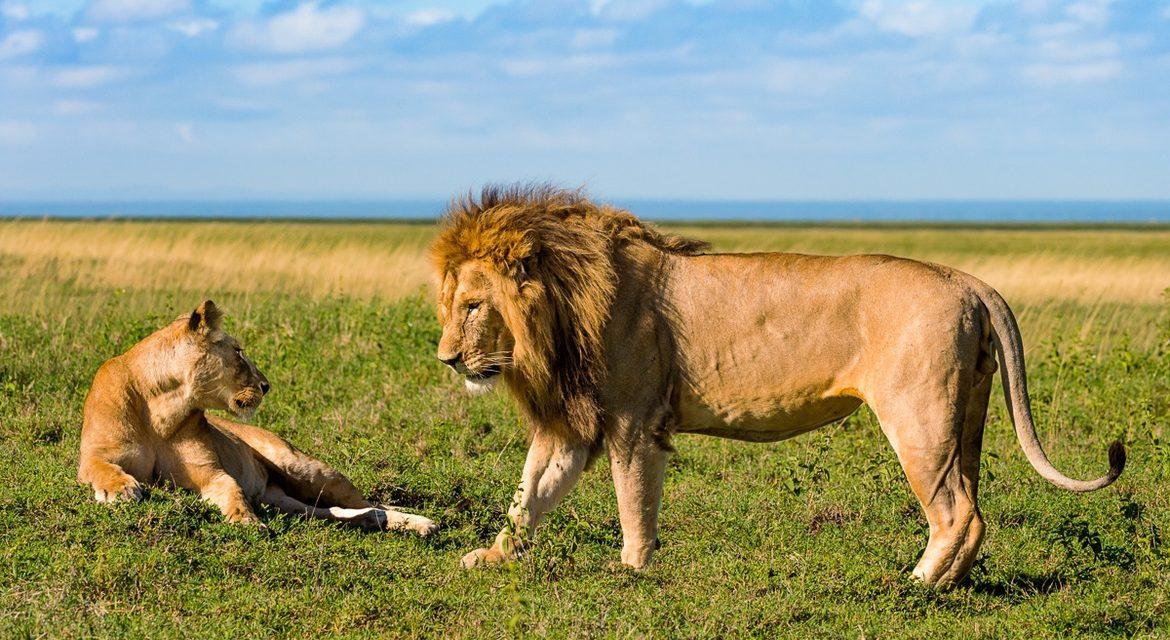
Lions often become active during cooler evening and nighttime hours. They may patrol their territories, rest near tracks, or search for prey.
Leopards also hunt during darkness, although they remain difficult to find because of their secretive behaviour.
A spotlight may reveal eye reflections or movement in the vegetation.
Nevertheless, neither lion nor leopard sightings are guaranteed.
Hyenas and Smaller Carnivores
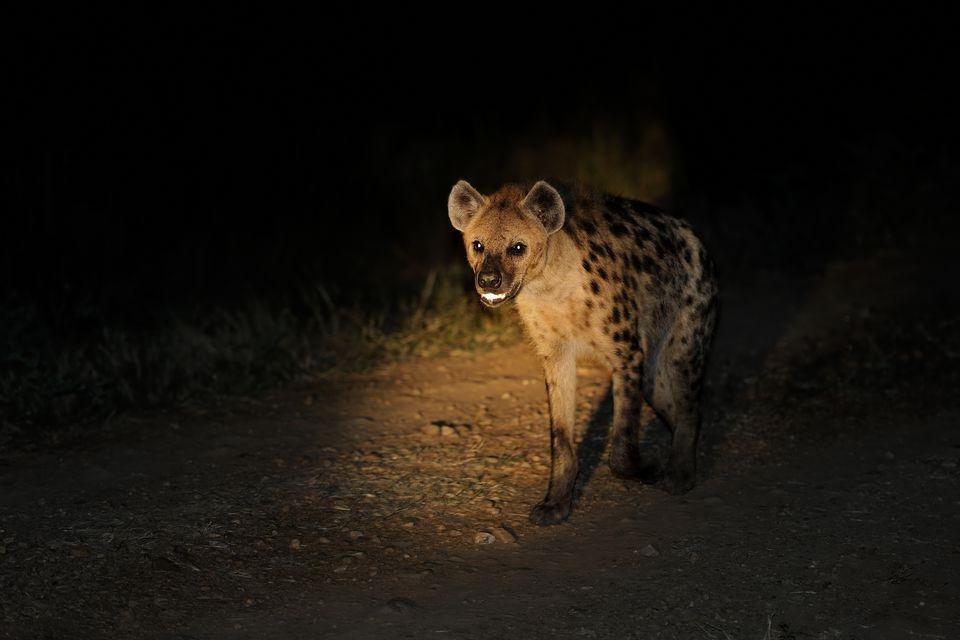
Spotted hyenas are among the carnivores active after dark.
Spotted hyenas are among the animals visitors may encounter after sunset.
These predators and scavengers travel across large areas while searching for food. Their calls can also carry through the night.
Other possible sightings include civets, genets, and servals.
These smaller mammals are often difficult to observe during daytime safaris. Consequently, an authorised night drive may provide a different wildlife experience.
Bushbabies, Hippos and Nocturnal Birds
Bushbabies are small, nocturnal primates known for their large eyes and jumping ability.
Visitors may also encounter hippos away from the water. Hippos frequently leave lakes and channels at night to graze.
Nightjars and other birds active around dusk may appear along suitable tracks.
However, sightings vary considerably. The most rewarding approach is to appreciate each encounter rather than pursue a particular animal.
What Happens During a Night Safari?
A typical night safari begins with a briefing from the guide or ranger.
The briefing covers vehicle safety, wildlife behaviour, spotlight use, and the approved driving route.
Next, visitors enter the designated viewing area as evening approaches.
The ranger watches for movement, animal tracks, and reflections from wildlife eyes. Meanwhile, the driver maintains a careful speed.
When animals appear, the vehicle stops at a respectful distance.
Spotlights should never remain fixed on an animal’s eyes. Additionally, visitors should avoid flash photography unless the ranger permits it.
A night drive may last around two to three hours, depending on local arrangements. However, exact departure times and duration require confirmation.
The experience often feels quieter than a daytime safari. Sounds become more noticeable, and wildlife can appear unexpectedly.
Our guides at Zamunda Travels recommend allowing enough time for dinner and rest after the activity.
Travellers should also avoid scheduling a demanding early departure immediately afterward.
Best Time for Night Game Drives in Uganda
Queen Elizabeth National Park remains a year-round wildlife destination.
However, seasonal rainfall influences road conditions, vegetation, and the overall safari experience.
Dry Seasons: June to September and December to February
The generally drier months often provide more convenient conditions for wildlife drives.
Tracks may be easier to navigate, while shorter vegetation can improve visibility in some areas.
Animals may also gather near dependable water sources.
Nevertheless, rainfall remains possible, even during traditionally dry periods.
Rainier Seasons: March to May and October to November
Rain can make some park tracks slippery or muddy.
Vegetation also becomes thicker in many areas, which can make smaller animals harder to locate.
However, the landscape becomes greener, and birdwatching can be rewarding.
Night wildlife activity does not stop during the rainy seasons.
For travellers visiting during these months, Zamunda Travels recommends flexible scheduling and a suitable 4×4 safari vehicle.
Importantly, weather conditions never override UWA’s decisions about route access or night-drive operations.
Queen Elizabeth Night Game Drive Cost and Fees
The cost of a night safari depends on the visitor’s residency category, vehicle arrangements, accommodation, and official activity charges.
UWA’s 2024–2026 conservation tariff listed the following fees for guided night drives using a private vehicle:
-
Foreign non-residents: USD 30 per person.
-
Foreign residents: USD 20 per person.
-
East African citizens: UGX 30,000 per person.
These are historical published rates, not verified November 2026 prices. The tariff period ended in June 2026, and later tariff documents indicate possible revisions.
Rates change, so confirm current prices with Zamunda Travels.
What Else Should You Budget For?
The activity fee is only one part of the safari budget.
Visitors may also need to pay park entrance fees, vehicle charges, accommodation, transport, and meals.
For example, two international travellers staying inside the park would need to budget for both their individual park entry and night-drive fees.
Their final quotation would also depend on the safari vehicle, lodge, and number of nights.
A private vehicle may offer greater flexibility, while a shared arrangement may reduce some transport costs where available.
However, never assume that the advertised activity fee includes all safari expenses.
At Zamunda Travels, we recommend requesting an itemised quotation before confirming your trip.
This helps travellers understand exactly what the safari package covers.
How to Book a Night Game Drive in Queen Elizabeth National Park
Booking requires more care than arranging a standard daytime game drive.
First, contact the Uganda Wildlife Authority or an experienced local tour operator.
Ask whether authorised night drives are operating on your intended date.
Next, confirm the permitted area, ranger requirements, and accommodation eligibility.
UWA’s published rules restrict night drives to tourists staying inside the national park. Therefore, staying outside the boundary may affect eligibility.
Once the activity is confirmed, arrange a suitable vehicle and accommodation.
Finally, request written confirmation of the fees, meeting location, and departure time.
Planning a Uganda safari? Zamunda Travels can help you check current night-drive arrangements and combine approved activities with daytime wildlife experiences.
If night drives are unavailable, we can help plan alternative activities around Mweya and Kasenyi.
Sample Two-Day Queen Elizabeth National Park Safari
A two-day safari provides a practical introduction to the park’s wildlife and landscapes.
It can also accommodate a night activity when UWA confirms that one is available.
Day 1: Arrival, Kazinga Channel and Evening Wildlife
Arrive at Queen Elizabeth National Park and proceed to your accommodation.
After lunch, enjoy a boat cruise along the Kazinga Channel, subject to the scheduled departure.
The channel connects Lake Edward and Lake George. It is particularly known for hippos, crocodiles, waterbirds, and animals visiting the shoreline.
Later, return to your lodge for dinner.
If UWA has authorised night drives, you may join the arranged excursion.
Otherwise, enjoy the evening at your lodge and prepare for the next day’s game drive.
Day 2: Morning Game Drive and Departure
Begin the morning with an early game drive in the Kasenyi Plains.
Look for Uganda kob, buffaloes, elephants, lions, and other savannah wildlife.
Morning temperatures are often comfortable, while some predators may still be active.
After the drive, return for breakfast or continue to your next destination.
Depending on your itinerary, you may travel toward Bwindi Impenetrable National Park, Kibale National Park, or another part of western Uganda.
For a more relaxed experience, consider spending three days in Queen Elizabeth National Park.
This allows additional time for wildlife viewing without rushing between activities.
What to Pack for a Night Game Drive
Night safaris require slightly different preparation from daytime excursions.
Temperatures may feel cooler after sunset, especially when travelling in an open or partially open vehicle.
Therefore, pack clothing that keeps you comfortable without restricting movement.
Useful items include:
-
A light jacket or fleece.
-
Long trousers and comfortable closed shoes.
-
Insect repellent.
-
A camera suitable for low-light photography.
-
Binoculars for viewing animals during twilight.
-
Drinking water and any essential medication.
-
A small personal bag for valuables.
Avoid bright clothing and unnecessary noise during wildlife encounters.
Additionally, keep your phone on silent and follow the ranger’s photography instructions.
Do not bring a powerful spotlight to use independently. The authorised guide should control wildlife illumination.
Safety Tips for Night Game Drives
Wild animals can behave unpredictably, especially when feeding or moving through darkness.
For this reason, visitors should follow all ranger instructions.
Remain inside the safari vehicle unless the ranger specifically authorises otherwise.
Never approach an animal on foot or attempt to attract wildlife using food or sounds.
Furthermore, avoid sudden movements and loud conversations when animals are nearby.
Drivers must respect approved tracks and speed limits.
Spotlights should be used carefully to avoid disturbing wildlife.
For health precautions, wear insect repellent and follow current travel-health advice for Uganda.
Travellers should also discuss malaria prevention with a qualified healthcare professional before departure.
Finally, purchase travel insurance that covers your planned safari activities.
Responsible wildlife viewing protects both visitors and the animals they have travelled to see.
Common Mistakes to Avoid
One common mistake is assuming that every Uganda national park offers night game drives.
In reality, activities vary between parks and may change with conservation or operational decisions.
Another mistake is booking accommodation outside the park without checking night-drive eligibility.
Travellers sometimes also expect to see a leopard or lion hunting.
However, nocturnal predators are unpredictable, and a successful safari does not depend on witnessing a kill.
Poor timing can create problems too. Arriving late without prior arrangements may leave insufficient time for a scheduled activity.
Finally, some visitors confuse an evening game drive with an official night drive.
An evening drive may finish around sunset, while an authorised night drive operates under separate conditions.
Our recommendation at Zamunda Travels is simple: confirm the activity before building your itinerary around it.
Is a Night Game Drive Worth It?
A night game drive can be a worthwhile addition for travellers interested in nocturnal wildlife.
It provides a different perspective from traditional morning and afternoon game drives.
However, the experience depends on whether authorised operations are available during your visit.
For first-time safari travellers, daytime activities remain essential.
The Kasenyi Plains offer opportunities to see savannah wildlife, while the Kazinga Channel provides excellent water-based viewing.
Together, these activities create a balanced Queen Elizabeth National Park safari.
For visitors particularly interested in night wildlife, Lake Mburo and Murchison Falls may also be worth considering, subject to current park arrangements.
Plan Your Queen Elizabeth National Park Safari With Zamunda Travels
A night game drive in Queen Elizabeth National Park offers the possibility of seeing Uganda’s wildlife after sunset.
The Mweya Peninsula has historically provided opportunities to observe nocturnal animals, including hyenas, civets, and leopards.
However, current availability, approved routes, and fees must be confirmed with UWA before booking.
At Zamunda Travels, we help travellers plan wildlife safaris across Uganda with suitable accommodation, transport, and knowledgeable local guiding.
Whether you want a traditional game drive, a Kazinga Channel boat cruise, or an authorised night safari, we can help organise your visit.
Website: www.zamundatravels.com
Email: info@zamundatravels.com
WhatsApp: +256 704 705606
Zamunda Travels — Beyond Expedition.
Frequently Asked Questions About Night Game Drives in Queen Elizabeth National Park
1. Are night game drives allowed in Queen Elizabeth National Park?
Night game drives have historically been permitted around the Mweya Peninsula under UWA supervision. However, published sources disagree about their current operational status. Visitors should confirm availability directly with UWA before booking. Unauthorised night driving is not permitted, and an official ranger guide is required for approved activities.
2. How much does a night game drive cost in Queen Elizabeth National Park?
The UWA 2024–2026 tariff listed USD 30 per foreign non-resident, USD 20 per foreign resident, and UGX 30,000 per East African citizen for guided night drives in private vehicles. These are historical rates. Additional entrance, transport, and accommodation charges may apply. Rates change, so confirm current prices with Zamunda Travels.
3. What animals can you see during a night game drive?
Possible sightings include spotted hyenas, leopards, civets, genets, servals, bushbabies, and grazing hippos. Lions may also be active after sunset. However, sightings depend on wildlife movements, weather, vegetation, and the approved route. No responsible safari operator can guarantee a particular animal encounter.
4. What is the best time for a night game drive in Queen Elizabeth National Park?
The generally drier months, particularly June to September and December to February, can offer easier driving conditions. However, wildlife remains active throughout the year. Approved night drives typically take place after sunset, with exact times set by park management. Always confirm the activity’s current operating schedule before travelling.
5. Can you do a night game drive without a ranger?
No. UWA’s published conservation rules require an official ranger guide for authorised night game drives. Visitors cannot independently drive through protected safari tracks after dark. The ranger helps manage wildlife encounters, vehicle safety, and spotlight use. Tourists must also meet the applicable accommodation and booking requirements.