Kenya Safari from Spain
November 5, 2026
Night game drive in queen Elizabeth national park
November 6, 2026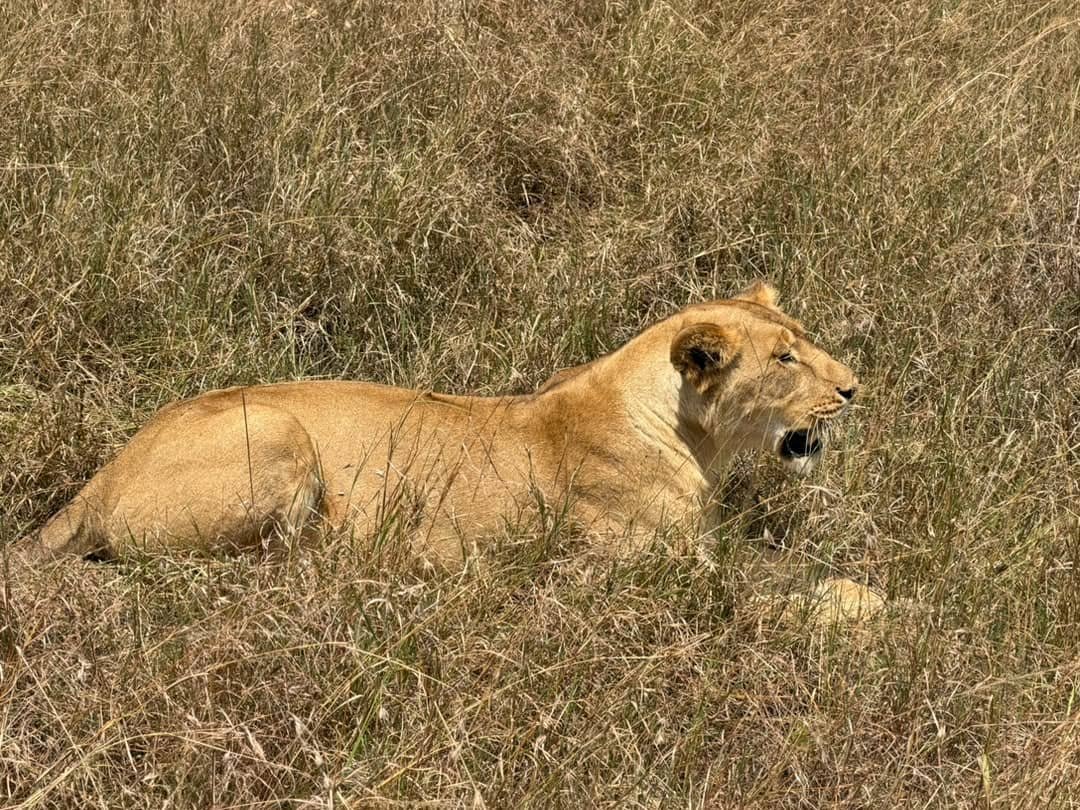
Planning a Kenya Safari from the Netherlands is an excellent way to discover East Africa’s remarkable wildlife, landscapes and cultural experiences. From the famous Masai Mara to the elephant-rich plains of Amboseli, Kenya offers exceptional safari opportunities for Dutch travellers.
Whether you are travelling from Amsterdam, Rotterdam, Utrecht or another Dutch city, Kenya has something for every type of visitor. You can enjoy private wildlife safaris, family holidays, photography adventures and relaxing beach extensions.
However, planning a successful safari requires careful consideration of travel dates, destinations, accommodation and transportation.
At Zamunda Travels, we specialise in personalised East African safari experiences. This guide explains everything Dutch travellers should know before planning their Kenya holiday.
Quick answer: A Kenya safari from the Netherlands usually begins with a flight from Amsterdam Schiphol Airport to Nairobi. Most travellers choose seven to ten days to explore wildlife destinations such as the Masai Mara, Amboseli and Lake Nakuru. July to October offers excellent wildlife viewing, while January and February are also rewarding.
Why Choose a Kenya Safari from the Netherlands?
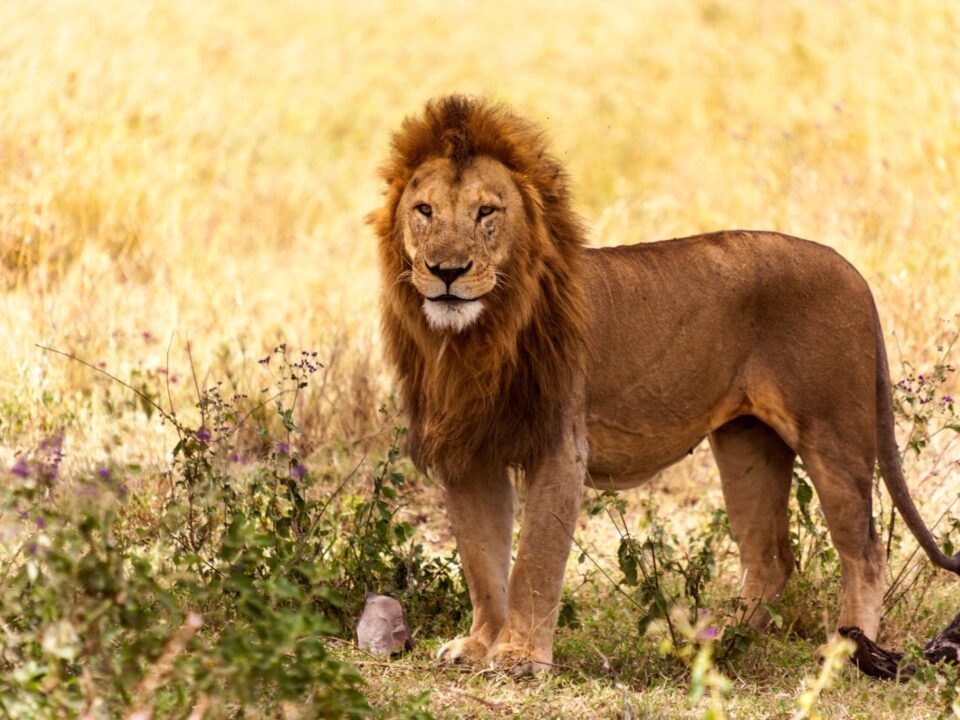
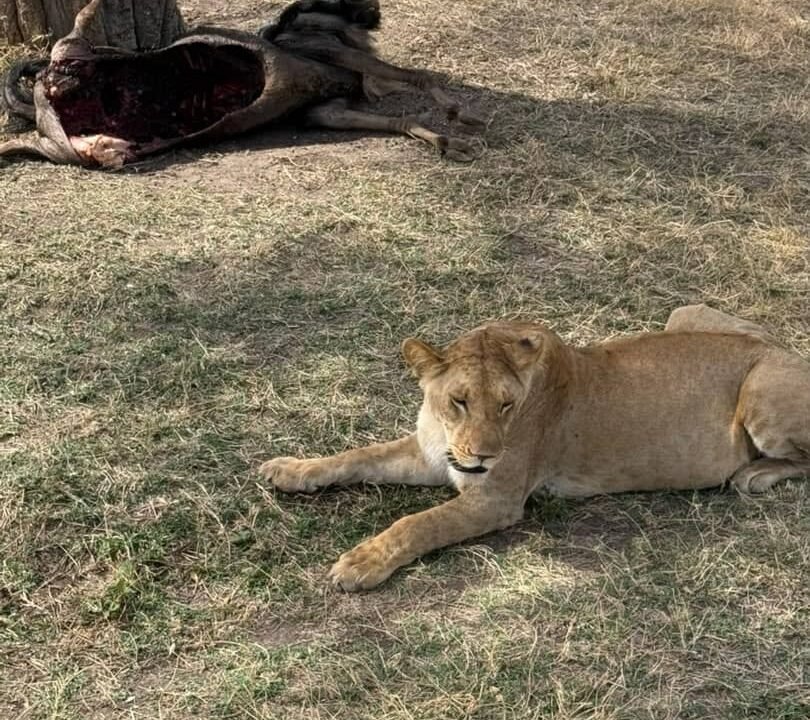
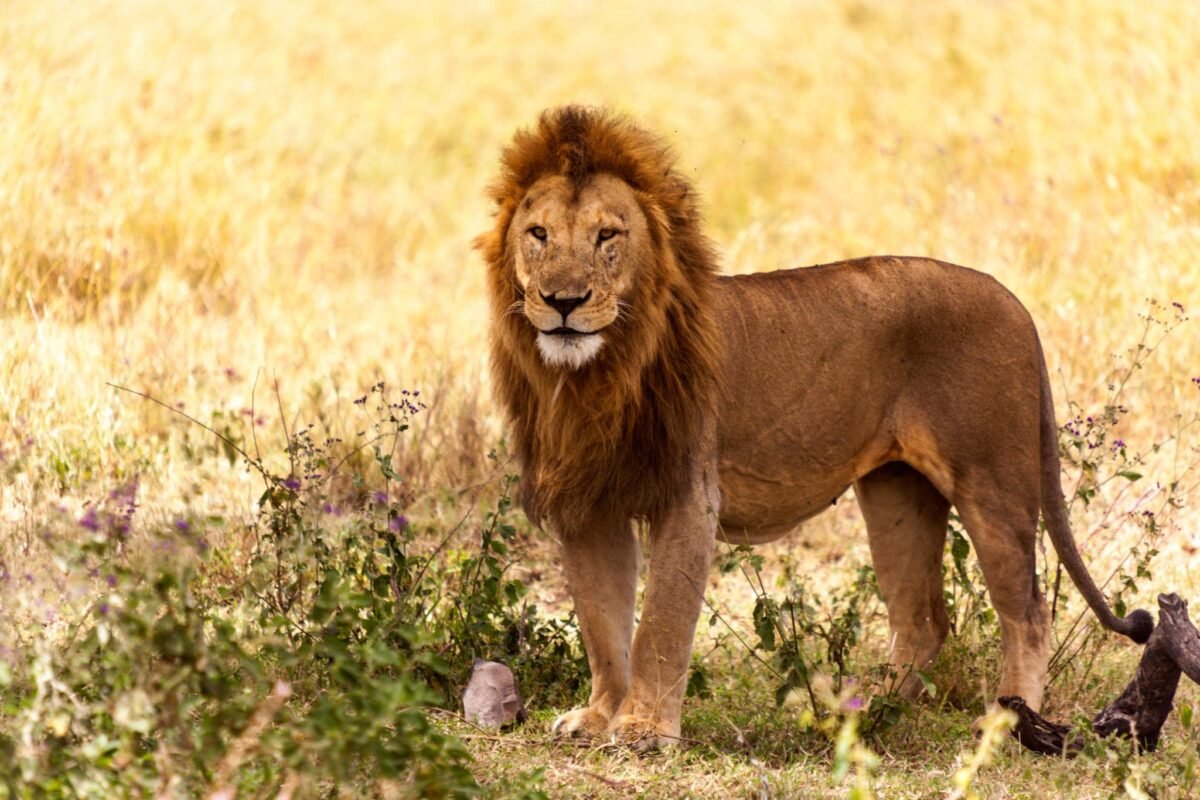
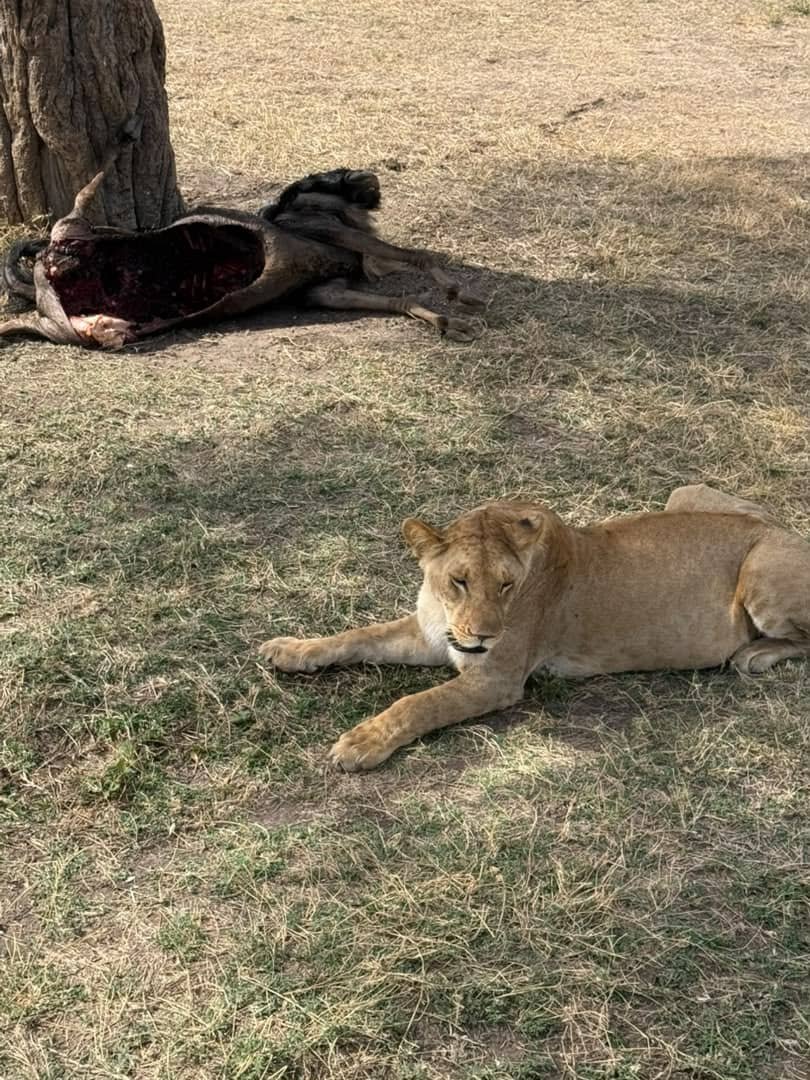
Kenya is one of Africa’s most established wildlife safari destinations. Its national parks and reserves protect lions, elephants, leopards, buffaloes, rhinoceroses and hundreds of bird species.
Additionally, Kenya offers diverse landscapes. Visitors can explore open savannahs, freshwater lakes, forests and the Indian Ocean coastline during one holiday.
For Dutch travellers, a Kenya safari provides several advantages.
-
Excellent wildlife viewing: Kenya offers opportunities to observe the Big Five and many other species.
-
Flexible safari packages: Choose private tours, family adventures or organised group safaris.
-
Comfortable accommodation: Options range from affordable safari camps to luxury lodges.
-
Experienced safari guides: Professional guides help visitors understand wildlife behaviour and conservation.
-
Safari and beach combinations: Combine wildlife viewing with a relaxing holiday at Diani Beach or Watamu.
Furthermore, Kenya is suitable for both first-time safari visitors and experienced wildlife enthusiasts.
Our guides at Zamunda Travels recommend selecting destinations based on your interests, available time and preferred travel style.
Best Places to Visit on a Kenya Safari from the Netherlands
Kenya has several outstanding wildlife destinations. However, choosing the right combination of parks is important for a comfortable itinerary.
1. Masai Mara National Reserve
The Masai Mara National Reserve is one of Kenya’s most famous safari destinations.
Its extensive grasslands support lions, leopards, cheetahs, elephants, buffaloes, giraffes and numerous antelope species.
The reserve is also part of the greater Mara–Serengeti ecosystem, which supports the annual wildebeest migration.
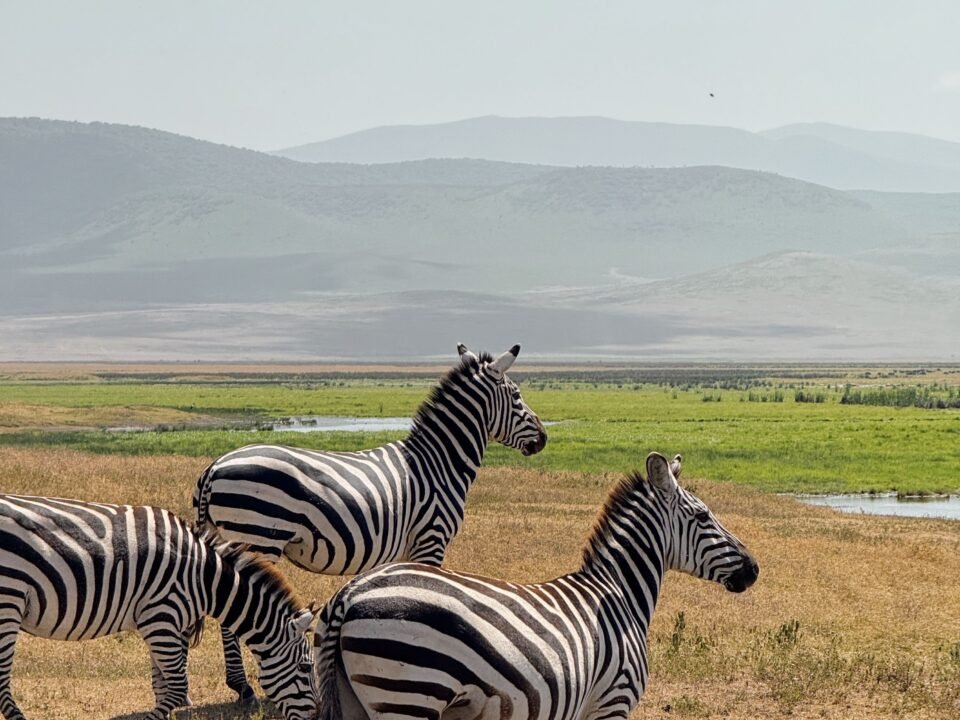
Between approximately July and October, large herds of wildebeest and zebras often move into the Masai Mara from Tanzania’s Serengeti.
However, migration movements depend on rainfall and grazing conditions. Therefore, river crossings cannot be guaranteed on specific dates.
The Masai Mara also offers excellent wildlife photography opportunities throughout the year.
At Zamunda Travels, we generally recommend spending at least three nights in the Masai Mara. This provides enough time for several game drives without rushing.
2. Amboseli National Park
Amboseli National Park is particularly famous for its large elephant herds and views of Mount Kilimanjaro.
The park features open plains, seasonal lakes and wetlands that attract different wildlife species.
Visitors can observe elephants, zebras, wildebeest, buffaloes and numerous birds.
Moreover, Amboseli provides some of Kenya’s most recognisable wildlife photography settings.
Early morning game drives often offer clearer views of Kilimanjaro before clouds develop.
However, mountain visibility depends on weather conditions.
Amboseli is an excellent destination for elephant enthusiasts, photographers and families.
3. Lake Nakuru National Park
Lake Nakuru National Park is located in Kenya’s Great Rift Valley.
The park is particularly important for rhinoceros conservation. Visitors may encounter both black and white rhinoceroses.
Other wildlife includes buffaloes, giraffes, zebras and various antelope species.
Lake Nakuru is also known for its birdlife, including flamingos.
However, flamingo numbers change depending on lake conditions and food availability.
Therefore, visitors should not expect the enormous flamingo concentrations seen in some historical photographs.
Lake Nakuru works well as a stop between Nairobi and the Masai Mara.
4. Samburu National Reserve
Samburu National Reserve offers a different wildlife experience from southern Kenya.
Its semi-arid landscapes support species adapted to northern Kenya’s environment.
These include Grevy’s zebra, reticulated giraffe, gerenuk and Beisa oryx.
Elephants also visit the Ewaso Ng’iro River, especially during drier periods.
Additionally, Samburu offers opportunities to learn about local Samburu culture through appropriately organised community visits.
This destination is particularly suitable for travellers interested in unusual wildlife species and varied landscapes.
5. Tsavo East and Tsavo West National Parks
Tsavo East and Tsavo West are two major wildlife destinations in southeastern Kenya.
Tsavo East is known for its expansive landscapes and elephants that often appear reddish from the area’s soil.
Meanwhile, Tsavo West features volcanic landscapes, hills, springs and diverse habitats.
Both parks offer opportunities to observe elephants, buffaloes, giraffes and predators.
Furthermore, their location makes them suitable for travellers combining wildlife safaris with coastal holidays.
Best Time for a Kenya Safari from the Netherlands
Kenya offers wildlife viewing throughout the year. However, rainfall patterns influence vegetation, animal movements and road conditions.
July to October: Popular Wildlife Season
July through October is one of the most popular periods for Kenya safari holidays.
Many wildlife destinations experience relatively dry conditions during these months.
Consequently, animals often gather around permanent water sources, making wildlife viewing rewarding.
The Masai Mara may also receive large migrating herds during this period.
However, July and August coincide with Dutch summer holidays. Accommodation demand can therefore be high.
Booking several months in advance is advisable.
January to March: Excellent Safari Conditions
January and February are often relatively dry across many Kenyan safari regions.
These months can provide excellent wildlife photography opportunities.
Additionally, popular destinations may feel less crowded than during the peak migration season.
March can become wetter as the long-rains season approaches.
April to May: Green Season
April and May usually bring substantial rainfall to many parts of Kenya.
The landscapes become greener, creating attractive photography conditions.
Some accommodation providers may offer lower seasonal rates.
However, heavy rainfall can affect road accessibility and game-drive conditions.
November to December: Short Rains
The short-rains season generally occurs around November and December.
Rainfall varies by region and year.
Nevertheless, wildlife viewing continues, and many parks remain rewarding.
For a first safari, Zamunda Travels often recommends January, February, July, September or October.
Kenya Safari Packages from Amsterdam: Flights and Travel Arrangements
Most Dutch travellers begin their journey at Amsterdam Schiphol Airport.
Nairobi’s Jomo Kenyatta International Airport is the main arrival point for many Kenya safari holidays.
Flights from Amsterdam to Nairobi
Direct flights between Amsterdam and Nairobi are available on scheduled airline services, depending on current operations.
A nonstop flight generally takes approximately eight to nine hours.
Alternatively, travellers can choose connecting flights through international aviation hubs.
When comparing flights, consider baggage allowances, arrival times and ticket conditions.
For travellers arriving late in Nairobi, an overnight hotel stay is often the most comfortable option.
Travelling Between Safari Destinations
Most private Kenya safari tours use specially adapted four-wheel-drive vehicles.
A safari Land Cruiser with a pop-up roof provides excellent visibility during game drives.
However, travelling between parks can take longer than expected.
For example, the journey from Nairobi to the Masai Mara commonly takes around five to seven hours.
Actual travel time depends on traffic, road conditions and accommodation location.
Domestic flights are another option for travellers who prefer shorter transfers.
How Much Does a Kenya Safari Cost from the Netherlands?
The Kenya safari cost from the Netherlands depends on several factors.
These include safari duration, travel season, accommodation category, group size and selected destinations.
Private safaris generally cost more per person than shared group tours. However, they provide greater flexibility.
Estimated Kenya Safari Budget
For initial planning, a seven-day mid-range private safari might cost approximately USD 2,000–3,500 per person, excluding international flights.
This is an illustrative budget range, not a confirmed quotation. Actual prices may fall outside it.
Safari packages may include accommodation, meals, park entrance fees, ground transport and professional guiding.
However, international flights, insurance, optional activities and personal expenses may be excluded.
Rates change, so confirm current prices with Zamunda Travels.
How to Reduce Your Safari Costs
Travelling outside peak months may help reduce accommodation expenses.
Additionally, sharing a private safari vehicle with friends or family can lower the cost per person.
Choosing fewer destinations also reduces long-distance transport expenses.
For example, a seven-day Masai Mara and Lake Nakuru safari may be more practical than attempting to visit five distant parks.
At Zamunda Travels, we help travellers design itineraries that balance wildlife experiences, comfort and budget.
Sample 8-Day Kenya Safari Itinerary from the Netherlands
An eight-day safari provides a practical introduction to Kenya’s wildlife destinations.
This itinerary combines Amboseli, Lake Nakuru and the Masai Mara.
Day 1: Arrival in Nairobi
Arrive at Jomo Kenyatta International Airport.
Meet your safari representative and transfer to your accommodation in Nairobi.
Depending on your arrival time, enjoy dinner and rest before the safari begins.
Day 2: Nairobi to Amboseli National Park
After breakfast, travel south towards Amboseli National Park.
Check into your safari accommodation and enjoy lunch.
Later, explore the park during an afternoon game drive, depending on arrival time.
Day 3: Full-Day Amboseli Safari
Begin the day with an early morning game drive.
Look for elephants, buffaloes, zebras and other wildlife.
You may also enjoy views of Mount Kilimanjaro when weather conditions allow.
Day 4: Amboseli to Lake Nakuru
Depart Amboseli and travel towards Kenya’s Great Rift Valley.
This is a long driving day, so an early departure is important.
Arrive at your accommodation near Lake Nakuru and relax.
Day 5: Lake Nakuru to Masai Mara
Enjoy a morning game drive if your schedule permits.
Look for rhinoceroses, giraffes, buffaloes and birdlife.
Afterwards, continue towards the Masai Mara.
Day 6: Full-Day Masai Mara Safari
Spend the day exploring the Masai Mara with your driver-guide.
Search for lions, elephants, cheetahs, giraffes and other wildlife.
A packed lunch allows more time for wildlife viewing.
Day 7: Additional Masai Mara Game Drives
Enjoy another day exploring different sections of the reserve.
Wildlife sightings vary daily, making additional game drives valuable.
An optional hot-air balloon safari may also be arranged at an additional cost.
Day 8: Return to Nairobi
After breakfast, depart the Masai Mara for Nairobi.
Continue to the airport according to your international flight schedule.
If your flight departs early, consider adding another night in Nairobi.
Kenya Safari and Beach Holiday: Combining Wildlife with Relaxation
Many Dutch travellers prefer combining a wildlife safari with several days at the coast.
Kenya’s Indian Ocean coastline offers sandy beaches, warm weather and marine activities.
Diani Beach
Diani Beach is one of Kenya’s most popular coastal destinations.
It offers white sandy beaches, accommodation options and water-based activities.
Visitors can enjoy swimming, relaxation and organised marine excursions.
Watamu
Watamu is another attractive coastal destination.
The area is known for its beaches, marine environments and nearby conservation areas.
A Kenya safari and beach holiday could include seven days of wildlife viewing followed by four nights on the coast.
However, transfers between distant safari destinations and coastal areas require careful planning.
Domestic flights can help reduce travel time.
Zamunda Travels can assist with personalised safari and beach itineraries for couples, families and honeymoon travellers.
Kenya Visa Requirements for Dutch Citizens
Dutch passport holders generally need an approved Electronic Travel Authorisation, commonly called an eTA, before visiting Kenya.
Travellers should apply through the official Kenyan government eTA website.
Applications should be submitted well before departure to allow sufficient processing time.
Additionally, passports must meet Kenya’s current entry requirements.
Kenya introduced mandatory local travel health insurance for many short-term visitors in October 2026.
Therefore, Dutch travellers should check the latest insurance and immigration requirements before booking.
Always verify entry conditions through official government sources.
Is Kenya Safe for Dutch Tourists?
Kenya has an established tourism industry and experienced safari operators.
However, safety conditions vary between regions.
The Dutch government publishes travel advice identifying areas with increased security risks.
Travellers should review this guidance before departure and follow local safety recommendations.
During a safari, always listen to your guide’s instructions.
Avoid approaching wild animals, leaving vehicles in restricted areas or walking around unfenced camps without permission.
Additionally, avoid unnecessary night driving and keep valuables secure.
Health and Vaccinations
Before travelling, consult GGD Reisvaccinaties or another qualified travel health professional.
Recommended vaccinations depend on your travel history, destinations and personal circumstances.
Malaria risk also varies across Kenya.
Therefore, discuss mosquito protection and preventive medication with a healthcare professional.
What to Pack for a Kenya Safari
Packing correctly makes your safari more comfortable.
Kenya’s temperatures vary by region, altitude and time of day.
We recommend bringing:
-
Lightweight clothing in neutral colours
-
A warm jacket for early morning game drives
-
Comfortable walking shoes
-
Sunscreen and a wide-brimmed hat
-
Insect repellent
-
Binoculars and a camera
-
Personal medication
-
Travel documents and insurance details
-
A reusable water bottle
-
A soft-sided travel bag
Additionally, carry essential medication and important documents in your hand luggage.
Common Mistakes to Avoid When Planning a Kenya Safari
One common mistake is including too many destinations in a short itinerary.
Long transfers reduce time available for wildlife viewing and relaxation.
Another mistake is expecting guaranteed sightings of particular animals.
Wildlife moves naturally, and sightings depend on environmental conditions.
Some travellers also underestimate additional costs.
Therefore, always review the package inclusions before confirming your booking.
Finally, avoid planning international departures immediately after long road transfers.
Allowing extra time reduces the risk of travel disruptions.
Why Book Your Kenya Safari with Zamunda Travels?
Zamunda Travels is a locally based East African safari operator headquartered in Uganda, with safari services across Kenya, Rwanda, Tanzania and Uganda.
We focus on personalised itineraries, wildlife experiences and practical travel arrangements.
Our team helps travellers select suitable destinations, accommodation and transportation according to their preferences.
Whether you are planning a family safari, honeymoon, photography holiday or private wildlife adventure, we can help create a suitable itinerary.
We also assist travellers interested in combining Kenya with other East African destinations.
Plan Your Kenya Safari from the Netherlands
A Kenya Safari from the Netherlands offers an excellent opportunity to explore East Africa’s wildlife, landscapes and cultural heritage.
From the lion-rich plains of the Masai Mara to Amboseli’s elephants and Lake Nakuru’s rhinoceroses, Kenya offers memorable safari experiences.
However, the best holiday depends on careful planning, suitable travel dates and realistic itineraries.
At Zamunda Travels, we help Dutch travellers plan personalised safari holidays based on their interests, available time and budget.
Start planning your Kenya safari with Zamunda Travels today.
Website: www.zamundatravels.com
Email: info@zamundatravels.com
WhatsApp: +256 704 705 606
Zamunda Travels — Beyond Expedition.
Frequently Asked Questions About Kenya Safaris from the Netherlands
1. How much does a Kenya safari from the Netherlands cost?
A seven-day mid-range private Kenya safari might cost approximately USD 2,000–3,500 per person, excluding international flights. This is an illustrative planning estimate rather than a confirmed price. Actual costs depend on accommodation, season, itinerary and group size. Rates change, so confirm current prices with Zamunda Travels.
2. What is the best time to visit Kenya for a safari?
July to October is a popular period for Kenya safaris because many wildlife areas experience relatively dry conditions. January and February are also excellent months for game viewing. However, wildlife remains present throughout the year, and the best travel period depends on your interests and budget.
3. Do Dutch citizens need a visa to visit Kenya?
Dutch citizens generally need an approved Electronic Travel Authorisation before travelling to Kenya. The application should be completed through the official government portal. Additional health insurance requirements may apply. Always check current passport, entry and insurance conditions before departure because immigration regulations can change.
4. How many days are enough for a Kenya safari?
Seven to ten days is generally a good duration for a first Kenya safari. This allows travellers to explore two or three wildlife destinations without excessive rushing. Shorter trips are possible, while visitors combining a safari with a coastal holiday should consider twelve to fourteen days or longer.
5. Can I combine a Kenya safari with a beach holiday?
Yes, Kenya offers excellent safari and beach combinations. Travellers can explore the Masai Mara, Amboseli or Tsavo before relaxing at Diani Beach or Watamu. Domestic flights can reduce long transfers. Zamunda Travels can help arrange a personalised holiday combining wildlife adventures with coastal relaxation.